How To Clean White Sneakers For Men: Mistakes That Cause Yellowing And Damage
White sneakers don't get ruined by dirt; they get ruined by bad cleaning hacks. From toothpaste to bleach, these myths damage materials and cause yellowing. Here's what actually keeps men's white sneakers fresh. Explore quick and easy ways to clean white sneakers for men.
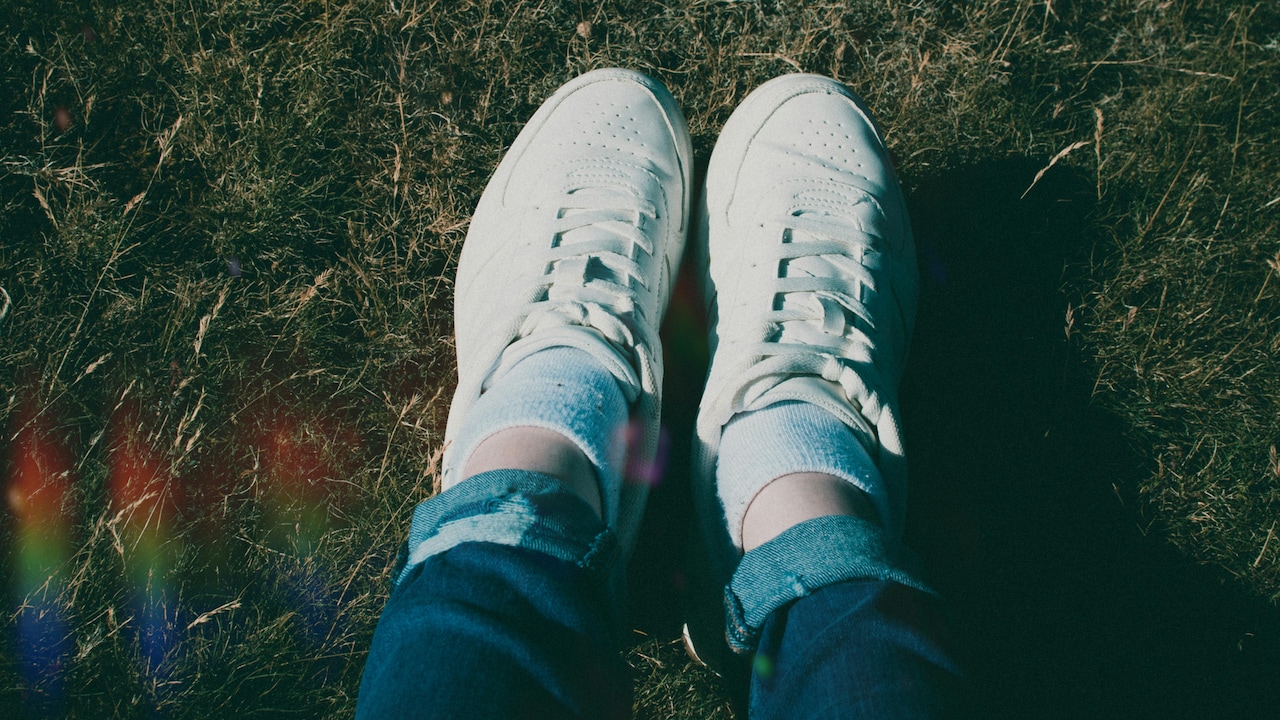
Men's White Sneakers: Know About This White-Shoe Cleaning Myth Ruining Your Sneaker-Care Routine.
White sneakers have a special kind of power. They can make an outfit look instantly put-together, even if the rest of life feels like a Monday morning traffic jam. That's why so many people buy them, and why so many people ruin them.
The funny part? White sneakers don't usually die from “wear and tear”. They die from panic-cleaning. A stain shows up, and suddenly there's toothpaste, detergent, a steel scrubber, and someone's cousin recommending bleach like it's a miracle potion.
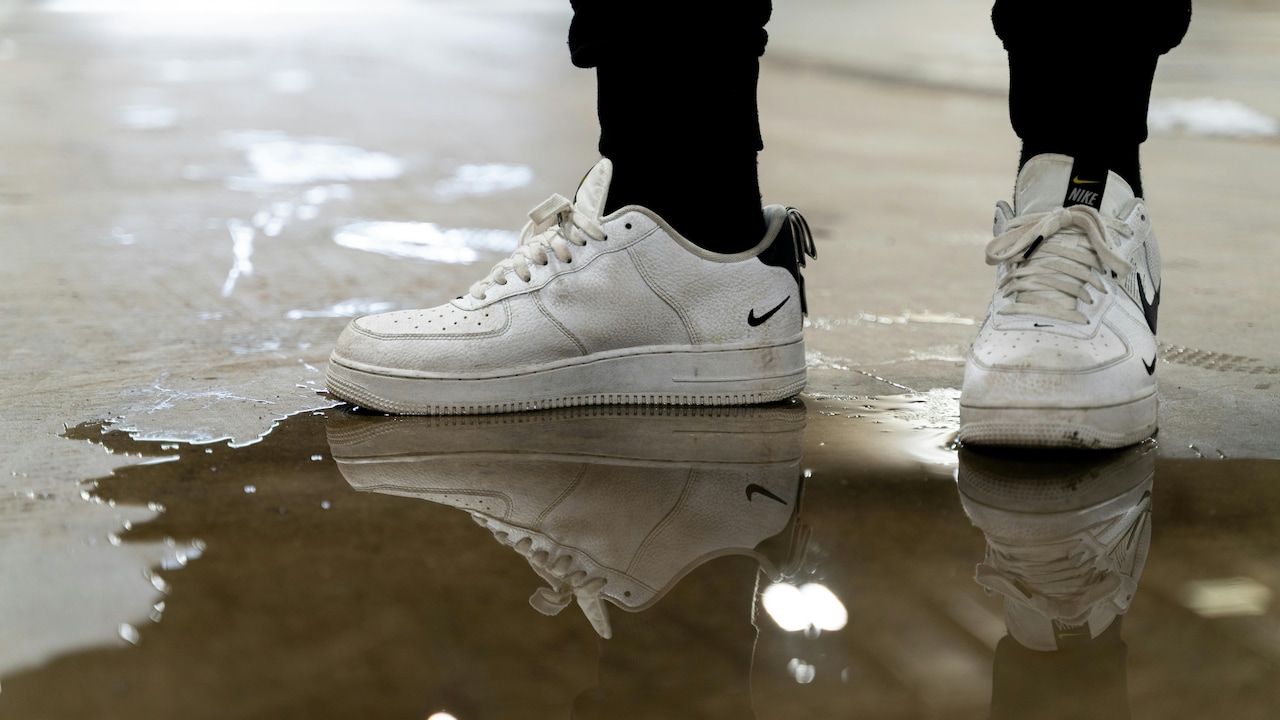
Make your white sneakers spot-free with these cleaning tips; Photo Credit: Pexels
The myth is simple: white shoes must be scrubbed aggressively to stay white. That myth is destroying sneaker-care routines everywhere. The truth is far less dramatic and way more effective: white sneakers need gentle, regular care, not emergency surgery.
So let's talk about the biggest white-sneaker cleaning myths, why they cause damage, and what to do instead, without turning sneaker cleaning into a weekend project.
Also Read: Sneakers Under ₹1000: Campus To Asian, Check Top 5 That Are Tough And Durable
The 10 White-Sneaker Cleaning Myths That Are Quietly Wrecking Your Routine
1) Myth: Toothpaste is the ultimate white-sneaker cleaner
Toothpaste is the most famous white sneaker “hack”. It's also one of the most misunderstood. Yes, it can remove surface marks sometimes. But toothpaste was made for enamel, not leather, canvas, mesh, suede, or rubber soles.
Many toothpastes contain abrasives, whitening agents, and strong flavours that leave residue. That residue sits in the texture of the shoe and attracts more dirt later. Worse, it can dry out certain materials and make them look patchy. People usually notice it weeks later when the sneaker starts looking uneven, like it aged overnight.
A common scene: someone scrubs toothpaste on the toe box, rinses quickly, and feels proud. Then the sneaker dries with dull patches and a weird chalky finish. It's not “extra white”. It's damaged.
Better approach: use a gentle sneaker cleaner or mild soap diluted in water. A soft brush and patience do more than minty foam ever will. Toothpaste belongs in the bathroom, not in the sneaker-care kit.
2) Myth: Bleach brings white sneakers back to life
Bleach sounds like the fastest solution. White shoes become white again, simple. Except that bleach doesn't just clean. It strips, weakens, and breaks down materials.
On rubber soles, bleach can cause yellowing over time. On fabric, it can weaken fibres and make them look thin and tired. On glue, it can loosen the bond between the sole and the upper. And if the sneaker has any coloured accents, even tiny ones, bleach can create ugly fading or strange stains.
The worst part is the false confidence bleach gives. People think, “If a little works, more will work better.” That's how shoes end up looking like they survived a science experiment.
If the goal is brightness, oxygen-based whiteners (used carefully) work better than chlorine bleach. Even then, spot-test first. But honestly, the best trick is boring: regular wiping and gentle cleaning before stains settle in.
White sneakers don't need harsh chemicals. They need consistency.
3) Myth: A hard scrub solves everything
This is the myth that ruins sneakers the fastest. The stain shows up, and the response becomes aggressive. Scrubbing like it's a kitchen tile. Using steel wool, a rough scouring pad, or an old brush that once cleaned a balcony.
Hard scrubbing damages the surface. On leather, it removes the protective finish. On mesh, it frays threads. On canvas, it roughens fibres. On rubber, it scratches and makes the sole look permanently dull. The sneaker may look cleaner for a day, but it loses its smooth, fresh appearance.
And once the texture is damaged, dirt sticks more easily. That means more scrubbing later, which means more damage. It becomes a sad cycle: scrub, ruin, scrub harder, ruin faster.
The smarter move: treat sneaker cleaning like skincare, not floor-cleaning. Gentle strokes, soft brushes, microfibre cloth, and short sessions. A sneaker that stays smooth stays cleaner longer. The goal isn't to attack dirt. It's to lift it.
4) Myth: Throwing sneakers in the washing machine is safe
The washing machine feels like a cheat code. Toss the sneakers in, add detergent, and let technology do the work. Sadly, most sneakers aren't built for that kind of chaos.
The spinning and banging can warp the shape. The glue can weaken. Insoles can curl. The foam can lose structure. And the fabric can develop weird creases that never go away. Even if the sneaker survives one wash, repeated washes shorten its life dramatically.
Then there's detergent. Most laundry detergents are strong. They can strip finishes and leave residue that makes shoes look dull. Some detergents also cause yellowing when shoes dry.
If sneakers are heavily soiled and made of canvas, a gentle machine wash might work, but only with precautions: cold water, no spin or low spin, mild soap, and the shoes inside a pillowcase. Even then, air-drying matters.
In most cases, hand-cleaning takes less time than fixing machine damage. Washing machines are for clothes. Sneakers deserve better.
5) Myth: Sun-drying makes sneakers whiter
This one feels logical. Sunlight dries shoes faster, so why not leave them on the balcony for a few hours? The problem is that direct sunlight can cause yellowing, especially on rubber soles and certain fabrics.
Many people see the yellowing and assume the shoes got “older”. They didn't. They got cooked. Heat and UV exposure break down materials and cause oxidation. White rubber starts looking like it has a permanent tea stain. The upper can fade unevenly. Glue can soften, then re-harden poorly.
There's also a sneaky problem: water trapped inside the sneaker. If shoes dry too quickly on the outside but stay damp inside, they can develop odour. That smell doesn't leave easily. It sets up camp.
The best drying method is slow and shaded. Stuff the sneakers with paper to hold shape and absorb moisture. Keep them in a well-ventilated room. Yes, it's slower. But it keeps the whites looking fresh instead of turning vintage-yellow.
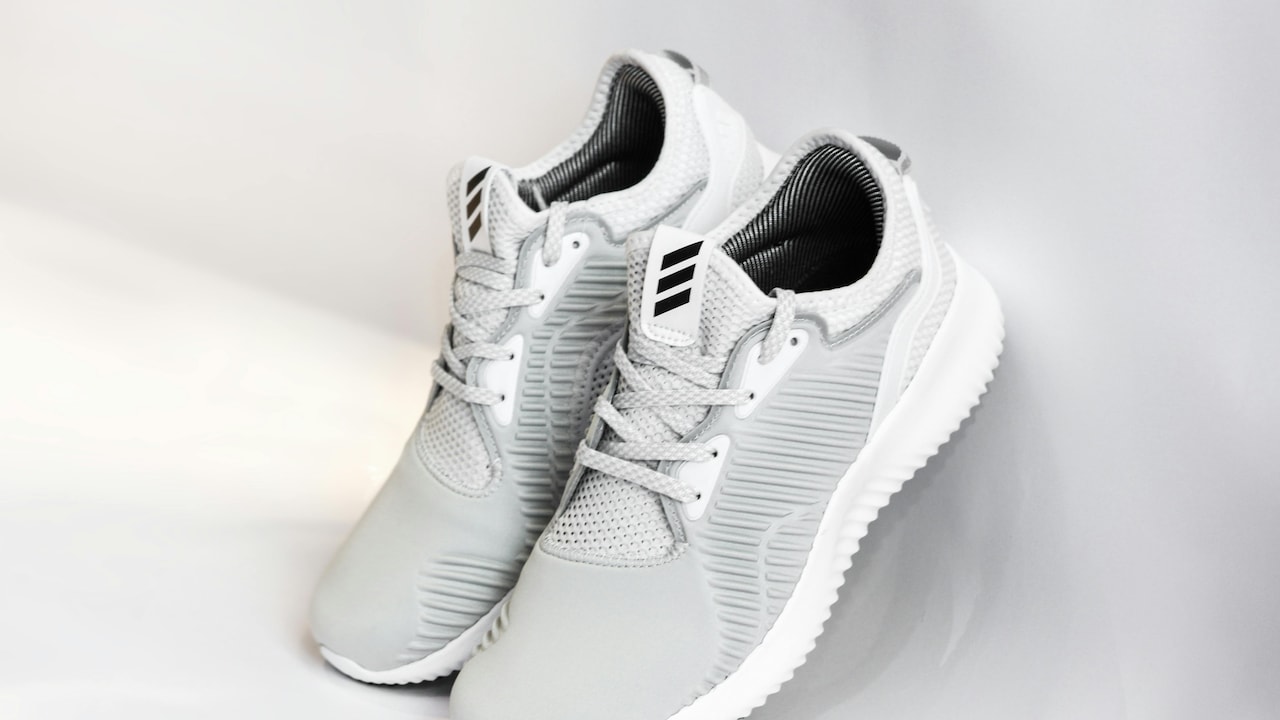
Let your sneakers dry in shade instead of direct sunlight; Photo Credit: Pexels
6) Myth: Any cleaner works if it “removes stains”
Many people use whatever is nearby: dishwashing liquid, floor cleaner, bathroom spray, shampoo, or even handwash meant for woollens. The logic is simple: if it cleans something, it will clean sneakers.
Sneakers are mixed-material products. They have glue, coatings, foams, and different textures. A cleaner that works on steel sinks can ruin sneaker uppers. A strong degreaser can dry out leather. A harsh disinfectant can discolour mesh. Even dish soap, if too concentrated, can leave residue that attracts dust.
Then there's the smell. Some cleaners leave a sharp chemical scent that lingers inside the shoe. Not exactly the vibe anyone wants while walking into a café.
Sneaker care needs gentle products. Mild soap diluted in water works for most situations. For leather, use a leather-safe cleaner. For suede, use a suede brush and eraser. The goal isn't to use the strongest cleaner. It's to use the right one.
A sneaker shouldn't smell like a bathroom after cleaning.
7) Myth: White sneakers must always look “pure white” always
This myth doesn't ruin the shoe directly. It ruins the owner's peace of mind. White sneakers are meant to be worn. They will pick up dust. They will get minor creases. They will collect small scuffs, especially on the sole edge.
Chasing a “brand-new” look every day leads to over-cleaning. Over-cleaning leads to material fatigue. That's how people destroy a good pair in three months while trying to keep it perfect.
There's also something oddly charming about a well-worn white sneaker. Not filthy, not neglected, but lived-in. Like a favourite watch with tiny scratches. Like a book with folded corners.
A healthier mindset helps: aim for clean, not flawless. Wipe after use. Clean lightly once a week if worn often. Deep clean only when needed. That approach keeps sneakers looking fresh for longer without turning life into a constant stain patrol.
White sneakers don't need perfection. They need care and a bit of emotional maturity.
8) Myth: Water alone is enough
Some people avoid cleaners completely and rely on water and wiping. It feels safe. No chemicals, no risk. But water alone often spreads dirt rather than lifting it.
On canvas and mesh, water can push grime deeper into the fibres. On leather, water can leave marks and dullness. On rubber soles, water can't break down oily dirt. That's why the sneaker looks “cleaner” while wet, then looks dirty again when dry. It's not magic. It's just dirt that never left.
Also, too much water can loosen glue and cause separation at the edges. People often soak sneakers, thinking it helps. It usually doesn't.
A better approach is controlled moisture: a damp cloth, a soft brush, and mild soap. Use small amounts. Work in sections. Wipe off residue. That method cleans properly without drowning the shoe.
Sneaker cleaning is less about soaking and more about precision. Like cleaning glasses, not washing a car.
9) Myth: Crease protectors and sprays solve everything
The market loves selling shortcuts. Crease protectors, “instant whitening” sprays, sole pens, and miracle foams. Some products help, but many create new problems.
Crease protectors can make shoes uncomfortable. They can also change the way the sneaker flexes, which causes stress in other areas. Whitening sprays often sit on the surface like paint. They crack, flake, and look worse than the original stain. Sole pens can look obvious in daylight, especially if the shade doesn't match the rubber.
And the biggest issue: people rely on these products instead of basic care. It becomes like spraying perfume instead of bathing.
A simple routine beats fancy hacks. Wipe after wear. Brush off dust. Clean small stains quickly. Store properly. Use a shoe tree or stuff with paper to hold shape. If using sprays, choose water-repellent protectors designed for the specific material and apply them lightly.
Sneakers don't need gimmicks. They need boring habits. Boring works.
10) Myth: Sneaker care is expensive and time-consuming
This myth stops people from caring for their shoes at all. They assume sneaker care needs premium kits, fancy brushes, and imported cleaners that cost ₹1,999 a bottle.
Reality: good sneaker care is mostly about timing and technique. A soft brush, a microfibre cloth, mild soap, and patience do most of the work. Even a basic routine keeps sneakers looking fresh for months.
A practical system helps:
- After wearing: quick wipe of the midsole and toe area
- Weekly: light brush and spot clean
- Monthly: deeper clean if needed
- Always: dry properly and store away from dust
Also, clean sneakers are easier to maintain than dirty ones. When grime builds up, cleaning becomes harder. That's when people panic and use harsh methods that ruin the shoe.
Sneaker care doesn't need a big budget. It needs a small effort at the right time. Think of it like keeping a phone screen clean. It's not expensive. It's just regular.
Products Related To This Article
1. KILLER KLECSP1104WBL Sneakers For Men
2. asian Moscow-01 s,Loafers,Chunky Shoes Sneakers For Men
3. VENDOZ Casual Stylish Trending Sneakers For Women
4. CAMPUS CAMP CLINT Sneakers For Women
5. RED TAPE Casual Lifestyle Shoes for Men | Soft Cushioned Insole, Slip-Resistance Sneakers For Men
White sneakers aren't fragile. They're just misunderstood. The real enemy isn't mud, dust, or city grime. It's the cleaning myths that encourage harsh scrubbing, bleach, toothpaste, machine washing, and sun-drying like they're universal solutions.
The truth is simpler: white sneakers stay fresher when they're treated gently and cleaned consistently. Most damage happens during “emergency cleaning” moments when panic takes over and the shoe becomes a victim of enthusiasm.
A good pair of white sneakers can last a long time and still look sharp, without turning life into a cleaning routine. Gentle tools, mild cleaners, and sensible drying go a long way. And maybe the most important lesson: clean is the goal, not perfect.
Because honestly, a white sneaker with a tiny scuff still looks better than a ruined sneaker that smells like toothpaste and regret.
(Disclaimer: This article may include references to or features of products and services made available through affiliate marketing campaigns. NDTV Convergence Limited (“NDTV”) strives to maintain editorial independence while participating in such campaigns. NDTV does not assume responsibility for the performance or claims of any featured products or services.)