How to Spot Authentic Chikankari Kurtas: Hand Embroidery vs Machine Work
Learn how to spot real chikankari kurtas with simple checks, stitches, fabric feel, thread quality, and reverse-side clues, so you don't mistake machine embroidery for authentic handwork. Learn to differentiate between authentic and duplicate chikankari kurtas using these tips.
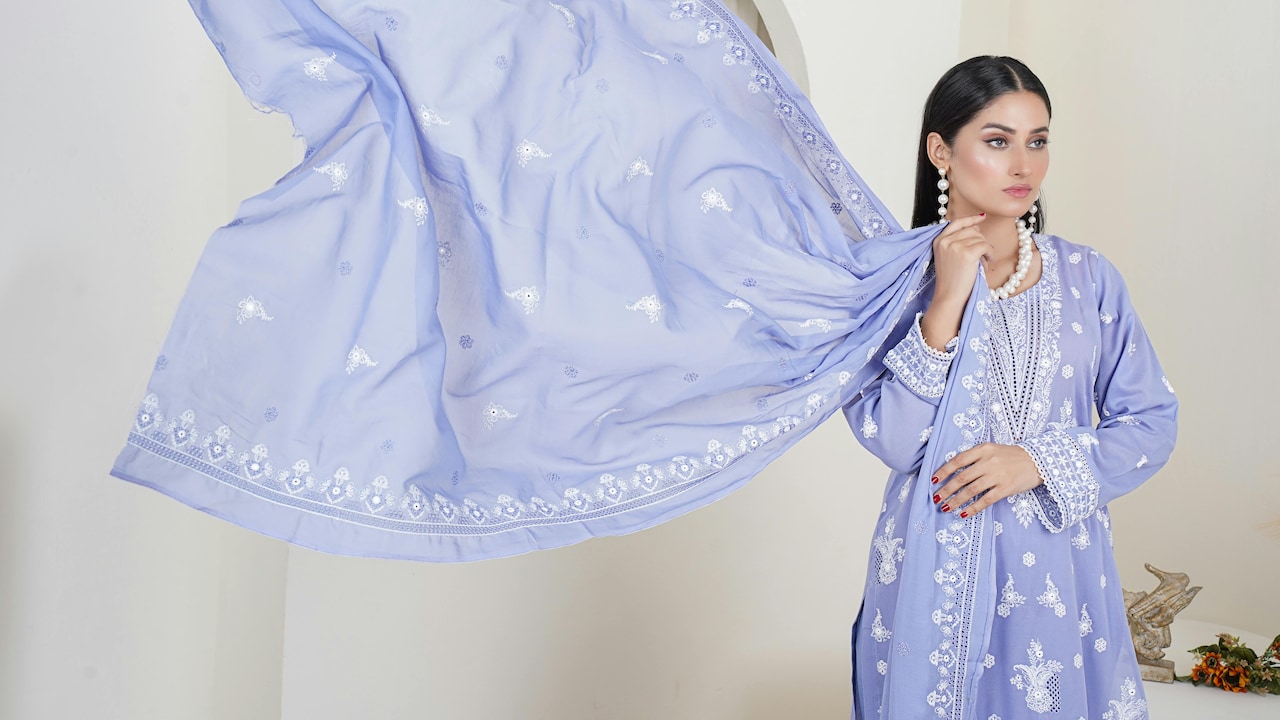
Chikankari Kurtas: Here Is How To Spot Authentic Embroidery From Machine Threadwork.
Chikankari has a quiet kind of charm. It doesn't scream for attention. It doesn't need sequins, mirror work, or dramatic shine. It wins hearts with softness, detail, and that “how is this so delicate?” effect. But here's the problem: chikankari has become trendy. And whenever something becomes trendy, copies arrive faster than your parcel delivery updates. Markets, online stores, even boutique racks now carry kurtas that look like chikankari at first glance, but they're actually machine embroidery or cheap threadwork designed to mimic it.
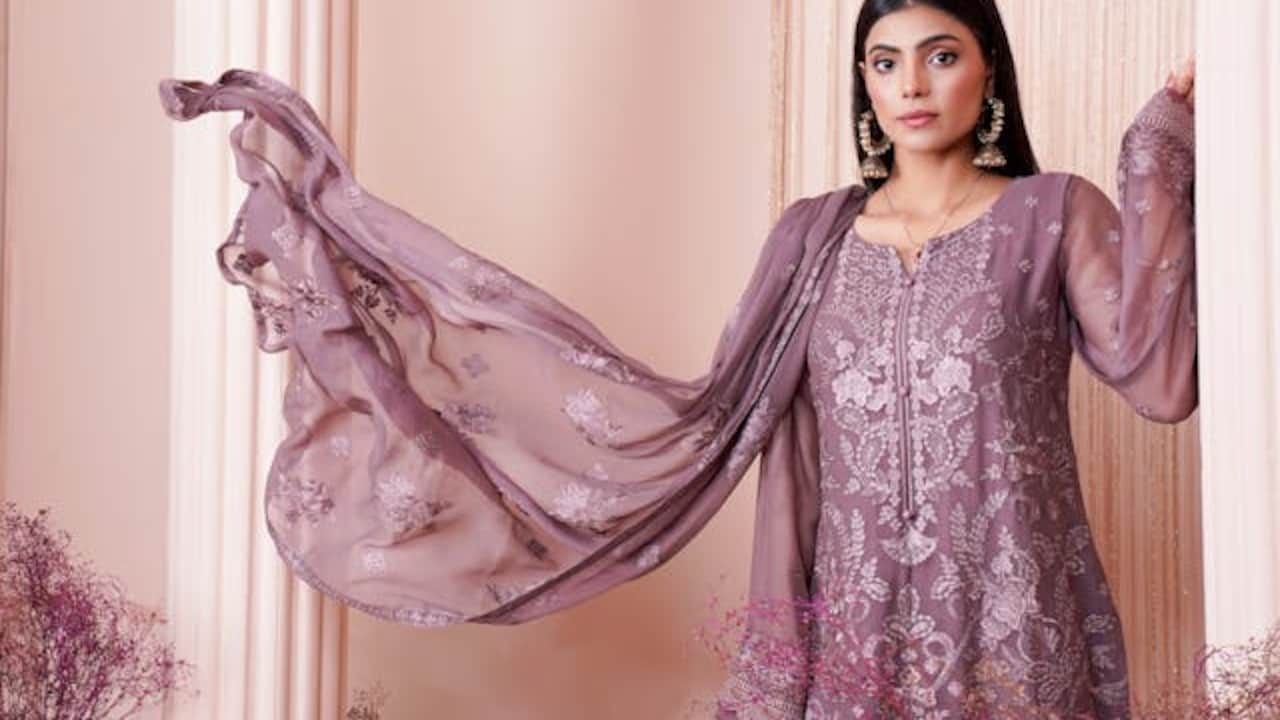
Get ready to become an experienced chikankari kurti identifier with these tips; Photo Credit: Pexels
And it matters. Not just because you want value for money, but because hand chikankari supports skilled karigars who have perfected these stitches over generations. Plus, a real chikankari kurta ages beautifully. The fake ones… well, they age like a bad haircut.
So, how does one tell the difference without becoming a full-time textile detective? Start with these ten clues.
Also Read: Top 5 Kurtis That Are Perfect For The Wedding Season
10 Easy Ways to Tell Real Chikankari from Machine Embroidery
1) Check the Back Side: The “Messy Truth” Test
The fastest way to spot authentic chikankari is also the least glamorous: turn the kurta inside out.
Hand chikankari is not meant to look perfect on the reverse side. It will have tiny knots, thread starts, and stitch trails that show the work has been done manually. The back will still look neat in its own way, but it won't look like a printed copy-paste.
Machine threadwork, on the other hand, often looks suspiciously clean. The reverse side may show long, smooth thread lines, repeated loops, or a stiff mesh-like pattern. It can look too uniform, like the embroidery was “stamped” rather than stitched.
A quick analogy helps: hand chikankari is like homemade biryani, every grain has character. Machine embroidery is like microwave pulao, neat, predictable, and slightly soulless.
If shopping offline, don't feel awkward flipping the fabric. A good seller won't mind. A shady seller might suddenly become busy answering a phone call.
2) Feel the Texture: Real Chikankari Has a Soft Hand
Chikankari is famous for how gentle it feels. Hand embroidery sits lightly on the fabric. It doesn't feel bulky, plasticky, or stiff.
Run your fingers over the motifs. Authentic stitches often feel slightly raised in places, especially with stitches like murri and phanda, but the overall feel remains soft and flexible. The fabric should still drape naturally, not stand like a cardboard cut-out.
Machine embroidery tends to feel tighter and more rigid. The threads often pull the fabric slightly, especially around dense patterns. Sometimes you can even feel a roughness where the machine has packed the thread too tightly.
A real chikankari kurta should feel like something that belongs in summer. If it feels like it could survive a mild storm on its own, that's not a good sign.
This texture test is especially useful when shopping online too. Look for close-up photos where the embroidery appears integrated, not sitting on top like a separate layer.
3) Study the Stitch Variation: Handwork Never Copies Itself Exactly
Hand chikankari has tiny variations. That's not a flaw, it's proof of life.
Look closely at repeated motifs: leaves, flowers, jaali patterns, or vines. In real hand embroidery, the stitches won't be identical. One petal might be slightly longer, a curve may bend a little differently, or a stitch density may vary. These micro differences are what make chikankari feel artistic instead of industrial.
Machine threadwork is extremely consistent. Every leaf will look like it came from the same mould. The symmetry can feel almost too perfect, like a wallpaper print.
This point becomes even clearer in large panels, like a heavily embroidered front yoke. In handwork, the design flows. In machine work, the design repeats.
If the embroidery looks like it was done by a printer with thread, it probably was.
4) Look for Signature Stitches: Murri, Phanda, and Jaali
Chikankari is not one stitch. It's a whole language of stitches. Some of them are especially hard for machines to imitate convincingly.
Murri looks like tiny grains of rice, raised and compact.
Phanda looks like small knots, like little pearls.
Jaali creates a net effect where the fabric threads are manipulated, not cut.
These stitches are labour-intensive. They require skill and patience. And they're often the first to disappear in cheaper pieces because they cost time and effort.
Machine embroidery may mimic murri and phanda with dense satin stitches or thread lumps, but they won't have the same crispness. The “knots” may look flat, or too round, or oddly shiny.
Jaali is the biggest giveaway. True jaali looks airy and delicate, like lace formed from the fabric itself. Machine-made “jaali” often looks like cutwork or a basic net stitch.
If a kurta claims heavy jaali at ₹799, that's not a bargain. That's a bedtime story.
5) Check the Thread Quality: Cotton Thread vs Shiny Polyester
Authentic chikankari traditionally uses soft cotton thread. It blends beautifully with cotton, mulmul, voile, and georgette. The thread doesn't glare under light. It looks elegant, matte, and refined.
Machine threadwork often uses polyester thread. Polyester has a tell-tale shine. Under tube lights or camera flash, it can look slightly glossy. This shine might look “pretty” in the shop, but it usually makes the embroidery look cheaper in daylight.
Also, polyester thread can feel slightly slippery. Cotton thread feels more natural and has a subtle grip.
Another clue: in authentic pieces, the thread colour often matches the base fabric with gentle harmony. In machine pieces, the thread may look starkly white or unnaturally bright.
Chikankari is meant to whisper, not sparkle. If it's sparkling, something is off.
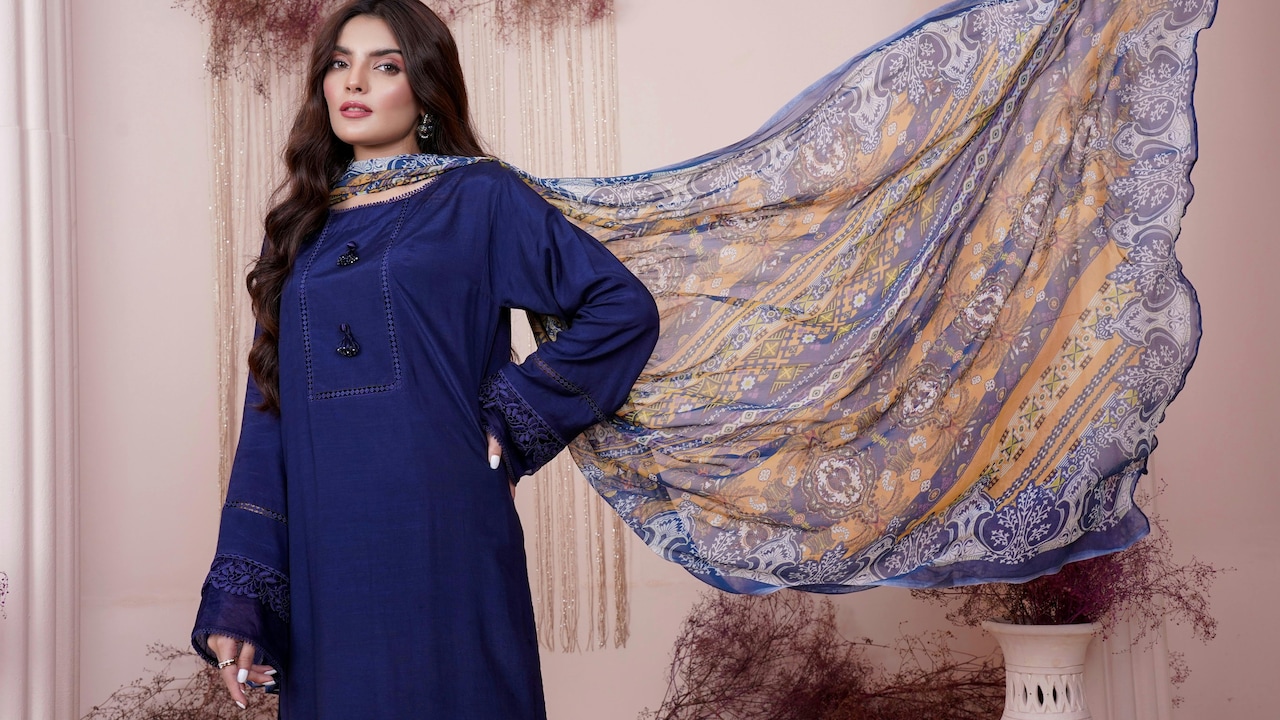
Look for soft cotton thread that doesn't glare under light; Photo Credit: Pexels
6) Watch the Fabric Pull: Machines Tug, Hands Flow
One underrated way to spot machine work is by checking whether the fabric puckers.
Machine embroidery can pull the fabric tight because the stitches are done quickly and with uniform tension. This creates slight ripples around the motifs, especially on lightweight fabrics like cotton voile or georgette.
Hand chikankari usually sits more naturally. The tension varies gently because the work is done stitch by stitch. The fabric remains smooth, and the embroidery feels like it belongs there.
Hold the kurta up and let it fall naturally. Does it drape well? Or does the embroidered area look stiff and wrinkled compared to the rest?
This matters a lot for comfort too. Machine embroidery can feel scratchy where the fabric is pulled tight. Hand embroidery tends to feel breathable.
In summer, that difference is not small. It's the difference between “fresh and elegant” and “why is my kurta attacking me?”
7) Check for Add-ons: Sequins, Cheap Lace, and “Overcompensation”
This one might sting, but it's useful: many fake chikankari kurtas try to distract you.
They add sequins, plastic beads, shiny trims, and heavy lace borders. Sometimes it looks festive. Sometimes it looks like the kurta got dressed in a hurry and grabbed everything it could find.
Authentic chikankari doesn't need these extras. Traditional pieces rely on the embroidery itself. Even when chikankari is paired with mukaish or subtle embellishment, it's done with restraint and craft.
In many mass-market pieces, sequins are used to hide weak embroidery. The threadwork might be basic, but the sparkle makes it look “more.”
A simple rule works: if the kurta feels like it's shouting, it's probably not classic chikankari.
That doesn't mean sequins are always bad. It just means the embroidery should still look like the star of the show.
8) Price vs Labour: When the Maths Doesn't Add Up
Hand chikankari takes time. Even a lightly embroidered kurta can involve hours of work. Heavily embroidered pieces can take days.
So when a seller offers “pure hand chikankari” for ₹650 with heavy front-and-back embroidery, something doesn't add up. Either the worker was paid unfairly, or the piece isn't handwork.
This isn't about being snobbish. It's about being realistic.
A genuine hand chikankari kurta in decent fabric usually starts around ₹1,500–₹2,500 for simpler designs. More detailed pieces can go much higher depending on fabric, stitch complexity, and finishing.
Yes, bargains exist in local markets, exhibitions, and direct artisan sourcing. But “too cheap” is a warning sign.
A kurta is not just fabric and thread. It's human time. And human time costs money, even when people pretend it doesn't.
9) Observe the Design Placement: Handwork Has Natural Flow
Machine embroidery often follows predictable placement: a symmetrical yoke, repeated motifs, and identical borders. It looks like a template.
Hand chikankari usually has a more organic layout. The motifs may feel thoughtfully placed. The spacing may vary slightly. The pattern often flows with the garment shape rather than sitting on it like a sticker.
Check the neckline area. In authentic pieces, the embroidery tends to frame the neck beautifully, with small details that make it feel customised. Machine work often looks like a standard design dropped onto every kurta in the same way.
Also, check the side seams. In many machine pieces, the embroidery ends abruptly before seams because it's easier. In hand pieces, the work may continue more naturally.
The best chikankari kurtas don't look “designed on a computer”. They look like someone cared where each motif landed.
10) Ask the Right Questions: A Good Seller Won't Get Defensive
Sometimes the simplest way to spot authenticity is to talk.
Ask the seller:
Is this fully hand-embroidered or partly machine-made?
Which stitches are used?
Where was it made?
Is there any fabric stiffening or backing?
Is it hand-embroidered or hand-finished?
A genuine seller usually answers calmly. They might even proudly explain the stitches or show you the reverse side. They may mention whether it's shadow work, bakhiya, or jaali.
A dishonest seller often becomes vague: “Yes, yes, all hand only, madam.” Or they push you to buy quickly. Or they throw buzzwords around without meaning.
Online, check the product description. If it says “chikankari style” or “chikan embroidery inspired”, that's code for machine work. Some brands are honest about it, which is fine. The problem is when it's sold as handwork.
Buying chikankari should feel like buying a craft, not gambling. The seller's transparency matters as much as the stitches.
Products Related To This Article
1. ADA Women Chikan Embroidery, Embroidered Georgette Straight Kurta
2. Sofisty Women Chikan Embroidery Viscose Rayon Straight Kurta
3. Malabis Women Chikan Embroidery, Self Design Pure Cotton A-line Kurta
4. Anushansa Women Embroidered, Self Design Viscose Rayon Straight Kurta
5. RATAN Women Chikan Embroidery Pure Cotton Flared Kurta
A chikankari kurta is not just a wardrobe item. It's one of those pieces that makes everyday life feel a little softer, whether it's worn to college, office, brunch, or a family dinner where someone will definitely ask, “Where did you get that from?”
Spotting authentic chikankari isn't about being fussy. It's about knowing what you're paying for. It's about recognising hand skill in a world that keeps rushing towards shortcuts. And honestly, it's also about saving yourself from the heartbreak of buying a “handmade” kurta that starts unravelling after two washes.
The next time a kurta catches your eye, don't just look at the front. Turn it over, feel the stitches, check the fabric, and trust your instincts. Real chikankari has a quiet confidence. It doesn't need to prove itself. It simply shows up, soft, detailed, and unmistakably alive.
(Disclaimer: This article may include references to or features of products and services made available through affiliate marketing campaigns. NDTV Convergence Limited (“NDTV”) strives to maintain editorial independence while participating in such campaigns. NDTV does not assume responsibility for the performance or claims of any featured products or services.)