How To Drape A Saree Easily: Simple Styling Ideas Without Perfect Pleats
Struggling with saree pleats? Here's how you can drape a saree like professionals at home - this guide breaks down easy draping styles, smart fabric choices and practical fixes that make wearing a saree stress-free, comfortable and stylish for everyday and festive wear.
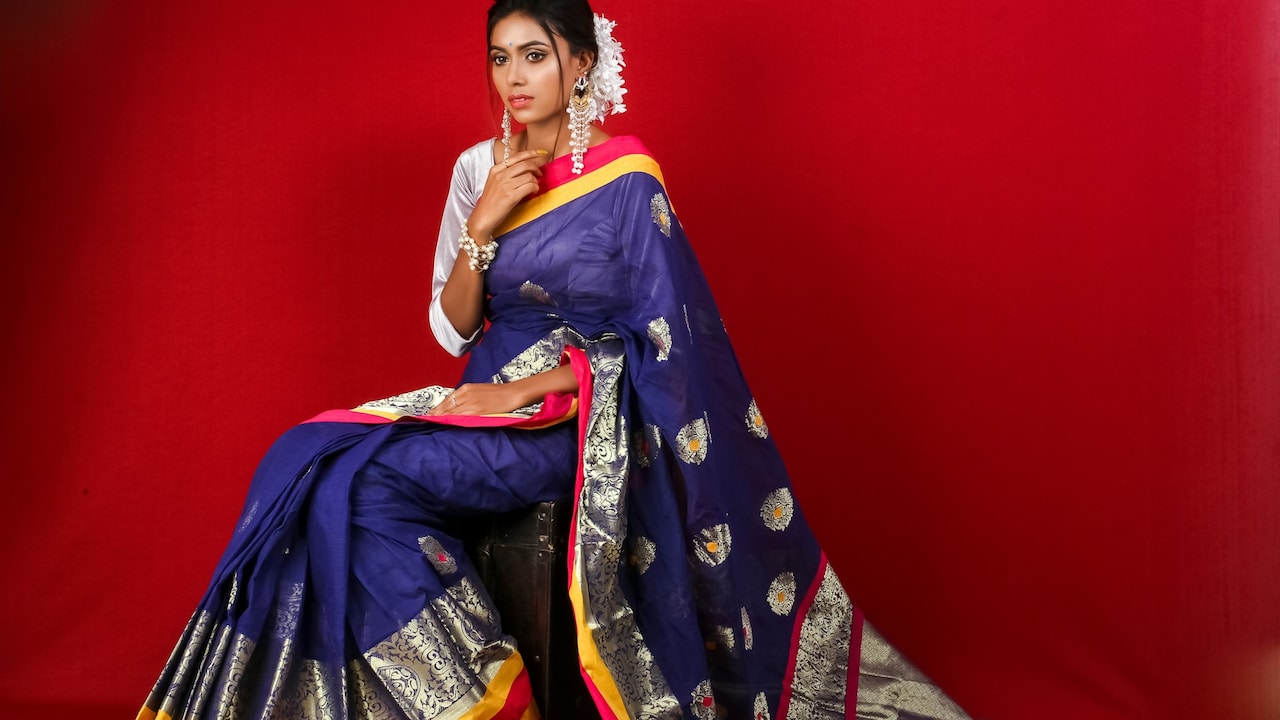
Saree Styling Made Simple: Draping Ideas for Anyone Who Struggles With Pleats.
Almost everyone who loves sarees has faced this moment: standing in front of the mirror, safety pins in hand, wondering why pleats never look neat. The fabric slips, the folds spread, and patience wears thin. Sarees deserve better than being saved only for special occasions. They deserve confidence, comfort, and ease. Draping does not need perfection. It needs a method that suits the body, the fabric, and the day. Pleats often get blamed, but the real issue lies in overthinking the process. Saree draping works best when treated like a rhythm rather than a rigid rulebook.
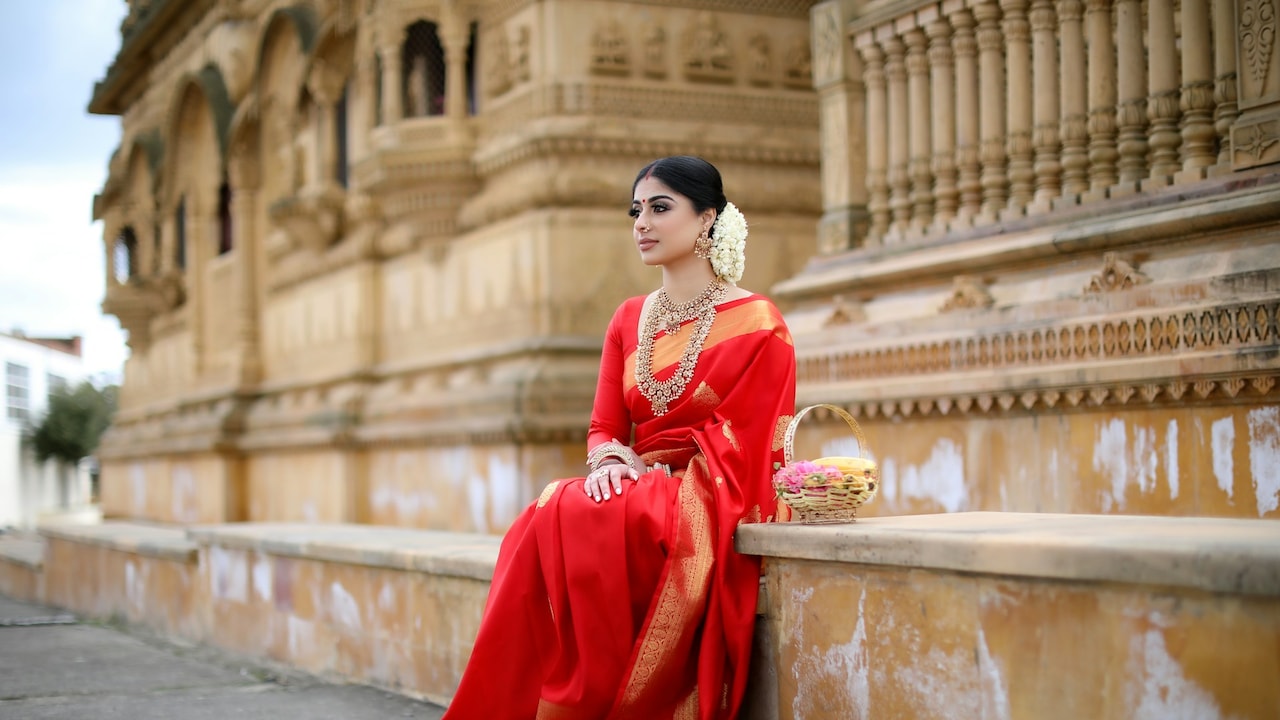
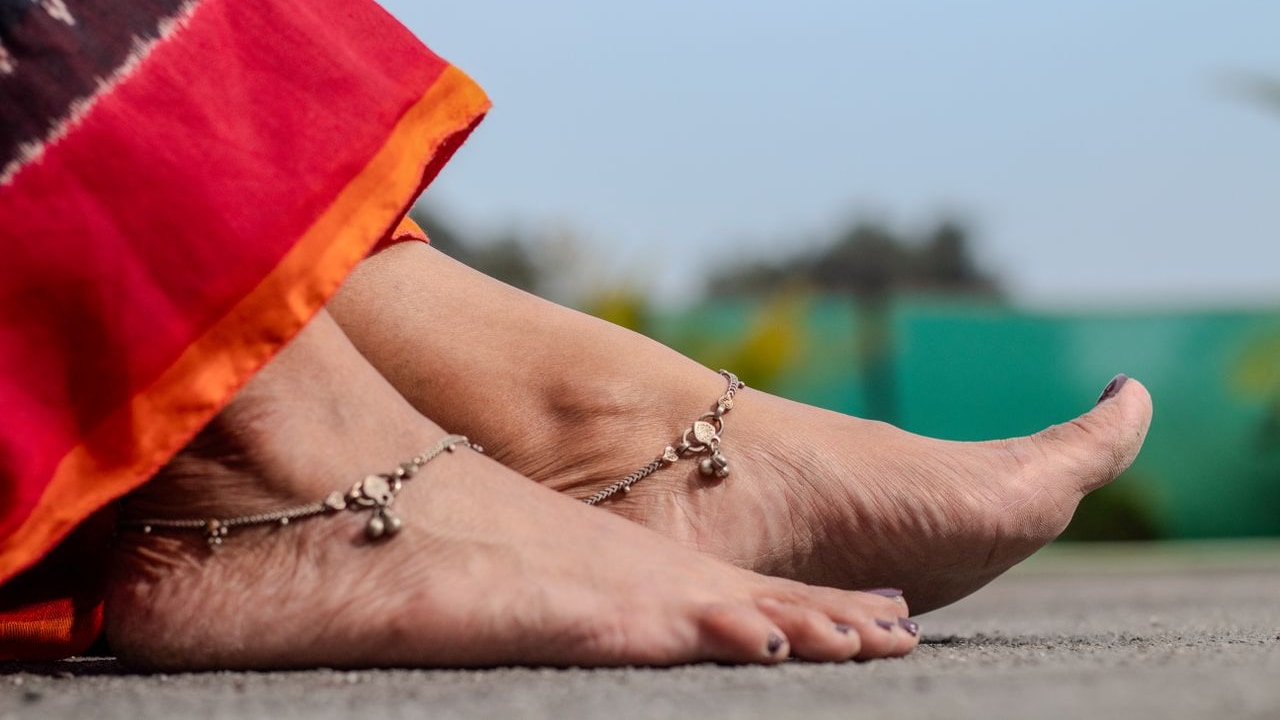
Drape your sarees like professionals with these 10 helpful tips; Photo Credit: Unsplash
This article focuses on draping ideas that simplify pleats or reduce the need for them altogether. These styles suit beginners, busy professionals, students, and anyone who wants to wear a saree without stress. Each approach values comfort, movement, and personality. Sarees should feel friendly, not frightening.
Also Read: Modern Draping Techniques: How To Wear A Saree With A Contemporary Twist
Practical Saree Drapes Designed For Comfort, Confidence And Ease
1. The One-Pleat Wonder for Rushed Mornings
Multiple pleats sound elegant, but they also demand time and precision. The one-pleat method offers a lifesaver on busy days. Instead of forming six or seven thin folds, this style uses one broad pleat tucked neatly at the centre. The fabric falls smoothly and avoids bulk around the waist.
This drape works especially well with softer fabrics like crepe, georgette, or lightweight cotton. The key lies in aligning the border cleanly and letting the rest of the saree flow naturally. A well-fitted petticoat adds structure and keeps the pleat in place.
This style suits office wear, casual outings, and even small gatherings. Movement feels easier, and the drape stays intact for longer hours. Pairing it with a tailored blouse sharpens the look without effort. The one-pleat method proves that simplicity often looks more confident than complicated folds.
2. Pre-Pleated Sarees That Save Sanity
Pre-pleated sarees have quietly changed the draping game. These sarees come with stitched pleats, removing guesswork entirely. The wearer only needs to wrap, tuck, and pin. No measuring. No balancing acts in front of the mirror.
This option works brilliantly for first-timers and those who dislike last-minute stress. Pre-pleated designs also suit long events like weddings or festivals, where comfort matters as much as appearance. The pleats stay crisp from morning rituals to late-night celebrations.
Designers now offer these sarees in silk blends, chiffons, and everyday fabrics. Styling options remain flexible, allowing experimentation with pallus and blouses. Pre-pleated sarees feel like a supportive friend who steps in when confidence wavers. They prove that modern solutions can honour tradition without fuss.
3. The Dhoti-Style Drape for Freedom of Movement
Pleats feel restrictive for many because they limit movement. The dhoti-style saree solves this issue with clever wrapping instead of traditional pleating. The fabric passes between the legs and wraps around, creating a relaxed yet striking silhouette.
This drape suits long days, outdoor events, and festive celebrations that involve walking or dancing. It also flatters different body shapes by offering balance and ease. Sturdier fabrics like cotton silk or linen blends work best for structure.
Styling the dhoti drape feels playful and bold. Belts, jackets, or statement blouses add personality. The pleat struggle fades away, replaced by comfort and confidence. This style reminds everyone that sarees adapt beautifully to modern lifestyles.
4. The Pant-Style Saree for Zero Pleat Pressure
The pant-style saree removes pleats entirely. The saree pairs with fitted pants, palazzos, or dhoti trousers, allowing the fabric to drape freely over the legs. This approach feels especially appealing to those new to sarees.
The look blends elegance with practicality. Walking becomes effortless, and the drape stays secure throughout the day. This style suits formal events, office parties, and festive dinners. Heavier fabrics gain structure, while lighter ones add flow.
Pant-style sarees also open doors for creative styling. Experimentation with blouses, belts, and accessories feels natural. The absence of pleats removes fear and replaces it with freedom. This drape suits anyone seeking comfort without sacrificing style.
5. The Lehenga Saree for Effortless Volume
Lehenga sarees combine the drama of a lehenga with the grace of a saree. The skirt replaces pleats, offering instant volume and shape. The saree drapes over the skirt without the need for careful folding.
This style works wonderfully for weddings and festive occasions. The weight of the skirt supports the drape and keeps everything in place. Rich fabrics like silk blends and embroidered textiles shine in this format.
The lehenga saree also flatters many body types by creating a balanced silhouette. Movement feels easy, and the fear of pleats slipping disappears. This style proves that sarees can feel luxurious without demanding technical skill.
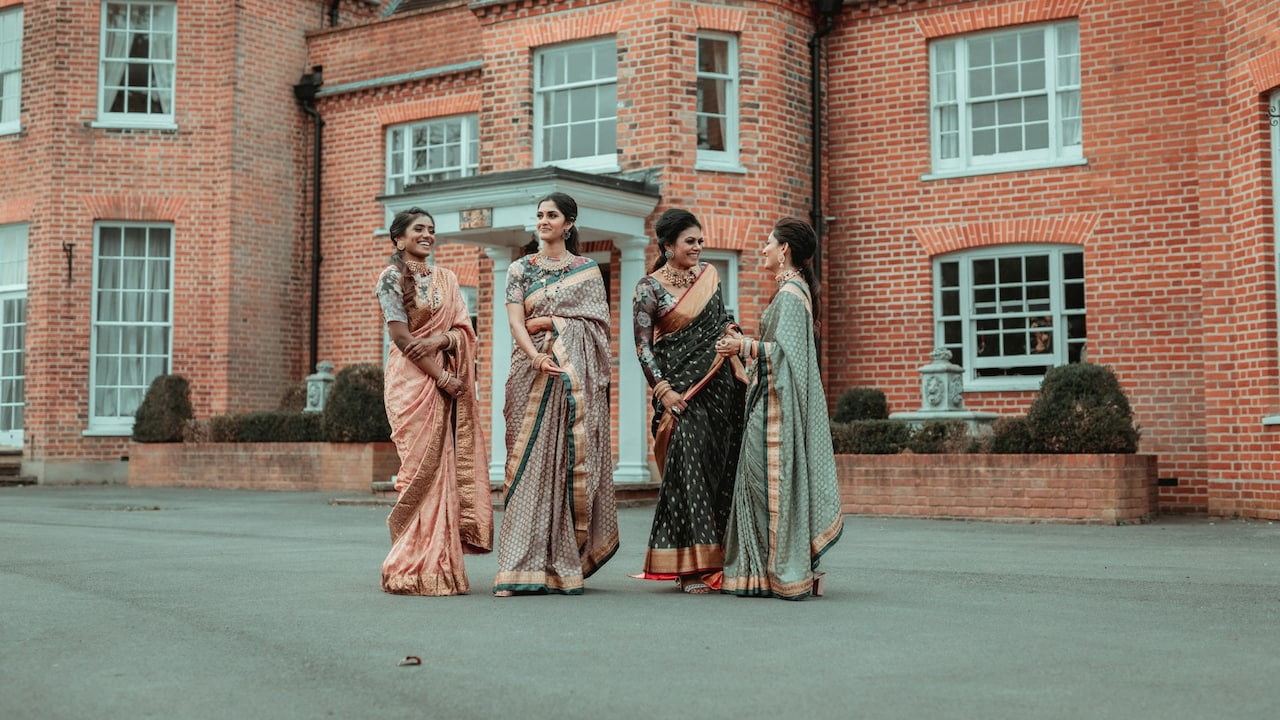
Try the lehenga style draping for a more casual and worry-free styling; Photo Credit: Unsplash
6. Belted Sarees That Hold Everything Together
Belts have transformed saree styling in recent years. They offer structure, security, and a modern edge. For those who struggle with pleats, a belt becomes a practical tool rather than just an accessory.
A belt holds pleats firmly at the waist, reducing constant adjustments. It also defines the silhouette and adds confidence to the drape. This trick works with both traditional and contemporary sarees.
Choosing the right belt matters. Fabric belts feel subtle, while metallic ones add drama. Placement should feel comfortable rather than tight. Belted sarees suit events where standing and mingling dominate. They bring order to chaos and turn pleats into a manageable detail.
7. Soft Fabrics That Forgive Mistakes
Fabric choice plays a huge role in pleat struggles. Stiff fabrics demand precision, while softer ones allow flexibility. Beginners benefit from sarees that fall naturally without sharp creases.
Georgette, chiffon, and modal blends drape easily and respond well to simple folds. They create a flattering flow even when pleats lack perfection. These fabrics also feel lighter on the body, making long hours more comfortable.
Patterns and prints further disguise minor pleat imperfections. Busy designs draw attention away from folds and highlight overall styling. Choosing forgiving fabrics builds confidence and encourages more frequent saree wear. The right fabric turns draping into an enjoyable routine.
8. Safety Pins as Silent Supporters
Safety pins often get overlooked, yet they serve as quiet heroes in saree draping. Strategic pinning keeps pleats aligned and prevents wardrobe mishaps. The trick lies in using pins discreetly and thoughtfully.
Pinning pleats together before tucking creates stability. Securing the pallu at the shoulder avoids constant slipping. Hidden pins along the waistline offer extra reassurance. These small steps reduce anxiety and allow focus on enjoying the occasion.
Quality pins matter. Sturdy ones hold better and avoid fabric damage. Pin placement should feel comfortable and invisible. With the right approach, safety pins turn into trusted allies rather than emergency fixes.
9. Blouse Fit That Reduces Pleat Stress
A well-fitted blouse supports the entire drape. When the blouse fits well, the saree sits better, and the pleats behave more predictably. Loose or ill-fitted blouses create imbalance and discomfort.
Structured blouses with defined shoulders offer a strong base for the pallu. Sleeves and necklines also influence drape stability. A comfortable blouse reduces the need for constant adjustments.
Experimenting with blouse styles adds variety without altering the drape. Crop tops, jackets, and wrap blouses work well with simplified pleat styles. Investing time in blouse fit saves hours of draping frustration later.
10. Practice Without Pressure
Pleat struggles often stem from fear of failure. Practising draping at home removes pressure and builds familiarity. Casual practice sessions help develop muscle memory and confidence.
Trying different styles in front of the mirror allows experimentation without time limits. Recording what works and what does not helps refine technique. Over time, draping becomes intuitive rather than stressful.
Sarees reward patience and curiosity. Each attempt brings improvement. Accepting small imperfections adds charm rather than flaws. Practice transforms pleats from enemies into friendly folds that cooperate more often than not.
Products Related To This Article
1. Anouk Colourblocked Printed Tissue Saree
2. Silk Land Woven Design Zari Kanjeevaram Saree with blouse piece
3. Sangria Printed Dabu Saree With Blouse Piece
4. all about you Floral Zari Linen Blend Saree
5. Soch Off White & Gold-Toned Zari Tissue Kasavu Saree
6. vj fashion Woven Design Zari Silk Blend Handloom Kanjeevaram Saree
7. RACHNA Woven Design Zari Ready to Wear Kanjeevaram Saree
Sarees thrive on comfort, confidence, and creativity. Pleats do not need to intimidate or restrict expression. With the right styles, fabrics, and mindset, saree draping becomes approachable and enjoyable.
Simplified drapes invite more frequent wear and deeper appreciation for this timeless garment. Everybody and every schedule deserves solutions that feel realistic. Sarees adapt beautifully when allowed to evolve with modern needs.
Struggling with pleats does not signal failure. It signals a chance to explore smarter, kinder ways to dress. Six yards of fabric should empower, not exhaust. When draping feels simple, style flows naturally.
(Disclaimer: This article may include references to or features of products and services made available through affiliate marketing campaigns. NDTV Convergence Limited (“NDTV”) strives to maintain editorial independence while participating in such campaigns. NDTV does not assume responsibility for the performance or claims of any featured products or services.)