How To Fix Off-White Kurtas That Look Washed Out On Some Skin Tones
Off-white kurtas can look dull on certain skin tones if styled incorrectly. From colour contrasts to fabric choices and accessories, here are practical fixes to make off-white kurtas look richer, sharper, and more flattering. Flaunt your off-white kurtas with these simple styling tips.
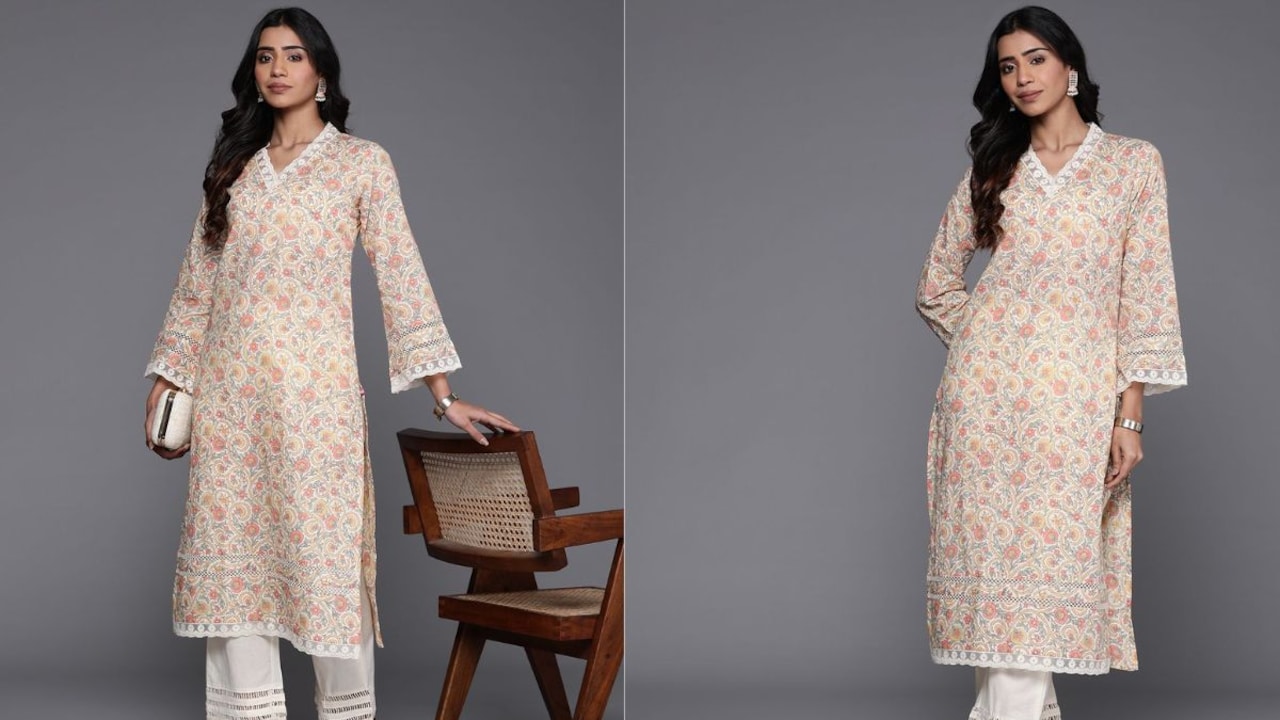
Why Off-White Kurtas Look Dull On Some Skin Tones And How to Fix It.
Off-white kurtas hold a special place in festive wardrobes. They feel lighter than pure white, softer than beige, and effortlessly graceful. Yet many people experience the same frustration: the kurta looks stunning on the hanger, but once worn, the face looks tired, the glow disappears and the outfit feels flat. The problem rarely lies with the kurta itself. It comes down to contrast, undertones, and how the outfit interacts with natural skin colour. Lighting at weddings, heavy embroidery, or even the wrong fabric finish can exaggerate the issue. Thankfully, this is not a lost cause. With thoughtful styling, smart layering, and a few cultural hacks picked up from years of weddings, pujas and family functions, an off-white kurta can look striking on every complexion.
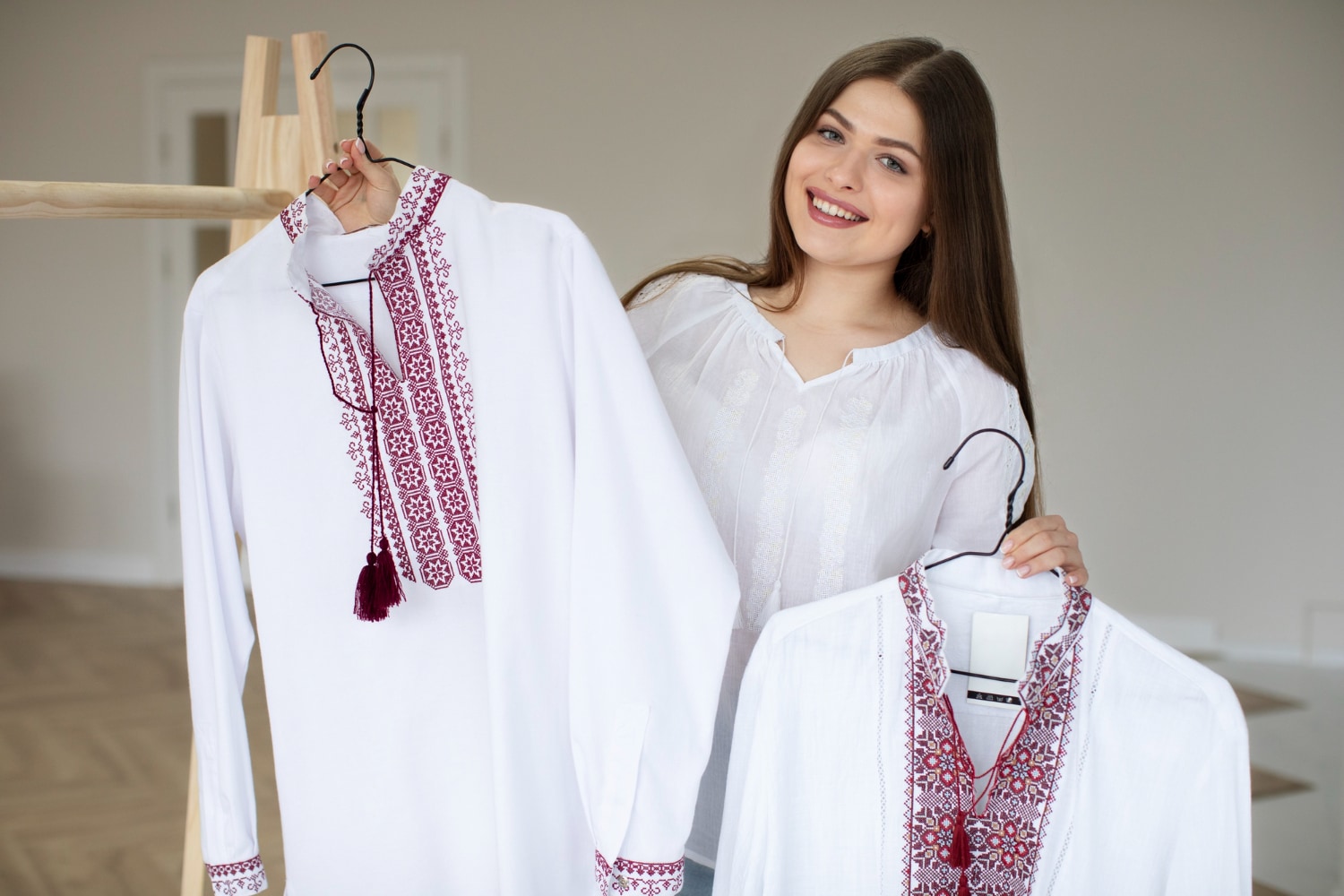
Use these tips to style an off-white kurta the right way; Photo Credit: Freepik
Also Read: Best Colour-Coded Kurtas For Weddings, Workwear And Other Occasions
This article walks through 10 practical fixes, simple enough to try at home, effective enough to change how the outfit feels entirely.
That Washed-Out Feeling? It Is Not the Kurta, It Is The Styling
1. Choose the Right Shade of Off-White
Not all off-whites belong in the same family. Some lean towards ivory, others towards cream, ecru, or biscuit tones. That tiny undertone makes a massive difference. When the shade sits too close to natural skin colour, it erases contrast and creates that washed-out look.
Warmer skin tones tend to glow in creamy, yellow-based off-whites. Cooler undertones benefit from ivory or slightly grey-tinted shades. Neutral tones enjoy more flexibility but still need contrast. Under harsh venue lights, the wrong off-white can drain colour from the face.
A useful trick involves holding the fabric near the face in daylight. If the skin suddenly looks dull or tired, that shade needs help or replacement. When shopping, avoid choosing off-white under warm shop lighting alone. Step outside if possible or check near a window. The right shade should brighten the face, not mute it.
2. Add Contrast Through Bottom Wear
An off-white kurta paired with equally pale bottoms often causes visual flattening. The outfit blends into itself, leaving no anchor point. Contrast instantly solves this issue.
Darker churidars, straight pants, or even muted dhotis ground the look. Think charcoal, deep brown, bottle green, navy, or even rust. For festive settings, silk or brocade bottoms introduce richness without overpowering the kurta.
For daytime functions, cotton pants in earthy shades work beautifully. Evening events allow deeper tones with sheen. The aim remains simple: let the kurta shine while the lower half creates balance. This contrast also photographs far better, especially under artificial lighting, where off-white tends to flare.
3. Use Dupattas or Stoles Strategically
A well-chosen dupatta or stole can rescue an off-white kurta instantly. It frames the face, adds colour near the neckline, and restores lost vibrancy.
Rich jewel tones, emerald, wine, teal, and indigo work particularly well. Even pastel dupattas with stronger undertones help break monotony. Printed or textured dupattas add depth without overwhelming the outfit.
For men, silk stoles in darker hues or traditional motifs bring warmth to the face. Draped loosely or layered neatly, they change how the kurta reads entirely. This approach works wonders during weddings, receptions, or religious functions where layering feels natural rather than forced.
4. Let Jewellery Do the Heavy Lifting
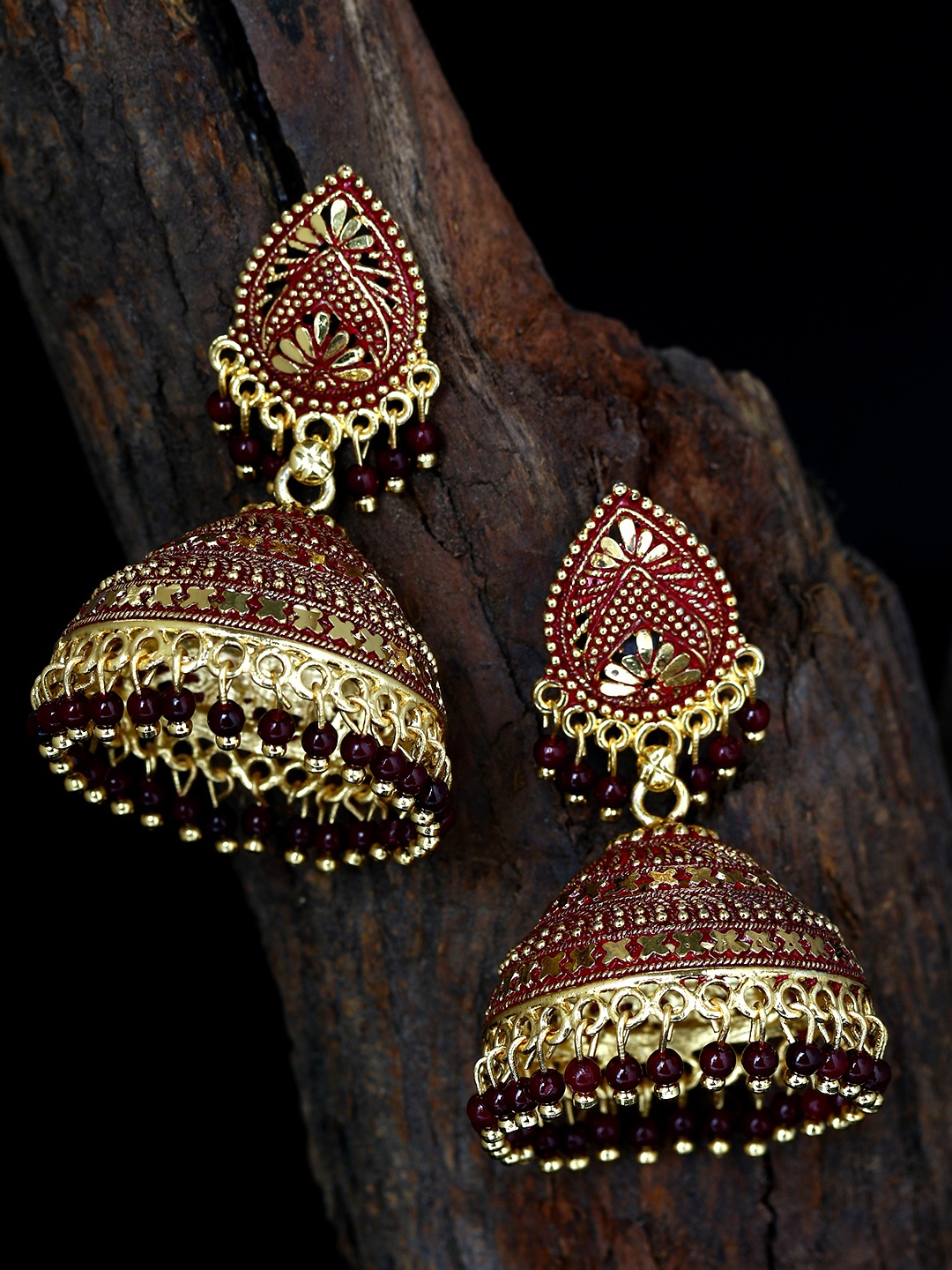
Accessories hold more power than often realised. Off-white acts as a blank canvas, and jewellery brings it alive. Oxidised silver, antique gold, pearls with contrast detailing, or temple jewellery add dimension and richness.
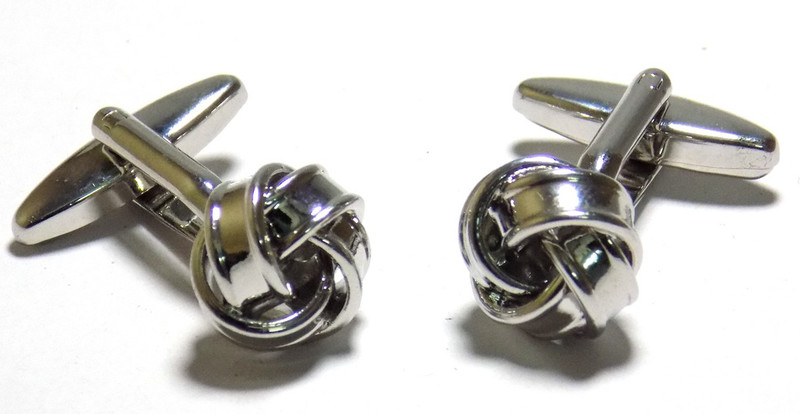
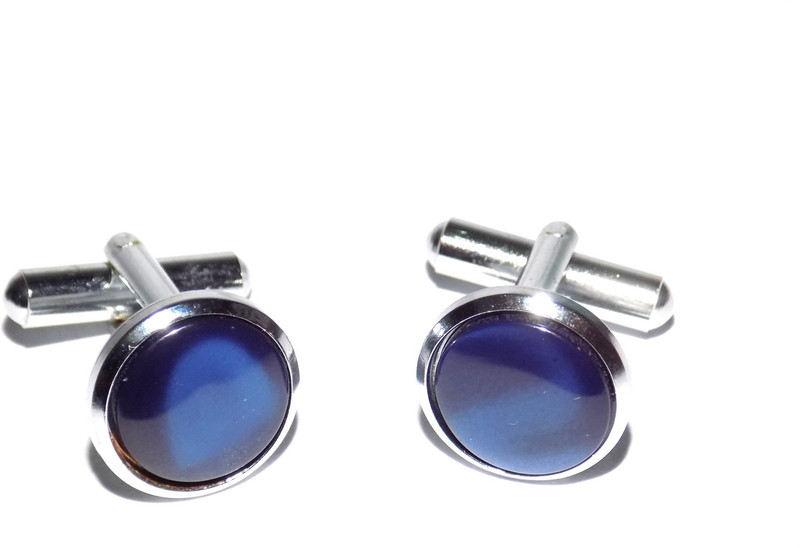
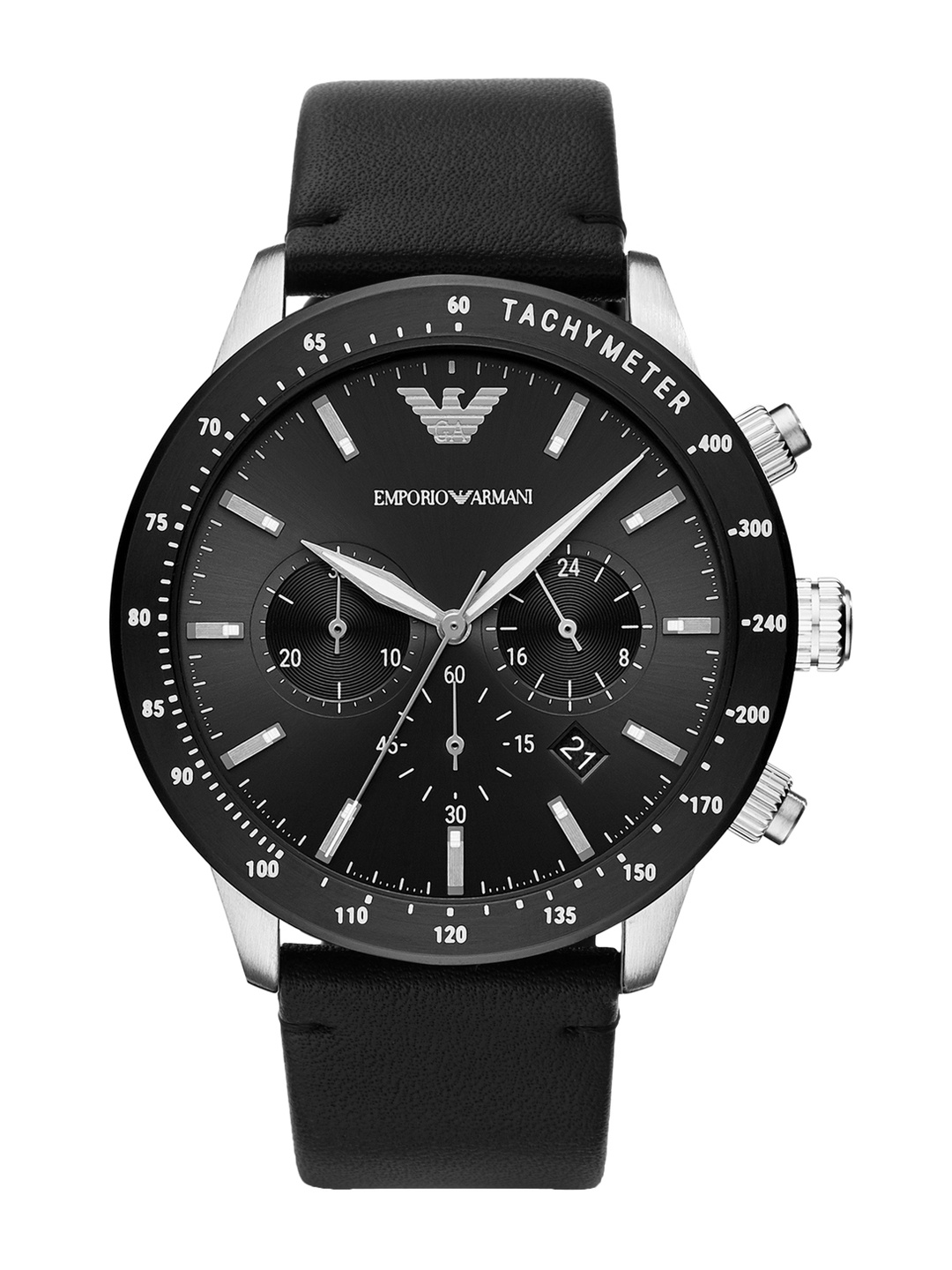
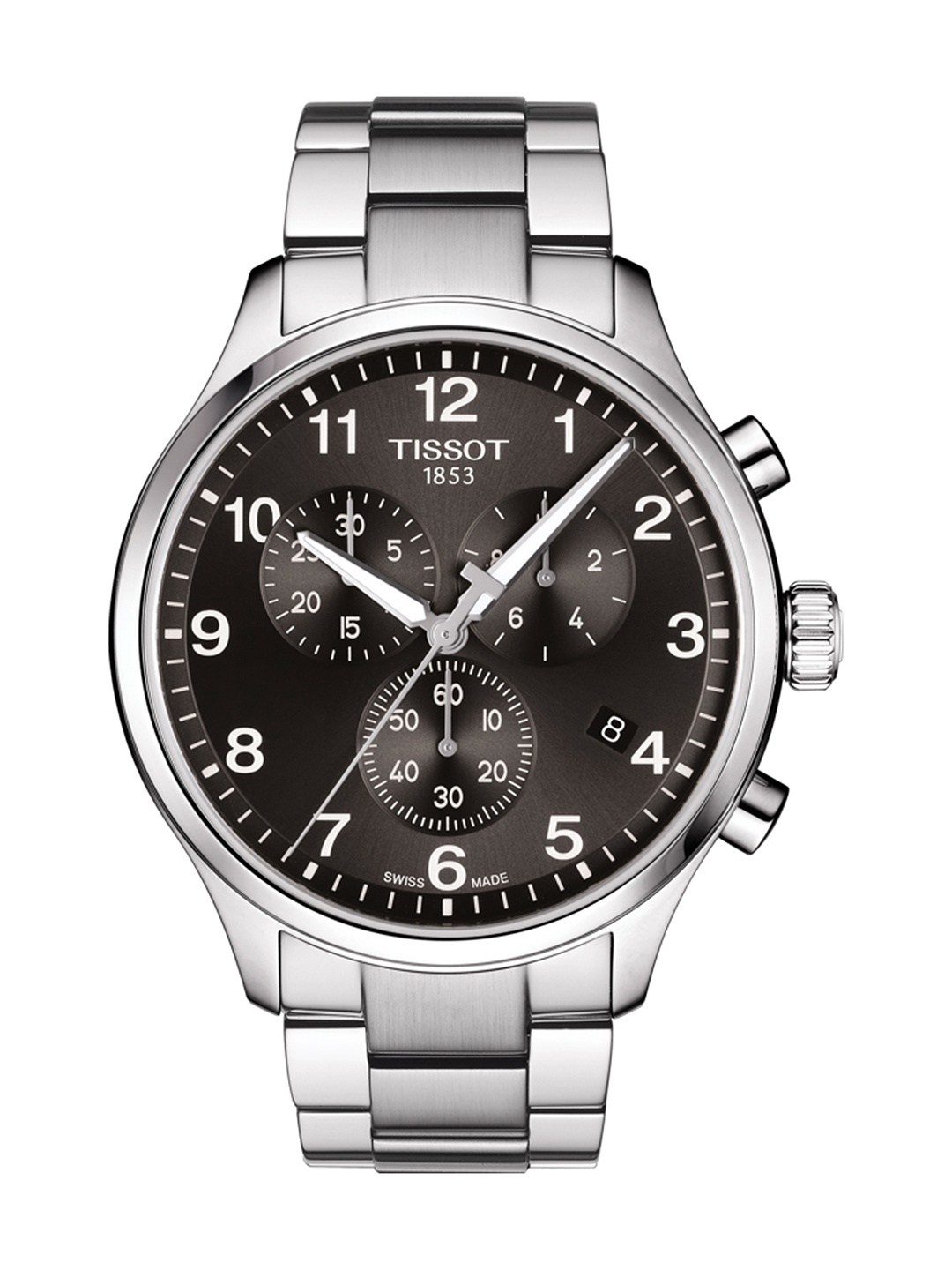
For women, statement earrings or layered necklaces introduce colour close to the face. Bangles in deeper shades balance pale fabrics beautifully. For men, a classic watch, brooch, or even traditional malas in wood or rudraksha elevate the kurta instantly.
Avoid jewellery that blends into the fabric colour. Soft champagne gold or pale pearls without contrast risk disappearing. Stronger finishes restore presence and keep the outfit from looking unfinished.
5. Focus on Fabric and Texture
Flat fabrics exaggerate washed-out effects. Off-white works best when texture enters the picture. Handloom cottons, chanderi, linen blends, jacquard weaves, or subtle embroidery reflect light unevenly, adding depth.
Matte fabrics suit daytime wear, while soft sheen fabrics suit evenings. Heavy shine, however, can backfire under bright lights. The fabric should catch light gently rather than bounce it harshly.
Textured embroidery in tonal threads also helps. Even minimal threadwork or pintucks add structure. The more dimensions the kurta holds, the less likely it appears dull on the body.
6. Play with Neckline and Collar Details
Necklines frame the face, and their design affects how colour interacts with skin. High, plain necklines in off-white often intensify washed-out effects. Adding detail near the collar draws attention upward and restores contrast.
Band collars with piping, embroidered plackets, contrast buttons, or subtle colour blocking work wonders. Open necklines paired with inner layers introduce depth naturally.
For women, sweetheart or V-neck styles elongate the neckline and allow jewellery to shine. For men, kurta plackets with darker threadwork or metallic buttons subtly break the monotony without screaming for attention.
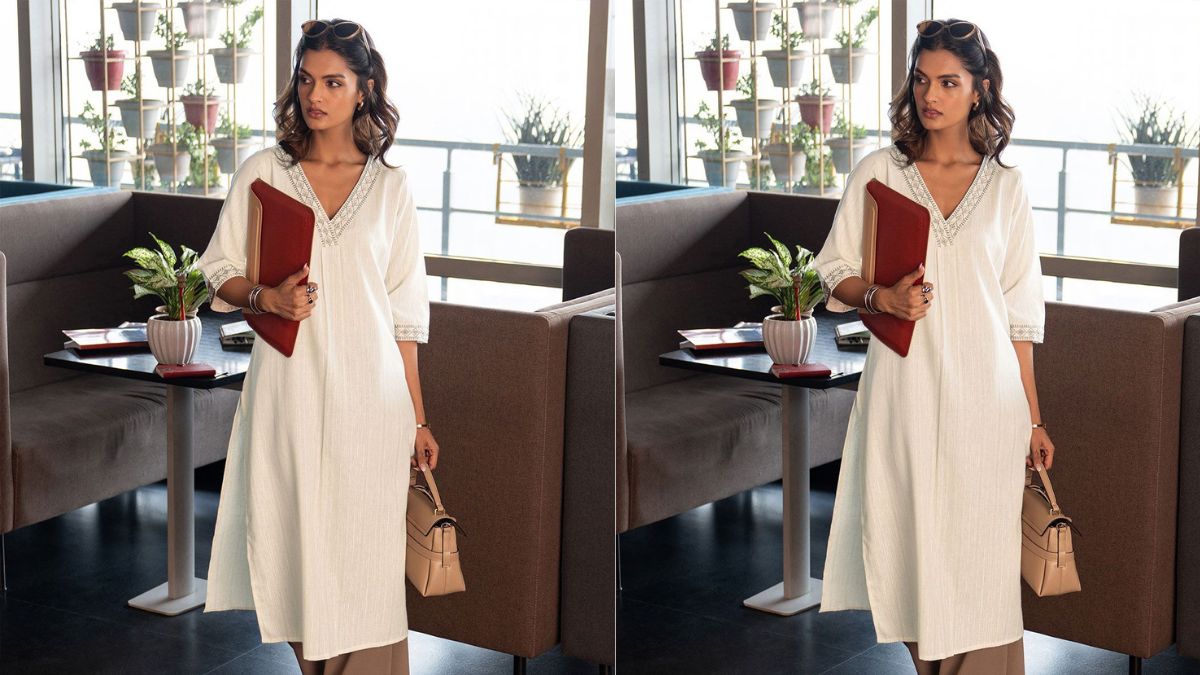
Try to play with different collar styles and necklines; Photo Credit: Myntra
7. Don't Ignore Footwear and Accessories
Shoes and accessories anchor an outfit visually. Pale footwear paired with off-white kurtas often fades into the background. Darker mojaris, kolhapuris, or leather sandals add grounding.
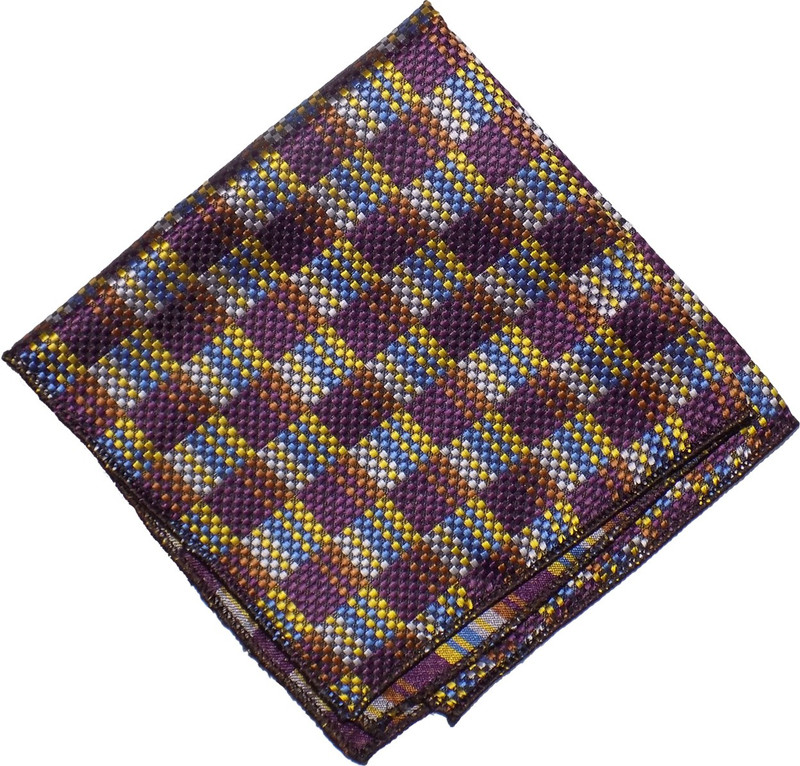
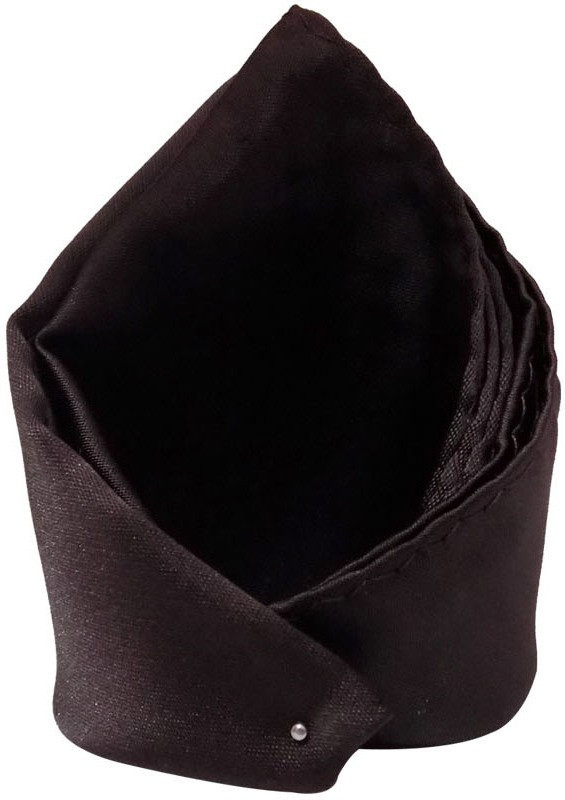
Belts, potlis, clutches, or even pocket squares contribute small yet effective pops of colour. These details matter more than expected, especially in festive photographs.
Even eyewear plays a role. Dark frames or classic aviators add contrast near the face, making the entire outfit feel intentional rather than accidental.
8. Adjust Makeup and Grooming Thoughtfully
Makeup and grooming often decide whether an off-white kurta flatters or fails. Soft makeup paired with pale clothing risks washing out facial features.
Warmer blush tones, defined eyes, and lip colours with depth complement off-white better. Dewy skin finishes reflect light naturally, preventing dullness. For men, neatly groomed beards or clean hairlines add structure and strength to the look.
Avoid overly pale foundations or excessive powder. Natural warmth works best. The aim stays balance, not drama.
9. Consider Occasion and Lighting
Lighting changes everything. Daytime sunlight softens off-white, while indoor yellow lighting can dull it. Evening LED lighting often exaggerates paleness.
Choose styling based on the venue. Outdoor daytime events allow lighter accessories and softer contrasts. Indoor evenings demand stronger colours, deeper jewellery, and textured fabrics.
Testing the outfit under similar lighting beforehand avoids surprises. A kurta that looks perfect at home may behave differently under wedding lights. Planning ahead saves regret and rushed fixes.
10. Confidence Is the Final Layer
Styling tricks work best when worn confidently. Off-white carries quiet elegance. When styled well, it speaks without shouting.
Standing tall, owning the look, and moving comfortably elevate the outfit beyond fabric and colour. Confidence adds warmth that no accessory can replace.
When the kurta feels right, balanced, comfortable, and thoughtfully styled, it naturally flatters the wearer. That inner ease reflects outward, making the outfit glow regardless of shade.
Products Related To This Article
1. Libas Woven Design V-Neck Pure Cotton Straight Kurta
2. HERE&NOW Women Off-White & Mustard Yellow Geometric Printed Straight Kurta
3. AADVIKA Women Floral Printed Flared Sleeves Floral Kurta
4. Sangria Women Floral Printed Thread Work Floral Kurta
5. Rangriti V Neck Ethnic Motifs Printed Kurta
6. Melange by Lifestyle Embroidered Flared Sleeves Gotta Patti A-Line Kurta
7. Anouk Off White Floral Printed Thread Work Pure Cotton Straight Kurta
Off-white kurtas deserve their place in festive wardrobes. When they appear washed out, the solution rarely lies in abandoning them. With thoughtful layering, smart accessories, and attention to undertones, off-white transforms from tricky to timeless. The kurta stops fading into the background and starts making a quiet, confident statement, exactly how it was meant to.
(Disclaimer: This article may include references to or features of products and services made available through affiliate marketing campaigns. NDTV Convergence Limited (“NDTV”) strives to maintain editorial independence while participating in such campaigns. NDTV does not assume responsibility for the performance or claims of any featured products or services.)