How To Fix Tight Muscle-Fit T-Shirts For Comfort And Style Without Sizing Up
Learn simple ways to make tight muscle-fit T-shirts more comfortable and stylish - no need to size up or compromise your look.
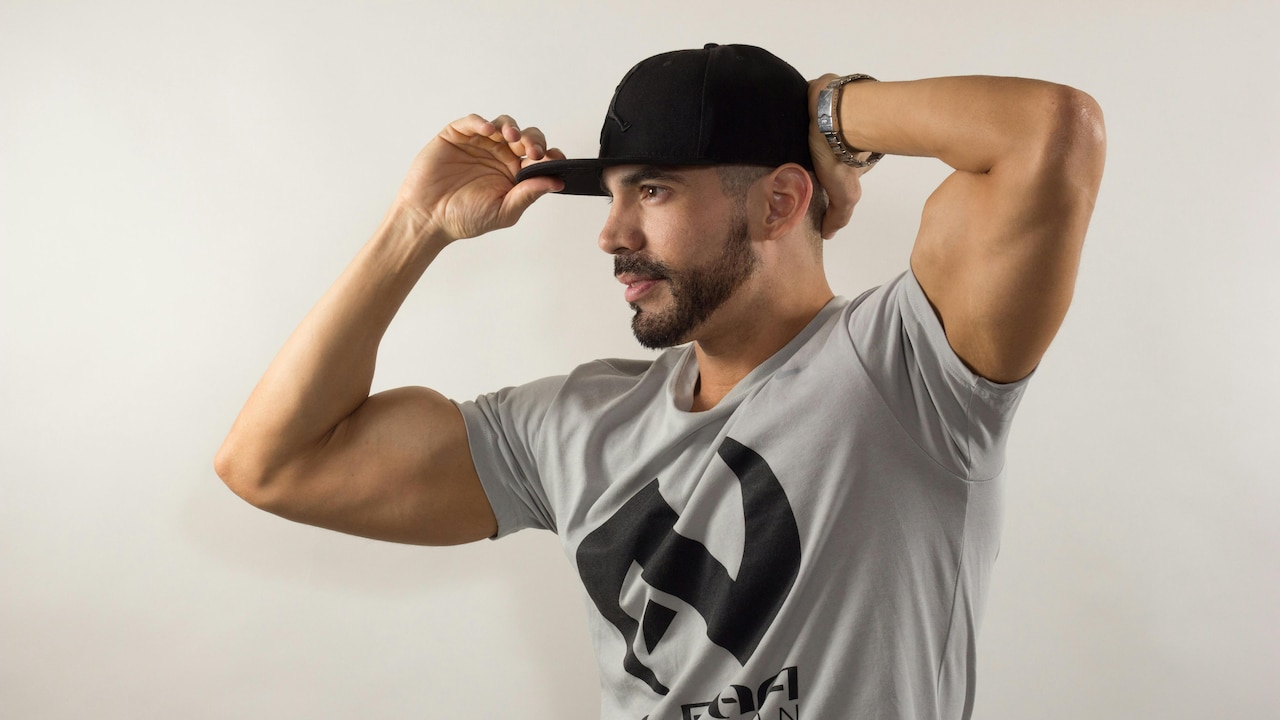
Tight Muscle-Fit T-Shirt? 10 Easy Fixes For Comfort Without Buying A Bigger Size.
Tight muscle-fit T-shirts sit in a tricky zone. They promise clean silhouette and gym-ready confidence, then punish the armpits, tug at the chest, and roll up the stomach the moment you sit on a bike or bend for a dropped key. Add heat, sweat, and a crowded commute, and the T-shirt starts acting like shrink-wrap. Most people assume only one solution exists: buy a bigger size. That fixes the tightness, sure, but it often ruins the look. The shoulders slump, the sleeves droop, and the whole point of muscle-fit styling disappears.
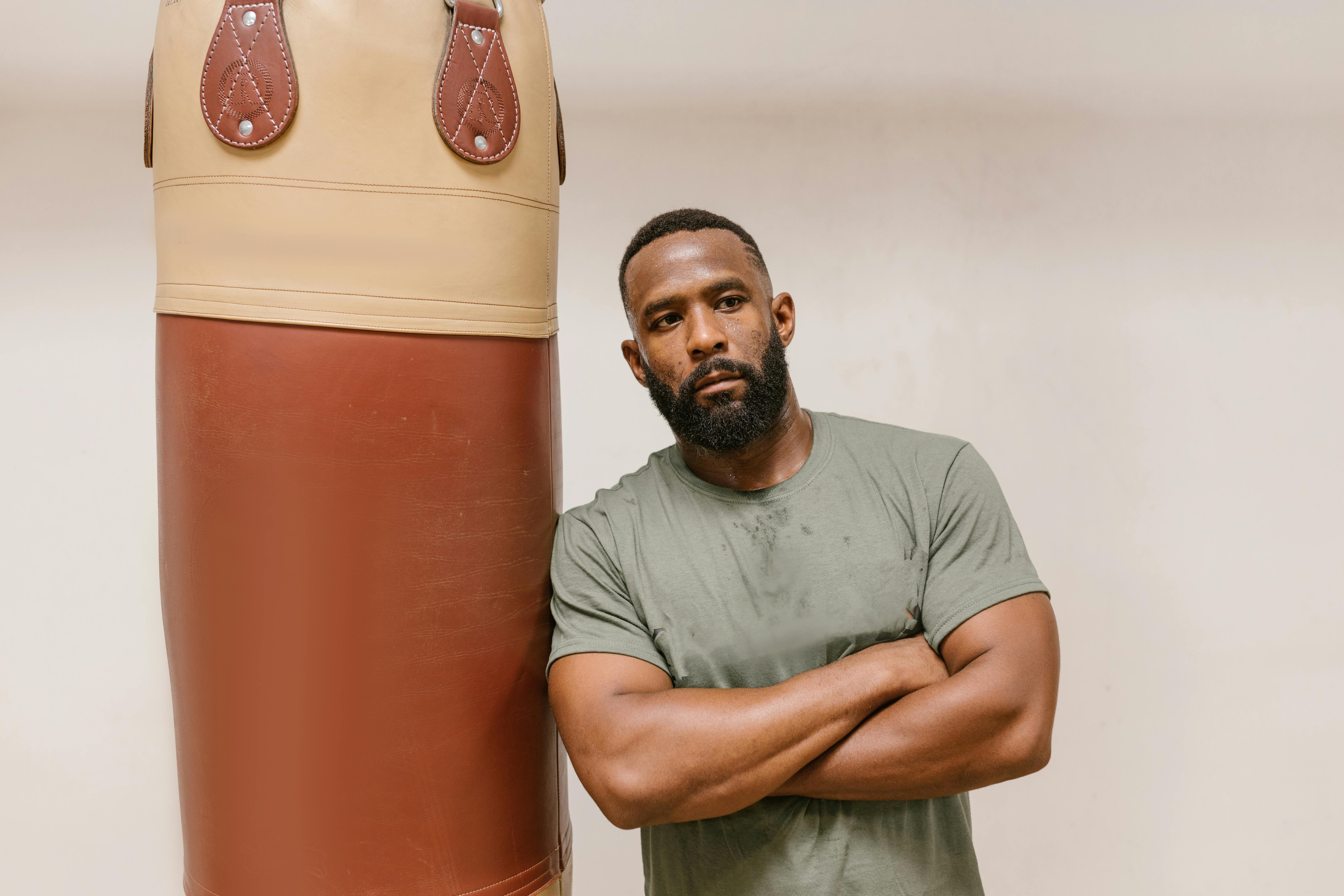
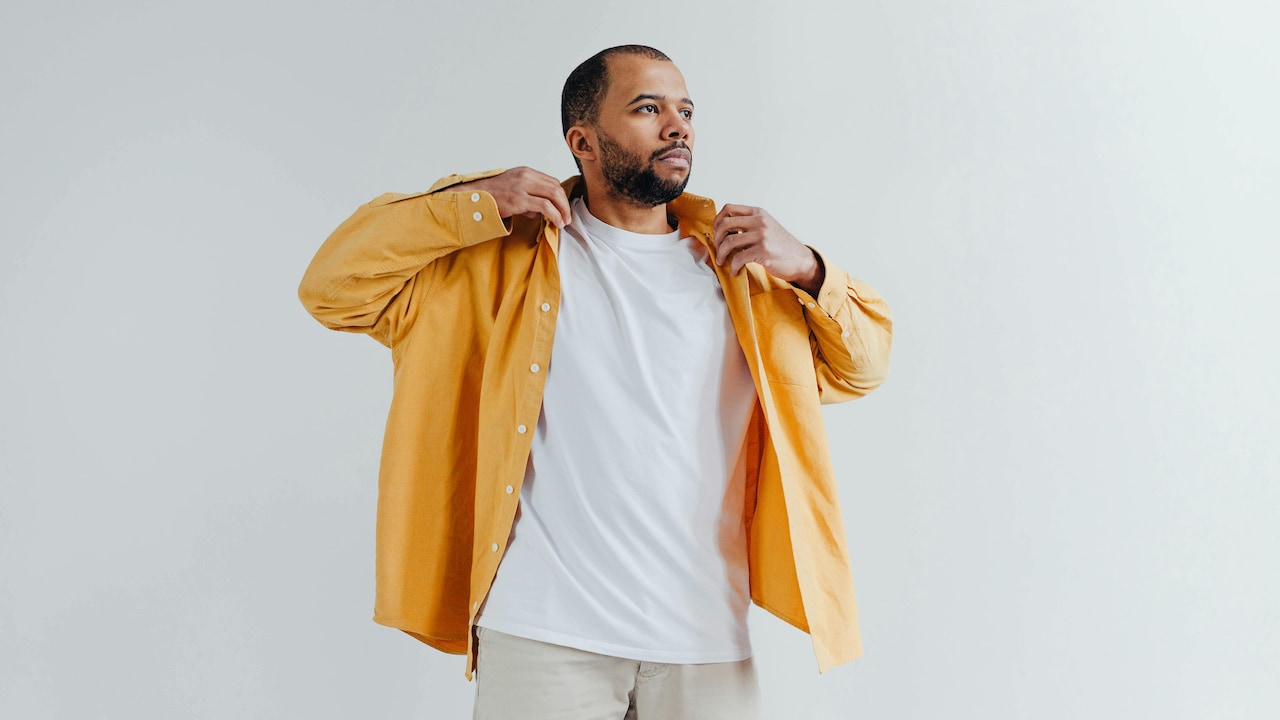
Explore easy tips to feel confident and comfortable in your muscle-fit T-shirts; Photo Credit: Pexels
Comfort and style can share the same hanger. Small design choices can change how a T-shirt feels on the skin. The tips below focus on practical fixes that work with real budgets. So, here is how to fix tight muscle-fit T-shirts for comfort as well as style without the need for sizing up.
Also Read: Not Just Any Baggy Joggers: Know How To Pick Smart-Looking Activewear For Men
Quick Comfort Wins: Simple Tweaks That Keep The Fit Sharp
1) Start With The Real Culprit: Shrinkage And Fabric Blend
Before trying any hack, figure out why the tee feels tight. Many muscle-fit T-shirts use cotton with a bit of elastane. That blend hugs the body, but it also reacts strongly to hot water and harsh drying. A couple of warm washes can pull the fibres tighter, especially around the chest and hem.
Check the label. If it says cotton-heavy, expect some shrinkage. If it includes elastane, the fabric wants to spring back, which can feel snappy on the ribs. If polyester dominates, the tee may not shrink much, but it can cling when humidity rises. That sticky feel often mimics tightness.
Try a quick fit test: lift both arms like celebrating a last-ball six. If the hem climbs up and stays there, the shirt needs length and ease. If the chest feels fine but the underarm bites, the issue sits in the armhole shape, not the whole size. This tiny diagnosis saves time and keeps fixes targeted.
2) Soften The Fibres First: Conditioner Soak For Instant Relief
Stiff fibres make a fitted T-shirt feel tighter than it is. A simple softening soak can change everything. Fill a bucket with lukewarm water, never hot. Add a small squeeze of hair conditioner, about the size of a ₹10 coin. Swirl it in, then soak the T-shirt for 20–30 minutes.
Conditioner relaxes the fibres and adds slip. When the fabric feels softer, it stops fighting your shoulders and underarms. After soaking, rinse lightly. Do not wring it like a mop. Press water out with a towel instead.
Now stretch gently while the shirt stays damp. Pull width at the chest, then length at the hem. Keep both hands spaced wide, like opening a stubborn jar. Focus on tight zones: underarms, sleeves, and the lower rib area. Let it dry flat on a towel. This method costs maybe ₹20 per use and often makes a tee feel one full comfort level better without changing the look.
3) Stretch With Strategy: Use A Towel Roll And Measured Tension
Random tugging can distort a T-shirt. Stretching with structure gives better results and keeps symmetry. After a wash or conditioner soak, lay the damp tee flat. Roll a thick bath towel into a firm cylinder. Slide it inside the T-shirt across the chest, like a soft dumbbell.
If the shirt bites at the midsection, place the towel lower. If sleeves feel tight, roll a smaller towel and insert it into each sleeve. The fabric now stretches evenly while it dries, and it learns the new, relaxed shape.
Add gentle tension. Pin the hem to the towel with cloth pegs, or tuck the edges under the roll. Avoid extreme pulling. A slow stretch works better than a dramatic yank. Think of it like convincing a stubborn lid, not wrestling it.
Leave it to dry away from direct sunlight. Harsh sunlight can stiffen fibres again. When dry, the tee should feel roomier but still fitted, like a handshake, not a squeeze.
4) Steam Beats Force: Relax Tight Areas Without Warping The Shape
Heat plus moisture relaxes fabric quickly. Steam works especially well for cotton blends and tees that tighten after careless drying. Hang the T-shirt on a sturdy hanger. Use a garment steamer, or hold an iron on steam mode a few centimetres away. Do not press the iron flat, or the knit can shine and stiffen.
Target the tight zones: shoulder seams, underarm area, and the side body. As the fabric warms, tug gently with your free hand. Pull down at the hem to add length. Pull sideways across the chest to add ease. Keep movements small and steady.
No steamer at home? Turn the bathroom into a mini steam room. Hang the tee near the shower while hot water runs for 8–10 minutes. Then stretch lightly while it stays warm.
This trick helps before an event, too, say, a friend's birthday dinner, where the tee looks perfect but feels annoying. Steam gives comfort fast, without turning the fit sloppy.
5) Fix The Underarm Pinch: Simple Tailor Alterations That Feel Magical
Sometimes the tee feels tight only because the armholes sit too high. Muscle-fit cuts often narrow the armhole to create a sharp sleeve line. That looks great in mirrors, but it can punish movement, especially during a bike ride or while carrying a laptop bag.
A local tailor can adjust this without upsizing. Ask for a small armhole drop or a side seam release of about 0.5–1 cm. This tiny change can free the underarm and reduce the tug across the chest. Most tailors charge ₹150–₹400 depending on complexity and location.
If the shirt has enough seam allowance, the tailor can let it out. If not, the tailor can add a narrow matching panel under the arm. That sounds dramatic, but it hides well and feels like a new T-shirt.
This fix suits tees that look excellent when standing still, but feel irritating when reaching for a top shelf or waving at a friend across the road.
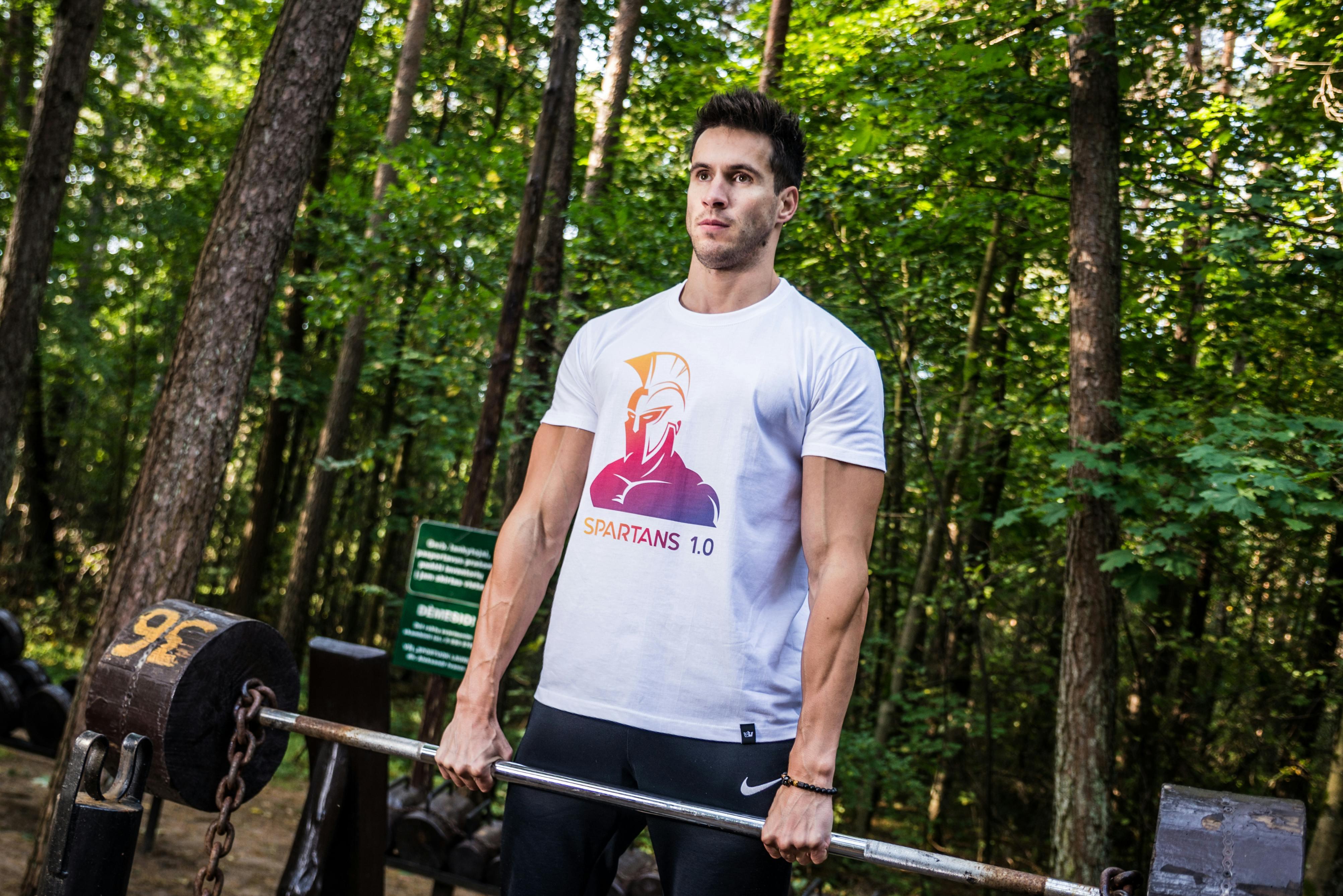
Get the muscle-fit T-shirt tailored to your specific body type for a comfortable fit; Photo Credit: Pexels
6) Add Invisible Space: Side Slits Or Micro Gussets For Mobility
A tight hem often causes that annoying roll-up at the stomach. The fabric climbs, then sits there like it owns the place. Adding movement at the hem solves this. Two easy tailoring options exist: side slits or micro gussets.
Side slits mean small cuts at the bottom side seams, usually 2–4 cm, with neat stitching. They let the tee drape instead of gripping the hips. Micro gussets use tiny triangular inserts at the side seam near the hem. They add space without changing the front look.
Both options keep the chest and shoulders fitted while allowing the lower body to move. That helps while sitting on a scooter, leaning over a desk, or devouring a plate of pani puri without fabric drama.
Costs stay reasonable, often ₹100–₹250. Choose a thread colour close to the tee. The result looks intentional, not repaired. This trick also makes a fitted tee feel more premium, like a thoughtful design detail rather than a quick fix.
7) Layer Smarter: A Thin Base Layer Reduces Cling And Chafing
Sometimes the problem isn't size. The problem is friction. Sweat plus a fitted knit can cling to skin and make every movement feel tighter. A thin base layer can change that completely.
Pick a lightweight, smooth vest or a fitted undershirt with a breathable fabric. It should sit close but not squeeze. The base layer reduces stickiness and helps the T-shirt glide instead of grabbing. It also prevents the armpit area from feeling like sandpaper during long days, like standing in a queue that moves at the speed of a lazy Sunday.
For styling, keep the base layer neckline lower than the tee's collar so nothing peeks out. Neutral tones work best. A decent base layer can cost ₹199–₹499, and it can rescue multiple tees in one go.
Bonus: it helps with sweat marks too, which means fewer panic moments under bright office lights or harsh mall mirrors.
8) Wash Like A Pro: Cold Water, Gentle Cycle, And No Torture Drying
Many tight T-shirt problems start in the laundry basket. A fitted tee needs kinder treatment than a thick towel. Use cold water. Choose a gentle cycle. Turn the tee inside out to reduce surface wear and stiffness.
Avoid heavy detergent use. Too much soap can leave residue that makes fabric feel rough and clingy. Add a splash of white vinegar to the rinse once in a while. It helps remove residue and keeps fibres softer. The smell fades when dry, so no worries about walking around like a salad.
Skip high-heat drying. Heat shrinks cotton and tightens elastane. Air-dry flat when possible. If space feels limited, hang it by the bottom hem over a rod, not by the shoulders, to avoid stretching the neckline. This routine keeps the tee at its original comfort setting.
9) Style Tricks That Feel Looser: Necklines, Sleeves, And Visual Balance
Comfort includes how the body perceives tightness. A tee can feel restrictive when the neckline sits too high, or the sleeves squeeze mid-bicep. Small styling tweaks can shift that sensation.
Try slightly rolling the sleeves once. A clean roll can relieve pressure at the tightest point and create a sharper sleeve edge. Avoid thick rolls that bulk up. One neat fold does the job.
A crew neck that rides high can feel suffocating in the heat. If the tee has a tight ribbed collar, stretch the collar gently while damp, or ask a tailor to loosen the neck rib a touch.
Pair the tee with bottoms that balance the silhouette. High-rise jeans or trousers can stop the hem from climbing and reduce tugging. A light overshirt left open can also create space and airflow while keeping the muscle-fit vibe.
10) Know When To Upgrade The Tee, Not The Size: Choose Better Cuts And Fabrics
Sometimes a tee fights comfort because the cut lacks kindness. Muscle-fit should flatter, not trap. The next time a tee joins the wardrobe, look for details that prevent tightness from the start.
Choose cotton blends with moderate elastane, not extreme stretch. Too much stretching can rebound and feel tight again. Look for pre-shrunk labels when possible. Also, check shoulder seams. They should sit near the shoulder edge, not halfway down the arm. Wrong shoulder placement creates pulling everywhere else.
Pay attention to length. Many fitted tees run short. A slightly longer hem offers comfort without looking oversized. Try the sit test in a trial room: sit down, lean forward, raise arms. If the tee stays calm through those moves, it will behave in real life too.
Spending ₹799 on a better-made tee can beat spending ₹499 repeatedly on ones that punish movement. Comfort and style come from smart choices, not bigger sizes.
Products Related To This Article
1. StyleCast x Revolte Men Solid Round Neck Muscle Fit T-shirt
2. SZN Men Colourblocked Polo Collar T-shirt
3. SLOWLORIS Men Typography Printed Raw Edge T-shirt
4. U.S. Polo Assn. Denim Co. Men Pockets T-shirt
5. Body Mechanics Colourblocked Moisture Wicking Muscle Fit T-Shirt
A tight muscle-fit T-shirt doesn't need exile at the back of the cupboard. With the right approach, it can turn from looks great, feels awful into a reliable favourite. Soften the fibres, stretch with intention, and use steam when time runs short. If the underarms pinch or the hem climbs, let a tailor work a small miracle for a few hundred rupees. Comfort and style don't need a bigger size label. They need smarter handling and a few practical upgrades. That way, the T-shirt still looks sharp, the sleeves still sit right, and the day feels easier, whether it includes a long commute, a quick chai stop, or a lively evening out.
(Disclaimer: This article may include references to or features of products and services made available through affiliate marketing campaigns. NDTV Convergence Limited (“NDTV”) strives to maintain editorial independence while participating in such campaigns. NDTV does not assume responsibility for the performance or claims of any featured products or services.)