10 Reasons Formal Shirts Keep Coming Untucked And How To Make Them Stay Put
A formal shirt that keeps escaping from your trousers can make even a polished outfit look messy. From shirt length and trouser rise to fabric and fit, these common problems explain why it happens and how to keep everything neatly tucked.

Easy ways to make your tucking stay longer and neater
Few wardrobe annoyances are as persistent as a formal shirt that refuses to stay tucked in. Everything may look crisp when you leave home, yet a commute, a few hours at a desk and one enthusiastic reach towards a top shelf can change the picture completely. Suddenly, fabric has puffed out around the waist, one side has escaped, and the back looks as though it has developed plans of its own. Constantly pushing a shirt back into place isn't much fun either, particularly during office meetings, formal events or long days when there are already enough things demanding attention.
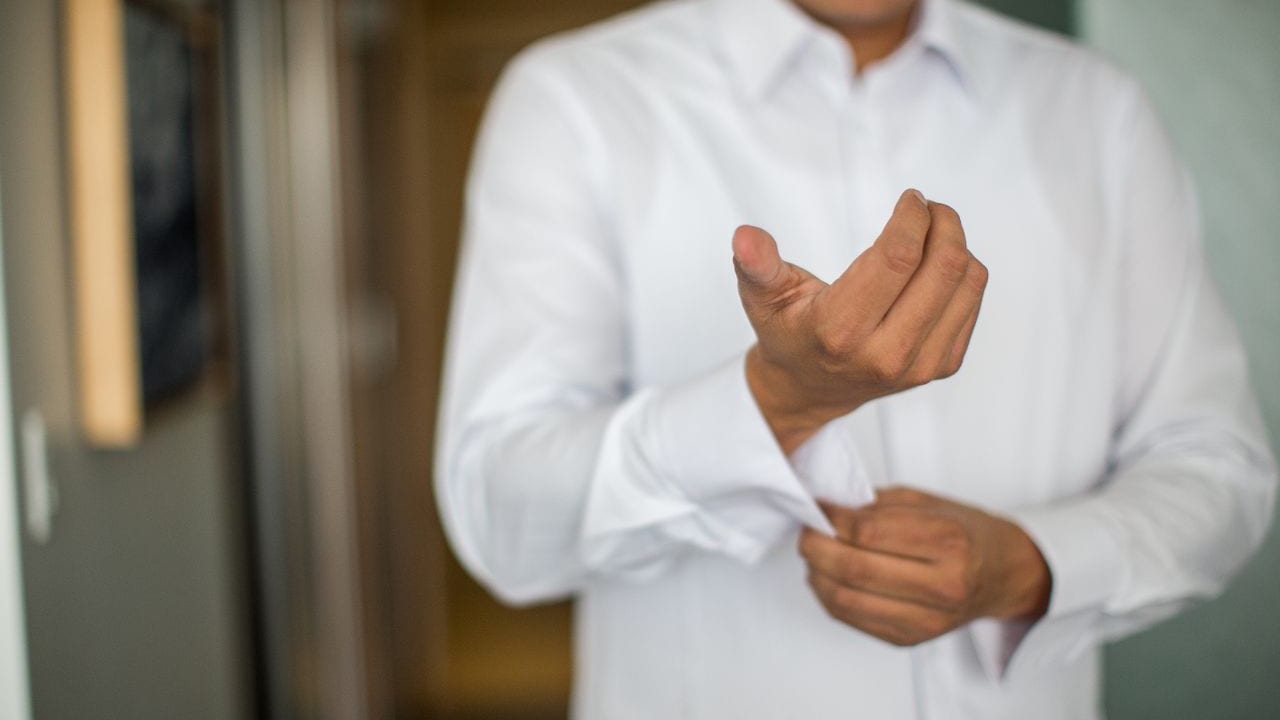
Why do formal shirts untuck easily
Photo Credit: Pexels
The problem isn't always poor tucking technique. Shirt length, trouser shape, body proportions, fabric and even the way we move can determine whether a shirt stays neat. Small details make a surprisingly large difference. Before blaming the shirt or reaching for complicated accessories, it helps to work out exactly where the fabric is escaping and why.
Also Read: How To Choose Between Polo T-Shirts, Linen Shirts, And Basic Tees For Men
Why A Neat Tuck Can Fall Apart So Quickly
1. The Shirt Isn't Long Enough Below The Waist
Shirt length often causes trouble before the day has even started. A formal shirt needs enough fabric below the waistband to remain anchored while the body moves. If the hem only extends a short distance into the trousers, ordinary actions such as sitting, reaching or bending can gradually pull it upwards.
This becomes particularly noticeable with shirts designed with a shorter, more casual cut. They may look perfectly smart while you're standing still, but they don't leave much fabric for the waistband to grip.
Body proportions matter too. Someone with a longer torso may find a standard shirt noticeably shorter once worn, even if the labelled size seems correct everywhere else.
Check where the shirt hem finishes before buying. A proper formal shirt usually has longer front and back tails than a casual button-down. When tucked in, those tails should extend comfortably below the waistband.
Extra length doesn't mean buying an oversized shirt. The shoulders and chest should still fit properly. You're simply looking for enough vertical fabric to survive a full day of sitting, standing and moving without making an unexpected appearance.
2. Your Trousers Sit Too Low On The Waist
Low-rise trousers leave shirts with less room to stay securely tucked. The waistband sits lower on the torso, often around an area that moves considerably whenever you bend or sit. With less shirt fabric trapped beneath the waistband, the hem can work its way out surprisingly quickly.
This also explains why the same shirt may behave perfectly with one pair of trousers and become troublesome with another.
Mid-rise trousers often work better with formal shirts because they sit closer to the natural waist. That higher position provides more surface area to hold the shirt and reduces how far the fabric needs to stretch when you sit down.
The difference doesn't have to look dramatic. Even a slightly higher waistband can improve how securely the shirt stays in place.
Pay attention to comfort, though. Trousers shouldn't need to feel restrictive to keep a shirt tucked. A waistband that sits naturally and stays stable usually performs better than one that's constantly sliding lower through the day.
Sometimes the shirt isn't the real troublemaker at all. The trousers simply aren't giving it anywhere secure to stay.
3. Too Much Fabric Is Bunching Around The Waist
A roomy shirt may feel comfortable, but excessive fabric around the torso often creates the familiar ballooning effect above the waistband. Instead of lying flat, the extra material gathers at the sides and back. As you move, those folds gradually push upwards.
The result can look particularly messy with tailored trousers. The trousers create a clean silhouette while the shirt forms a soft ring of fabric around the waist.
The answer isn't necessarily an ultra-slim shirt. A shirt should still allow comfortable movement across the shoulders and chest. What matters is how much unnecessary fabric sits around the lower torso.
A regular or tailored fit may work better depending on body shape. Alterations can also help when the shoulders fit beautifully but the waist feels too loose. A tailor can take in the sides or add darts without dramatically changing the rest of the shirt.
Before altering anything, try the shirt with your usual work trousers and move around. Sit, stretch and raise your arms. If large folds instantly appear around the waistband, excess volume rather than poor tucking may be causing the problem.
4. The Shirt Is Too Tight Across The Chest Or Shoulders
Interestingly, a shirt can become untucked because there's too little fabric as well as too much.
When a shirt fits tightly across the chest, shoulders or upper back, raising the arms pulls the entire garment upwards. Once the fabric moves higher, the hem has to travel somewhere too. After several movements, part of it may escape the waistband.
Watch what happens when reaching forward, particularly while driving, typing or picking something up. If the buttons strain or horizontal creases appear across the upper body, the shirt probably needs more room.
Shoulder fit deserves special attention. The shoulder seam should sit close to the edge of your natural shoulder rather than creeping inwards. Sleeves should also allow the arms to move without dragging the shirt body upwards.
Going up one size isn't always the ideal solution because the waist may then become excessively loose. Different shirt fits can solve the problem more neatly.
The goal is controlled movement. A formal shirt should follow the body without gripping it so tightly that every raised arm pulls two inches of fabric out of the trousers.
5. Sitting Down Keeps Pulling The Shirt Upwards
A shirt may survive an entire morning of walking around and surrender the moment you spend an hour at a desk.
Sitting changes the shape of the torso. The hips bend, the stomach compresses slightly and the distance between the shoulders and waistband changes. Fabric needs enough freedom to accommodate that movement. If it doesn't have it, the shirt starts creeping upwards.
Office chairs can make matters worse. Repeatedly leaning forward towards a laptop and settling back against the chair creates small pulling motions across the back of the shirt.
Try leaving a tiny amount of controlled ease after tucking rather than stretching the shirt completely tight before fastening the trousers. Pulling everything perfectly taut might look sharp while standing, but it leaves almost no fabric available when the body bends.
After tucking, raise the arms gently and allow a small amount of material to release naturally above the waistband. Smooth that fabric around the torso rather than stuffing it back down.
It may sound counterintuitive, but giving the shirt a little breathing room can actually help it remain tucked for longer.

Sitting down for a long time can pull the shirt upwards and make it untuck easily
Photo Credit: Pexels
6. The Fabric Is Too Slippery For Your Trousers
Not every shirt fabric behaves the same way once it meets a waistband.
Smooth synthetic blends and silky finishes can slide more easily against trouser linings and polished fabrics. During walking or sitting, the two surfaces move against each other until the shirt gradually starts travelling upwards.
Meanwhile, cotton shirts with a little texture often create more friction and may stay in place more naturally.
This doesn't mean slippery fabrics should disappear from the wardrobe. Instead, look at the relationship between the shirt and trousers. A smooth shirt paired with equally smooth trousers may need a little more attention than a textured cotton shirt worn with heavier fabric.
The waistband itself matters as well. Some formal trousers include rubberised grip strips along the inside specifically to reduce shirt movement. These can be surprisingly effective without changing the appearance of the outfit.
When buying work trousers, check the inner waistband rather than focusing only on the outer design.
A shirt that behaves beautifully with one pair of trousers and constantly escapes another may simply be reacting to fabric friction rather than suffering from a mysterious sizing problem.
7. Your Belt Isn't Holding The Waistband Steady
A belt shouldn't need to squeeze the waist into submission, but it can help keep the trouser waistband stable.
If trousers gradually slide down during the day, the shirt often comes with them. The waistband moves away from the natural waist, reducing the amount of shirt fabric stored underneath it. Eventually, bending or stretching can pull the hem free.
A correctly fitted belt should hold trousers comfortably in their intended position without creating deep pressure marks.
The trouser fit still matters more than the belt. If trousers are several centimetres too large around the waist, tightening a belt aggressively often creates bunching rather than solving the underlying problem. Altering the waistband usually gives a cleaner result.
Also check whether the belt loosens as you move. Worn buckle holes or stretched leather can cause gradual slipping that isn't immediately obvious.
Think of the belt as supporting the tuck rather than creating it. When the shirt fits correctly, the trousers sit securely and the belt keeps everything stable, maintaining a neat waistline becomes much easier.
8. The Tucking Method Leaves Too Much Fabric Loose
Simply pushing a shirt into trousers and hoping for cooperation doesn't always produce the cleanest result.
Extra fabric tends to collect around the sides, particularly with straight-cut shirts. Those loose folds can gradually work upwards and create a bulky appearance.
The military tuck offers one straightforward alternative. After putting the shirt on, pinch the excess material at both sides of the waist. Fold those small sections backwards, keeping the front smooth, and then fasten the trousers over them.
The technique creates temporary darts without needing alterations. It works particularly well when the shirt fits through the shoulders but feels slightly generous around the waist.
Avoid creating enormous folds, though. Large layers can feel uncomfortable beneath fitted trousers and may become visible from the outside.
After tucking, check the button placket as well. Ideally, the line of shirt buttons should align reasonably well with the trouser fastening and belt buckle. That small detail makes the outfit look more deliberate.
Sometimes the difference between a messy shirt and a sharp one comes down to thirty seconds of better fabric placement.
9. Reaching And Stretching Keep Undoing Your Tuck
Most people don't spend the working day standing perfectly upright like mannequins. Arms reach towards shelves, bags get lifted, files move across desks and phones somehow end up just beyond comfortable reach.
Every overhead movement pulls a shirt upwards.
If a shirt only becomes untucked after reaching, examine its armholes and overall mobility. Lower, wider armholes often cause more of the shirt body to move whenever the arms rise. A better-fitting armhole allows the arms to move more independently.
There are also simple behavioural fixes. When possible, avoid dramatically stretching the torso upwards for everyday tasks. Moving closer to an object before reaching reduces the amount of tension placed on the shirt.
Of course, nobody wants to spend the day worrying about whether raising an arm will destroy an outfit. If normal movement repeatedly pulls the shirt out, the fit deserves attention.
A well-cut formal shirt should tolerate ordinary office activity. Clothing should work around life rather than requiring everyone to move carefully like they're carrying a tray of chai through a crowded meeting room.
10. The Shirt And Trouser Fit Simply Don't Work Together
Sometimes every individual item fits reasonably well, yet the combination still refuses to cooperate.
A long shirt may stay perfectly tucked into mid-rise tailored trousers but constantly escape wide-waisted chinos. A fitted shirt might work with structured trousers yet bunch oddly inside a pair with a looser waistband.
This happens because clothing pieces interact. Waist height, waistband construction, shirt length, torso width and fabric thickness all influence the final result.
Instead of judging shirts in isolation, try them with the trousers you'll actually wear most often. Walk around, sit down, reach forward and check the mirror again after a few minutes.
For outfits worn regularly to work or formal occasions, small tailoring adjustments can make a worthwhile difference. Shortening sleeves, reducing excess waist fabric or adjusting the trouser waistband can make existing clothes feel far more polished.
Accessories such as shirt stays can provide extra security for occasions where an exceptionally crisp appearance matters. Still, they shouldn't have to rescue badly fitting clothes every morning.
The most reliable solution usually comes from getting the basic proportions right first.
Products Related To This Article
1. Chemistry Women Dusty Pink Cotton Solid Formal Shirt
2. Peter England Slim Fit Checked Formal Shirt
3. Style Quotient Women Smart Fit Vertical Striped Spread Collar Formal Shirt
4. MISCHIEF MONKEY Men Solid Spread Collar Cotton Formal Shirt
5. Raymond Pure Cotton Slim Fit Cutaway Collar Full Sleeves Formal Shirt
6. FITHUB Textured Spread Collar Long Sleeves Cotton Shirt
7. Style Quotient Smart Spread Collar Formal Shirt
A shirt that keeps coming untucked isn't necessarily a sign that you're doing something wrong. Often, several small fit and fabric issues are working together. Shirt length, trouser rise, shoulder mobility and waistband stability all influence how neatly the outfit survives the day.
Start by noticing when the shirt escapes. Does it happen after sitting, reaching or walking? Does only the back come loose? Does the problem disappear with different trousers? Those clues often point towards the cause.
Once shirt and trouser proportions work together, staying neatly tucked requires far less fuss. And that means fewer awkward waistband adjustments halfway through a meeting and more time to forget about the shirt entirely—which is exactly what well-fitting formalwear should allow.
(Disclaimer: This article may include references to or features of products and services made available through affiliate marketing campaigns. NDTV Convergence Limited (“NDTV”) strives to maintain editorial independence while participating in such campaigns. NDTV does not assume responsibility for the performance or claims of any featured products or services.)