Does A Loose Fit Guarantee Better Drape? 10 Palazzo-Trouser Myths Explained
Palazzo trousers may look effortless, but extra fabric doesn't always mean better drape. From waistband fit to fabric weight, these 10 common myths explain why some pairs flow beautifully while others bunch, cling or lose their shape.
Common fabric and fit myths about palazzos
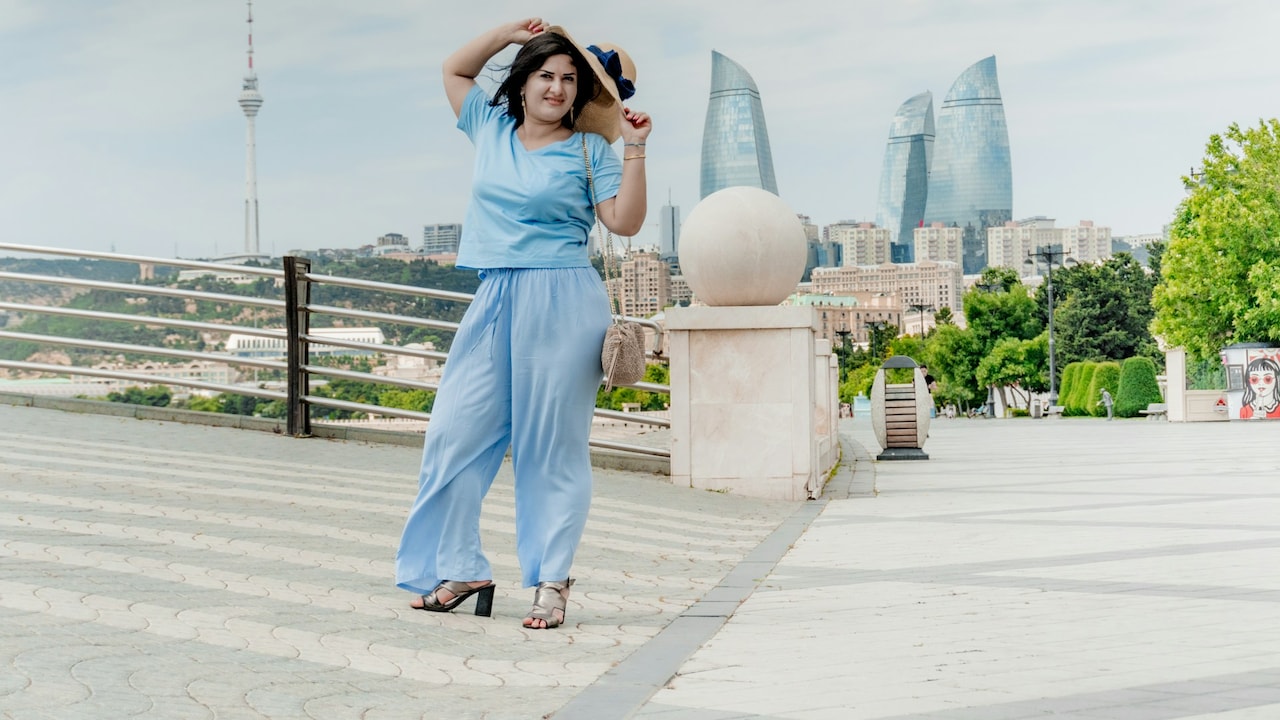
Palazzo trousers have mastered the art of looking uncomplicated. Wide legs, plenty of fabric and an easy silhouette make them seem like the sort of garment that should simply fall into place. Yet anyone who has tried several pairs in a changing room knows otherwise. One pair swishes beautifully with every step. Another balloons around the hips, twists near the knees or collects around the ankles despite looking almost identical on the hanger. That difference rarely comes down to looseness alone. Drape depends on how fabric behaves, where the waistband sits, how the garment has been cut and even how much material has been added around particular areas. Body proportions matter too. A style that falls neatly on one person may behave completely differently on another.
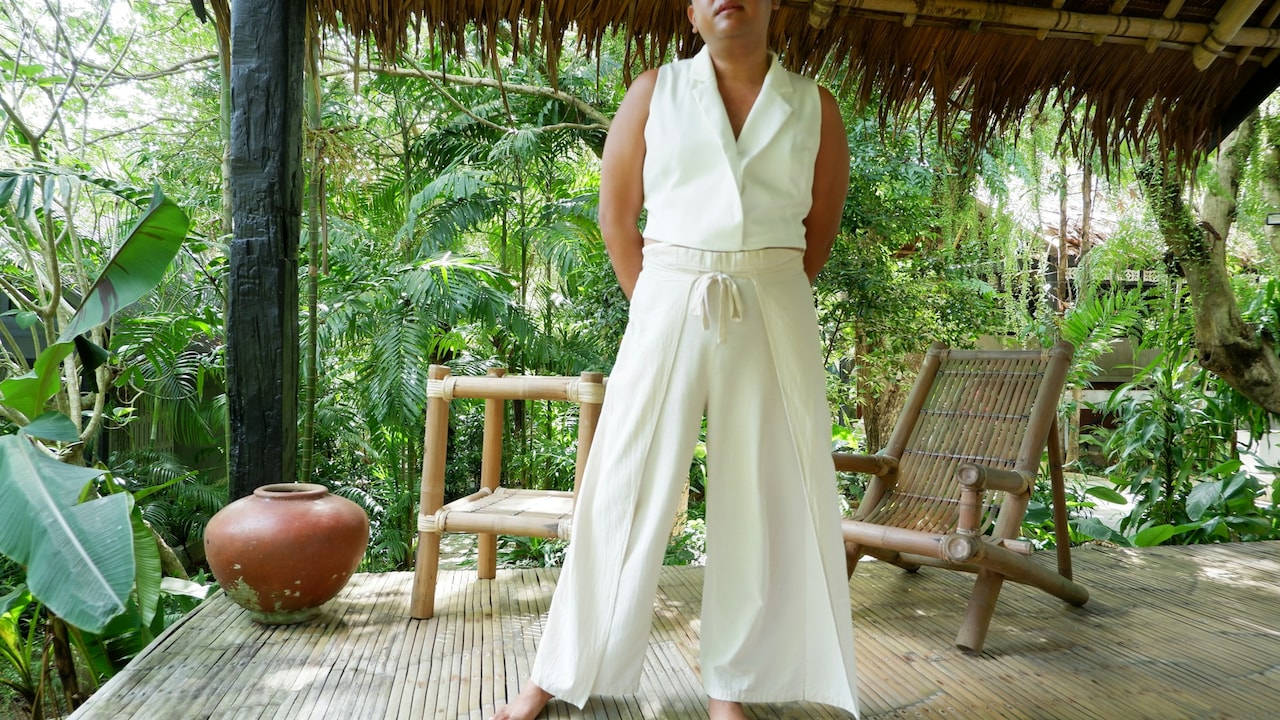
What factors affect the draping style and look of palazzos; Photo Credit: Pexels
So, should palazzos always be oversized? Does heavier fabric automatically hang better? And can tailoring ruin their relaxed appeal? These familiar assumptions often make buying wide-leg trousers harder than it needs to be. Here are 10 palazzo-trouser myths worth clearing up.
Also Read: Discover 5 Stylish Full Sleeves Ribbed Tops For The Season's First Chill
What Really Makes Palazzo Trousers Drape Well
1. Myth: The Looser The Palazzo, The Better It Will Drape
More room can create movement, but there comes a point where extra fabric starts working against the silhouette. A dramatically oversized pair may collapse into folds around the hips or bunch between the legs instead of falling in clean vertical lines.
Good drape comes from the relationship between cut and fabric. The trousers need enough width to move freely, but they also need structure at the waist and hip. If the pattern adds too much volume everywhere, the material has nowhere purposeful to fall.
This becomes particularly noticeable when sitting down and standing up. Excess fabric can migrate towards the front or sides, leaving the trousers looking rumpled until they get adjusted again.
Instead of automatically sizing up, look at how the trousers behave while walking. The fabric should move without wrapping repeatedly around the legs. Around the hips, it should skim rather than puff out.
A well-cut palazzo can feel roomy without looking enormous. Think controlled volume rather than simply more volume.
2. Myth: A Larger Size Will Always Make Palazzos Look More Fluid
Sizing up seems like an easy fix when trousers pull across the hips. Sometimes it works. Often, it simply creates a new set of problems.
Going up a size changes more than the width of the legs. The waist may become too loose, the crotch can drop lower and pockets may shift away from where they should naturally sit. Once the waistband starts sliding, the trousers no longer hang from their intended position. That alone can affect the entire drape.
There is also a visual difference between fabric flowing from the body and fabric hanging loosely because the garment doesn't fit.
If the trousers feel restrictive only around one area, the problem may lie in the cut rather than the size. A pair designed with straighter hips, for instance, may feel tight even when the waist measurement seems correct.
Try moving, sitting and taking a few long strides before judging the fit. If the waist stays secure while the fabric falls freely from the hips, you've probably found a better balance than simply buying the roomiest size available.
3. Myth: Thinner Fabrics Always Create A Softer Drape
Light fabrics can look wonderfully fluid, but thinness doesn't automatically equal graceful movement.
Some lightweight materials carry static easily, cling to the legs or become trapped between the knees while walking. Others reveal every crease underneath, making the trousers look less polished than expected. A fabric can feel feather-light in the hand yet behave awkwardly once worn.
Drape depends on softness, weave, weight and recovery. A slightly heavier crepe, for example, may fall more cleanly than an extremely thin synthetic fabric because gravity helps keep the material moving downwards.
Very lightweight palazzos can also become troublesome outdoors. One determined gust of wind and that flowing silhouette suddenly has plans of its own.
Hold the fabric from the waistband and watch how it falls. Soft vertical folds usually suggest better fluidity. If the material remains stiff, spreads outward or feels unusually clingy, its low weight may not translate into better drape.
The best fabric isn't necessarily the thinnest. It is the one that moves easily without losing control.
4. Myth: Heavy Fabric Guarantees A More Elegant Fall
If lightweight fabric isn't automatically better, heavier material must solve everything, right? Not quite.
Weight can help trousers hang vertically, but too much of it may make palazzos look stiff rather than fluid. Dense fabric can hold folds in place, creating a column-like shape that barely moves when walking. It may also pull down on an elasticated waistband, causing the trousers to gradually shift during the day.
Weather matters as well. Thick fabrics may look elegant in an air-conditioned shop but feel cumbersome during warm, humid afternoons.
The sweet spot often lies somewhere between flimsy and rigid. Medium-weight fabrics with enough softness to fold naturally can create the sweeping movement people usually associate with good palazzos.
Check how quickly the material responds when you move it. Give the trouser leg a gentle shake. Fabric with good drape usually settles quickly rather than remaining crumpled or standing away from itself.
Weight can improve drape, but flexibility still matters. Palazzo trousers should move with the wearer, not behave like two beautifully tailored curtains marching around town.
5. Myth: Elasticated Waistbands Suit Every Body Shape Better
Elastic waists earn plenty of praise for comfort, and fairly so. But comfort at the waist doesn't guarantee flattering drape below it.
A fully elasticated waistband gathers fabric around the entire circumference. Depending on the trouser design, those gathers may create additional bulk around the stomach, hips and lower back. With lightweight material, the effect can look softly gathered. With thicker fabric, it may produce noticeable bunching.
Elastic can also twist inside its casing or roll slightly during wear. Once the waistband stops sitting evenly, one trouser leg may appear marginally longer or fuller than the other.
A flat-front waistband with elastic at the back often offers a useful compromise. It keeps the front relatively smooth while still allowing flexibility.
That doesn't make full elastic waists a bad choice. Their success simply depends on how much fabric has been gathered into them.
Look at the area directly below the waistband. If you see deep folds before the trousers even reach the hips, the garment may create more volume than expected once worn.
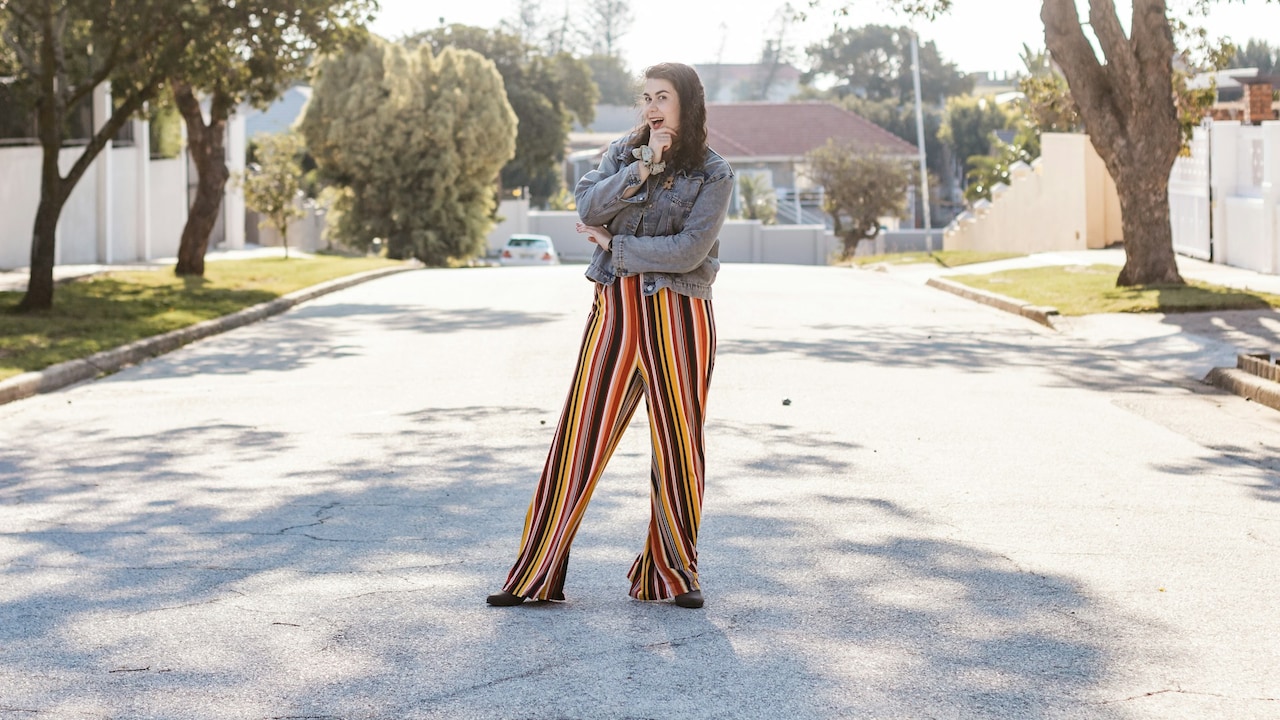
Elasticated waistbands may not suit every body shape
Photo Credit: Pexels
6. Myth: High-Waisted Palazzos Always Create The Best Proportions
High-waisted palazzos often appear in styling advice because they can create a long visual line. Yet waist height isn't universally flattering or comfortable.
The waistband needs to sit at a stable point on the torso. If a high rise reaches an area where the body narrows significantly, it may stay secure and allow the trousers to fall smoothly. If it sits on a softer or more mobile part of the waist, however, the band can fold, roll or shift throughout the day.
Rise length also affects the crotch and hip area. A rise that is too long can create sagging fabric at the front. One that is too short may pull upwards and disturb the smooth fall of the legs.
Mid-rise palazzos can sometimes drape more naturally because they start from a position that suits the wearer's proportions better.
Forget the label for a moment and pay attention to where the waistband actually settles. The ideal rise should stay put when you walk, sit and bend. Stable trousers nearly always drape better than ones requiring constant adjustment.
7. Myth: Pleats Automatically Make Palazzo Trousers More Flattering
Pleats can add elegance and movement, but their placement deserves more attention than their presence.
Front pleats introduce extra fabric around the upper portion of the trousers. When positioned well, they create neat vertical folds that open naturally during movement. When the fit is too tight through the hips, those same pleats may remain permanently open, giving the impression that the trousers are pulling.
Large pleats can also add more volume around the front than some wearers expect. That isn't inherently unflattering, but it changes the silhouette.
The direction matters too. Pleats designed to fall straight should not twist sideways when standing. If they do, tension somewhere around the waist or hips may be pulling the fabric off course.
Plain-front palazzos offer another option for anyone who prefers a smoother line.
Rather than assuming pleats improve every pair, examine them while standing naturally. Closed, relaxed pleats suggest the trousers have enough room. If they flare open before you've even taken a step, the cut probably needs reconsideration.
8. Myth: Palazzo Trousers Should Almost Touch The Floor
That dramatic, floor-skimming length looks impressive in photographs. In everyday life, it can turn into a battle involving staircases, monsoon puddles and the occasional office-chair wheel.
Length also influences drape. When trousers are too long, excess fabric collapses over the feet and creates horizontal folds near the hem. Instead of one continuous vertical line, you get a pile-up at the bottom.
The right length depends partly on footwear. Palazzos worn with flats need a different hem from pairs styled regularly with platforms or heels.
Ideally, the fabric should hang almost straight before reaching the shoe. A little movement around the hem looks natural, but repeated folding means the trousers probably need shortening.
This becomes particularly important with soft fabrics because their extra length may creep underneath footwear while walking.
Try the trousers with the shoes you expect to wear most frequently. Walk several steps and turn around. If the hem moves freely without dragging, the length is doing its job. Dramatic doesn't have to mean dangerously close to sweeping the pavement.
9. Myth: Wide-Leg Palazzos Never Need Tailoring
Palazzos look relaxed, which can make alterations seem unnecessary. Yet a few small adjustments can completely change how the fabric falls.
Length is the obvious one, but tailoring can also help with waistband gaps, excess fabric around the lower back or awkward volume near the hips. These areas influence where the trousers hang from, so correcting them can improve the entire silhouette.
The aim isn't to make wide trousers narrow. Good alterations preserve their intended shape while helping the garment sit correctly on the body.
Imagine a pair that fits beautifully through the legs but leaves a noticeable gap at the back waist. Tightening the waistband slightly may stop the trousers from slipping down and prevent fabric from bunching around the crotch.
The same principle applies to hemming. Removing a few centimetres can turn a rumpled-looking pair into something far sharper.
Off-the-rack clothing follows standard measurements; bodies don't. Needing an alteration doesn't mean the garment is badly designed. Sometimes the best-draping palazzos are simply the ones that received a small tweak after leaving the shop.
10. Myth: If Palazzos Look Good While Standing, The Fit Is Right
The mirror test only tells part of the story. Clothes live in motion.
Palazzos can look perfectly smooth while someone stands still, then twist, ride upwards or bunch the moment they walk. Sitting may reveal pulling across the thighs that wasn't visible before. Pockets can flare open. Waistbands can creep down. Fabric may even start clinging after a few minutes of movement.
A proper fit check should involve more than turning left and right in front of the mirror.
Walk around. Sit on a chair. Cross your legs. Take a longer-than-normal stride. If possible, climb a few steps. These movements show whether the trousers have enough room through the hips and crotch while revealing how naturally the fabric returns to position afterwards.
Good palazzos shouldn't require regular tugging or rearranging.
The most convincing sign of proper drape is recovery. After movement, the fabric should settle back into clean lines reasonably quickly. If every few steps leave the trousers twisted or bunched, the static mirror image was telling only half the truth.
Products Related To This Article
1. ZWERLON Women Floral Printed Flared Palazzos
2. Tikhi Imli Women Knitted Palazzos
3. ZWERLON Women Floral Printed Flared Palazzos
4. TAG 7 Women Navy Blue & White Printed Flared Palazzos
5. ZWERLON Women Western Flared Palazzos
6. Mona Prints Women Floral Printed Knitted Palazzos
7. Trend Level Women Embroidered Knitted Ethnic Palazzos
Palazzo trousers prove that loose clothing isn't quite as simple as it looks. Beautiful drape depends on fabric, proportions, rise, waistband construction, length and the way all those details interact with the body. More width or a bigger size can't guarantee the result.
The smartest approach is to judge palazzos in motion rather than by labels such as loose, flowy or high-waisted. When the waistband stays secure, the fabric falls cleanly and the legs move without twisting or bunching, the trousers have found their rhythm. And really, that's the appeal of a good pair of palazzos: plenty of movement, plenty of comfort, but none of the wrestling match with excess fabric.
(Disclaimer: This article may include references to or features of products and services made available through affiliate marketing campaigns. NDTV Convergence Limited (“NDTV”) strives to maintain editorial independence while participating in such campaigns. NDTV does not assume responsibility for the performance or claims of any featured products or services.)