How To Keep Up Morning Workouts As It Gets Colder?
Find simple ways to keep up morning workouts in colder weather, from warming up properly to choosing the right workout clothes and staying consistent.
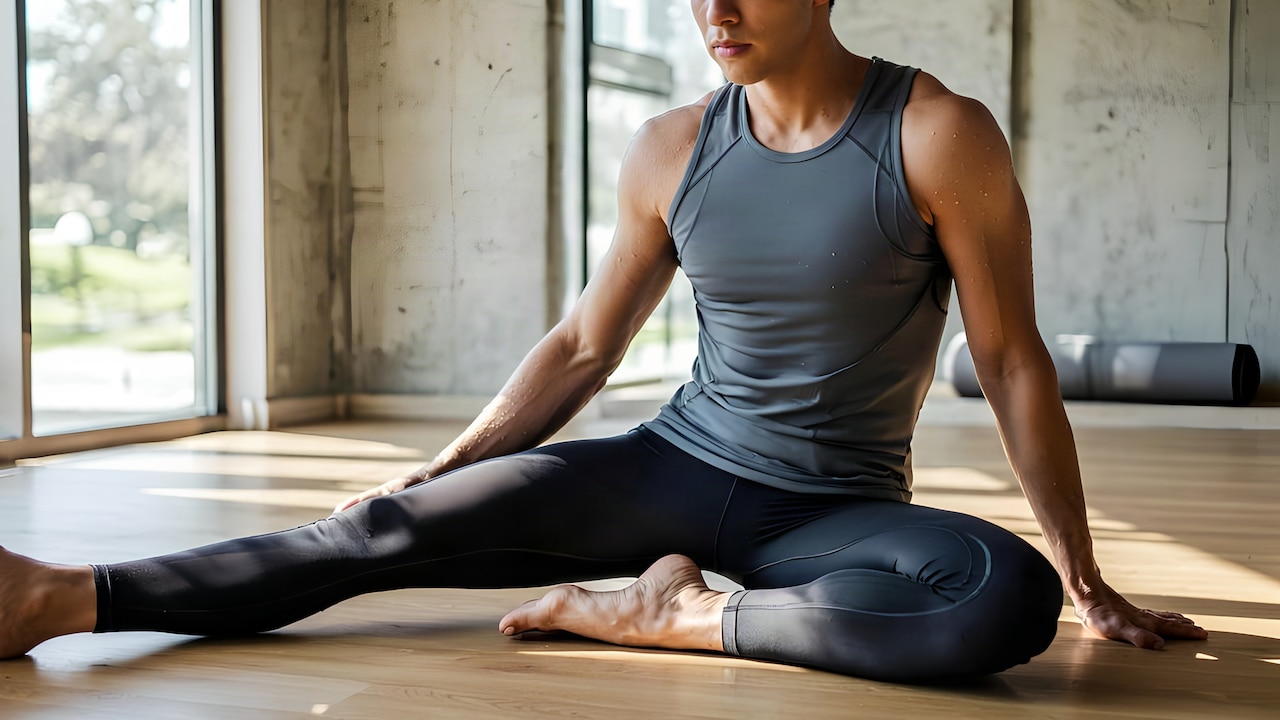
How To Keep Up Morning Workouts As It Gets Colder?
Cold mornings can make even a simple workout feel like a big task. The alarm rings, the room is warm, and getting out of bed suddenly feels much less important than staying under the blanket. But if morning workouts are already part of your routine, colder weather doesn't mean you have to stop. You may just need to change how you prepare for them. The trick is not forcing yourself to suddenly become a winter athlete.

Why Morning Workouts Feel Harder In Cold Weather
Photo Credit: iStock
It is making the first 15 minutes easier, keeping your body warm and giving yourself fewer reasons to skip the session. This guide will help you keep up your morning workouts even when it's cold outside. We'll also give you some product recommendations that will help you in your workouts.
Why Morning Workouts Feel Harder In Cold Weather
There is something about a cold morning that makes motivation disappear quickly. Your usual routine can still work, but it may need a few small changes.
Cold air, dark mornings and stiff muscles can all make the first part of a workout feel uncomfortable. So, instead of trying to fight the weather, make your routine work around it.
1. Keep Your Workout Time Consistent
If you normally exercise at 6:30 a.m., try sticking close to that time even when winter arrives. Moving the workout around every day can make the habit harder to maintain.
Your body starts expecting the routine when the timing stays familiar. Some mornings will still feel lazy, of course. Just don't let one cold morning turn into a week-long break.
2. Prepare Your Clothes The Night Before
This sounds almost too simple, but it can save you from a lot of morning thinking.
Keep your workout clothes, socks and shoes ready before going to bed. When everything is sitting in one place, you don't have to search through drawers while half asleep. Put the warmer layers on quickly and get moving.
Start Slowly Instead Of Jumping Into The Workout
Your body may feel tighter when you wake up on a cold morning. That is why the first few minutes should feel more like preparation than the actual workout.
You don't need a complicated warm-up routine either. A few minutes of gentle movement can make the transition from bed to exercise much smoother.
1. Spend A Few Minutes Warming Up Indoors
Before heading outside for a walk or run, move around indoors first. Try gentle arm circles, marching in place, bodyweight squats or easy stretches.
The idea is simply to get your body moving before you step into the cold. You don't have to turn the warm-up into another workout.
2. Make The First 10 Minutes Easier
Don't start your morning workout at full speed just because you did so during warmer months. Begin with a slower walk, light jog or easier version of your usual exercise.
Once your body feels warmer, you can gradually increase the pace. It feels much better than stepping outside cold and immediately pushing yourself hard.
Also Read: Home Workout Plan: How To Do Strength Tarining With Just Dumbbells
Dress For The Weather, But Don't Overdo It
Winter workout clothes are useful, but wearing too many heavy layers can make exercise uncomfortable once your body starts heating up.
A simple combination of a warm base layer, comfortable lower and a light outer layer can work for many morning workouts. If you are exercising outdoors, think about what will keep you warm without restricting movement.
1. Choose A Comfortable Base Layer
You can use a base layer to be comfortable during cold conditions. It should fit well without being too constricted or tight.
Thermal clothing will work well on chilly mornings, while sports tops will work well in slightly cool mornings. The best choice will depend on where one lives and how cold mornings get there.
2. Don't Forget Your Hands And Head
Your workout can feel uncomfortable very quickly when your fingers and ears are freezing.
A lightweight pair of workout gloves and a simple winter cap can make outdoor exercise much easier. You can also remove a layer later if you start feeling too warm.
Make Your Winter Workout Easier To Stick To
Motivation is not always going to show up at 6 a.m. This is where making the routine convenient becomes more useful than waiting to feel motivated.
A workout doesn't have to be long every single morning either. Keeping the habit going can sometimes be more important than completing your longest session.
1. Have An Indoor Backup Workout
Some mornings are simply too cold, rainy or uncomfortable for an outdoor session. Instead of treating that as a failed workout day, keep a small indoor routine ready.
You could do squats, lunges, push-ups, yoga or a short bodyweight workout at home. Even 20 minutes can help you stay connected with your routine.
2. Give Yourself A Smaller Target
If you normally exercise for 45 minutes, tell yourself you'll just start with 15 minutes. Once you're moving, continuing often feels much easier.
And if you really don't feel like doing the full workout, 15 minutes is still better than doing nothing. The goal during colder months is to avoid letting one skipped day become a long break.
Winter Workout Products To Consider
Photo Credit: iStock
Winter Workout Products To Consider
1. Amazon Brand - Symbol Men Thermal Set (Top & Bottom) | Full Sleeve | Winter Wear | Body Warmer Set
2. Tough Outdoors Touch Screen Running Gloves - Black Winter Glove Liners For Exercise & Sports
3. Fitness Mantra Winter Sports Cap & Muffler for Men & Women
4. Athmonk Compression Nylon Lycra Lower Leggings Tights Yoga Pants
5. Lymio Men's Fleece Jacket
6. BRUTON BlueBlaze EVA Lite Running Shoes: Breathable Mesh Lace-Up Sports Shoes
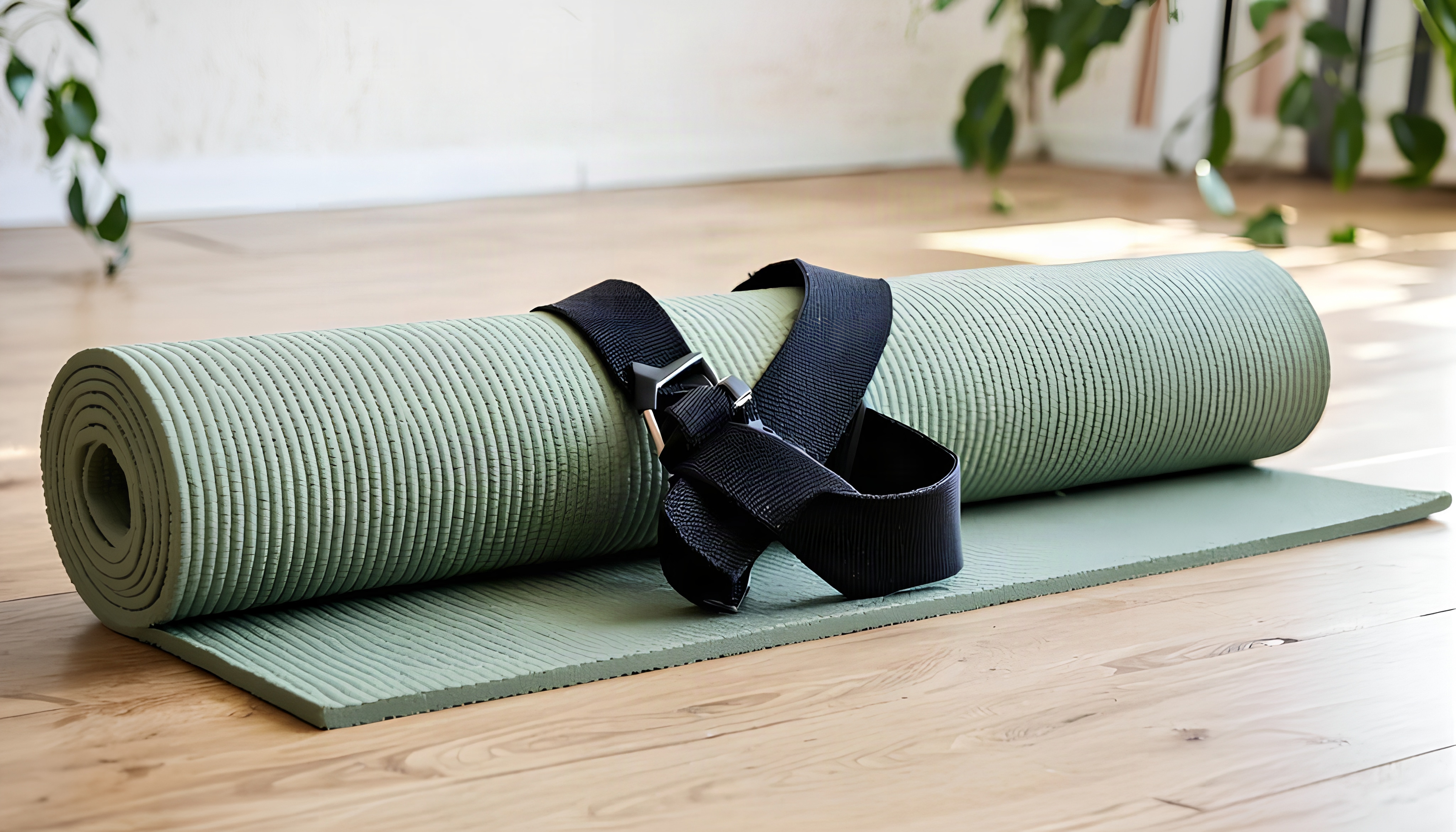
7. Amazon Brand - Symactive 10mm Extra Thick NBR Yoga Mat With Carrying Strap
8. Milton New Crown 600 Thermosteel Water Bottle 500 ml
Staying consistent with morning workouts during colder months can be challenging, but a few simple adjustments can make all the difference. Preparing your workout clothes the night before, warming up properly, dressing in layers, and setting realistic goals can help you stay motivated even on chilly mornings. Remember, consistency matters more than intensity. By building a routine that works for the season, you can maintain your fitness journey, boost your energy levels, and start each day feeling refreshed and accomplished, regardless of the temperature outside.
Frequently Asked Questions (FAQs)
1. Should I exercise in the morning when it is freezing?
You can modify your training according to weather conditions and my body's state. If you find the conditions for training uncomfortable, you can simply shift to the indoor environment.
2. What should I wear for morning workouts in winter?
The key here is to choose comfortable attire consisting of several layers of clothing. A base layer, training trousers, and a thin top layer may work well in numerous instances.
3. Should I warm up before exercising in cold weather?
Sure, taking a few minutes before training to prepare can help you gradually get into training mode. However, the approach will not involve high-intensity exercise from the start.
4. Is it okay to skip outdoor workouts during chilly mornings?
You can do indoor workouts if you don't feel like doing outdoor workouts. But try to be consistent if you want to see long-term results.
5. How can I stay motivated to work out early in winter?
You can prepare your attire and equipment the previous day and try to maintain the regular time of your workouts. Starting with a small target can help you as well. .
(Disclaimer: This article may include references to or features of products and services made available through affiliate marketing campaigns. NDTV Convergence Limited (“NDTV”) strives to maintain editorial independence while participating in such campaigns. NDTV does not assume responsibility for the performance or claims of any featured products or services.)