What Are The Best Exercises You Can Do At Home Without Equipment?
Searching for simple home workouts? Here are the best exercises you can do at home without equipment to build strength, improve fitness, and stay active.
What Are The Best Exercises You Can Do At Home Without Equipment?
There was a time when people actually believed that getting fit required some expensive gym membership. But after home workouts became popular over the years, many people now understand that some of the best exercises need very little space and no equipment at all. The good thing about home workouts is that sticking to them becomes easier. No need to travel somewhere, wait for machines, or feel uncomfortable around other people.
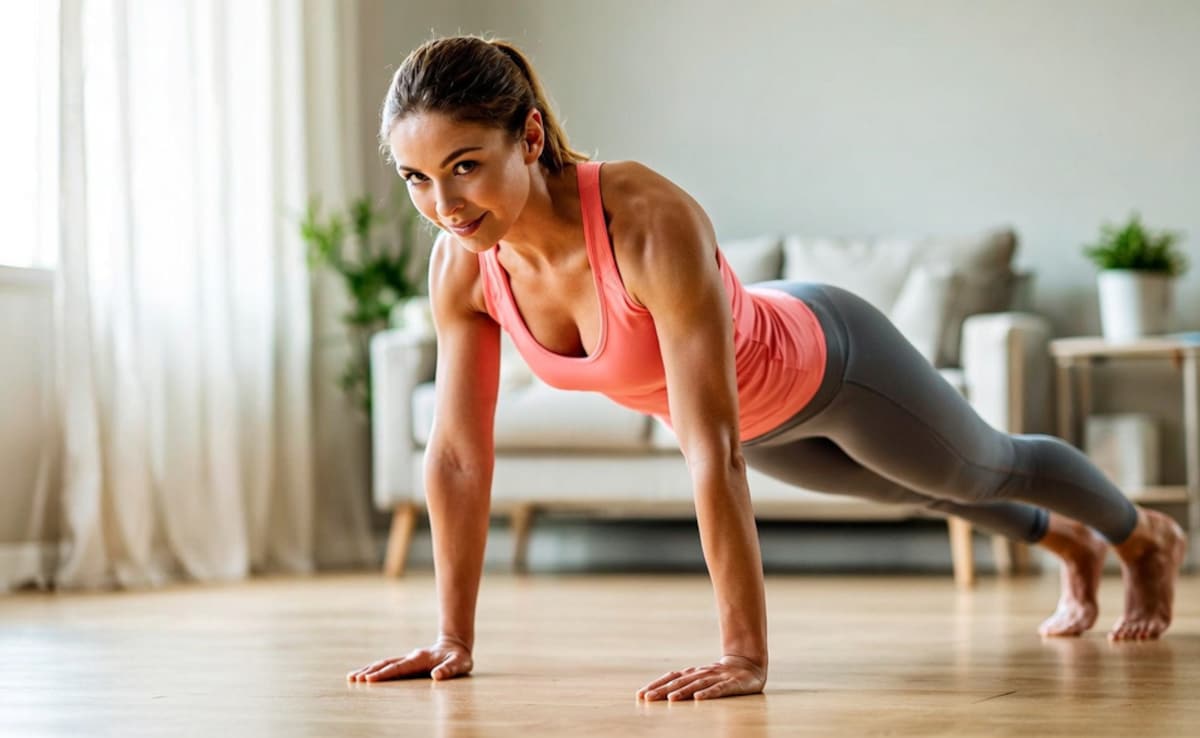
Best equipment-free exercises you can do at home to boost fitness and strength easily.
Photo Credit: iStock
Even 20 to 30 minutes at home can make quite a noticeable difference if one stays regular with it. So if someone has been wondering what exercises can be done at home without dumbbells, resistance bands, or machines, here are some simple but effective options worth trying out.
Also Read: Home Workout Plan: How To Do Strength Tarining With Just Dumbbells
Why Home Workouts Work Better Than Most People Think
Many bodyweight exercises train multiple muscles together instead of isolating only one muscle at a time. Because of these factors, the body works harder overall, which helps to improve strength, balance, flexibility and stamina all at the same time.
Another reason why home workouts work well is consistency. Convincing yourself to exercise for 20 minutes inside the bedroom is much easier than spending two hours going to and coming back from the gym. Over time, that consistency matters more than any fancy equipment.
10 Best Exercises You Can Do At Home Without Equipment
Here are some of the best exercises you can do at home without equipment:
1. Squats
Squats are probably one of the easiest and most useful exercises one can do at home. They mainly target thighs and glutes but also help strengthen the core and improve balance.
Stand with feet shoulder-width apart and slowly lower your body like sitting on a chair. Then push back up. Starting with 10 to 15 reps is good enough. Knees should not collapse inward while going down.
2. Lunges
Lunges help with improving leg strength and stability. They can feel quite difficult initially, especially if balance is not so great yet, but the body slowly adjusts over time.
Take one leg forward and lower the body until both knees bend comfortably. Push back up and repeat on the other side. Doing slow movements usually works better than rushing through reps quickly.
3. Glute Bridges
For people who sit for long hours during work, glute bridges can help to wake up muscles that barely get used throughout the day.
Lie on your back with knees bent and feet flat on the floor. Push hips upward and squeeze glutes at the top. Hold for a second before lowering back down again.
4. Push-Ups
Push-ups are probably the most well-known bodyweight exercise, and for good reason. They work the chest, shoulders, arms and even cores together.
If full push-ups feel too hard, then starting with knee push-ups or even wall push-ups works fine. Proper form and consistency matter more than doing high numbers immediately.
5. Tricep Dips Using A Chair
No gym bench is needed for this one. Any sturdy chair or sofa edge works perfectly fine.
Place your hands behind the chair, extend your legs slightly forward, and lower your body slowly before pushing back up. The back of the arms will feel this exercise forcefully.
6. Arm Circles
Arm circles look basic. But after 30 to 40 seconds, the shoulders definitely start feeling the burn quite a lot.
Stretch arms sideways and rotate them in small circles. Change directions after a few seconds. This also works well as a warm-up exercise.
7. Planks
Planks have no movement involved but can still feel quite brutal after some time. They mainly strengthen the core, but the shoulders and back also get involved during the process.
Keep your body straight while resting on your forearms and toes. Hips should not sag too much downward. Even holding for 20 to 30 seconds is a decent starting point for beginners.
8. Mountain Climbers
Mountain climbers combine cardio and core training, which makes them excellent for people trying to stay active at home.
Start in a push-up position and quickly bring your knees toward the chest one after another. Heart rate goes up pretty fast with this exercise, so taking short breaks initially is completely fine.
9. Bicycle Crunches
Bicycle crunches target multiple areas around the abdomen and also improve coordination slightly.
Lie on your back, lift your legs and move them in a cycling motion while touching opposite elbows to knees. Slow and controlled reps work much better here than fast ones.
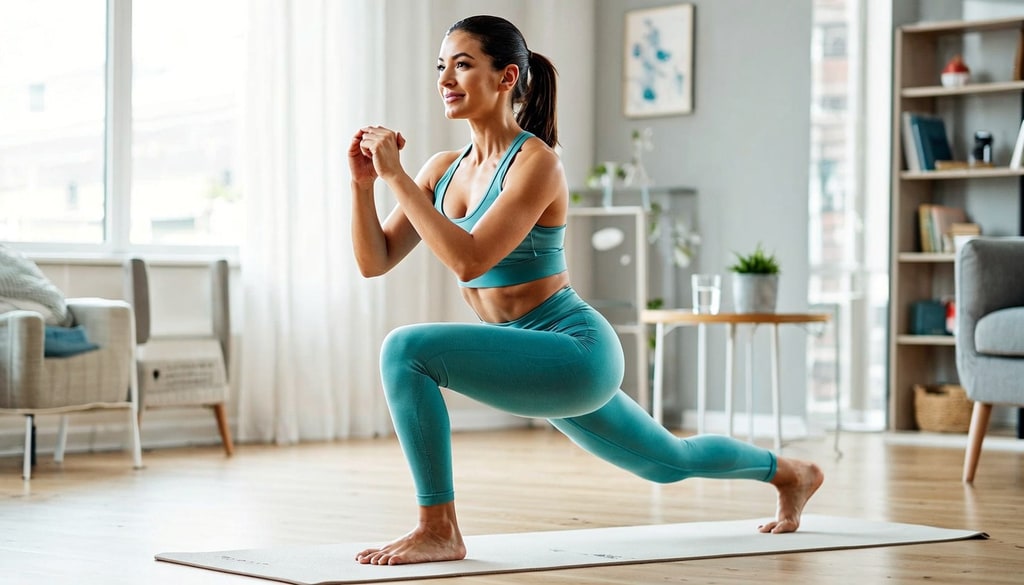
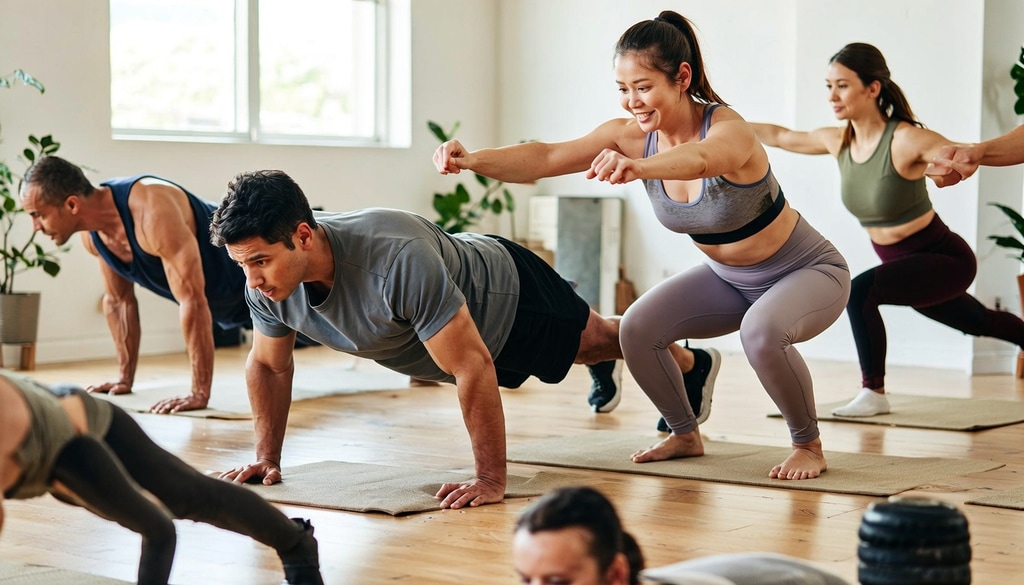
Effective home workout routines designed to improve your health and fitness without using equipment.
Photo Credit: iStock
Simple Cardio Exercises You Can Do Indoors
It's not necessary to use a treadmill to have cardio exercises. Simple movements at home are able to significantly increase your stamina and burn many calories.
Examples of such simple exercises include jumping jacks, high knees, spot jogging, burpees, and skater jumps.
You can perform them in short circuits (up to 30-40 seconds), repeating each exercise several times per day to get a full workout session.
Some Fitness Essentials You May Like
1. Boldfit Yoga Mat
2. Bodylastics Foam Roller
3. Boldfit Aluminium Skipping Rope
4. TintBox Borosilicate Glass Water Bottle with Silicone Sleeve
5. Burnlab 6 in 1 Multifunctional Weight Training Kit
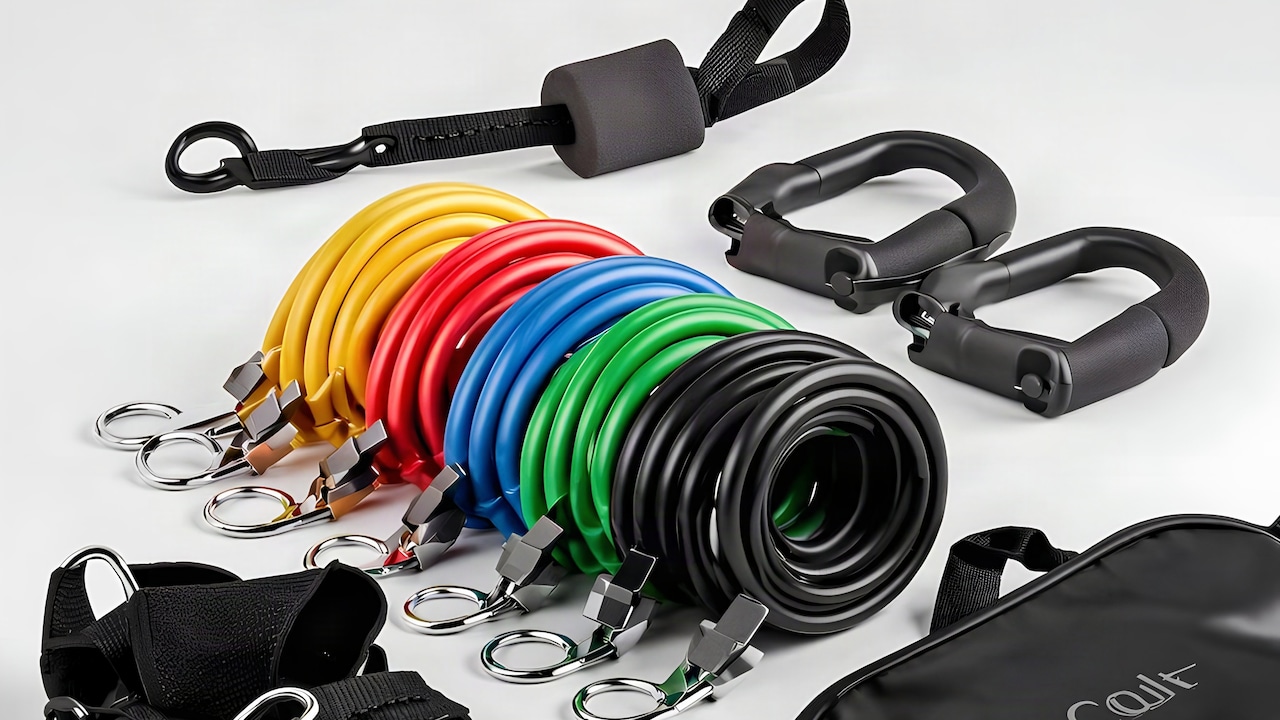
6. Cult Resistance Bands
7. TEGO Fit Anti-Microbial Towel For Workouts
8. Lifelong Adjustable Pull-Up Bar for Home Gym
Frequently Asked Questions (FAQs)
1. Can you really build fitness at home without equipment?
Of course you can be fit and healthy without going to the gym. You can workout at your home and maintain basic fitness required for a person.
2. How long should a home workout be?
Your home workout time should always depend on your goals and what you want to achieve with your body. A common guideline is to aim for a minimum of 150 minutes of exercise each week.
3. Are home workouts beneficial for weight loss?
Home workouts are not very effective for weight loss. Even if you start to see results, it will take too long. Gyms and a proper fasted diet are the best ways to lose weight.
4. Which is the easiest exercise for beginners at home?
Squats, wall push-ups, walking in place, and planks are usually quite beginner-friendly starting points.
5. Do I need to exercise every day?
Not necessarily. Even 4 to 5 days a week with proper rest works really well for most people.
(Disclaimer: This article may include references to or features of products and services made available through affiliate marketing campaigns. NDTV Convergence Limited (“NDTV”) strives to maintain editorial independence while participating in such campaigns. NDTV does not assume responsibility for the performance or claims of any featured products or services.)