How To Layer Kids' Clothing Without Overheating Them
Layer kids smartly: breathable base, light mid-layer, weather-ready jacket. Add or remove fast to prevent sweat, chills and tantrums.
Kids' Winter Layering Guide: What They Should Wear To Stay Warm, Not Sweaty.
Cold mornings can feel like a test of parenting patience. One moment, the weather app says 'chilly'; the next, the sun pops out, and the playground turns into a mini summer. Kids complicate things further. They run, climb, and sprint like tiny athletes, then refuse a jumper because 'it itches' or 'it makes arms angry'.
Layering helps because it gives control. You can add warmth when the wind bites and remove it when the body heats up. The goal is not 'maximum clothing'. The goal is steady comfort. That means warm core, free movement, and no dampness trapped near the skin. Overheating can lead to crankiness, rashes, and even chills later when sweat cools down.
Below are 10 practical, real-life tips, built for school days, park trips, hill-station holidays, and those confusing in-between months. No fancy jargon. Just a system that works.
Kids Winter Layering Guide: What To Wear To Stay Warm, Not Sweaty
10 Practical Layering Tips to Keep Kids Warm Without Overheating
1) Start With A Base Layer That Breathes
The first layer does the hardest job. It sits closest to the skin, so it must pull moisture away and keep the body feeling dry. Cotton feels cosy at first, yet it soaks up sweat and stays damp. That dampness turns into a cold shiver later, especially in windy weather. Instead, pick a soft thermal or a moisture-wicking vest and leggings. Many budget-friendly options exist, and a decent set often costs around ₹400–₹800, depending on the brand and thickness.
Look for fabrics that feel smooth, not scratchy. Kids complain quickly if seams rub, tags poke, or the fabric clings. Choose a snug fit, not a tight one. The base layer should hug the body lightly so it can do its job. If the child sweats easily, go for a lighter thermal rather than a thick one. A base layer should feel like a second skin, not a sleeping bag.
2) Build Warmth With A Mid-Layer, Not A Bulky One
The mid-layer provides insulation. It traps warm air close to the body, like a neat little bubble. Many parents jump straight to a thick jumper. That often backfires because it adds bulk, restricts movement, and traps heat too aggressively. Instead, choose a light fleece, a knitted jumper with a breathable weave, or a soft hoodie that feels comfy against the neck.
Aim for easy movement. Kids need to bend, run, and raise arms without feeling like a stuffed toy. A good test: ask the child to do a quick 'windmill arms' move. If the top pulls tightly at the shoulders, sizing or style needs a rethink. Zip-up fleeces work brilliantly because you can open them slightly when the child warms up. A mid-layer should keep warmth steady, not turn the child into a walking radiator.
3) Use An Outer Layer That Blocks Wind And Handles Surprise Drizzle
The outer layer protects against wind, light rain, and dust. Wind steals heat fast, even when the temperature does not look extreme. A lightweight jacket that blocks wind makes a bigger difference than adding yet another sweater underneath. Pick a jacket with a decent collar, a covered zip, and cuffs that sit neatly at the wrists.
For winter travel or early-morning school runs, a packable windcheater often works better than a heavy coat. It stops the chill and prevents the inner layers from losing warmth. On drizzly days, a water-resistant outer layer saves the day. It also keeps kids from getting soaked when they decide that puddles exist purely for scientific research. Bonus points if the jacket folds into a bag. It makes it easier to stash when the sun comes out, and the child starts declaring, 'Too hot!'
4) Master The ‘Add One, Remove One' Habit
Layering succeeds when it stays flexible. Treat clothing like a volume knob, not an on-off switch. Start with fewer layers when the child will run around, and add more when the child will sit still. A school bus ride and a morning assembly often feel colder than a recess sprint. That difference matters.
Build a simple routine: check comfort before leaving, then reassess after ten minutes outside. If cheeks look flushed, hairline looks damp, or the child seems unusually irritable, heat might be building up. Remove one layer early rather than waiting for full sweating. The goal is 'slightly cool when stepping out'. The body warms quickly once walking begins. Keep a small tote for the removed layer so it does not end up tied around a waist like a tired superhero cape.
5) Don't Ignore The Neck, Wrists, And Ankles
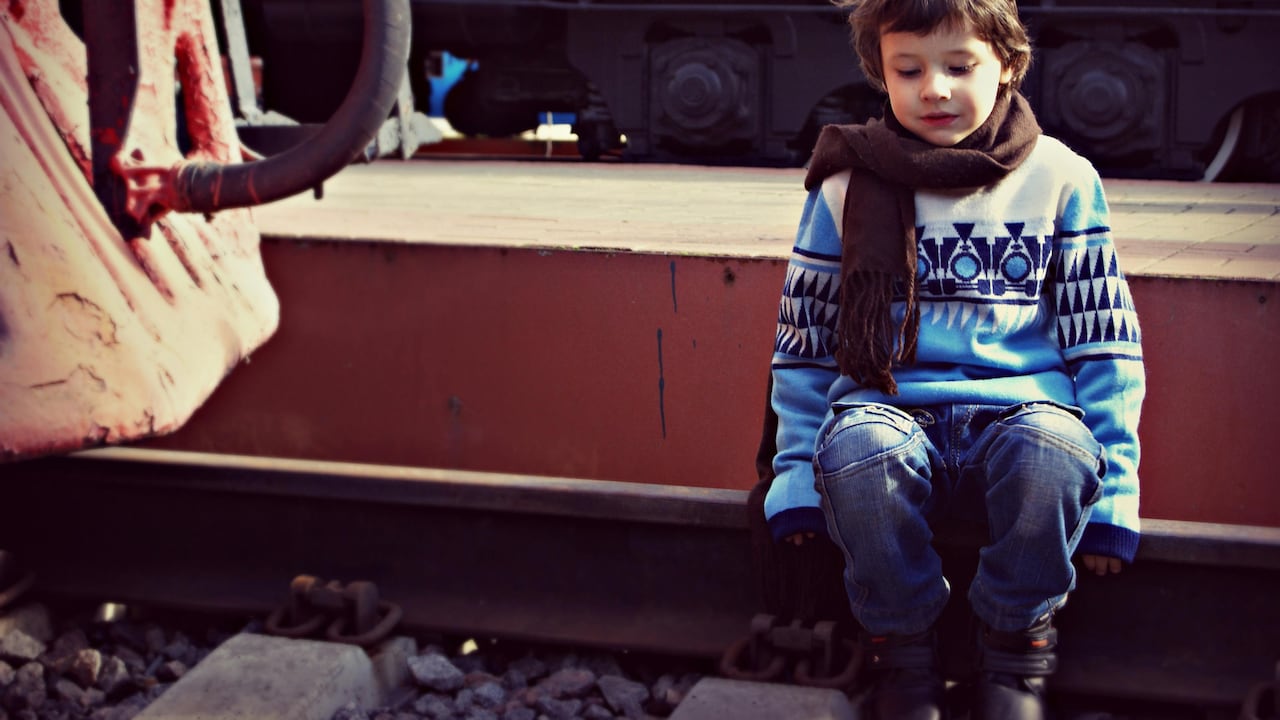
A child can wear three layers on the torso and still complain about cold. That often happens because heat escapes from small exposed areas. The neck, wrists, and ankles deserve attention. A soft neck warmer works better than a long scarf for younger kids because it stays put and reduces the risk of tangling. Choose one that feels gentle and stretches easily.
For wrists, check sleeve length and cuff fit. Cold air sneaks in when sleeves ride up during play. Thumb-hole inner layers help, yet many kids dislike the feeling. Simple ribbed cuffs often do the job. Ankles matter too, especially with shortened trousers or socks that slip down. Pick socks with a snug band and shoes that do not squash toes. Warmth feels more stable when these 'leak points' stay covered, and overheating is reduced because the core does not need excessive layering.
Also Read: Top 6 Durable T-Shirts For Active Kids Who Run, Climb, And Never Sit Still
6) Choose The Right Fabrics To Avoid Sweaty Misery
Fabric choice can make or break the day. Some materials trap heat and moisture, which turns into the dreaded 'hot-cold-hot' cycle. That cycle starts with sweating, then ends with chills. Prioritise breathable fabrics that dry quickly. For base layers, thermals with synthetic blends often manage sweat better. For mid-layers, fleece stays warm even when slightly damp and dries faster than thick cotton.
Avoid rough wool directly on the skin unless the child loves it. Many kids find it itchy, and itching quickly becomes tantrum fuel. If wool works, keep it as a mid-layer over a base layer, for kids prone to prickly heat or eczema, soft and smooth fabrics matter even more. Also watch for plastic-feel jackets with zero breathability. They trap heat like cling film. A better outer layer blocks wind while still allowing some airflow.
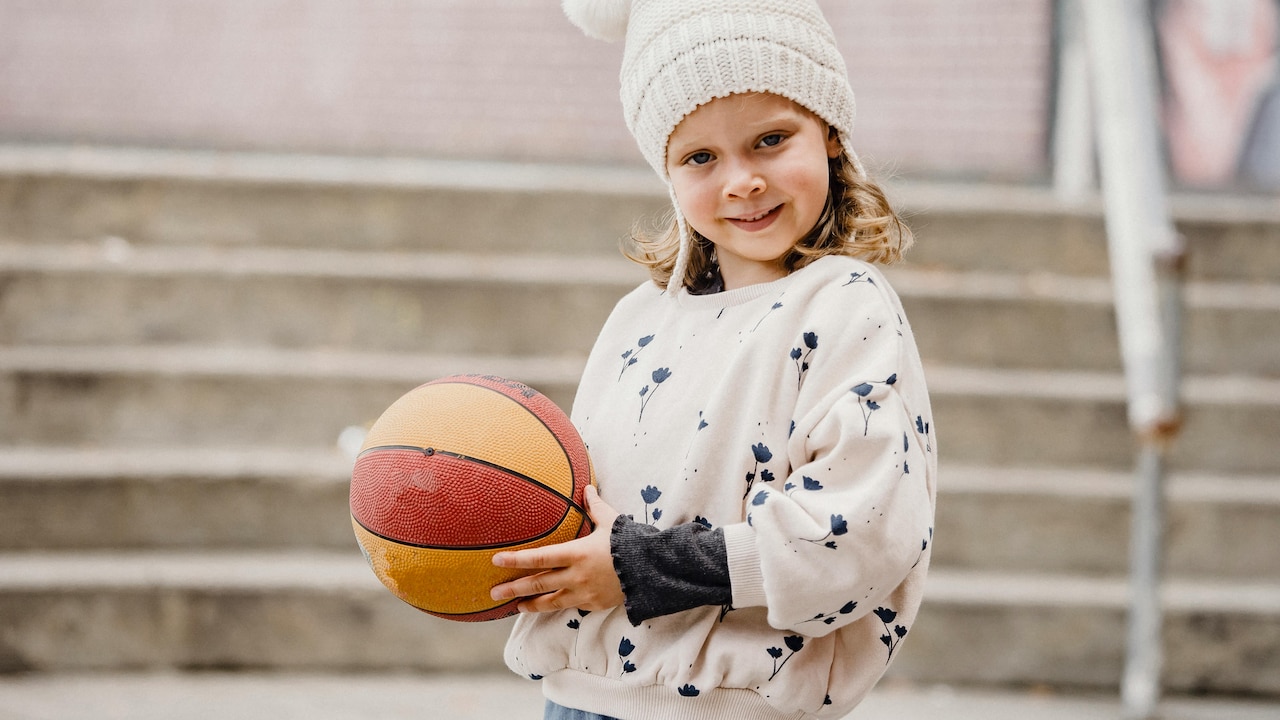
Kids Winter Layering Guide: What To Wear To Stay Warm, Not Sweaty
Photo Credit: Pexels
7) Plan Layers Around The Day, Not Just The Morning
Mornings can feel freezing, yet afternoons can feel surprisingly warm, especially in sunny cities. Dressing only for 7 a.m. creates overheating by lunchtime. Think of the day as changing scenes: commute, classroom, outdoor play, and trip back home. Each scene needs a small adjustment.
A smart approach: keep the base and mid-layer consistent, then make the outer layer optional. Packable jackets, light cardigans, or a spare cotton tee for later can help. Many kids end up warm indoors because heaters, crowded classrooms, and constant movement raise body temperature. Encourage easy removal: a zip-up top rather than a pullover that requires a wrestling match. If the child attends classes with strict uniforms, consider adding thermals underneath instead of piling on thick sweaters. A calm, planned system prevents the 'sweat at noon, sniffles at night' pattern.
8) Use Accessories Wisely: Hats, Gloves, And Socks Without The Drama
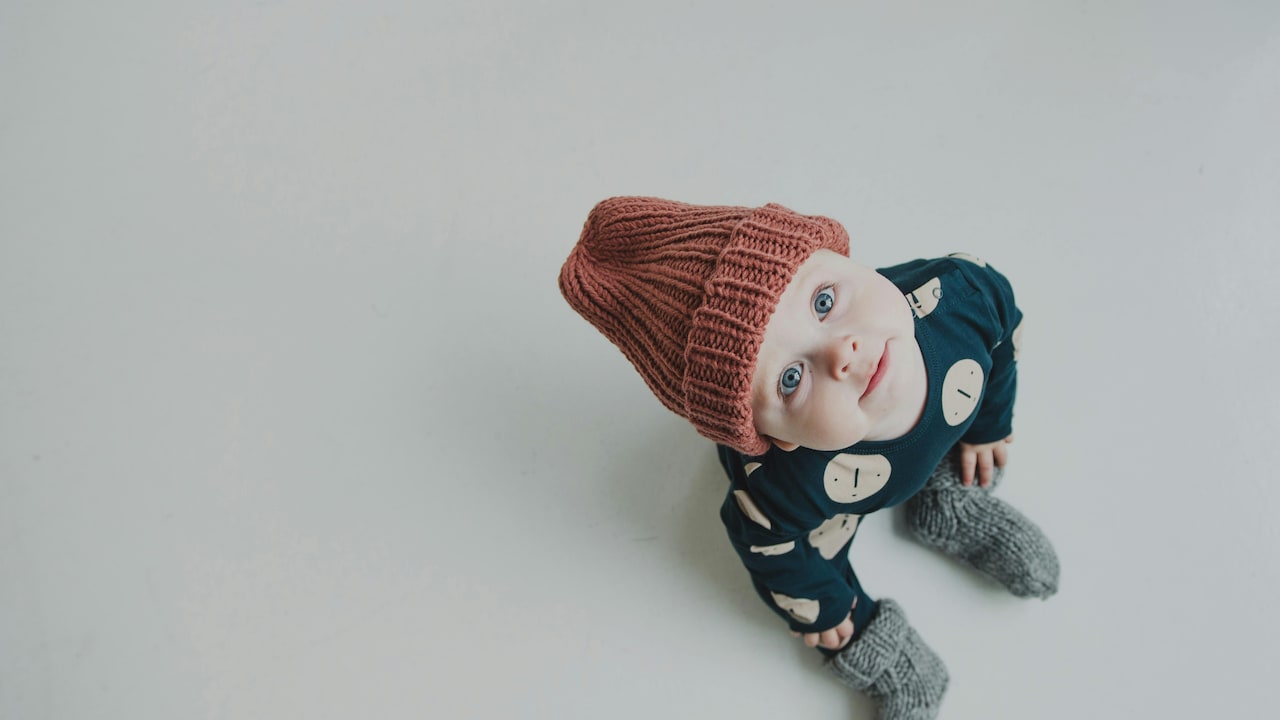
Accessories add comfort fast, yet they can also add chaos. A hat helps because the head loses heat, especially in windy weather. Choose a hat that covers the ears and does not slip over the eyes. Kids hate constant readjusting. For toddlers, consider a hat with a soft tie or a snug band.
Gloves matter when the air feels sharp. Many kids pull gloves off within minutes, then complain about cold fingers. Mittens often work better for younger children because they keep fingers together and feel warmer. Keep a spare pair in the bag because one glove often goes on an adventure of its own. Socks deserve attention, too. Thick socks help, yet overly thick ones can make shoes tight, which leads to cold feet anyway. Balance matters. Comfort beats 'maximum fluff'.
9) Learn Quick Overheating Signs And Fix Them Early
Kids don't always say 'too hot'. They show it. Watch for flushed cheeks, damp hair at the nape, sweaty palms, and sudden crankiness. Some children get unusually quiet. Others become wild and restless, like a tiny kettle about to whistle. Overheating can also cause prickly heat, especially in humid winter afternoons.
Do quick checks. Slip two fingers under the collar at the back. If the skin feels hot and sweaty, remove a layer. Check the chest rather than hands, because hands often feel cold even when the body overheats. Keep water handy too. Warm clothing plus running around can cause dehydration quickly. A small bottle works wonders on school trips and park visits. Most importantly, remove layers before the child starts sweating heavily. Sweating creates dampness, and dampness invites chills once activity slows down.
10) Keep It Practical: Easy On, Easy Off, Easy To Carry
The best layering plan fails if it takes ten minutes and three adults to execute. Choose clothes that kids can manage. Zips, simple buttons, and stretchy necklines help children learn independence. That also reduces the daily rush. If a child can remove a layer without assistance, overheating becomes less likely. The child will act faster when comfort shifts.
Also, plan for storage. Carry a small cloth bag for spare layers. It avoids the 'jumper dragging on the ground' situation. For longer outings, pack one extra mid-layer, not five random items. Keep the kit light and logical. A good rule: one spare top layer and one spare accessory set. If budgeting for better basics, focus money on base layers and a wind-blocking jacket first. A solid jacket can cost ₹900–₹2,500 and still last multiple seasons with careful sizing. Practical choices keep everyone happier.
Products Related To This Article
1. Bubble berry Bubble Berry Boys Winter Oversize Sweatshirt
2. JoE Hazel Girls Colourblocked Winter Cardigan
3. One Friday Boys Ribbed Knit Cardigan V-Neck Long Sleeves Cozy Winter Wear Sweater
4. Reshus Girls Warm Winter Coats
5. Bubble berry Boys' Winter Football Print Sweatshirt
6. N2S NEXT2SKIN Girls Winter Warm Fur Stretchable Thermal Bottoms
7. Toyific Infants Woollen Winter Set with Booties & Cap
Layering kids without overheating them comes down to balance, not bravado. Start with a breathable base, add a sensible mid-layer, and finish with a jacket that blocks wind. Then stay flexible. Remove a layer before sweat starts, and add one when activity drops. Pay attention to small areas like the neck and ankles, because comfort hides in details.
The good news: once the system clicks, mornings feel calmer. Kids complain less, move more, and stay drier. Parents also stop carrying half the wardrobe 'just in case'. With smart layers, winter becomes easier, less drama, fewer sniffles, and far fewer moments of peeling off sweaters like a hurried costume change in the back seat.
(Disclaimer: This article may include references to or features of products and services made available through affiliate marketing campaigns. NDTV Convergence Limited (“NDTV”) strives to maintain editorial independence while participating in such campaigns. NDTV does not assume responsibility for the performance or claims of any featured products or services.)