How To Layer Shrugs, Jackets And Cardigans In Winter Without Looking Bulky
A practical guide to layering shrugs, cardigans and jackets during winter. Learn how to stay warm without bulk, balance proportions, choose the right fabrics and build stylish outfits for work and everyday wear.
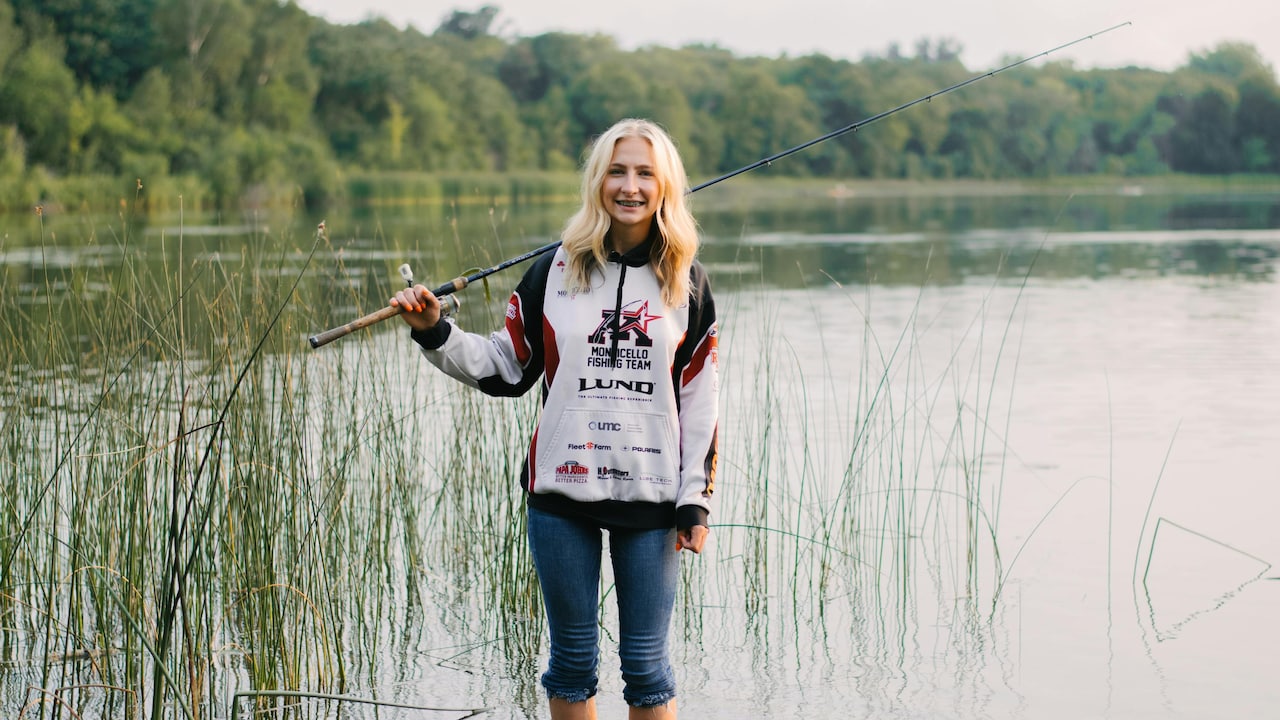
How To Layer Shrugs, Jackets And Cardigans During Winters: Check Out This Practical Guide.
Winter wardrobes tend to grow heavier, both literally and mentally. Thick sweaters pile up, jackets feel restrictive, and suddenly favourite outfits disappear under layers of wool. Yet winter does not demand dull or bulky dressing. With the right layering approach, shrugs, jackets and cardigans can work together effortlessly. A well-layered outfit adapts easily across the day.
This practical guide focuses on building warmth without bulk. It explores textures, lengths, colours and combinations that feel wearable for daily life. Winter layering can feel easy, expressive and even fun, once the basics fall into place.
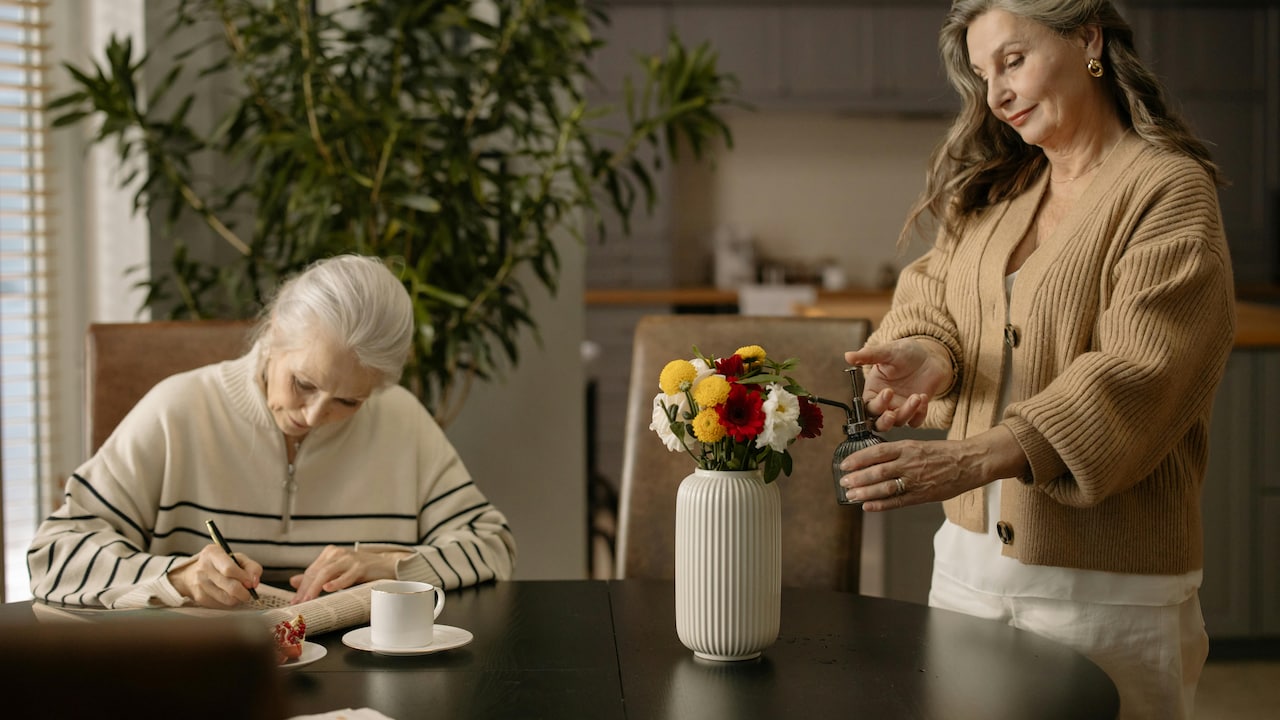
A Practical Guide: How To Layer Shrugs, Jackets And Cardigans In Winters
Photo Credit: Pexels
How To Build Warmth Without Bulk This Winter
1. Start With A Smart Base Layer
Every good winter outfit begins with a reliable base. This layer sits closest to the skin and sets the tone for comfort throughout the day. Breathable cotton tees, lightweight thermal tops or fitted long-sleeve shirts work best. These pieces trap warmth without making the body feel suffocated.
Neutral colours like beige, black or soft grey offer flexibility. They blend easily with outer layers and reduce visual clutter. Printed or textured base layers add interest but work best when kept subtle.
Fit matters more than fashion at this stage. A snug base keeps heat close and prevents awkward bunching once additional layers go on. Loose bases often create bulk and ruin the fall of cardigans or jackets.
For daily wear, this layer should feel invisible. When the base works well, the rest of the outfit feels effortless. Even a simple kurti paired with fitted leggings or jeans can become winter-ready with the right base underneath.
2. Use Shrugs For Light Warmth And Style
Shrugs often get overlooked during winter, yet they shine during mild cold days. They add warmth without overpowering an outfit and suit both casual and semi-formal looks.
Knitted shrugs work well over dresses, kurtas or fitted tops. Cropped styles add definition, while longer shrugs create a relaxed silhouette. Open-front designs allow easy movement and make layering less restrictive.
Fabric choice makes a difference. Wool blends provide warmth, while acrylic or cotton knits suit slightly warmer afternoons. Avoid overly thick shrugs when planning to add jackets later.
Shrugs also help bridge seasons. During late autumn or early winter, they work as standalone outerwear. Later, they slide comfortably under coats or jackets.
For everyday wear, neutral tones feel practical. For festive gatherings, richer colours like wine, mustard or teal add warmth and charm. A shrug often becomes the quiet hero of winter dressing.
3. Cardigans: The Reliable Middle Layer
Cardigans bring structure and comfort to layered outfits. They work perfectly as a middle layer, sitting between base clothing and outerwear. Buttoned or open, short or long, cardigans adapt easily.
Lightweight cardigans suit indoor settings like offices or homes where heaters run. Chunkier knits provide extra insulation during colder days. Longline cardigans flatter most body types and add elegance without effort.
When layering, avoid bulky cardigans under fitted jackets. Instead, opt for fine knits that allow easy movement. Textured patterns, ribbed designs or subtle cable knits add visual interest without overwhelming the outfit.
Cardigans also suit quick temperature changes. Buttons allow easy adjustment, making them practical for long days out. Pairing a cardigan with a scarf creates instant warmth without needing a heavy jacket.
This layer often decides whether an outfit feels cosy or cluttered. Choose wisely, and winter dressing becomes much simpler.
Also Read: Amazon Kids Carnival Sale: Get Min. 50% Off On Miniklub, Hopscotch And Winterwear
4. Jackets As The Final Armour
Jackets serve as the outer shield against cold winds and dropping temperatures. They complete the layered look and protect inner clothing from the elements.
Short jackets pair well with long cardigans or tunics. Longer coats suit fitted inner layers and add sophistication. Puffer jackets offer warmth, while structured blazers work for milder days or formal settings.
Balance remains key. If inner layers feel thick, choose a relaxed-fit jacket. If inner layers stay light, structured jackets work well. Avoid squeezing bulky knits under tight jackets, as comfort always matters.
Colour coordination helps pull the look together. Neutral jackets offer versatility, while statement colours lift winter outfits instantly. A deep olive or rust jacket adds personality without feeling loud.
Jackets should feel practical, not restrictive. When chosen well, they elevate the entire outfit rather than hiding it.
5. Play With Lengths For Visual Balance
Layering works best when lengths vary. Mixing short, medium and long pieces creates depth and prevents outfits from looking heavy.
A cropped shrug over a long kurta creates contrast. A long cardigan under a waist-length jacket adds flow. Keeping layers too similar in length often results in a boxy silhouette.
Longer layers also provide warmth without bulk. They trap heat while allowing movement. Shorter layers highlight the waist and add shape.
Experimentation helps here. Stand in front of the mirror and observe how layers interact. Small adjustments often make big differences.
Length play remains one of the easiest ways to elevate winter dressing. It requires no new purchases, just smarter combinations.
6. Fabric Choices Matter More Than Trends
Winter layering fails when fabrics clash. Breathable materials work better together than thick synthetics piled up.
Cotton blends work well for base layers. Wool and fleece suit middle layers. Outerwear should resist wind and light moisture.
Avoid pairing multiple heavy fabrics together. Instead, mix light and medium-weight materials. This approach keeps outfits warm without feeling suffocating.
Texture also adds interest. Smooth inner layers paired with textured cardigans create contrast. Too many textures at once can overwhelm.
Practicality beats trends during winter. Fabrics should feel good throughout the day, especially during long commutes or extended wear.
7. Colour Coordination Without Overthinking
Winter colours need not stay dull. Layering allows playful colour combinations while keeping outfits grounded.
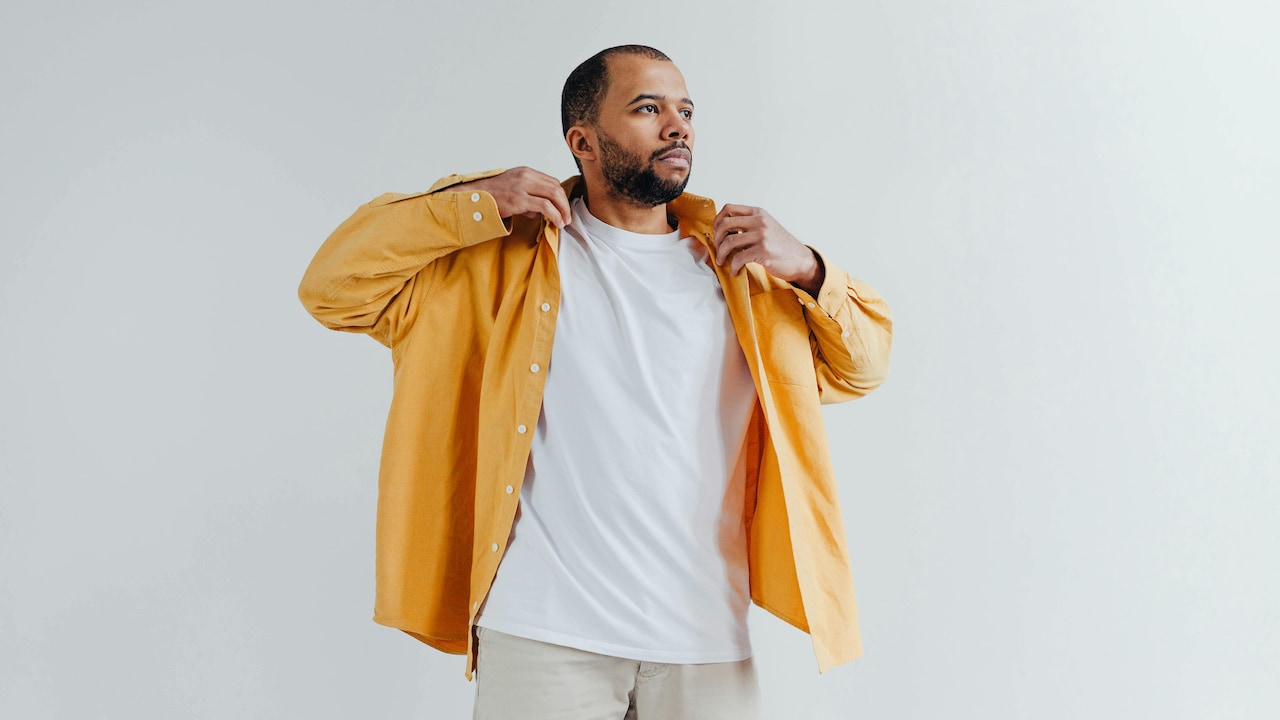
Start with neutrals and add colour gradually. A bright cardigan over a neutral base lifts the look. A bold jacket can transform simple inner layers.
Avoid too many statement colours at once. Two to three tones work best. Earthy shades blend beautifully during the winter months.
Patterns deserve attention, too. Keep printed pieces limited to one layer. Let solids balance them out.
Colour coordination feels less daunting when approached intuitively. Trust personal comfort and mood rather than rigid rules.
8. Layering For Workdays And Weekends
Workwear layering needs structure and ease. Lightweight cardigans, fitted shrugs and tailored jackets work best. Neutral tones feel professional and versatile.
Weekends allow experimentation. Oversized cardigans, textured shrugs and relaxed jackets suit casual outings. Comfort takes priority here.
Switching just one layer often transforms an outfit from formal to casual. A structured jacket swapped for a chunky cardigan changes the mood instantly.
Layering smartly reduces outfit planning stress. The same base outfit can work across multiple settings with minor tweaks.

A Practical Guide: How To Layer Shrugs, Jackets And Cardigans In Winters
Photo Credit: Pexels
9. Accessories That Support Layering
Accessories complete layered outfits. Scarves add warmth and style. Belts define shape when layers feel bulky.
Choose scarves based on outfit's weight. Light scarves suit mild days, while woollen ones add warmth during colder evenings.
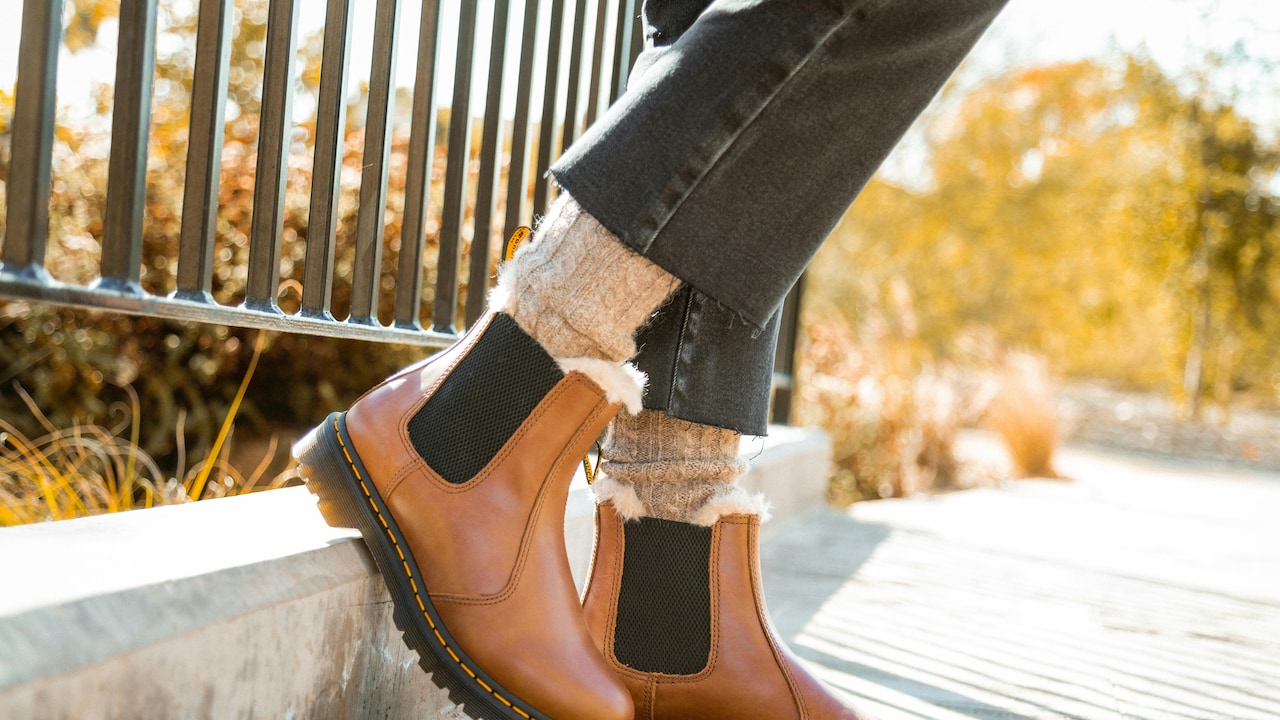
Footwear also plays a role. Boots support heavier layers, while closed shoes suit lighter combinations.
Accessories should enhance, not compete with layers. Keep choices intentional and balanced.
10. Comfort Always Comes First
No layering guide works if comfort gets ignored. Restrictive outfits feel exhausting, especially during long days.
Test outfits by sitting, walking and moving around. Adjust layers accordingly. Breathability, ease and warmth matter more than perfection.
Winter dressing should feel reassuring. The right layers offer warmth, confidence and freedom.
When comfort leads, style follows naturally.
Products Related To This Article
1. V-Mart Men Reversible Puffer Jacket
2. EVOLETTE STUDIOS Women Fleece Knitted Jacket
3. Mast & Harbour Ribbed Faux Fur Detail Spread Collar Cardigan Sweaters
4. STREET 9 Conversational Printed Acrylic Pullover Sweater
5. HERE&NOW Men Leather Jacket
6. Mast & Harbour Women Blue Colourblocked Pullover Sweater
7. MANGO Round Neck Knitted Pullover
Layering shrugs, jackets and cardigans during winter does not require a fashion degree or a brand-new wardrobe. It calls for thoughtful combinations, attention to comfort and a willingness to experiment. Winter dressing becomes enjoyable when layers work together instead of fighting for space. As temperatures drop, layering offers flexibility and expression.
(Disclaimer: This article may include references to or features of products and services made available through affiliate marketing campaigns. NDTV Convergence Limited (“NDTV”) strives to maintain editorial independence while participating in such campaigns. NDTV does not assume responsibility for the performance or claims of any featured products or services.)