How To Match Ethnic Footwear With Almost Any Outfit: A Guide To Colours And Embellishments
Ethnic footwear carries its own charm, often turning a simple outfit into something instantly festive. Yet finding the right pair that blends with different outfits can be tough. Explore styling cues that help make footwear choices feel effortless. Pair your ethnic footwear with any outfit you want using these easy tips.
Best Ways to Match Ethnic Footwear With Any Outfit Using Colours And Embellishments.
Ethnic footwear holds a special place in wardrobes across the country. It travels everywhere, from gulmohar-lined streets during festive shopping sprees to crowded wedding halls humming with dhol beats. A good pair lifts not just an outfit but also the mood. The challenge is figuring out which pair suits what outfit without overthinking it or spending half the day deciding.
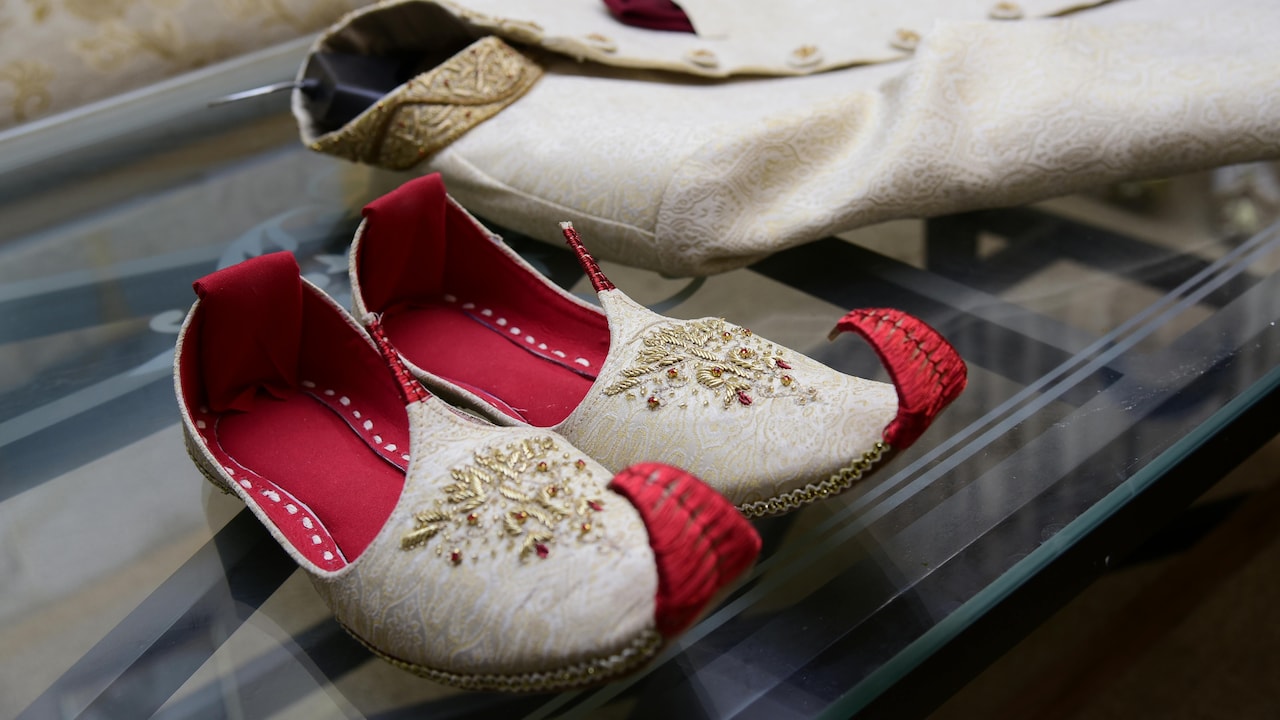
Use these 10 tips to match your ethnic footwear with any outfit; Photo Credit: Pexels
Footwear choices often become last-minute decisions, especially when getting ready in a hurry. A jutti may feel too embellished for a light kurta, while kolhapuris may appear too simple for a sparkling lehenga. Decisions get trickier when mixing contemporary silhouettes with traditional pairs. This guide simplifies the process, helping match colours, textures and embellishments with ease. Just check out our guide to colours and embellishments and learn all about how to match ethnic footwear with your outfits.
Also Read: Top 10 Juttis Under ₹1000 That Offer Designer Style And Feel Just Like Comfy Flats
Decoding Colours And Embellishments For Everyday Styling
1. Understanding Colour Harmony Without Overcomplicating It
Colour matching can feel like a riddle wrapped in a kurta. The simplest approach begins with understanding undertones. Outfits with warm shades, mustard, marigold, rust, vermilion, olive, blend beautifully with footwear in tan, copper, gold or deep brown. These shades bring a natural warmth and give the look a grounded finish. Cool tones, mint, turquoise, lavender, powder pink, silver, sit comfortably next to footwear in metallic silver, ivory or pastel hues.
Neutrals work like magic charms when uncertainty creeps in. Shades like beige, stone, champagne and soft gold blend with almost everything, even heavily embroidered ensembles. Many people keep a pair in a soft neutral for emergencies, when running late for a sangeet or office festive day.
Another trick involves pairing contrasting colours. A navy anarkali looks lovely with mustard juttis, while a blush kurta glows next to emerald mojris. These contrasts create balance without appearing loud. A little confidence goes a long way here, and once the eye adjusts to contrasts, matching footwear becomes almost instinctive.
2. Metallics: The Unsung Heroes of Ethnic Wardrobes
Metallic-coloured footwear turns into a lifesaver during festive months. Gold and silver pairs slip seamlessly into a wardrobe filled with bright colours and embroidered outfits. Gold footwear suits warm palettes, reds, magentas, peaches, oranges and greens. It adds a regal glow without stealing attention from the clothing. Silver footwear, on the other hand, suits cool palettes, icy blues, whites, lilacs and greys, creating a fresh and luminous effect.
Rose-gold footwear has become unbelievably versatile. It works with lehengas, kurtas and even fusion dresses. Rose-gold balances soft colours without overpowering pastel-oriented looks. During wedding seasons, many turn to metallic footwear to avoid buying multiple pairs. A single dependable pair saves money and time, and still looks polished at every event.
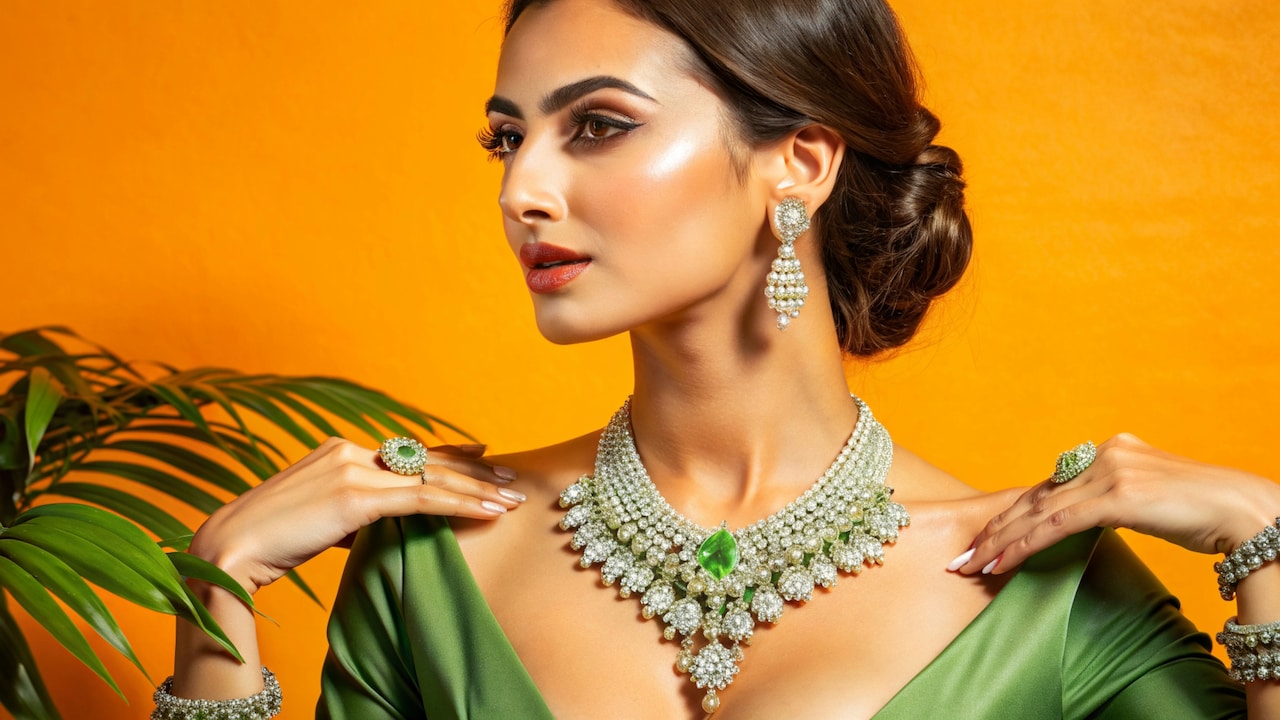
Metallic shades also adapt beautifully to different embellishments, gotta patti, sequins, mirror work, zardozi, because they echo the shine without clashing. The result is a cohesive look that feels both festive and thoughtfully curated. Metallics are wonderful for anyone who wants footwear that refuses to let them down.
3. Embroidery and Embellishments That Complement, Not Compete
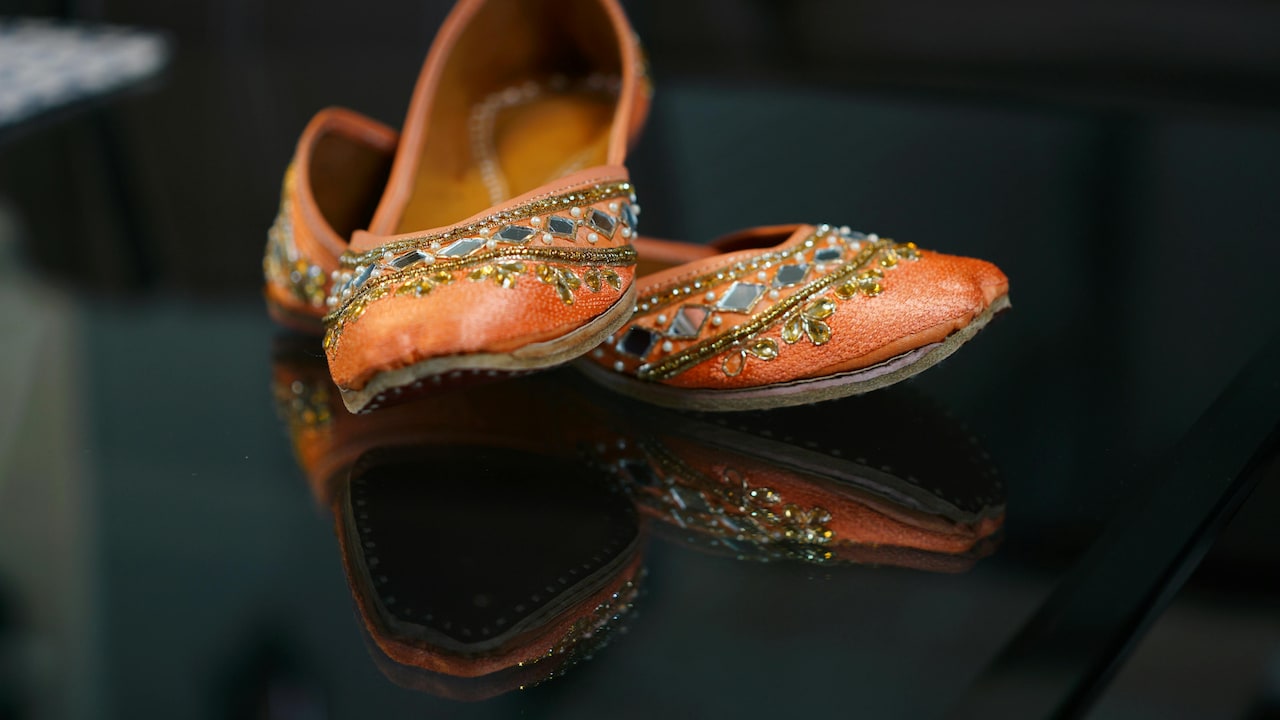
Ethnic footwear often comes decorated with threadwork, mirror edges, beads or zari borders. Matching such details with outfits can feel intimidating, but the secret lies in balance. When wearing an outfit with heavy embroidery, a moderately embellished pair works well. It enhances the outfit without making the entire look feel crowded. Heavy on heavy often makes everything blur together.
For simpler outfits, solid kurtas, handloom sarees or minimal suits, footwear with detailed hand-embroidery adds beauty. A tiny cluster of mirrors or a neat zari pattern lights up a plain ensemble. This gives the outfit personality while still keeping it elegant.
Many shoppers rely on beadwork footwear because beads catch light gently without looking too shiny. They work well during day events, casual lunches or haldi ceremonies. Subtle embellishments also make footwear easier to reuse. Since embellishments are often traditional, they travel smoothly across outfits and remain timeless. The key is viewing footwear as an accessory that frames the outfit rather than overpowering it.
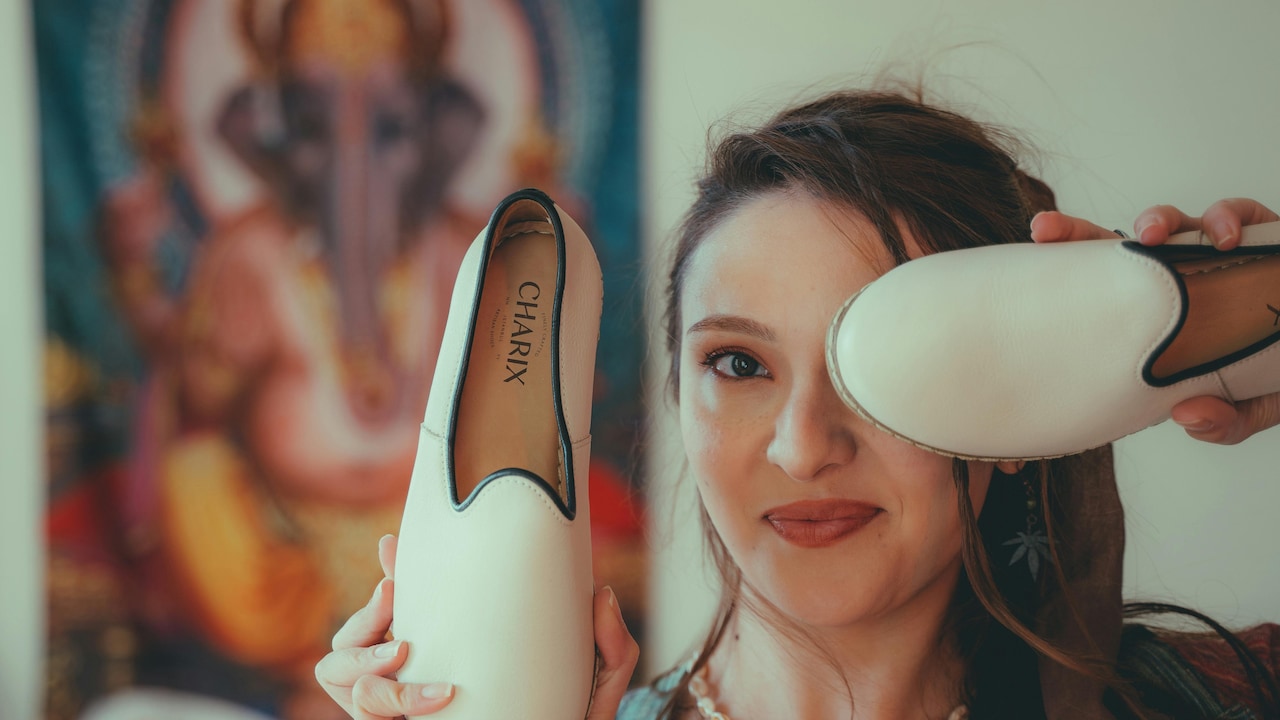
Try to match the embroidery on your footwear with your overall outfit; Photo Credit: Pexels
4. When Prints and Patterns Join the Party
Printed ethnic footwear has grown popular in recent years. Floral, geometric and block-printed juttis add colour and character to everyday wear. Pairing prints with outfits becomes easy when the colours within the print echo the tones of the clothing. A multicoloured jutti picks up shades from a printed dupatta, making the look feel put together without effort.
With minimal outfits, boldly printed juttis become the hero. A plain white kurta with a bright printed pair creates a cheerful, breezy look ideal for college days, casual gatherings or café hops. For heavier outfits, small repeating patterns work better than large motifs. These keep the attention on the ensemble while adding a gentle decorative flair.
Mixing prints is also possible. A striped kurta can harmonise with small floral juttis if they share one common colour. Such combinations create a playful charm people often appreciate at informal celebrations. Printed footwear proves that effortless styling isn't about matching perfectly but allowing colours to communicate softly with each other.
5. Choosing the Right Silhouette for Each Outfit
Different footwear shapes complement different clothing styles. Juttis suit almost every traditional ensemble due to their flat base and intricate finish. They look polished with suits, anarkalis and even contemporary skirts. Mojris offer a slightly sharper silhouette and pair well with sherwani-style kurtas or structured clothing with straight lines.
Kolhapuris bring an earthy touch that works beautifully with cotton and silk outfits. They feel relaxed yet stylish, making them perfect for casual poojas, brunches or handicraft fairs. Wedges decorated with brocade or zari work best with heavier outfits such as shararas and lehengas, especially during long celebrations where comfort matters as much as appearance.
Footwear shape can also influence body posture. Flats offer stability, while slight heels elongate the frame. Choosing silhouettes based on event duration, comfort, and the amount of walking required ensures the outfit looks good and feels good. Footwear becomes functional art, a blend of tradition, comfort and aesthetic harmony.
6. Matching Footwear With Sarees and Fusion Wear
Sarees come with unique personalities. Kanjeevaram, chiffon, georgette or banarasi each demands something different from footwear. Silk sarees glow beautifully with gold-toned juttis or brocade wedges. Lightweight sarees like chiffon or georgette look graceful with delicate strappy flats or mirrored kolhapuris. These add sparkle without weighing down the look.
Fusion wear, draped skirts, crop tops, and Indo-western jumpsuits give more room for creativity. Embellished kolhapuris, muted juttis with metallic hints or embroidered sliders add flair. Fusion ensembles blend traditional and modern aesthetics, so footwear can follow the same mood. A touch of whimsy works well here, think tassels, muted metallics or textured leather.
The rule is simple: balance the drape with the footwear. Heavy sarees pair better with structured footwear, while airy fabrics appreciate lighter, more flexible pairs. Fusion outfits reward experimentation, allowing footwear to add character, colour and charm without being tied to tradition.
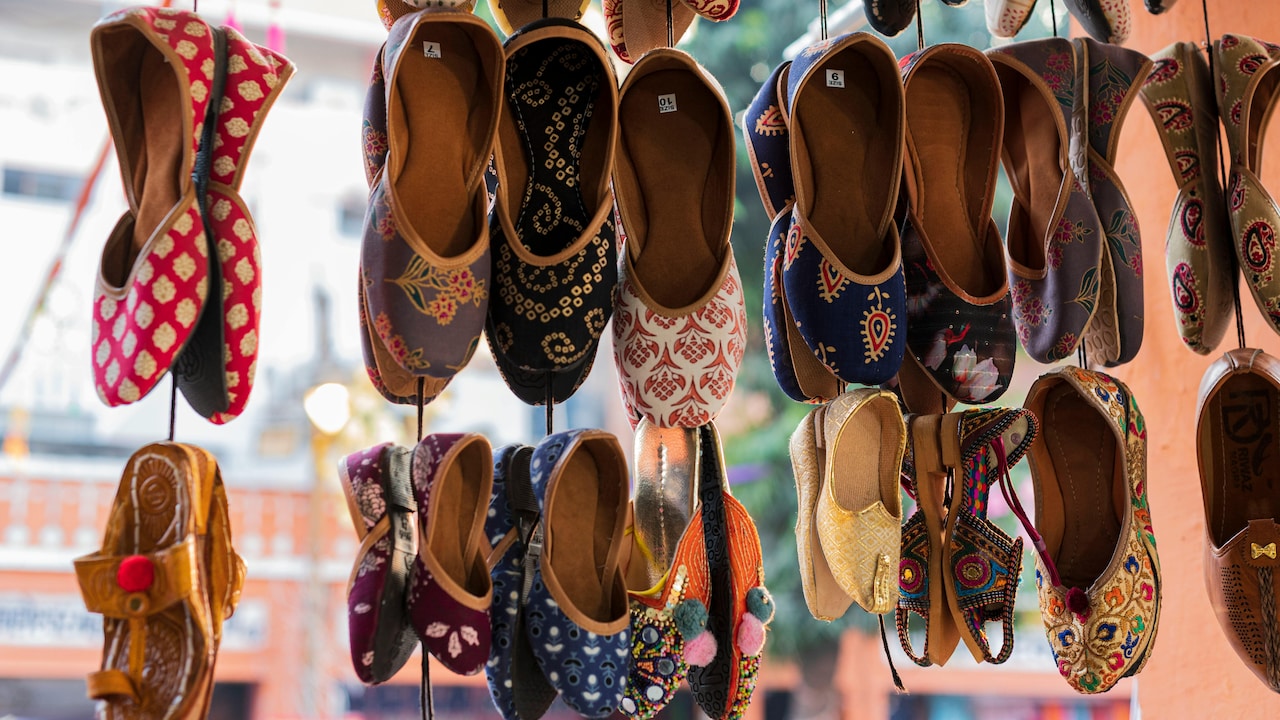
Match the footwear with different outfit styles to create diverse looks; Photo Credit: Pexels
7. Comfort Is Style: Picking Pairs That Last the Day
Ethnic events often run long, weddings stretch from breakfast to midnight, haldi ceremonies spill into laughter-filled after-parties, and festive shopping trips include endless market strolls. Comfortable footwear isn't a luxury; it's survival gear. Soft cushioning, snug fits, and flexible soles save the day more than any decorative element.
Leather-lined juttis mould beautifully to the feet after a few wears. Padded kolhapuris support the arch while allowing breathability. Many brands now design ergonomic ethnic footwear that blends tradition with comfort. These pairs cost a little more, sometimes ₹1,500–₹2,500, but the investment saves hours of discomfort and avoids the dreaded mid-event shoe swap.
Comfort also affects posture and confidence. When the feet feel at ease, the walk feels natural, the smile appears brighter, and the pictures look better. Matching footwear with outfits looks effortless when the pair supports movement, rhythm and celebration. Comfort gives style staying power that embellishments alone cannot achieve.
8. Seasonal Choices: Footwear That Adapts to Weather
Seasonal changes influence footwear decisions more than many realise. Summers favour breathable materials like cotton-lined juttis, open kolhapuris and airy sliders. Lighter colours reflect heat, keeping the feet cooler. These pairs blend well with pastel outfits and lightweight fabrics people reach for during warm months.
Monsoon calls for sturdier soles and moisture-resistant designs. Faux leather or coated materials prevent damage during those unexpected splashes. Embroidered pieces should stay at home during rainy days unless headed to an indoor venue. Darker colours like navy, maroon and charcoal handle monsoon better and still look elegant.
Winter welcomes velvet footwear and richer shades. Burgundy, emerald, bronze and deep gold add warmth and luxury to outfits. Velvet or brocade-lined pairs look regal with winter suits and heavier shawls. Choosing footwear with thicker soles also helps keep the feet warm during cold evenings, making celebrations comfortable without compromising on style.
9. Budgeting Smartly: Building a Versatile Footwear Wardrobe
A smart ethnic footwear collection doesn't require a huge budget. Start with three core pairs: one neutral (beige, champagne or tan), one metallic and one embellished. These three handle most festive situations and everyday outfits. Even with a budget of around ₹3,000–₹5,000, it's possible to pick well-crafted pairs that last.
Mix-and-match thinking helps save money. Neutral footwear pairs beautifully with printed suits, colourful kurtas and office-appropriate festive wear. Metallic footwear covers weddings, festivals and family celebrations. Embellished pairs step in for special moments, engagement parties, receptions or anniversaries.
Adding one experimental pair a year, printed, embroidered or handcrafted, keeps the wardrobe fresh without overspending. Local markets, crafts fairs and artisanal stalls offer beautiful pieces at reasonable prices. Investing thoughtfully, instead of buying impulsively, builds a collection that remains relevant for years while supporting skilled artisans who pour their heart into their craft.
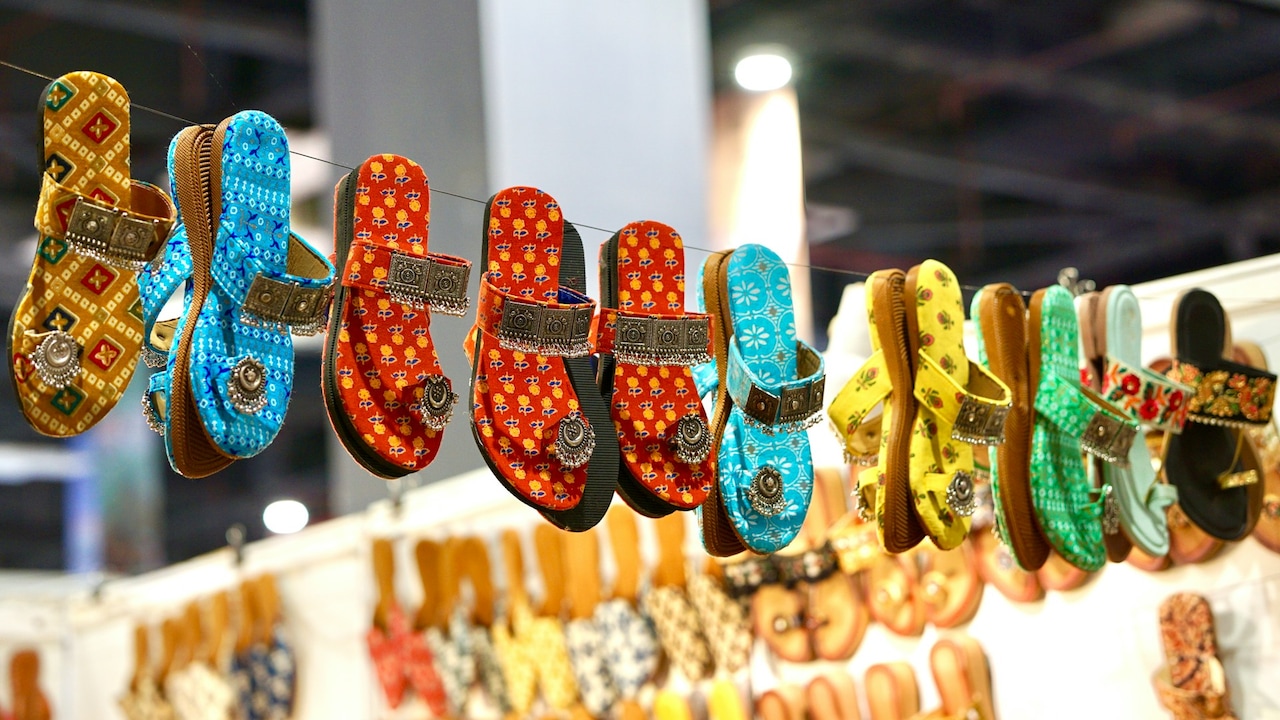
Build your versatile footwear collection on a budget; Photo Credit: Pexels
10. Small Details That Transform the Look
Sometimes the smallest touches create the biggest impact. Tassels, ghungroos, sequinned edges or tiny clusters of beads can elevate even simple footwear. These details introduce movement and sparkle that catch the eye without overwhelming the outfit. When an ensemble feels slightly plain, such details add life and texture.
Matching metals makes a difference too. Gold-toned jewellery pairs neatly with warm footwear accents, while silver complements cooler clothing and accessories. Lace-trimmed hems look lovely with embroidered juttis that echo the pattern subtly. Even the finish, matte, glossy or textured, can influence how cohesive the final look appears.
Footcare also plays a supporting role. Well-groomed feet make every pair look better, whether wearing open kolhapuris or closed juttis. A touch of moisturiser and neat nails often enhance the precision of the entire outfit. These small elements combine to create harmony, making ethnic footwear feel less like an afterthought and more like the final artistic brushstroke.
Products Related To This Article
1. Divastri Jutis For Women
2. Hitway Women Bellies Sandal
3. Riyashi Slip On For Women
4. faishstar Women Bellies Sandal
5. ANOUK Ethnic Embroidred Jutis and Mojaris Bellies For Women
6. Gerief Women Flats Sandal
7. SHOETOPIA Women Flats Sandal
Ethnic footwear isn't just a functional accessory; it's a storyteller. Every pair carries traces of craft, colour and tradition that shape an outfit's mood. Matching footwear with different ensembles doesn't need strict rules. It requires an understanding of colour harmony, embellishments, shapes and comfort. When these elements align, even the simplest outfit transforms beautifully.
The joy lies in exploring combinations, pairing metallics with rich fabrics, mixing prints with solids or letting understated footwear balance heavy embroidery. With a few thoughtful choices, footwear becomes a dependable companion for festivals, weddings, family events and all those spontaneous celebrations that brighten life. Style walks hand in hand with comfort, and the right pair ensures every step feels effortless and full of character.
(Disclaimer: This article may include references to or features of products and services made available through affiliate marketing campaigns. NDTV Convergence Limited (“NDTV”) strives to maintain editorial independence while participating in such campaigns. NDTV does not assume responsibility for the performance or claims of any featured products or services.)