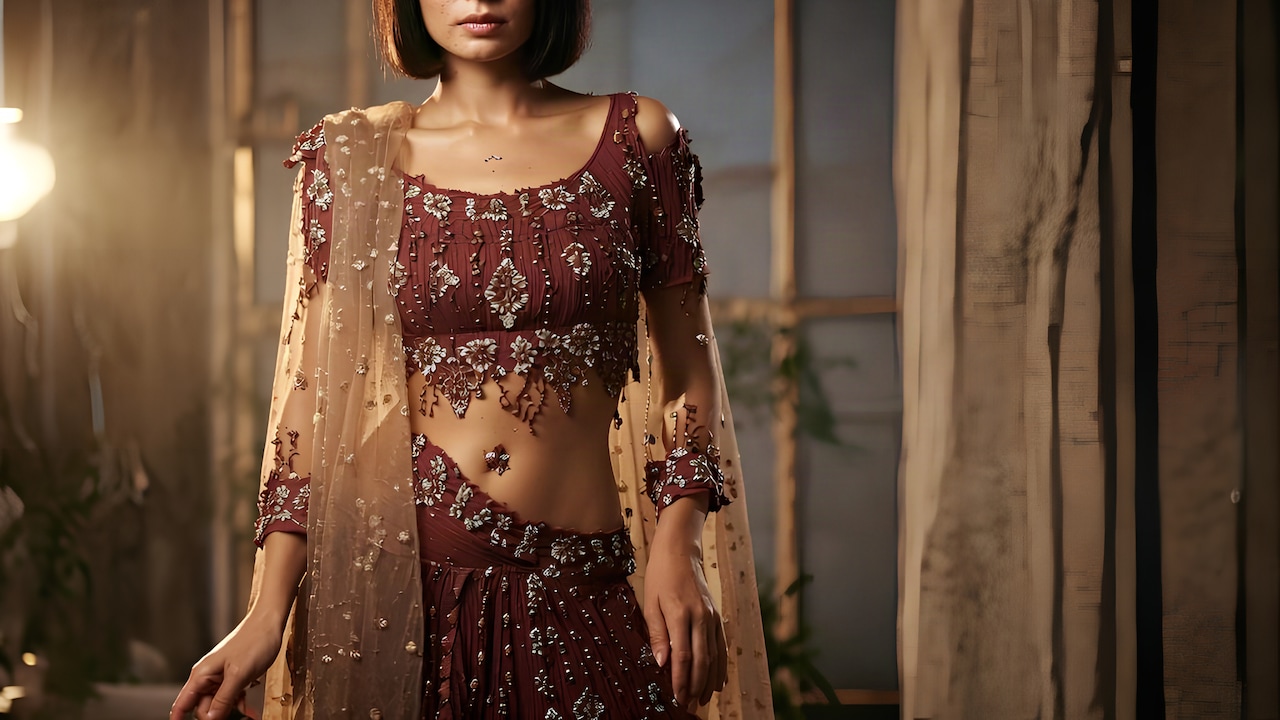
How To Mix Metals In Your Festive Jewellery
Want to mix metals in your festive jewellery this season? Discover easy tips and tricks to layer gold, silver, and rose gold like a pro and shine this season.
How To Mix Metals In Your Festive Jewellery
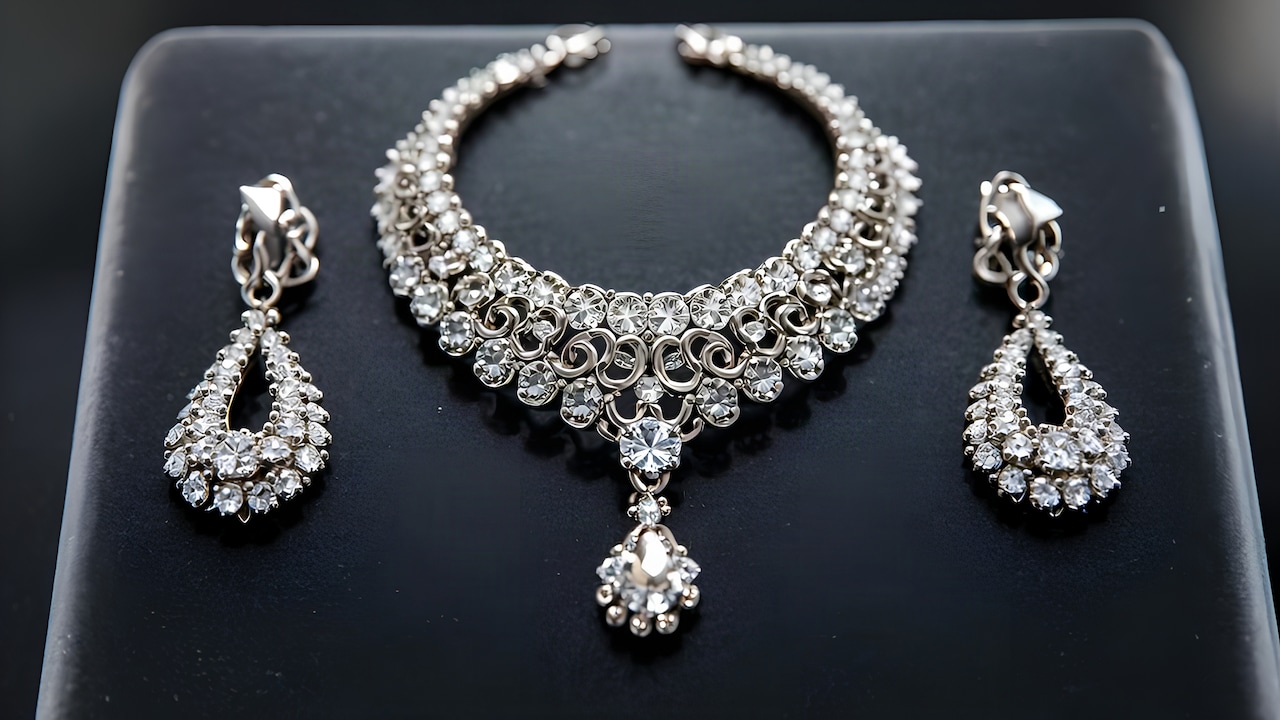
A classic white shirt, but with festive jewellery in mixed metals? That's where the magic is going to be this season. If you've ever been reluctant to pair your silver earrings with a gold bangle, you're not alone. Mixing metals has always seemed like a style risk, but in fact it's one of the easiest ways to make your festive look feel more layered, intentional and personal. Whether you're browsing through Myntra's endless jewellery options or digging through your collection of trinkets, mixing metals is a trend that will be around for a long time, and it's easier than you think. The key is not to be perfect; it is balance. Once you've learned some basic principles, mixing gold, silver, rose gold, and oxidised metals becomes much easier. Here's how to do it with style.
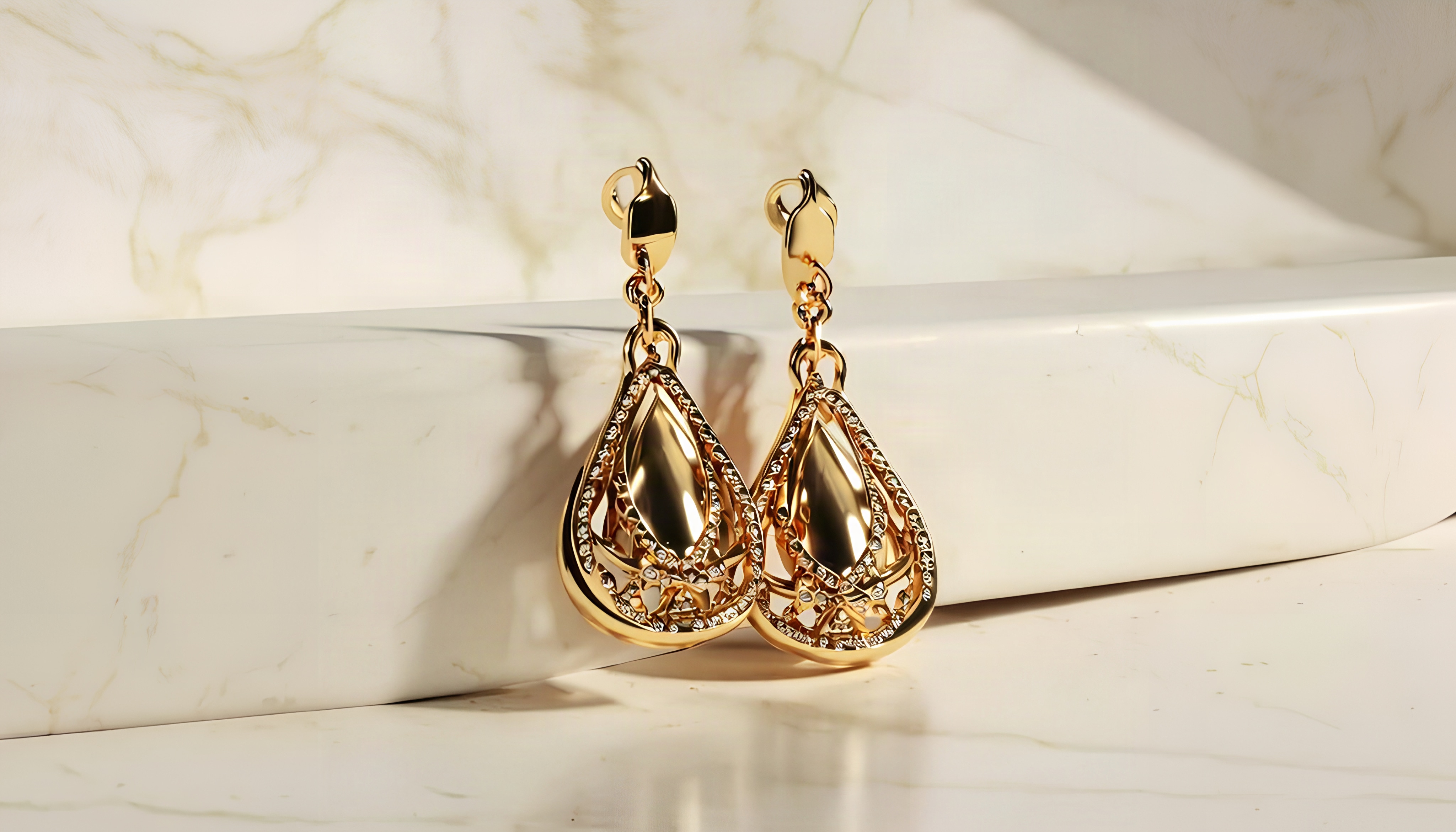
Understanding The Basics Of Metal Mixing; Photo Credit: iStock
Understanding The Basics Of Metal Mixing
1. Why Mixed Metals Work So Well Together
Just like neutrals in clothing, metals sit well together when they're worn with intention. For example, jewellery traditions in South Asia and Europe have embraced both gold and silver for centuries. The contrast they provide adds visual dimension rather than visual clutter, making an outfit feel more curated than if every piece matched perfectly.
2. Which Metal Combinations Work Best?
Not all metals are disharmonic. In fact, most pair up beautifully. Since rose gold and gold have similar warm undertones, they go together almost effortlessly. Silver and white gold are also in harmony. If you want to feel a little bolder, mix yellow gold with oxidised silver — the contrast is striking but grounded. The combinations that often feel wrong are those that have no tonal connection whatsoever, like bright rose gold next to very cool platinum with no bridging piece in between.
Also Read: Amazon Great Indian Festival 2026: 5 Must-Have Jewellery Pieces For Durga Puja Under ₹950
How To Layer Metals For Festive Occasions
1. Start With One Dominant Metal
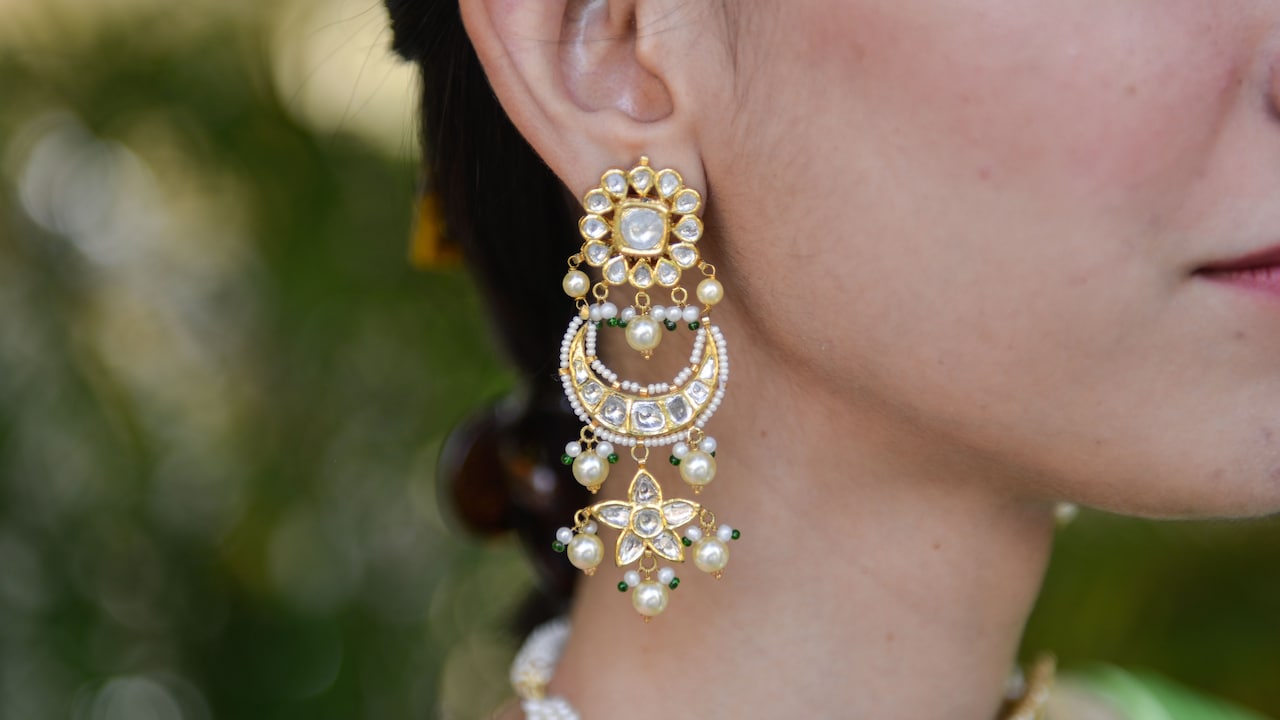
One dominant tone can help anchor everything when creating a mixed-metal look. Gold is often the best choice if most of your outfit leans traditional – think silk sarees or lehengas – as it is warm and culturally familiar. Silver or oxidised pieces can then be used as accent layers, adding depth without taking over.
2. Use A Transition Piece To Bridge Both Tones
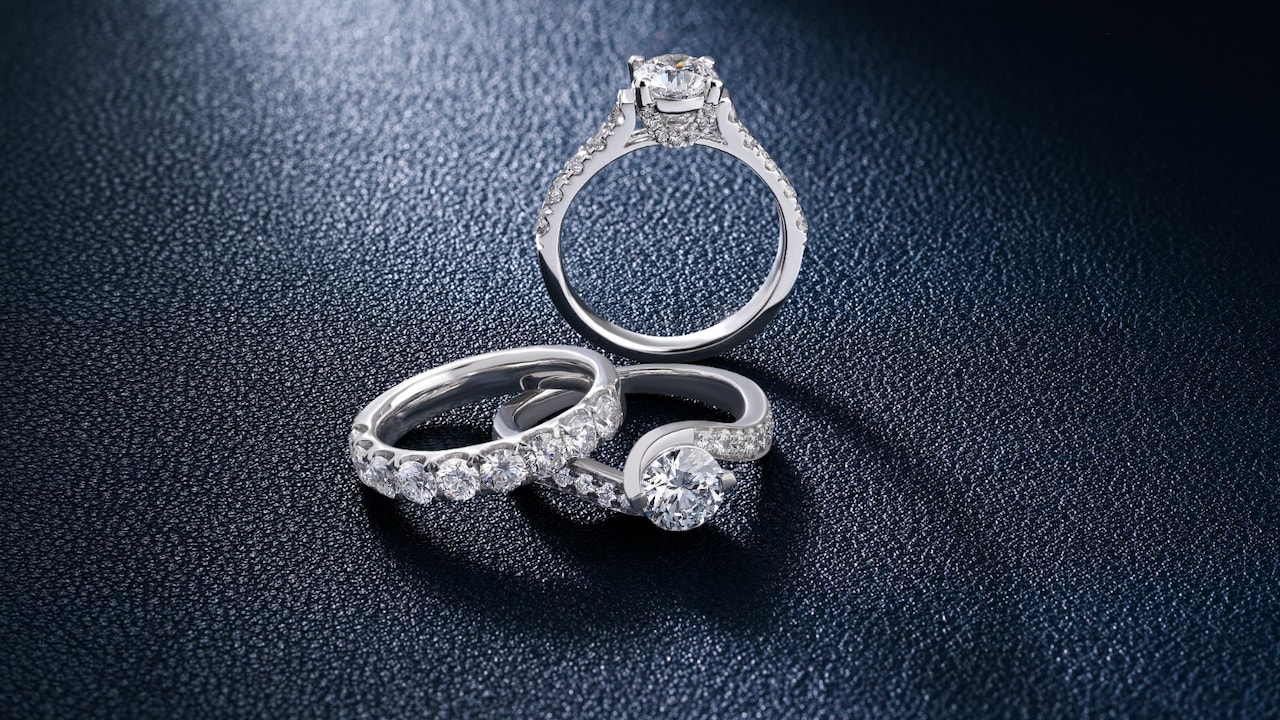
The secret to mixed-metal styling is a transition piece. Usually it's just one piece – whether it's a bracelet, ring or even a necklace – that incorporates both metals. Items that mix gold and silver tones make it easy to style. They do the bridging work for you, and the overall look feels deliberate rather than accidental.
3. Balance Distribution Across The Body
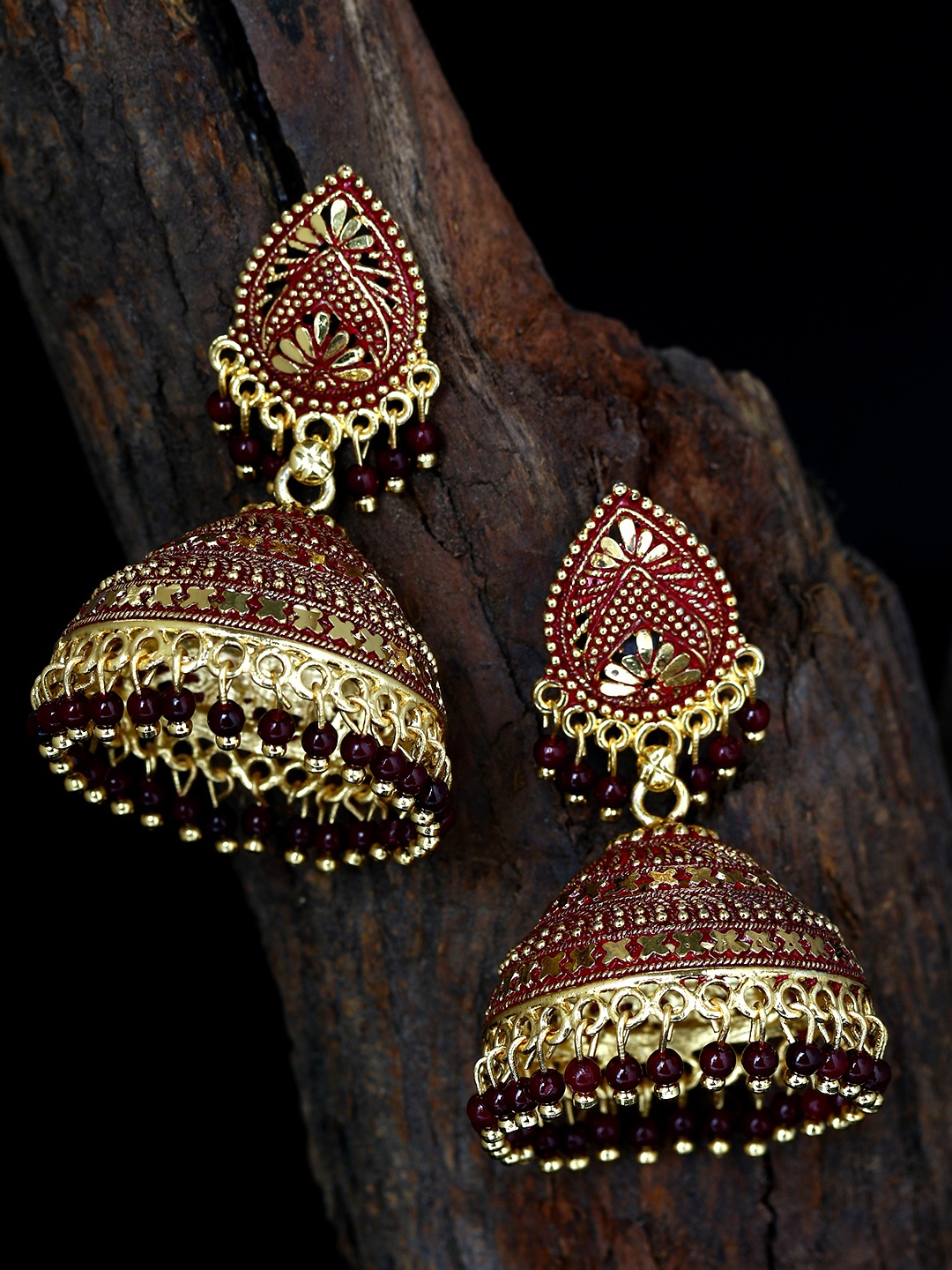
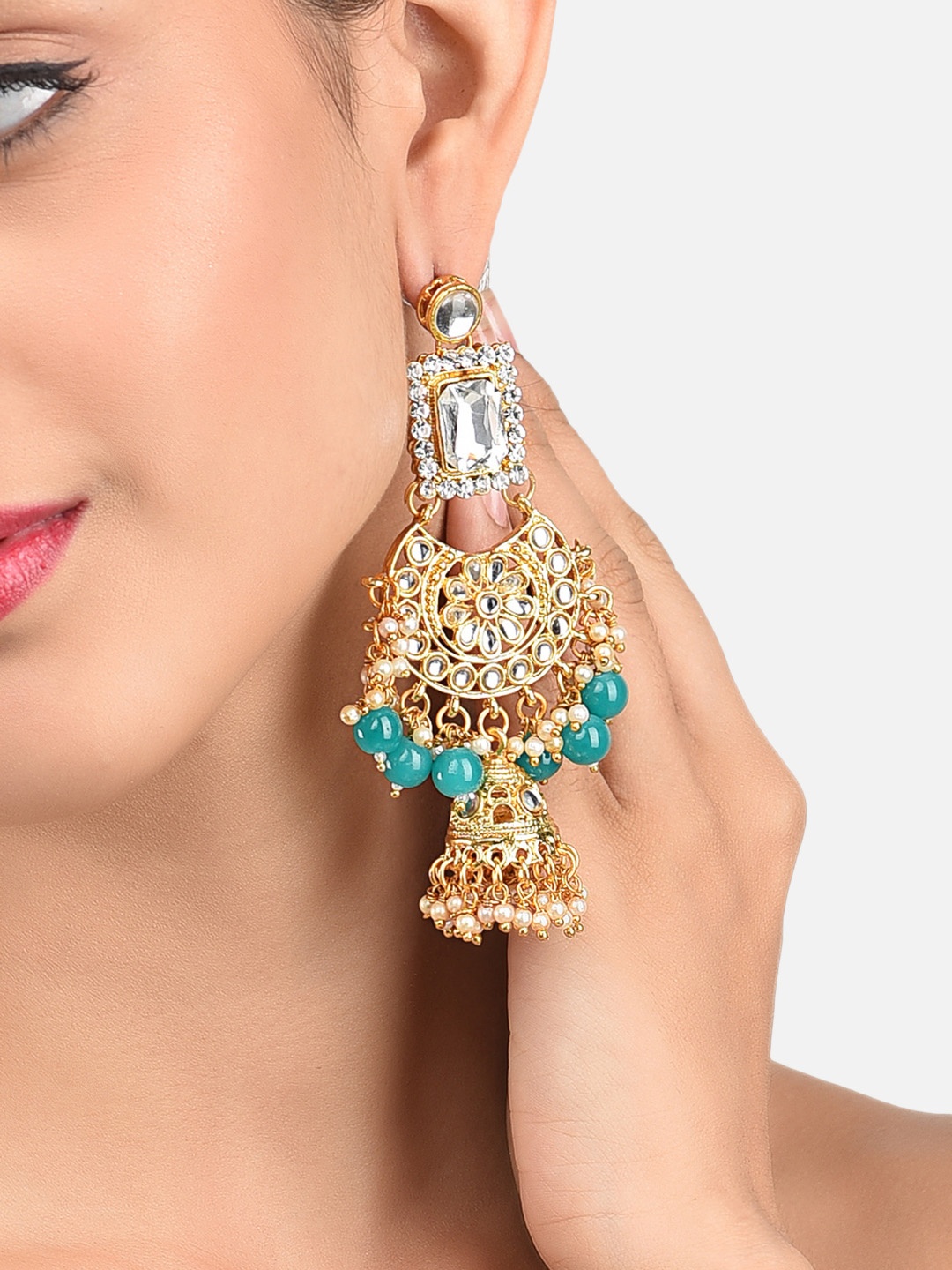
Instead of putting all your mixed metals in one spot, try scattering them in various spots. Wearing big gold jhumkas? Let the silver remain at your wrists. If you're stacking mixed-metal chains around your neck, keep the ears simple. Disperse metals across the top and lower parts of your outfit for an organically balanced shape.
Styling Mixed Metals For Different Festive Looks
1. Traditional Attire
For salwar suits, sarees and lehengas, opt for heavy gold neckpieces with dainty silver bangles or kamarbandhs. The contrast between heavy and lightweight pieces, even across metals, lends a rich, layered look. Oxidised silver goes well with cotton or handloom fabrics, while polished gold looks particularly striking with heavier silks or embroidered garments.
2. Indo-Western And Contemporary Looks
Mixed metals are particularly at home when paired with fusion festive outfits – think sharara with a crop top or a dhoti-style saree. Dainty layered chains in gold and silver tones are perfect with structured jackets, while statement cuffs in different metals look particularly striking with asymmetric hemlines. The easy-going rule set of Indo-Western dressing makes it the perfect playground for metal experimentation.
Common Mistakes To Avoid When Mixing Metals
1. Avoid Wearing Equal Amounts Of Each Metal
A common mistake is to wear perfectly equal amounts of two metals, which can make a look appear indecisive. Try a rough 70-30 split instead – the majority of jewellery in one metal, the rest in another. This ratio gives the look direction without the matchy-matchy feel.
2. Don't Ignore Skin Tone
Some metals go naturally with different skin tones. Gold and rose gold usually look warm on warm-toned skin, while silver and white metals tend to be beautiful on cooler undertones. That doesn't mean you can't mix the two, but ideally your dominant metal should flatter your skin tone best, with the contrasting metal as an accent.
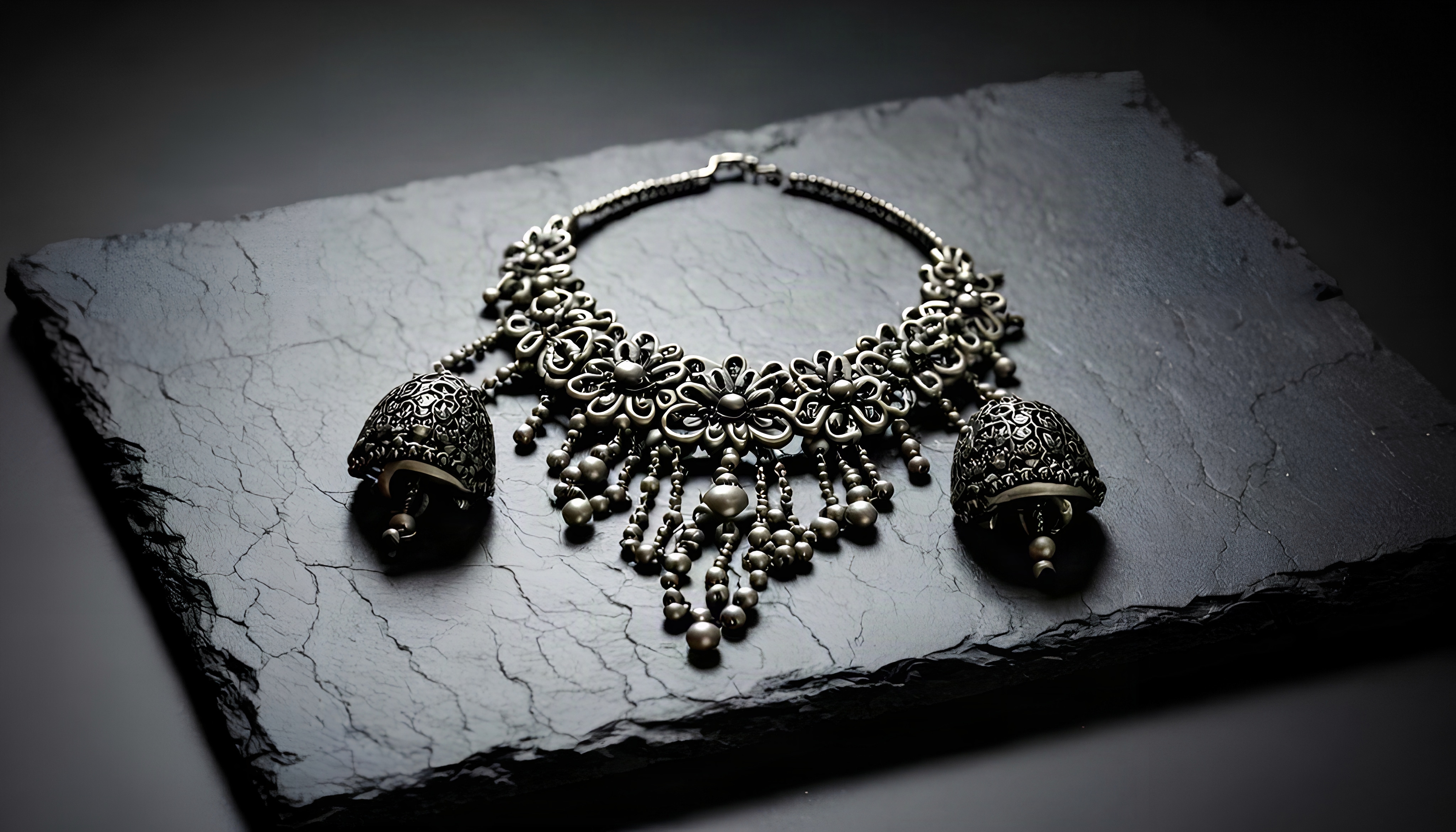
Some Products You May Like; Photo Credit: iStock
Some Products You May Like
1. GOLDIWALA Women's Cubic Zirconia Gold-Plated Kada Bracelet
2. MANGO round hanging earrings
3. Zaveri Pearls Silver-Toned Austrian Diamonds Studded Jewellery Set
4. Sukkhi Gold-Plated Kundan Studded & Beaded Choker Necklace & Earrings With Maang Tika
5. Rubans 24K Gold-Plated Ruby & Kundan Studded Floral Design Necklace Set with Jhumkas
6. AIKA BY MINUTIAE Gold-Plated Geometric Stud Earrings
7. House of Pataudi Women's Brass Gold-Plated Bangle-Style Bracelet
8. Accessorize Women's Bangle-Style Bracelet
Mixing metals in your festive jewellery is the perfect way to add modern charm to traditional looks. Blending gold, silver, and rose gold creates a stylish, versatile statement that complements every festive outfit. This Great Indian Festival, experiment with mixed metals to elevate your celebration style effortlessly. Shop now on Myntra.
Frequently Asked Questions (FAQs)
1. Is it acceptable to mix gold and silver jewellery for festive occasions?
Of course. Mixing gold and silver is one of the most popular jewellery trends right now, especially for festive styling. The trick is to have one metal as the main player and the other as an accent.
2. How do I keep a mixed-metal look from feeling overdone?
Less is more. Rather than load everything up at one time, pick two or three pieces in different metals. A gold necklace paired with silver earrings can already feel polished and complete.
3. Can oxidised jewellery be mixed with gold or silver?
Yes, and it works very well. The oxidised silver has a rustic, earthy quality that offsets the brightness of the yellow gold. This combo makes for a perfect traditional & boho-festive look.
4. Does mixing metals work for everyday wear too?
It does. Mixed-metal stacking rings and layered bracelets are some of the easiest ways to wear the trend every day, not just for special occasions.
5. Are there any metals that should never be mixed?
There are no strict rules, but very bright rose gold next to cool platinum can look mismatched without a bridge piece. Most other combinations tend to work quite well if approached in a balanced way.
(Disclaimer: This article may include references to or features of products and services made available through affiliate marketing campaigns. NDTV Convergence Limited (“NDTV”) strives to maintain editorial independence while participating in such campaigns. NDTV does not assume responsibility for the performance or claims of any featured products or services.)