How To Style A Navratri Lehenga For Day And Night
From festive day looks to glam night outfits, here's how to style your Navratri lehenga effortlessly for every single moment of the celebration without stress.
How To Style A Navratri Lehenga For Day And Night
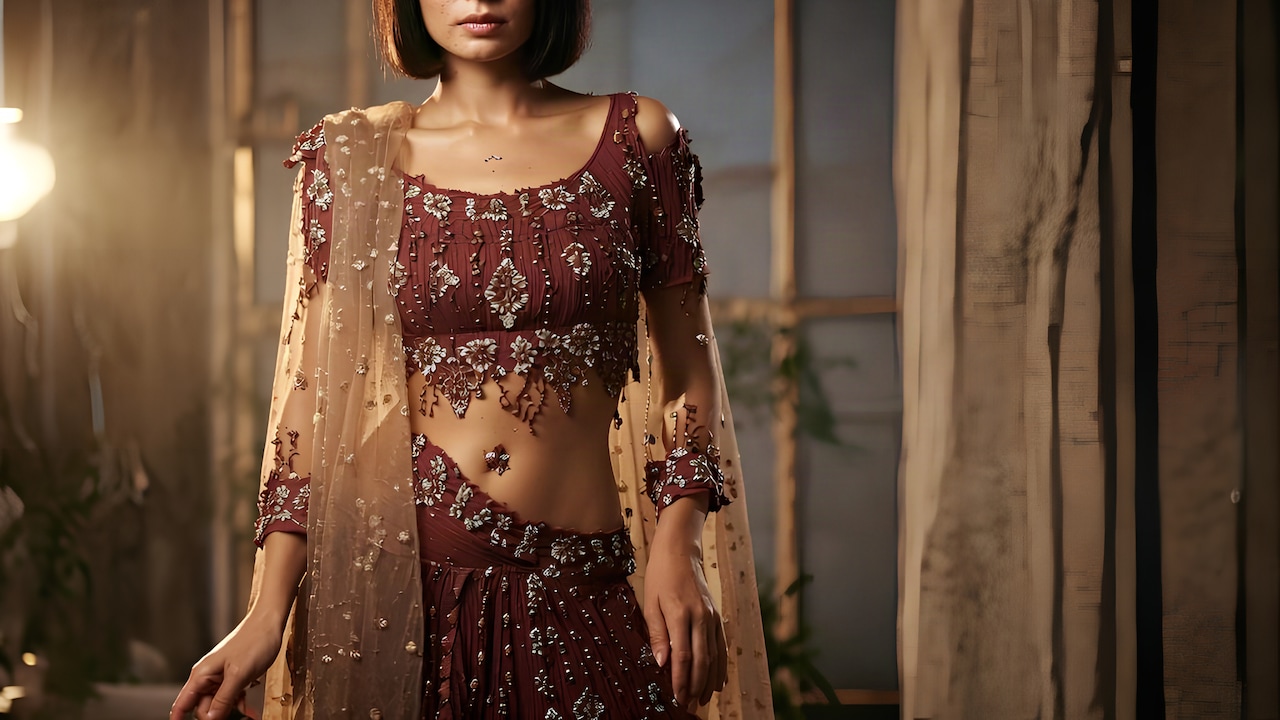
Navratri is that time of year when dressing up actually feels exciting. Nine nights, nine colours and the kind of energy that makes you think hard about every outfit you wear. But here's the thing: most people own one lehenga, maybe two, and the pressure to look different for both daytime garba sessions and evening celebrations is real. The good news is you don't need a wardrobe full of outfits. A little styling expertise goes a long way, and the same lehenga can truly look like two totally different looks.
How A Lehenga Works Differently For Day And Night
Photo Credit: iStock
It's all about how you layer, accessorise and carry yourself. Dancing calls for something lighter and practical, so that's what the day asks for. Go all out in the evenings. Just a change or two in your jewellery, dupatta drape or even your footwear can change the whole feel of the same outfit without any extra effort. You can choose the best product from Myntra.
How A Lehenga Works Differently For Day And Night
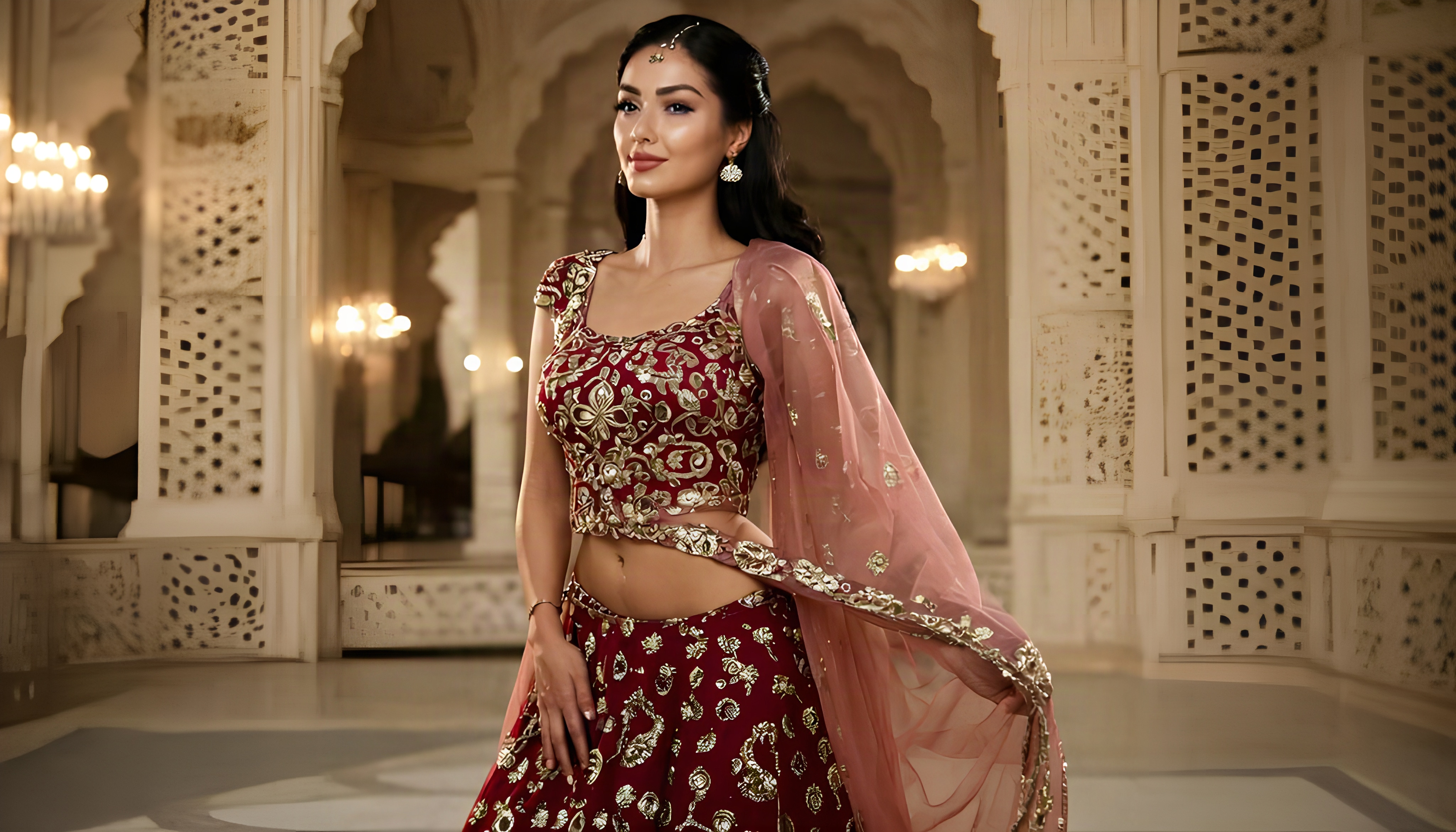
A lehenga is one such rare ethnic outfit that actually makes a statement in any setup. It's structured enough to feel festive and relaxed enough to move in. It is especially right for Navratri. The only thing that changes from day to night isn't the outfit, but everything around it.
Daylight is natural, the crowd is large and convenience is important. The place lights up at night, the music gets louder, and you want the outfit to do a little more visual work. Once you understand the difference, dressing for either is actually simple.
How To Style A Navratri Lehenga For Daytime Garba
1. Keep The Jewellery Light And Layered
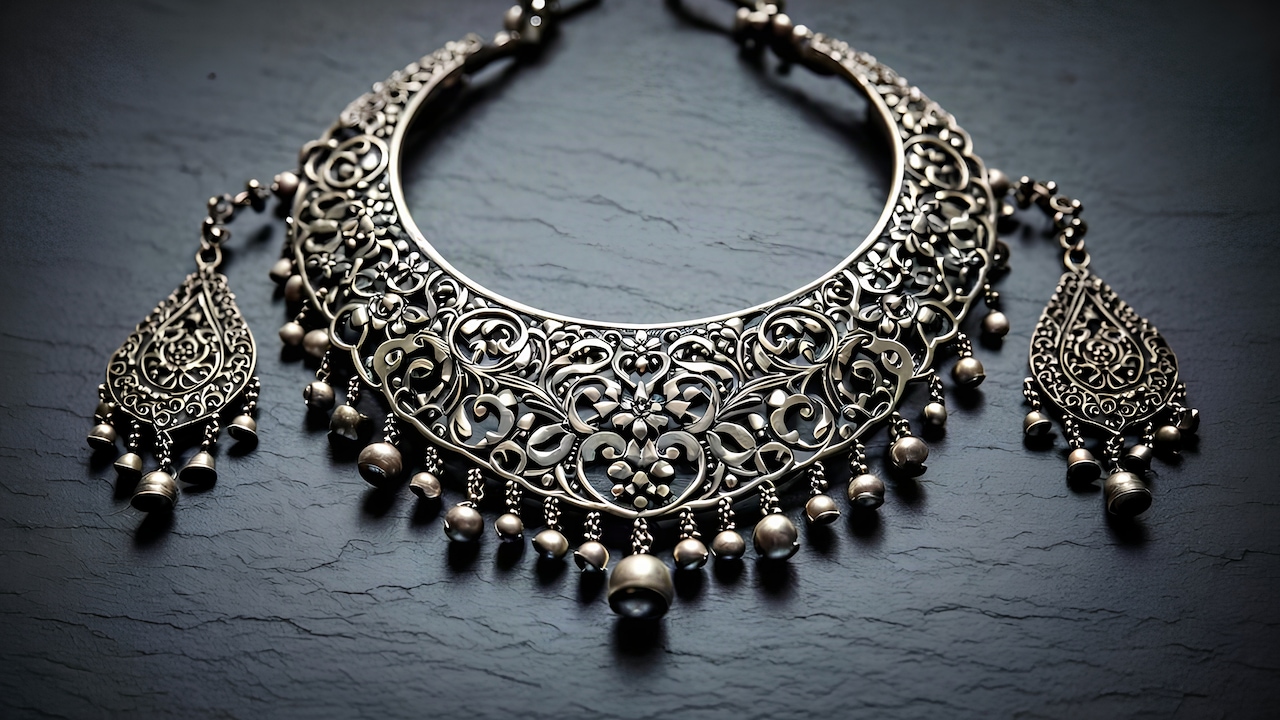
Most people make the mistake of wearing heavy jewellery for garba only once during the day and never again. Chandbalis, or small jhumkas, are much better than large statement sets; they move with you rather than against you. Instead of thick kada sets, you can wear 2-3 thin gold bangles together. The look still reads festive without slowing you down in the middle of the dance.
2. Drape Your Dupatta Practically
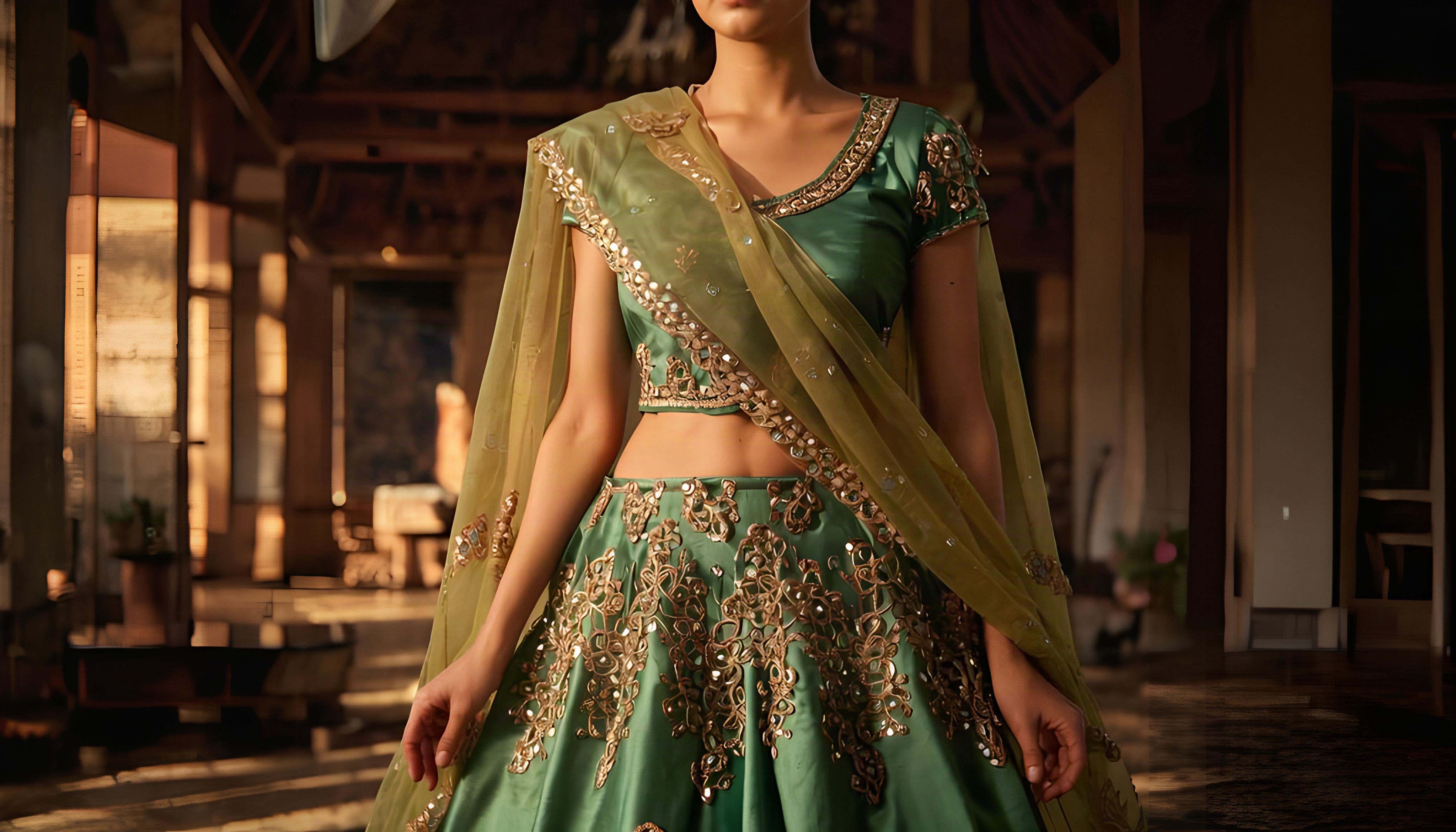
If you leave the dupatta loose during the day, it can be a nuisance. Try pinning it across one shoulder or tucking it into the lehenga waistband so it stays still. That quick fix will keep you comfortable for hours. If your dupatta has a lot of mirror work or heavy embroidery, let it fall to one side so that it still catches the light but doesn't become a hazard.
3. Choose Flats Or Block Heels For Comfort
Footwear is everything for daytime garba. Embroidered juttis or block heels will ensure you look festive without killing your feet by the second hour. Thin stilettos are not for dandiya sticks and spinning in circles, and your back will tell you that before the evening is up. Choose something with a real sole and a secure fit.
4. Go Easy On The Makeup
A dewy base, a little kajal and a tinted lip is all you need for the day. Heavy contouring tends to melt off during outdoor garba sessions, so it's practical, as well as aesthetic, to keep it simple. Here you really need to wear a long kajal pencil.
How To Style The Same Lehenga For Evening Celebrations
1. Switch To Statement Jewellery
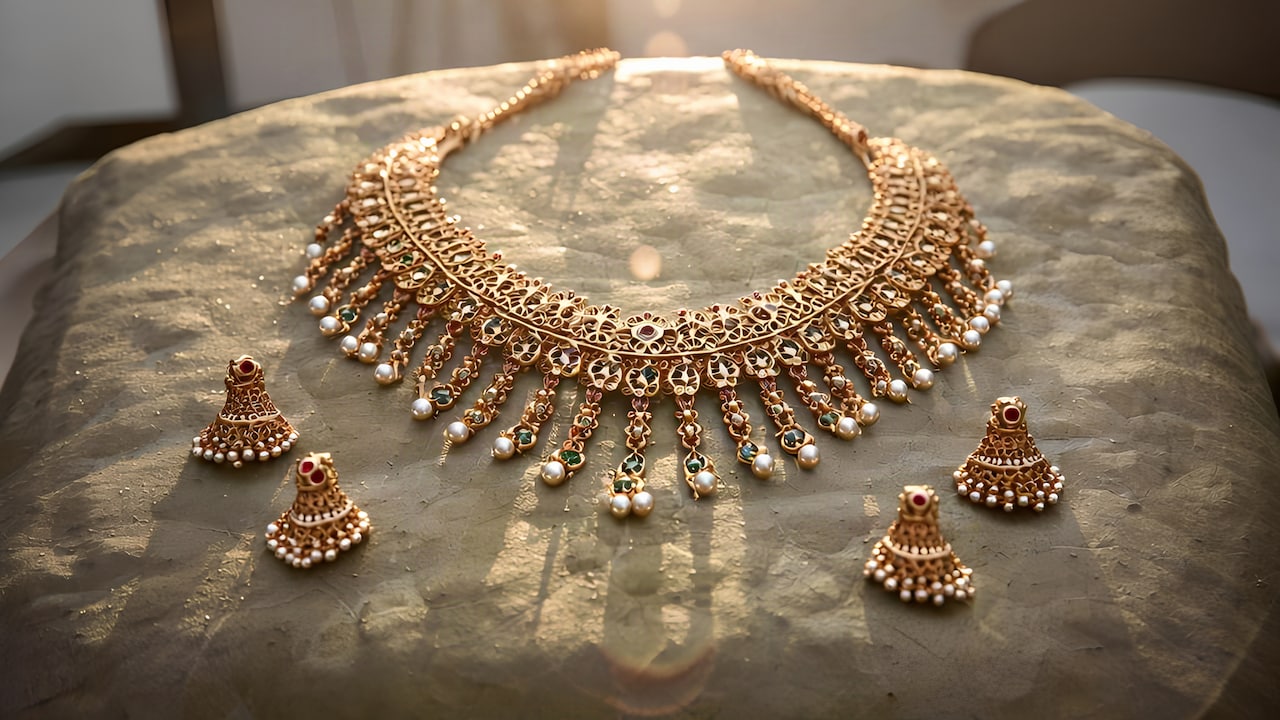
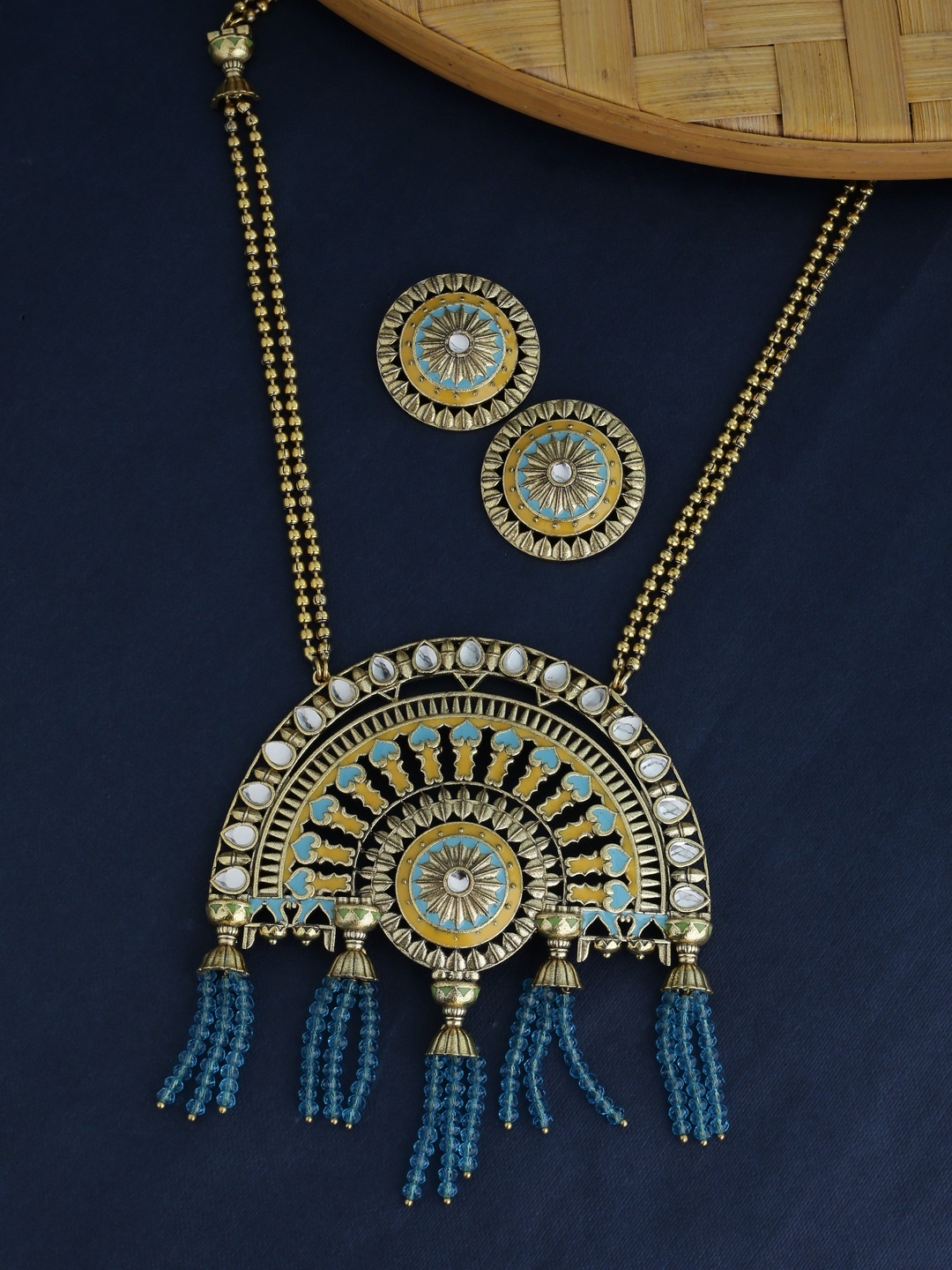
A thick polki necklace, a maang tikka and stacked bangles instantly change the lehenga into evening wear. If your lehenga is heavily embroidered, make sure your jewellery is tone-on-tone – gold with warm tones, silver with cooler tones. If the lehenga itself is a little minimalistic, the jewellery is your chance to compensate for it.
2. Change How You Wear The Dupatta
You can get away with draping the dupatta more loosely at night or styling it in a way that feels deliberately decorative. Let it fall on one shoulder or wrap it around both shoulders like a shawl. A dupatta with mirror work will beautifully catch the evening light and give the outfit a whole new dimension. One change like this can make the same lehenga look entirely new.
Also Read: How To Stay Energised Through Navratri Fasting?
3. Swap Your Footwear For Heels
The best time to wear heels is at night. For a more polished, dressed-up feel to the lehenga, try embellished block heels or pointed flats with metallic details. Wedges are a kinder option if you have been dancing all day, still adding height without punishment.
4. Build Up The Makeup For Night
A sharper look for evening calls. A bold lip – deep red, berry or classic nude – makes an immediate difference. Add a little highlight across the cheekbones, line the eyes more deliberately and set it all with a good translucent powder. If your day look was light and fresh, the night version should feel richer.
Styling Tips That Work For Both Day And Night
Getting the right silhouette is essential. Ensure the blouse fits well; a blouse that gapes or pulls ruins the entire look no matter how pretty the lehenga skirt might be. Also, the lehenga should be long enough to graze the floor and not trail behind. You have a problem with the hemline being too long when you are dancing.
And colour does play a part in this. Natural daylight often shows off brighter, lighter colours to stunning effect. Navy, wine, and forest green – all the deeper tones really pop under stage or venue lights. If your lehenga is somewhere in the middle, like a teal or a coral, it really does work for both, and you have nothing to adjust on that front.
How To Transition Quickly Between Looks
If you're attending a daytime event and an evening event on the same day, you don't have to carry around a whole other outfit. Put your evening jewellery, a bright lipstick and a dupatta pin in a small pouch. Any changing room will do for a 10-minute switchover. Change the jewellery, re-drape the dupatta, change the footwear, and refresh the lip. Really, that's all there is to it.
How A Lehenga Works Differently For Day And Night
Photo Credit: iStock
Some Products You May Like:
1. MADHURAM Embroidered Ready-to-Wear Lehenga & Top
2. PURVAJA Ready-to-Wear Lehenga
3. KRYSAL Embellished Thread Work Ready-to-Wear Lehenga
4. HOUSE OF JAMOTI White Printed Ready-to-Wear Lehenga
5. indo street Embroidered Thread Work Ready-to-Wear Lehenga
6. Shae by SASSAFRAS Printed Beads and Stones Ready-to-Wear Lehenga
7. Zeel Clothing Embroidered Sequinned Organza Lehenga
8. BAESD Embroidered Semi-Stitched Lehenga
Navratri celebrations often begin with daytime gatherings and continue late into the night with energetic Garba and Dandiya events. Choosing the right styling approach can help your lehenga transition effortlessly between the two. Lighter makeup, minimal jewellery and comfortable footwear work well during the day, while statement accessories, bolder makeup and festive embellishments can instantly elevate the look for the evening.
Frequently Asked Questions (FAQs)
1. Can I wear the same lehenga for multiple Navratri days?
Yes, absolutely. Style it differently each time — change the dupatta drape, the jewellery, or the blouse pairing. Most people around you will not notice the repeat; they are too focused on their outfits.
2. What colours work best for Navratri lehengas?
Each day of Navratri has a traditional colour associated with it, ranging from yellow and green to red and blue. Pick your lehenga colour to match the day's theme if you want to follow the tradition, or simply wear what suits your skin tone best.
3. How do I keep my lehenga looking fresh after hours of dancing?
Carry a small steamer or wrinkle-release spray in your bag. A quick run through the skirt between sessions keeps it looking neat. Avoid sitting on rough surfaces that can snag the fabric.
4. Should my blouse match the lehenga exactly?
Not necessarily. Contrast blouses have been a popular styling choice for years. A darker or lighter blouse in a complementary shade often adds depth and makes the overall look more interesting.
5. What hairstyle works best with a lehenga for Navratri?
A low bun or a half-up style with loose waves works well for both day and night. It keeps the hair away from your face while dancing and still looks intentional and festive. .
(Disclaimer: This article may include references to or features of products and services made available through affiliate marketing campaigns. NDTV Convergence Limited (“NDTV”) strives to maintain editorial independence while participating in such campaigns. NDTV does not assume responsibility for the performance or claims of any featured products or services.)