How To Pick Sleep-Friendly Night Dresses That Don't Twist, Ride Up or Overheat: Top Fabrics To Try
Here is how to pick sleep-friendlynightwear that behaves well through the night, along with the best fabrics worth trying. A comfortable nightdress can make the difference between turning all night and drifting off with ease. This is a guide to choosing sleepwear that doesn't leave you feeling trapped. Choose the right nightwear by understanding the best fabrics.
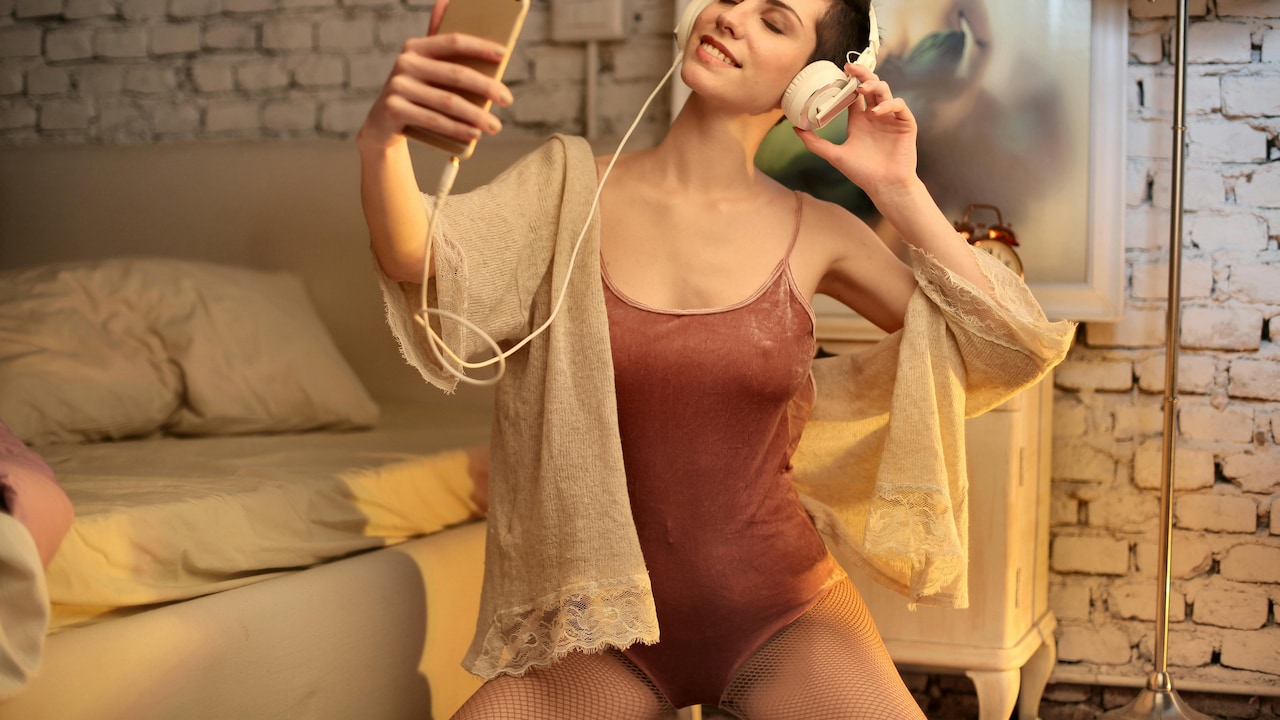
How To Pick The Best Night Dress Fabrics for Cooler, Twist-Free Sleep: Here's A Complete Guide.
Few things feel as satisfying as slipping into a soft nightdress after a long day. Yet comfort often disappears once the lights go out. A hem rides up, a sleeve twists, the fabric traps heat, and the night turns into a wrestling match with the clothes meant to offer comfort. Good sleepwear shouldn't behave like a mischievous toddler; it should stay put, breathe well and feel gentle on the skin.

Explore easy tips to choose sleep-friendly nightdresses for women; Photo Credit: Pexels
Choosing the right nightdress goes beyond colour and length. It depends on fabric, weave, fit and how the body reacts to different materials. Weather, personal warmth levels, washing habits and even bedroom fans all play a role. With the right choices, sleep can feel calmer, cooler and far more restful.
So, know how to pick sleep-friendly night dresses that will not twist, ride up or even overheat: below are 10 practical, relatable and easy-to-use tips along with the best fabrics to try.
Also Read: Top 5 Winter Night Suits For Women Under ₹1000
Before You Buy: What to Look for in Sleep-Friendly Night Dresses
1. Pick Breathable Fabrics That Let the Skin Relax
Breathable fabrics make a huge difference on humid nights. Clothes that don't allow airflow trap sweat, and the skin feels sticky within minutes. Lightweight cotton works well because the fibres allow constant circulation. The material absorbs moisture without feeling heavy, which prevents that uncomfortable muggy sensation that often leads to restless tossing.
Another comfortable option comes from modal blends. Modal feels silky, yet remains airy and cool even when the temperature rises. Many people enjoy how it glides over the skin without clinging. Bamboo blends also provide great airflow and remain gentle for sensitive skin.
When fabrics breathe well, the body naturally cools down during sleep. This stops overheating and reduces the chances of twisting or pulling clothes in half-sleep frustration. A breathable nightdress keeps the skin fresh, and the sheets stay dry, making sleep more restful and energising the next morning.
2. Choose Stretch With Structure, Not Loose, Baggy Chaos
Loose clothes seem like the obvious choice for sleep, but extremely oversized nightdresses often bunch around the waist or roll up. A little structure prevents this. Fabrics with mild stretch, such as cotton with 3–5% elastane, hold shape without feeling tight. This gentle stretch helps the nightdress move with the body instead of against it.
When a nightdress has a balanced fit, it sits comfortably on the shoulders and flows down without getting tangled. The stretch adds flexibility, while the fabric weight anchors it enough to keep it from riding up. This blend creates freedom without chaos.
Many people find that mid-length nighties with slight A-line shapes offer the best balance. They allow the legs to move easily but don't trail or wrap around like longer styles sometimes do. This kind of practical structure keeps the night calm and irritation-free.
3. Select Fabrics That Feel Soft Without Slipping Around
Silky fabrics feel luxurious, but some varieties slide across the sheets like they have a mind of their own. Satin often moves too freely, which leads to twisting or slipping. Instead, softer cottons, modal, bamboo, or cotton-rayon blends feel smooth yet grounded.
Such materials offer a gentle touch that comforts the skin at bedtime. They glide enough for natural movement but stay steady through position changes. The sweetness of a soft fabric makes drifting off easier, especially after a heated day spent in traffic, queues or crowded markets.
The fabric's texture influences mood more than many realise. Slipping into a smooth, cosy nightdress at the end of the day feels like a small but valuable luxury, something comforting and soothing without costing a fortune. A good set often lasts for years with basic care, making it a smart investment for overall well-being.
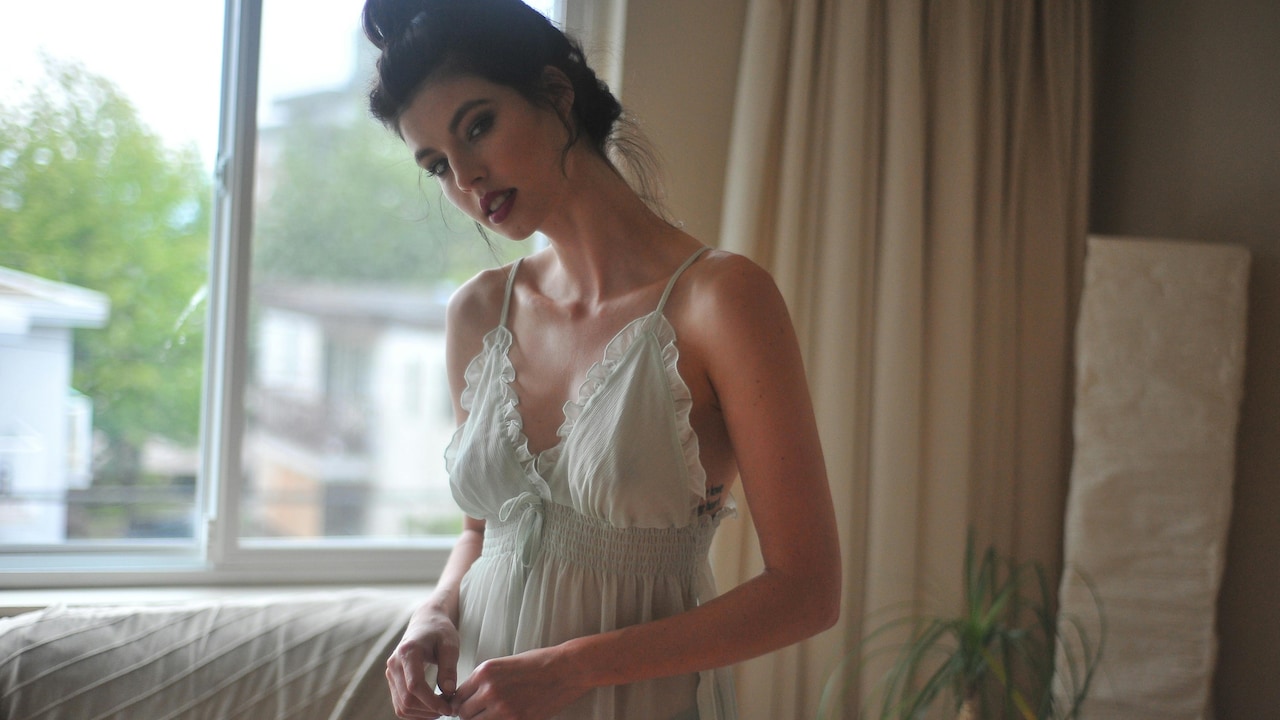
Select fabrics that feel soft against the skin; Photo Credit: Pexels
4. Go For Moisture-Wicking Materials in Hot Seasons
Hot weather demands more than cotton. Fabrics designed to pull moisture away from the body help regulate temperature better. Bamboo, Tencel and performance cotton blends wick sweat quickly, keeping the body dry.
Even during sweaty midnight moments, when the fan rotates too slowly or the power flickers, the body stays comfortable. This prevents the habit of waking up and flipping the hem of the nightdress to find some breeze. Moisture-wicking clothes also reduce odour, which means the nightwear stays fresher for longer and needs fewer washes.
Such materials come in a range of styles, from shorts sets to long nighties. They feel feather-light and perfect for tropical nights where humidity clings to the air. A moisture-wicking nightdress can make even peak summer nights feel less exhausting.
5. Find Seams and Stitching That Don't Scratch or Dig In
Comfort hinges not just on fabric but on stitching. Thick seams, hard labels, and scratchy threads can ruin sleep. They rub against the skin and cause irritation, especially near the neckline and underarms. Smooth seams, flatlock stitching and tag-free designs make a remarkable difference.
Many affordable brands now offer soft-stitched nightwear that feels gentle against the skin. Even when turning or shifting, the seams don't scrape. This helps people with sensitive skin or those prone to rashes caused by friction.
Small changes in stitching create big improvements in comfort. A nightdress with smooth seams feels almost invisible on the body. Soft construction works quietly in the background, allowing sleep to stay deep and uninterrupted.
6. Pick the Right Length to Avoid Tangling
Length matters more than many people realise. Long nightgowns look elegant, but sometimes twist around the legs, especially for those who shift positions often. Mid-thigh to knee-length styles tend to stay put. They offer freedom without trailing.
For cooler rooms, calf-length options provide coverage without overwhelming the legs. The key is choosing a length that matches sleeping habits. Those who curl up might prefer shorter styles, while those who stretch out may feel more comfortable in slightly longer nightwear.
Choosing the right length reduces mid-sleep adjustments. It keeps the hem from riding up too high or wrapping around the ankles. A balanced length adds both comfort and practicality, creating a smoother sleep experience throughout the night.

Choose the right length to avoid tangling; Photo Credit: Pexels
7. Opt for Natural Fabrics When Skin Sensitivity Strikes
Many people prefer natural fabrics because they feel gentle and rarely cause irritation. Cotton, bamboo and linen are top choices for sensitive skin. These fabrics keep the skin calm, especially during allergy-prone seasons.
Cotton remains the classic choice because it absorbs moisture and controls heat well. Bamboo feels silky and cool, and linen offers airy comfort even though it looks slightly textured. All three work beautifully in warm climates and remain durable with regular washing.
Natural fabrics also reduce the chance of clinginess. They sit lightly on the body and allow easy movement, making them ideal for those who feel fidgety in synthetic materials. Peaceful skin leads to peaceful sleep, something everyone craves after a busy day.
8. Avoid Thick Polyester Blends That Trap Heat
Polyester often traps heat and creates discomfort at night. Thick synthetic blends reduce airflow and cause sweating, especially when humidity rises. This often leads to clothes sticking to the skin or riding up as the body tries to cool down.
Lightweight blends with minimal polyester can still work in cooler months, but many people find that heavy synthetics make nights unbearable. The body needs freedom to breathe, and synthetic layers act like a stubborn barrier.
Choosing fabrics with lower synthetic content improves comfort without sacrificing durability. Today's high-quality cotton-rayon, bamboo-viscose or modal blends offer the same longevity but with far better breathability. A cooler night ensures fewer interruptions and more restful sleep.
9. Check Elastic Quality and Neckline Shape
A nightdress often misbehaves because of poor elastic. Weak elastic loses shape quickly, while tight elastic digs into the skin. A smooth, soft elastic waistband or gentle shoulder band ensures stability without discomfort.
Neckline shapes also influence comfort. A scoop neck or V-neck allows airflow and prevents heat build-up around the chest and shoulders. High, tight necklines often feel suffocating at night, especially when the fan slows down or the room warms up.
A well-shaped neckline and quality elastic help the nightdress stay in place. There's less pulling, tugging or adjusting in the dark. These small details elevate comfort and make the nightwear feel thoughtfully designed.
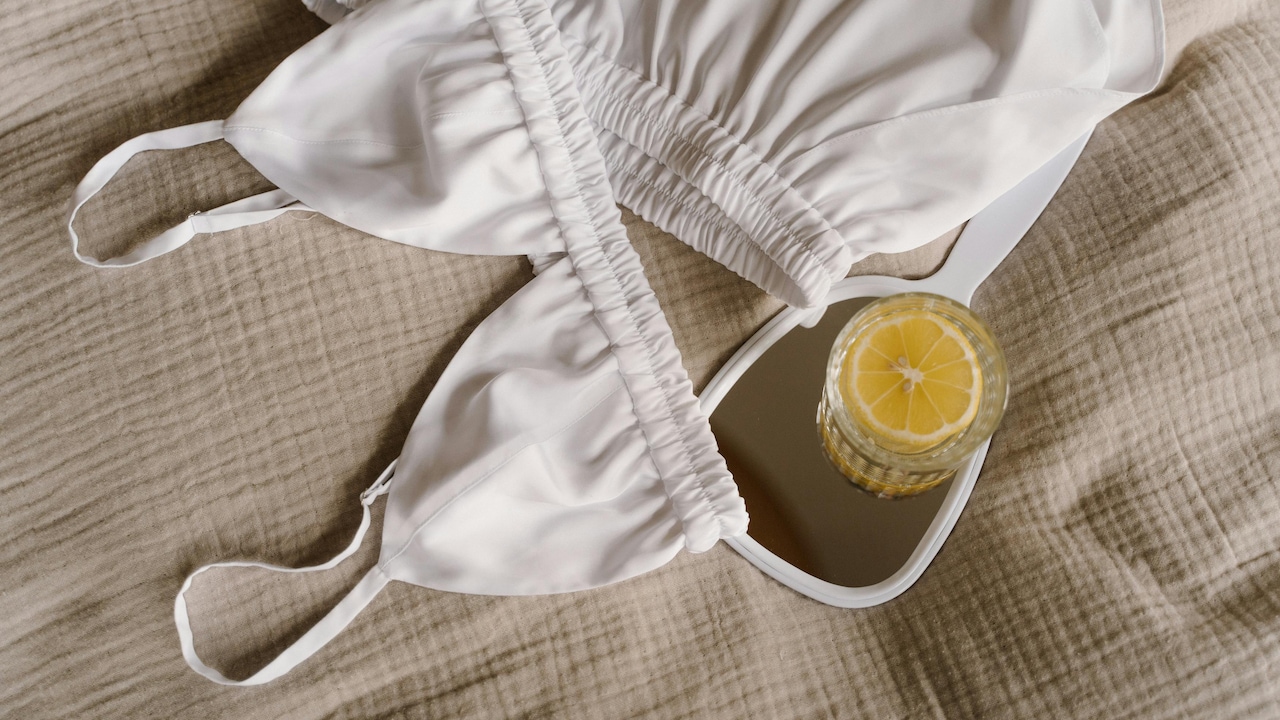
Check elastic quality and neckline shape before buying; Photo Credit: Pexels
10. Invest in Good Fabric Blends. They Last Longer and Feel Better
Good sleepwear doesn't need to cost a fortune, but spending a little extra often brings noticeable benefits. A well-made nightdress stays soft after multiple washes, keeps colour intact and retains shape. Cheaper fabrics may feel fine initially, but lose comfort after a few months.
Blends like cotton-modal or bamboo-cotton combine the strengths of both fibres. They remain cool, silky and durable. This makes them excellent value for money, especially since comfortable sleep improves health, mood and productivity. Spending ₹600–₹1500 on a nightdress that lasts for years feels like a smart choice.
Durable fabrics also reduce the chance of sudden tearing, stretching or shrinking. A reliable piece of sleepwear becomes a quiet companion, consistent, comfortable and always ready after a long day.
Products Related To This Article
1. Claura Women Abstract Printed Maxi Nightdress
2. Zeyo Blue & White Printed Cotton Maternity & Feeding Nightdress
3. Claura Printed Maxi Kaftan Nightdress
4. Max Typography Printed Pure Cotton T-shirt Nightdress
5. Libas Tie and Dye Printed Maxi Kaftan Nightdress
6. Claura Blue Printed Nightdress
7. Khushal K Women Floral Printed Pure Cotton Kaftan Nightdress
Comfortable sleepwear should feel like a gentle hug, not a wrestling opponent. The right fabric, length, stitching and fit help night dresses stay stable, cool and soft through the night. Breathable and natural materials such as cotton, bamboo, modal and Tencel keep the body calm and prevent twisting or overheating. A good nightdress supports peaceful sleep, helping every morning begin on a lighter, more energised note.
Choosing sleep-friendly clothing isn't about trends, it's about listening to what the body needs. With the right choices, bedtime transforms into a moment of pure comfort, setting the tone for restful nights and brighter days.
(Disclaimer: This article may include references to or features of products and services made available through affiliate marketing campaigns. NDTV Convergence Limited (“NDTV”) strives to maintain editorial independence while participating in such campaigns. NDTV does not assume responsibility for the performance or claims of any featured products or services.)