How To Pick The Right Sports Shoes For Running In Rain?
Learn how to pick the right sports shoes for running in rain, from grip and drainage to comfort and durability, so every run feels safer and smoother.
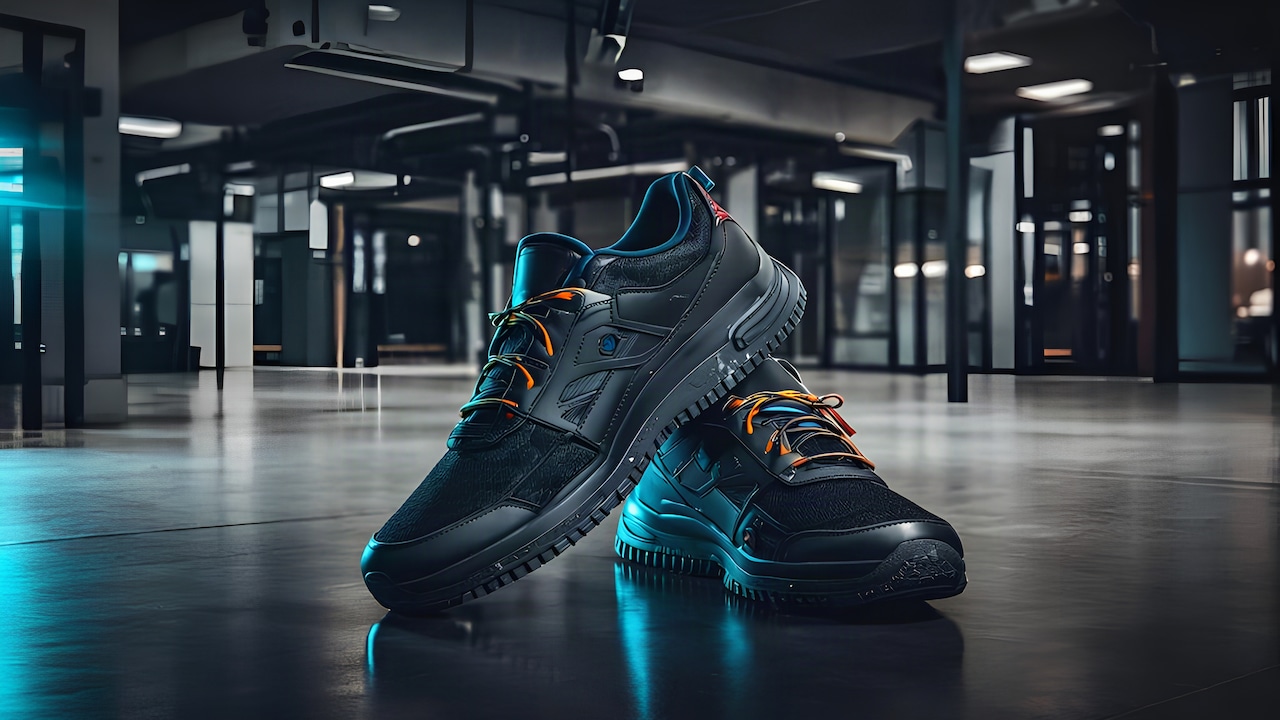
How To Pick The Right Sports Shoes For Running In Rain?
Running in the rain can feel like therapy occasionally. Roads feel quieter, the weather becomes cooler, and that usual sweaty run feels much less painful somehow. But the fun goes away pretty fast when your shoes start feeling like water tanks attached to your feet. Many runners spend time choosing the right running plan, smartwatch or playlist. Then the monsoon comes, and suddenly they are slipping on wet pavements or squishing around in soaked shoes halfway through the run.
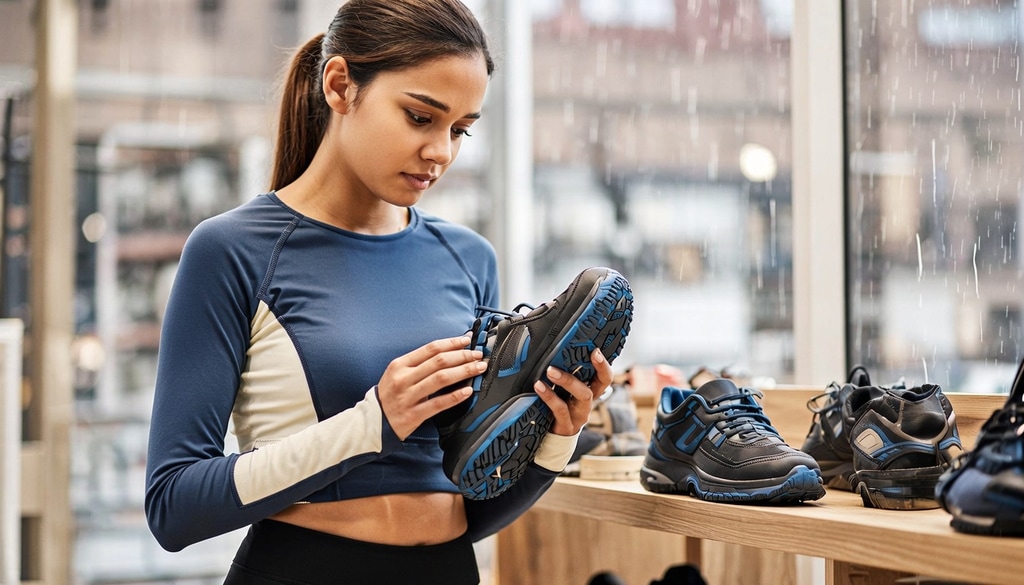
Learn how to select waterproof running shoes with great grip and drainage for safety.
Photo Credit: iStock
If you are planning to keep running through India's rainy season, picking the right sports shoes matters way more than people usually think. The wrong pair can leave you uncomfortable, slow and even injured occasionally. Here is what actually matters when choosing running shoes for wet weather.
Why Rain Changes The Way Your Running Shoes Perform
Dry roads and wet roads are basically two different worlds altogether. A shoe that feels amazing during summer may completely struggle in the monsoon season.
Water changes the grip level, increases shoe weight, affects stability and can make feet slide around inside the shoe. That's why rainy season running isn't only about comfort. It's about safety, too.
The good news is you don't always need a dedicated waterproof shoe for wet weather. Sometimes, the right combination of grip, drainage, and material can be more effective than a dedicated waterproof shoe.
What To Look For In Running Shoes For Rain
Here are some things that you need to check if you're buying running shoes for men:
1. Prioritise Grip Above Everything
The outsole is probably the most important part of a rain-ready running shoe. When roads become slippery, your shoes should still feel planted under your feet. Look for a deeper tread pattern and a rubber outsole that maintains traction on a wet surface. Smooth soles may appear fashionable, but they are not ideal for monsoon runs. A good grip can help in reducing slips on wet roads, tiles, painted crossings and uneven surfaces too.
2. Choose Lightweight Materials
Heavy shoes become even heavier when they absorb water. A lightweight running shoe helps to maintain pace without feeling like dragging extra weight around with you. Modern mesh-based running shoes are usually much better than bulky options because they stay lighter even after getting wet.
3. Check Water Drainage Capability
Many runners think waterproof shoes are always the answer. Not really, though. If water somehow gets inside, fully waterproof shoes can trap moisture for a long time. A breathable upper with decent drainage often dries faster and feels more comfortable during regular road runs in Indian weather conditions.
Consider These Things About the Upper Material Before Buying
1. Breathable Mesh Usually Works Better
If your shoe has a meshed upper fabric or design, then it will be breathable and prevent your feet from getting moist.
During Indian monsoons, humidity is already very high. Shoes that trap heat and moisture can make feet feel uncomfortable within a few minutes. A good mesh upper keeps things relatively manageable for runners.
Most modern running shoes from major brands now use engineered mesh, which balances breathability and support pretty well.
2. Avoid Thick Cushioning That Holds Water
Extra cushioning sounds amazing until it gets soaked completely. Very thick materials can absorb more water and take a longer time to dry. That's not ideal if you are running several times a week. Moderate cushioning often gives better balance between comfort and practicality. The goal is to stay comfortable without carrying unnecessary moisture around.
How To Find The Right Fit For Rainy Runs?
Follow these tips and tricks to get the best fitting shoe for your feet:
1. Leave Little Toe Room
Your feet naturally swell while you are running. When moisture is involved, having a little extra space becomes even more crucial. Shoes that fit too tightly can create friction and increase the chances of blisters happening. You don't want your rainy run to be cut short by your little toe's rebellion against the rest of your foot.
2. Wear The Same Socks You Run In
This advice sounds obvious, but people constantly forget it. Always try running shoes while wearing the same type of socks you will use during your runs. Performance socks and regular cotton socks create a very different fit altogether. The combination matters just as much as the shoe itself does.
Common Mistakes People Make When Buying Rain Running Shoes
Here are some of the most common blunders that buyers make when they buy running shoes in the rain:
1. Buying Only Based On Looks
Those flashy shoes may look incredible in Instagram pictures. That doesn't mean they will handle wet roads well. Grip, comfort, drainage and durability should come before aesthetics always. The coolest-looking shoe won't help if you are sliding around every corner.
2. Ignoring Drying Time
Many runners focus only on how shoes perform while they are wet. Think about what happens after running too. Shoes that dry faster are generally more practical for frequent monsoon runners. Nobody wants to put on damp shoes again the next morning.
3. Assuming Waterproof Means Better
Just because your shoes are waterproof doesn't mean they're better than other non-waterproof shoes. The quality of your shoes depends on your local climate and their intended use.
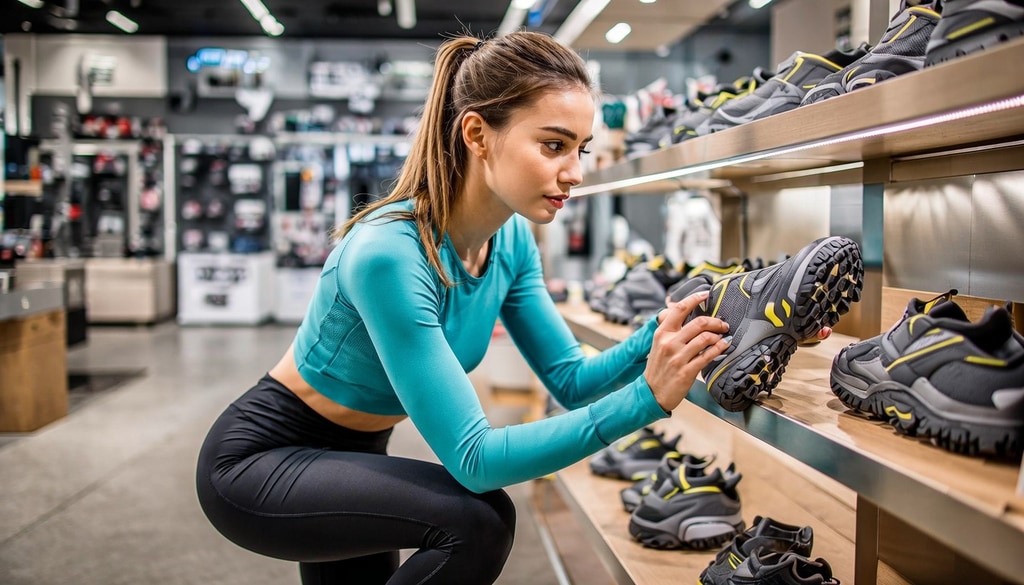
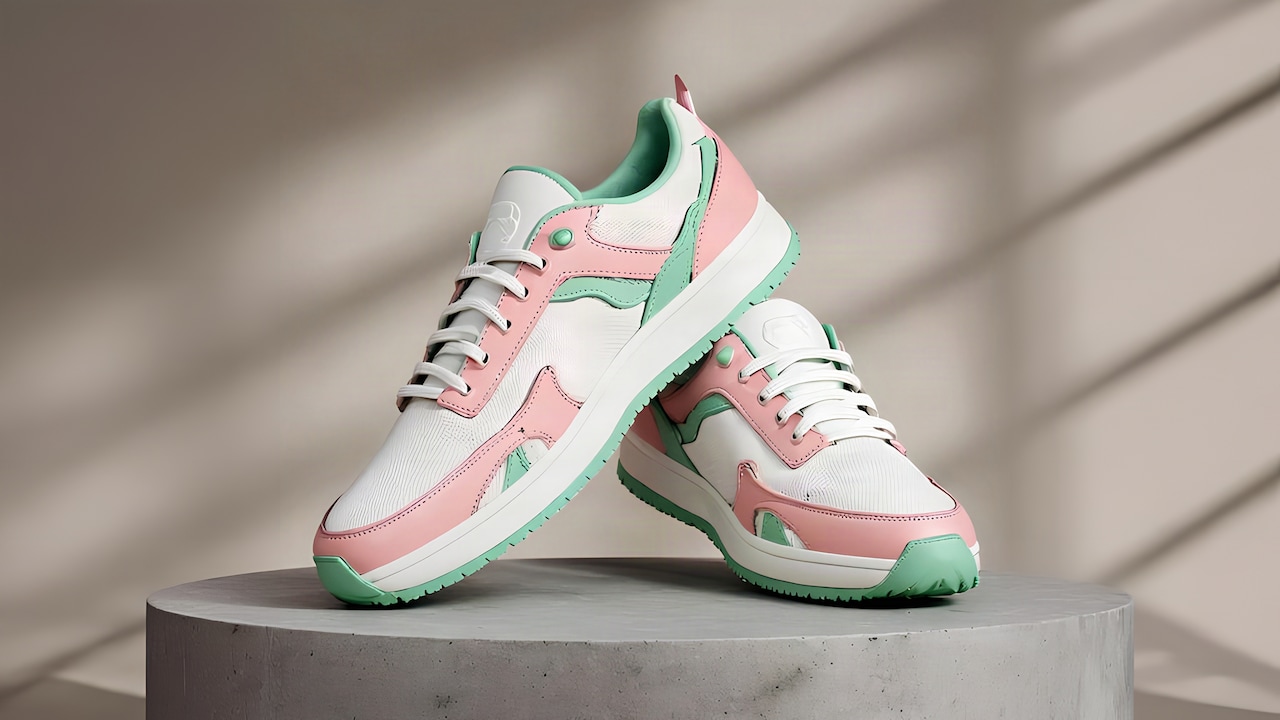
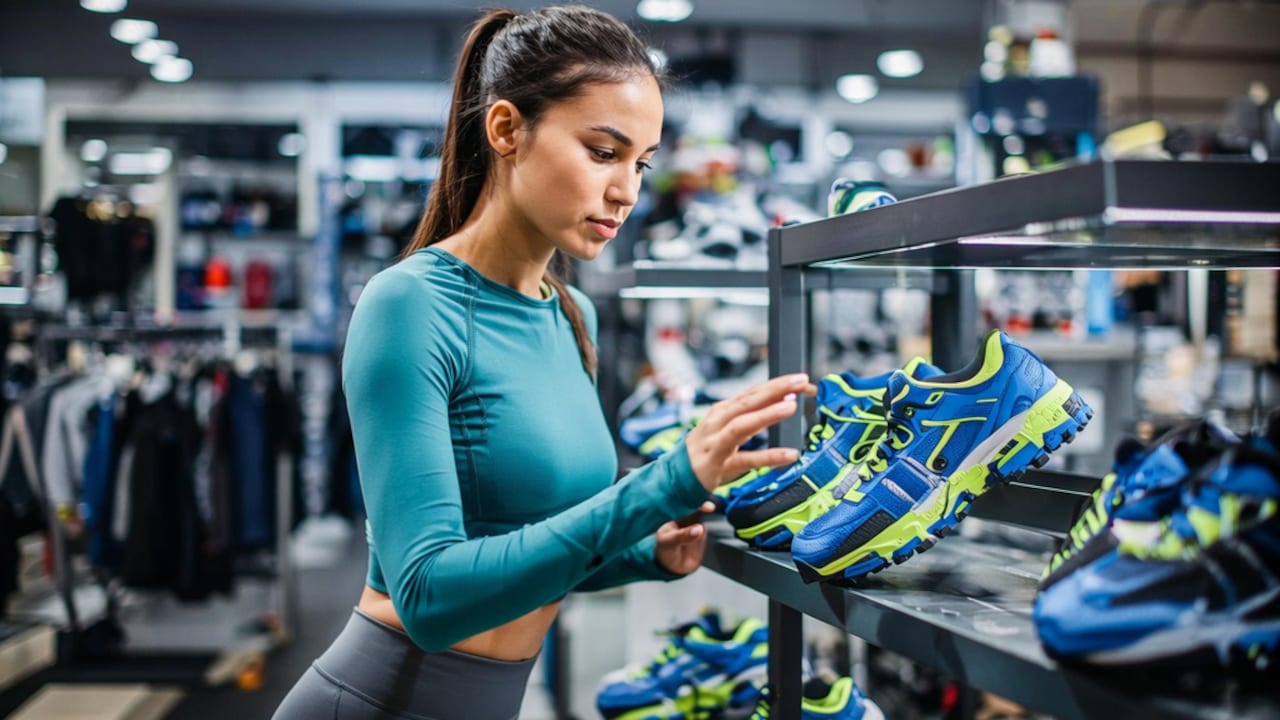
Choose the best wet-weather running shoes by focusing on essential grip, drainage, and comfort.
Photo Credit: AI GEnerated Image
Some Running Shoes You May Like
1. SPARX Mens Sm 648 Running Shoe
2. ASIAN Wonder-13 Men's Running Shoe
3. Nivia Men's Marathon Running Shoe for Men
4. Adidas Men's Clinch-X M Running Shoe
5. Asics Men Gel-Venture 9 Running Shoe
6. ASIAN Men's Waterproof-05 Sports Running Shoes
7. Reebok Men's Running Shoes
8. Lotto Men Energex Running Shoes
Choosing the right sports shoes for running in the rain ultimately comes down to balancing grip, comfort, and durability. Look for shoes with strong traction to prevent slips, quick-drying or water-resistant materials to avoid sogginess, and a secure fit that keeps your feet stable on wet surfaces. Breathability and proper cushioning also play a key role in maintaining comfort during longer runs. Investing in the right pair not only enhances performance but also reduces the risk of injuries, ensuring your rainy-day runs stay safe, enjoyable, and consistent.
Frequently Asked Questions (FAQs)
1. Are waterproof shoes good for running in the rain?
Waterproof shoes are one of the best options a person can buy for running in the rain. However, the type of shoe you should get for your rainy running sessions will depend on your preference.
2. Is mesh material unsuitable for rainy weather?
Mesh material is not ideal for rainy weather. However, if you get a good quality shoe with a high-quality mesh, it will not let moisture and water seep into your shoes' inside.
3. How often should I change running shoes used in the monsoon?
If you use your shoes wisely, you can even wear the same shoes throughout the monsoon season without any problems at all. However, to avoid slipping in the rain, it is advisable to regularly inspect the soles and grip of your shoes.
4. Can I use gym shoes for running in the rain?
Gym shoes serve a very different purpose than running shoes. So, no, you should avoid using gym shoes or any other regular shoes for running in the rain.
5. What socks should I wear while running in the rain?
Moisture-wicking performance socks are generally a better choice than cotton socks because they dry faster and help reduce friction.
(Disclaimer: This article may include references to or features of products and services made available through affiliate marketing campaigns. NDTV Convergence Limited (“NDTV”) strives to maintain editorial independence while participating in such campaigns. NDTV does not assume responsibility for the performance or claims of any featured products or services.)