How To Prevent Button Shirts From Pulling At The Bust With Expert Fitting And Tailoring Tips
Stop button shirts from pulling at the bust with simple fit, fabric, tailoring, button, and styling tricks that keep shirts smooth, comfortable, and work-ready.
How To Stop Button Shirts From Pulling At The Bust
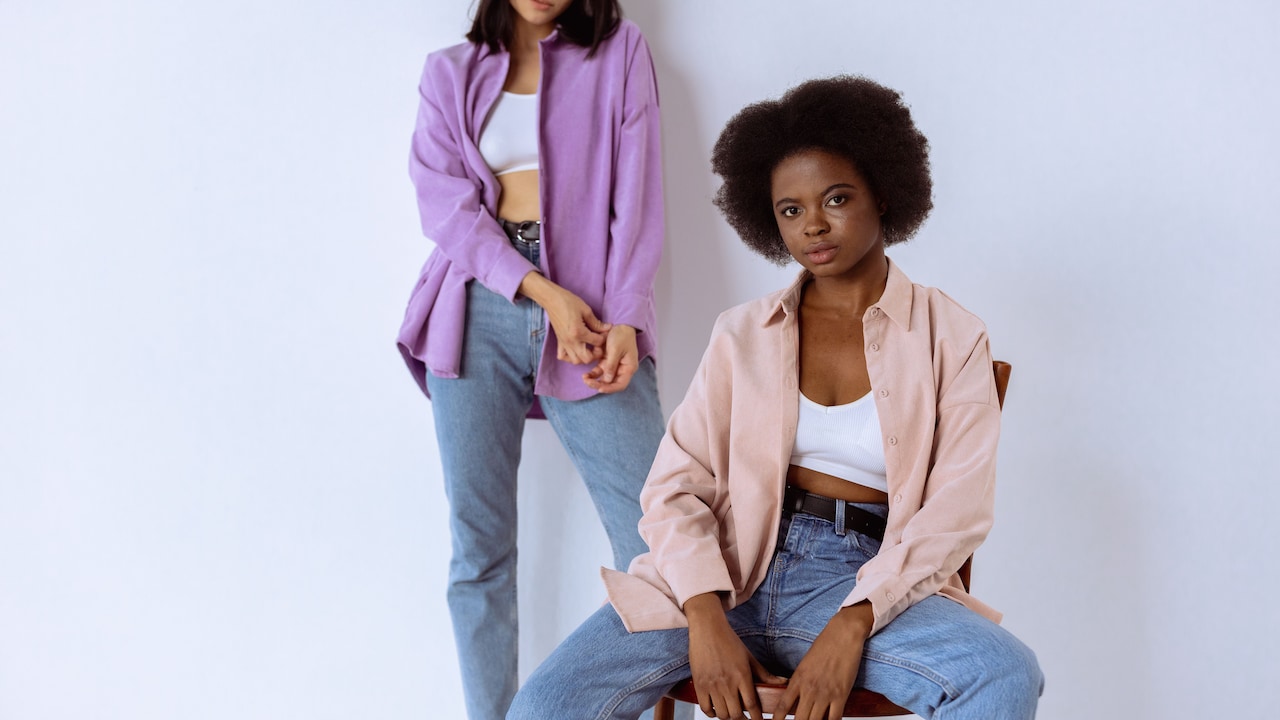
A well-fitted button shirt has a special kind of charm. It works for office meetings, college presentations, Sunday brunches, video calls, family lunches, and those “need to look decent in ten minutes” mornings. Yet for many women, one familiar problem spoils the mood: the shirt pulls at the bust. The buttons sit under tension, the fabric forms awkward lines, and a gap appears exactly where nobody wants extra attention. One moment the outfit feels polished; the next, it becomes something to keep adjusting in lifts, washrooms, rickshaws, and café mirrors.
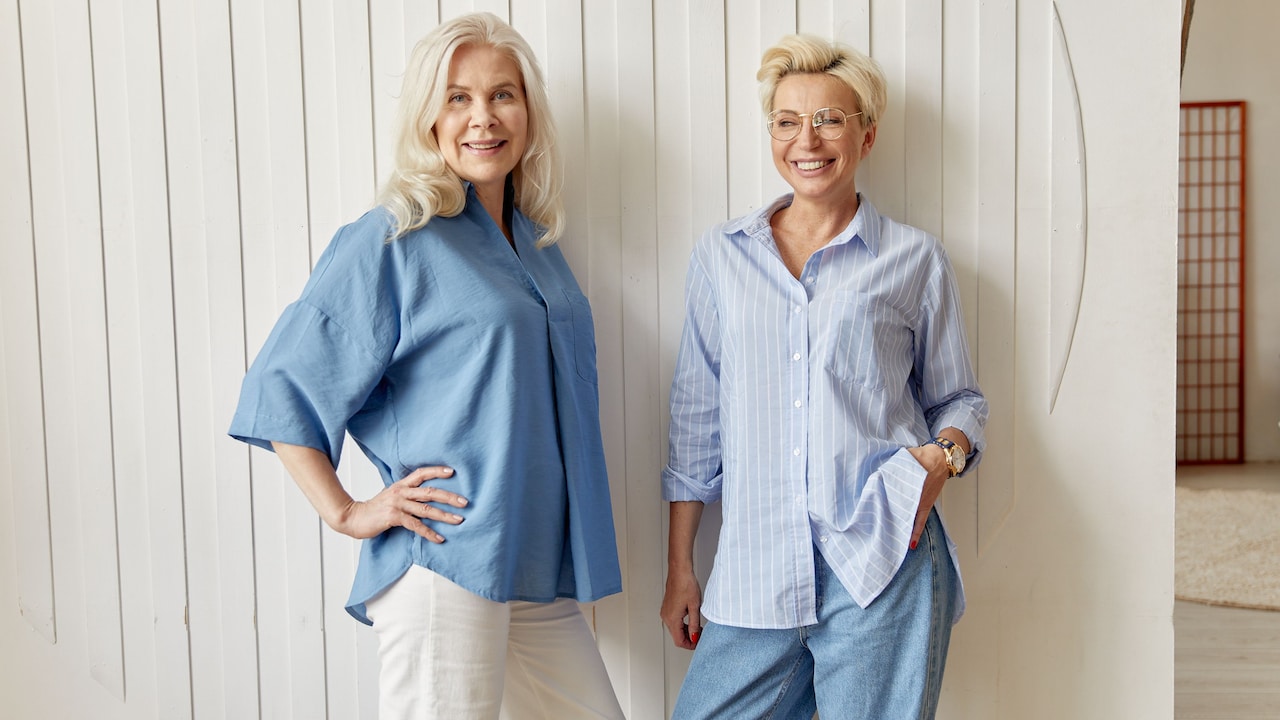
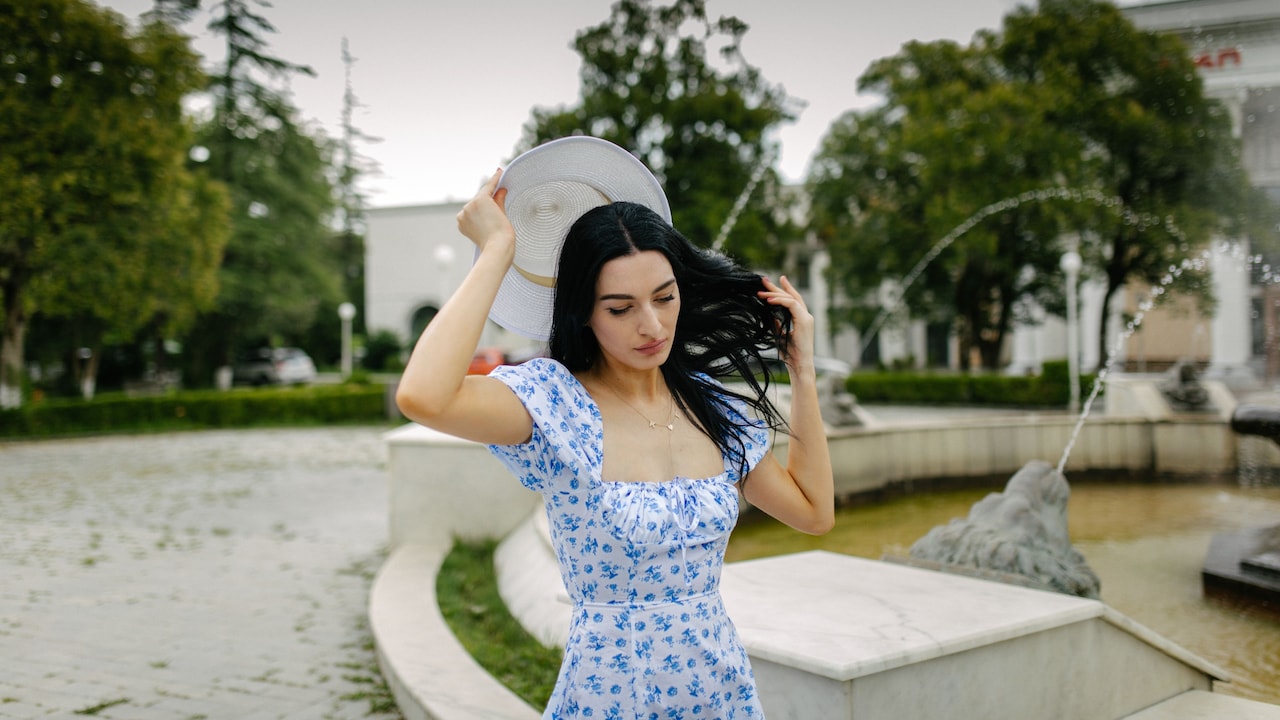
How To Stop Button Shirts From Pulling At The Bust
Photo Credit: Pexels
This is not a body problem. It is a fit problem. Most ready-made shirts follow standard measurements that rarely match real bodies. Bust, waist, shoulders, arms, and torso length do not always agree with a single size tag. Add stiff fabric, narrow cuts, shrinking after washing, or poor button placement, and even a lovely shirt can misbehave. Here is how to stop button shirts from pulling at the bust without giving up on them.
Smart Ways To Stop Button Shirts From Pulling At The Bust
Choose The Right Bust Fit First
The first rule sounds simple, but it saves plenty of wardrobe heartbreak: fit the shirt to the bust before worrying about the waist. Many shoppers buy shirts that fit neatly at the waist or shoulders, only to discover later that the bust area pulls like a stubborn curtain. A shirt should close smoothly across the chest without creating horizontal lines, stretched buttonholes, or tiny gaps between buttons.
When trying a shirt, button it fully and move around. Raise your arms, sit down, lean forward, and twist slightly. Real life does not happen in trial-room stillness. A shirt that looks fine while standing straight may pull during a metro ride or while reaching for a file.
Do not worship the size label. One brand's medium can behave like another brand's small. Some stores cut shirts for straighter frames, while others allow more room. Choose the size that respects your bust, then alter the waist if needed. A ₹250 to ₹500 tailoring adjustment can make a roomy shirt look custom-made. A too-tight bust, however, rarely forgives anyone.
Look For Darts And Shaping
Darts are tiny stitched folds that shape fabric around curves, and they can make a dramatic difference. A shirt with bust darts or princess seams follows the body more naturally. It gives fabric somewhere to go instead of forcing it to pull across the chest. Without shaping, the shirt behaves like a flat sheet trying to cover a curved surface. No wonder it complains.
While shopping, check the side of the shirt near the bust. Small diagonal seams pointing towards the chest usually signal bust darts. Princess seams run vertically and create a smoother, more tailored look. These details may seem minor, but they can turn a troublesome shirt into a reliable favourite.
Many inexpensive shirts skip proper shaping to save production costs. They may look smart on the hanger, but the fit becomes boxy or strained once worn. For office wear or regular use, spend a little more on shirts with thoughtful construction. A well-shaped ₹1,200 shirt often works better than three bargain shirts that spend their lives at the back of the cupboard.
Good tailoring does not shout. It quietly prevents awkward gaps.
Try A Slightly Relaxed Cut
A fitted shirt can look sharp, but “fitted” should not mean “fighting for survival”. Many button shirts pull at the bust because the cut leaves no breathing room. A slightly relaxed silhouette often solves the problem while still looking polished. Think clean, easy, and structured, not oversized or shapeless.
Relaxed shirts work especially well in warm weather, when tight fabric feels uncomfortable by noon. They allow movement, reduce sweat patches, and stop buttons from sitting under constant pressure. Pair one with straight trousers, cigarette pants, palazzos, denims, or a pencil skirt, and the outfit still looks intentional.
The trick lies in balance. If the shirt has extra room at the bust, tuck it neatly, half-tuck it, or choose bottoms with a defined waist. Rolling the sleeves also adds shape and stops the look from feeling too loose. A crisp cotton shirt with slight ease can look wonderfully elegant, especially with small hoops, a watch, and comfortable flats.
Fashion should not require holding one's breath through an entire workday. A little ease can look far more expensive than a strained fit.
Also Read: Hurry! Amazon Kids Carnival Is Live: Regular Cotton T-Shirts For Boys At Up To 70% Off
Pick Fabrics With Gentle Give
Fabric decides how forgiving a shirt feels. Stiff cotton poplin, linen blends, and rigid synthetic fabrics may look crisp, but they often pull at the bust if the cut is not perfect. A fabric with slight stretch or softer drape can reduce gaping and make the shirt easier to wear.
Look for cotton with a small percentage of elastane or spandex. Even a two to five per cent stretch can help the fabric move with the body. Soft rayon, viscose blends, modal, and fluid cotton blends can also sit better over curves. These fabrics do not fight movement as much as rigid materials do.
That said, avoid clingy fabrics that stick to every line, especially in humid cities. A shirt should skim, not cling. It should feel comfortable during long commutes, office hours, lunch breaks, and evening errands.
Before buying, pinch the fabric gently and stretch it sideways. If it has a little recovery, it may handle bust movement better. Also check whether the fabric becomes transparent when stretched. A shirt that turns sheer under tension creates another problem altogether. Comfort and coverage must travel together.

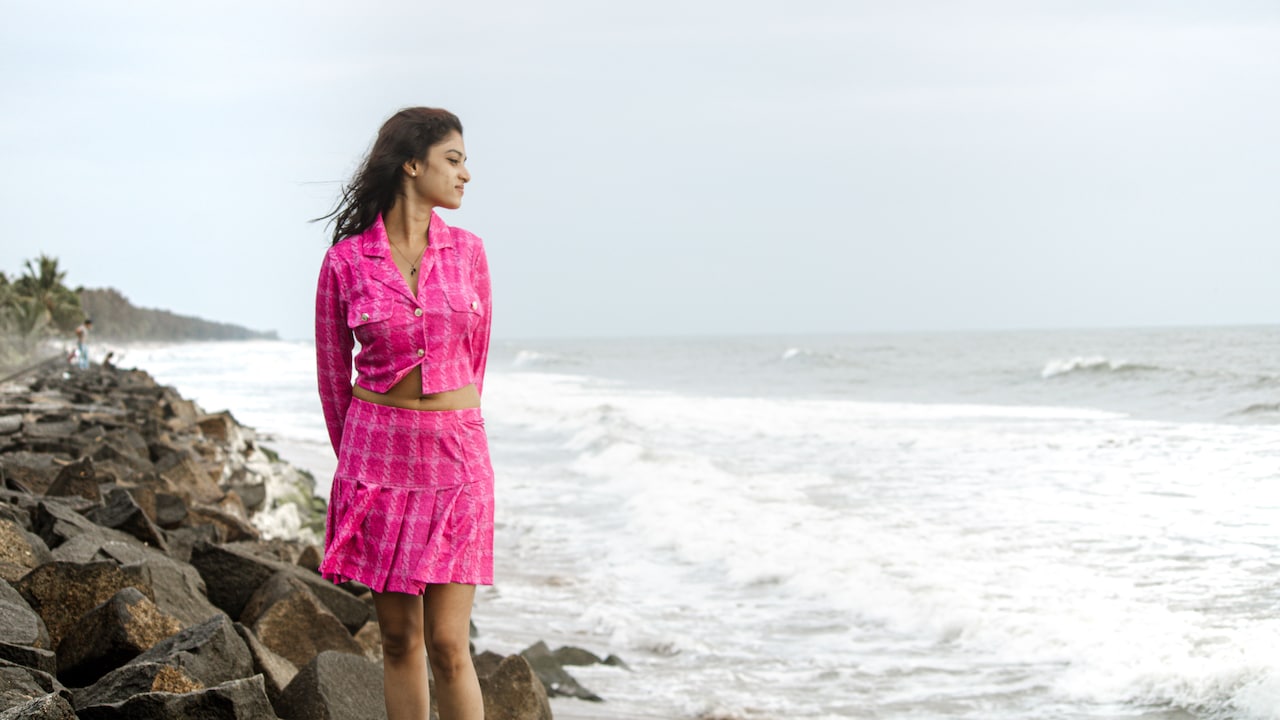
How To Stop Button Shirts From Pulling At The Bust
Photo Credit: Pexels
Use Hidden Snap Buttons
Hidden snap buttons are tiny heroes. They sit between regular buttons and stop the shirt from gaping. From the outside, no one notices them. From the inside, they quietly keep everything in place. This fix works beautifully for shirts that fit almost right but open slightly between buttons.
A local tailor can add snap buttons for a modest cost, often around ₹50 to ₹150 depending on the number and quality. Choose small, flat snaps that do not create bumps under the placket. Place them exactly where the gap appears, usually between the bust-level buttons.
For a quick home fix, fabric tape or fashion tape can help for a few hours. It works well for events, interviews, or days when a favourite shirt must behave. However, tape may lose grip in heat or humidity, so snap buttons offer a more reliable long-term answer.
This trick saves many shirts from retirement. It also allows more freedom during movement. No more checking reflections in car windows or holding a dupatta like emergency architecture. Sometimes the smallest fix brings the biggest relief.
Move Or Add Buttons
Button placement matters more than most people realise. Sometimes a shirt pulls not because it is too small, but because the buttons sit in the wrong spots. If one button lands above the fullest part of the bust and the next sits below it, the fabric between them can gape. Moving a button slightly or adding an extra one can close that gap neatly.
This alteration is simple and affordable. A tailor can shift buttons or stitch an extra buttonhole where needed. Some shirts come with a spare button attached near the care label, which saves the trouble of finding a match. If not, choose a similar button and place it where it blends in.
Buttonholes should not look stretched when closed. If they already appear strained, moving the button a few millimetres may help. However, avoid shifting buttons so much that the shirt becomes uneven at the front. The placket should still lie straight.
This is a practical fix for cotton office shirts, school staff uniforms, formal blouses, and everyday tops. It is small, neat, and surprisingly effective.
Tailor The Waist Instead Of Sizing Down
Many women size down because a larger shirt feels loose at the waist. Then the bust area suffers. A better approach is to buy a shirt that fits the bust and shoulders, then tailor the waist for shape. This gives the comfort of the correct size with the polish of a fitted silhouette.
A tailor can take in the side seams, add darts at the back, or shape the waist slightly. This usually costs far less than buying a premium shirt and makes the garment look more expensive. Around ₹300 to ₹700 can transform a basic shirt, depending on the city, fabric, and complexity.
The key is to avoid over-tailoring. A shirt should still allow sitting, eating, reaching, and breathing. Too much waist shaping can pull fabric backwards, which may create tension at the bust again. Ask for gentle shaping rather than a dramatic cinch.
This trick works especially well for workwear. It creates a clean line under blazers, cardigans, sleeveless jackets, and cotton shrugs. A tailored waist also makes tucked-in shirts look smoother. The result feels grown-up, comfortable, and far less fussy.
Wear The Right Innerwear
A shirt can only fit as well as the innerwear beneath it allows. A poorly fitted bra can change the way fabric sits across the bust. If the band rides up, cups overflow, straps dig in, or the centre does not sit properly, the shirt may pull even when the size is correct.
A smooth T-shirt bra, a lightly lined bra, or a minimiser bra can help button shirts sit better. The right choice depends on comfort, support, and outfit needs. For everyday wear, seamless cups reduce visible lines and prevent fabric from catching. For formal shirts, neutral shades close to the skin tone often work better than stark white, especially under light colours.
A professional fitting at a lingerie store can make a surprising difference. Bodies change with weight shifts, hormones, age, and lifestyle, so old sizes may not serve forever. Many people wear the wrong size for years because it feels familiar.
Good innerwear should support without squeezing. When the base layer sits smoothly, the shirt gets a fair chance to behave. This is not vanity; it is wardrobe engineering.
Layer Smartly For Extra Confidence
Layering can disguise minor pulling and make a shirt feel easier to wear. A camisole, tank top, or thin vest underneath protects against accidental gaps. It also makes sheer or light-coloured shirts more comfortable. Choose breathable cotton or modal layers, especially for long days and warmer weather.
A structured layer on top can also help. A blazer, sleeveless jacket, long shrug, or open cardigan draws attention away from the button line. For office wear, an open blazer over a button-down shirt looks sharp and reduces the need to constantly inspect the front. For casual outings, an unbuttoned overshirt or linen layer creates an easy, relaxed mood.
The aim is not to hide the body. The aim is to reduce stress. Clothes should support the day, not turn into a full-time monitoring job.
Layering also helps during festivals, family gatherings, or travel, when comfort matters as much as appearance. A crisp shirt under a handloom jacket or printed shrug can look stylish without feeling exposed. Confidence often comes from knowing the outfit has a backup plan.
Care For Shirts Properly
A shirt that fits perfectly in the shop can start pulling after a few washes. Shrinkage is a common culprit, especially with cotton, rayon, and blends that dislike harsh washing. Hot water, strong drying, and aggressive ironing can change the shape and size of the fabric.
Read the care label before washing. Cold water usually protects colour and size better. Avoid wringing shirts harshly, as twisting can distort seams and plackets. Dry them in shade when possible, since strong sun can fade colours and stiffen some fabrics. For delicate shirts, a gentle wash cycle or hand wash helps preserve shape.
Ironing also matters. Pulling the fabric too firmly while ironing can stretch certain areas unevenly. Press the placket flat so buttons sit neatly. Store shirts on hangers if cupboard space allows, as heavy folding can create stubborn creases near the bust.
A little care extends the life of a good shirt. It also keeps the fit closer to what made the shirt worth buying in the first place. Laundry habits can quietly make or break a wardrobe.
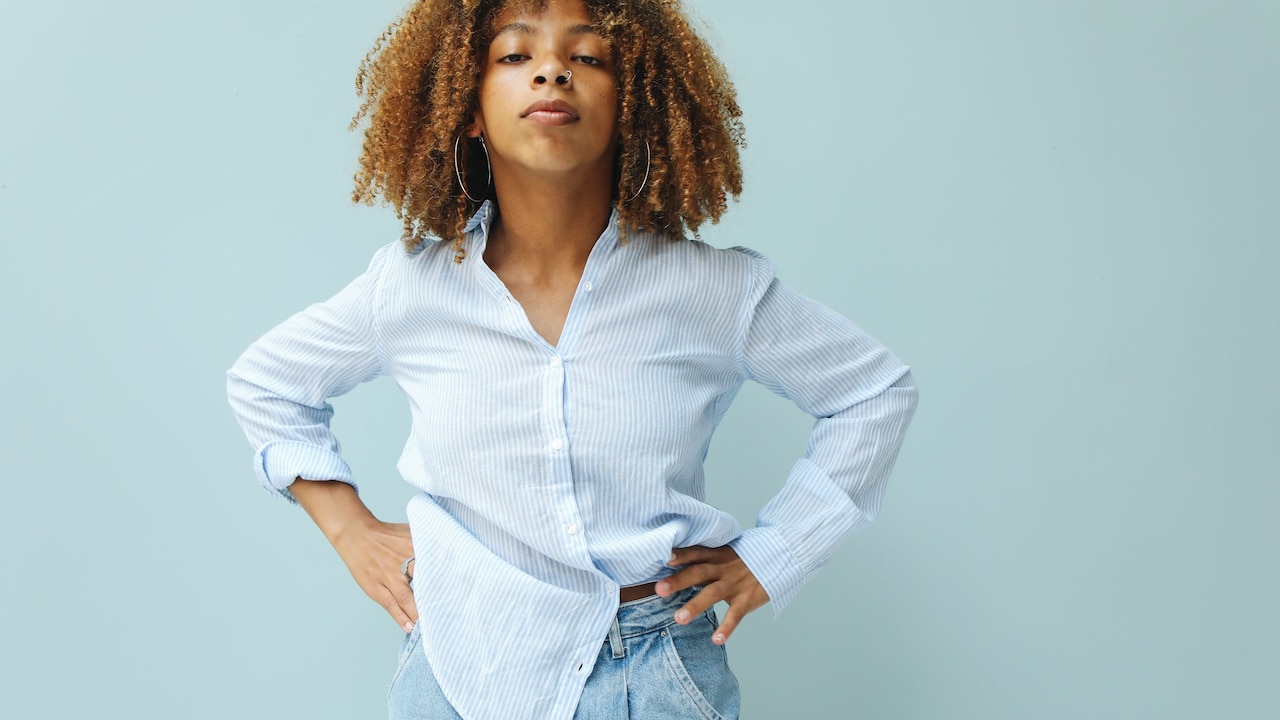
How To Stop Button Shirts From Pulling At The Bust
Photo Credit: Pexels
Some Button Shirts Available On Myntra You May Like
1. Style Quotient Women White Formal Shirt
2. NEW Vida Loca Women Smart Floral Printed Casual Shirt
3. Roadster The Life Co. Printed Pure Cotton Relaxed Fit Shirt
4. Roadster The Life Co. Pure Cotton Striped Relaxed Fit Casual Shirt
5. Zyla Women Solid Oversized Shirt
6. Femibazaar Women Relaxed Striped Casual Shirt
7. DressBerry Fuchsia Classic Mandarin Collar Casual Shirt
Button shirts pull at the bust for many reasons: wrong sizing, poor shaping, stiff fabric, awkward button placement, shrinkage, or unsupportive innerwear. None of these reasons says anything unkind about the body. They simply reveal that ready-made clothing often expects real people to fit imaginary measurements.
The best fix starts with choosing shirts that fit the bust comfortably. After that, tailoring can shape the waist, hidden snaps can stop gaps, better fabrics can allow movement, and thoughtful layering can add peace of mind. Proper washing keeps everything in shape for longer.
A button shirt should feel like a dependable friend, not a risky public performance. With a few smart choices, it can sit smoothly, move comfortably, and look crisp from morning chai to evening plans. The next time a shirt pulls at the bust, do not blame the mirror. Blame the construction, call the tailor, and let the buttons breathe.
(Disclaimer: This article may include references to or features of products and services made available through affiliate marketing campaigns. NDTV Convergence Limited (“NDTV”) strives to maintain editorial independence while participating in such campaigns. NDTV does not assume responsibility for the performance or claims of any featured products or services.)