How To Choose The Best Fabrics For Comfortable And Stylish Monsoon Office Wear That Dries Quickly And Resists Odour
Stay fresh through rainy workdays with office-friendly fabrics that dry faster, resist odour, and keep your look polished despite humidity, puddles and unpredictable showers.

Quick-drying and comfortable fabrics you need to try this monsoon
The monsoon has a wicked sense of humour. The sky may look harmless when the tiffin is packed, the laptop bag is zipped, and the auto is just around the corner. Ten minutes later, the road turns into a small river, the umbrella flips inside out, and that crisp cotton kurta begins to feel like a wet towel with buttons. Office dressing during this season asks for strategy. It cannot rely only on colour, cut, or what looked good in the mirror at 8 am. Fabric becomes the real hero. Some materials dry quickly, release sweat better, and do not hold odour like an old gym bag. Others look elegant at home but turn heavy, clingy, and musty before the first cup of office chai.
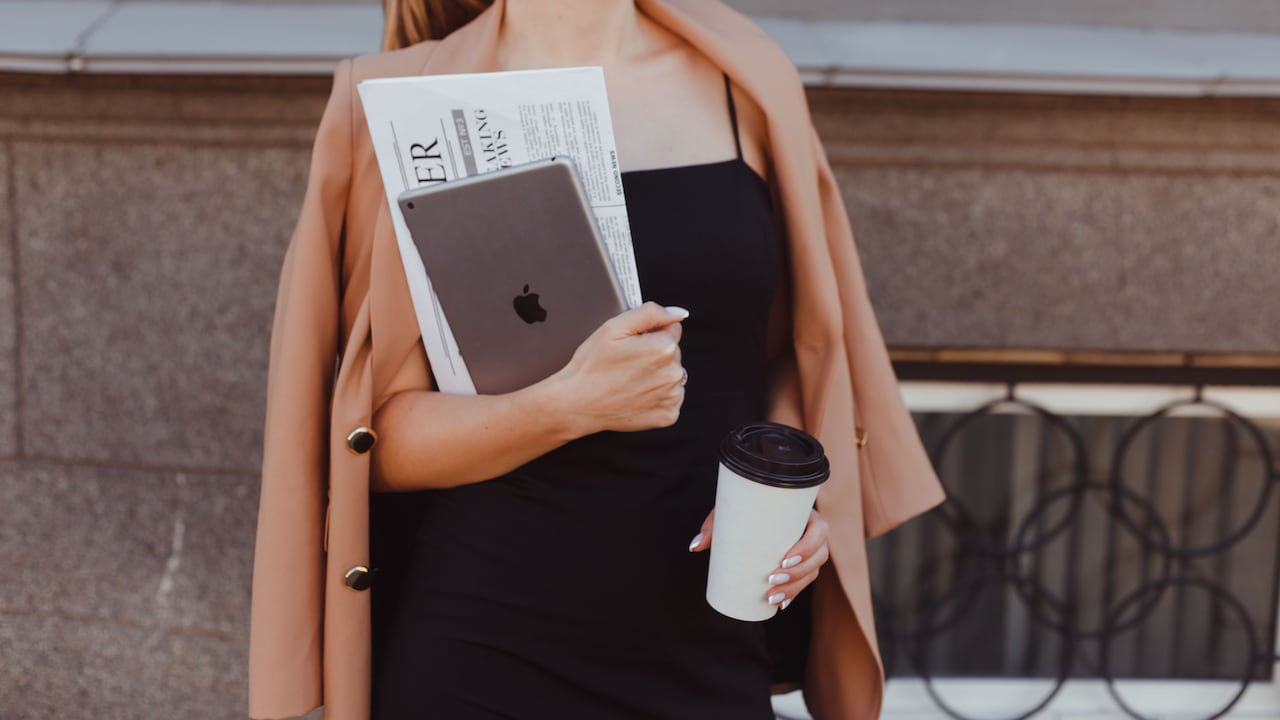
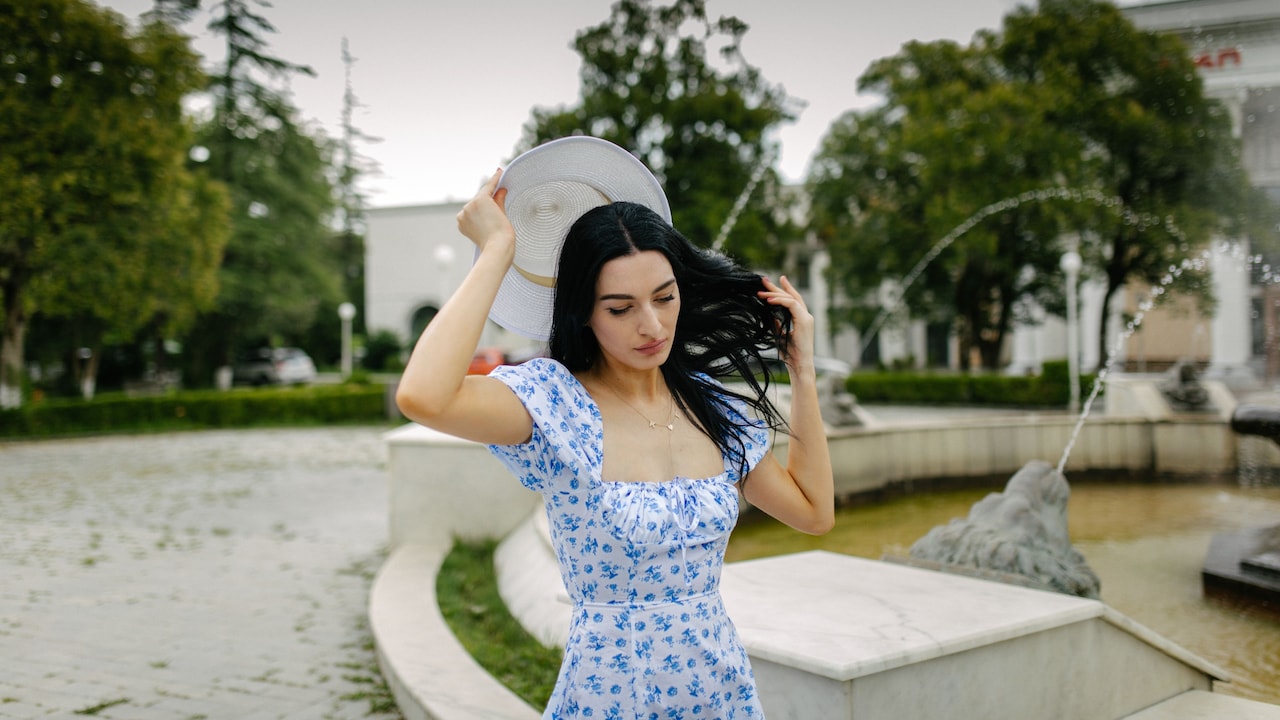
Explore must-try fabrics for monsoon that dry easily and don't smell funny; Photo Credit: Pexels
The good news is that monsoon workwear need not look dull or overly sporty. With the right fabrics, smart layering, and a few practical choices, it can feel light, fresh, and properly office-ready. Think breathable shirts, easy kurtas, wrinkle-friendly trousers, and dresses that do not announce every raindrop.
Also Read: 10 Best Fabrics That Will Not Stick To Your Skin In Hot And Humid Weather
Best Fabrics For Monsoon Office Wear
Choose Cotton Blends Over Pure Cotton
Pure cotton has an honest reputation. It feels soft, breathable, familiar, and perfect for warm weather. During the monsoon, however, it can become rather moody. Once soaked, thick cotton takes its own sweet time to dry. It also holds moisture close to the skin, which can lead to that unpleasant damp smell by lunchtime.
Cotton blends offer a more practical middle path. A cotton-polyester or cotton-viscose blend keeps some of cotton's comfort but dries faster and creases less. For office wear, this matters. A blended shirt, kurta, or blouse can handle a crowded metro ride, a damp cab seat, or a quick walk through drizzle without looking defeated.
Look for lighter weaves rather than thick handloom textures on heavy-rain days. A cotton-blend kurta with cigarette trousers, a tucked shirt with ankle-length pants, or a simple blouse under a blazer can look polished without feeling stuffy. The trick is to keep the fabric light enough to breathe but structured enough to survive the workday with dignity.
Trust Linen Blends, Not Heavy Linen
Linen has a lovely charm. It carries that relaxed, expensive-looking ease that makes even a simple shirt feel stylish. But pure linen during the monsoon can be tricky. It wrinkles quickly, absorbs moisture, and may look crushed before the morning meeting begins. Add humid air, and the whole outfit can start resembling yesterday's newspaper.
Linen blends are far more forgiving. When linen mixes with cotton, viscose, or a small amount of synthetic fibre, it becomes easier to manage. It still feels airy but dries faster and holds its shape better. For offices where smart-casual dressing works, a linen-blend shirt or tunic can be a dependable monsoon friend.
Soft neutral shades such as beige, olive, rust, navy, and charcoal work well because they hide minor splash marks better than pale colours. A linen-blend co-ord set, a straight kurta, or a boxy shirt with tapered trousers can look sharp without trying too hard. Just avoid very loose, flowing silhouettes on stormy days. The wind has no respect for carefully planned outfits.
Pick Polyester Blends That Feel Modern
Polyester once had a poor reputation, mostly because older versions felt shiny, sweaty, and uncomfortable. Modern polyester blends have changed the story. Many office-friendly fabrics now use polyester in small, clever proportions to make clothes dry faster, resist wrinkles, and hold their shape through long hours.
A polyester-viscose shirt, poly-cotton kurta, or stretch-blend trouser can be very useful during wet weather. These fabrics do not soak up water as deeply as pure natural fibres. They also dry quicker under a fan or in an air-conditioned office. That means fewer awkward moments of sitting through a presentation with damp sleeves.
The key is to avoid cheap, plasticky polyester that traps heat. Choose matte finishes, soft textures, and breathable cuts. A good polyester blend should not feel like a raincoat pretending to be a shirt. It should move comfortably and sit neatly on the body. For daily office wear, these blends are especially helpful when the schedule includes travel, meetings, and no time for wardrobe drama.
Make Viscose And Rayon Work Carefully
Viscose and rayon are popular for good reason. They drape beautifully, feel smooth, and make kurtas, blouses, dresses, and tunics look graceful without much effort. During humid months, they can feel lighter than heavy cotton. But they need careful selection because not every rayon garment behaves well after getting wet.
Thin rayon can cling to the body when damp, which is not ideal for office wear. It may also wrinkle or lose shape if the weave is poor. Better-quality viscose blends, however, can be comfortable and elegant. A viscose-polyester or rayon-cotton blend usually performs better than flimsy pure rayon in heavy humidity.
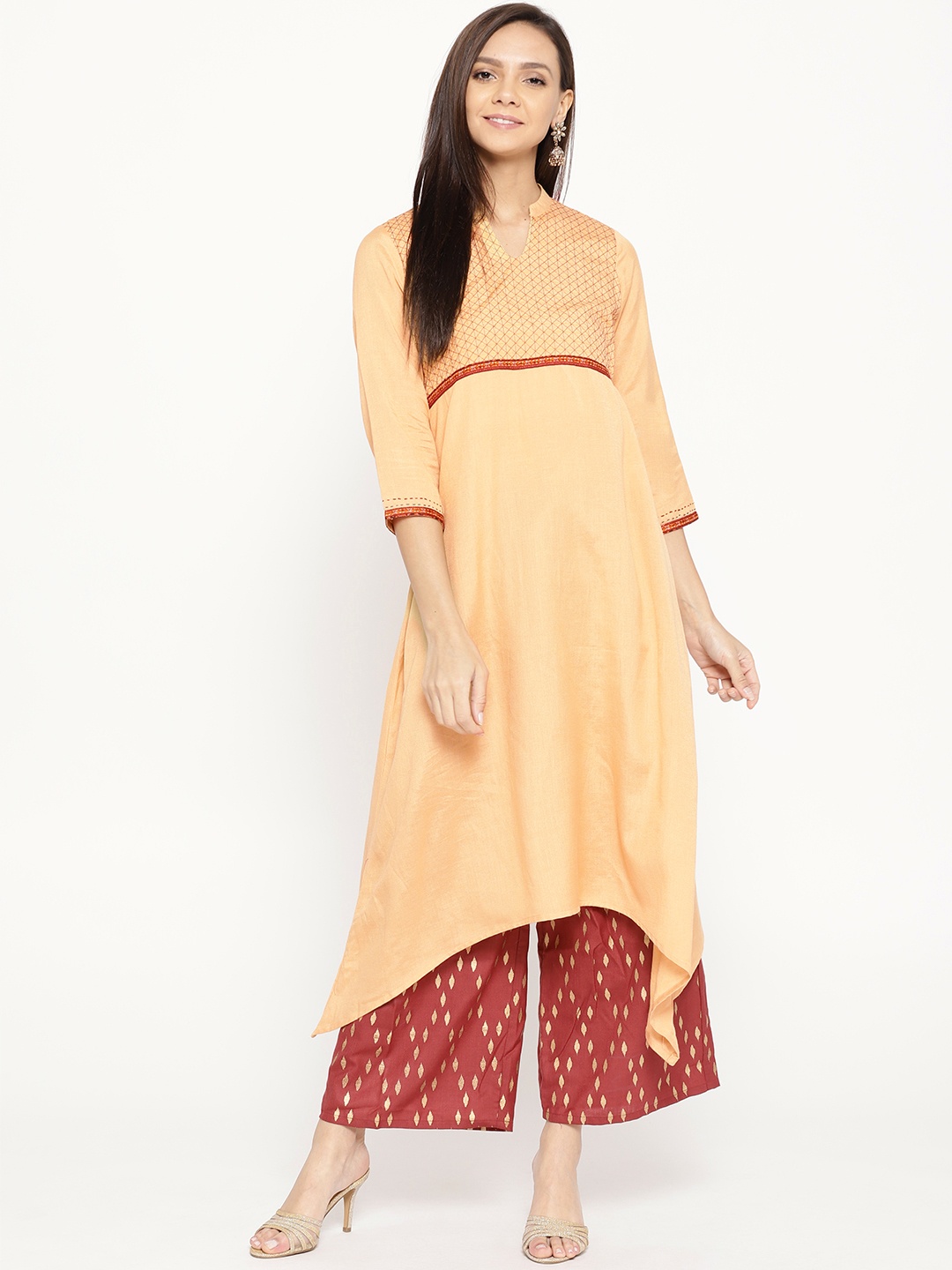
For work, choose darker prints, small motifs, or textured finishes that hide water marks. A printed rayon-blend kurta with straight trousers or a viscose shirt dress with a belt can look neat and feel breezy. Avoid floor-grazing hems, as puddles are not known for kindness. Keep the fit relaxed but not oversized. The fabric should skim the body, not cling like wet tissue.
Bring In Nylon For Practical Layers
Nylon may not be the first fabric that comes to mind for office wear, but it deserves a place in the monsoon wardrobe. It dries quickly, feels light, and resists water better than many everyday materials. The smartest way to use it is through layers and accessories rather than full office outfits.
A sleek nylon jacket, water-resistant shrug, or lightweight overshirt can protect work clothes during the commute. Once indoors, it can fold into a bag without taking up half the desk drawer. This is especially useful for those who travel by two-wheeler, bus, train, or on foot through streets where puddles arrive without warning.
The office-friendly version of nylon should look minimal, not sporty. Choose clean cuts, matte finishes, and colours such as black, navy, grey, bottle green, or tan. A cropped nylon jacket over a shirt and trousers can look crisp, while a longer rain layer over a kurta can save the outfit from splash attacks. Think of nylon as the quiet bodyguard of monsoon dressing.

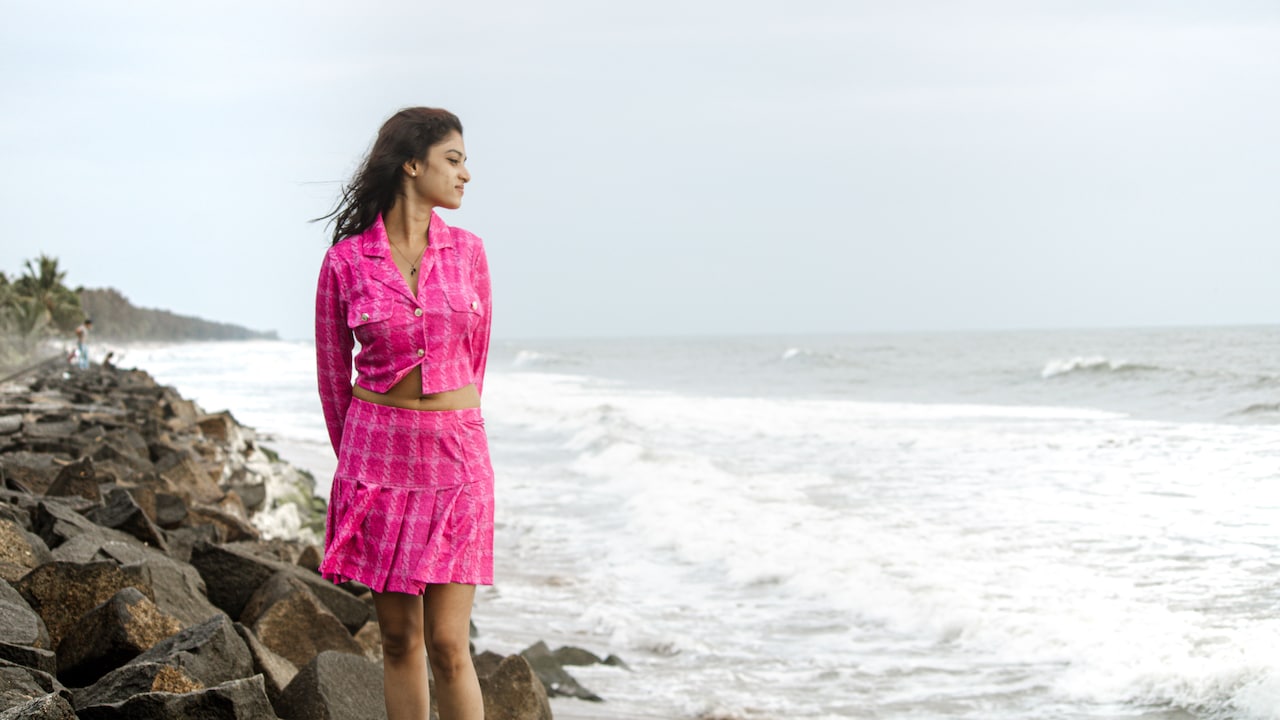
Nylon dries quickly, feels light, and resists water better than many everyday materials; Photo Credit: Pexels
Try Modal For Softness And Breathability
Modal feels soft in a way that makes busy mornings slightly kinder. It is smooth, breathable, and often lighter than regular cotton. Many workwear tops, inner layers, T-shirts, and casual blouses now use modal or modal blends because the fabric feels gentle on the skin and handles moisture better than thick cotton.
For the monsoon, modal blends can work well under structured layers. A modal camisole under a shirt, a soft top under a blazer, or a simple modal kurta for a less formal office can keep the body comfortable through humid hours. It also tends to resist that stiff, damp feeling that some fabrics develop after a sweaty commute.
However, a very thin modal may reveal moisture patches, so colours and fit matter. Deeper shades and printed versions are safer for long days. Pair a modal top with quick-dry trousers or a pencil skirt in a blended fabric. This combination balances comfort and polish. It feels relaxed without looking like weekend wear, which is exactly the sweet spot for rainy-season dressing.
Choose Bamboo Blends To Reduce Odour
Bamboo fabric has gained attention because it feels soft, breathable, and kinder during humid weather. Bamboo blends often manage sweat better and can feel fresher for longer than many heavy fabrics. In a season where odour control matters as much as style, that is a serious advantage.
Office days rarely end with just sitting at a desk. There is the commute, the lift that stops at every floor, the dash from the gate to the lobby, and sometimes a post-work grocery run. Clothes that hold less smell make these small daily battles easier. Bamboo-cotton or bamboo-modal blends can be useful for shirts, tops, innerwear, and relaxed kurtas.
The best pieces are not too clingy and not too loose. A bamboo-blend top under a lightweight jacket, or a simple collared bamboo shirt with trousers, can feel fresh without looking casual. These fabrics often cost more than basic cotton, but even one or two reliable pieces can help. During the monsoon, freshness has its own luxury value.
Avoid Denim On Wet Workdays
Denim has many talents, but monsoon survival is not one of them. Once wet, denim becomes heavy, cold, and stubborn. It takes ages to dry and can hold a damp smell that follows the wearer around like an unwanted office rumour. Even premium jeans struggle when roads flood, and humidity refuses to leave.
For workplaces that allow jeans, save denim for clearer days. On rainy mornings, choose trousers in blended fabrics, ponte knit, stretch cotton blends, or lightweight twill instead. These options look just as smart but dry faster and feel more comfortable. Dark tapered trousers can replace jeans easily, especially when paired with loafers, flats, or clean sneakers.
Denim jackets also deserve caution. They may look stylish, but a wet denim jacket can turn into portable luggage. If the outfit needs a layer, choose nylon, polyester, or a light blended blazer. Monsoon dressing rewards those who think ahead. Denim may be loyal in winter, but during a downpour, it becomes the friend who causes more trouble than help.
Wear Darker Colours And Busy Prints
Fabric matters, but colour and print can rescue an outfit from visible rain damage. Pale shades show splash marks, sweat patches, and muddy dots with alarming honesty. White trousers during monsoon may look elegant for five minutes, then spend the rest of the day telling everyone about the commute.
Darker colours are more forgiving. Navy, charcoal, chocolate, deep green, maroon, black, and ink blue hide damp patches better. They also look office-appropriate and pair easily with most wardrobes. Busy prints, fine checks, stripes, ikat-inspired patterns, and small florals can disguise minor water spots without looking loud.
This does not mean the season must turn gloomy. Add colour through scarves, earrings, watches, or a brighter top in a quick-dry fabric. A printed kurta with dark trousers, a patterned shirt with a solid skirt, or a deep-toned dress with simple flats can look lively and practical. The goal is not to dress like the weather. The goal is to outsmart it with style.
Care For Clothes To Keep Smells Away
Even the best fabric can smell unpleasant if it stays damp for too long. Monsoon laundry needs a little extra attention. Never leave wet office clothes bundled in a bag or laundry basket overnight. That is how musty smells settle in and refuse to leave. Hang damp garments in an airy spot as soon as possible, even before washing.
Use mild detergent and avoid overloading the washing machine. Clothes need space to rinse properly. A small amount of fabric conditioner may help, but too much can coat fibres and trap odour. Dry clothes fully before folding them into the wardrobe. In homes where sunlight plays hide-and-seek, a fan, drying rack, and good spacing between garments can make a big difference.
For daily freshness, rotate shoes, change socks, and keep a spare top at work during peak rains. A small towel and deodorant in the office drawer can save the day. Monsoon dressing is not only about what gets worn. It is also about how clothes are cared for after the rain has had its fun.
Some Office Wear For Monsoon You May Like On Myntra
1. THE FORMAL FACTORY Men Comfort Striped Formal Shirt
2. Stylecast X Kotty Classic Women Formal Pants
3. Van Heusen Men Formal Trousers
4. Chemistry High-waist Wide-leg Formal Trousers
5. AD By Arvind Men Comfort Striped Formal Shirt
6. FITHUB Band Collar Pin Tucks Cotton Formal Shirt
7. Louis Philippe Men Slim Fit Formal Trouser
Monsoon office wear works best when comfort, freshness, and polish meet halfway. The season does not demand a complete wardrobe makeover. It simply asks for smarter fabric choices. Cotton blends, linen blends, polyester mixes, bamboo blends, modal, and carefully chosen viscose can make rainy workdays easier. Denim, thick cotton, pale colours, and heavy layers can take a short holiday until the skies behave.
The right outfit should dry quickly, smell fresh, and allow movement through crowded platforms, slippery pavements, and endless office corridors. It should also feel like regular workwear, not emergency rain gear. A crisp blended shirt, a breathable kurta, dark tailored trousers, or a quick-dry layer can carry the day with quiet confidence.
After all, monsoon dressing is not about defeating the rain. The rain usually wins. It is about reaching work looking composed enough to pretend the commute was perfectly normal. And sometimes, that small victory feels as satisfying as hot chai with pakoras at 5 pm.
(Disclaimer: This article may include references to or features of products and services made available through affiliate marketing campaigns. NDTV Convergence Limited (“NDTV”) strives to maintain editorial independence while participating in such campaigns. NDTV does not assume responsibility for the performance or claims of any featured products or services.)