10 Reasons Rayon Kurtas Cling To The Body In Humid Weather And How To Fix It
Rayon kurtas can feel wonderfully light until humid weather makes the fabric cling, crease and stick. From trapped moisture to fabric finish, here are 10 reasons this happens and simple ways to make rayon more comfortable.
Simple Tips To Stop Rayon Kurtas From Clinging In Humid Weather
A rayon kurta can look like the perfect answer to a warm day. The fabric feels soft, falls beautifully and usually seems far less bulky than heavier cotton blends. Then the humidity rises. Suddenly, the same kurta that looked fluid in front of the mirror starts sticking around the waist, back, underarms, or thighs before lunchtime. It can feel especially confusing because rayon often gets marketed as a breathable, warm-weather-friendly fabric. That description isn't entirely wrong. The problem lies in how rayon behaves once moisture, body heat, fabric construction, and movement enter the picture. Humid weather also changes the way sweat evaporates, which can make even lightweight fabrics behave very differently. The good news is that a clingy rayon kurta doesn't automatically belong at the back of the wardrobe until winter. Small changes in fit, layering, washing, and even drying can make a noticeable difference. Understanding why the fabric clings also makes it easier to spot a kurta that will stay comfortable before buying it.
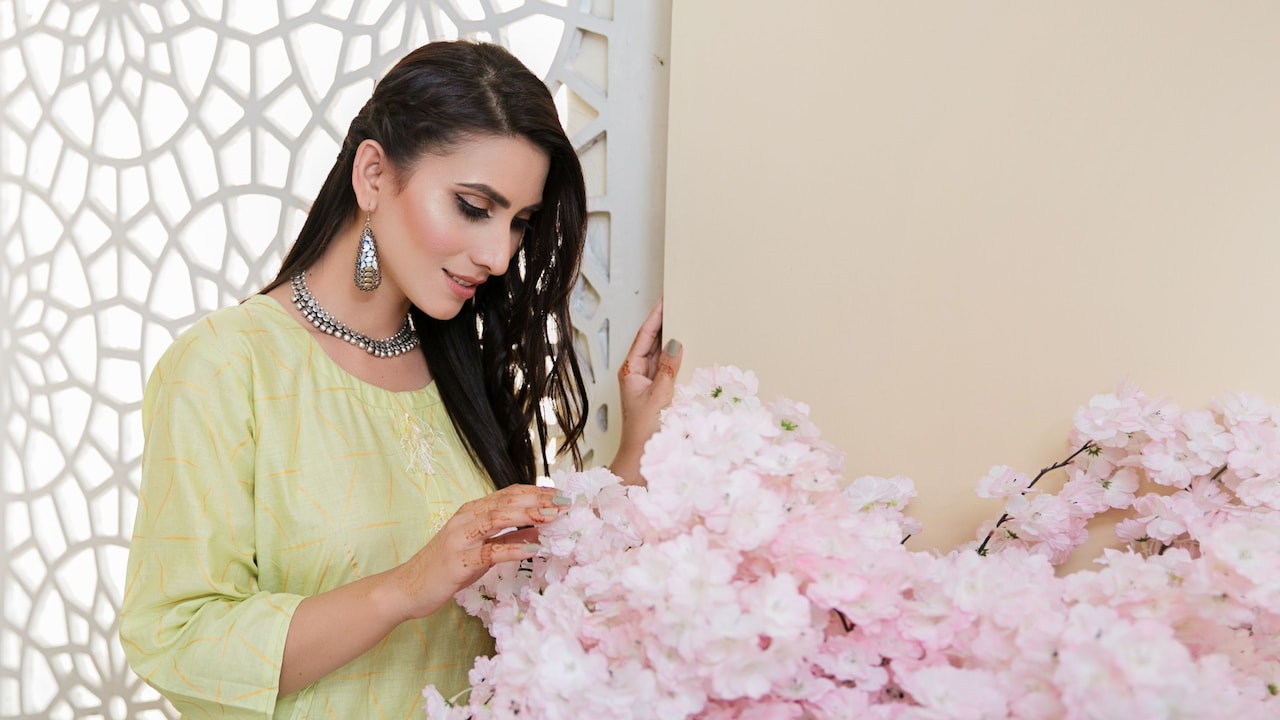
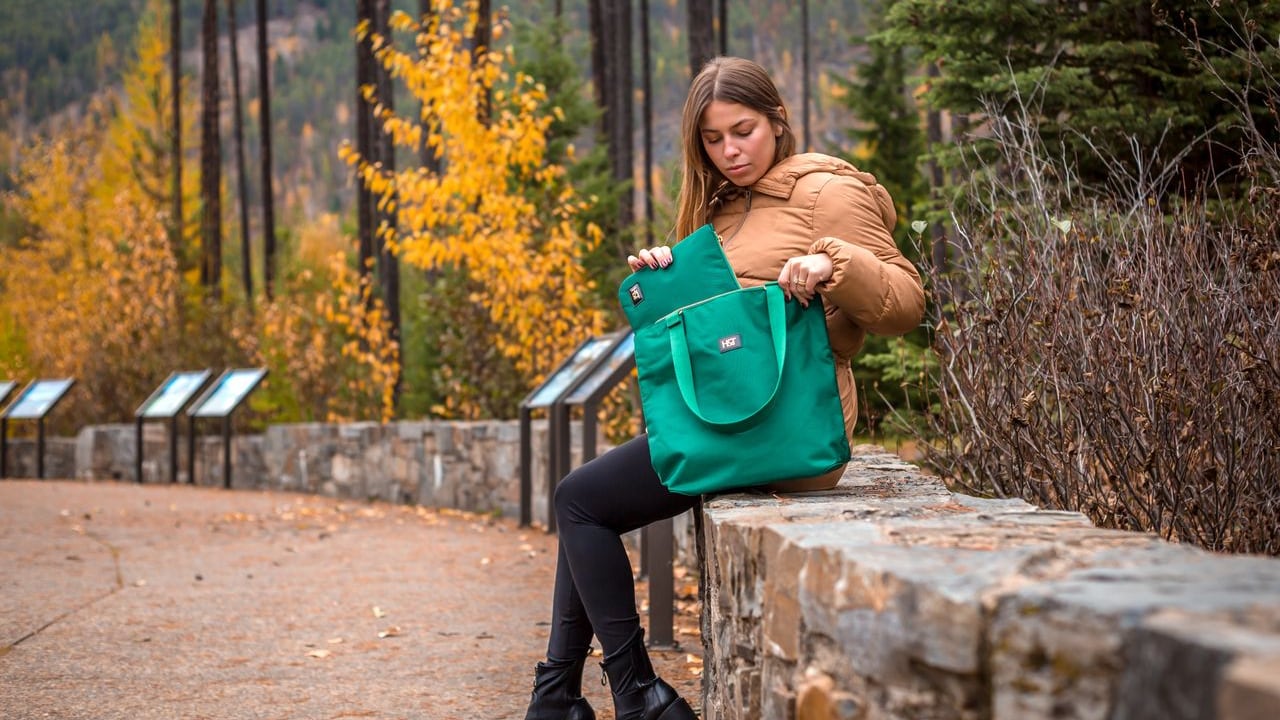
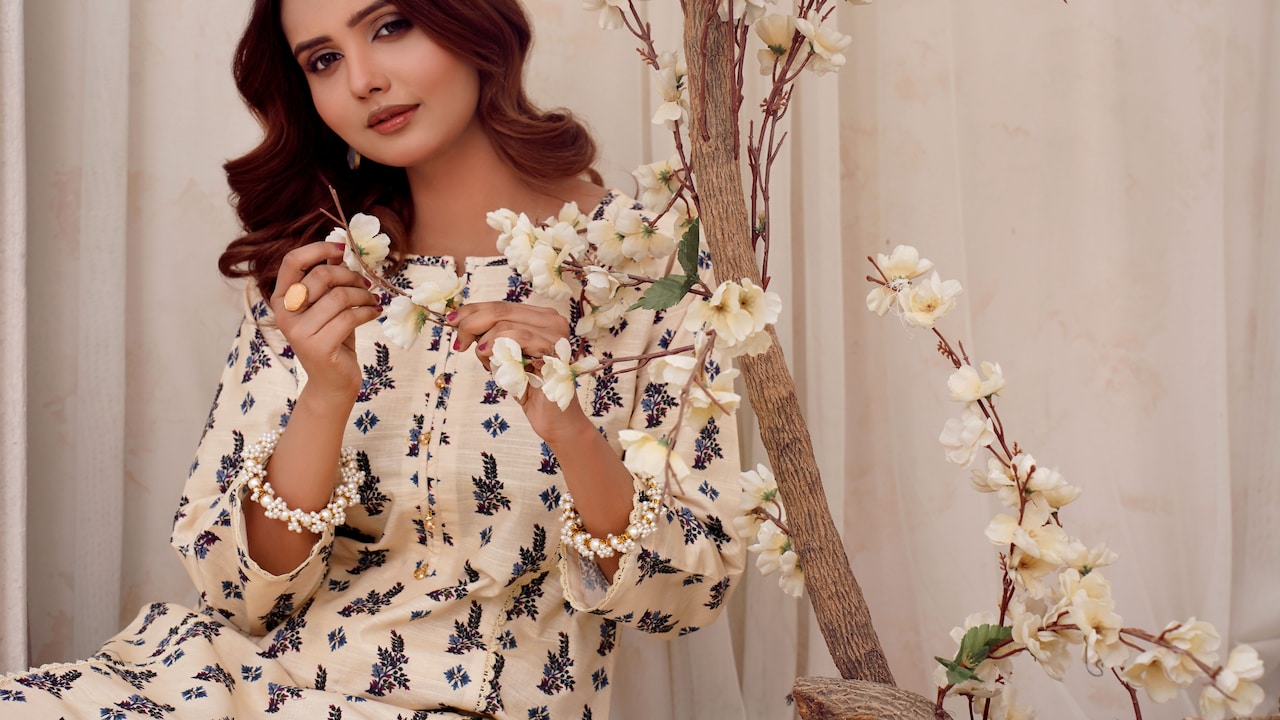
Learn Simple Tips To Stop Rayon Kurtas From Clinging In Humid Weather: 10 Top Tips; Photo Credit: Pexels
Why Rayon Starts Clinging In Humid Weather And What Helps
1. Humidity Slows Down Sweat Evaporation
The biggest troublemaker isn't necessarily the kurta. It is the moisture hanging in the air.
Sweat normally helps cool the body because it evaporates from the skin. During humid weather, the air already contains plenty of moisture, so sweat evaporates much more slowly. That leaves a thin damp layer between the skin and the kurta.
Rayon absorbs moisture readily, which sounds useful until the fabric starts taking up that sweat. Damp rayon becomes heavier and loses some of its airy movement. Instead of floating away from the body, it settles against the skin, especially around the lower back, stomach, and underarms.
A slightly roomier kurta can make a bigger difference than simply choosing a thinner one. Look for enough ease around areas that sweat heavily so air can circulate between the fabric and skin. Side slits also help movement and ventilation.
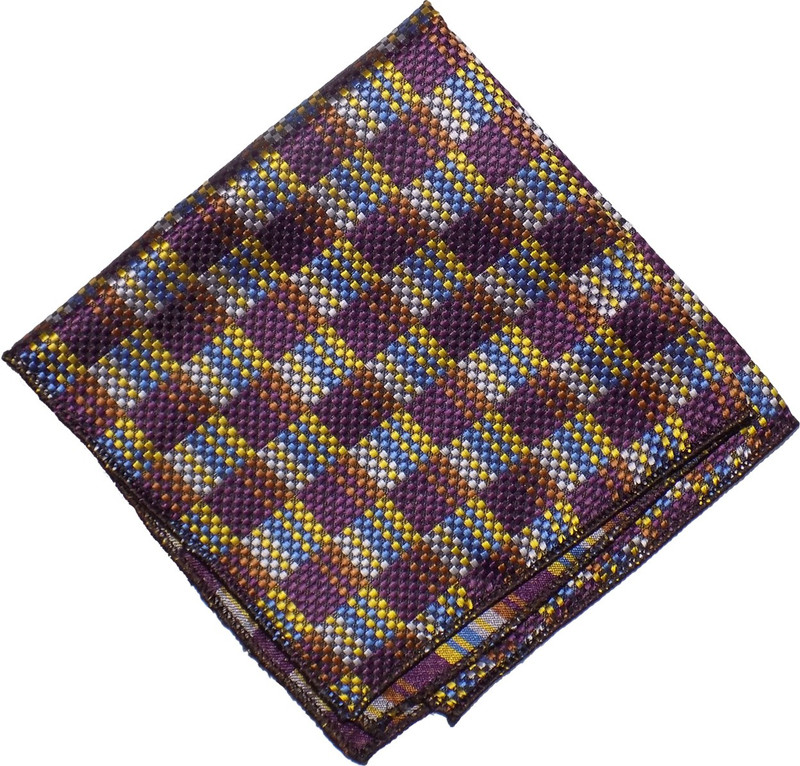
On particularly muggy days, carrying a small cotton handkerchief can help blot perspiration before the fabric becomes saturated. It sounds old-fashioned, but sometimes the simplest trick works remarkably well.
Also Read: Cotton Vs Rayon Kurtas: Which Fabric Is Best For Keeping Cool In Hot And Humid Weather?
2. Rayon Absorbs Moisture Into Its Fibres
Rayon's ability to absorb water is one reason the fabric feels comfortable initially. Unlike some synthetic materials that leave sweat sitting directly on the skin, rayon can pull moisture into its fibres.
The catch comes afterwards.
Once those fibres absorb enough moisture, they swell slightly and the fabric becomes heavier. A kurta that originally draped loosely can begin following the contours of the body much more closely. The change becomes particularly obvious with thin rayon fabrics.
This also explains why the problem can worsen through the day. A kurta may feel perfectly comfortable during breakfast but noticeably clingier after a crowded commute, a brisk walk or several hours outdoors.
Reducing this effect starts with choosing rayon that has a little more body. Hold the fabric up before buying it. If it feels extremely limp or almost tissue-thin, it will usually show moisture and cling more easily.
Rayon blended with cotton or linen can sometimes offer a slightly firmer structure too. The fabric still retains much of rayon's softness but may sit away from the skin more effectively than very lightweight pure rayon.
3. Very Thin Rayon Has Too Little Structure
A lightweight fabric isn't automatically the coolest option.
Extremely thin rayon often lacks enough structure to maintain space between the body and the garment. The moment moisture enters the equation, gravity does the rest. The fabric collapses inward and starts wrapping itself around whatever surface it touches.
This commonly happens with inexpensive kurtas made from very fine rayon. They may look beautifully flowy on a hanger because nothing is pressing against them. Once worn, however, perspiration and movement make the fabric behave differently.
A slightly denser weave often performs better in humid conditions. It doesn't need to feel thick or heavy. The goal is simply to find fabric with enough substance to hold its shape.
Try the pinch test while shopping. Gather a small section of the kurta between two fingers and release it. Fabric that springs back and retains some body will generally resist collapsing against the skin better than material that instantly falls completely flat.
Don't confuse softness with quality either. Ultra-soft rayon can feel luxurious initially while becoming frustratingly clingy after half an hour outside.
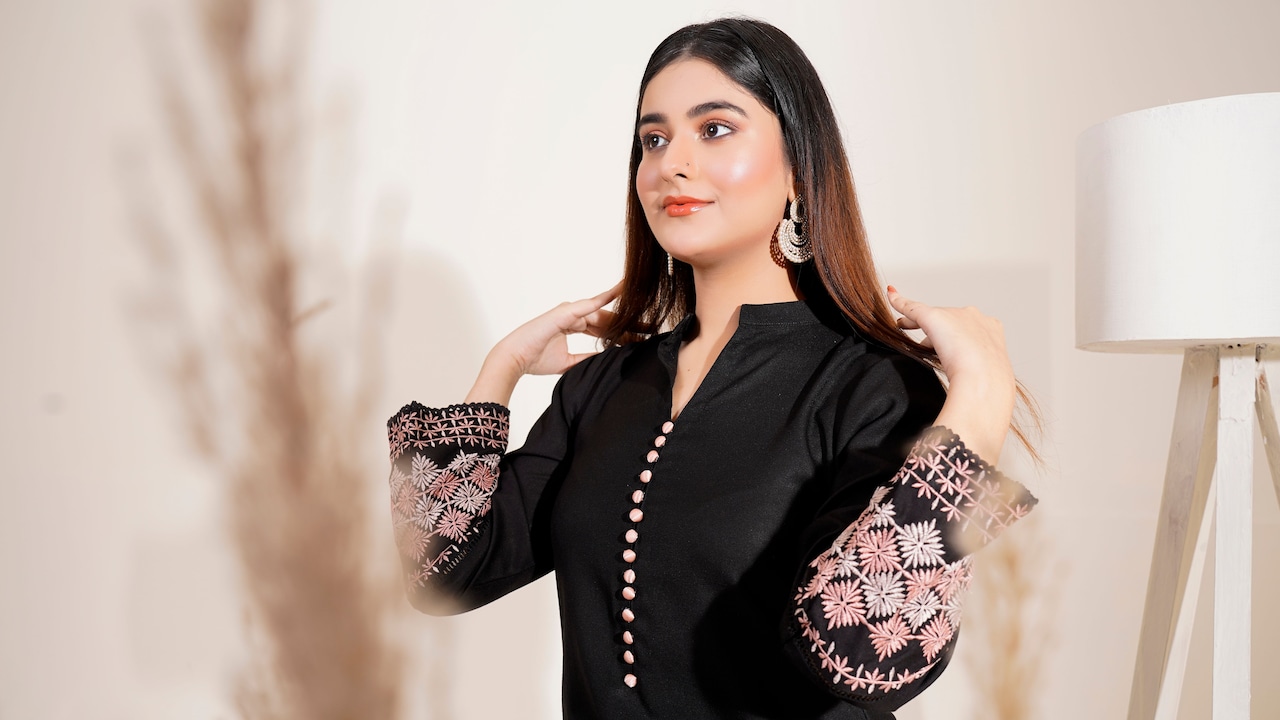
How To Stop Rayon Kurtas From Clinging In Humid Weather: 10 Top Tips; Photo Credit: Pexels
4. A Close Fit Leaves Moisture Nowhere To Go
Rayon and body-hugging cuts aren't always the happiest couple during humid weather.
When a kurta fits closely across the bust, stomach, hips or upper back, there is barely any space for air circulation. Sweat becomes trapped between the skin and fabric, encouraging the material to stick almost immediately.
Even a kurta that technically fits can cause this problem. Clothing sizes describe measurements, not necessarily the amount of breathing room built into a garment.
Straight-cut kurtas can be particularly tricky because the same narrow silhouette continues through several areas of the body. A-line styles, flared cuts and designs with generous side slits usually offer more movement.
When trying on rayon, move around instead of simply standing in front of the mirror. Sit down, raise both arms and walk a few steps. If the kurta already pulls across the back or hips in an air-conditioned fitting room, humidity is unlikely to improve matters.
Choosing one size larger can sometimes help, but the cut matters more than the number on the label. Look for ease where the body naturally bends, warms and sweats.
5. Skin Oils And Body Lotions Increase Fabric Cling
That generous layer of body lotion may keep skin comfortable, but rayon can have other ideas.
Rich creams, body oils and some sunscreens leave a film on the skin. When rayon brushes against that slightly tacky surface, the fabric can start sticking long before heavy perspiration enters the picture.
Humidity makes the situation worse because skincare products may take longer to settle. Add sweat, and the kurta suddenly has an excellent reason to stay attached to the skin.
This doesn't mean skipping skincare. Timing and texture matter more. Apply lotion well before getting dressed and give it enough time to absorb. Lightweight lotions or gel-based moisturisers often work better underneath loose summer clothing than thick body butters.
Pay particular attention to the neck, arms and legs if the kurta regularly clings there.
Sunscreen deserves the same treatment. Allow it to set before putting on the garment rather than applying it and immediately dressing.
A few extra minutes between skincare and clothing can prevent that irritating moment when a kurta begins behaving more like cling film than clothing.
6. Fabric Softener Can Leave A Residue Behind
Fabric softener sounds like an obvious friend to rayon. After all, softer clothing should drape better, shouldn't it?
Not always.
Many fabric softeners work by leaving a coating on fibres. Repeated use can gradually create residue on the fabric, especially when too much product goes into each wash. That coating can affect how the material handles moisture and may contribute to an unpleasant, slightly sticky feel during humid weather.
Detergent residue can create a similar problem. Using extra detergent doesn't necessarily produce cleaner clothing. If the washing machine fails to rinse it away completely, traces remain trapped in the fabric.
Wash rayon according to its care label and keep detergent quantities sensible. A gentle liquid detergent usually distributes more evenly than excessive powder.
An additional rinse cycle can help if the kurta frequently feels stiff, coated or unusually heavy after washing.
It is also worth occasionally skipping fabric softener altogether. Rayon naturally feels smooth, so it often doesn't need much help. A properly rinsed kurta can feel lighter and behave better than one repeatedly coated in products designed to make it feel artificially silky.
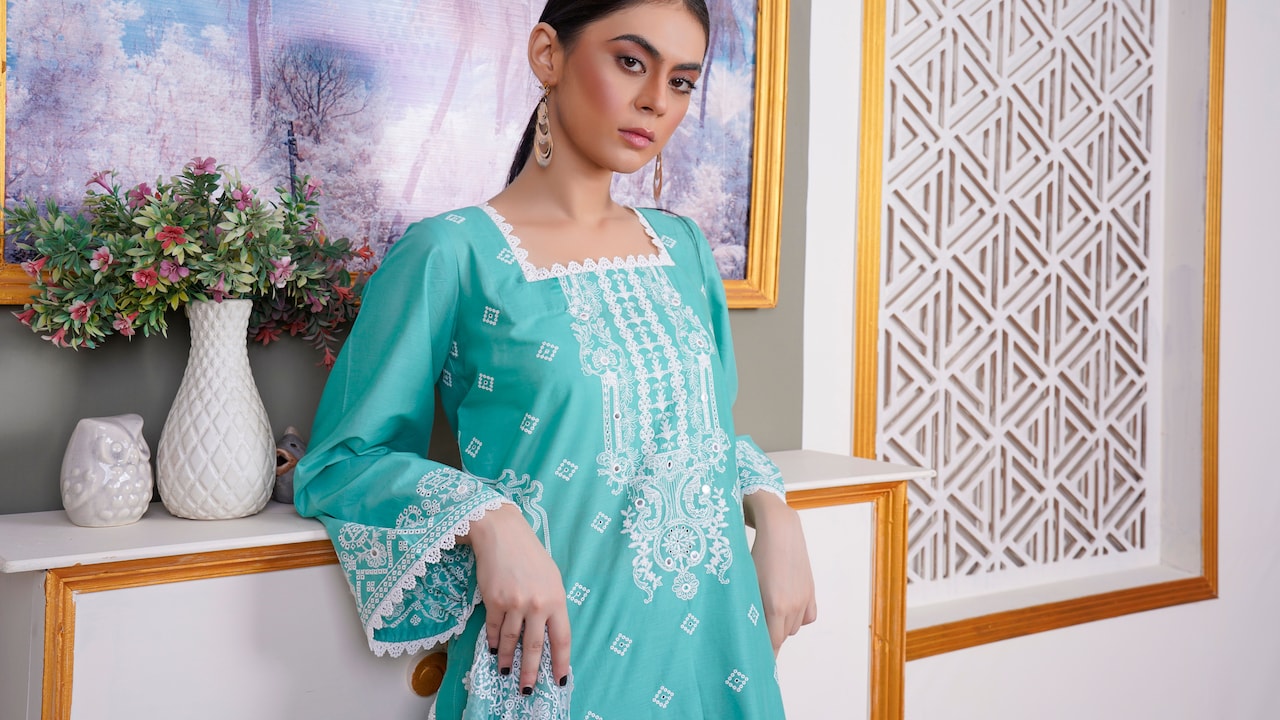
How To Stop Rayon Kurtas From Clinging In Humid Weather: 10 Top Tips; Photo Credit: Pexels
7. Static Can Make Clinging Worse Indoors
Humidity usually reduces static electricity, but rayon can still develop cling under certain conditions, particularly when worn with synthetic leggings, slips or undergarments.
Air-conditioned rooms add another complication. Moving between humid outdoor air and much drier indoor spaces can change how fabrics interact. Friction between rayon and polyester, nylon or other synthetic materials may create enough static to make the kurta stick around the legs or torso.
This type of cling feels different from sweaty fabric. The material may pull towards another garment rather than directly sticking to damp skin.
Changing the layer underneath often solves more than changing the kurta itself. Cotton petticoats, breathable slips or cotton-rich leggings create less troublesome friction than highly synthetic layers.
For a quick fix, lightly dampening clean hands and smoothing them over the inside of the garment can temporarily reduce static. Avoid soaking the fabric.
The bigger lesson is that the kurta doesn't work alone. What sits underneath it can completely change how comfortably it falls, particularly during a long day spent moving between outdoor humidity and strong air conditioning.
8. Poor Drying Can Leave Rayon Slightly Damp
Sometimes a rayon kurta starts the day with a disadvantage: it never dried completely.
Humid weather makes indoor drying slower, especially during rainy weeks. Rayon may feel dry on the surface while still holding moisture deep within folded sections, seams or thicker areas around embroidery.
Wear that slightly damp kurta and body heat quickly warms the trapped moisture. The fabric then becomes heavier and begins sticking almost immediately.
Always make sure rayon dries thoroughly before folding or wearing it. Hang the garment where air can circulate freely rather than placing several wet clothes tightly together.
Avoid leaving rayon crumpled on a drying rack as well. Spread it carefully so doubled sections aren't trapping moisture.
Fans can help enormously during periods when the air itself feels saturated. Direct airflow through the room rather than placing the garment extremely close to a high-speed fan that may distort its shape.
Check collars, underarms, cuffs and side seams before storing the kurta. These areas often remain damp longer.
A kurta that starts completely dry has much more capacity to handle the moisture it encounters later in the day.
9. Tight Synthetic Layers Trap Heat Under The Kurta
Sometimes the rayon isn't causing most of the problem. The clothing underneath it is.
Synthetic bras, shapewear, camisoles and slips can trap body heat and perspiration. Once that moisture has nowhere to evaporate, it spreads into the rayon layer above.
Shapewear creates a particularly challenging combination during humid weather. Its snug fit reduces airflow, while synthetic fibres may retain heat against the body. Put an absorbent rayon kurta over the top and the fabric begins picking up that moisture.
Breathable inner layers can make the entire outfit feel noticeably cooler. Cotton-rich camisoles and undergarments allow better airflow and can absorb some perspiration before it reaches the outer fabric.
However, avoid adding unnecessary layers purely to stop transparency. If a rayon kurta needs an inner slip, choose the lightest breathable option that provides adequate coverage.
Colour matters too. A nude or skin-toned breathable slip can often provide opacity without requiring a thick additional garment.
Summer comfort isn't only about the fabric visible on the outside. The layers nobody sees often determine whether an outfit feels fresh at noon or unbearable by mid-afternoon.
10. The Wrong Ironing And Storage Habits Can Flatten The Fabric
Rayon looks especially polished when it falls in soft, fluid folds. Ironing it completely flat, however, can sometimes make the fabric sit closer to the body.
Heavy pressing can compress the material and remove some of the natural movement that helps create tiny pockets of air between fabric and skin. Folding rayon tightly for long periods can have a similar effect, particularly when several garments press down on it inside an overcrowded wardrobe.
Try steaming or lightly ironing the kurta according to its care instructions rather than aggressively pressing every centimetre flat. The aim is to remove wrinkles without making the fabric feel lifeless.
After ironing, let the kurta hang for a while before wearing it. This gives the material time to cool and regain its natural drape.
Storage deserves attention too. Hanging frequently worn rayon kurtas can reduce deep folds, although delicate pieces need suitable padded or broad hangers to prevent shoulder marks.
A little breathing room in the wardrobe helps as well. Rayon already has a naturally fluid personality. Treating it gently lets that movement work in your favour when the weather turns sticky.
Some Rayon Kurtas You May Like
1. Sangria Abstract Printed Round Neck Straight Kurta
2. Anouk Women Floral Printed Kurta
3. Chaukas Women Ethnic Motifs Printed Indie Prints Kurta
4. Libas Women Floral Printed Sequins Straight Kurta
5. Tabeedah Women Ethnic Motifs Printed V-Neck Kurta
6. KALINI Ethnic Motifs Embroidered Chikankari Kurta
7. Sangria Floral Printed Straight Kurta
Rayon kurta isn't necessarily a bad choice for humid weather. The fabric simply reacts strongly to moisture, fit, layering and garment care. A slightly roomier cut, breathable innerwear, thorough drying and lighter skincare can make an unexpectedly big difference. Before giving up on a favourite clingy kurta, look at how the entire outfit behaves rather than blaming the fabric alone. Sometimes the solution is as small as changing a slip, skipping fabric softener or choosing a better drying spot. When the weather already feels sticky enough, the kurta certainly doesn't need to join in.
(Disclaimer: This article may include references to or features of products and services made available through affiliate marketing campaigns. NDTV Convergence Limited (“NDTV”) strives to maintain editorial independence while participating in such campaigns. NDTV does not assume responsibility for the performance or claims of any featured products or services.)