10 Reasons Artificial Earrings Tarnish Around The Hooks First And How To Slow It Down
Artificial earrings often lose their shine around the hooks before the decorative front changes colour. Sweat, friction, perfume and poor storage can be some of the culprits. Here's why the damage starts there and how to keep it under control.
Simple Tips To Keep Artificial Earrings From Tarnishing Around The Hooks
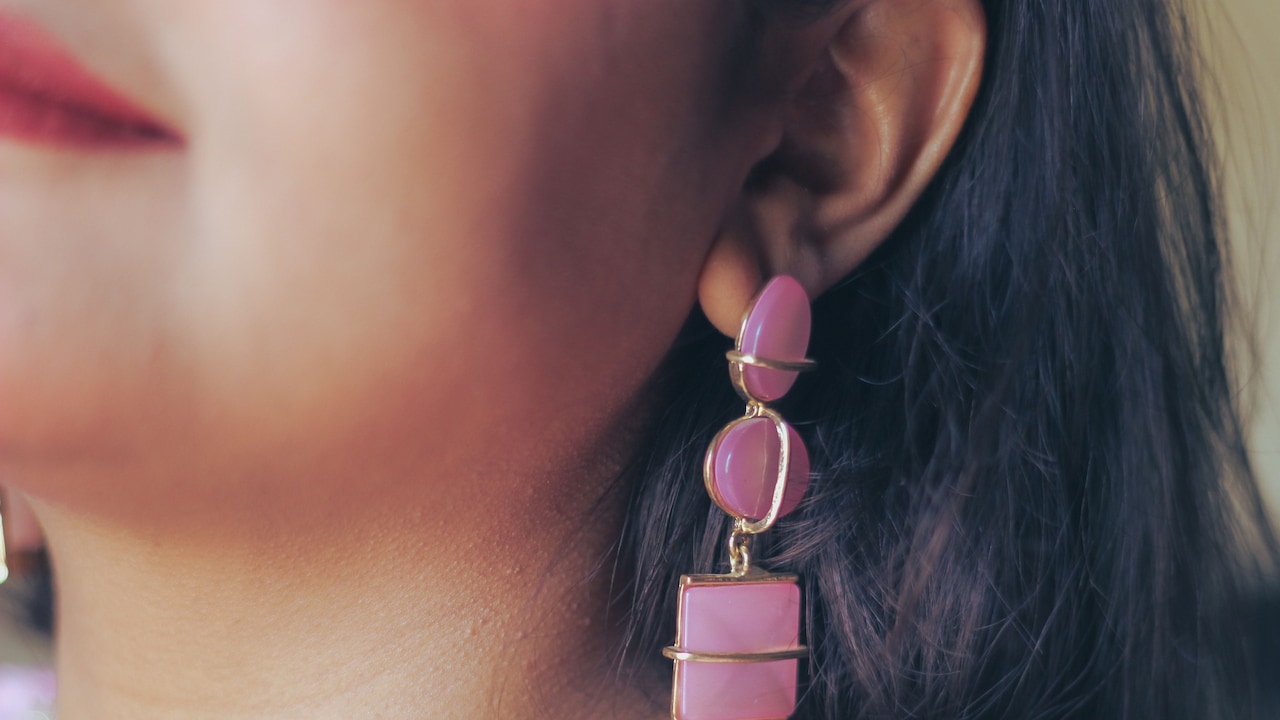
Artificial earrings can survive festive outfits, hurried commutes and the occasional fall from a dressing table. Yet the hooks often surrender first. The front may still look polished and presentable, while the part that passes through the ear turns dull, dark or slightly green. This uneven tarnishing can make an otherwise lovely pair uncomfortable or unsuitable to wear. The reason has less to do with price than many shoppers assume. Earring hooks face a rather demanding combination of moisture, body heat, friction and beauty products. Their thin protective coating also wears away more easily than the finish on a broad decorative surface. Even a carefully stored pair can tarnish quickly when worn during humid weather or packed away without cleaning. Fortunately, tarnish doesn't always mean the earrings belong in the bin. A few changes in how we wear, clean and store artificial jewellery can delay the damage considerably. Let's look at why hooks change colour first and what actually helps them stay wearable.
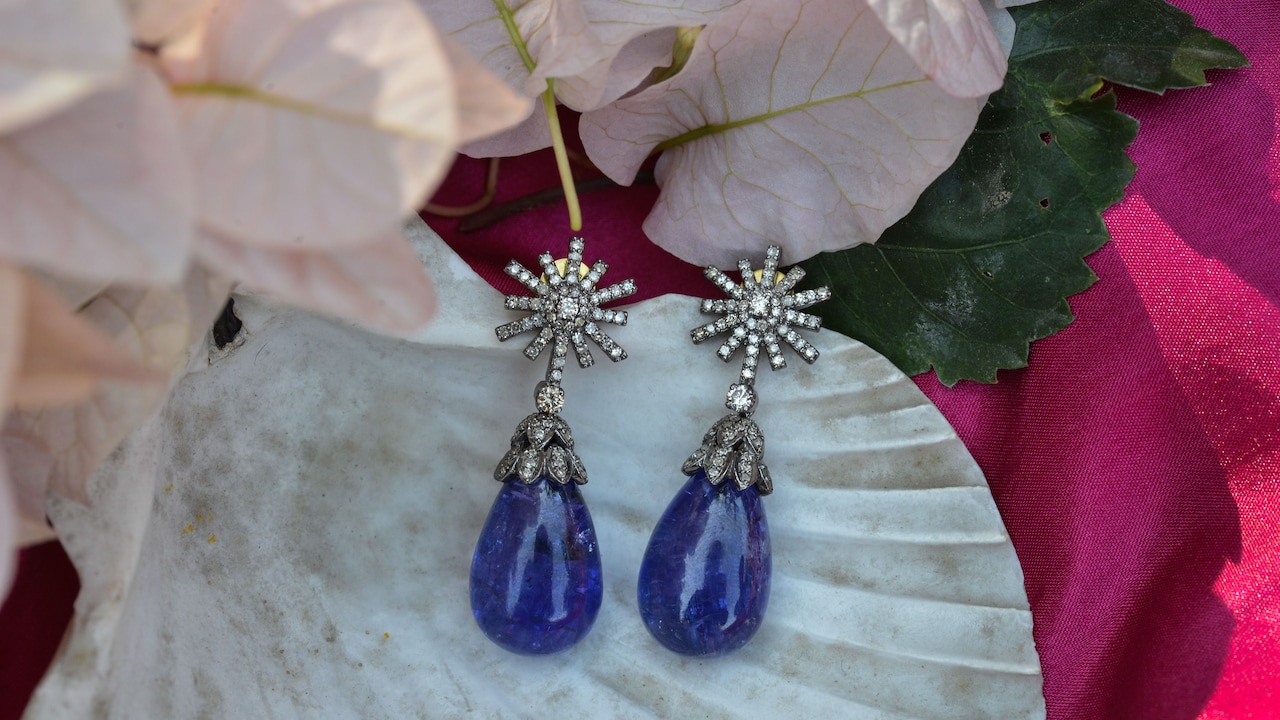
Why Artificial Earrings Tarnish Around The Hooks First: 10 Reasons Explained; Photo Credit: Pexels
Why Earring Hooks Tarnish First And What You Can Do About It
1. Hooks Stay In Direct Contact With Skin
An earring hook spends hours pressed against the skin and inside the piercing. The decorative section may brush the neck now and then, but it doesn't experience the same constant contact. This makes the hook the first place where sweat, natural oils and dead skin collect.
Skin oils contain fatty substances that cling to metal. Sweat adds salt and moisture to the mix. Together, they create conditions that encourage the exposed metal to react with air. Once the outer plating starts thinning, dullness and discolouration become more noticeable.
The problem can grow during long celebrations, office days or outdoor events. Heavy earrings may move around more, spreading moisture along the hook and increasing irritation.
Wipe the hooks with a clean, soft cloth after every wear, even when they look perfectly fine. For a more thorough clean, use a cotton bud lightly dampened with plain water, then dry the metal completely. Avoid soaking artificial earrings, as water can enter joints or loosen stones. This small post-wear routine takes less than a minute and removes much of the residue that would otherwise sit on the hooks overnight.
Also Read: Top Korean Earrings You Can Grab Under ₹399
2. Sweat Contains Salts That Speed Up Tarnishing
Sweat may look like harmless water, but it contains salts and other compounds that can react with jewellery metals. Earring hooks sit in one of the warmest parts of the accessory, close to the skin and often beneath the hair. During humid afternoons, dance-heavy functions or crowded commutes, moisture can remain trapped there for hours.
Salt left behind after sweat dries can gradually attack the plating. The hook may first lose its smooth shine, then develop brown, black or greenish marks. People who sweat more heavily may notice this change after only a few wears, while someone else can use the same type of earrings for months.
Try not to wear delicate artificial earrings during workouts, long walks or activities that cause heavy sweating. If a favourite pair must complete the outfit, carry it in a small pouch and put it on after reaching the venue. Remove the earrings as soon as possible after returning home.
During humid weather, clean the hooks immediately rather than leaving the pair on a tray. Dry them fully before storage. Moisture trapped inside a box can continue causing damage long after the earrings have left the ears.
3. Friction Removes The Protective Coating
Most artificial earrings rely on a thin surface coating to create their gold, silver, rose-gold or oxidised finish. This layer provides colour and separates the base metal from moisture and air. Unfortunately, the coating around the hooks experiences repeated friction every time we insert or remove the earrings.
The hook rubs against the piercing, fingers, hair, and sometimes the back stopper. Even small movements during the day contribute to wear. Over time, the coating becomes thinner at high-contact points. Once the base metal peeks through, tarnishing accelerates.
Rough handling makes matters worse. Forcing a thick hook through a tight piercing or scraping it with a hard earring back can damage the finish faster than regular wear would. Open hooks may also rub against other jewellery when stored together.
Insert and remove earrings slowly, using clean, dry hands. If the pair uses stoppers, choose soft silicone backs that fit without scraping the post. Store each pair separately so hooks don't tangle with chains or scratch against bangles. These precautions won't stop normal wear forever, but they can protect the coating through many more outings.
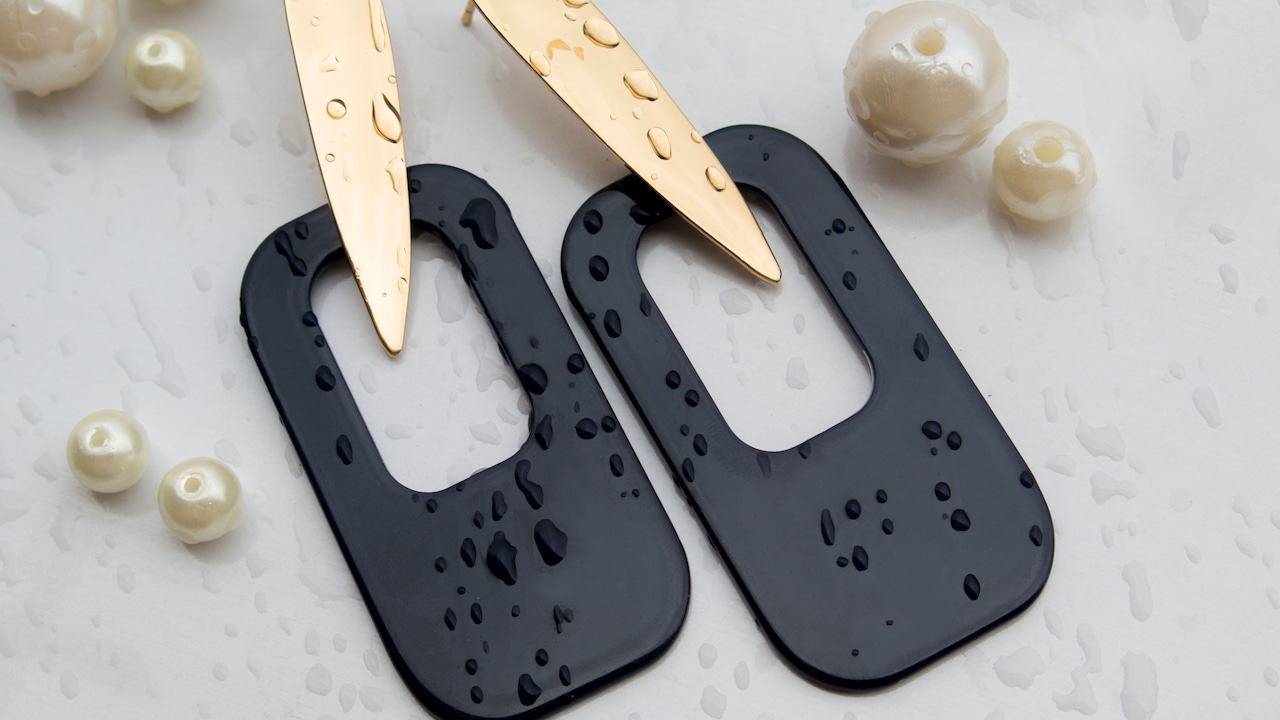
Why Artificial Earrings Tarnish Around The Hooks First: 10 Reasons Explained; Photo Credit: Pexels
4. Perfume And Hairspray Settle On The Hooks
Getting ready often follows a familiar rhythm: moisturiser, perfume, hairspray and jewellery, sometimes in no particular order. When fragrance or styling spray lands on artificial earrings, its alcohol, oils and chemical ingredients can weaken the finish. Hooks receive more exposure because they sit close to the neck, ears and hairline.
A quick spray near the shoulder can easily mist the earring without anyone noticing. Hair products may also transfer from freshly styled strands onto the hook throughout the day. The residue attracts grime and keeps the area slightly sticky, which makes dullness appear even sooner.
Follow the “jewellery last” rule. Apply perfume, deodorant, sunscreen, hair serum and hairspray before putting on earrings. Let every product dry properly. A two-minute pause can save the hooks from direct chemical exposure.
When refreshing perfume later, remove the earrings or spray well away from the ears. Don't attempt to restore shine with perfume or sanitiser either. Both can strip the coating rather than clean it. A soft, dry cloth remains the safer choice for routine care. Artificial jewellery prefers a quieter beauty routine than we do.
5. Damp Hair Keeps The Metal Wet
Freshly washed hair and statement earrings may look like an efficient getting-ready combination, but damp strands can keep the hooks wet for a surprisingly long time. Water travels down the hair, gathers around the ears and settles near the piercing. The decorative front may dry quickly in the open air, while the hidden hook stays moist.
Hair also carries shampoo, conditioner, styling cream and natural oils. When wet strands repeatedly brush against the earrings, they transfer this mixture onto the metal. The residue can cloud the plating and encourage tarnish around bends and closures.
Wait until the hair and skin around the ears feel completely dry before wearing artificial earrings. Pay special attention to the area behind the earlobes, where moisture often lingers. If time feels tight, dry that section with a soft towel or use a hairdryer on a gentle, cool setting.
Keep long hair away from the earrings when possible, especially during humid weather. A loose braid, bun or clipped-back style reduces rubbing and product transfer. That simple hairstyle choice can protect delicate hooks while also preventing the familiar drama of an earring becoming trapped in a determined strand of hair.
6. The Hook May Use A Different Metal
A decorative earring doesn't always use the same metal throughout. Manufacturers may choose one alloy for the main design and another for the hook, post or clasp. The front needs shape and visual appeal, while the hook requires flexibility and strength. That practical difference can lead to uneven tarnishing.
The hook's metal may react more quickly with moisture or skin oils. It may also have a thinner layer of plating than the visible section. As a result, the front keeps its colour while the hook begins to look aged. This doesn't automatically mean the entire pair has poor quality, though it can reveal where the manufacturer saved on materials.
Check product descriptions for terms such as stainless-steel posts, brass hooks or nickel-free findings. Stainless steel usually handles moisture better than many inexpensive mixed-metal alloys, though no material stays flawless under every condition.
If the decorative section remains in good shape, a local jewellery repair shop may replace simple hooks for a modest amount. This option works especially well for lightweight danglers. Replacing one small component can rescue a favourite pair and prevent unnecessary waste.
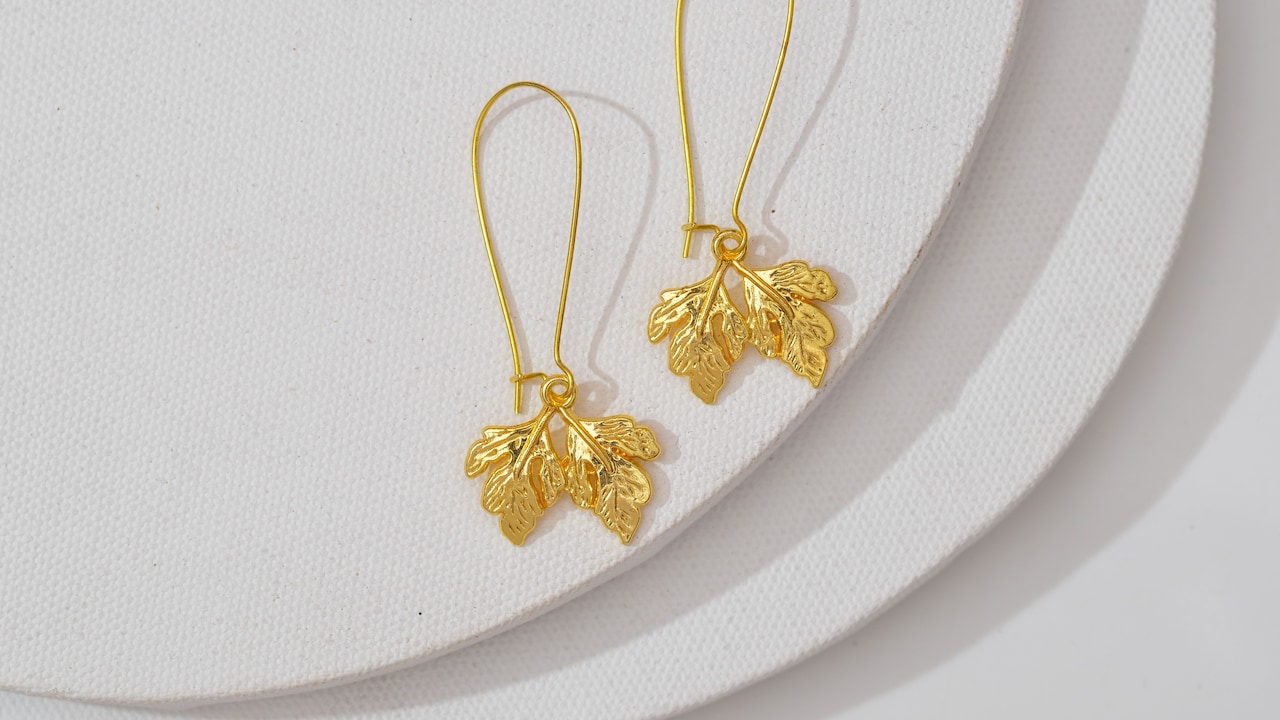
Why Artificial Earrings Tarnish Around The Hooks First: 10 Reasons Explained; Photo Credit: Pexels
7. Skin Products Transfer To The Metal
Moisturiser, sunscreen, foundation and face oils don't politely stop at the jawline. They spread through fingers, hair and clothing, eventually reaching the earrings. Hooks collect these products because we often touch them while adjusting the pair.
Creamy formulas form a film over the metal. This layer traps sweat and dust, while certain active ingredients can disturb the finish. Even ear-care ointments or petroleum jelly may leave stubborn residue when applied around a piercing.
Allow skincare and make-up to settle before wearing earrings. Wash and dry your hands after applying products, particularly if you plan to handle delicate artificial jewellery. When blending foundation near the ears, leave the earlobes clean instead of covering them for an unnaturally seamless finish.
At the end of the day, inspect the hooks under good light. If they feel greasy, wipe them gently with a soft cloth. Don't scrub with a toothbrush, toothpaste or baking soda. These popular cleaning tricks can scratch thin plating and expose the base metal. A method that makes solid metal look brighter may permanently damage artificial jewellery. Gentle care wins this particular argument.
8. Earrings Go Into Storage Without Cleaning
Many pairs tarnish inside jewellery boxes rather than on the ears. After a long day, earrings often land on a tray with sweat and product residue still coating the hooks. Placing them straight into a closed box traps that contamination against the metal.
Storage beside already tarnished jewellery can add another problem. Pieces rub against one another, scratch their coatings and hold moisture in crowded compartments. Bathrooms and dressing areas near windows may expose jewellery to humidity and temperature changes as well.
Before storing a pair, wipe the hooks and allow them to air-dry for a few minutes. Place each pair in a separate fabric pouch, small zip pouch or divided compartment. Keep hooks from pressing against decorative stones, as sharp edges can cause scratches.
Add a silica-gel sachet to the jewellery box to help manage moisture, but keep it sealed and away from children and pets. Replace the sachet when it stops working. Choose a cool, dry drawer rather than an open bathroom shelf. Good storage won't reverse existing tarnish, but it can stop a slightly worn hook from deteriorating between occasions.
9. Moisture Collects Around Bends And Closures
Earring hooks rarely have a flat, uncomplicated shape. They curve, twist and connect with loops. Hinged hoops and lever-back styles contain tiny joints where moisture and residue can settle. These sheltered spaces dry more slowly than broad decorative surfaces.
The bend near the earlobe often shows the first dark mark because friction removes the coating there while moisture collects in the same spot. Closures can also trap soap, sweat or cleaning liquid. A pair may look dry from the outside while a small joint remains damp.
After cleaning, place the earrings on an absorbent cloth and turn them once so both sides receive air. Open hinged clasps during drying. Use the corner of a soft cloth or a dry cotton bud to reach narrow bends without scraping them.
Avoid blowing on the hooks to speed up drying, as breath adds moisture. Don't place them under strong sunlight or near direct heat either. High temperatures can affect adhesives used for stones and decorative elements. Patience works better: a short drying period in a shaded, well-ventilated spot protects both the hook and the more glamorous half of the earring.
10. Frequent Wear Gives The Metal No Recovery Time
A dependable pair of earrings can become part of a daily uniform. Unfortunately, repeated wear exposes the same hooks to sweat, friction and products without much of a break. Residue builds faster, and the plating experiences constant handling.
Wearing earrings while sleeping adds several unnecessary hours of skin contact. Pillows create friction, hooks bend, and sweat remains trapped around the ears. Showering in artificial jewellery causes even more damage because soap and shampoo reach every curve.
Rotate between several pairs instead of wearing one pair every day. This gives each set time to dry fully and reduces repeated stress on the hooks. Remove artificial earrings before bathing, exercising or sleeping, even when the pair feels light enough to forget.
For much-loved earrings, consider replacing the hooks before severe corrosion develops. Stop wearing a pair if the metal causes itching, swelling, burning or discharge. Cleaning the surface won't make a reactive alloy suitable for sensitive skin. Jewellery should finish an outfit, not start an argument with the earlobes.
Some Related Errings You May Like
1. MANGO Artificial Beads Studded Teardrop Shaped Studs
2. StyleCast x Revolte Classic Half Hoop Earrings
3. SALTY Women Contemporary Hoop Silver Earrings
4. TACORRY Circular Hoop Earrings
5. Carlton London Rhodium Plated Cubic Zirconia Studded & Pearls Beaded Drop Earrings
6. COOLWOOL Geometric Hoop Earrings
7. EL REGALO Floral Ear Cuff Earrings
Hooks tarnish first because they handle the hardest part of wearing earrings: direct skin contact, sweat, friction and layers of everyday products. Thin plating and careless storage can speed up the change, but small habits make a real difference. Put jewellery on last, keep it dry, wipe it after every wear and store pairs separately. Artificial earrings may never stay new forever, yet thoughtful care can keep their hooks cleaner, brighter and far more comfortable for longer.
(Disclaimer: This article may include references to or features of products and services made available through affiliate marketing campaigns. NDTV Convergence Limited (“NDTV”) strives to maintain editorial independence while participating in such campaigns. NDTV does not assume responsibility for the performance or claims of any featured products or services.)