How To Prevent Scratches On Glasses: A Guide To Protecting Your Everyday Eye Accessories
Learn how to prevent scratches on glasses with simple cleaning, storage, and care tips to keep your lenses clear for longer.

Scratch-resistant lenses still require careful handling and regular care.
Every morning, there is one particular kind of frustration that only glasses-wearers can understand- the moment when, despite wiping your lenses repeatedly, something still feels off. The clarity isn't what it used to be, the glare feels harsher, and during the night the visibility becomes slightly uncomfortable. It's subtle at first, but persistent enough to notice. More often than not, the reason is not dirt, but scratches.
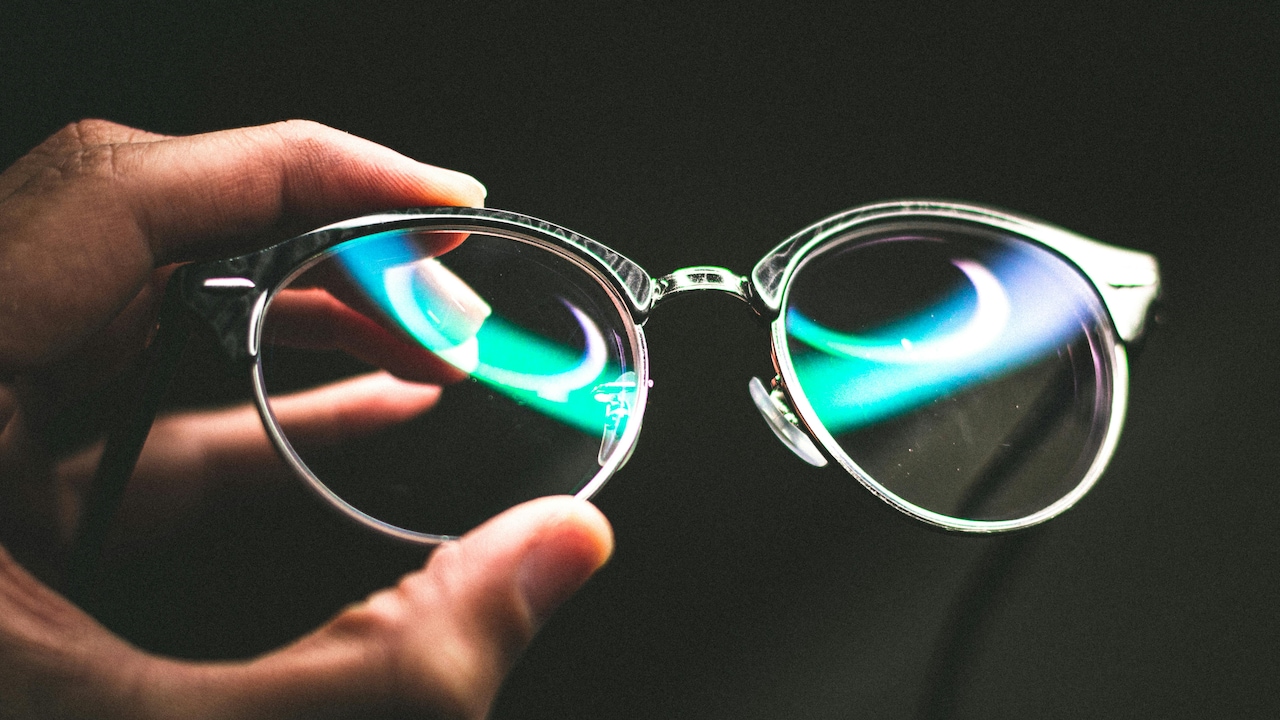
Small daily habits play the biggest role in preventing scratches on glasses.
Photo Credit: Pexels
Unlike a cracked screen or a broken frame, scratches do not arrive dramatically all at once. They build up gradually, through daily habits that feel harmless in the moment but prove costly over time. For something that plays such a central role in how we experience the world, glasses are surprisingly easy to neglect.
However, preventing scratches is neither complicated nor time-consuming. It simply requires a shift in how we handle, clean, and store our glasses in everyday situations.
Also Read: How To Introduce Peptides In Your Skincare Routine: A Complete Guide To Glowing Skin
Why Scratches Happen More Easily Than You Think
Modern lenses are usually made from lightweight materials such as plastic or polycarbonate. These are favoured for comfort and impact resistance, but they are inherently more susceptible to surface abrasions compared to traditional glass lenses. To counter this, manufacturers apply scratch-resistant coatings, often alongside anti-glare and UV protection layers.
While effective to an extent, these coatings are not permanent shields. Over time, and especially with repeated friction, they begin to wear down more often than the regular lens. What follows is a gradual decline in lens quality, fine lines that scatter light and distort clarity.
The key takeaway is simple: scratches are rarely caused by one major incident. They are the result of repeated friction and everyday actions.
Cleaning Habits: The Most Common Source Of Damage
The daily routine of cleaning glasses is where most users unintentionally cause harm. It is common practice to reach for whatever is convenient such as a shirt hem, a tissue, or a handkerchief. While these may seem soft to the touch, they often contain dust particles or fibres that can scratch lenses when rubbed across the surface.
A safer and more effective cleaning method begins with rinsing the lenses under lukewarm water. This helps remove dust and debris that might otherwise leave marks during wiping. A small amount of mild soap can then be used to gently clean the surface with fingertips, followed by another rinse. Alternatively, one can also wash the glasses using lens cleaner solution, if a water source is not handy.
Recommended Lens Cleaner Solution: ZEISS Lens Cleaning Solution Bottle
Drying should always be done using a clean microfiber cloth. Unlike regular fabrics, microfiber is designed to lift dirt and oil without causing friction-based damage. However, even this must be used correctly, if the cloth itself is dirty, it can become counterproductive.
Microfiber Cloths For Long-Term Lens Care
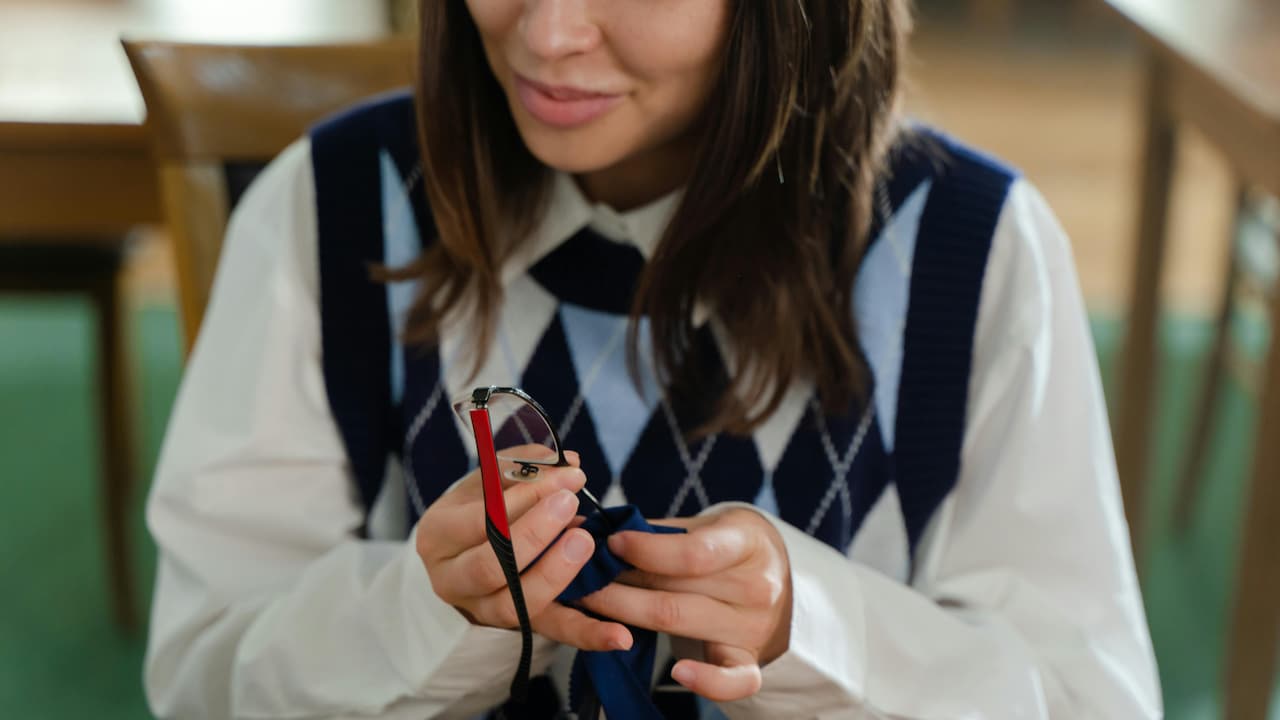
A clean microfiber cloth is as important as the cleaning method itself.
Photo Credit: Pexels
Microfiber cloths are often assumed to be foolproof cleaning tools, but their effectiveness depends entirely on how they are maintained. Over time, these cloths accumulate oil, dust, and environmental particles. When used repeatedly without cleaning, they can leave streaks or even contribute to surface abrasion.
Recommended Microfiber Cloth For Cleaning Glasses: Scotch-Brite Microfiber Polishing Wipe
Regular washing, ideally once a week using mild detergent, helps maintain their softness and effectiveness. It is also advisable to store them in a clean pouch rather than loose in a bag or pocket, where they can gather debris.
Replacing microfiber cloths every few months is a small but worthwhile investment, especially when compared to the cost of replacing lenses.
Storage Practices That Can Change Everything
One of the simplest yet most overlooked habits is how glasses are placed on surfaces. Setting them down with the lenses facing down may feel instinctive, but it exposes them to micro-scratches from dust particles present on even the cleanest tables.
Placing glasses with the lenses facing upwards is a safer alternative. Ideally, they should be folded and stored properly when not in use. This is where a glasses case becomes essential.
A hard-shell case offers protection from both external pressure and accidental contact with sharp objects. In daily life, where bags often contain keys, coins, and other items, placing glasses without a case significantly increases the risk of damage.
Recommended Hard-Shell Glass Case: Chumbak Eyewear Case
Despite this, many users reserve their cases only for travel. Incorporating their use into daily routines can dramatically improve lens longevity.
Everyday Habits That Contribute To Wear And Tear
Several common behaviours can quietly accelerate damage to lenses. Resting glasses on the head, for instance, exposes them to hair oil and increases the likelihood of slipping or falling. Similarly, leaving them on a car dashboard subjects them to prolonged heat, which can compromise coatings over time.
Pockets, too, present an unfavourable environment. Lint, dust, and hard objects create constant friction, especially if glasses are stored without protection.
Another often overlooked habit is removing glasses with one hand. While convenient, this can gradually misalign the frame. Over time, this affects how the lenses sit, increasing uneven contact with surfaces and, consequently, the risk of scratches.
Limitations Of Scratch-Resistant Coatings
Scratch-resistant coatings are a valuable addition to any pair of glasses, and opting for them is generally recommended. However, it is important to approach them with realistic expectations.
These coatings are designed to reduce the impact of minor abrasions, not eliminate the possibility of scratches entirely. Without proper care, even the highest-quality lenses will eventually show signs of wear.
In other words, coatings support good habits, they do not replace them.
Can Scratched Lenses Be Repaired?

Proper storage can significantly extend the lifespan of your glasses.
Photo Credit: Pexels
There is no shortage of home remedies claiming to fix scratched lenses, from toothpaste to baking soda mixtures. While some of these methods may temporarily reduce the visibility of scratches, they often damage lens coatings in the process, leading to further deterioration.
Professional repair options are limited and, in many cases, costly. As a result, replacing the lenses is often the most practical solution when scratches become significant.
Preventative care, therefore, remains the most reliable approach.
A Practical Approach To Long-Term Care
Preventing scratches is less about strict rules and more about consistency in small actions. Keeping a microfiber cloth handy, using a case regularly, and cleaning lenses with care are habits that require minimal effort but deliver noticeable results.
Equally important is awareness, recognising situations that may pose a risk to your glasses and adjusting behaviour accordingly. Whether it is where you place them, how you clean them, or how you store them, each decision contributes to their overall lifespan.
Glasses are not just another personal accessory, they are an essential tool that directly affects how you engage with your surroundings. Yet, they are often handled casually, leading to avoidable damage over time.
By adopting a more mindful approach to their care, it is possible to maintain their clarity and functionality for significantly longer. And in doing so, ensure that something as fundamental as clear vision is never compromised by preventable wear and tear.
Frequently Asked Questions (FAQs)
1. What is the safest way to clean glasses without scratching them?
The safest way is to rinse lenses with lukewarm water, use a small amount of mild soap, and dry them with a clean microfiber cloth to avoid friction and debris build-up.
2. Can microfiber cloths scratch glasses over time?
Yes, if not cleaned regularly. A dirty microfiber cloth can trap dust and particles, which may cause micro-scratches during repeated use.
3. Do scratch-resistant lenses completely prevent damage?
No, scratch-resistant coatings reduce the risk of minor abrasions but do not make lenses completely immune to scratches.
4. Is it safe to clean glasses with tissue or clothing?
No, tissues and clothing can contain fibres and dust that may scratch the lens surface, especially when used without rinsing first.
5. Can scratched glasses be repaired at home?
Most DIY methods are not effective and can damage lens coatings. In most cases, replacing the lenses is the safest solution.
(Disclaimer: This article may include references to or features of products and services made available through affiliate marketing campaigns. NDTV Convergence Limited (“NDTV”) strives to maintain editorial independence while participating in such campaigns. NDTV does not assume responsibility for the performance or claims of any featured products or services.)