How To Prevent Shoe Smell During Monsoon Season
Tired of smelly shoes during monsoon? Learn how to prevent shoe smell during the monsoon season with simple daily habits, drying techniques, and tips.
How To Prevent Shoe Smell During Monsoon Season
There is something about the monsoon that makes everything feel better. The weather cools down, chai tastes nicer, and going outside suddenly does not feel so tiring anymore. But there is one thing which almost nobody likes during this season: opening the shoe rack and getting hit by that weird, damp smell. If your shoes start smelling bad every rainy season, you are definitely not alone in this. Wet roads, sudden puddles, sweaty feet, and shoes that never seem to dry properly create the perfect setup for odour-causing bacteria. For many people across the country, especially in cities where rain continues for a long time, keeping footwear fresh becomes a real challenge. But don't worry; just a few small and practical changes will make a huge difference.
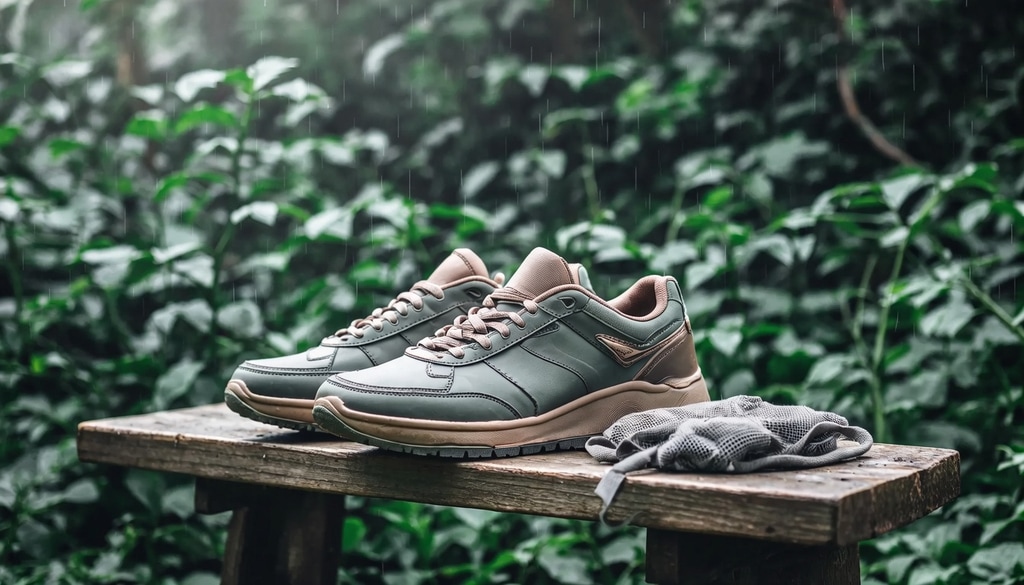
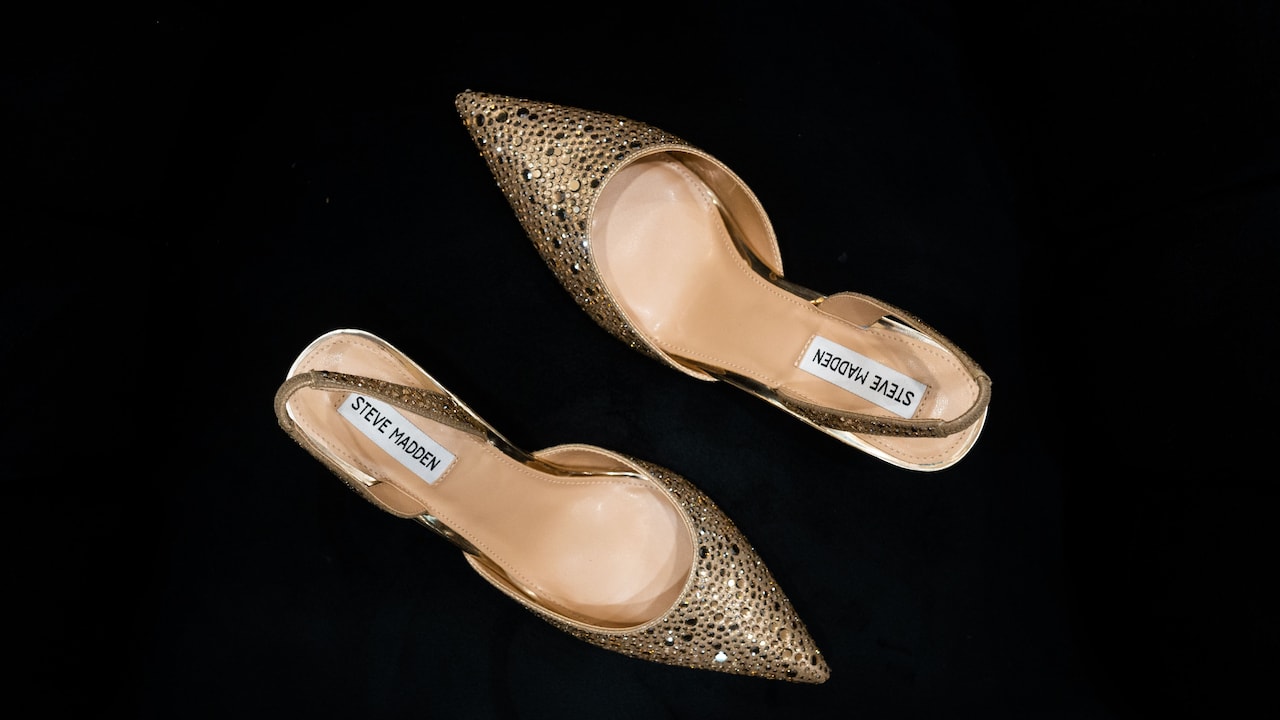
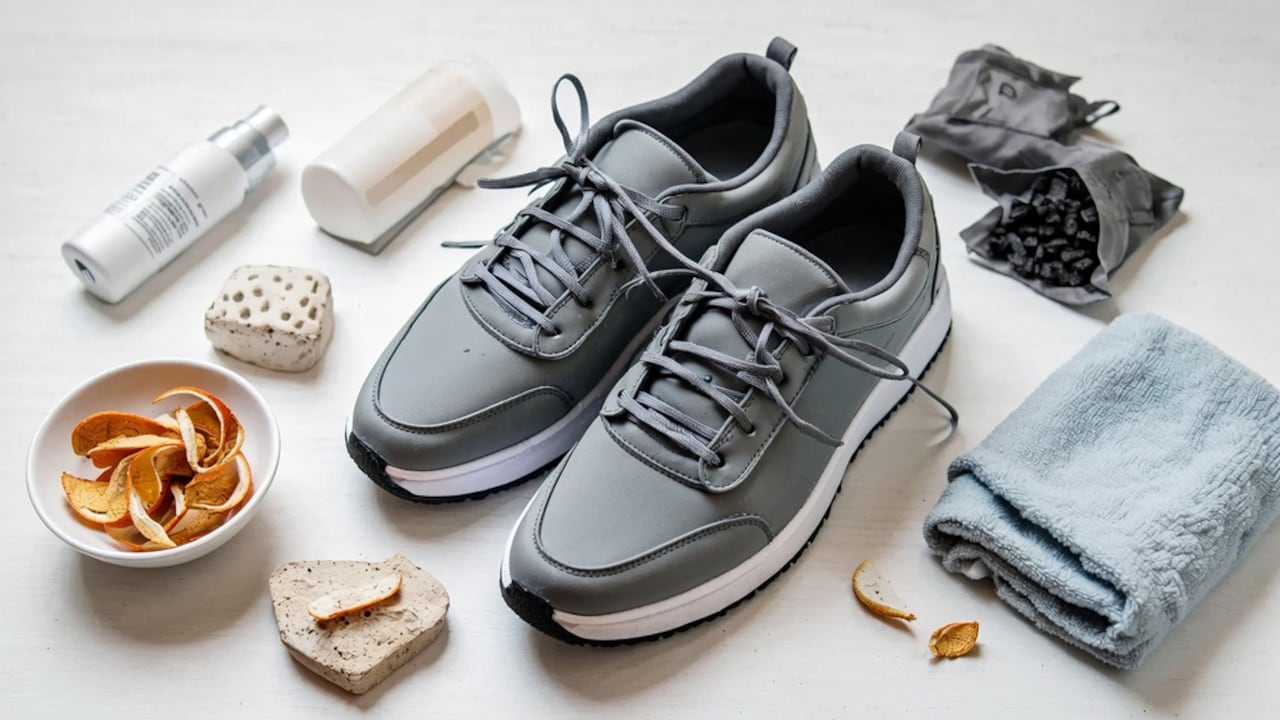
Learn easy daily habits and proper drying techniques to prevent smelly shoes this monsoon season; Photo Credit: iStock
Also Read: How To Keep Your Footwear Clean During Monsoon
Why Do Shoes Smell Worse During Monsoon?
The monsoon is the perfect time for bacteria and fungi to grow, as it leads to the perfect conditions for their survival. Shoes often stay damp for hours, sometimes even for days. Add sweat, moisture, dirt and limited ventilation, and basically you have created a tiny greenhouse inside your footwear.
Unlike summer, where heat helps moisture evaporate quickly, rainy weather traps dampness inside the shoe lining. That is usually where a smell starts. Once bacteria start multiplying, the bad odour tends to linger even after the shoes look dry from the outside.
1. Let Your Shoes Dry Completely Before Wearing Them Again
This advice sounds obvious, but most people don't actually do it.
Wearing the same pair every day during the monsoon means the inside never gets enough time to dry properly. Even if the outer surface looks fine, cushioning and inner lining can still be holding moisture inside.
Try rotating between at least two pairs of shoes. Giving footwear a full day to air out can reduce bacterial growth significantly and stop that musty smell from building up.
2. Remove Insoles After Every Use
The insole absorbs most of the sweat that your feet produce. Unfortunately, it also holds moisture for a long time.
After coming home, take out the insoles and let them dry separately. This improves airflow inside the shoe and speeds up the drying process.
Many washable insoles can also be cleaned every couple of weeks during the rainy season. It takes just a few minutes but makes a noticeable difference.
What Kind Of Footwear Works Best During Monsoon Season?
Not all shoes handle rainy weather in the same way.
Heavy canvas shoes and thick padded sneakers tend to hold water for a longer time. Lightweight mesh shoes, waterproof footwear and quick-drying sandals usually work much better during wet weather.
If you walk a lot during the monsoon, choosing materials that dry quickly can save you from both odour and discomfort.
1. Use Newspaper To Absorb Moisture Overnight
This old trick still works surprisingly well even now.
After removing shoes, crumple some newspaper and place it inside. The paper helps absorb moisture that is trapped deep inside the shoe. Replace them every few hours if the shoes are heavily soaked.
Many people spend money on expensive products before even trying this simple method. Occasionally the easiest solutions turn out to be the most effective ones.
2. Keep Shoes Near Airflow, Not Direct Heat
Many people place wet shoes directly under the heater, near the stove, or under strong sunlight. However, that's a bad idea and you should never do that. Heat and high temperatures will always damage your shoes. So, it's always recommended to keep them away from direct heat. Slower drying is usually safer than aggressive drying.
Daily Habits That Help Reduce Shoe Odour
Prevention is always easier than fixing a shoe that already smells unpleasant.
1. Wear Fresh Socks Every Day
Even expensive shoes will smell if you keep wearing damp or sweaty socks repeatedly.
Clean cotton or moisture-wicking socks absorb sweat before it reaches the shoe lining. During heavy monsoon months, changing socks in the middle of the day can also help if your commute involves walking through wet areas.
2. Use Foot Powder Before Wearing Shoes
A small amount of foot powder can reduce moisture throughout the day.
Dry feet mean fewer bacteria. Fewer bacteria means less smell.
It's a tiny habit that takes less than ten seconds but can make footwear feel much fresher by evening time.
3. Clean Your Feet Properly After Coming Home
Sometimes the problem is not the shoe itself.
Sweaty feet carry bacteria into footwear every single day. Washing your feet properly after coming home helps to break this cycle.
Pay special attention to areas between toes, where moisture often stays trapped longer than you'd expect.
4. Store Shoes In An Open Space
Many households keep footwear inside closed cabinets right after using it.
During the monsoon, storing shoes in closed cabinets is not always the best move.
Shoes need ventilation. Never store wet or soaked footwear in areas or places that don't have proper airflow and ventilation. Leave them outside the cabinet for a few hours before putting them away.
When Should You Use Shoe Deodorisers?
If regular drying and cleaning are not enough, shoe deodorisers can help.
These products don't just hide smells. Many are made to reduce bacteria and absorb moisture, too. They work especially well for gym shoes, school shoes, office footwear, and daily sneakers, which see constant use.
Think of them as support tools, not a permanent fix. Drying and cleaning habits still matter the most.
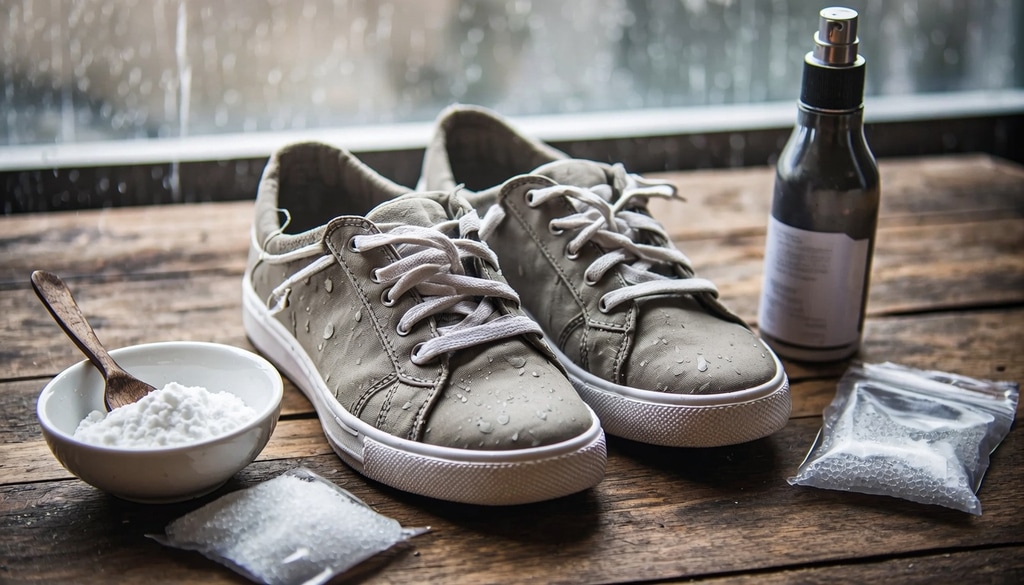
Eliminate smelly monsoon footwear with these simple daily habits, proper drying techniques, and tips; Photo Credit: iStock
Some Shoe Care Products You May Like
1. Mannlich Shoe & Foot Deodorizer Spray
2. Footvital Shoe Deodorizer Spray
3. Gecko Natural Shoe & Sneaker Spray
4. Dr. Scholl's Odor Destroyer Deodorant Spray
5. awenest Shoe Deodorizer & Refresher Spray
6. Dr. Scholl's Odor-x Sweat Absorbing Foot Powder
7. CZ-IT Shoe Odour Absorber
8. Hygeen Refined & Activated Charcoal Shoe Deodorizer Pouches
Shoe care products help keep shoes clean, soft and long lasting with simple care. Use cleaners, conditioners and protectors based on shoe material for best results. Wipe shoes after use and store them in a dry place to avoid damage. Choose products on Amazon that suit your daily routine and check offers for value.
Frequently Asked Questions (FAQs)
1. Why do my shoes smell even after drying?
The smell usually comes from bacteria that are trapped inside the lining and insoles of shoes. Drying alone may not remove them fully; that's why cleaning and deodorising also help.
2. Can baking soda remove shoe odour?
Yes, it definitely can. Baking soda is one of the best home-based methods to reduce moisture and remove the bad and foul smell from your shoes. To do this, take a teaspoon of baking soda and then leave it in your shoes overnight.
3. How often should I clean my shoes during the monsoon?
For daily-use footwear, light cleaning every week and deeper cleaning every two to three weeks usually works fine.
4. Are waterproof shoes better for preventing smell?
Even waterproof shoes are not fully waterproof nowadays. You need to store them as well in the same way as normal shows if you don't want them to smell every time you wear them.
5. What is the fastest way to dry wet shoes?
Removing insoles, stuffing shoes with newspaper, and keeping them in a well-ventilated area with airflow is generally the safest and fastest method.
(Disclaimer: This article may include references to or features of products and services made available through affiliate marketing campaigns. NDTV Convergence Limited (“NDTV”) strives to maintain editorial independence while participating in such campaigns. NDTV does not assume responsibility for the performance or claims of any featured products or services.)