How To Reuse Designer Blouses with Multiple Sarees: The Ultimate Guide
Make one designer blouse work with many sarees. This practical guide shares smart colour pairing, fabric contrasts, and styling tricks to help you rewear blouses effortlessly for weddings, festivals, and everyday occasions. Rewear your designer blouse with different sarees using these useful tips.
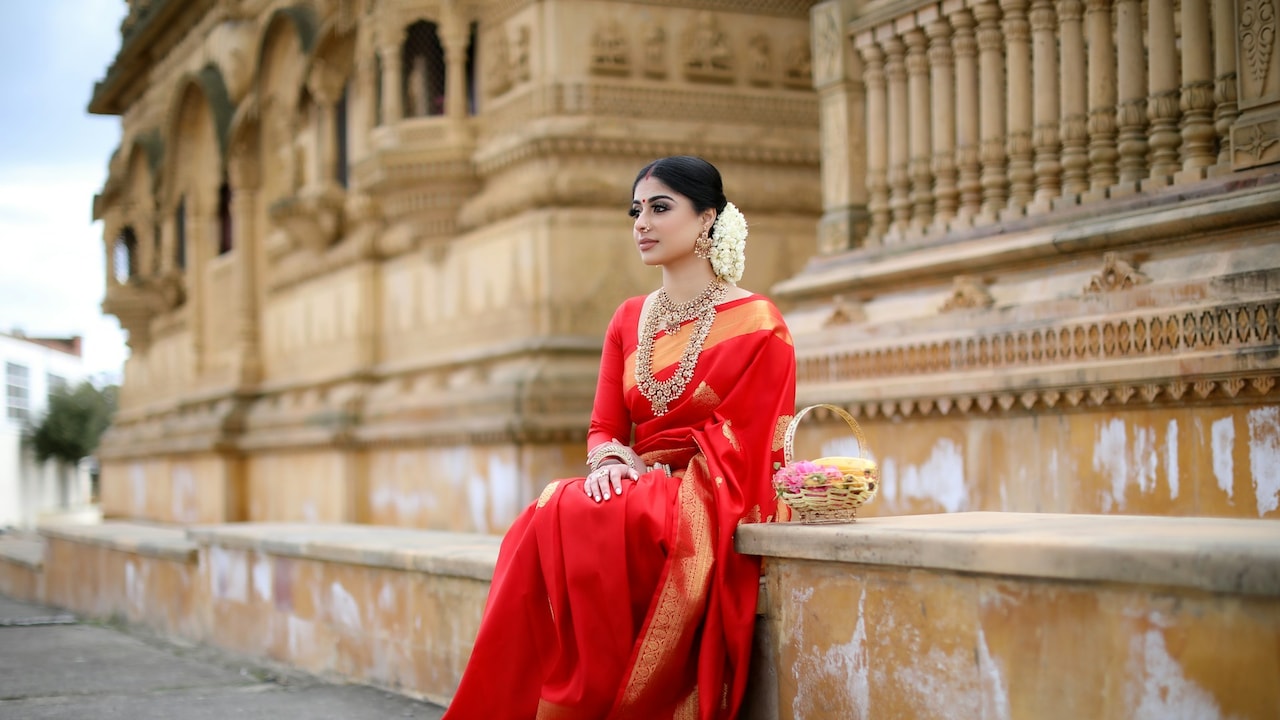
How To Reuse Designer Blouses With Different Sarees: A Complete Styling Guide.
A designer blouse rarely comes cheaply. Between intricate embroidery, fine fabrics, and skilled tailoring, prices often begin at ₹3,000 and climb quickly. Still, many end up worn once, paired with the original saree, then carefully folded away. That feels like a missed opportunity. Sarees, by nature, invite experimentation. A designer blouse can do the same. With the right approach, one blouse can complement five or even ten sarees. The secret lies in understanding balance, proportion, and occasion. So, know how to reuse designer blouses with multiple sarees.
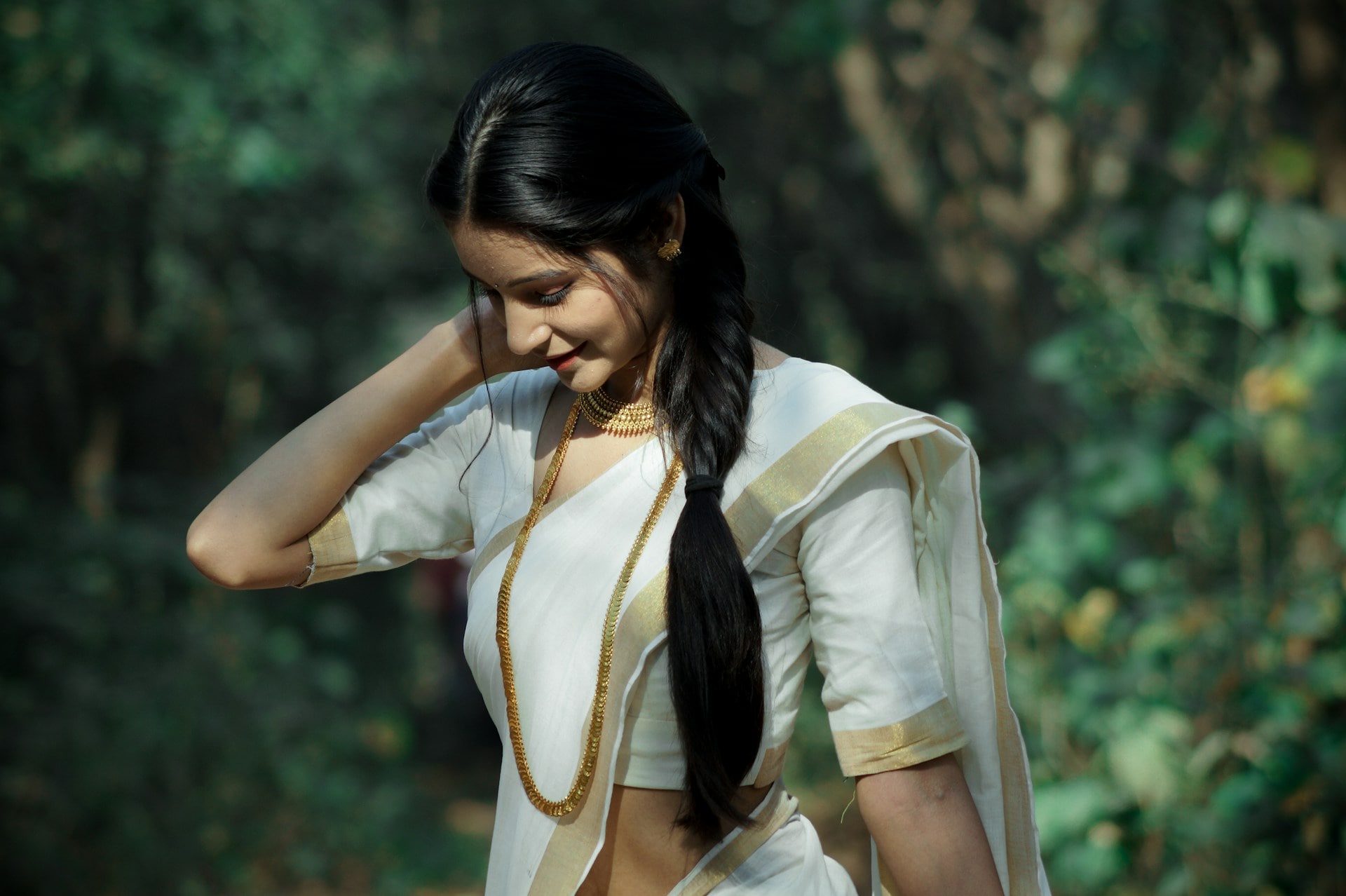
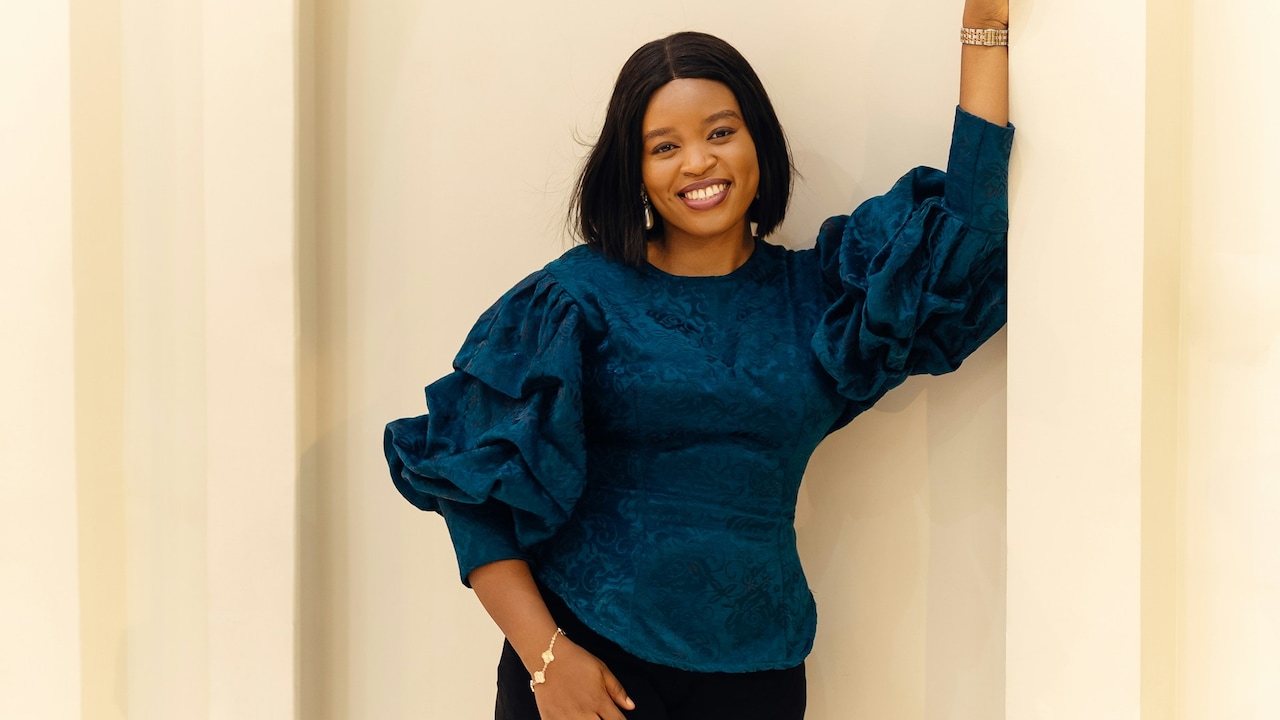
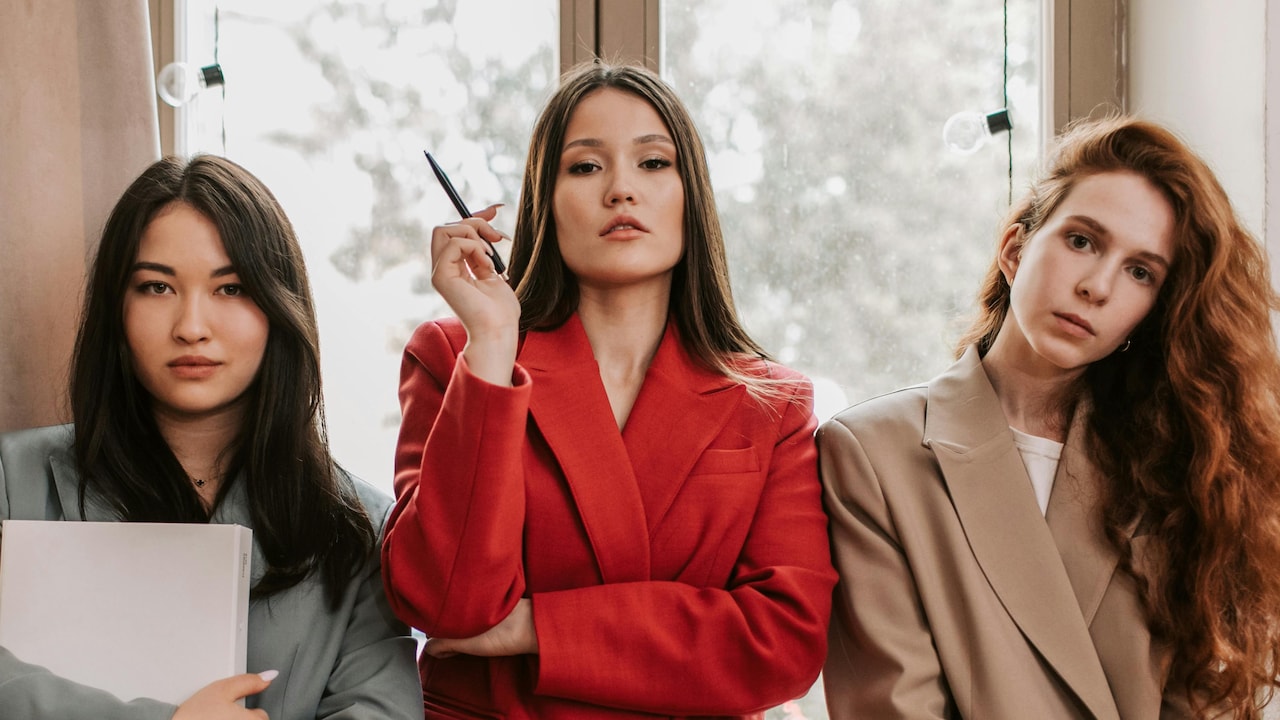
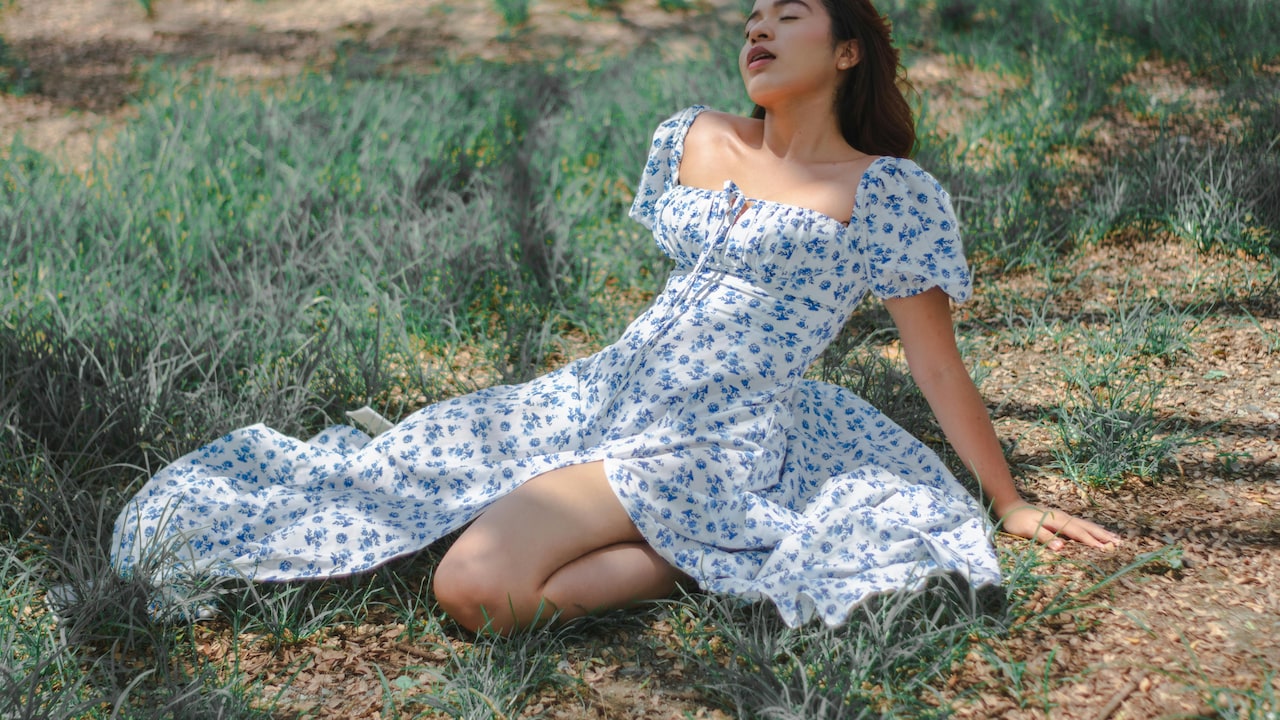
Explore how you can style your favourite designer blouse with different sarees; Photo Credit: Unsplash
This guide focuses on practical, wearable ideas rooted in everyday celebrations, family functions, festivals, and social gatherings. Think wedding seasons, festive dinners, office parties, and casual outings. Each tip aims to make dressing feel joyful rather than stressful. Style should never feel restricted or repetitive.
Where Thoughtful Styling Meets Timeless Wardrobe Wisdom
1. Start with Colour Harmony, Not Exact Matching
Many believe a blouse must perfectly match a saree. That myth needs retirement. Colour harmony works far better than identical shades. A wine-coloured blouse can pair beautifully with beige, blush pink, or even deep green sarees. The trick lies in undertones.
Warm-toned blouses sit well with earthy hues like mustard, rust, cream, and olive. Cool-toned blouses flatter greys, blues, and jewel shades. A black designer blouse, especially with textured fabric or subtle embellishment, becomes a wardrobe hero. It complements printed cotton sarees for daytime and silk sarees for evening events.
Neutral blouses deserve special mention. Ivory, antique gold, champagne, and dove grey blend effortlessly with multiple sarees. Such blouses save time during busy mornings and reduce the need for last-minute tailoring.
When unsure, drape the saree loosely over the blouse in front of a mirror. If the colours talk rather than shout, the pairing works.
2. Let Fabric Contrast Do the Heavy Lifting
Fabric plays a silent yet powerful role in styling. Pairing similar textures often feels predictable. Mixing fabrics creates interest without effort.
A heavily embroidered velvet blouse can elevate a simple chiffon or georgette saree. Conversely, a raw silk or brocade blouse adds structure to soft, flowy fabrics. A cotton silk blouse pairs surprisingly well with organza sarees, striking a balance between crisp and airy.
Seasonal dressing matters too. Rich fabrics like velvet, tussar, and silk feel perfect during winter weddings. Lighter blouses in linen blends or cotton suit summer brunches and day functions.
Fabric contrast allows the same blouse to adapt across occasions. A zari blouse worn with a festive silk saree can later appear with a handloom cotton saree for a cultural event. That versatility justifies the investment and keeps wardrobes feeling fresh.
3. Use Necklines to Change the Mood
Neckline design influences how formal or relaxed an outfit appears. A high-neck blouse paired with a saree creates a regal, elegant look, ideal for receptions or evening functions. The same blouse, when styled with a minimal saree and statement earrings, works for art exhibitions or formal dinners.
Deep necklines add drama and suit celebratory occasions. A deep V or sweetheart neckline blouse can look entirely different when paired with contrasting sarees. With a heavily draped silk saree, the look feels bridal. With a soft pastel saree, it feels contemporary.
Boat necks, square necks, and collared blouses offer modern versatility. They transition easily between day and night. Add a belt, brooch, or layered jewellery to switch moods.
A well-designed neckline ensures the blouse never feels repetitive, even when worn often.
4. Sleeves Matter More Than Expected
Sleeves often get overlooked, yet they hold immense styling power. Full-sleeve blouses with embroidery or sheer detailing work across multiple sarees effortlessly. They feel elegant, forgiving, and timeless.
Elbow-length sleeves suit formal events and family gatherings. They pair well with traditional silks and cotton sarees alike. Sleeveless blouses, when tailored well, suit warm weather and casual occasions. Layering with a light dupatta or jacket adds versatility.
Statement sleeves deserve a special mention. Bell sleeves, cape sleeves, or puffed shoulders turn a simple saree into a fashion-forward ensemble. Such blouses shine best with plain or lightly textured sarees.
Sleeve styling allows experimentation without altering the saree. One blouse, several moods, endless compliments.
5. Embroidery Placement Changes Everything
Embroidery does not need to cover the entire blouse to make an impact. Strategic placement matters more. Heavy front embroidery pairs well with plain or lightly bordered sarees. It draws attention upwards and keeps the look balanced.
Back embroidery offers surprise and drama. Such blouses pair beautifully with sarees draped to showcase the back, especially for weddings or festive evenings. Aari, zardozi, mirror work, or thread embroidery each brings a different vibe.
Minimal embroidery along the neckline or sleeves works well for office events and smaller functions. These blouses adapt easily across sarees, from handloom cottons to festive silks.
Avoid overloading both the blouse and the saree with heavy work. Let one element lead while the other supports. That balance ensures elegance over excess.
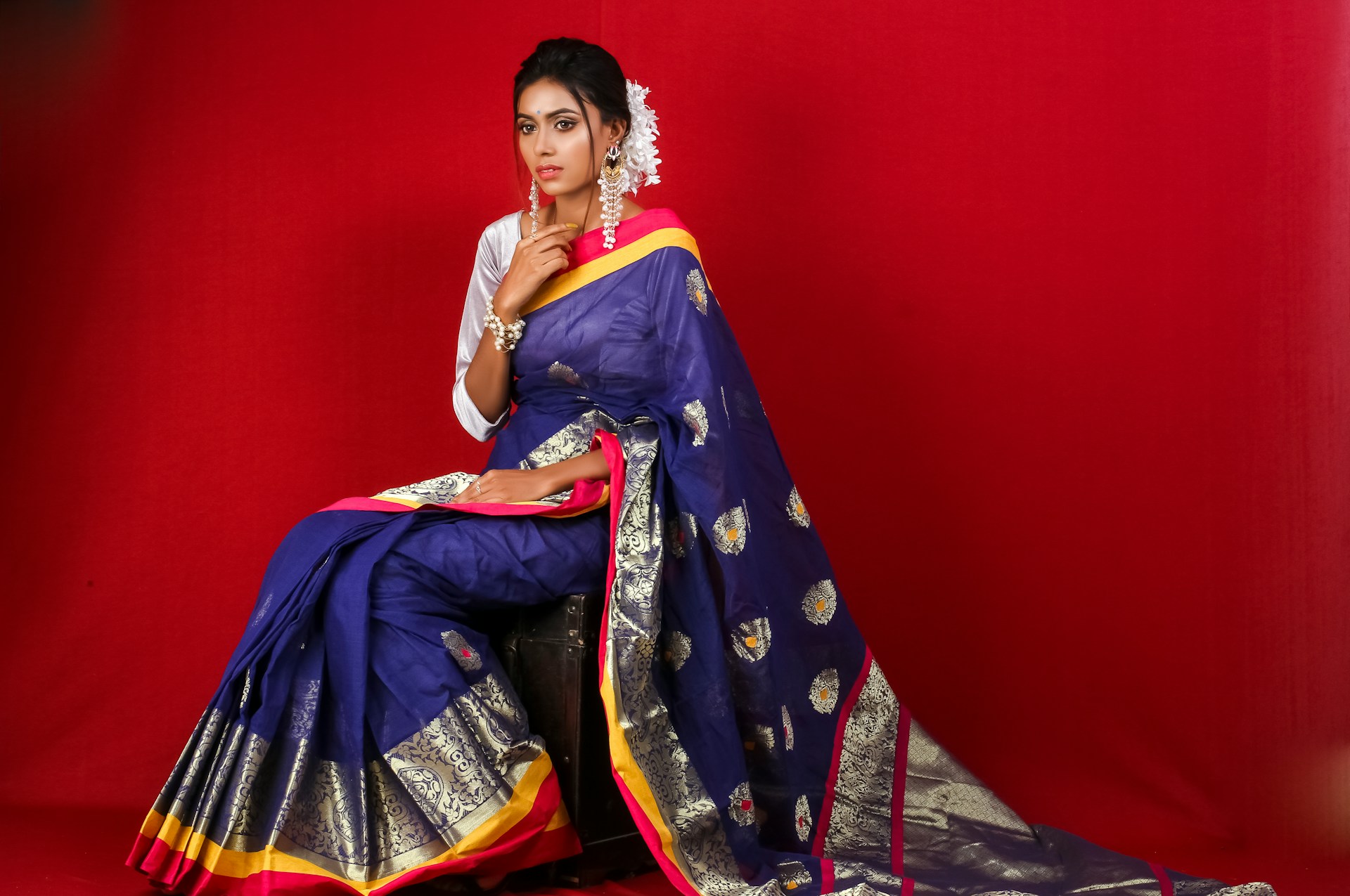
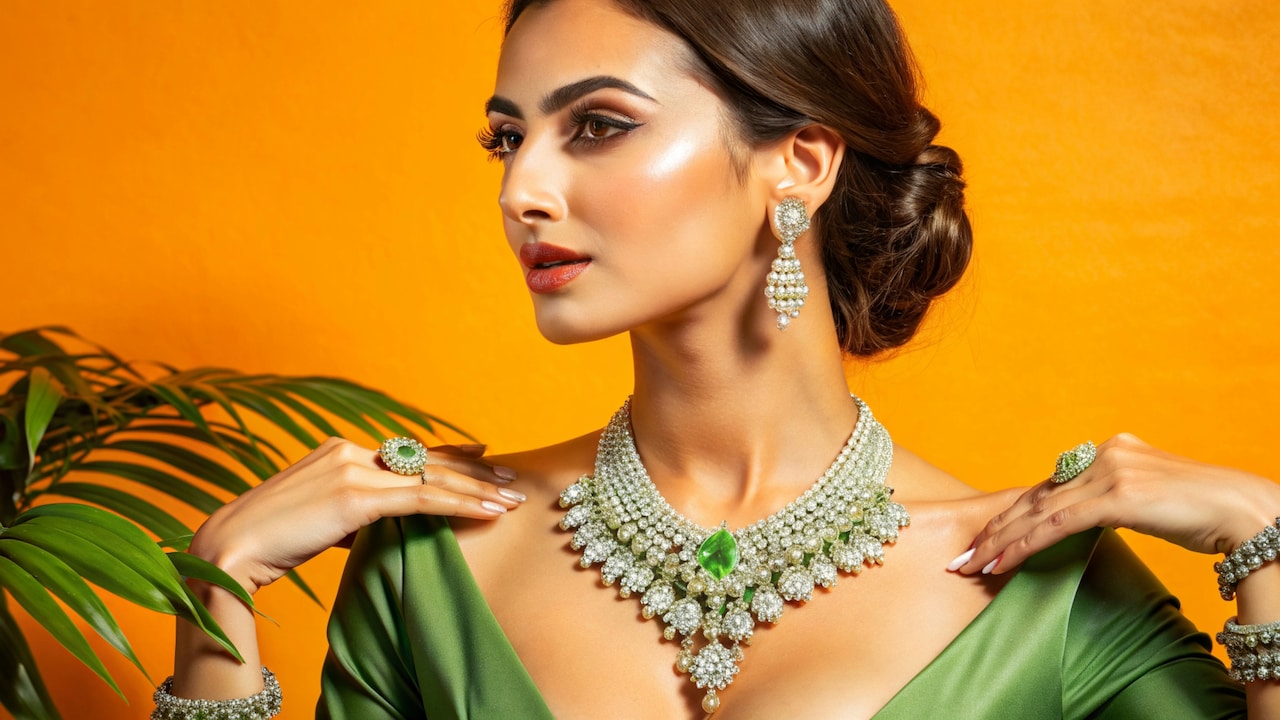
Always choose a blouse that complements your saree design and doesn't go against it; Photo Credit: Unsplash
6. Prints and Patterns Are Not Off-Limits
Printed blouses often get unfairly labelled as casual. In reality, they offer immense reuse potential. Floral, geometric, block prints, and abstract designs pair well with plain sarees and even subtle zari borders.
A printed blouse can tone down an otherwise heavy saree, making it suitable for daytime events. Conversely, a bold printed blouse adds personality to neutral sarees.
Stripes and checks deserve attention too. They create structure and look chic when paired with solid-coloured sarees. Kalamkari or ajrakh-inspired prints add cultural depth and suit both festive and semi-formal occasions.
Printed blouses feel playful and expressive. They break monotony and invite creativity, especially for those who enjoy experimenting with style.
7. Borders and Pallus Can Guide Pairings
When reusing blouses, observe the saree border and pallu closely. A blouse colour or motif that echoes these elements creates cohesion.
A blouse with gold accents pairs beautifully with sarees featuring gold zari borders. Similarly, a blouse with hints of maroon or teal can complement sarees with matching details, even if the base colour differs.
Plain sarees with statement pallus allow bold blouse choices. Conversely, heavily patterned sarees benefit from simpler blouse designs.
Using the border as a guide simplifies decision-making. It ensures the outfit feels intentional rather than hurried. That small detail often separates a well-styled look from an average one.
8. Accessories Can Redefine the Same Blouse
Accessories act as silent stylists. The same blouse can look entirely different with a change in jewellery, footwear, or hair.
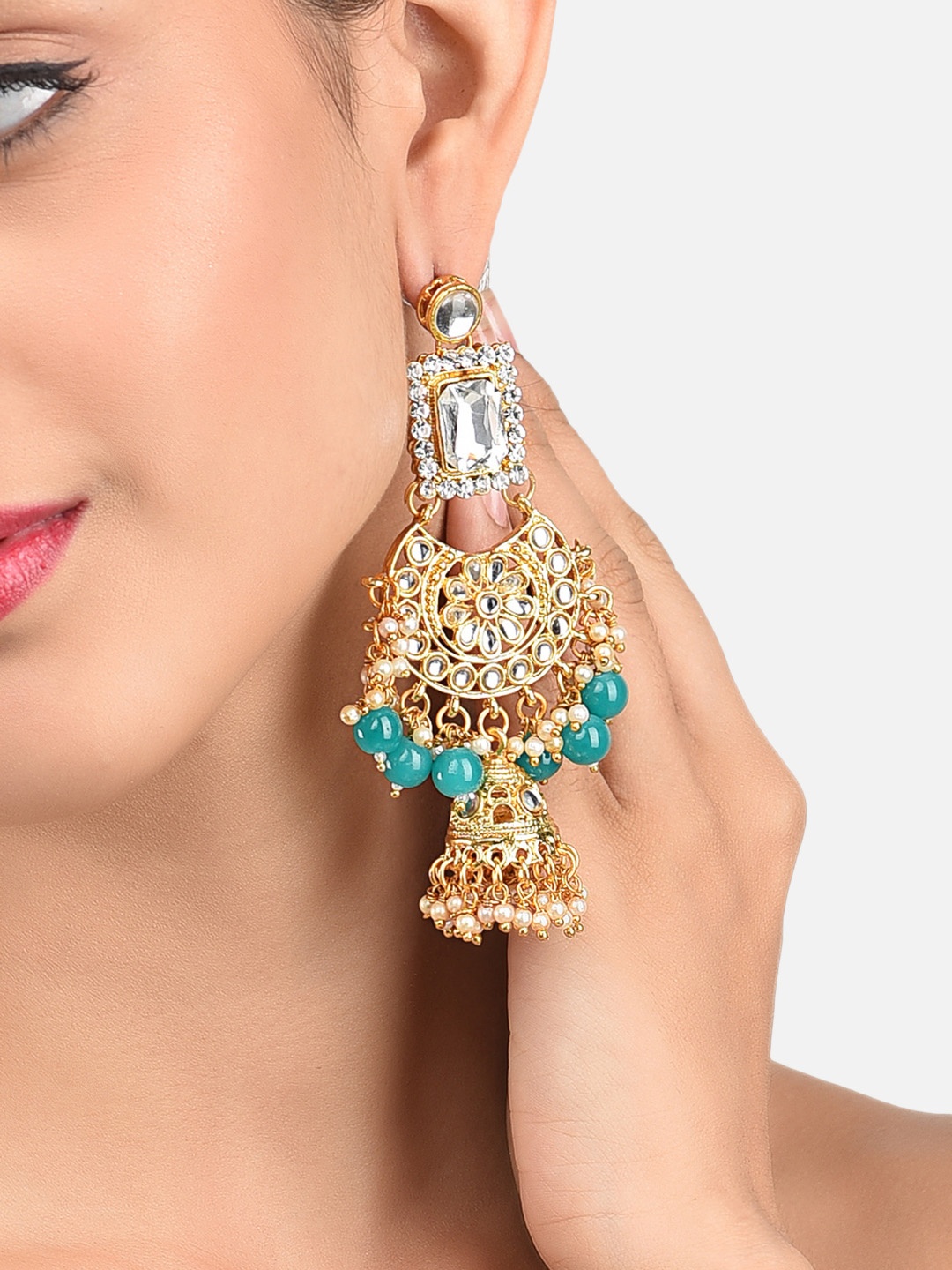
Temple jewellery lends a traditional touch. Polki or kundan sets add grandeur. Oxidised silver creates a contemporary, artistic vibe. Even simple pearl strings soften the look for daytime wear.
Belts, waist chains, and brooches add structure and interest. A kamarbandh over a saree instantly elevates the outfit. Footwear matters too. Kolhapuris suit casual sarees, while embellished heels complement festive ones.
By rotating accessories, a single blouse feels new each time. That approach keeps styling playful and budget-friendly.
9. Occasion-Based Styling Makes Reuse Seamless
Styling should always respect the occasion. A heavily embellished blouse may feel excessive for a morning pooja but perfect for an evening wedding. The solution lies in pairing it with understated sarees for simpler events.
For office parties or formal gatherings, pair designer blouses with minimal sarees and subtle jewellery. For festivals, embrace colour, texture, and layered accessories.
Casual outings invite experimentation. Pair designer blouses with cotton sarees, linen drapes, or even pre-draped styles. That mix of high and low keeps looks interesting.
Thinking occasion-first removes hesitation and encourages reuse. Clothes exist to be worn, not stored.
10. Tailoring and Fit Extend a Blouse's Life
No amount of styling compensates for poor fit. A well-tailored blouse flatters across sarees and occasions. Adjustable hooks, extra margins, and thoughtful stitching allow comfort and longevity.
Opt for classic cuts that age well. Avoid trends that feel restrictive or overly dramatic unless balanced with neutral elements. Regular maintenance matters too. Dry clean delicate fabrics, air them after wear, and store carefully.
Minor alterations, like changing sleeve length or adding tassels, refresh older blouses. Such tweaks cost far less than buying new ones and keep wardrobes evolving.
A good blouse, cared for well, becomes a trusted companion across years and celebrations.
Products Related To This Article
1. HERE&NOW Embroidered Saree Blouse
2. Soch Cotton Princess Cut With Floral Sleeves Blouse
3. De Moza Women V-Neck Sleeveless Saree Blouse
4. SALWAR STUDIO Cotton Lycra V Neck Saree Blouse
5. RAGHUVEER CREATION White Ready to Wear Saree Blouse
Reusing designer blouses reflects smart styling, not compromise. It celebrates creativity, sustainability, and mindful fashion choices. With thoughtful colour play, fabric contrast, and occasion-aware styling, one blouse can tell many stories.
Wardrobes need not overflow to feel abundant. Sometimes, all it takes is a fresh perspective and a willingness to experiment. That treasured blouse deserves more than one outing. Let it shine across sarees, seasons, and celebrations, each time with renewed charm and confidence. Style, after all, thrives on imagination, not excess.
(Disclaimer: This article may include references to or features of products and services made available through affiliate marketing campaigns. NDTV Convergence Limited (“NDTV”) strives to maintain editorial independence while participating in such campaigns. NDTV does not assume responsibility for the performance or claims of any featured products or services.)