How To Spot Quality Tops From Online Photos When You Can't Touch The Fabric
Online photos can flatter even poor-quality tops. This guide reveals how to judge fabric, stitching, fit, and finish using images alone, so every purchase feels worth the money and avoids return-day regret.
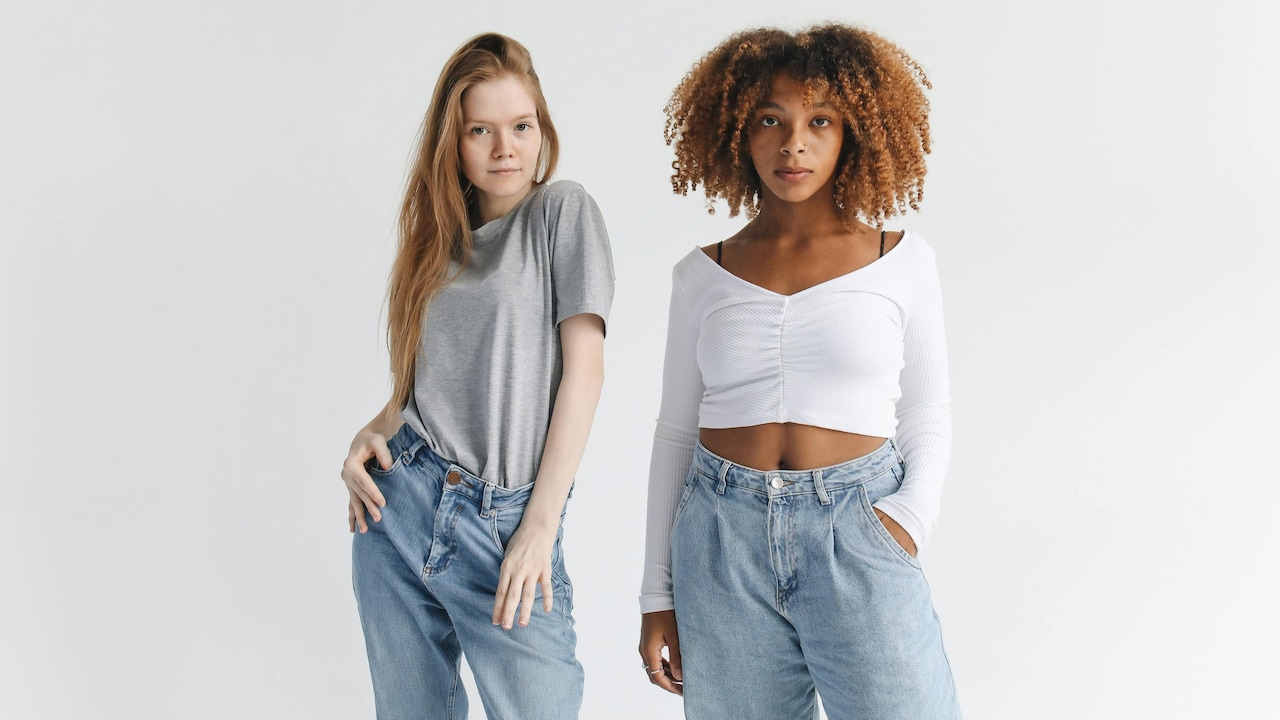
How To Spot High-Quality Tops in Online Images: Just Check Out This Complete Guide.
Online fashion shopping has turned into a daily habit. A quick scroll during a tea break, a tempting discount banner, and suddenly a new top sits in the cart. The problem starts when expectations meet reality. Many shoppers have faced the heartbreak of thin fabric, awkward fits, or colours that look nothing like the picture. The truth hides in plain sight. Product photos speak loudly, but only to those who know how to read them. Brands rarely lie outright, but clever photography often masks flaws.
This article cuts through the filters and fancy poses. It focuses on practical ways to judge quality tops from online images alone. Once these signs become familiar, online shopping stops feeling like a gamble and starts feeling like a skill.
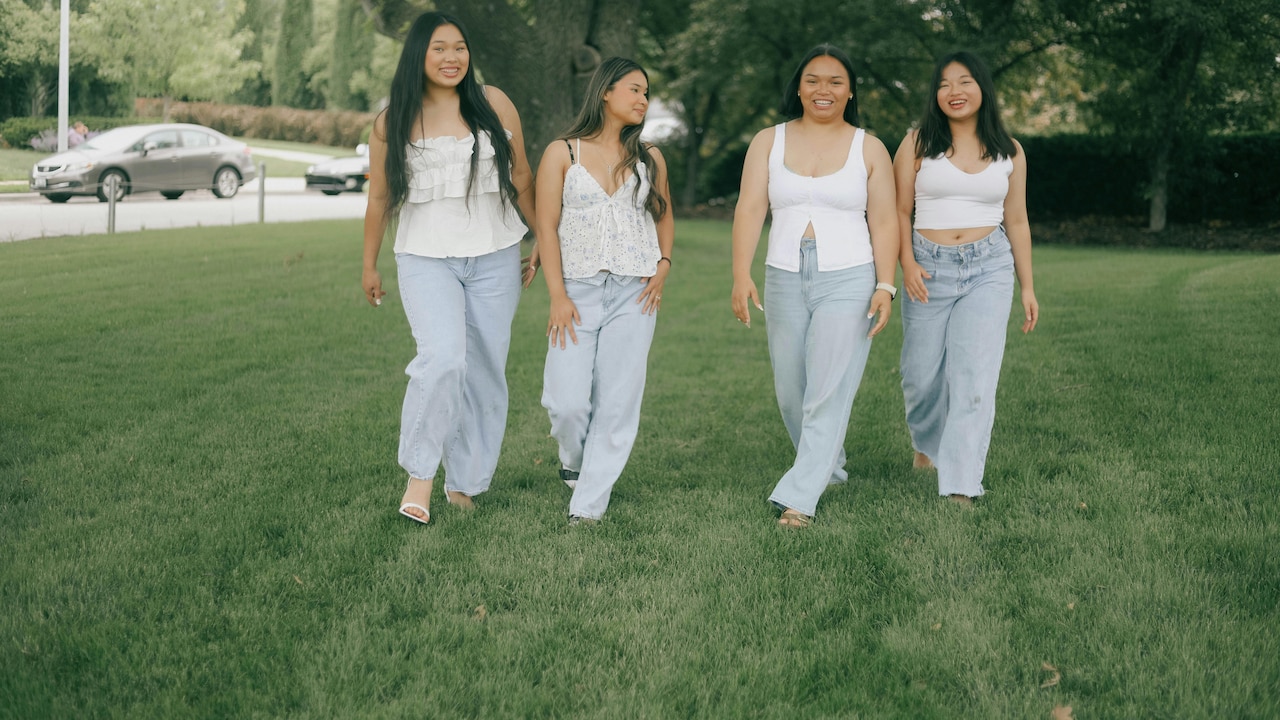
How To Spot Quality Tops From Online Photos: Here Is The Truth
Photo Credit: Pexels
What Online Photos Reveal About a Top's True Quality
1. Fabric Texture Shows in the Details
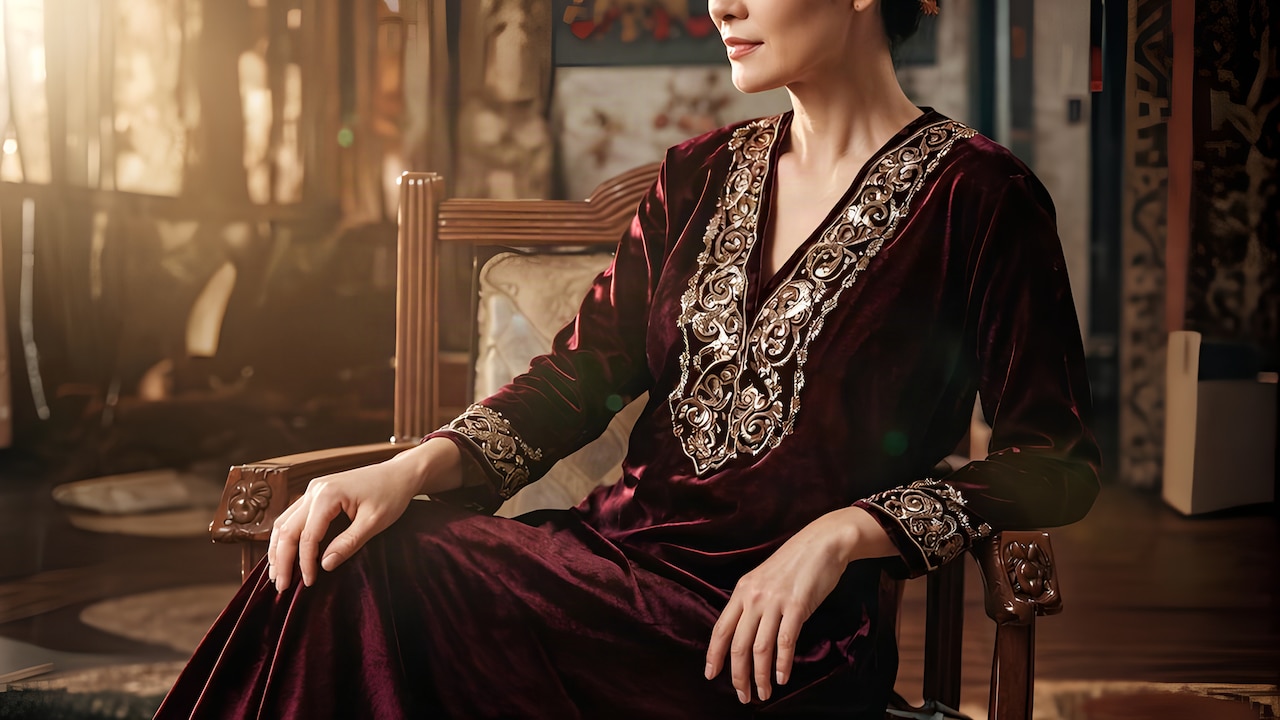
Fabric quality reveals itself through texture, even on a screen. High-quality tops show depth. The surface looks rich rather than flat. Cotton appears soft with gentle creases. Linen shows natural slubs instead of a smooth plastic look. Synthetic fabrics often shine unnaturally under light, which signals low quality.
Zooming into product images helps. A good brand allows close-up shots. If the fabric looks overly smooth with no visible weave, caution helps. Cheap materials often blur texture to hide thinness. Quality fabrics show subtle imperfections, which actually signal authenticity.
Another clue lies in how light falls on the fabric. Strong glare typically indicates a polyester-heavy blend. Matte finishes suggest breathable material, perfect for warm weather. A top meant for daily wear should not look stiff like wrapping paper.
When photos show the fabric folding naturally around the body, trust builds. If it sticks awkwardly or looks glued in place, the material likely lacks flow. Texture never lies when observed.
2. Stitching Speaks Louder Than Brand Names
Stitching is often overlooked, yet it reveals craftsmanship instantly. Clear photos around seams, hems, and necklines show whether a top deserves trust. Straight, even stitches signal quality. Crooked lines or loose threads whisper trouble.
Brands confident in their product usually show close-ups of seams. When images hide these areas, suspicion makes sense. Look closely at sleeve ends and hemlines. Clean finishes matter. A rolled hem that lies flat shows attention to detail.
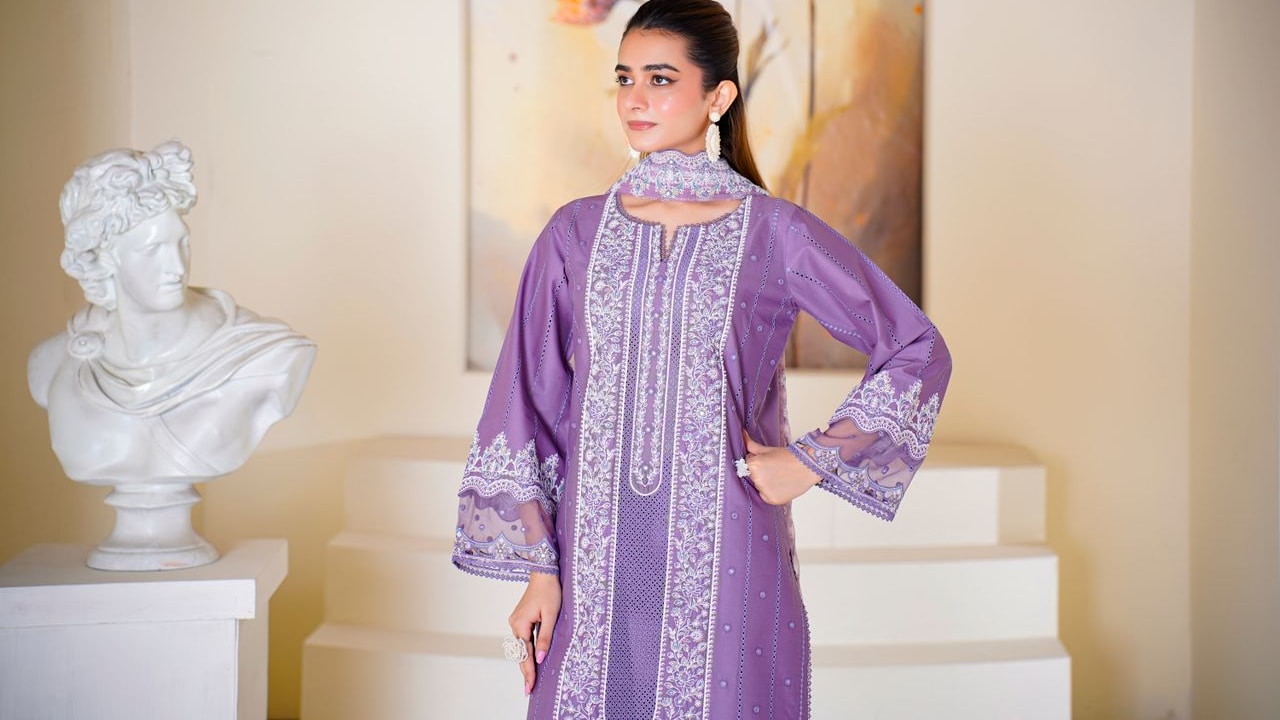
Necklines deserve special focus. Poor stitching here leads to stretching after one wash. A well-stitched neckline holds shape and sits neatly. Decorative stitches also offer clues. If embroidery looks dense and even, quality follows.
Mass-produced low-quality tops often show puckering around seams. That means the fabric pulls under the stitching tension. Good tailoring avoids this issue. Stitching might sound boring, but it separates a ₹499 regret from a ₹999 favourite worn for years.
3. Fit and Drape Tell a Hidden Story
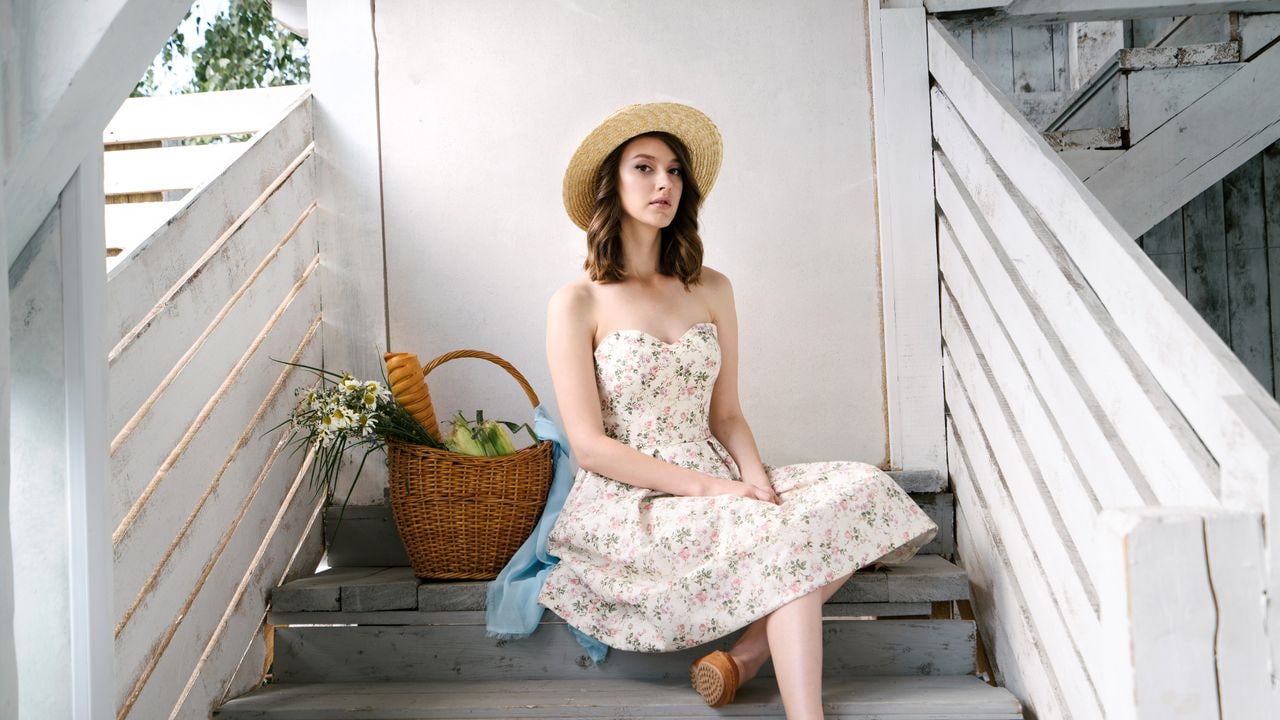
Fit speaks volumes about quality. A well-made top drapes naturally on the model's body. It does not cling awkwardly or stand stiffly like cardboard. Observe how the fabric falls from the shoulders to the waist. Smooth flow signals good construction.
Check underarms and bust areas. Poor fit often causes pulling or creasing here. Quality tops allow ease without excess fabric. Sleeves should sit comfortably without ballooning unless designed that way.
Photos where the model moves slightly offer better clues. Static poses hide flaws. Brands showing walking or turning shots feel confident about fit. When fabric moves gracefully, construction supports comfort.
Also, notice how the top behaves at the waist. Cheap tops ride up or bunch. Good ones maintain structure. If styling pins or clips appear at the back, beware. Over-styled photos often hide a poor fit. Natural drape rarely needs tricks.
Also Read: Top 5 Ethnic Wear Styles That Ruled Festive Dressing In 2025
4. Colour Accuracy Matters More Than Trends
Colours attract clicks, yet they deceive easily. Quality brands present colours honestly. Over-saturated images often signal editing tricks. If every shade looks neon bright, reality may disappoint.
Check if the same top appears in multiple photos under different lighting. Consistent colour across images builds trust. When colour changes drastically, filters probably work overtime. Also read shade names carefully. “Dusty rose” rarely looks like hot pink in real life.
Fabric quality affects colour depth. Rich fabrics hold pigment better. Flat-looking colours suggest cheaper dyes. Whites deserve special attention. True white appears soft, not bluish. Off-white should look intentional, not dull.
Backgrounds also matter. Neutral backgrounds allow accurate colour judgement. Busy backdrops distract and mask tone. If the brand shows the top paired with various outfits, colour versatility becomes clearer. Honest colour presentation saves both money and mood.
5. Model Styling Can Reveal the Truth
Styling choices often hide flaws or highlight strengths. Watch closely. If a top needs heavy layering, statement jewellery, or tucked-in tricks, it may lack stand-alone appeal. Quality tops look good even with minimal styling.
Check how sleeves get styled. Rolled sleeves might hide awkward lengths. Tucked hems could mask uneven cuts. When a model holds a bag strategically across the torso, something might feel off.
Hair placement offers clues, too. Hair covering the shoulders sometimes hides poor stitching or fabric transparency. Brands confident in quality show clean, unobstructed views.
Footwear and bottoms matter as well. If everything else screams luxury while the top looks average, styling tries to compensate. A good top holds its own. It complements, not hides behind, accessories. Observant eyes spot these subtle tricks quickly.
6. Fabric Weight Shows Through Structure
Fabric weight affects comfort and durability. Photos often hint at this. Lightweight fabrics appear airy and fluid. Heavy fabrics hold shape and structure. Problems arise when a top looks too thin for its design.
Observe collars and plackets. Do they collapse or stay firm? Collapsing collars indicate flimsy fabric. Quality tops maintain shape without stiffness. Sleeves also reveal weight. Overly limp sleeves suggest thin material.
Sheer fabrics show transparency in bright light. If innerwear outlines appear clearly, fabric thickness might disappoint unless intentional. Good brands mention lining or layering details and show it visually.
Pleats and gathers test fabric weight, too. They should fall evenly. If they look crushed or undefined, the fabric lacks body. Balanced weight ensures a top survives repeated wear and washes without losing charm.
7. Print Quality Gives Away the Game
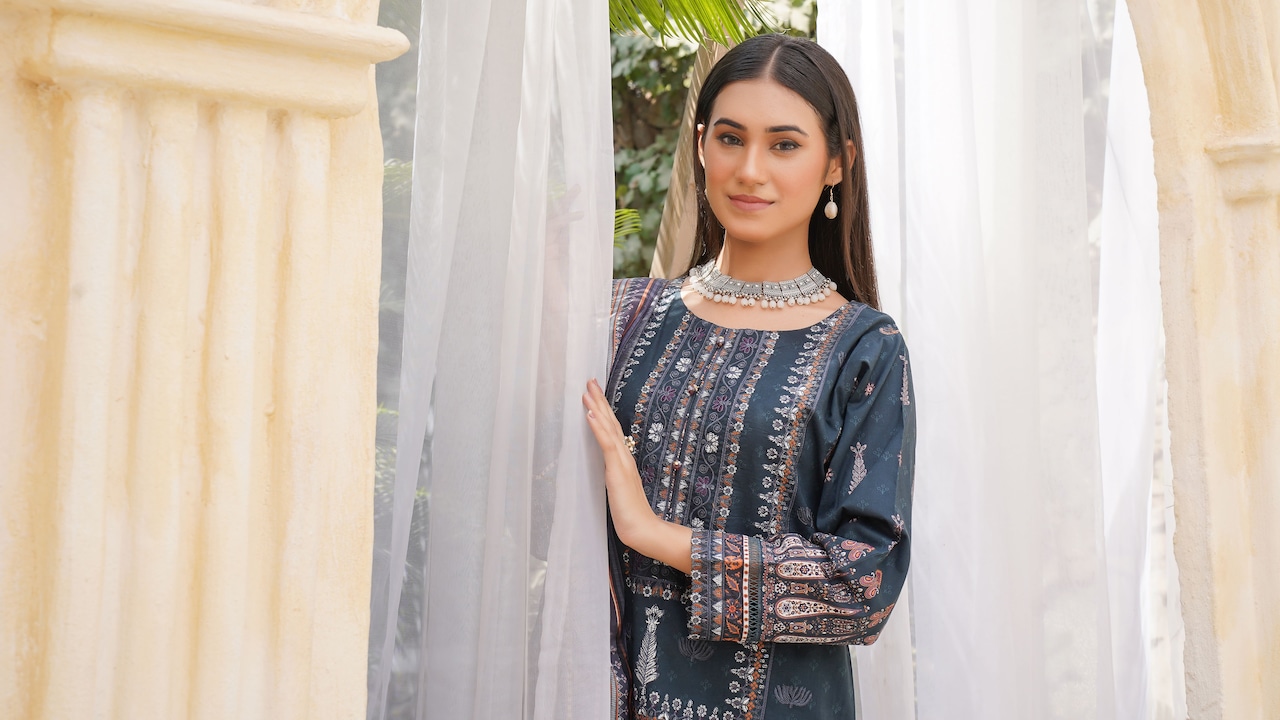
Prints tell a powerful story. High-quality prints look sharp. Edges appear clean. Colours align perfectly. Blurry prints suggest poor printing methods that fade quickly.
Zoom into printed areas. Pixelation often signals digital printing on low-grade fabric. Quality prints integrate with fabric texture rather than sitting awkwardly on top.
Alignment matters too. Prints should match at seams. Misaligned patterns show rushed manufacturing. Floral or geometric designs should flow naturally across panels.
Also, notice the scale. Prints that look disproportionately large or oddly placed might hide cutting flaws. Good design respects proportion. A well-printed top remains vibrant after washes, while cheap prints crack or fade. Photos often reveal which category a top belongs to.
8. Buttons, Zips, and Trims Never Lie
Small details expose quality instantly. Buttons should look sturdy, not flimsy. If they appear thin or uneven, longevity suffers. Quality buttons sit flat and align neatly.
Zips deserve attention, too. Hidden zips should blend smoothly. Visible zips should look strong and polished. Cheap zips shine too much or appear wavy in photos.
Trims like lace, tassels, or piping show craftsmanship levels. Neatly attached trims signal care. Loose ends or uneven placement hint at rushed work.
Even embellishments matter. Beads and sequins should sit evenly without gaps. Overcrowded embellishments often hide weak fabric beneath. Strong tops balance decoration with structure. When details look thoughtfully placed, quality usually follows.
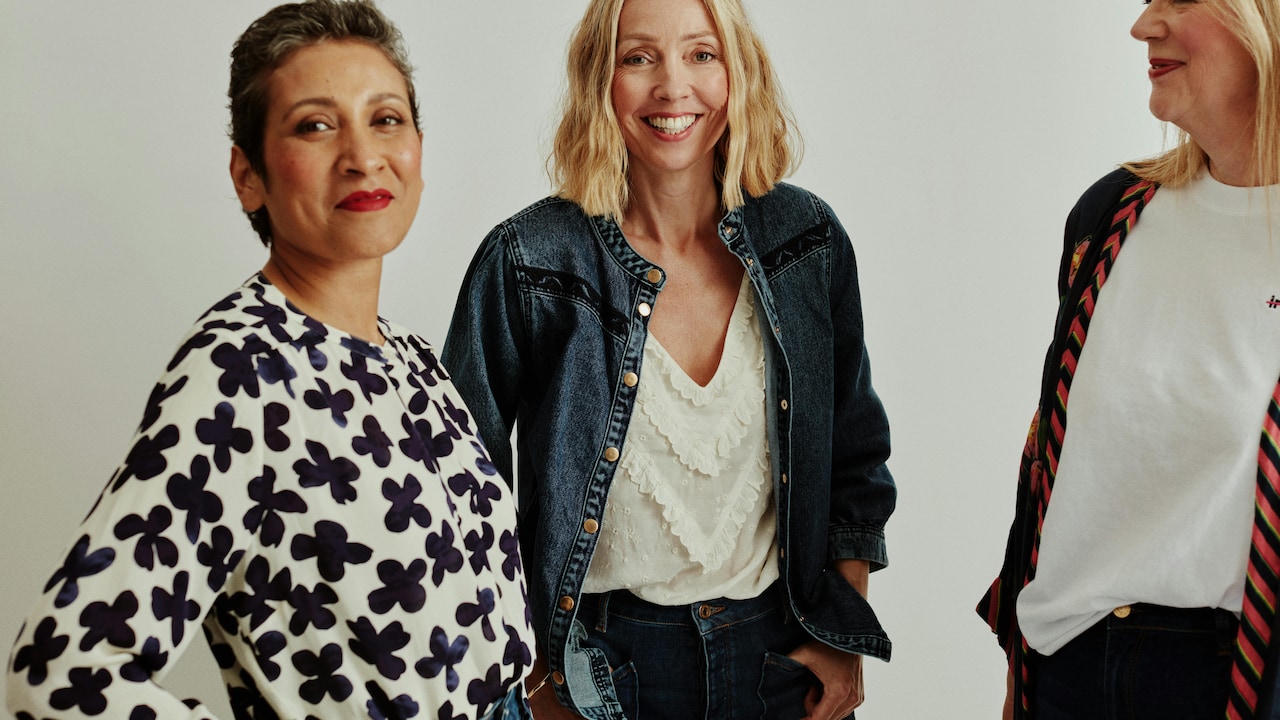
How To Spot Quality Tops From Online Photos: Here Is The Truth
Photo Credit: Pexels
9. Size Charts and Visual Consistency
A reliable size chart supports quality claims. Brands showing measurements clearly often take fit seriously. When photos align with size descriptions, trust increases.
Look for consistency across images. The same top should look similar on different models or sizes. If fit changes dramatically, cutting quality might vary.
Sleeve length, neckline depth, and hemline should stay consistent. Extreme variation suggests poor quality control. Good brands maintain standards across batches.
Also, observe the model height mentioned in the descriptions. If a top looks cropped on one model and long on another of similar height, sizing accuracy suffers. Visual consistency saves returns and frustration. It reflects behind-the-scenes discipline in manufacturing.
10. The Background Story in Photos
Backgrounds do more than decorate. Studio shots with clean lighting allow better assessment. Natural light photos often reveal true fabric behaviour. Outdoor shots show how fabric responds to sunlight and movement.
If a brand shows the top in everyday settings, confidence shines through. Overly dramatic studio setups sometimes distract from flaws. Simplicity works better for honest evaluation.
Check for shadows and wrinkles. Quality fabrics crease naturally but recover well. Excessive wrinkling signals poor fabric quality.
Also note repetition. If the same pose appears across multiple products, images may come from a generic shoot. Unique photos suggest a genuine focus on each piece. Backgrounds quietly support the truth behind the top.
Products Related To This Article
1. Style Quotient Self Design Tie-Up Neck Puff Sleeve Cotton Top
2. DressBerry Red & Blue Floral Embroidered Keyhole Neck Puff Sleeve Empire Top
3. all about you Floral Print Mandarin Collar Puff Sleeves Cotton Shirt Style Top
4. Style Quotient Schiffli Puff Sleeve Cotton Regular Top
5. Roadster The Lifestyle Co. Off-Shoulder Top
6. All about you Ethnic Print Top
7. All about you Yellow & Off White Floral Print Mandarin Collar Puff Sleeve Cotton Top
Online photos rarely lie outright, but they often whisper half-truths. Learning to listen makes all the difference. Quality tops reveal themselves through fabric texture, stitching, fit, colour, and small details. Observant shoppers develop an eye that filters marketing noise from reality. Fashion should feel joyful, not stressful. With these simple yet powerful visual cues, online shopping becomes less about luck and more about confidence. The truth sits right there on the screen, waiting to be noticed.
(Disclaimer: This article may include references to or features of products and services made available through affiliate marketing campaigns. NDTV Convergence Limited (“NDTV”) strives to maintain editorial independence while participating in such campaigns. NDTV does not assume responsibility for the performance or claims of any featured products or services.)