How To Stop Shorts From Rolling Up: 10 Proven Fit Fixes For Comfort
Shorts keep rolling up? It's usually fit, not you. Try these simple hacks: better inseam length, smoother fabric, and thigh-friendly cuts to stay comfortable on the move. Check these top 10 tips on how to stop shorts from rolling up in an ungainly manner.
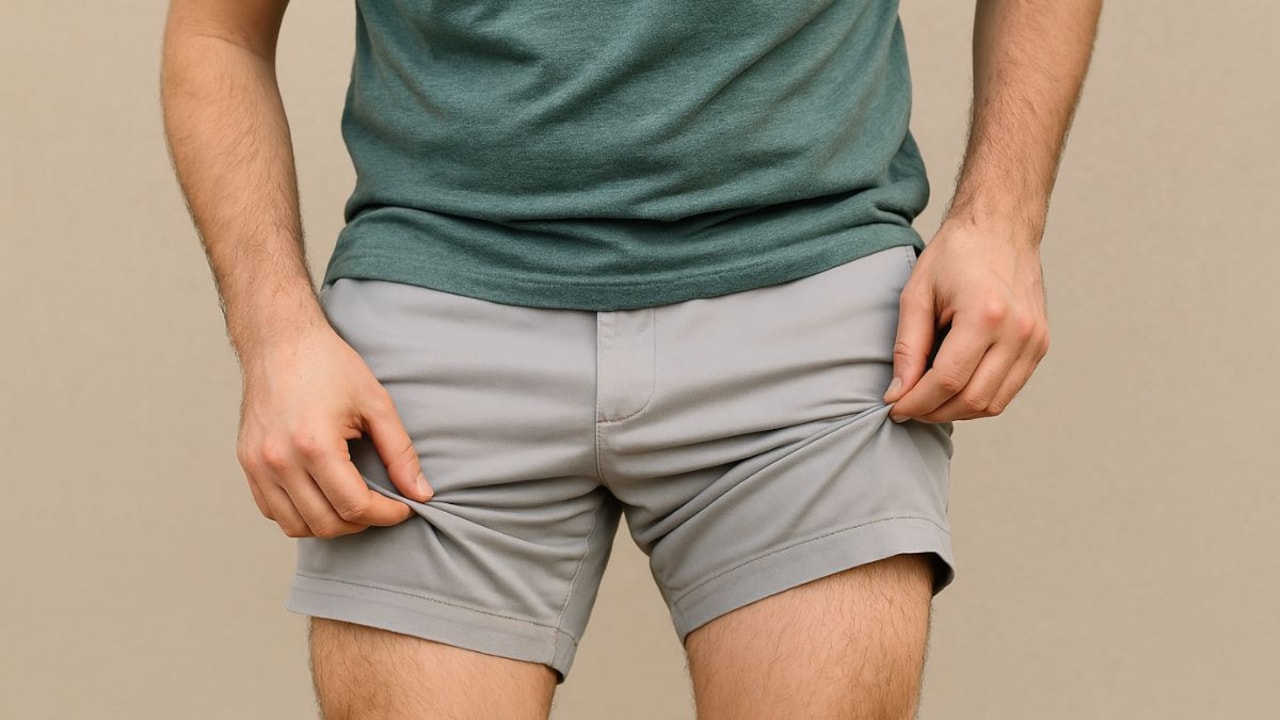
You can easily stop your shorts from rolling up with these 10 expert fit fixes for all-day comfort.
Shorts are meant to feel easy. Pull on, step out, done. Yet plenty of people know the classic annoyance: two minutes of walking and the hem starts climbing like it has its own plans. Then comes the awkward shuffle, the discreet hand flick, the pretend to check pocket adjustment. Rolling up happens for simple reasons. Fabric grabs the inner thigh, seams pull at odd angles, or the shorts sit too tight in one spot and too loose in another. Sometimes it's the opposite, very roomy shorts that twist as the legs move. Add humidity, a little sweat, and a busy day, and the fabric starts behaving like cling film.
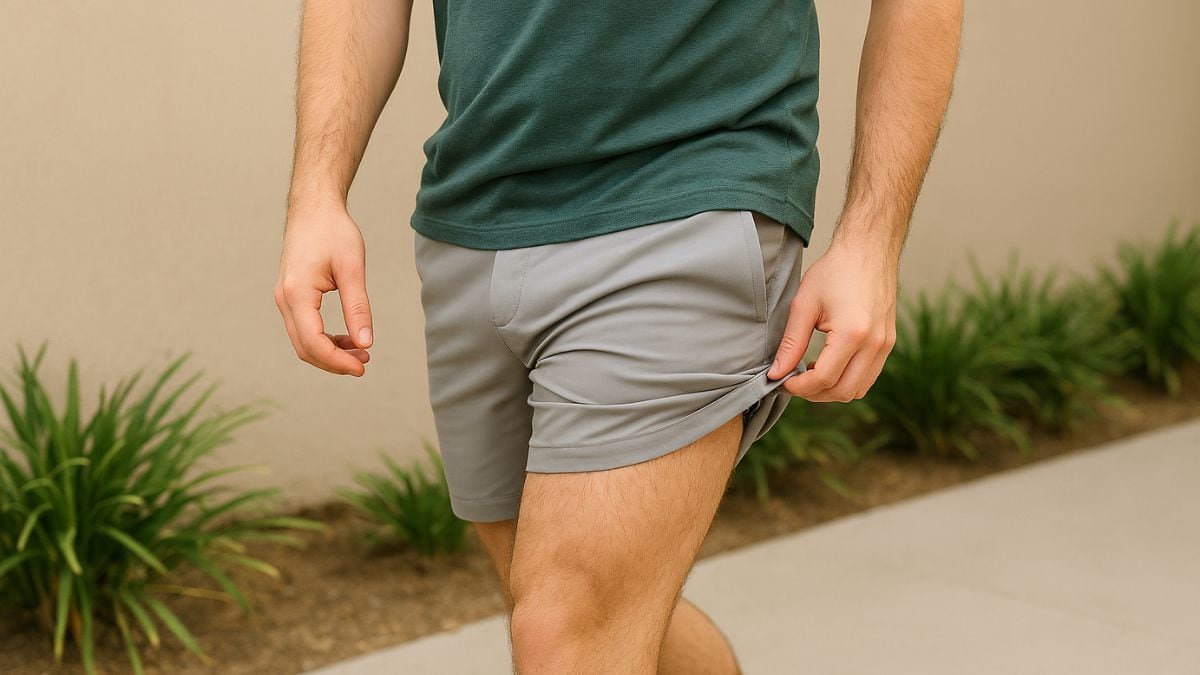
When shorts ride up, it's usually about inseam and thigh fit, not just the brand
Photo Credit: Co-Pilot
This article reveals fit hacks that work, with small style choices that make a big difference. Here is how to stop shorts from rolling up - top 10 fixes for you.
Also Read: How To Choose Men's Shorts For Gym, Travel And More
10 Proven Fit Hacks That Keep Shorts From Riding Up
1. Start With Inseam Science
The most common reason shorts roll up is simple: the inseam is too short for the way your thighs move. When the hem sits at the widest part of the thigh, each step nudges fabric upward. Over time, it bunches, then climbs.
Try this easy rule: if you want walking-friendly shorts, aim for an inseam that ends either well above the widest part (very short, athletic styles) or comfortably below it (mid-thigh to just above knee). The in-between zone causes most trouble. For many adults, 5–7 inch inseams behave better than 3-4 inch casual shorts. If you prefer longer, 8–10 inches often feels steady and less grabby.
A quick test at home helps. Walk across the room, climb two stairs, then sit. If the hem shifts upward more than a couple of centimetres each time, the inseam sits in the wrong spot. Pick a different length before trying complicated fixes. This one change solves the problem for a surprising number of people.
2. Fabric Matters More Than Brand
Some fabrics behave like good friends: they give space, move with you, and mind their own business. Others cling, twist, and start drama. Shorts rolling up often comes down to friction.
Cotton jersey and thin cotton blends can grip the skin, especially in warm weather. Linen feels airy but can crease and pull at the seams if the cut is tight. The most reliable stay-put materials usually include a small percentage of elastane (stretch) and a smoother surface that glides. Think cotton twill with stretch, performance blends, or woven fabrics that feel cool to the touch.
Do the pinch-and-slide test in the shop. Rub the fabric between fingers. If it feels slightly slick and springs back, it tends to move better while walking. If it feels fuzzy or grabs your fingertips, it may also grab your thighs.
Also, watch the inside finish. Some shorts have rough seam allowances that catch on skin. A smoother inner finish reduces bunching. Fabric isn't just comfort; it's physics.
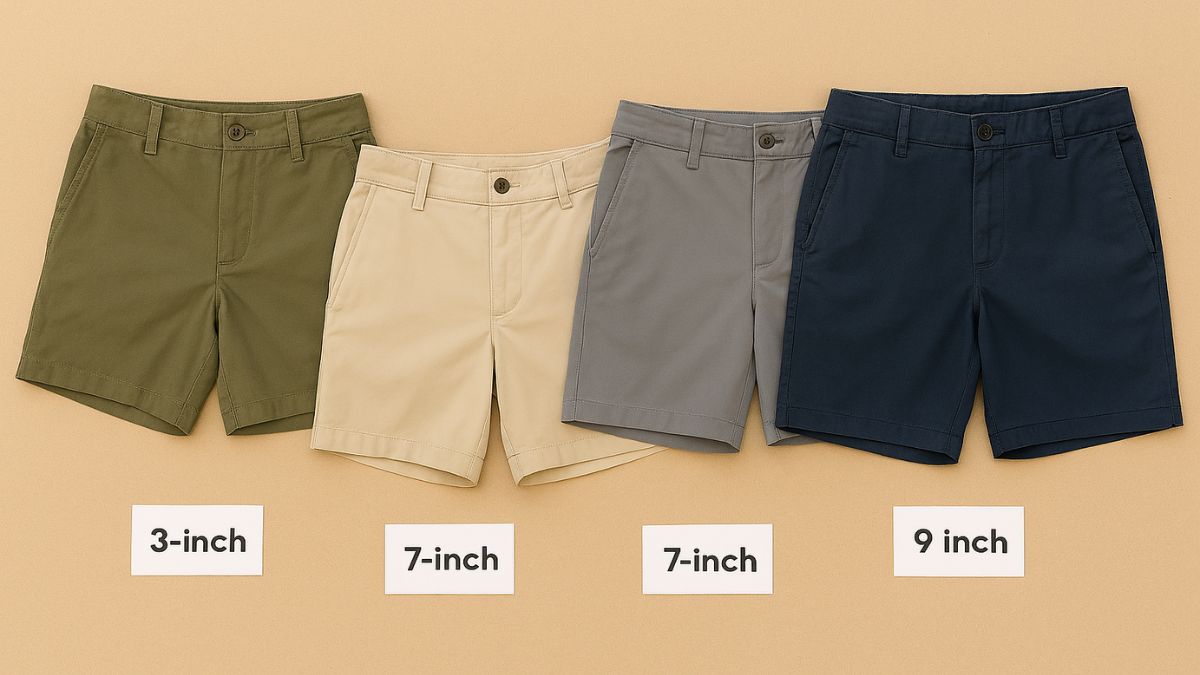
Different inseam lengths behave differently. 5-7 inches often work best for walking.
Photo Credit: Co-Pilot
3. Fit The Thighs First
People often buy shorts by waist size alone, then wonder why the legs roll up. Thigh fit is the real boss here. When the leg opening is tight, every step pushes fabric upward because it has nowhere else to go.
Use a simple check: you should fit two fingers comfortably between your thigh and the shorts at the leg opening while standing relaxed. If it feels like a tight elastic band (even when it isn't elastic), it will ride up. If it flares too much, it may twist instead, a different problem, same annoyance.
Look for cuts labelled relaxed thigh, athletic fit, or straight leg. If you're shopping in local markets, skip the label and focus on feel: you want ease without ballooning.
A tailor can help too. Alterations aren't only for suits. For ₹150–₹400 in many places, a tailor can let out the thigh slightly or adjust the side seam. That tiny change can turn constant adjusting into forgetting I'm wearing shorts.
4. Fix The Rise
If shorts ride up, check where the crotch seam sits. When the rise is too short, the fabric pulls upward with every step. The shorts try to find space, so they climb. It's like wearing a backpack with straps that are too tight; everything ends up in the wrong spot.
A comfortable rise lets the crotch seam sit close to your body without pulling. You should be able to take a full step forward without feeling tension at the centre seam. Try a high-knee march at home. If the fabric yanks up sharply, the rise is fighting your movement.
Mid-rise works well for many people because it anchors the shorts without forcing the crotch seam too high. High-rise can also work if the hip and thigh fit is right. Low-rise often shifts during walking, especially if you carry a phone or keys in your pockets.
If you love a pair that almost works, a tailor can add a small gusset (a diamond-shaped fabric insert) in some styles. It gives extra room and reduces ride-up dramatically.
5) Don't Ignore Seams
Seams decide how fabric moves. A straight, tight hem with no give can behave like a stubborn gate: it resists movement, so it rolls. Shorts designed for walking often include smart details, side slits, curved hems, or a bit of extra room at the inner thigh.
Side slits are underrated. Even a 2–3 cm slit reduces tension at the hem and lets the leg move forward without dragging fabric upward. Curved hems do something similar by reducing pressure at the front and back of the thigh.
Then there's the gusset, a feature common in sportswear and hiking shorts. It adds mobility at the crotch and stops fabric from pulling into the inner thigh. If you see a gusseted crotch on a tag, that's usually a good sign for ride-up issues.
Even without labels, check the stitching. If the inner thigh seam looks bulky or sits right where your thighs touch, it can cause friction and bunching. A smoother, flatter seam sits better for long walks and hot days.
6. Waist Placement And Belts
It sounds odd, but shorts can roll up because the waist is too loose. When the waistband shifts and drops slightly as you walk, the shorts rotate and bunch at the inner thigh. Then you're stuck doing that tiny hip wiggle to reset them every few minutes.
A good waistband anchors the shorts. It should sit firm enough that you can slide a finger under it, but not so loose that you can pull it out by more than a couple of centimetres. If the waist fits but the hips and thighs need room, choose a cut designed for curves or an athletic build rather than sizing up randomly.
Belts help, but avoid cranking them tight. Over-tightening creates tension lines that pull fabric upward. Instead, use a belt to stabilise, not squeeze. Fabric belts and webbing belts work well for casual shorts because they adjust smoothly and don't dig in after lunch.
If belts feel like effort, try shorts with a half-elastic waistband or internal drawcord. That little adjustability keeps everything steady through walking, sitting, and scooter rides.

Anti-chafe balms and snug inner shorts are simple fixes for humid days.
Photo Credit: Pexels
7. Beat Thigh Rub
Thigh rub doesn't just cause discomfort. It also increases friction, which makes shorts climb. When the inner thighs heat up, fabric sticks and scrunches, then the hem creeps higher like it's escaping the scene.
Anti-chafe solutions are simple and surprisingly effective. A light layer of anti-chafe balm or petroleum jelly reduces grip. Many people use affordable options that cost ₹100–₹300 and last for weeks. Even a small amount makes a difference on humid days. Cornstarch-based powders help some people, though sweat can turn powder into paste if it's very hot.
Another trick: wear thin, snug shorts underneath, like lightweight cycling shorts. This creates a smooth surface so your outer shorts glide instead of catching. It's especially helpful with dresses, too, but for short,s it works when you love a pair that rides up during long walks.
Also consider moisture-wicking underwear. Damp cotton increases friction. A breathable, quick-dry fabric can reduce both chafing and ride-up, without any extra fuss.
8. Pocket Weight And Phone Placement
A heavy phone in one pocket can twist shorts slightly with each step. Over time, the shorts rotate around your hips. Then one leg starts riding up more than the other, and you end up tugging the hem like you're trying to reset a crooked curtain.
Try a simple experiment on your next walk. Keep both pockets empty for ten minutes. If the shorts behave better, pocket weight is part of the problem. Keys, coins, and chunky wallets do the same thing, especially in softer fabrics.
A fix doesn't require a lifestyle change. Use a small sling bag, a crossbody pouch, or a waist pouch for essentials. If you prefer pockets, distribute weight evenly. Put the phone in the back pocket only if it doesn't distort the fit when sitting. Some shorts include a dedicated phone pocket that sits higher on the thigh, which reduces swing and pull.
If you buy new shorts often, check the pocket construction. Deep, floppy pockets in light fabric create movement. Sturdier pocket bags keep things stable and reduce twisting.
9. Laundry And Shrink Surprises
Shorts that used to behave can suddenly start rolling up. Often, washing changes the fabric. Cotton can shrink slightly, elastane can lose bounce, and the shape can distort if dried harshly. One wrong cycle and the hemline starts acting like it's allergic to staying down.
A few laundry tweaks help. Wash shorts inside out to protect the outer surface and reduce pilling, which increases friction. Use cold or gentle cycles for stretch fabrics. Avoid overdrying; high heat can weaken elastane and make fabric grabby. Air drying preserves shape and keeps the shorts smoother.
If shrinkage already happened, there's a small rescue trick for cotton. Soak the shorts in lukewarm water with a bit of hair conditioner, then gently stretch them back into shape while damp. It's not magic, but it can recover a bit of length and looseness.
Also, check the ironing. Heavy creases at the hem can encourage rolling in stiffer fabrics. A light steam relaxes fibres and helps the hem sit flatter.
10. Smart Styling Tweaks
Sometimes the shorts are fine, but the rest of the outfit creates friction and movement. Long untucked tops can catch the waistband and shift it. Certain underwear lines can bunch fabric. Even walking style matters; fast strides can make very lightweight shorts climb more.
Try these low-effort tweaks. Choose underwear with flat edges or seamless hems, so fabric layers glide. If you wear a long kurta-style top with shorts, ensure it doesn't snag on pockets or belt loops. A slightly fitted top can reduce waistband shifting compared to very loose, clingy fabrics.
Footwear can play a role, too. Flip-flops can change stride and cause more thigh sway on longer walks. A supportive sandal or trainer often steadies movement, which reduces twisting and bunching up top.
If you love very short shorts, choose sporty styles with a stable waistband and side slits. If you love loose cotton shorts, pick ones with a little structure, think drawcord waist and a firmer hem. The goal isn't perfection. It's comfort without constant adjusting.
Products Related To This Article
1. Marks & Spencer Women Checked Lounge Shorts
2. Blissclub Women Skinny Fit High-Rise Training or Gym Sports Shorts
3. ETC Women Conversational Printed Lounge Shorts
4. URBAN ADVENTURE Women Skinny Fit High-Rise Cycling Sports Shorts
5. Berrylush Women Floral Printed High Rise Wrap Shorts
6. Phosphorus Women Wrinkled Relaxed Fit Shorts
7. Freehand by The Indian Garage Co Women Blue Slim Fit High-Rise Frayed Denim Shorts
Shorts rolling up while walking feels like a small problem, but it can ruin the easy vibe that shorts promise. The fix usually sits in three places: the right inseam, the right thigh fit, and lower friction. Once those three align, most of the irritation disappears.
Start simple. Check the inseam length and thigh opening. Then look at the fabric and rise. If chafing is part of the story, add a balm or thin inner layer. If pockets are pulling things out of place, shift the load to a sling bag. And if a favourite pair almost works, a small tailoring tweak can save it for the season. After all, shorts should feel like freedom, not a fight.
(Disclaimer: This article may include references to or features of products and services made available through affiliate marketing campaigns. NDTV Convergence Limited (“NDTV”) strives to maintain editorial independence while participating in such campaigns. NDTV does not assume responsibility for the performance or claims of any featured products or services.)