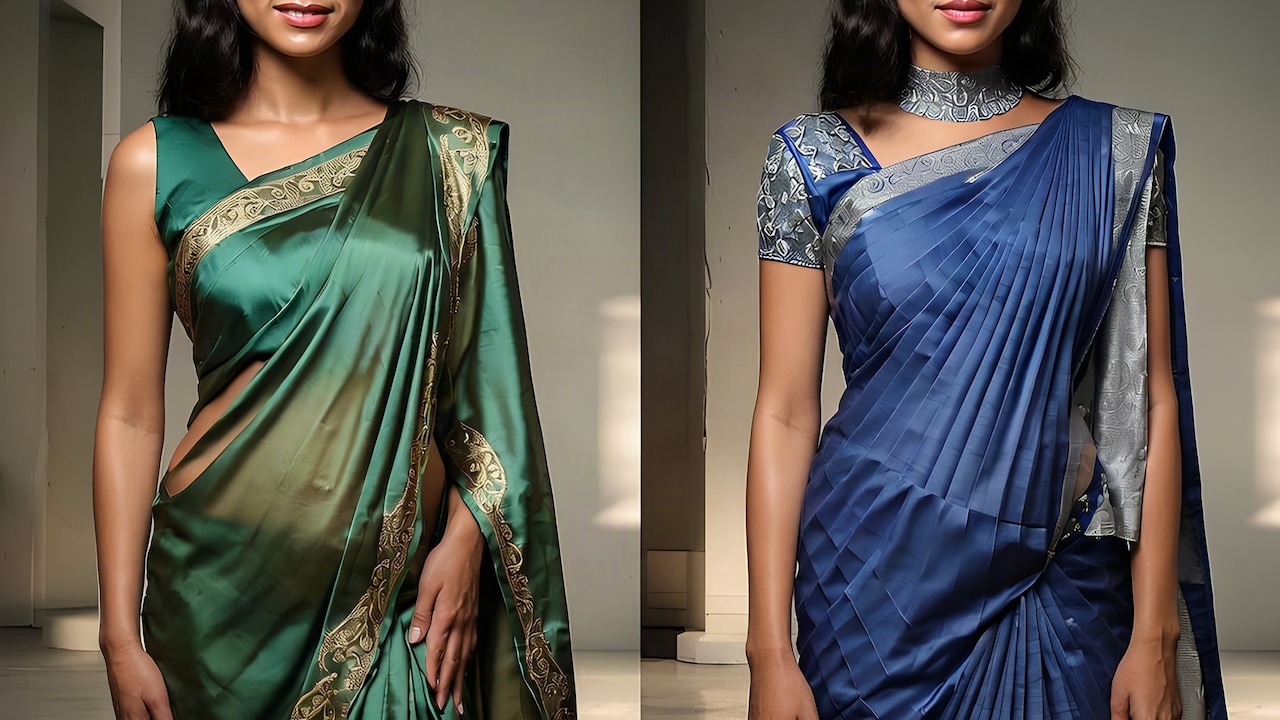
How To Stop Skirts From Twisting Constantly Around The Waist
A skirt that constantly twists around the waist can ruin comfort and confidence. Discover simple fixes, from better fits to clever styling tricks, that keep skirts sitting perfectly in place all day.
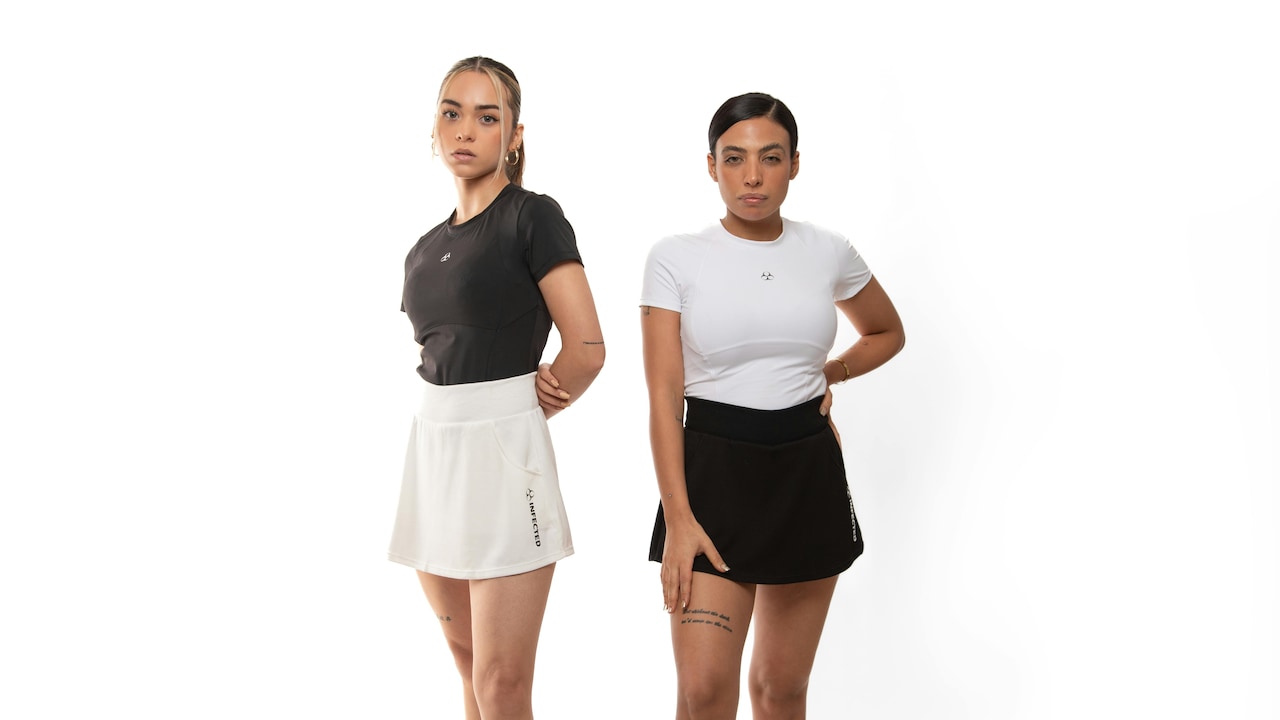
How To Stop Skirts From Twisting Around The Waist: 10 Simple Fixes That Work.
A favourite skirt often promises comfort, style, and easy movement. Yet some skirts seem to have a mind of their own. A quick walk to the market, a climb up office stairs, or even a short ride in an auto can send the waistband drifting sideways. Before long, the zip slides to the front and the seams wander where they do not belong.
Many people blame the skirt itself. However, the real reason often lies in subtle details such as uneven waist pressure, fabric weight, or even the way the skirt meets the hips. Clothes interact with movement, posture, and body shape. When the balance goes off, the skirt quietly shifts position.
The good news is that constant twisting rarely requires expensive fixes or a wardrobe overhaul. Small tweaks can make a remarkable difference. A slight alteration, a clever styling trick, or even a different underskirt can anchor a skirt exactly where it should sit.
Fashion works best when it feels effortless. Nobody wants to spend the day adjusting clothing while juggling work calls, metro rides, or a plate of piping hot samosas. The following ideas explore practical ways to keep skirts steady and comfortable without sacrificing style.
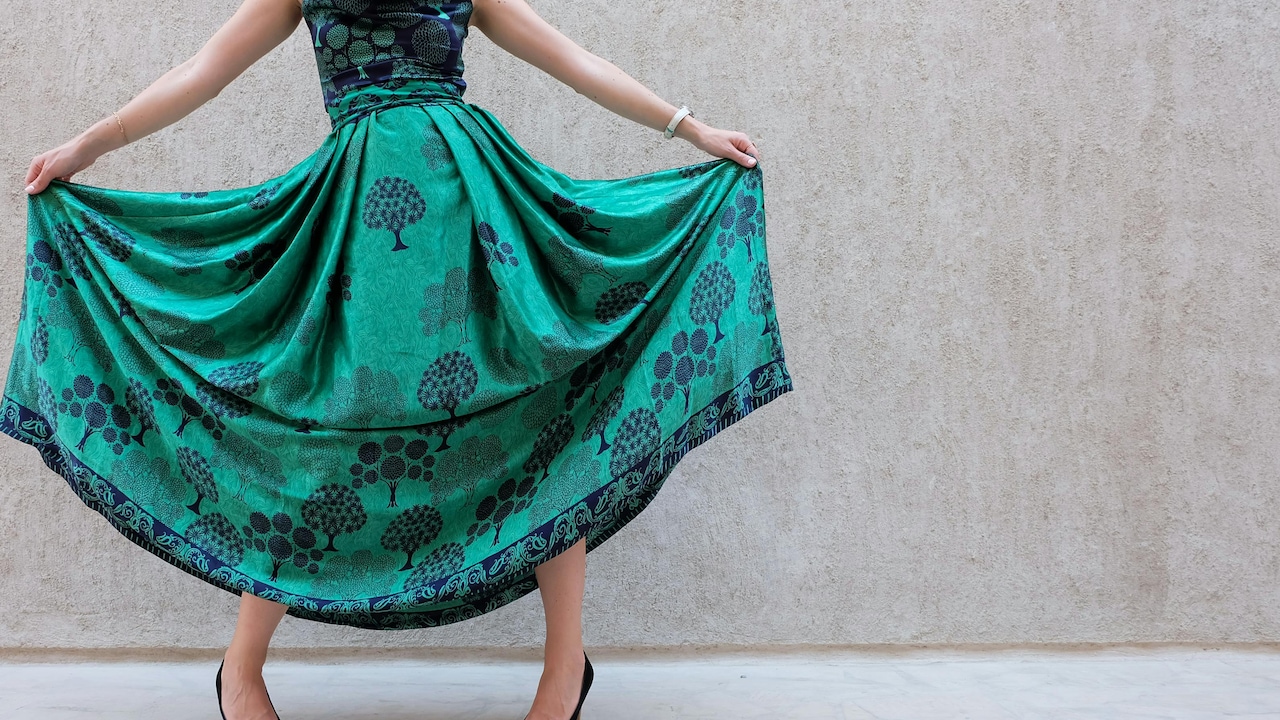
How To Stop Skirts From Twisting Constantly Around The Waist; Photo Credit: Pexels
Simple Fixes That Keep Your Skirt Sitting Perfectly In Place
Choose The Right Waist Fit
The waistband often holds the key to the twisting mystery. When the waist fit feels too loose, the skirt rotates freely with every step. A snug waistband creates stability and keeps the garment centred.
Many ready-made skirts follow generic sizing. Unfortunately, bodies rarely match those exact measurements. Someone might have a narrower waist and fuller hips, or the opposite. In such cases, the waistband cannot grip evenly.
A simple alteration at a local tailor usually solves the problem. Most tailors charge around ₹150–₹300 to adjust a waistband, which costs far less than replacing the entire skirt. A slightly fitted waist prevents unwanted movement while still allowing comfort after a generous lunch.
Elastic waists deserve extra attention. If the elastic stretches out over time, the skirt loses its structure and starts travelling around the body. Replacing worn elastic restores the grip and gives the skirt a fresh life.
A well-fitted waist does not pinch or slide. Instead, it sits quietly in place and allows the rest of the outfit to behave.
Pay Attention To Fabric Weight
Fabric weight influences how a skirt behaves during daily movement. Lightweight fabrics often twist more easily because they lack the structure needed to stay in place.
Chiffon, rayon, and thin cotton feel breezy during hot afternoons. Yet they sometimes rotate around the waist as soon as a person starts walking briskly. The fabric simply follows motion without resistance.
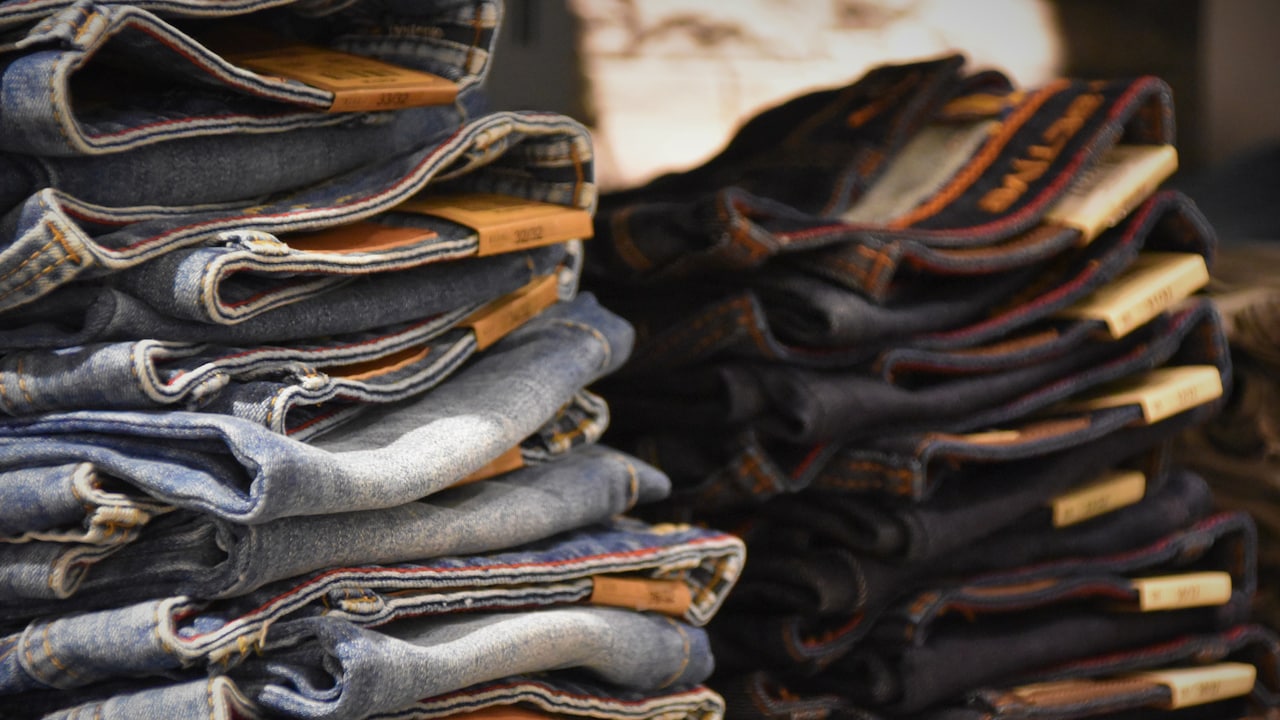
Heavier materials such as denim, thicker cotton blends, or linen blends usually remain steadier. Their natural weight anchors the skirt and prevents unnecessary shifting. Even pleated skirts behave better when the material carries a bit of substance.
Layering also helps. Wearing a light petticoat or slip adds subtle weight beneath the skirt. This layer creates friction and reduces movement, especially during long commutes or shopping trips in crowded markets.
Fabric choice rarely receives much attention during shopping. However, the difference between a twisting skirt and a stable one often begins with the material itself.
Check The Balance Of The Skirt
Some skirts twist because the design lacks balance. A garment that carries extra weight on one side naturally shifts as the body moves.
For instance, a skirt with heavy pockets, large embellishments, or thick embroidery panels may slowly rotate towards the heavier side. Decorative details look beautiful, yet uneven placement creates a subtle pulling force.
Tailoring adjustments can restore balance. A tailor might redistribute darts or slightly reposition the waistband to align with the body's natural centre. Even a tiny tweak can prevent the garment from drifting.
The lining also plays a role. If the lining twists separately from the outer layer, the skirt begins to rotate. Stitching the lining properly to the outer fabric keeps both layers aligned.
Balanced clothing behaves predictably. When each part of the skirt supports the other, the garment stays exactly where it belongs.
Use A Non-Slip Waistband Trick
A clever trick from stylists involves adding grip inside the waistband. Some skirts rotate simply because smooth fabric slides against the skin or tights.
A small strip of silicone grip tape or non-slip ribbon placed along the inner waistband can make a noticeable difference. Many tailoring shops offer this fix for around ₹100–₹200. The tape creates gentle friction and prevents the waistband from sliding.
Even simpler solutions work well. A narrow strip of cotton fabric sewn inside the waistband can provide extra grip. Cotton absorbs slight moisture and holds its position better than slippery materials.
Some people prefer wearing a thin camisole tucked into the waistband. The extra layer creates texture that anchors the skirt more firmly.
Such tiny adjustments rarely appear in fashion magazines. Yet they quietly solve a problem that frustrates countless wardrobe owners.
Also Read: 5 Best Skirts That Are Stylish, Easy To Love, And On Sale Right Now
Pair Skirts With The Right Undergarments
Undergarments rarely receive credit for outfit stability. However, they often determine how well a skirt stays in place.
Smooth synthetic fabrics sometimes allow skirts to glide freely. As a result, the waistband begins to shift throughout the day. Cotton underlayers offer more grip and reduce sliding.
Shapewear also influences movement. Certain styles compress the waist but remain slippery on the outside. When a skirt sits on top of such fabric, rotation becomes inevitable.
A simple cotton slip or underskirt creates the perfect base. The texture holds the skirt gently without restricting movement. Many traditional skirts rely on this method, which explains their remarkable stability.
Undergarments act as the foundation of clothing. When the base layer behaves well, the outer garment usually follows suit.
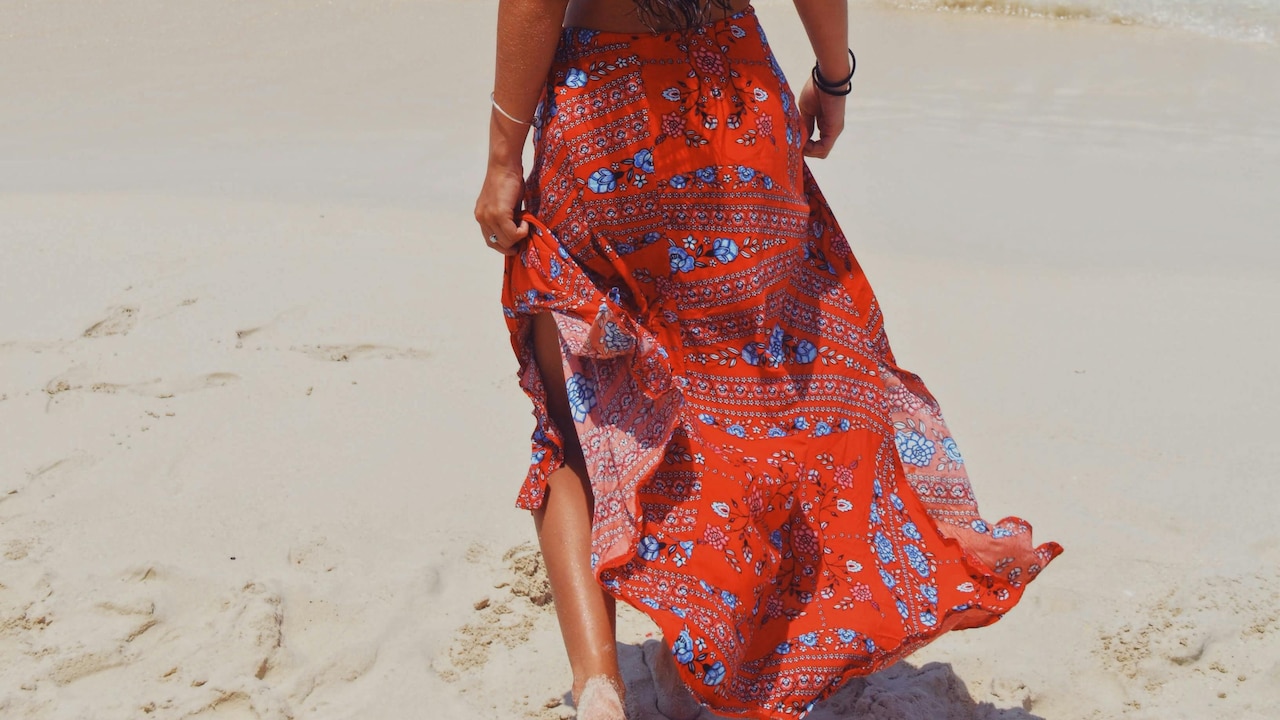
How To Stop Skirts From Twisting Constantly Around The Waist; Photo Credit: Pexels
Adjust The Placement On The Waist
Many people wear skirts slightly higher or lower than the design intended. This small shift can cause constant twisting.
High-waisted skirts work best when placed exactly at the natural waistline. If worn lower on the hips, the waistband loses its grip and begins to travel.
Similarly, skirts designed for the hips may rotate when pulled too high. The garment's shape no longer fits the body, creating an imbalance.
Standing in front of a mirror helps identify the correct placement. The waistband should sit comfortably without needing constant adjustment.
Once the skirt finds its natural resting point, movement feels easier. Walking, sitting, and climbing stairs suddenly become effortless.
Clothing design follows the body's natural curves. Respecting those lines often prevents unnecessary wardrobe drama.
Consider Adding Small Waist Darts
Sometimes a skirt twists because it lacks proper shaping. Straight waistbands rarely accommodate curved bodies perfectly.
Tailors solve this issue with small waist darts. These narrow folds shape the fabric so it hugs the waist more closely. Darts distribute tension evenly across the waistband, which prevents the garment from rotating.
The alteration remains simple and affordable. Most tailoring shops complete the work for ₹200–₹400, depending on the fabric. Once finished, the skirt often feels custom-made.
Darts also improve the overall silhouette. The skirt falls smoothly along the hips instead of bunching awkwardly around the waist.
A well-shaped garment behaves differently from a straight-cut one. Subtle tailoring details can transform an irritating skirt into a reliable wardrobe favourite.
Avoid Overloading Pockets
Pockets offer convenience, especially during quick errands. However, heavy pockets often trigger the twisting problem.
A phone in one pocket and keys in the other rarely weigh the same. Uneven weight pulls the skirt sideways with every step. Gradually, the waistband shifts and the seams drift out of place.
Handbags or small crossbody bags provide a better alternative for heavier items. The skirt then remains balanced around the waist.
Some skirts include decorative pockets rather than functional ones. Using them sparingly keeps the garment stable.
Clothing design rarely accounts for bulky smartphones or large keychains. Avoiding overloaded pockets protects both comfort and style.
Use A Belt For Extra Stability
A belt does more than complete an outfit. It also anchors the skirt securely around the waist.
When a skirt rotates frequently, a slim belt can provide the extra hold needed. The belt grips the waistband and prevents sideways movement during walking or sitting.
Leather belts work particularly well because they offer natural friction. Even a simple fabric belt can make a noticeable difference.
Belts also add personality to an outfit. A colourful belt can brighten a neutral skirt, while a classic brown belt creates a polished look for work.
Fashion often blends practicality with style. In this case, a belt quietly solves a frustrating problem while enhancing the outfit.
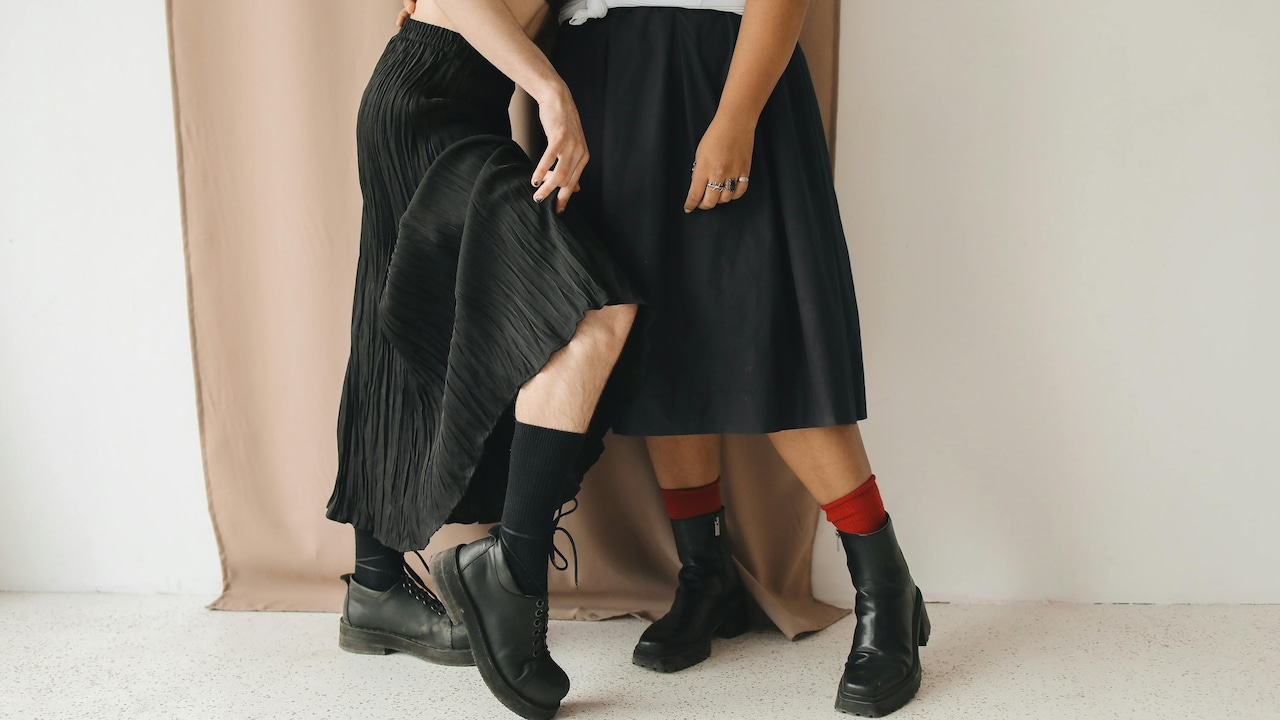
How To Stop Skirts From Twisting Constantly Around The Waist; Photo Credit: Pexels
Pay Attention To Movement And Posture
Clothing interacts closely with body movement. Sometimes posture and walking patterns influence how garments behave.
For example, a heavy shoulder bag on one side can shift body weight slightly. This imbalance causes the skirts to rotate gradually. Alternating the shoulder that carries the bag helps restore balance.
Similarly, long strides or quick movements during crowded commutes may tug at clothing unexpectedly. A well-balanced outfit handles movement better.
Standing tall and maintaining an even posture distributes weight more evenly across the waist and hips. The skirt then sits comfortably instead of shifting.
Fashion rarely exists in isolation. The way someone moves through daily life often determines how clothing behaves.
Invest In Quality Tailoring
Many wardrobe frustrations vanish with professional tailoring. A skirt may twist simply because the factory cut does not match the wearer's body shape.
Tailors possess remarkable skill in adjusting garments. They can reshape waistbands, add lining, adjust darts, or even rebalance the entire skirt. These modifications rarely cost more than ₹300–₹700, depending on the complexity.
Well-tailored clothing feels different from off-the-rack pieces. The garment follows the body naturally instead of fighting against it.
Quality tailoring also extends the life of clothing. Rather than abandoning a favourite skirt, a few adjustments can transform it into a reliable staple.
A trusted tailor often becomes the unsung hero of a wardrobe.
Products Related To This Article
1. Stylecast X Kotty Women Denim Solid Midi Skirt
2. THE HOUSE OF THREADS Women Cotton Crepe Maxi Flared Skirt
3. Berrylush Abstract Printed High-Rise A-line Maxi Skirt
4. THE HOUSE OF THREADS Women Crepe Maxi Flared Skirt
5. Anayna Women Navy Blue & Maroon Printed Flared Cotton Maxi Skirt
A twisting skirt may seem like a small inconvenience, yet it quickly turns into a day-long distraction. Constantly adjusting the waistband steals attention from work, conversations, and even simple pleasures like a relaxed evening stroll.
Fortunately, the solution rarely requires dramatic changes. Most skirts twist due to simple issues such as loose waistbands, slippery fabrics, uneven weight, or incorrect placement. Small tweaks often restore balance and comfort.
A better waist fit, thoughtful fabric choice, or a quick tailoring fix can make a remarkable difference. Even subtle tricks, such as using a belt or adding grip tape, help keep everything exactly where it should stay.
Clothing should move with the body, not against it. When a skirt sits properly on the waist, it allows freedom, confidence, and ease throughout the day. Instead of worrying about wandering seams, attention can shift to more enjoyable things, perhaps planning the next outfit or deciding where to find the best street-side chaat after work.
With the right adjustments, skirts can finally stay put and behave exactly as good fashion should: quietly supportive and effortlessly stylish.
(Disclaimer: This article may include references to or features of products and services made available through affiliate marketing campaigns. NDTV Convergence Limited (“NDTV”) strives to maintain editorial independence while participating in such campaigns. NDTV does not assume responsibility for the performance or claims of any featured products or services.)