How To Stop Your Sweaters From Looking Bulky: 10 Simple Styling Tricks To Make Them Look Sleek
Sweaters often look bulky because of simple styling mistakes, not body shape. From fabric choices to layering tricks, these 10 easy fixes help create a sleek, polished winter look without giving up comfort. And, from Roadster, DressBerry to V-Mart, check out our top picks.
Why Your Sweaters Look Bulky? 10 Easy Styling Tricks That Make Them Look Sleek.
As soon as winter arrives, sweaters quietly take over wardrobes. They feel warm, familiar and comforting, almost like a cup of hot chai on a foggy morning. Yet there comes that awkward moment in front of the mirror when the sweater looks less cosy and more oversized marshmallow. The issue rarely comes from the sweater itself. Instead, it often stems from how it gets styled, layered or paired. The good news lies in the fact that sleek winter style does not demand expensive replacements or drastic changes. With a few thoughtful adjustments, sweaters can look refined, balanced and flattering.
This article explores common reasons sweaters appear bulky and offers 10 easy, realistic styling tricks to make them look sleek. These tips suit everyday life, whether heading to work, meeting friends or enjoying a quiet evening out. Also, check the top sweater picks below, from Roadster, DressBerry to V-Mart.

How To Style Sweaters Without Looking Bulky: Easy Tips That Work
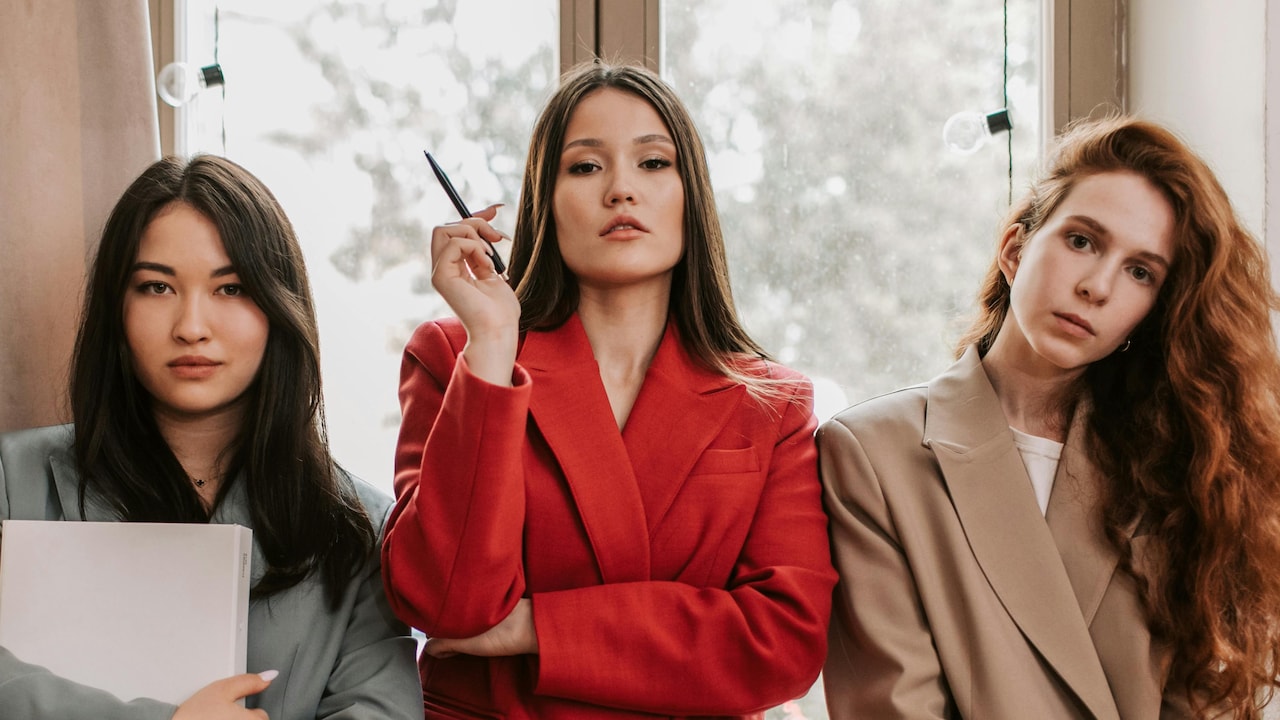
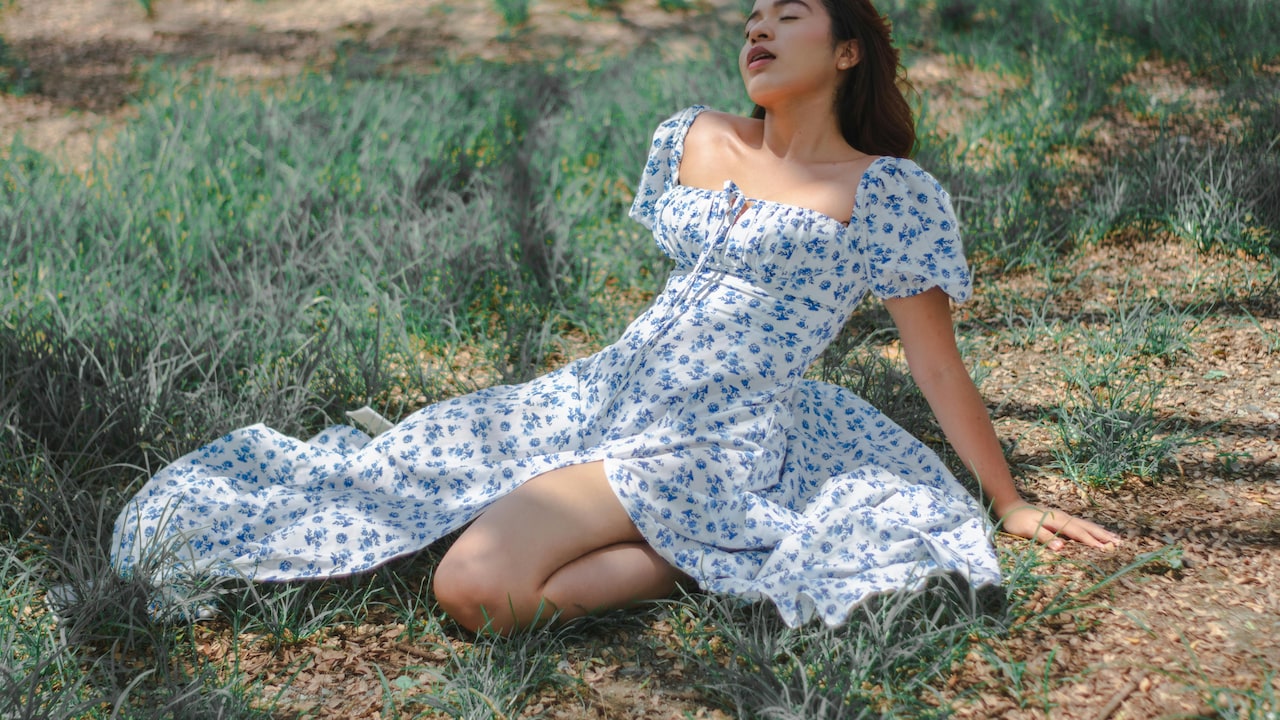
Photo Credit: Pexels
Before Blaming the Sweater, Here Is What Is Actually Going Wrong
1. Choosing the Wrong Fabric Weight
One major reason sweaters look bulky lies in fabric weight. Thick, chunky knits feel inviting in the store, but can add unnecessary volume once worn. Heavy yarns tend to sit stiffly on the body, especially around the shoulders and chest. This stiffness creates a boxy outline rather than a fluid shape.
Lighter knits offer a smarter alternative. Fine merino wool, cashmere blends or tightly woven cotton knits provide warmth without excess volume. These fabrics drape better and follow natural body lines instead of fighting them. Even on colder days, layering lighter pieces often looks sleeker than relying on one thick sweater.
Fabric texture also matters. Cable knits, raised patterns and fluffy surfaces add visual weight. While they look stylish, they work best when balanced with streamlined bottoms like tailored trousers or dark denim. Smooth, flat knits naturally appear more refined and easier to style.
Next time winter shopping feels tempting, consider how the fabric behaves rather than how soft it feels on the rack. A lighter knit often becomes the unsung hero of a winter wardrobe.
2. Ignoring Proportion and Length
Sweater length plays a bigger role than most realise. When a sweater ends at the widest part of the hips, it draws attention exactly where bulk feels most obvious. This cut disrupts proportion and shortens the overall silhouette.
Sleeker styling starts with mindful length choices. Cropped sweaters, when styled well, highlight the waist and create balance, especially with high-waisted trousers or skirts. On the other hand, longer sweaters work best when they skim past the hips rather than stopping abruptly.
Proportion also applies to sleeve length and body fit. Extra-long sleeves can look cosy but may overwhelm the frame if the body of the sweater already runs loose. Slightly fitted sleeves help create definition and keep the look intentional.
A simple mirror check helps. If the sweater cuts the body into awkward halves, try a different length or tuck. Small adjustments often transform how polished an outfit feels.
Also Read: Winter Sweater Deals: Myntra EORS Makes Premium Styles, From Glitchez, Anouk to Kpop, Affordable
3. Over-Layering Without Structure
Layering remains essential during winter, yet too many layers without structure quickly turn bulky. Throwing a sweater over a shirt, then adding a jacket, often creates unnecessary thickness around the torso.
Structured layering offers a solution. Start with a fitted base layer like a thermal or slim tee. Add a fine-knit sweater that sits close to the body. Finish with a structured outer layer such as a tailored coat or blazer. This approach keeps warmth intact while maintaining clean lines.
Avoid piling bulky layers on top of each other. Two chunky pieces rarely work together. Balance always matters. If the sweater feels thick, choose a lighter jacket. If the coat runs heavy, opt for a thinner knit underneath.
Structure brings clarity to an outfit. Even casual looks benefit from thoughtful layering that defines shape rather than hiding it.
4. Wearing the Wrong Neckline
Necklines influence how bulky a sweater appears more than expected. High crew necks and thick turtlenecks concentrate fabric around the upper body, making the chest and shoulders look broader.
V-necks and scoop necks naturally elongate the neckline and draw the eye vertically. This creates the illusion of length and reduces visual bulk. Even a subtle notch at the collar can soften a heavy knit.
Turtlenecks still work beautifully when styled carefully. Choose thinner fabrics and ensure the fit remains close rather than slouchy. Pairing them with tailored bottoms prevents the top-heavy effect.
Scarves also affect the neckline balance. Bulky scarves piled high add extra volume. Lighter scarves draped loosely keep warmth while maintaining elegance.
A quick neckline switch often delivers instant slimming results without any wardrobe overhaul.
5. Skipping the Tuck Trick
Leaving sweaters completely untucked often results in a shapeless silhouette. While relaxed styles look trendy, they need balance to avoid looking sloppy.
The half-tuck or front tuck provides an easy fix. Tucking just the front portion defines the waist and adds structure while keeping the overall vibe casual. This works especially well with high-waisted jeans or trousers.
Full tucks also work with thinner knits. A complete tuck creates a clean, streamlined look suitable for work or semi-formal settings. Belted tucks add extra polish and draw attention upward.
Avoid forcing bulky sweaters into tight waistbands. This creates uncomfortable bunching. Instead, choose knits designed for tucking or use strategic folds to keep fabric smooth.
This small styling trick often becomes a game-changer once tried consistently.

How To Style Sweaters Without Looking Bulky: Easy Tips That Work
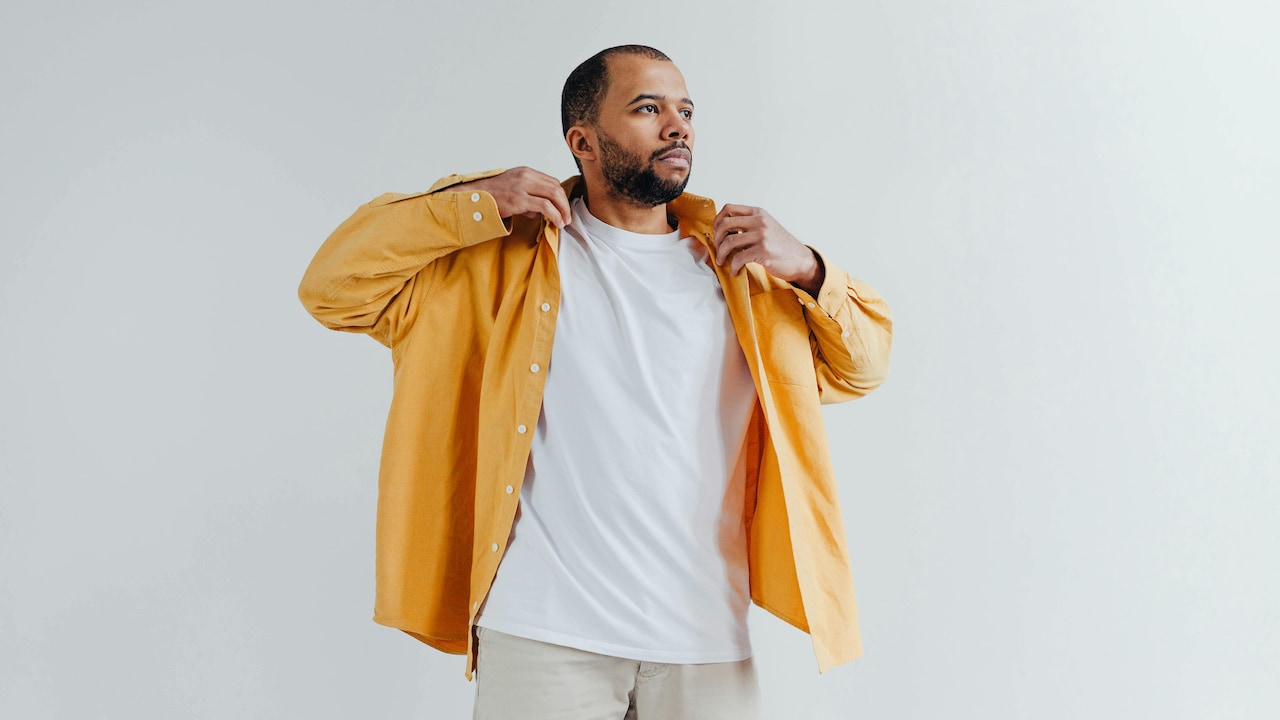
Photo Credit: Pexels
6. Pairing Sweaters with Baggy Bottoms
Oversized sweaters paired with loose trousers or wide-leg jeans often result in excess fabric all around. While comfort increases, shape disappears.
Balance always saves the day. When the sweater feels relaxed, opt for slim or straight-fit bottoms. Dark-coloured leggings, tailored trousers or pencil skirts anchor the look and restore proportion.
If wide-leg trousers feel essential, choose a more fitted sweater. Tucking or cropping the knit helps define the waist and maintain harmony between top and bottom.
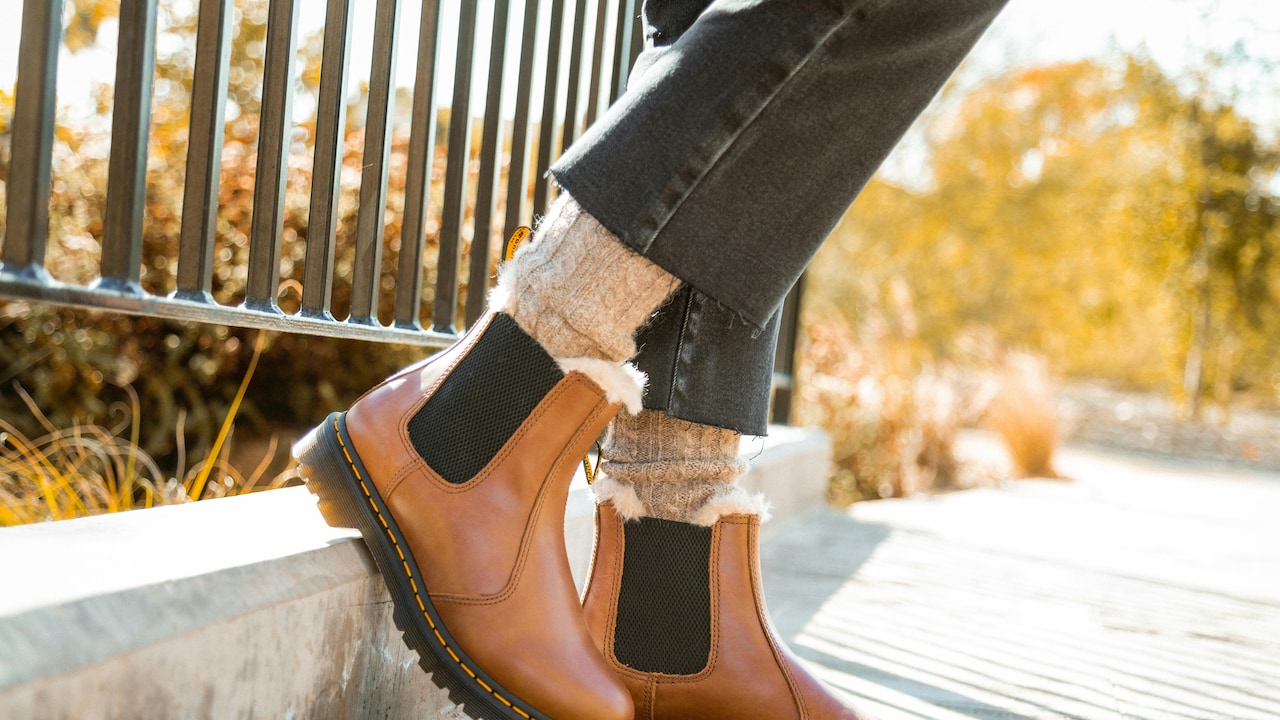
Footwear also influences balance. Chunky shoes paired with oversized outfits exaggerate bulk. Sleeker footwear, like ankle boots or loafers, keeps proportions in check.
Outfits thrive on contrast. Mixing fitted and relaxed elements creates a visually pleasing result every time.
7. Overlooking Colour and Pattern Choices
Dark colours naturally recede, while light shades bring attention. Sweaters in pale hues or bold patterns tend to appear bulkier, especially in thicker fabrics.
This does not mean abandoning colour. Instead, place lighter shades strategically. Pair a light sweater with darker bottoms to ground the outfit. Vertical patterns or subtle textures elongate rather than widen.
Monochrome outfits work wonders. Dressing in similar shades from head to toe creates an uninterrupted line, making the body appear taller and slimmer. Even soft neutrals like beige, grey or navy achieve this effect beautifully.
Large horizontal stripes and bold motifs add width. Use them sparingly or balance them with simple accessories and streamlined bottoms.
Colour choices shape perception more than fit alone.
8. Neglecting Tailoring and Fit
Many assume sweaters do not require tailoring. In reality, minor adjustments can make a huge difference. Off-the-rack knits often fit loosely around the waist or shoulders.
A slight nip at the waist or shortened sleeves can transform how a sweater sits. Even folding cuffs neatly adds intention to the look.
Fit does not mean tight. It means following natural body lines without excess fabric. Shoulder seams should sit correctly, and the body should skim rather than cling or hang.
When shopping, try different sizes rather than defaulting to oversized comfort. Often, a true-to-size fit offers warmth and style simultaneously.
Good fit quietly elevates every outfit without drawing attention to itself.
9. Forgetting the Power of Accessories
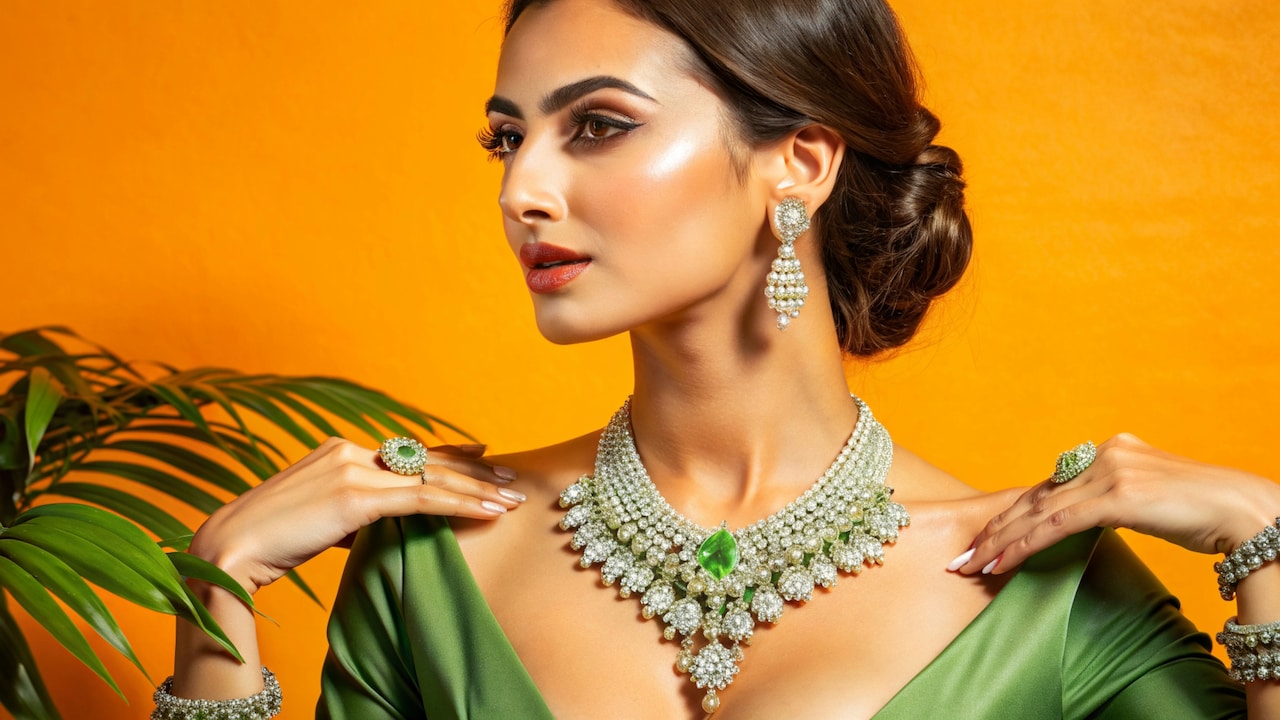
Accessories often get ignored during winter, yet they play a key role in styling sweaters. A long pendant necklace draws the eye vertically and breaks up fabric bulk.
Belts worn over sweaters create instant definition. This works particularly well with longer knits worn as sweater dresses. Choose slim belts for subtle shaping and wider belts for statement looks.
Footwear matters too. Sleek boots visually slim the overall outfit compared to heavy, bulky shoes. Structured bags also help balance softer knits.
Accessories guide the eye and add focus. When chosen thoughtfully, they turn cosy layers into curated outfits.
10. Wearing Sweaters Without Confidence
The final reason sweaters look bulky often has nothing to do with clothes. Confidence shapes how outfits appear. Constant tugging, adjusting or hiding signals discomfort and disrupts the look.
Comfort breeds confidence. Choosing sweaters that feel good allows natural movement and ease. Standing tall, shoulders relaxed, instantly improves how clothes sit.
Style works best when it feels effortless. Overthinking every detail leads to stiffness. Once basic principles are understood, trust your personal taste and wear sweaters with ease.
Winter style should feel warm, practical and joyful. Confidence completes the outfit better than any accessory ever could.

How To Style Sweaters Without Looking Bulky: Easy Tips That Work
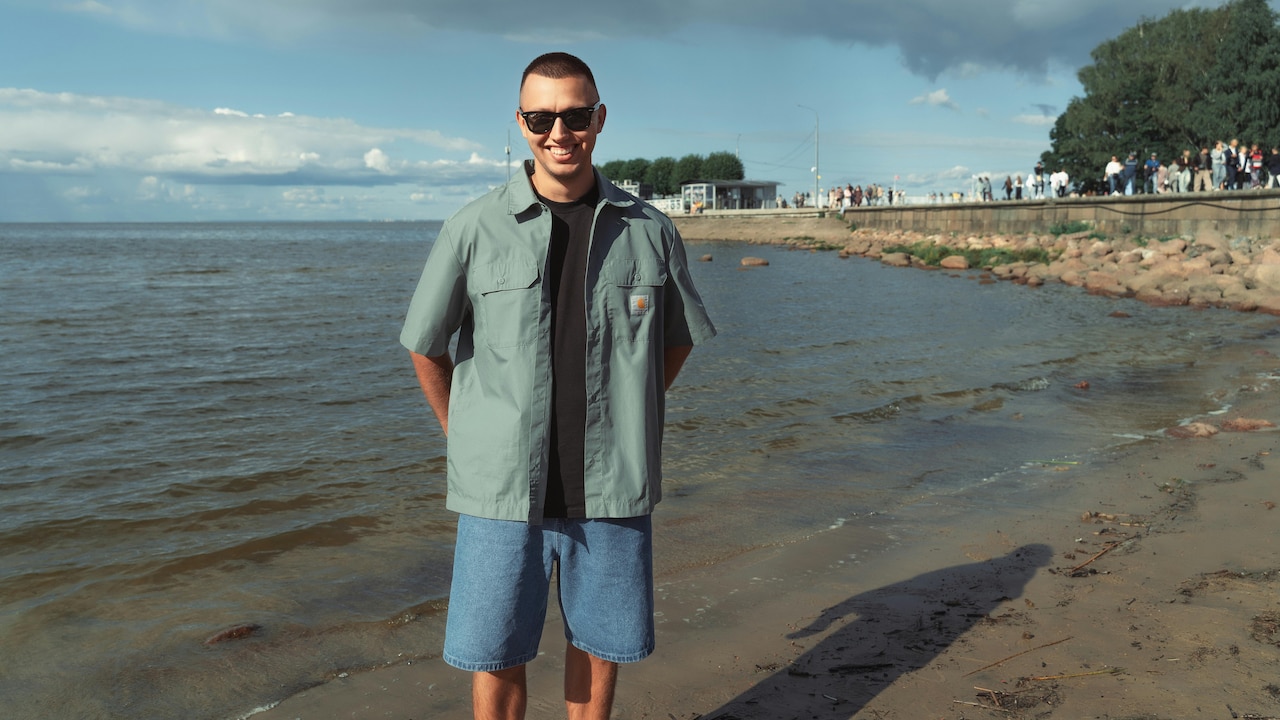
Photo Credit: Pexels
Products Related To This Article
1. Roadster Women Solid Round Neck Black Sweater
2. WILLEY Men Striped Round Neck Multicolor Sweater
3. Dressberry Women Colorblock High Neck White Sweater
4. Biwu Women Self Design Round Neck Brown Sweater
5. V-MART Men Self Design Round Neck Red Sweater
6. BLACK BLINK Women Self Design High Neck White Sweater
7, Sahuone Men Printed Hooded Neck Dark Blue Sweater
Sweaters earn their place as winter essentials for good reason. They provide warmth, comfort and endless styling possibilities. When they appear bulky, the issue rarely lies in the body wearing them. Fabric choice, proportions, layering and small styling decisions shape the final look.
With mindful tweaks like choosing lighter knits, balancing proportions and embracing clever tucks, sweaters transform from shapeless layers into sleek statements. Accessories, colour choices and proper fit further refine the silhouette.
Winter dressing does not require sacrificing style for comfort. With these easy tricks, sweaters can look polished, flattering and effortlessly chic, making cold mornings feel a little more stylish and a lot more confident.
(Disclaimer: This article may include references to or features of products and services made available through affiliate marketing campaigns. NDTV Convergence Limited (“NDTV”) strives to maintain editorial independence while participating in such campaigns. NDTV does not assume responsibility for the performance or claims of any featured products or services.)