Chaitra Navratri Prasad Guide: Daily Bhog Ideas For All 9 Devi Forms
Chaitra Navratri 2026 begins on March 29 and celebrates nine forms of Goddess Durga. Each day has a special bhog offering with symbolic meaning. This guide explains the daily prasad tradition, significance of each offering, and simple foods devotees prepare during the nine sacred days of Navratri.
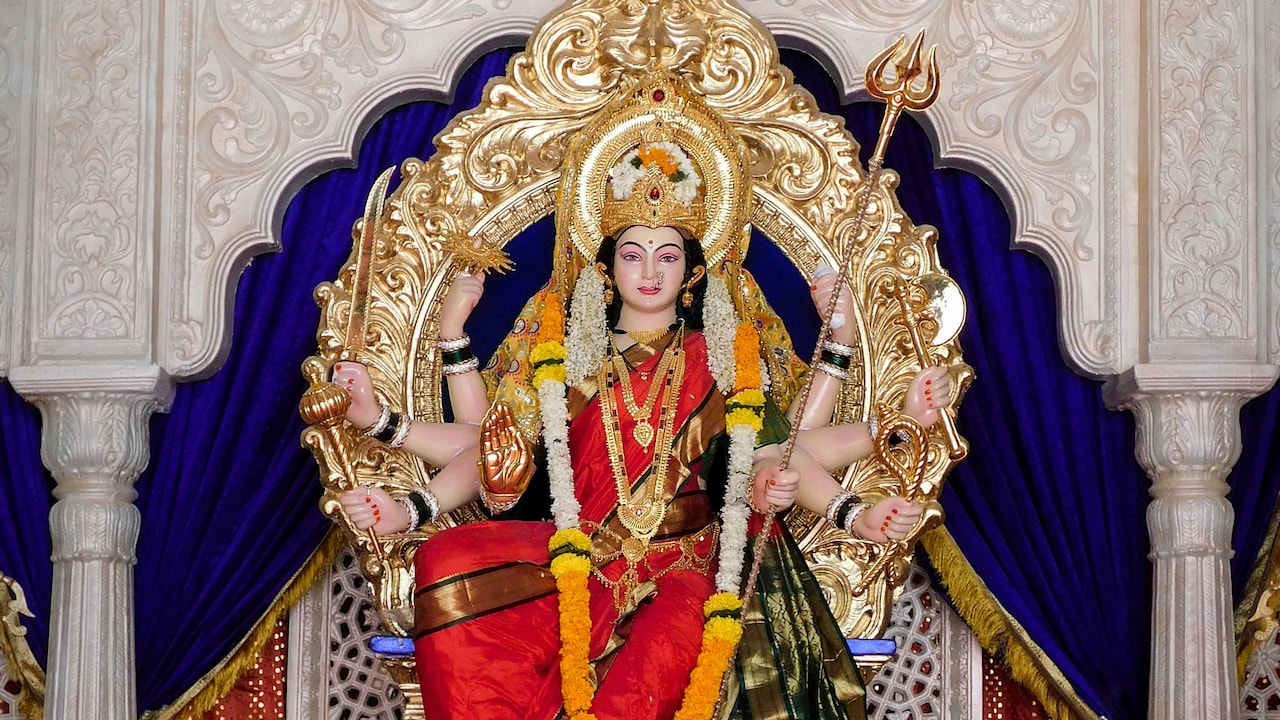
Day-Wise Chaita Navratri Prasad And Bhog Ideas Of 2026
The first day of Navratri often begins quietly. A clean prayer space, a diya glowing softly, and the sound of a morning mantra set the tone for the coming days. Preparing prasad becomes more than a daily task. Each day brings a new offering, a simple bhog prepared with care. Over time, this routine starts feeling like a conversation with the divine, where every sweet, grain, or fruit carries a small message of gratitude and faith. Chaitra Navratri will begin on March 19, 2026 and will end on March 27, 2026 and continues for nine days.
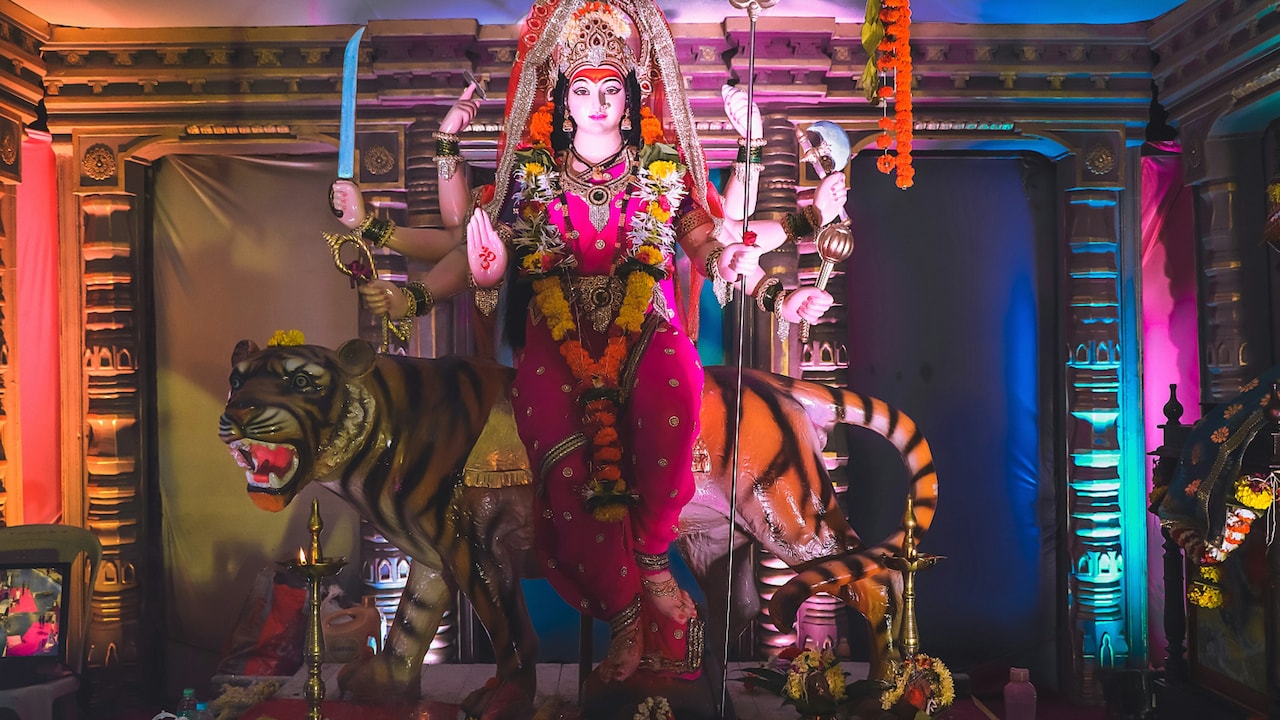
Day-Wise Chaita Navratri Prasad And Bhog Ideas Of 2026; Photo Credit: Pexels
Each day is dedicated to a different form of Durga, known collectively as Navadurga. Devotees offer specific foods as bhog that symbolise health, prosperity, courage, or spiritual growth. These offerings are later shared as prasad among family members. The ritual connects food, faith, and tradition in a meaningful way throughout the nine sacred days.
Also Read: Navratri 2025 Colour Guide: 9 Colours To Wear For Each Day Of The Festival
Why Bhog Matters During Navratri
Offering bhog during Navratri is an important ritual. Devotees prepare simple sattvik food and present it to the goddess before consuming it themselves. The bhog symbolises gratitude and devotion. Each food item carries a symbolic meaning. Some represent purity, others strength or protection. Following the daily bhog tradition helps devotees stay connected with the spiritual significance of each form of the goddess.
The Nine Forms Of Navadurga
During the nine days, nine forms of the goddess are worshipped. Each form represents a different aspect of divine power and protection. Devotees chant specific mantras and offer bhog that aligns with the spiritual energy of the day.
This daily structure helps followers observe Navratri with discipline and devotion.
Simple Rituals Observed At Home
Most households begin the day with a small puja. A kalash is placed in the prayer area and devotees light a diya before offering bhog. The food is prepared without onion or garlic. After the offering, it is distributed as prasad among family members. Many people also observe fasting during the nine days.
Ingredients Commonly Used In Navratri Bhog
Many ingredients appear repeatedly in Navratri offerings because they are considered pure and nourishing. Milk, jaggery, coconut, bananas, honey, sesame seeds, and ghee are widely used. These foods are simple but symbolic. They represent prosperity, energy, protection, and spiritual balance.
How Food Connects Devotion And Tradition
Bhog is not only about food. It is a way to express faith. Preparing these offerings daily creates a routine that brings calmness and focus. Families often pass down these traditions across generations, making Navratri a time for both worship and cultural continuity.
Daily Bhog Guide for All 9 Days of Chaitra Navratri
Day 1 - Maa Shailputri
Bhog: Pure desi ghee or besan ladoo
Significance: Offering ghee is believed to bring strength and good physical health. Devotees also prepare besan ladoo made with ghee and gram flour. The offering symbolises stability and a strong start to the nine-day worship.
Day 2 - Maa Brahmacharini
Bhog: Sugar, mishri, or panchamrit
Significance: Sugar or mishri symbolises simplicity and purity. Panchamrit, made with milk, curd, honey, sugar, and ghee, represents nourishment and discipline. Devotees believe this offering promotes longevity and spiritual dedication.
Day 3 - Maa Chandraghanta
Bhog: Milk, kheer, or milk sweets
Significance:: Milk-based offerings symbolise calmness and purity. Devotees offer kheer made from rice, milk, and sugar. This bhog is believed to bring peace, courage, and protection from fear.
Day 4 - Maa Kushmanda
Bhog: Malpua or sweet pancakes
Significance: : Malpua is prepared using flour, milk, and sugar. The sweet offering represents vitality and creative energy. Devotees believe it enhances intelligence and brings positivity.
Day 5 - Maa Skandamata
Bhog: Bananas, banana halwa, or poha
Significance: : Bananas symbolise nourishment and well-being. Devotees offer fresh fruit or banana halwa. This bhog is believed to bring emotional stability, good health, and happiness in family life.
Day 6 - Maa Katyayani
Bhog: Honey or natural sweets
Significance: Honey symbolises sweetness in life and purity of intention. Devotees offer honey or sweets made with natural ingredients. The offering represents the removal of negativity and success in personal goals.
Day 7 – Maa Kalaratri
Bhog: Jaggery (gud) or gud gulgule
Significance: Jaggery symbolises protection and resilience. Devotees offer gud or deep-fried jaggery sweets called gulgule. This bhog is believed to remove obstacles and protect devotees from enemies.
Day 8 - Maa Mahagauri
Bhog: Coconut, coconut burfi, or halwa-poori-chana
Significance: Coconut represents purity and prosperity. Devotees prepare coconut sweets or offer halwa, poori, and chana during the kanya pujan ritual. This offering symbolises blessings of peace and abundance.
Day 9 - Maa Siddhidatri
Bhog: Sesame seeds, til ladoo, or kheer
Significance: Sesame seeds symbolise spiritual power and fulfillment. Devotees offer til ladoo or kheer. The bhog is believed to grant spiritual blessings and completion of wishes.
Products Related To The Article
1. ROSIER A2 Gir Cow Ghee
2. Radha Govind Organic Dhaga Mishri
3. Gits Instant Vermicelli Kheer Dessert Mix
4. Cookme Bengali Dessert Malpua Mix
5. MITHILA FOODS Bhagalpuri Malbhog Chuda Poha
6. Nature's Nectar Raw Organic Honey
7. Conscious Food Sugarcane Jaggery
8. Sweet Karam Coffee Jaggery Coconut Burfi
9. Neelam Foodland Special Til Laddu
Navratri is not only about rituals but also about meaningful traditions that connect devotion with everyday life. The practice of preparing daily bhog creates a sense of discipline and spiritual focus throughout the nine days. Each offering carries a symbolic message, reminding devotees of the blessings associated with each form of the goddess. Following the bhog tradition helps families stay connected with the cultural roots of Navratri. From simple ingredients like milk and jaggery to sweets such as ladoos and kheer, every offering reflects gratitude and faith. As the festival concludes, the prasad shared among loved ones becomes a reminder of devotion, unity, and spiritual renewal. Shop now on Amazon.
Frequently Asked Questions (FAQs)
1. When does Chaitra Navratri start in 2026?
Chaitra Navratri begins on March 19, 2026
2. Why is bhog offered during Navratri?
Bhog is offered as a symbol of devotion and gratitude to the goddess.
3. Can bhog be prepared at home?
Yes, most devotees prepare simple sattvik food at home for the offering.
4. Is fasting necessary during Navratri?
Fasting is optional and depends on individual faith and tradition.
5. What is sattvik food?
Sattvik food is pure vegetarian food prepared without onion and garlic.
Excerpt
Chaitra Navratri 2026 begins on March 29 and celebrates nine forms of Goddess Durga. Each day has a special bhog offering with symbolic meaning. This guide explains the daily prasad tradition, significance of each offering, and simple foods devotees prepare during the nine sacred days of Navratri.
(Disclaimer: This article may include references to or features of products and services made available through affiliate marketing campaigns. NDTV Convergence Limited (“NDTV”) strives to maintain editorial independence while participating in such campaigns. NDTV does not assume responsibility for the performance or claims of any featured products or services.)