How To Style Layered Necklaces And Avoid The Common Tangling Problem
Layered necklaces elevate any outfit, but tangling can ruin the look. Discover smart styling techniques, practical hacks, and easy habits that keep your jewellery stylish, balanced, and knot-free all day.
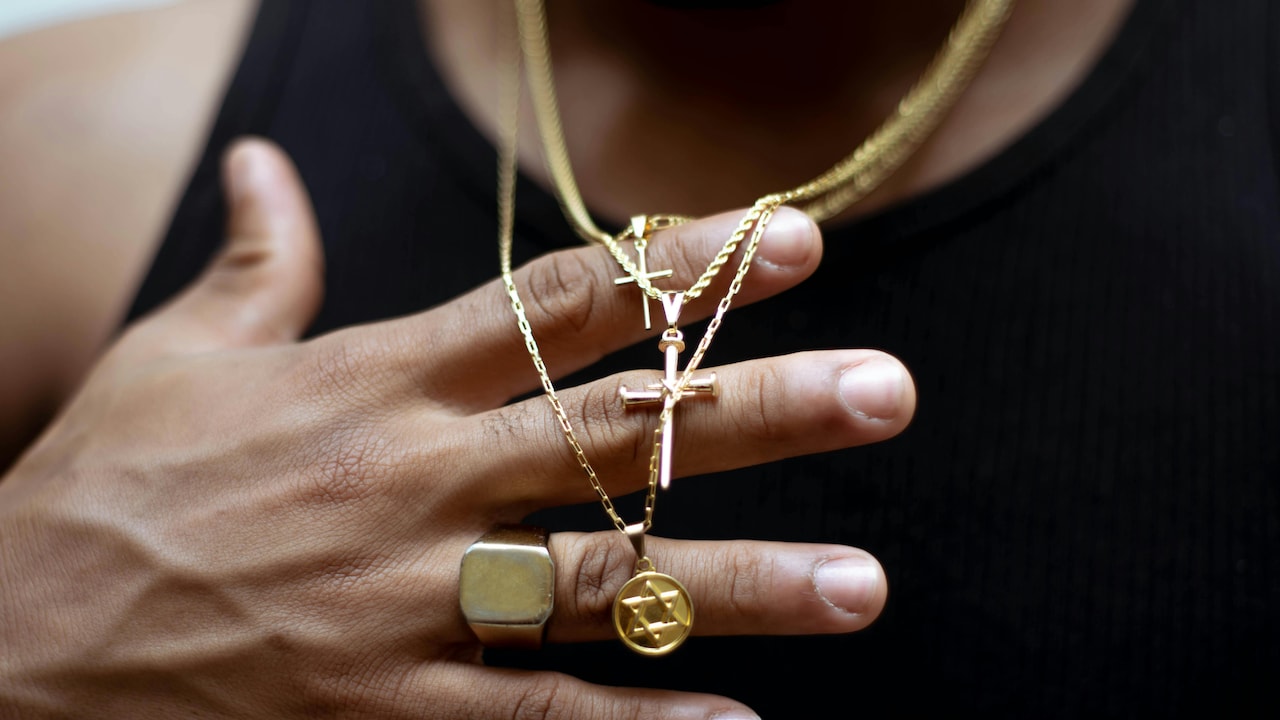
How To Style Layered Necklaces And Prevent The Common Tangling Problem Each And Every Time.
Layered necklaces have quietly become a modern wardrobe essential. A simple kurta suddenly feels festive, a plain shirt gains character, and even a relaxed weekend outfit looks thoughtfully styled with a few delicate chains resting at different lengths. Jewellery trends change quickly, yet layering remains timeless because it allows personal expression without demanding dramatic effort.
However, anyone who has worn multiple necklaces for more than an hour knows the hidden struggle. Chains twist, pendants slide behind one another, and by evening, a neat arrangement transforms into a stubborn knot that refuses to cooperate. The frustration feels familiar: standing before a mirror, running late, gently pulling at chains while hoping they untangle without breaking.
The good news lies in understanding that tangling rarely happens by chance. It usually results from poor spacing, incompatible chain styles, or everyday movement combined with friction. With a few mindful styling techniques and small adjustments, layered necklaces can stay elegant and manageable throughout the day.
This article explores practical ways to style layered necklaces while preventing tangles. Each section focuses on real-life dressing habits, clever jewellery choices, and easy solutions suited for busy routines, humid weather, festive gatherings, and long workdays alike. Styling jewellery should feel joyful, not stressful. A little knowledge turns layered necklaces from delicate chaos into effortless sophistication.
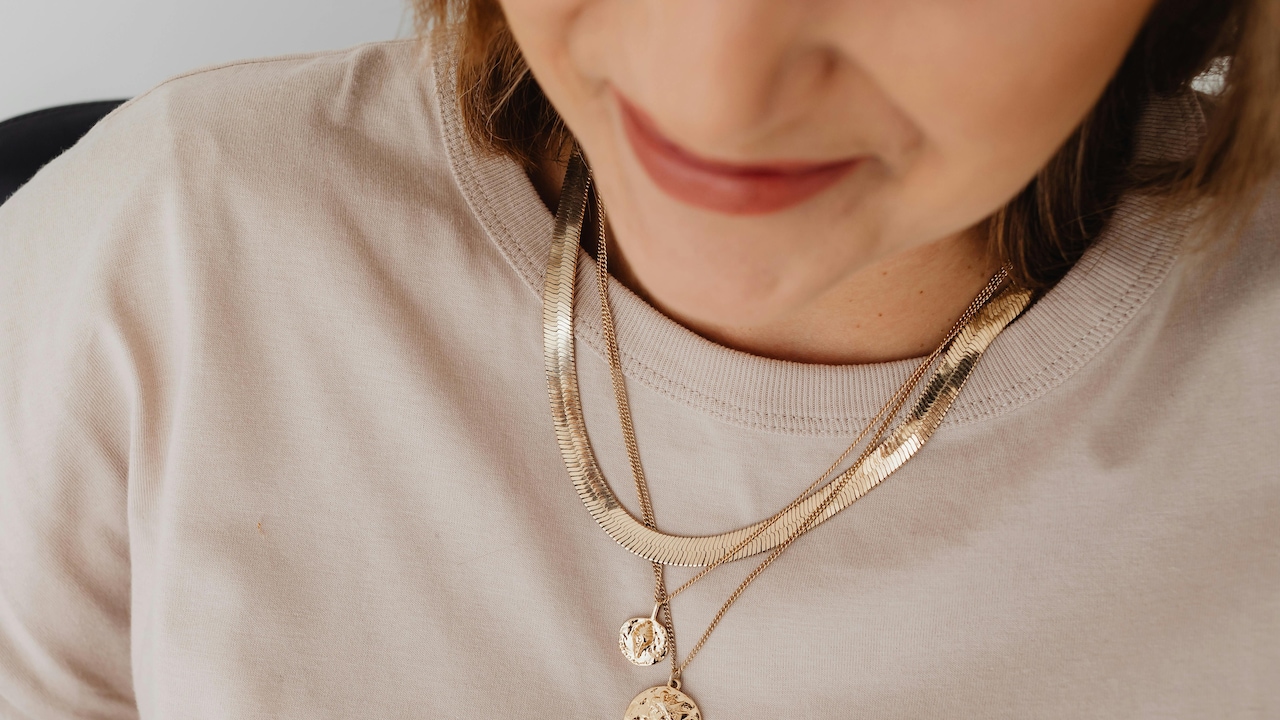
How To Style Layered Necklaces And Avoid The Common Tangling Problem
Photo Credit: Pexels
Practical Tips For Tangle-Free Necklace Styling
Start With Thoughtful Necklace Lengths
The foundation of successful layering begins with length variation. Many tangling issues arise when necklaces sit too close together. Chains compete for space, slide into one another, and twist with every movement of the neck and shoulders.
A balanced layered look usually includes at least three distinct lengths. A choker or short chain rests near the collarbone, a mid-length pendant falls slightly lower, and a longer chain creates vertical flow. This spacing allows each necklace to move independently instead of constantly clashing. Visual harmony also improves because the eye travels naturally downwards.
Shopping habits often lead to owning several necklaces of nearly identical lengths. During festive sales or spontaneous mall visits, similar designs feel tempting, especially around ₹499 to ₹1,499 price range. Yet identical sizing creates styling challenges later. Investing in adjustable chains or extenders solves this problem quickly and affordably.
Necklines also influence length choices. Deep V-necks welcome longer pendants, while high-neck outfits pair beautifully with shorter layers. Thoughtful coordination between clothing and jewellery reduces friction and prevents overlapping chains from rubbing against fabric. When each layer occupies its own space, tangling becomes far less likely and styling feels intentional rather than accidental.
Mix Chain Textures For Stability
Many assume matching necklaces create the most elegant layered look. Surprisingly, identical chain styles often tangle faster. Smooth chains slide over each other easily, creating friction points that twist into knots.
Combining different textures introduces stability. A delicate cable chain alongside a slightly thicker rope chain or a flat snake chain reduces excessive movement. Each texture behaves differently, preventing chains from spinning together repeatedly. The contrast also adds visual depth, making the styling appear curated instead of uniform.
Jewellery shops often display coordinated sets, yet mixing pieces collected over time tells a more interesting story. A minimal chain bought during a holiday trip pairs beautifully with a traditional pendant inherited from family jewellery. The combination feels modern while retaining emotional warmth.
Humidity and heat can also affect how chains behave against the skin. Textured chains grip lightly instead of sliding continuously, which helps maintain spacing during long commutes or crowded celebrations. The result feels comfortable and secure.
Layering succeeds when contrast works intelligently. Different textures create both aesthetic charm and practical function. Instead of chasing perfect matching sets, embracing variety keeps necklaces stylish while quietly preventing tangles throughout the day.
Choose Pendants With Purpose
Pendants play a surprisingly important role in preventing tangling. Heavy or oversized pendants pull chains downward, while extremely light ones drift freely and twist more easily. Balance becomes essential.
A good layered arrangement includes a statement pendant supported by simpler chains. When every necklace carries a large charm, weight distribution becomes uneven. Chains cross paths frequently, especially during walking or bending. Selecting one focal pendant allows other layers to frame it rather than compete.
Small symbolic charms work beautifully in daily wear. Initial pendants, tiny motifs, or geometric shapes add personality without overwhelming the arrangement. Jewellery stores frequently offer elegant options under ₹2,000 that suit both office wear and evening outings.
Placement also matters. Longer chains handle heavier pendants better because gravity stabilises them. Shorter chains benefit from lighter designs that remain close to the collarbone. This simple adjustment reduces unwanted movement dramatically.
Thoughtful pendant selection transforms layering from decorative stacking into intentional styling. Each piece contributes to balance, ensuring necklaces stay aligned rather than tangled. When pendants complement instead of compete, the entire look feels relaxed and refined.
Pay Attention To Necklace Clasps
Clasps rarely receive attention during styling discussions, yet they influence tangling more than expected. Standard spring clasps rotate easily, allowing chains to twist repeatedly behind the neck. Over time, this rotation pulls necklaces into knots.
Using necklaces with varied clasp styles reduces uniform spinning. Lobster clasps, magnetic closures, or front-facing clasps behave differently and interrupt constant rotation. Some modern designs even feature decorative front clasps that double as style elements while preventing twisting at the back.
Layering necklaces with all clasps positioned at the same point creates congestion. Slightly shifting clasp positions before leaving home helps distribute tension evenly. A quick mirror check often prevents hours of discomfort later.
Jewellery organisers increasingly recommend clasp converters or layering connectors, affordable accessories often priced around ₹300 to ₹700. These tools hold multiple necklaces together at one closure point, ensuring equal spacing throughout the day.
Such small details rarely appear glamorous, yet they quietly determine whether layered jewellery stays elegant or turns frustrating. Paying attention to clasps transforms layering into a smoother experience, proving that practical adjustments often matter more than expensive designs.
Match Layers With Fabric And Necklines
Clothing texture directly affects how necklaces behave. Soft cotton allows chains to glide gently, while silk or satin increases slipping. Rough fabrics, meanwhile, create friction that pulls necklaces sideways.
Understanding this relationship helps prevent tangles before they begin. Structured fabrics such as linen or thicker blends provide stability for layered necklaces. They hold chains in place and reduce excessive movement during daily activities.
Necklines also guide layering decisions. Boat necks and high collars favour shorter layers that remain visible without constant adjustment. Deep necklines allow longer chains to settle naturally, minimising contact between layers.
Festive outfits often feature embroidery or embellishments that catch delicate chains. Selecting slightly thicker layers during celebrations prevents snagging and keeps jewellery safe in crowded environments. A thoughtfully styled necklace should complement clothing rather than fight against it.
Morning dressing becomes easier when jewellery and clothing work together. Instead of forcing favourite necklaces into unsuitable outfits, pairing them strategically ensures comfort and elegance throughout the day. The right fabric choice quietly supports the necklace arrangement, reducing tangling without extra effort.
Secure Layers Before Stepping Out
Many tangles begin during hurried dressing moments. Necklaces thrown on quickly tend to overlap unevenly, creating problems that worsen with movement. Spending a minute arranging layers properly saves significant time later.
After wearing each necklace, gently separate chains using fingertips and allow them to settle naturally. A small shake helps chains fall into place. Checking alignment in natural light often reveals overlaps missed indoors.
Hair also affects layering. Loose strands caught between chains encourage twisting, especially during windy commutes. Styling hair before wearing necklaces prevents unnecessary interference. Even tying hair briefly while arranging jewellery can make a noticeable difference.
Applying perfume or moisturiser after wearing necklaces causes the chains to stick to the skin temporarily. Completing skincare and fragrance routines beforehand keeps movement smooth and prevents residue build-up that attracts knots.
These small rituals transform jewellery styling into a calming part of the morning routine rather than a rushed afterthought. Proper preparation ensures necklaces begin the day correctly positioned, greatly reducing the chances of tangling later.
Use Layering Tools And Modern Accessories
Jewellery innovation has quietly solved many layering frustrations. Layering clasps, necklace spacers, and anti-tangle connectors offers practical solutions without altering personal style.
A layering clasp connects multiple necklaces into one closure, maintaining equal spacing all day. This accessory proves especially helpful during long events such as weddings or festive gatherings where constant adjustment feels inconvenient. Many reliable options remain affordable, often under ₹1,000.
Silicone necklace spacers provide invisible separation between chains. They sit discreetly behind the neck and prevent necklaces from twisting around each other. These tools suit those who enjoy delicate jewellery but struggle with persistent tangling.
Travel organisers also play a role. Small jewellery rolls with individual compartments keep necklaces separated during trips. Opening luggage to find perfectly untangled chains feels surprisingly satisfying after long journeys.
Modern accessories support style without demanding compromise. They allow experimentation with layering while offering structure and stability. Embracing these solutions reflects practicality rather than dependence, proving that smart tools enhance everyday elegance.
Develop Smart Storage Habits
Tangling often begins long before necklaces touch the neck. Poor storage habits create knots that worsen during wear. Tossing jewellery into a single box invites chaos.
Hanging necklaces individually prevents chains from intertwining overnight. Wall hooks, jewellery stands, or even simple adhesive hooks inside wardrobes work effectively. Visibility also encourages more frequent use of favourite pieces.
Drawer organisers with soft-lined compartments protect delicate chains from friction. Separating necklaces by length or thickness makes morning selection easier and prevents rushed pulling that causes knots.
During travel, threading necklaces through drinking straws or storing them in zip pouches keeps chains aligned. This simple trick protects jewellery without requiring expensive organisers.
Consistent storage habits extend jewellery lifespan while eliminating daily frustration. Opening a neatly organised collection creates a sense of calm, turning styling into an enjoyable ritual rather than a repair session. Prevention, in this case, truly feels easier than untangling.
Balance Minimalism And Statement Styling
Layering succeeds when restraint meets creativity. Wearing too many necklaces increases weight and movement, almost guaranteeing tangling. A carefully chosen trio often achieves greater impact than five competing chains.
Minimal layers suit professional environments, while bolder combinations shine during celebrations. Adjusting layers according to occasion maintains comfort and practicality. Jewellery should enhance confidence, not demand constant attention.
Colour coordination also matters. Mixing metals works beautifully when done intentionally. Pairing gold with silver or rose tones adds dimension without visual clutter. Choosing one dominant metal tone helps unify the overall look.
Fashion trends may encourage maximalism, yet comfort remains timeless. When necklaces feel balanced, posture improves naturally because there is no need for repeated adjustment. Styling becomes effortless rather than performative.
Understanding personal preference allows experimentation without excess. Thoughtful layering celebrates individuality while respecting practicality, ensuring necklaces remain stylish companions instead of troublesome accessories.
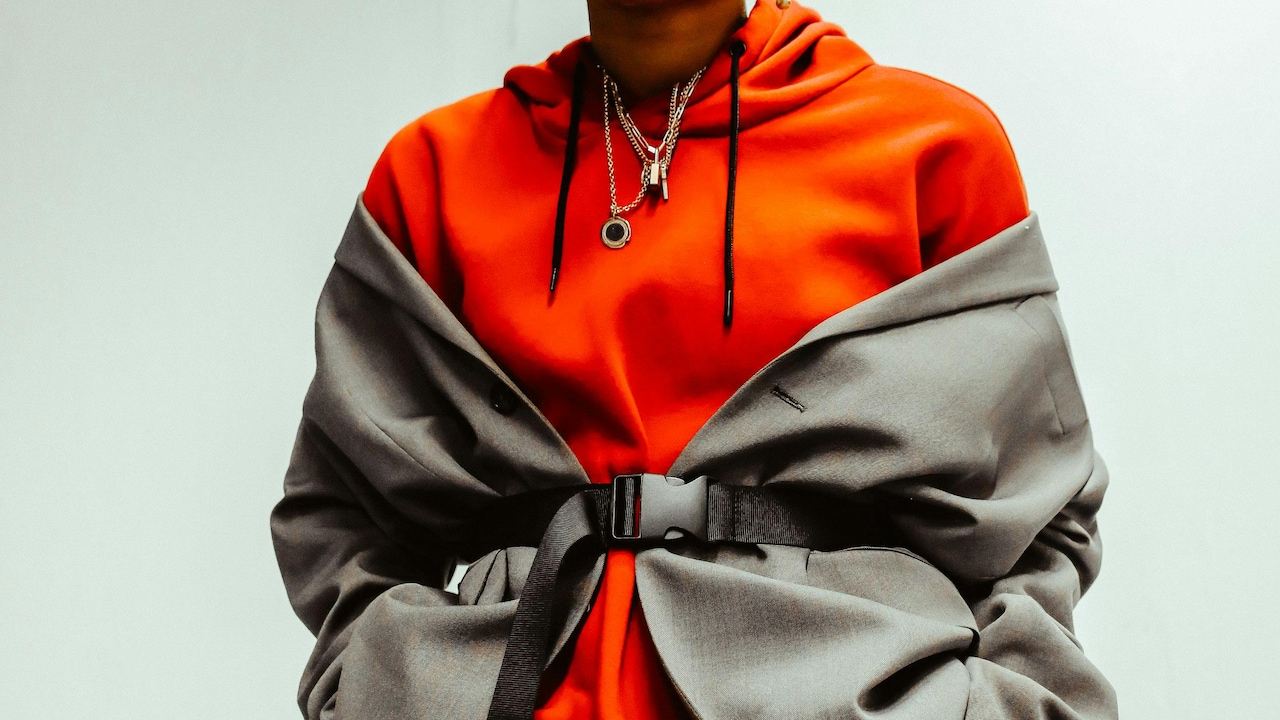
How To Style Layered Necklaces And Avoid The Common Tangling Problem
Photo Credit: Pexels
Maintain Necklaces With Regular Care
Even perfectly styled necklaces tangle if maintenance is ignored. Dust, sweat, and cosmetic residue accumulate gradually, increasing friction between chains.
Cleaning necklaces gently with a soft cloth after wearing removes oils that cause sticking. Occasional washing using mild soap and lukewarm water restores smooth movement. Thorough drying remains essential to prevent tarnish.
Checking chains for tiny bends or weak links prevents future knots. Small repairs completed early cost far less than replacing damaged jewellery later. Many local jewellers offer quick fixes for ₹100 to ₹300, making maintenance both accessible and worthwhile.
Rotating jewellery also helps. Wearing the same delicate chain daily exposes it to constant friction. Alternating pieces allows each necklace time to rest and retain shape.
Care routines need not feel elaborate. A few mindful habits preserve shine, flexibility, and durability. Well-maintained necklaces move freely, reducing tangling while ensuring every layered look feels fresh and polished.
Products Related To This Article
1. DURATI Rose Gold-Plated Layered Necklace
2. The Pari Gold-Plated Beaded Layered Necklace
3. DressBerry Gold-Plated Layered Necklace
4. Designs & You Gold-Plated Layered Necklace
5. SOHI Gold-Toned & White Gold-Plated Layered Necklace
6. Zaphariq Gold-Plated Layered Necklace
7. Shining Diva Fashion Set Of 2 Gold-Plated Pearls Beaded Minimal Layered Necklace
Layered necklaces capture something uniquely expressive about personal style. They allow creativity without overwhelming effort and transform everyday outfits into thoughtful ensembles. Yet the beauty of layering depends on balance, preparation, and a few practical habits.
Tangling rarely results from bad luck. It emerges from overlapping lengths, similar textures, rushed styling, or careless storage. Understanding these causes empowers smarter choices. Selecting varied chain lengths, mixing textures, choosing balanced pendants, and using modern accessories all contribute to smoother layering experiences.
Jewellery should bring delight rather than frustration. A well-layered necklace arrangement feels effortless, stays comfortable through busy days, and requires minimal adjustment. Small mindful actions, from organising storage to maintaining chains regularly, create lasting results.
Style often lies in details that go unnoticed by others, yet make the wearer feel confident. When necklaces rest neatly, move gracefully, and complement clothing naturally, layering becomes less about trends and more about self-expression.
With thoughtful styling and a little patience, tangled chains become a rare inconvenience instead of a daily struggle. Layered necklaces then fulfil their true purpose: adding sparkle, personality, and quiet elegance to every moment.
(Disclaimer: This article may include references to or features of products and services made available through affiliate marketing campaigns. NDTV Convergence Limited (“NDTV”) strives to maintain editorial independence while participating in such campaigns. NDTV does not assume responsibility for the performance or claims of any featured products or services.)