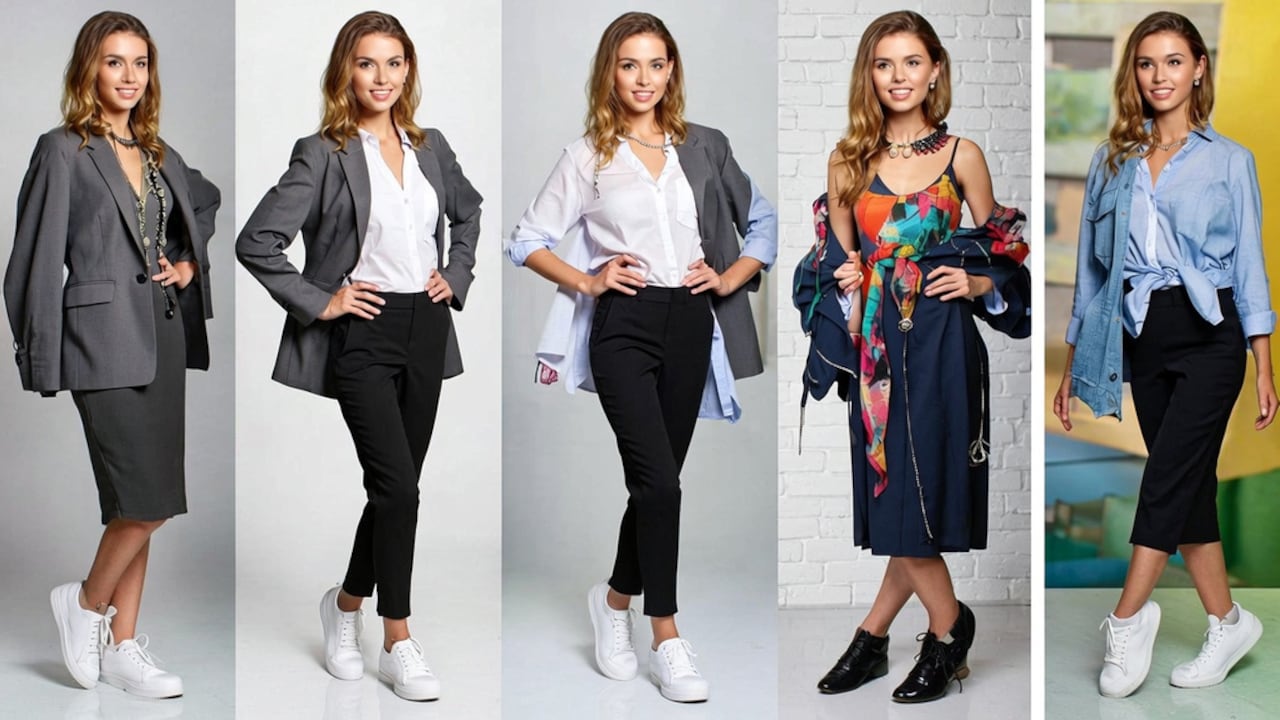
How To Style Organza Kurtas: Fashion Tricks To Reduce That Stiff Finish
Organza kurtas look dreamy but often feel stiff and tricky to style. Discover smart, wearable tricks to soften the structure, enhance movement, and turn this delicate fabric into a flattering, fuss-free favourite.
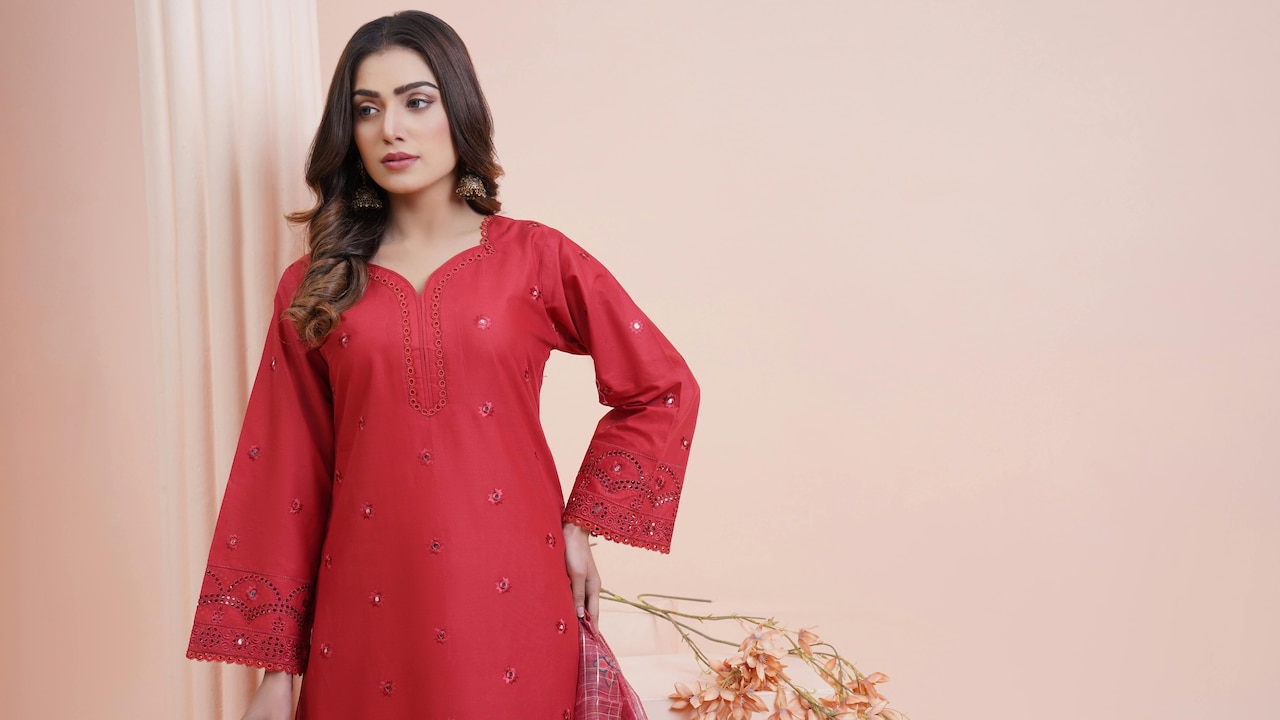
Say goodbye to the stiff organza look with these kurta styling tips.
Organza has a reputation. Crisp. Sheer. Slightly dramatic. It floats like a cloud yet stands like a sculpture. That dual personality explains why many fall in love with an organza kurta in a boutique, only to feel unsure once it lands in the wardrobe.
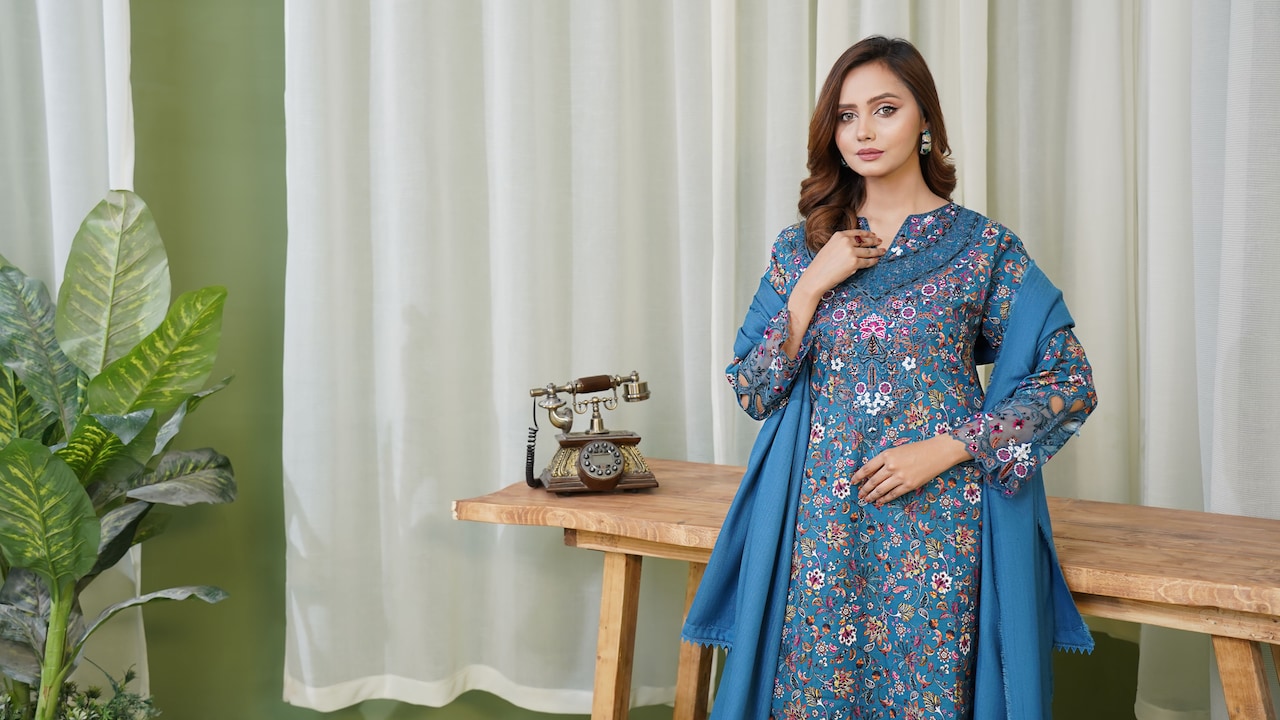
Say goodbye to organza kurtas looking stiff with these easy style tips; Photo Credit: Pexels
The fabric shines under festive lights and photographs beautifully at family functions. Designers from local boutiques to grand runways at events such as Lakme Fashion Week often showcase organza in pastel hues, layered silhouettes, and embroidered masterpieces. Even celebrated names like Sabyasachi Mukherjee have reimagined sheer textures in regal ways.
Yet daily wear demands comfort and movement, not stiffness. The good news? Styling makes all the difference. With the right combinations, organza kurtas can feel soft, flattering, and surprisingly versatile. These fashion tricks help tame that structured finish while keeping the glamour intact.
Also Read: Best Dupattas to Upgrade a Simple Kurta Set: Fabrics, Borders and Styling Tips
Choose Softer Linings That Flow
The easiest way to reduce organza's stiffness begins underneath. Many ready-made pieces come with rigid synthetic linings that add bulk and trap heat. Swapping that lining for a softer cotton or modal layer transforms the entire feel of the kurta.
A breathable lining allows the organza to float rather than stand away from the body. Movement becomes fluid, and the silhouette looks relaxed rather than boxy. A good tailor can replace a lining for around ₹800 to ₹1,500, depending on complexity. That small investment can rescue a rarely worn piece.
Colour matters too. Nude or pastel-toned linings maintain the delicate charm of organza, while stark contrasts make the fabric appear sharper. A soft lining gives structure without stiffness, creating balance between drama and wearability.
Comfort shapes confidence. When the base feels gentle on the skin, organza stops feeling intimidating and starts feeling luxurious.
Opt For Relaxed Silhouettes
Organza paired with tight cuts often exaggerates stiffness. Straight, body-hugging styles can look rigid because the fabric does not naturally drape like chiffon or georgette.
Instead, embrace A-line cuts, flared hems, or slightly oversized silhouettes. A relaxed shape gives the fabric room to breathe. It also softens the overall appearance, especially for daytime events.
For festive gatherings, a gently flared kurta worn with cigarette pants keeps the structure elegant without appearing severe. For casual brunches, a shorter organza kurta layered over wide-leg trousers creates movement and comfort.
Tailoring adjustments can help too. Adding side slits or reducing excessive stiffness at the seams makes the garment more wearable. When organza flows rather than clings, it feels less like armour and more like art.
Fashion works best when it works with the body, not against it.
Layer With Fluid Bottoms
Pairing organza with equally stiff fabrics creates a structured overload. The trick lies in contrast. Soft, fluid bottoms counterbalance organza's crispness beautifully.
Think palazzos in crepe, shararas in georgette, or even a satin skirt. The gentle sway of these fabrics offsets the kurta's firm texture. The overall outfit looks harmonious instead of heavy.
For semi-formal evenings, try an organza kurta with silk-blend wide trousers. The silk adds sheen without rigidity. For daytime celebrations, cotton palazzos keep things breezy and comfortable.
The eye loves contrast. When the bottom half moves gracefully, the top no longer feels overpowering. Instead, the outfit gains rhythm and balance.
A little softness below the waistline can completely transform the mood of an organza ensemble.
Add A Structured Inner Slip Dress
A clever styling trick involves turning the inner layer into a statement. Instead of a plain lining, wear a well-fitted slip dress underneath the organza kurta.
A satin or crepe slip creates clean lines and smooth structure. The organza then acts like a sheer overlay rather than the main source of stiffness. This approach works especially well for straight-cut or long organza kurtas.
Choose a slip in complementary shades such as blush under ivory, powder blue under silver, or deep maroon under pastel pink. These combinations create depth and dimension.
This styling hack also extends wearability. The slip dress can double as a standalone outfit for another occasion, making the investment practical.
Layering strategically changes perception. Suddenly, organza looks intentional and fashion-forward instead of delicate and difficult.
Soften With Dupattas That Drape
An organza kurta paired with an organza dupatta can feel overly structured. Instead, select a softer fabric for the dupatta to introduce contrast.
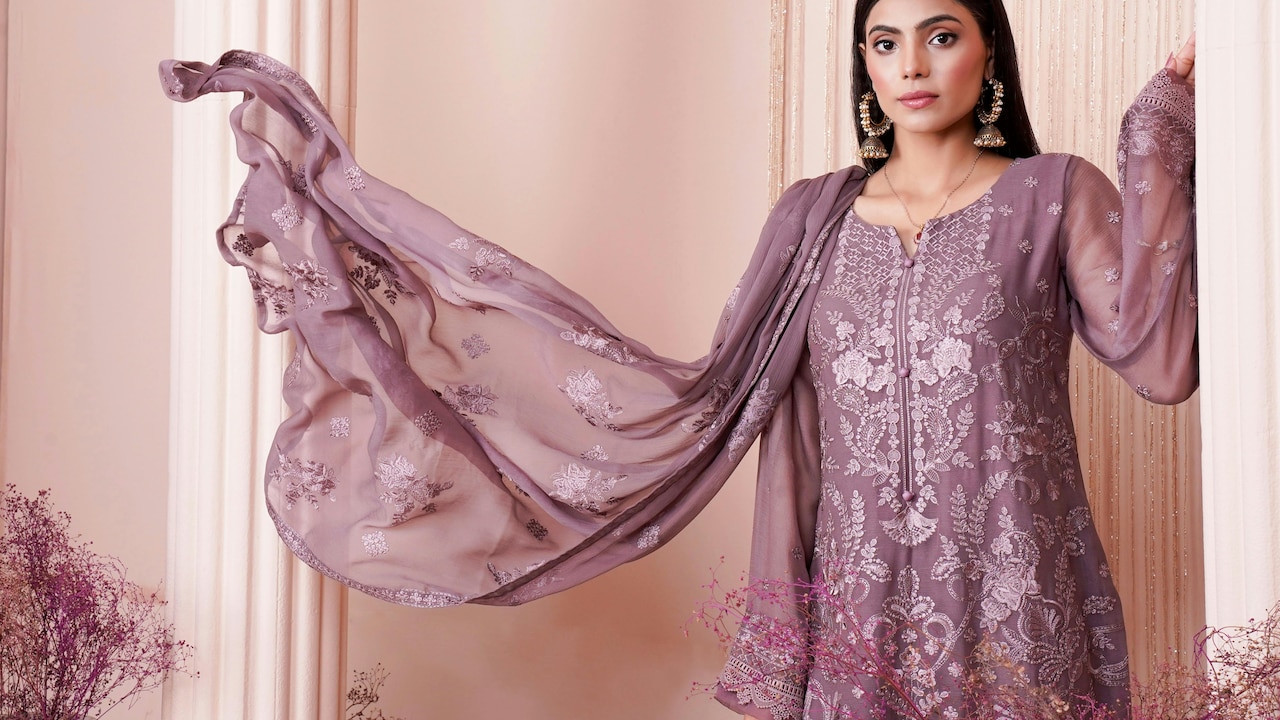
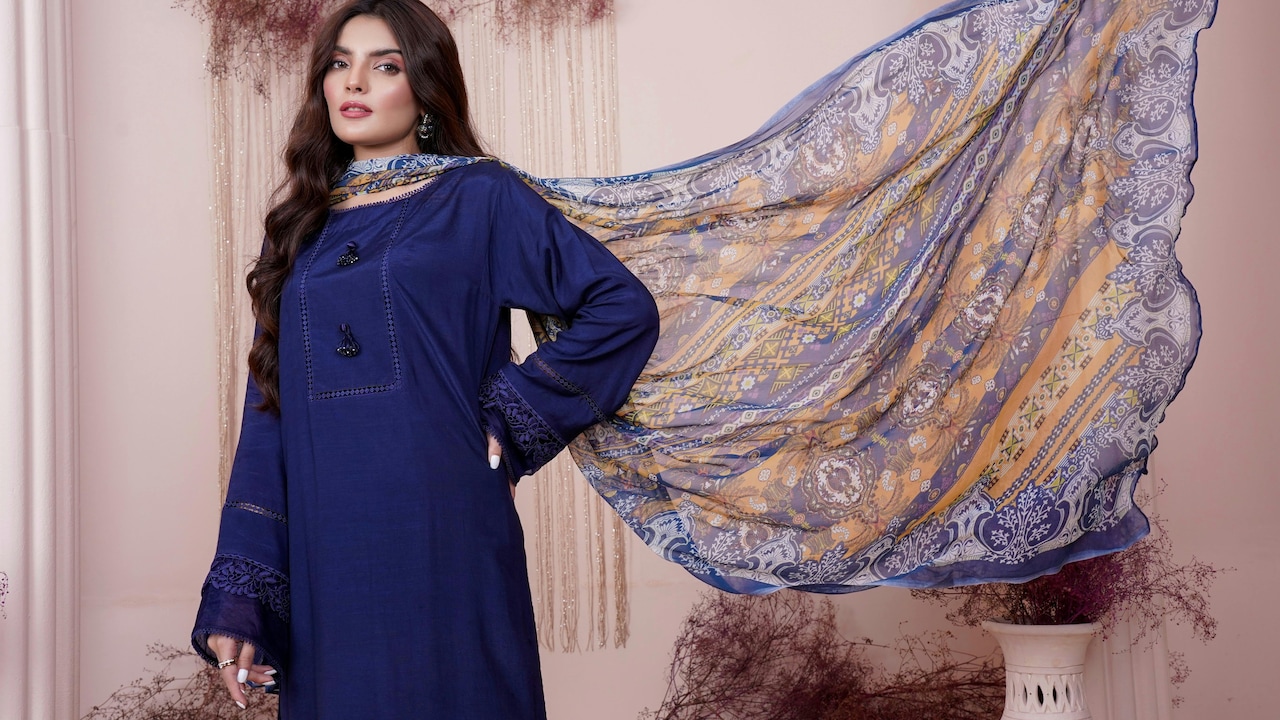
Chiffon, net, or lightweight silk dupattas drape naturally around the shoulders. They break the stiffness and add gentle movement. A delicately embroidered chiffon dupatta can elevate even a simple kurta.
Drape styles matter too. Avoid tightly pinned arrangements that restrict flow. Let the dupatta fall freely over one shoulder or wrap it loosely around the arms. This relaxed styling instantly softens the look.
For weddings or festive nights, a silk dupatta with subtle zari work adds richness without heaviness. The mix of textures feels thoughtful rather than matchy.
The right dupatta acts like a finishing brushstroke. It ties the ensemble together and tames the sharpness of organza.
Add a dupatta in a softer fabric to create a contrast with organza; Photo Credit: Pexels
Play With Belts For Definition
Organza sometimes creates a boxy outline. Adding a belt can redefine the shape and reduce that floating stiffness.
A slim embroidered belt or fabric kamarband cinches the waist gently. This adds structure in the right place while allowing the rest of the kurta to flow naturally.
For festive occasions, opt for embellished belts with pearls or threadwork. For daytime events, a minimal fabric tie-up belt keeps things subtle.
The key lies in balance. The belt should enhance the silhouette, not overpower it. Avoid heavy metallic styles that clash with the lightness of organza.
When styled thoughtfully, a belt transforms a shapeless kurta into a flattering statement piece. The fabric still floats, yet the overall look feels tailored and intentional.
Sometimes, one accessory changes everything.
Choose Subtle Embroidery Over Heavy Work
Heavy embroidery on organza can increase stiffness and weight. Thick zari borders or dense threadwork often pull the fabric down awkwardly.
Instead, select pieces with delicate motifs, scattered florals, or minimal embellishments. Light embroidery enhances organza's airy charm without overwhelming it.
Pastel threadwork on sheer bases creates softness. Mirror work in moderation adds sparkle without bulk. Even subtle sequins can work if distributed evenly.
For grand celebrations, choose embroidery concentrated around the neckline or cuffs rather than across the entire garment. This approach keeps the body of the kurta light and fluid.
Less truly feels more with organza. The fabric already makes a statement. Gentle detailing complements rather than competes.
Elegance often hides in restraint.
Experiment With Pastel And Muted Tones
Colour influences perception. Bright neon shades can make organza appear sharper and more rigid. Pastels and muted tones soften its natural crispness.
Powder blue, blush pink, sage green, lilac, and champagne gold enhance the delicate quality of the fabric. These hues create a romantic vibe rather than a dramatic one.
Earthy shades such as dusty rose or muted mustard also work beautifully for daytime gatherings. They tone down stiffness and add warmth.
For evening events, jewel tones like emerald or wine look luxurious when paired with soft lighting and subtle accessories. The key lies in avoiding overly harsh contrasts.
Soft colour palettes allow organza to glow instead of glare. The outfit feels graceful, balanced, and easier to carry.
Sometimes, the gentlest shades leave the strongest impression.
Accessorise Thoughtfully
Accessories can either amplify stiffness or soften it. Chunky jewellery with a heavily embroidered organza kurta may feel overwhelming.
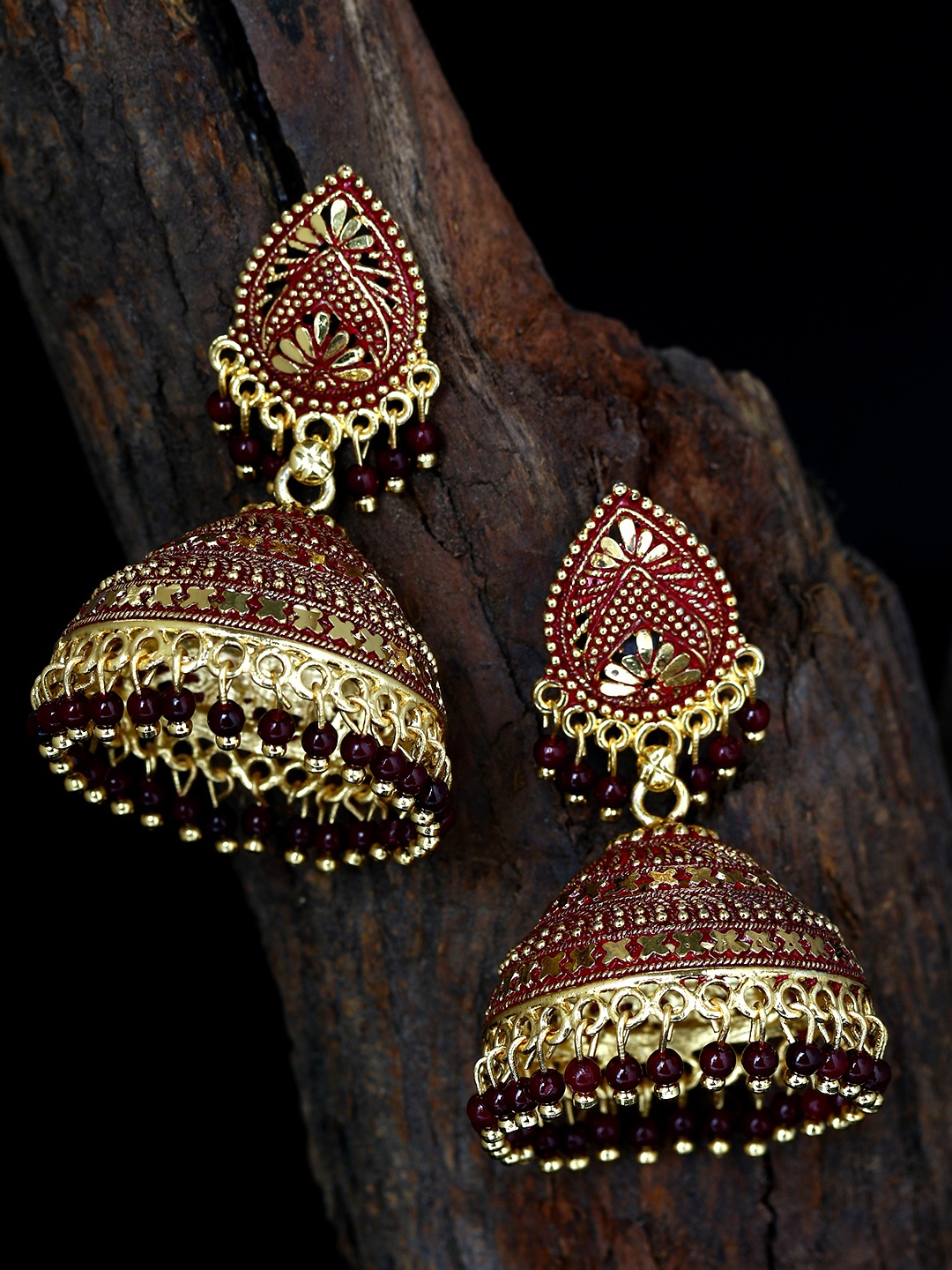
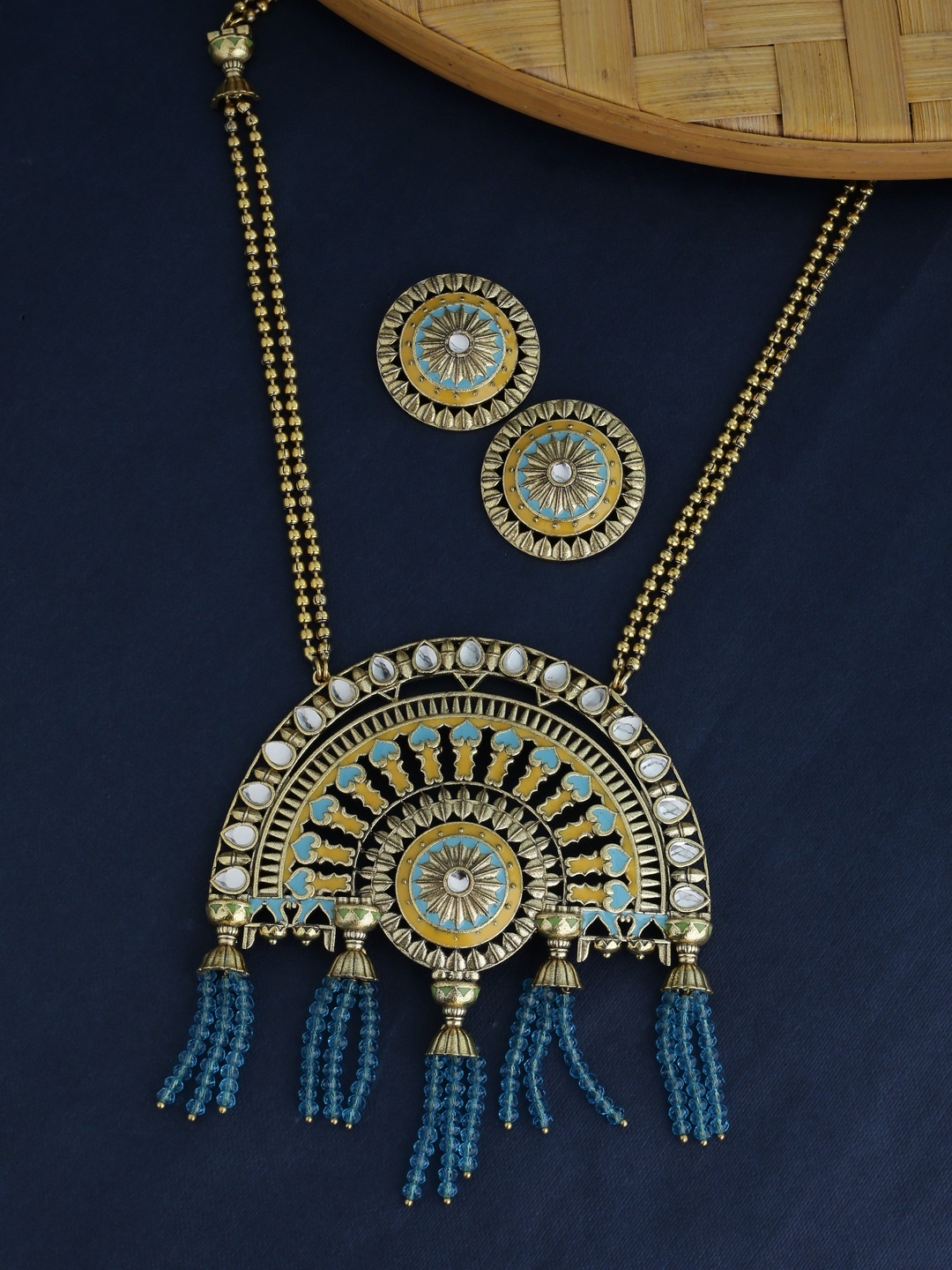
Opt for delicate earrings, fine bangles, or a statement ring. Pearls pair beautifully with organza's translucent charm. Minimalist heels or juttis keep the focus on the outfit without adding visual clutter.
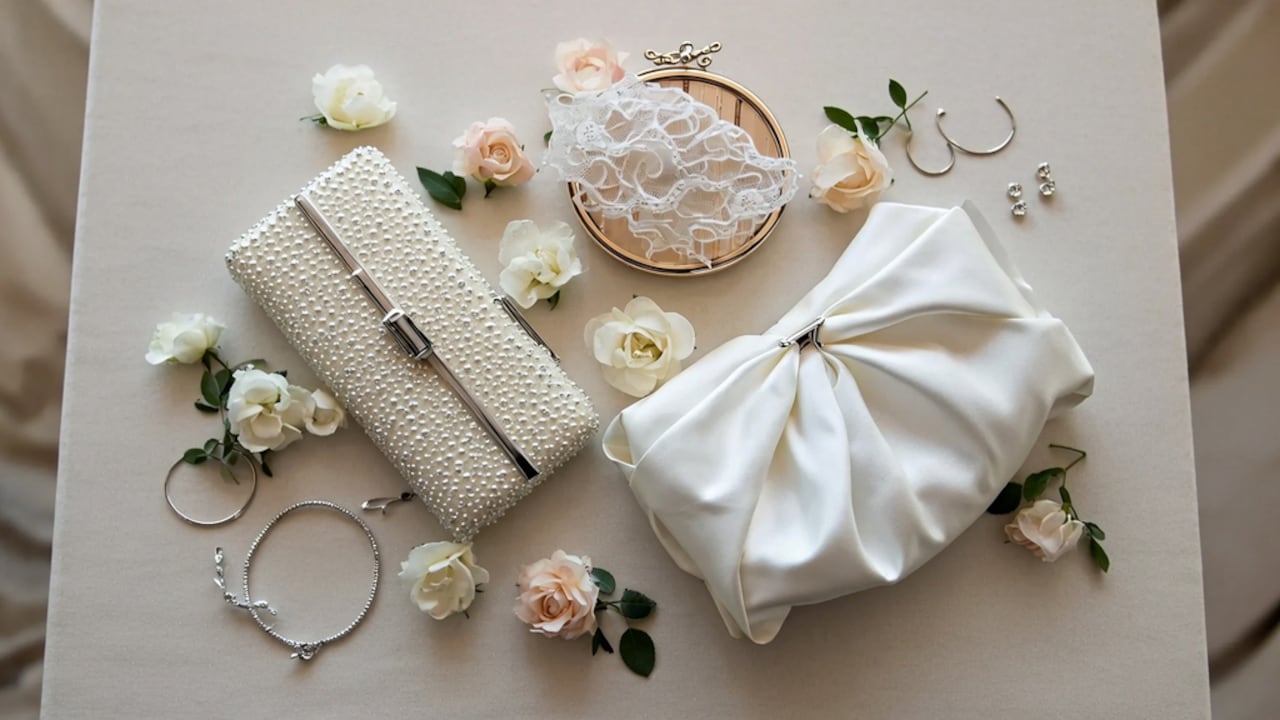
For festive nights, choose one standout accessory rather than several competing pieces. A single bold earring or a shimmering clutch can elevate the entire look.
Handbags in satin or silk textures blend seamlessly. Avoid stiff box clutches that echo the kurta's structure too strongly.
When accessories feel light and harmonious, the ensemble breathes. The kurta no longer looks rigid. Instead, it becomes the centrepiece of a carefully curated outfit.
Subtle choices often create the most striking results.
Trust Smart Tailoring Adjustments
Sometimes, the issue lies not in styling but in construction. Minor tailoring tweaks can dramatically improve comfort and appearance.
Reducing excess interfacing in collars and cuffs softens the neckline. Adjusting sleeve width prevents awkward stiffness around the arms. Shortening an overly long hem can also enhance proportion.
A skilled tailor can reshape side seams or add discreet panels for better movement. These small refinements often cost between ₹500 and ₹2,000, depending on complexity.
Well-fitted clothing always looks more expensive and feels more comfortable. Organza benefits greatly from precision tailoring because the fabric highlights every line and seam.
Never underestimate the power of a perfect fit. When the garment sits well, the stiffness fades into elegance.
Confidence begins with comfort, and comfort often begins at the tailor's table.
Products Related To This Article
1. Soch Floral Printed Mandarin Collar Straight Kurta
2. Pantos Women Kurta
3. Ahalyaa Floral Printed Gotta Patti Kurta
4. W Off White Floral Printed Thread Work Organza Straight Kurta
5. SHOWOFFFF Women Yoke Design Thread Work Kurta
Organza kurtas deserve more outings than wedding receptions and carefully posed photographs. With thoughtful styling, clever layering, and smart tailoring, that stiff finish transforms into structured elegance.
Soft linings, fluid bottoms, pastel palettes, and subtle accessories all work together to create balance. The fabric retains its ethereal charm while becoming far more wearable. A small investment in alterations or styling changes can turn a ₹3,000 impulse buy into a long-term wardrobe favourite.
Fashion should feel joyful, not intimidating. Organza may appear delicate and dramatic, yet it responds beautifully to gentle adjustments. When styled with intention, it moves gracefully from festive halls to intimate celebrations and even stylish brunches.
The next time an organza kurta calls from the wardrobe, answer with confidence. A few smart tricks can make it feel less stiff and far more spectacular.
(Disclaimer: This article may include references to or features of products and services made available through affiliate marketing campaigns. NDTV Convergence Limited (“NDTV”) strives to maintain editorial independence while participating in such campaigns. NDTV does not assume responsibility for the performance or claims of any featured products or services.)