How to Style Shrugs So They Complement, Not Compete, With Your Outfit
A shrug can elevate an outfit or quietly ruin it. From wrong lengths to clashing colours, this guide explains common mistakes and how to choose shrugs that truly work.
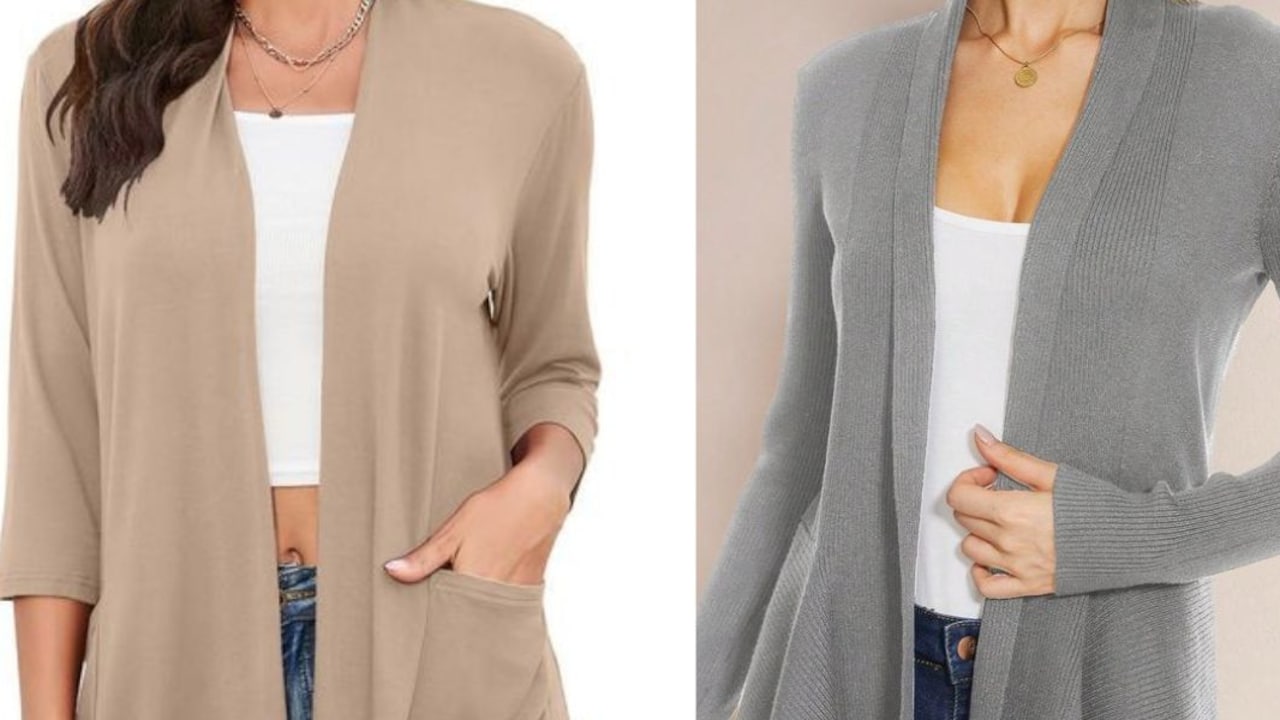
Why Certain Shrugs Clash With Outfits And How to Choose One That Harmonises.
The shrug enjoys a loyal following. It saves sleeveless outfits, adds warmth during sudden weather shifts, and promises instant polish. Still, many outfits lose their charm the moment a shrug enters the picture. The mirror tells the truth. Something feels off. The colours argue, the fit feels wrong, or the whole look turns frumpy.
The issue rarely lies with the outfit alone. Shrugs come with their own personality. When that personality refuses to cooperate, chaos follows. Style works like a good conversation. Pieces must listen to each other. When they talk over one another, the look collapses.
Understanding why shrugs clash helps avoid those frustrating wardrobe moments. Choosing the right one brings balance, comfort, and confidence. This article explores common shrug mistakes and offers practical, relatable solutions that suit daily life, weddings, office wear, and casual evenings out.
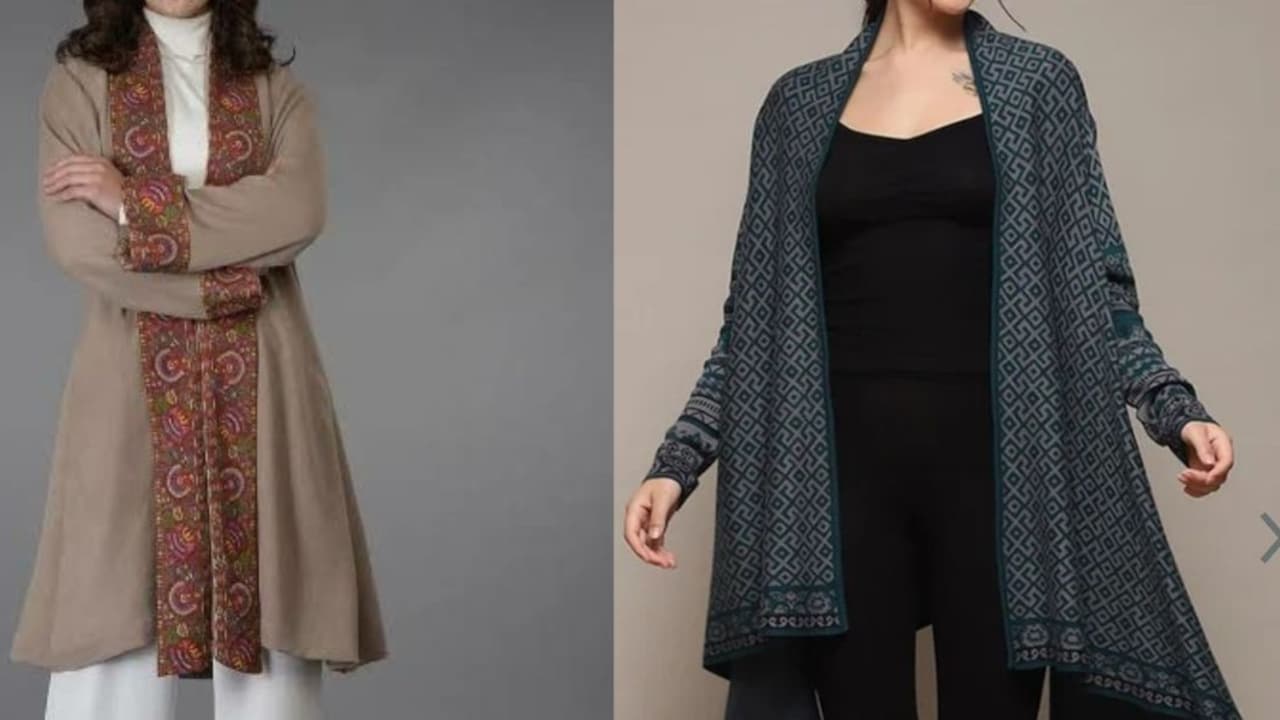
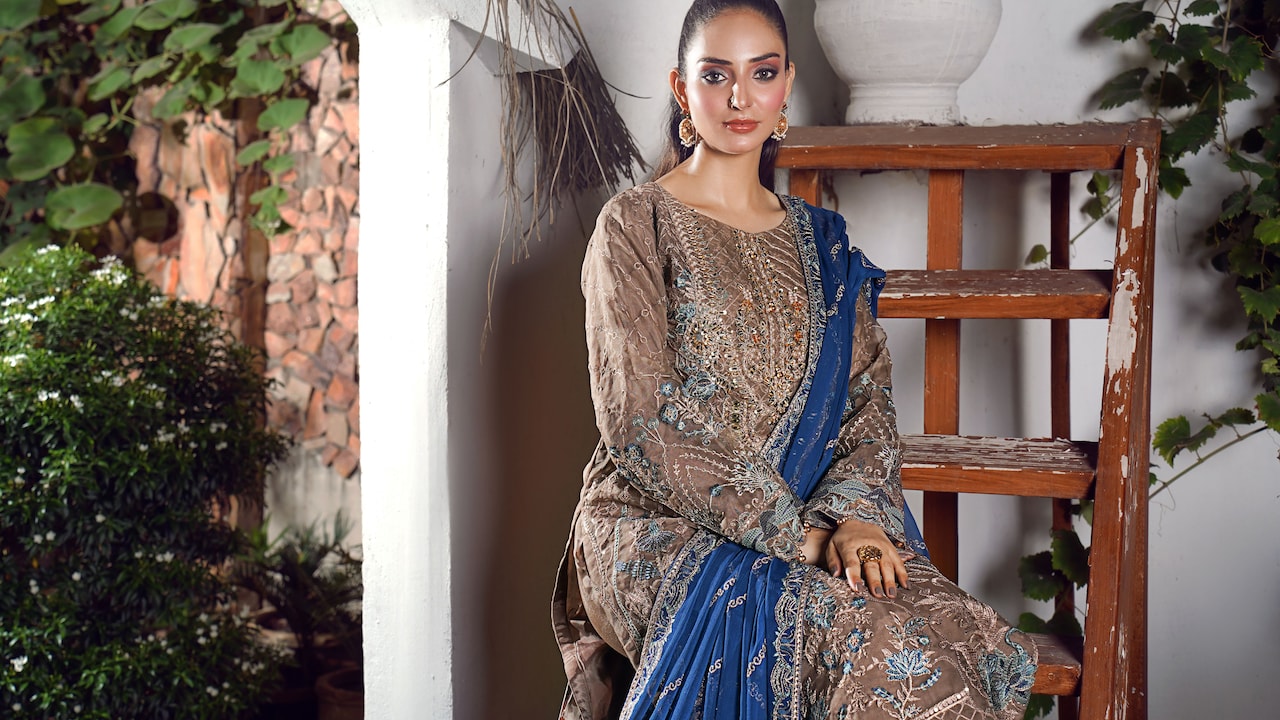
Why Shrugs Clash With Outfits And How To Choose The Right One; Photo Credit: Pexels
Common Styling Mistakes That Make Shrugs Look Out of Place
1. Length That Cuts the Outfit in Half
Length plays a silent yet powerful role. A shrug that ends at the widest part of the torso can distort proportions. It chops the outfit visually and shortens the frame. This issue often occurs with cropped shrugs paired with long kurtas or flowing dresses.
Harmony begins with balance. Long outfits pair better with mid-length or waist-grazing shrugs. Short dresses welcome cropped styles that highlight the waist. The shrug should echo the outfit's rhythm rather than interrupt it.
Many wardrobes hold beautiful shrugs that fail due to length alone. A simple mirror check helps. If the body looks divided instead of elongated, the shrug causes the trouble. Choosing lengths that complement the silhouette brings instant improvement without extra effort.
2. Fabrics That Fight Each Other
Fabric mismatch creates visual noise. A heavy woollen shrug over a light cotton dress feels awkward, even before comfort enters the conversation. The textures argue instead of blending.
Light fabrics pair best with airy shrugs. Think chiffon, modal, or soft knits. Rich fabrics like silk or velvet demand shrugs with equal depth. A thin acrylic shrug over a festive outfit cheapens the entire look.
Touch matters as much as sight. When fabrics flow together, the outfit feels intentional. When they clash, the look feels rushed. Matching fabric weight and texture creates cohesion and elevates even the simplest ensemble.
Also Read: Layering Shrugs Over Dresses: 10 Dos and Don'ts for Effortless Style
3. Colours That Refuse to Get Along
Colour clashes top the list of shrug disasters. Bright, heavily printed outfits overwhelm the eyes. Muted outfits paired with loud shades steal focus from the main attire.
A shrug should support, not dominate. Neutral shades rescue busy outfits. Bold colours work best over solid bases. The colour wheel offers guidance, yet instinct often works better.
Festive wardrobes already shine. Adding another loud element rarely helps. Choosing colours that repeat or softly contrast with the outfit brings harmony. When in doubt, beige, ivory, charcoal, or soft pastels rarely disappoint.
4. Overpowering Embellishments
Sequins, tassels, heavy embroidery, and dramatic borders attract attention. When both the outfit and the shrug demand the spotlight, confusion follows.
A heavily embellished lehenga or anarkali needs a subtle shrug. Let one piece lead the story. The shrug should act as a supporting character, not the hero.
For simple outfits, embellished shrugs work wonders. They add personality and flair without effort. Balance remains the key. Too much sparkle everywhere turns elegance into excess.
5. Poor Fit That Spoils the Flow
Fit issues ruin even the most expensive shrug. Tight arms restrict movement and create awkward creases. Oversized styles drown the outfit and erase shape.
A shrug should sit comfortably on the shoulders and skim the body. Sleeves should allow free movement. The front should fall naturally without constant adjustment.
Tailoring changes everything. A small nip at the waist or sleeve adjustment transforms a shrug completely. Comfort and style go hand in hand. When the shrug feels right, confidence follows automatically.
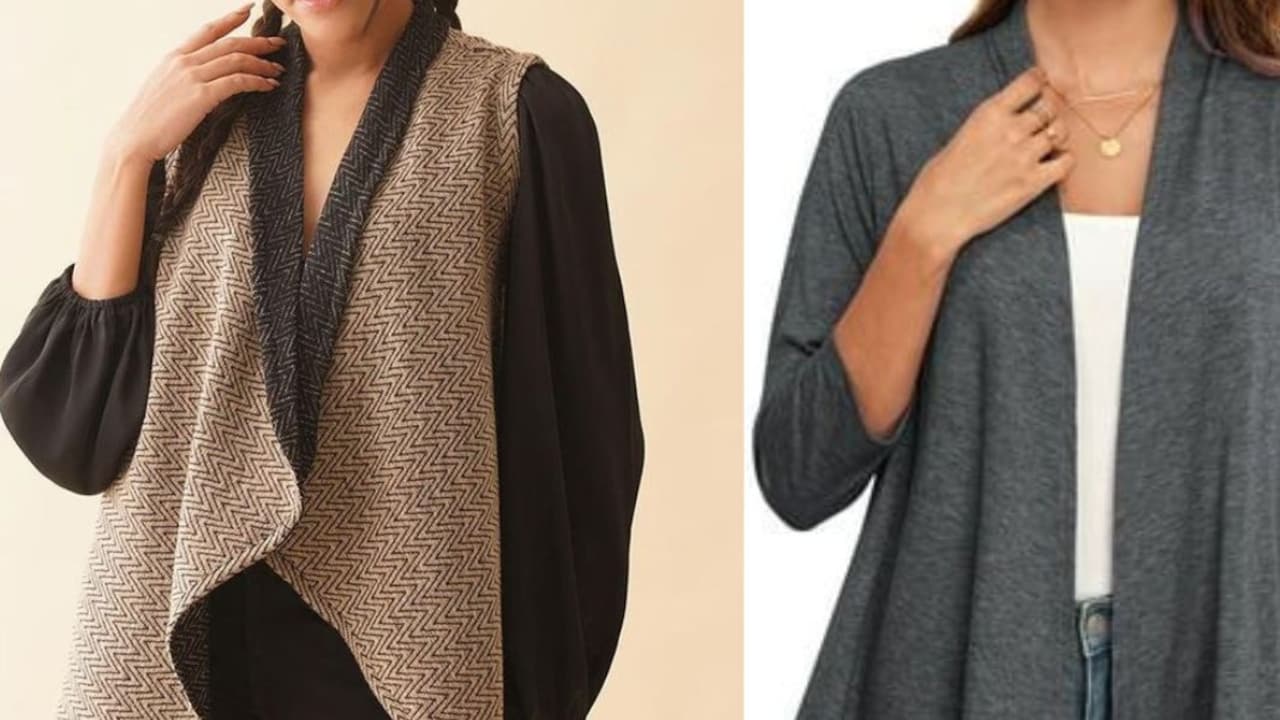
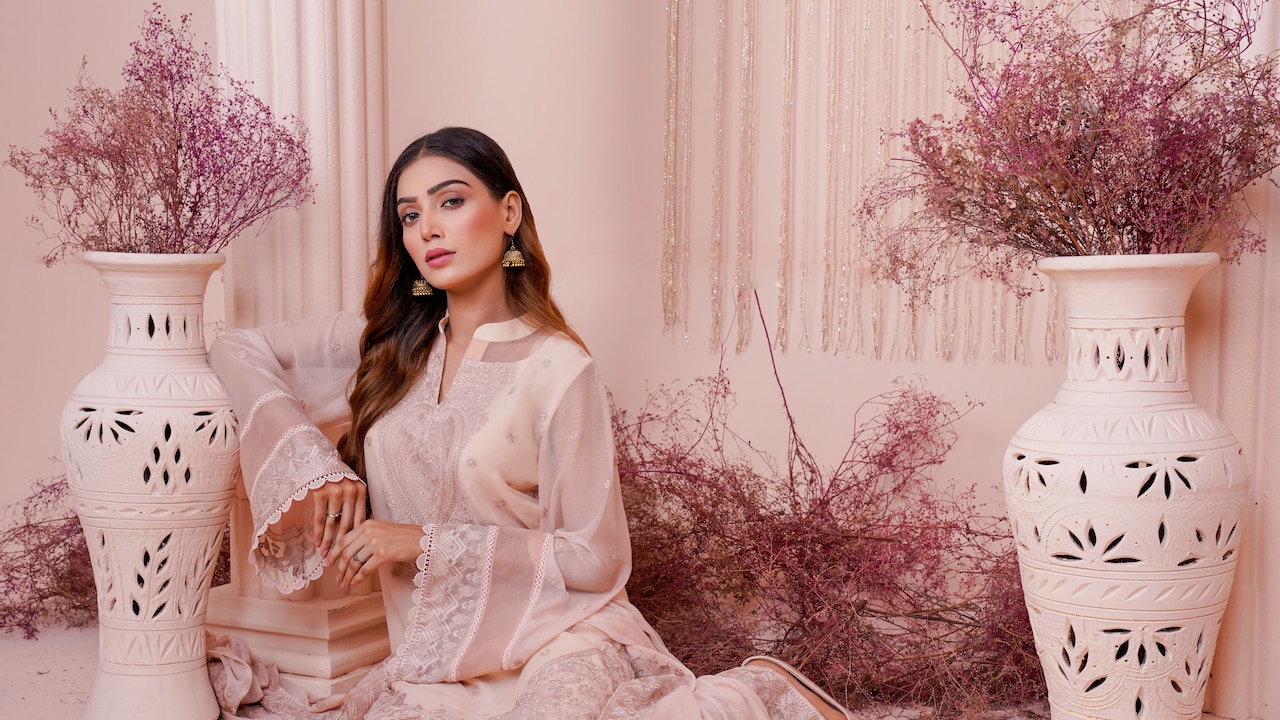
Why Shrugs Clash With Outfits And How To Choose The Right One; Photo Credit: Pexels
6. Ignoring the Occasion
Occasion-blind styling causes many clashes. Casual cotton shrugs at weddings feel underdressed. Shimmery party shrugs at brunch look out of place.
Every event carries an unspoken dress code. Daytime calls for breathable fabrics and softer tones. Evenings welcome richer textures and deeper shades.
Office wear needs structured shrugs that add polish without drama. Weekend outings allow playful cuts and relaxed styles. Matching the shrug's mood with the occasion prevents awkward fashion moments.
7. Seasonal Confusion
Seasonal mismatch often goes unnoticed. Thick knits during humid months cause discomfort and look odd. Ultra-light shrugs during winter fail both style and function.
Season-appropriate choices matter. Summers favour breathable materials and open designs. Winters invite layering with warmth and structure.
Transitional weather benefits from versatile pieces. Lightweight wool or cotton blends work well. Dressing with the season enhances comfort and visual harmony. The shrug should feel natural in the climate, not forced.
8. Competing Necklines
Necklines deserve attention. A shrug with a high collar over a detailed neckline hides design elements. Deep necklines paired with awkward shrug cuts look unbalanced.
The shrug should frame the outfit's neckline, not block it. Open-front shrugs suit embellished necks. Closed styles work better with simpler designs.
Trying combinations before stepping out saves regret later. The neckline remains a focal point. Respecting it ensures the outfit retains its intended charm.
9. Ignoring Body Proportions
Body proportions influence how shrugs behave. Boxy styles add bulk to petite frames. Very short shrugs emphasise areas unintentionally.
Understanding one's proportions helps in choosing flattering styles. Longer shrugs elongate. Structured cuts define shape. Soft drapes add elegance.
Fashion rules bend easily, yet awareness helps avoid common pitfalls. The right shrug highlights strengths and offers comfort without compromise.
10. Forgetting Personal Style
Trends change quickly. Personal style remains constant. Many clashes happen when trends override comfort and identity.
A shrug may look stunning on a mannequin yet feel wrong on the wearer. That discomfort shows. Confidence completes an outfit more than any accessory.
Choosing shrugs that align with lifestyle, personality, and comfort creates effortless harmony. Fashion should feel joyful, not stressful. When personal style leads, clashes fade away.
Products Related To This Article
1. Style Quotient Women Black Self Design Open Front Crop Shrug
2. fusion by glitchez Ethnic Printed Flared Sleeves Embroidered Open Front Shrug
3. Azira Women Printed Tasselled Shrug
4. Vishudh Women Longline Tie-Up Shrug
5. Annabelle by Pantaloons Solid Open Front Longline shrug
6. PURYS PLUS Abstract Printed Tasselled Longline Shrug
7. all about you Open-Knit Ribbed Longline Shrug
Shrugs hold the power to elevate or sabotage an outfit. Small details like length, fabric, colour, and fit decide the outcome. Awareness transforms styling struggles into confident choices.
The right shrug wear blends seamlessly, feels comfortable, and suits the occasion. It respects the outfit instead of competing with it. With thoughtful selection, shrugs become trusted wardrobe allies rather than risky add-ons.
Style thrives on balance, intuition, and a little experimentation. When shrugs harmonise with outfits, the result feels effortless, polished, and uniquely personal.
(Disclaimer: This article may include references to or features of products and services made available through affiliate marketing campaigns. NDTV Convergence Limited (“NDTV”) strives to maintain editorial independence while participating in such campaigns. NDTV does not assume responsibility for the performance or claims of any featured products or services.)