Layering Shrugs Over Dresses: 10 Dos and Don'ts for Effortless Style
Shrugs can transform a dress when styled right. From choosing the correct length to balancing colour and fabric, this guide breaks down clear dos and don’ts to help layer shrugs over dresses with confidence and ease.

Elevate Dress Outfits Instantly with These 10 Smart Shrug Layering Dos and Don'ts.
Fashion often works best when it solves a problem. A shrug does exactly that. It adds warmth to air-conditioned spaces, brings modesty where needed, and creates layers that feel stylish rather than forced. Dresses already feel complete on their own, which makes shrug styling tricky. Too much layering can look cluttered, while the wrong cut can hide the best parts of the outfit.
Shrugs come in many moods. Some whisper elegance, others shout fun. Choosing one is not about trends alone. Body shape, occasion, fabric, and even the weather matter. Many wardrobes already hold dresses that rarely see daylight because they feel 'incomplete'. A good shrug can fix that in seconds.
This article explores ten clear dos and don'ts of layering shrugs over dresses. Each point focuses on practical styling, relatable situations, and small details that make a big difference. Expect fashion wisdom with a smile, rooted in everyday dressing rather than runway drama.
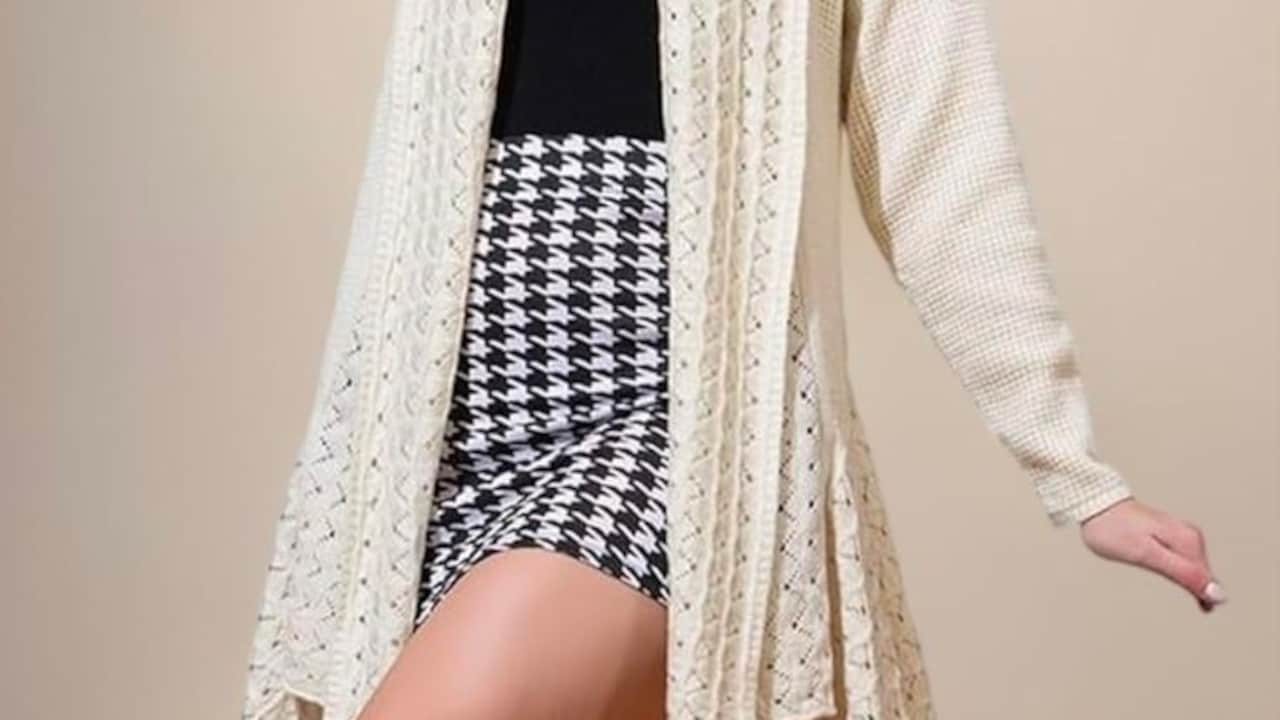
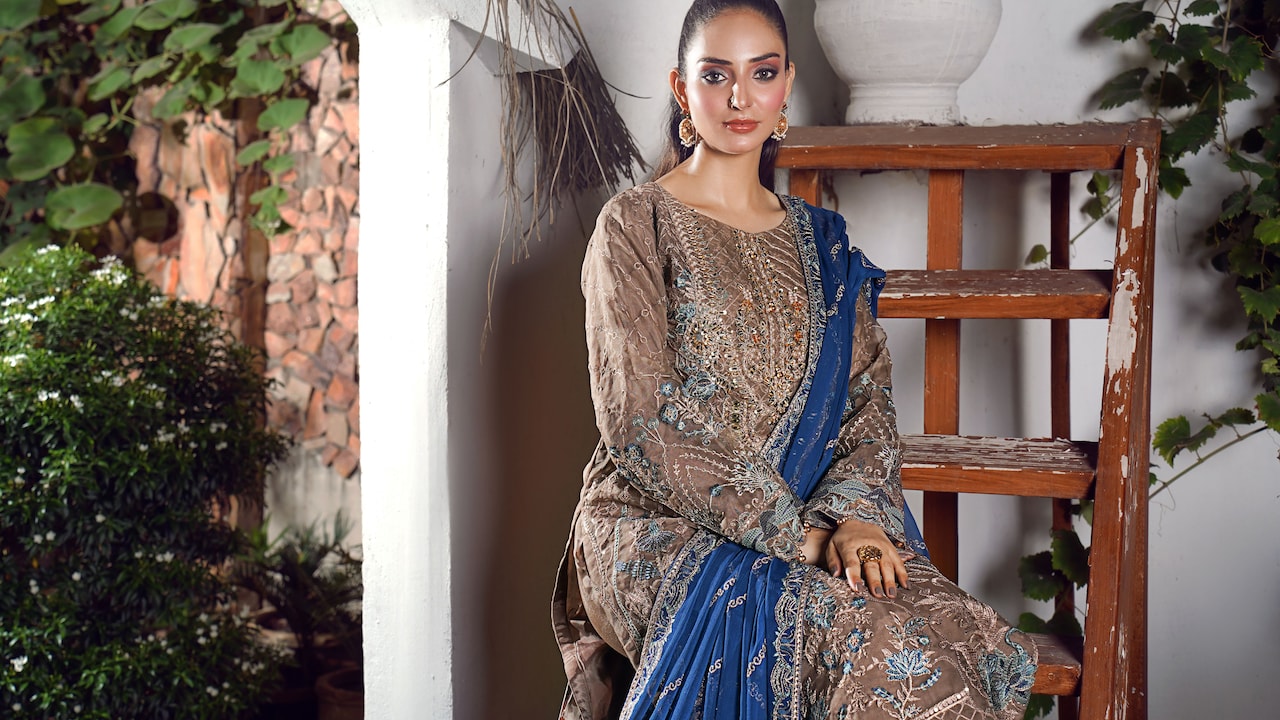
Layering Shrugs Over Dresses: Dos And Dont's; Photo Credit: Pexels
The Rules That Make Shrugs and Dresses Work Together
1. Do Match Lengths Carefully, Don't Let Them Compete
Length plays the biggest role in shrug styling. A cropped shrug pairs beautifully with flared or A-line dresses. It highlights the waist and keeps proportions neat. Longer shrugs work well with fitted dresses, adding flow without bulk. Problems begin when both pieces fight for attention.
A knee-length dress with a knee-length shrug often looks awkward. The eye does not know where to rest. Instead, create contrast. Short over long or long over short always works better. Maxi dresses love mid-thigh or waist-length shrugs. Shirt dresses pair well with structured, hip-length layers.
Height also matters. Petite frames benefit from shorter shrugs that elongate the legs. Taller frames can experiment with longer layers. When in doubt, stand in front of a mirror and check the balance. If the outfit looks chopped in half, the length needs rethinking.
2. Do Consider Fabric Harmony, Don't Mix Heavy With Delicate
Fabric tells a silent story. A floaty chiffon dress calls for a soft shrug. Think cotton blends, lace, or light knits. Heavy wool or thick acrylic can crush the delicacy of the dress. The reverse also applies. A structured dress needs a shrug with some body.
Seasonal fabric choices matter too. Summer dresses feel comfortable with breathable layers. Winter dresses pair better with knitted or woven shrugs. Mixing seasons rarely looks intentional. A breezy dress with a chunky shrug feels confused rather than cosy.
Texture adds interest when done right. A smooth satin dress looks charming with a lightly textured shrug. Avoid pairing fabrics that clash in weight or finish. When both pieces feel comfortable together, the outfit feels effortless. Comfort always shows, even before style does.
Also Read: Top 5 Winter Shrugs For Women That Work For Everyday Layering
3. Do Use Colour to Enhance, Don't Overload the Palette
Colour can lift or ruin an outfit in seconds. Neutral shrugs work like loyal friends. Beige, ivory, black, and soft grey pair well with most dresses. They calm bold prints and support bright hues without stealing attention.
Bold colours work best when one piece leads. If the dress shines, let the shrug play a supporting role. A printed dress with a loud shrug often feels noisy. Instead, pick one colour from the print and echo it softly in the shrug.
Monochrome looks feel elegant and easy. A navy dress with a navy shrug creates length and polish. Contrast works too, but keep it intentional. Too many colours confuse the eye. A good rule helps here. If the outfit needs explanation, it probably needs editing.
4. Do Respect the Dress Silhouette, Don't Hide Its Strength
Every dress has a strong point. Some celebrate curves, others flow freely. A shrug should support that strength, not hide it. Fitted dresses benefit from tailored shrugs that follow the body line. Loose dresses pair better with relaxed layers.
Avoid bulky shrugs over detailed bodices. Embroidery, pleats, or ruffles deserve visibility. A shrug that covers all the details defeats the purpose of wearing that dress. Instead, choose open-front styles that frame rather than block.
Belts and tie-ups can help. A shrug tied at the waist adds shape to flowy dresses. Structured shrugs add polish to casual silhouettes. The goal remains simple. Let the dress shine, and let the shrug play a thoughtful supporting role.
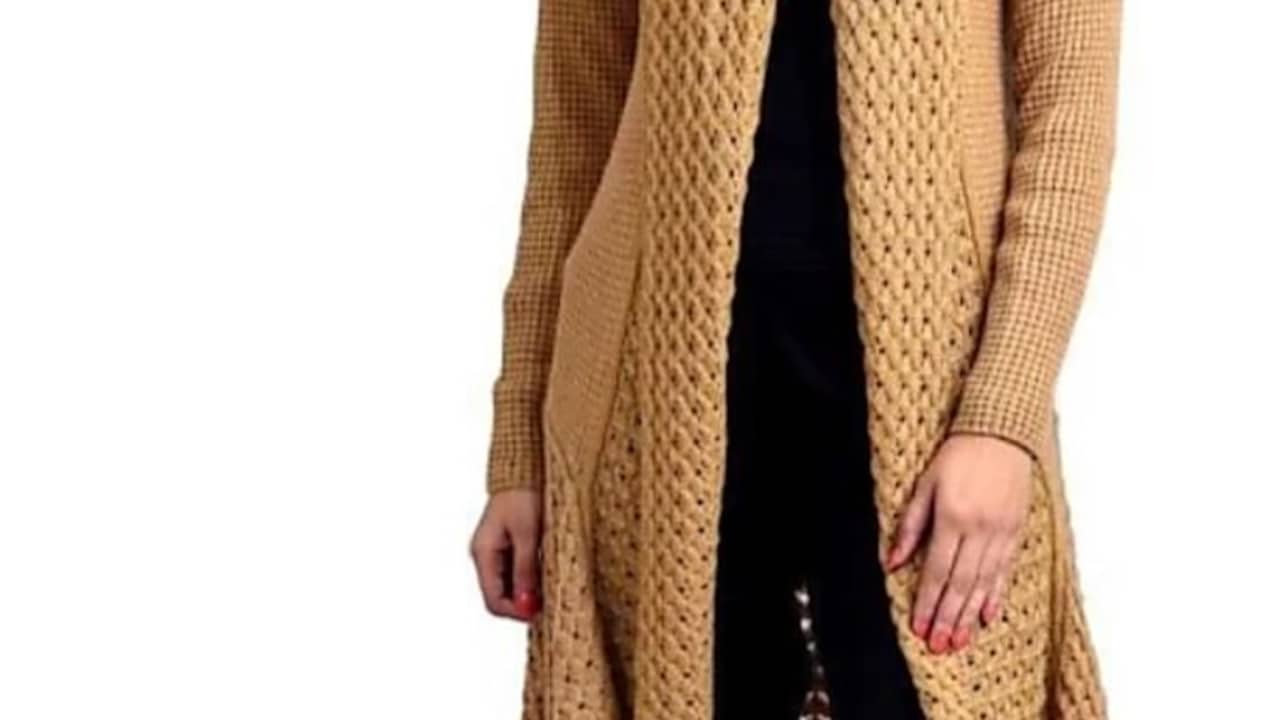
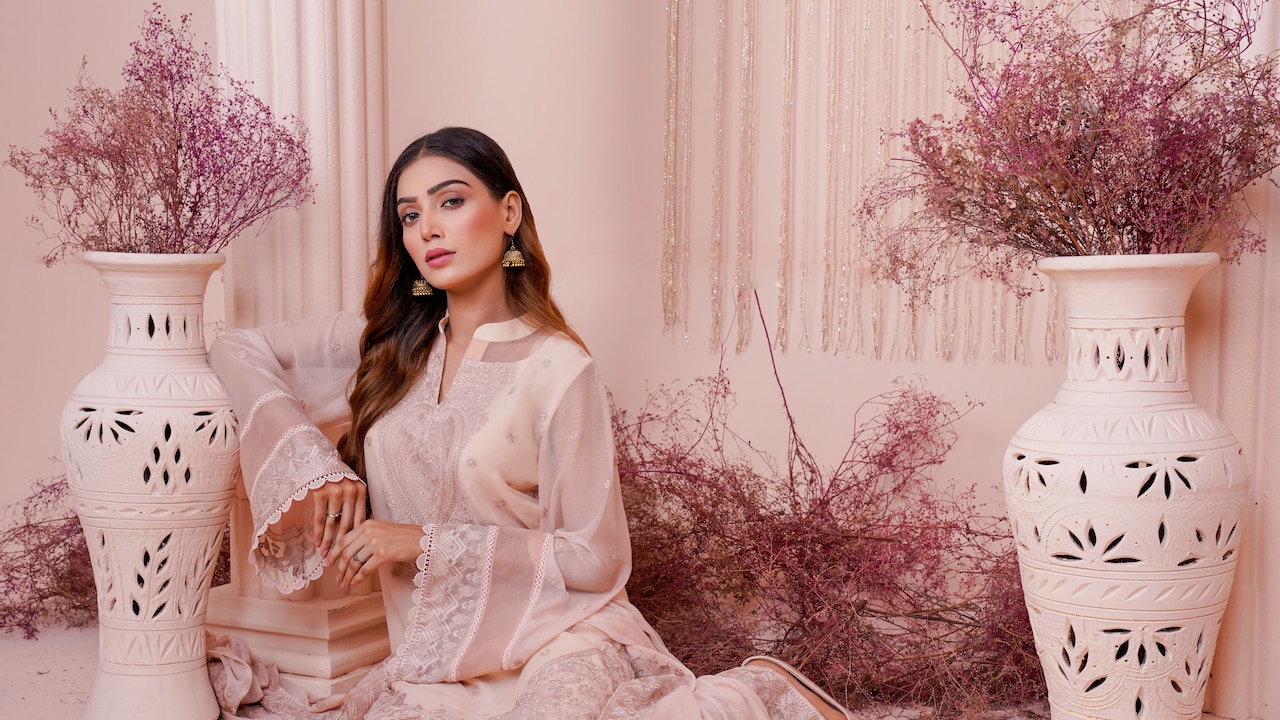
Layering Shrugs Over Dresses: Dos And Dont's; Photo Credit: Pexels
5. Do Dress for the Occasion, Don't Treat All Shrugs the Same
Not every shrug suits every event. Casual cotton shrugs feel perfect for shopping trips or coffee dates. Office settings call for clean lines and muted colours. Festive occasions invite shimmer, embroidery, or rich fabrics.
A heavily embellished shrug over a simple day dress feels out of place. Likewise, a plain shrug at a celebration can feel underwhelming. Occasion dressing does not demand extravagance. It demands awareness.
Footwear and accessories complete the picture. A shrug styled well for a family lunch may not work for an evening event. Keep a few versatile options in the wardrobe. One structured, one casual, and one festive shrug can cover most needs without strain on the budget.
6. Do Mind Proportions, Don't Add Unnecessary Bulk
Layers should add interest, not weight. Bulky shrugs can make the frame look heavier than it is. This often happens with thick knits or oversized cuts. Balance helps here. Pair volume with structure.
A slim dress can handle a slightly relaxed shrug. A flowy dress needs a neater layer. Sleeves matter too. Batwing or dolman sleeves add drama but also bulk. Use them sparingly.
Petite frames benefit from clean cuts and minimal volume. Taller frames enjoy more freedom, yet balance remains key. If the shrug makes movement awkward or posture stiff, it adds bulk where none is needed. Comfort and confidence walk hand in hand.
7. Do Play With Necklines, Don't Cover Them Blindly
Necklines deserve attention. A sweetheart or halter neckline often looks best with a cropped or open shrug. High-neck dresses pair well with longer or waterfall-style shrugs.
Covering a beautiful neckline completely wastes its charm. Many dresses rely on the neckline design for impact. Choose shrugs that frame rather than hide. Open-front styles work wonders here.
Scarves and jewellery interact with necklines too. A shrug should leave room for these elements. When all three compete, the outfit feels crowded. When they cooperate, the look feels thoughtful and polished.
8. Do Use Shrugs for Practical Style, Don't Forget Comfort
Shrugs often serve practical needs. Air-conditioned halls, long evenings, or modesty requirements make them useful. Style should not sacrifice comfort. Tight sleeves or itchy fabric ruin even the best outfit.
Stretch and breathability matter. A shrug worn for hours must feel easy. Constant adjusting shows discomfort. Lightweight knits and soft blends work well for long wear.
Practical does not mean boring. Many stylish shrugs offer comfort without compromise. Choose pieces that feel good on the skin. When comfort leads, confidence follows naturally, and style looks effortless rather than forced.
9. Do Experiment Gradually, Don't Overstyle
Experimentation keeps fashion fun. Trying new colours, cuts, or textures refreshes old dresses. Start small. Swap a neutral shrug for a pastel one. Try a longer cut over a familiar dress.
Overstyling happens when too many ideas meet at once. Statement shrug, bold dress, chunky jewellery, and dramatic shoes rarely cooperate. Let one element lead.
Mirrors help, but instinct helps more. If the outfit feels right, it usually is. Fashion enjoys curiosity, not chaos. Thoughtful experimentation builds a personal style that feels authentic rather than copied.
10. Do Invest Wisely, Don't Chase Every Trend
Shrugs come and go in trends. Some years favour cropped cuts, others love long layers. Chasing every trend drains energy and money. Focus on timeless pieces that work across seasons.
Neutral colours, clean cuts, and quality fabric last longer. A well-made shrug priced around ₹1,500 often outperforms cheaper impulse buys. Versatility saves money in the long run.
Trendy pieces can still join the wardrobe, but in moderation. Let classics form the base. Trends then add flavour rather than confusion. A thoughtful collection always feels richer than a crowded one.
Products Related To This Article
1. SASSAFRAS Solid Open Front Longline Shrug
2. Azira Geometric Printed Longline Open Front Cotton Shrug
3. Taavi Striped Gathers Longline Woven legacy Shrug
4. SCORPIUS Floral Printed Longline Shrug
5. SFOTY Open Front Longline Shrug
6. SASSAFRAS Open Front Balloon Sleeves Longline Shrug
7. PURYS Tropical Printed Tasselled Longline Shrug
Layering shrugs over dresses blends art with practicality. It solves everyday styling challenges while opening doors to creative expression. The right shrug enhances shape, balances colour, and adapts an outfit to different moments.
The dos and don'ts shared here focus on awareness rather than rules. Fabric, length, colour, and comfort work together to create harmony. Small adjustments often make the biggest difference.
Fashion feels most powerful when it feels personal. A shrug chosen with care can revive forgotten dresses and build confidence quietly. With thoughtful layering, style becomes less about following trends and more about feeling at ease in every moment.
(Disclaimer: This article may include references to or features of products and services made available through affiliate marketing campaigns. NDTV Convergence Limited (“NDTV”) strives to maintain editorial independence while participating in such campaigns. NDTV does not assume responsibility for the performance or claims of any featured products or services.)