How To Survive All-Day Pandal Hopping On Your Feet
Pandal hopping all day can wreck your feet fast. Here are practical tips to stay comfortable, energised, and stylish from the first pandal to the last.

How To Survive All-Day Pandal Hopping On Your Feet
Durga Puja pandal hopping is a dream until you are four hours into it, your feet are screaming and six more pandals are on the list! It's one of the most enjoyable festival activities, but it can be hard on the body, especially the legs and feet. Most people don't realise how much they travel in one day. A bit of planning before you go makes more of a difference than most people expect, and it doesn't require you to sacrifice the festive look either.

Why Your Feet Take The Worst Hit During Pandal Hopping
Photo Credit: iStock
The most important point comes down to making smarter choices before you leave the house. What you wear on your feet, how much water you carry, when you eat, and even your pacing between pandals all matter. Get these basics right, and you will enjoy the day, rather than just waiting for the moment you can sit down.
Why Your Feet Take The Worst Hit During Pandal Hopping
Most pandal routes are a mixture of uneven ground, cobblestones, temporary flooring and long queues on hard surfaces. On an average day of Puja you could walk anywhere from five to twelve kilometres without even realising it. Add in the crowds, the waiting, and the standing still for darshan and your feet are working harder than they would on a regular day out.
The problem is that most people dress for the pictures and not for the walk. That's the first thing to think about again.
How To Choose The Right Footwear For A Full Day Out
1. Prioritise Support Over Style
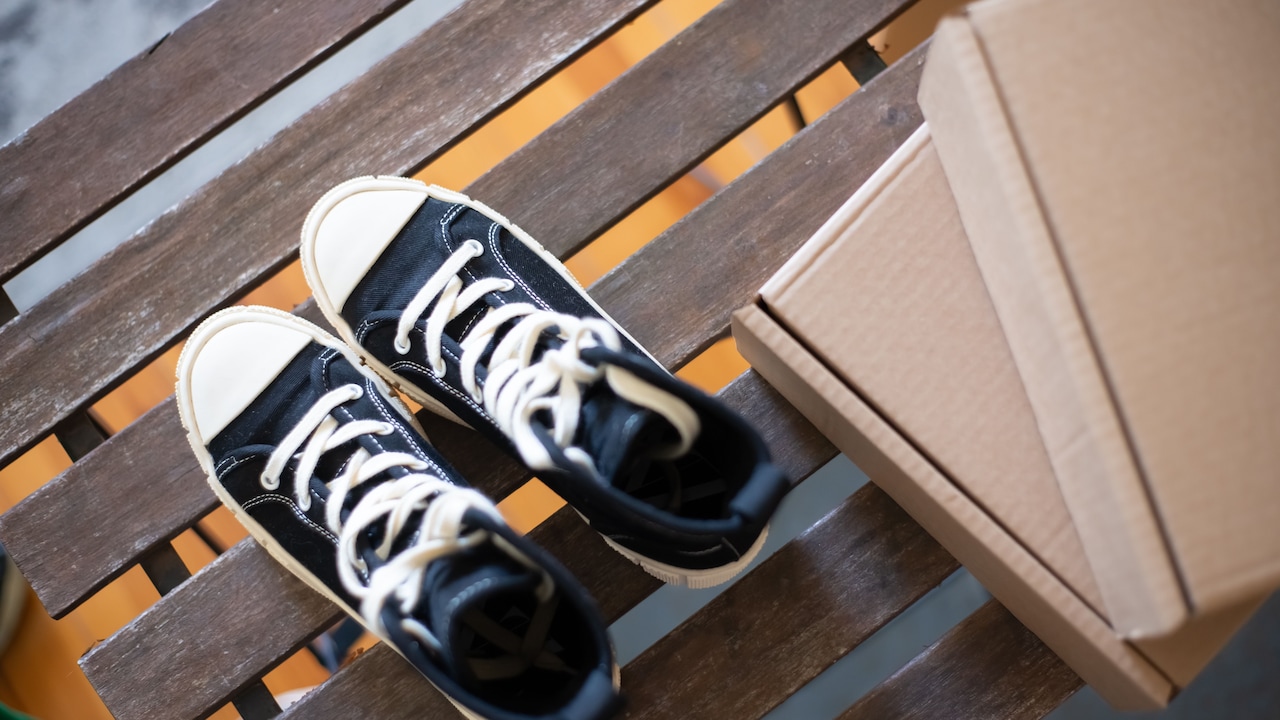
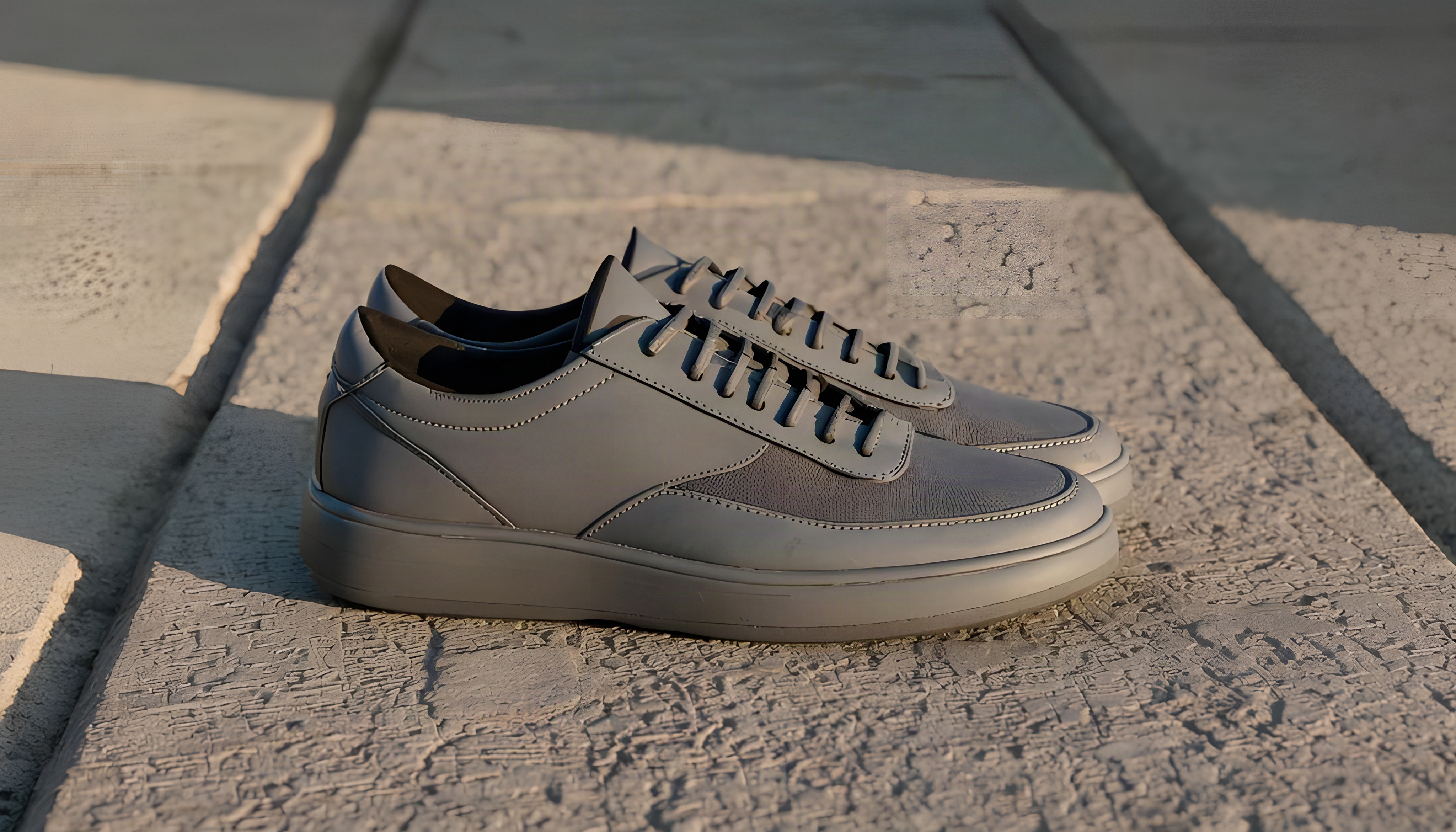
This is the most important decision of your pandal-hopping day. A cushioned sole and good arch support in shoes will get you through a ten-hour day far better than a flat jutti or thin sandal. Block heels, wedges or ethnic footwear with padded insoles are worth every rupee spent. Got a favourite pair of embroidered flats that are known to hurt after two hours? Today isn't the day.
2. Break In New Footwear Before The Day
Never, ever, wear a brand new pair of shoes on the day of pandal hopping. New shoes take a few days to mould to your feet. Getting blisters from new stiff shoes after a full day out really sucks. A few days before, wear your chosen pair around the house or on a short outing. It sounds obvious, but this single step will save you a lot of pain.
3. Carry A Backup Pair
Bring a pair of soft slippers or a light foldable flat in your bag. That sounds like a lot until you're six hours in and your feet are swollen a little bit from all the walking. Even thirty minutes in something softer gives your feet a reset. A small tote bag is all you need, worth the extra weight.
What To Eat And Drink To Keep Your Energy Up
1. Never Skip Breakfast Before You Head Out
Most people ignore this aspect. If you are going pandal hopping on an empty stomach, you will probably feel faint by midday, especially with the heat of the crowd and the physical effort of walking. A good breakfast with some protein gives you a solid energy base for the first few hours. Do not rely on street food for the entire day.
2. Hydrate Consistently, Not Just When You Are Thirsty
By the time you are thirsty, you are already mildly dehydrated. Carry a bottle of water with you and sip it throughout the day, rather than gulping down a lot at one time. Coconut water, lemon juice, and electrolyte drinks from stalls are really helpful in keeping your energy levels up. Avoid too many cold fizzy drinks; they are refreshing for about ten minutes, but then make you more tired.
3. Eat Light And Often Through The Day
Big meals make you sluggish. A big lunch in the middle of pandal hopping will have you searching for a place to sit rather than cover more ground. Eat lighter snacks, or fresh fruit from a stall, and save the proper meal for when you wind down in the evening searching for a place.
How To Dress Smart Without Giving Up The Festive Look
1. Layer Up For Changing Temperatures
Mornings during Durga Puja are lovely, but afternoons get warm, and evenings cool down again quickly. A light dupatta or stole is a brilliant layer, looks intentional with a festive outfit and acts as something to wrap around your shoulders when the temperature drops after dark. It also shields your arms from the sun at the hottest time of the day.
2. Choose Breathable Fabrics
Cotton, linen, and chanderi are the best choices for pandal hopping. They are breathable fabrics and tend to stay pretty and wrinkle resistant throughout the day and don't cling when you get warm. Heavy silks and synthetics trap heat and start to feel a little uncomfortable after a few hours of walking. You can look festive in a cotton salwar or a light kurta, it just requires a little more thought when you are putting the outfit together.
How To Pace Yourself And Actually Enjoy The Day
1. Plan Your Route Loosely
If you go in with a strict schedule, you get exhausted and irritable by early evening. Have a rough idea of which pandals you want to prioritise and plan your route in a logical order to avoid too much backtracking. But build in scope for impromptu stops, rest breaks and the odd chai. Flexibility is what makes the whole experience so much more enjoyable.
2. Build In Proper Rest Breaks
It's not laziness to take 10-15 minutes every couple of hours to sit down; it's just common sense. Find a quiet corner, or a tea stall, or even a roadside bench and really let your legs rest. Removing your shoes for a few minutes at a rest stop also does more good than most people think. Your feet swell a bit after long walking, so a short break gives them a chance to recover.
3. Go With The Right People
This might sound like it has nothing to do with surviving the day physically, but it does matter. Pandal hopping with people who walk at wildly different speeds or who can't decide where to go next is exhausting in a different way altogether. Travelling with like-minded people in small groups makes the logistics much easier and the experience better.
Small Things That Make A Big Difference
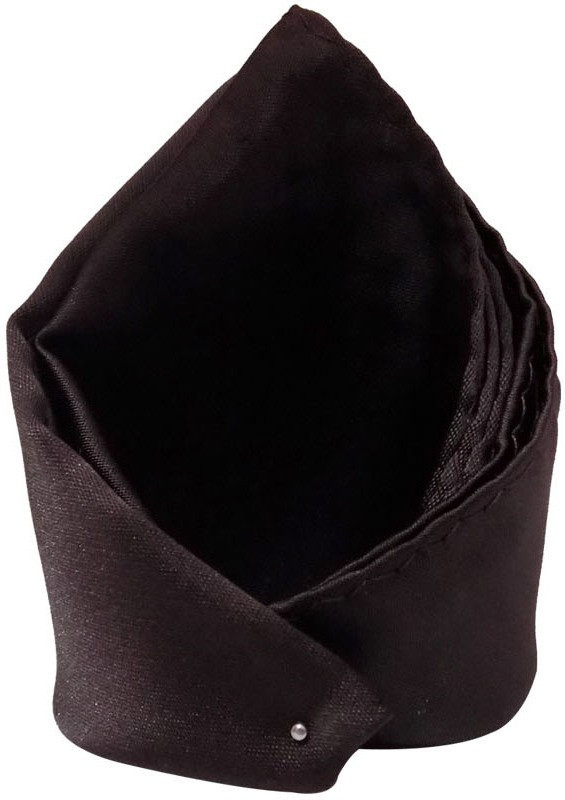
A few other things worth packing: a small tube of foot cream or foot balm for a quick application midday; a compact deodorant; a thin handkerchief; and a portable phone charger. None of these take much room, but each has a way of becoming incredibly useful at some point during a long day out.
Moleskin blister pads are also worth keeping in your bag. If you get a hot spot on your heel or toe early in the day, cover it right away, and it will not become a full blister by evening.
Some Other Products You May Like:
Photo Credit: iStock
Some Other Products You May Like:
1. YOHO Knitted Slip-Ons for Women
2. Red Tape Women's Walking Slip-On Shoes
3. SAADAA Women's Airy Linen Long Kurta
4. Amayra Women's Pure Cotton Straight Kurta Set
5. WELLBEING NUTRITION HydraSalt Electrolyte Drink
6. Ace Blend Hydro Hype
7. IndoPrimo Men's Cotton Shirt
8. DIWAS BY MANYAVAR Men's Cotton Blend Printed Kurta
Spending an entire day visiting Durga Puja pandals can be exciting, but staying comfortable is key to making the most of the celebrations. Choosing comfortable footwear, wearing breathable outfits, keeping a water bottle handy, and taking short breaks between visits can help you stay energised throughout the day. Carrying a small bag with essentials like tissues, snacks, and a power bank can also make your festive outing more convenient. With a little planning and the right essentials, you can enjoy every moment of pandal hopping without letting fatigue slow you down.
Frequently Asked Questions (FAQs):
1. How many pandals can you realistically visit in one day?
It depends entirely on the distances involved and how long you spend at each one. Realistically, most people can manage to visit between eight and fifteen pandals in a full day without completely exhausting themselves.
2. What is the best time to start pandal hopping?
Early morning, between six and nine, is genuinely the best window. The crowds are very few, the air is cooler, and the decorated pandals look particularly beautiful in the soft morning light. Afternoons are the most crowded and warmest part of the day.
3. Is it safe to eat street food during Puja?
Yes, generally. Stick to stalls that look busy and have a visible high turnover of food, that usually means things are being cooked fresh. Avoid anything that has been sitting out for a while, and carry some antacids in your bag just in case.
4. How do I manage if I am visiting with young children or elderly family members?
Plan shorter routes with more frequent sitting breaks. Identify pandals that have easier access and fewer steep stairs. Visiting during off-peak hours, like early morning or late evening on less busy days, makes it much more comfortable for everyone.
5. What should I absolutely not wear for pandal hopping?
Avoid new shoes, very heavy lehengas or sarees that drag on the ground, and synthetic fabrics that do not breathe. Also skip very long dupattas that trail — they become a hazard in crowds and tend to get stepped on more than once. Shop now on Amazon.
(Disclaimer: This article may include references to or features of products and services made available through affiliate marketing campaigns. NDTV Convergence Limited (“NDTV”) strives to maintain editorial independence while participating in such campaigns. NDTV does not assume responsibility for the performance or claims of any featured products or services.)