How To Transition Your Summer Wardrobe Into Monsoon Essentials
Learn how to transition your summer wardrobe into monsoon essentials with smart storage tips, moisture control, fabric choices, and easy packing hacks.

How To Transition Your Summer Wardrobe Into Monsoon Essentials
There's always that one week in June when the sky turns grey, the air gets sticky, and your summer cottons stop feeling right for the weather. You open the wardrobe, stare at it for a second, and realise that nothing inside is suitable for rain, humidity, or the faint smell that clothes acquire when left untouched for too long.

Discover smart storage tips and packing hacks to prepare your summer wardrobe for monsoon.
Photo Credit: iStock
Most people either overhaul the whole wardrobe at this point or push through with summer clothes that don't really work anymore. You don't need to do either. A few smart swaps and some basic storage changes can carry you from summer into monsoon without much effort, and most of it can be sorted in an afternoon.
Also Read: Top 5 Boho Chic Outfits For Women In Monsoon Season
Here's a practical look at how to make that switch: what to store, what to bring forward, and a few small purchases that make it easier to maintain through the rainy months.
Why Your Wardrobe Needs A Seasonal Reset
Summer and monsoon want almost opposite things from your clothes. Summer wants breathable, light fabric that handles heat. Monsoon wants fabric that dries fast, doesn't trap moisture, and survives a sudden downpour without staining or falling apart.
Skip the reset, and you end up wearing clothes too heavy for the humidity or impractical the second it starts pouring. Worse, fabrics like linen and certain cottons can pick up a musty smell or mildew spots if they sit in a damp wardrobe through July and August with no airflow. By October, they often need a proper wash and a day in the sun before they're wearable again.
A wardrobe that's actually sorted for monsoon means you're not standing there every morning wondering what's dry, what smells slightly off, or what's going to get ruined the moment you step outside. It's a small change, but it saves a lot of that low-grade morning panic, especially on days when you're already late and it's raining. There's also a practical upside beyond convenience: damp storage causes most of the fabric damage that shows up this time of year. Cottons go yellow, silks develop spots; leather turns soft and sticky if no one's keeping an eye on it. Getting the seasonal switch right protects clothes you've already paid for, which matters more once you've had something ruined by a damp shelf.
What To Pack Away And What To Bring Forward
This is the sorting part, and it's easier than it sounds once you know what you're looking for. The point isn't to box up everything summer-related; it's being selective about what genuinely won't hold up for the next few months.
Step 1: Sort by fabric, not by season label
Don't just pack away "summer clothes" as a category. Sort by fabric instead. Heavy linens, raw cotton, and anything slow to dry should go into storage until the rain eases off. Quick-dry fabrics like polyester blends, georgette, and treated cottons can stay out since they cope with the occasional soaking much better.
Step 2: Bring your rain-ready basics forward
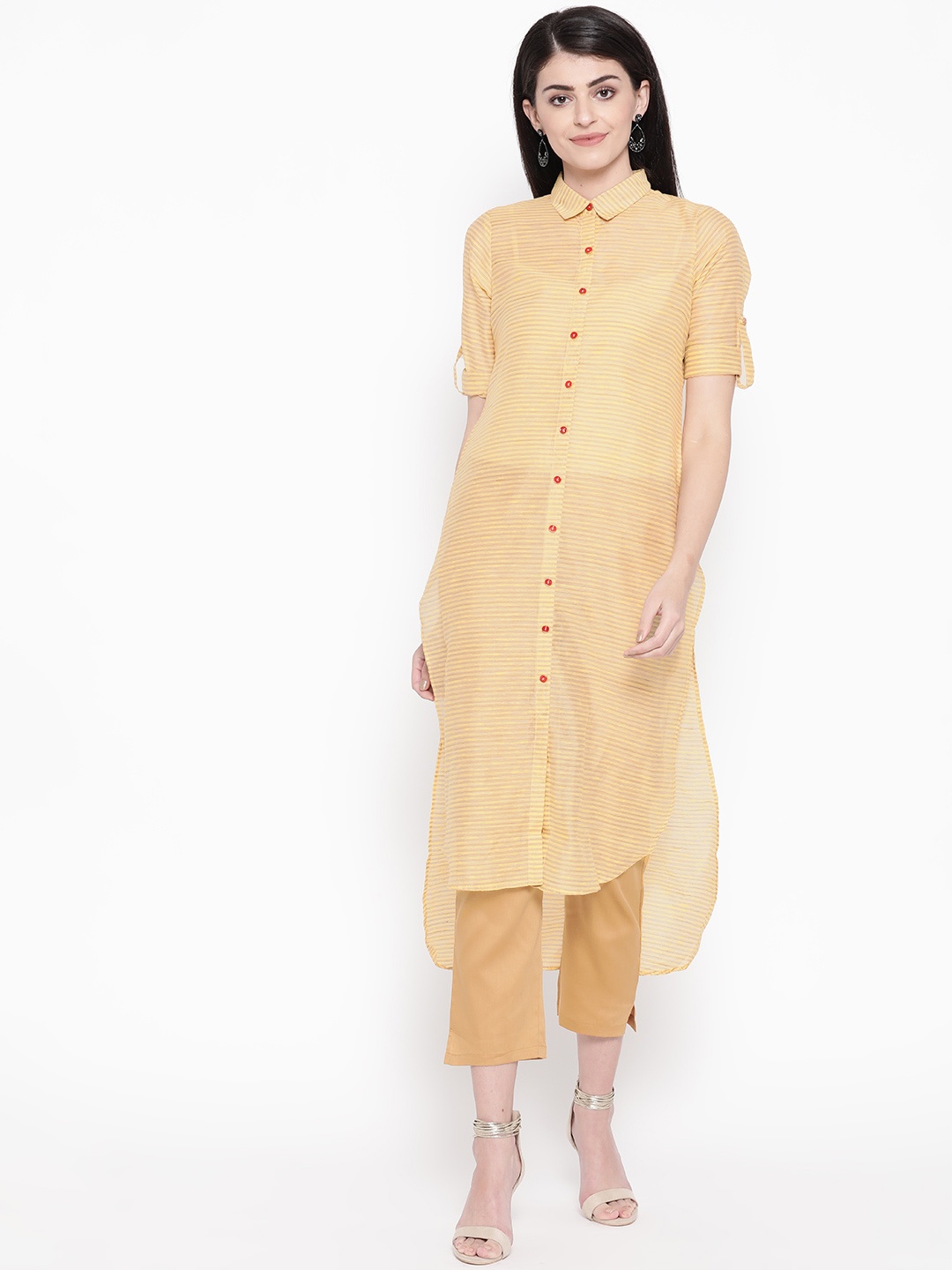
Dark colours, quick-dry fabrics, and anything that won't show a water stain should be moved to the front of the wardrobe. Include dark denim, synthetic blends, and a couple of quick-dry kurtas that you don't mind repeating. These become your default pieces for the next few months, so keep them somewhere you can grab without thinking.
Step 3: Give delicate fabrics proper protection
Silk, suede, and leather belong in breathable garment bags, not sealed plastic. Plastic traps whatever moisture is already sitting in the fabric, and that's precisely how mildew gets started. An old cotton pillowcase works just as well as a proper garment bag, and it costs you nothing extra.
How To Set Up Storage That Actually Works For Monsoon
Effective storage is crucial to success in this situation. Get this wrong and even your best monsoon picks will end up damp or faintly musty by August, no matter how careful you were with the clothes themselves.
Step 1: Use moisture absorbers inside the wardrobe
A few silica gel sachets or moisture absorber packs tucked into drawers and shelves pull excess dampness out of the air before it ever reaches your clothes. They're cheap, and the difference is noticeable, especially in wardrobes that don't get much airflow or daylight.
Step 2: Switch to stackable, ventilated organisers
Solid plastic bins with no airflow are one of the worst things to use during a monsoon. Fabric or non-woven organisers with mesh panels let air move through while keeping everything tidy and dust-free. This one swap solves most of the "why does my wardrobe smell" question that creeps in around mid-July.
What Smart Buys Makes This Monsoon Transition Easier
A handful of practical buys make the whole seasonal switch faster and a lot less annoying to keep up with.
Step 1: Get a dedicated moisture absorber for the wardrobe
In addition to the small sachets, a larger dehumidifier pack placed at the back of a closet effectively addresses the overall moisture issue, particularly in homes where the wardrobe is located in a room that receives limited sunlight during the rainy months. It's a one-time setup that just keeps working in the background.
Step 2: Organise by category, not just clothing type
Stackable drawer organisers help separate inner wear, scarves, and socks, so you don't have to dig through a pile every single morning. It also makes it much easier to spot what's actually damp or needs a bit of airing before you're rushing out the door.
Step 3: Match the organiser to what you're storing
Fabric bins suit soft items like sweaters or stoles. Steel or sturdy plastic racks work better for hangers and heavier garments. Stackable boxes with lids are ideal for accessories, belts, and smaller bits you don't want loose on a shelf. That silk saree isn't going anywhere near July rain anyway, so it can sit at the back along with anything else you won't need until the season turns again.
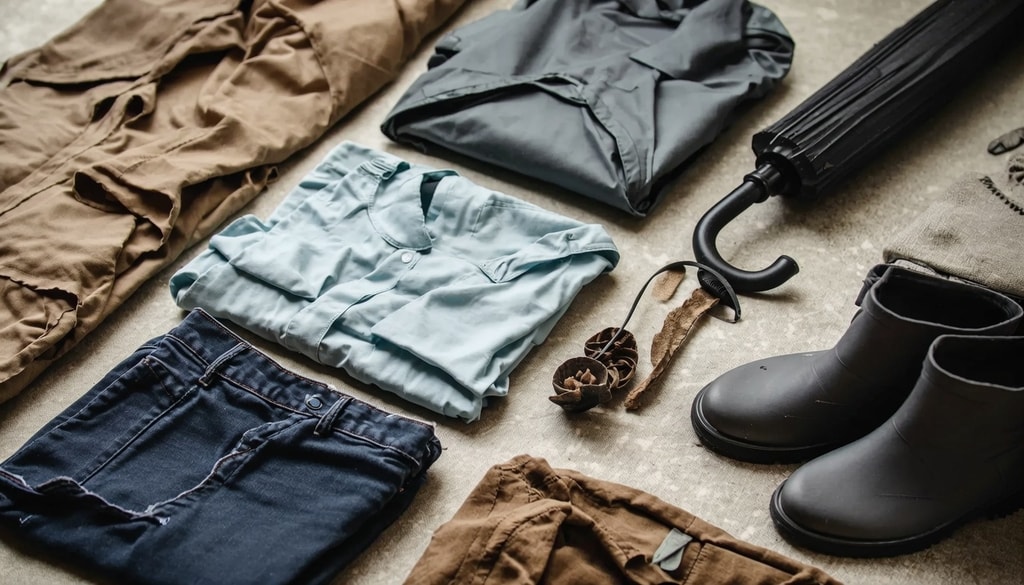
Protect your summer clothes this monsoon with essential moisture control and smart storage tips.
Photo Credit: iStock
Some Monsoon Wardrobe Essentials You May Like
1. Homestrap Non-Woven Wardrobe Organizer
2. URBAN LUXY Polyester Stackable Organizer
3. Absorbia Moisture Absorber Sachet
4. Volo Pants Rack With Steel Hangers
5. Kuber Industries Multipurpose Wardrobe Organizer
6. Humicure Moisture Absorber Dehumidifier
7. Aditya Stackable Multipurpose Organizer
8. Wardrobe Closet Organizer For Cupboards
Frequently Asked Questions (FAQs)
1. How do I stop my clothes from smelling musty in the monsoon?
Use moisture absorber sachets in your wardrobe and avoid storing clothes that are even slightly damp; dryness and airflow are what actually stop the smell.
2. What fabrics are best to keep out during the monsoon?
Quick-dry synthetics, treated cottons, and georgette work best since they don't hold onto water or take long to dry.
3. Should I store silk and leather items differently in the monsoon?
Yes, use breathable cotton garment bags instead of sealed plastic, since plastic traps moisture and encourages mildew.
4. How often should I change the moisture absorber sachets?
Check them every two to three weeks during the peak monsoon; once the gel beads change colour or the pack feels full, swap it out.
5. Is it necessary to buy a wardrobe dehumidifier for the monsoon?
Not strictly, but it helps a lot in closed, low-airflow wardrobes where dampness builds up faster than in spaces that get some ventilation.
(Disclaimer: This article may include references to or features of products and services made available through affiliate marketing campaigns. NDTV Convergence Limited (“NDTV”) strives to maintain editorial independence while participating in such campaigns. NDTV does not assume responsibility for the performance or claims of any featured products or services.)