How To Wash A Crochet Top Without Stretching It: 10 Drying Tips That Work
Neckline drooping? Hem getting longer? These wash and dry rules prevent crochet stretch and help your top hold its shape, wear after wear.

Is Your Precious Crochet Top Stretching Out? Here Are Wash And Dry Rules That Save The Shape.
Crochet tops have a special kind of charm. They feel handmade, soft, and a little romantic, even when paired with plain jeans and chappals. But crochet also behaves like that one friend who says 'two minutes' and shows up after twenty. It stretches. Heat, water, gravity, and rough handling can pull stitches out of shape. It's frustrating, especially after spending ₹900, ₹2,500, or even more on a piece that looked perfect in the shop mirror. Crochet needs structure, gentle treatment, and the correct drying method. Know everything important about how to wash a crochet top without stretching the material - these are drying tips that will work and prreserve your precious apparel. Follow these 10 rules and your crochet top will stay crisp, comfy, and true to its original fit.
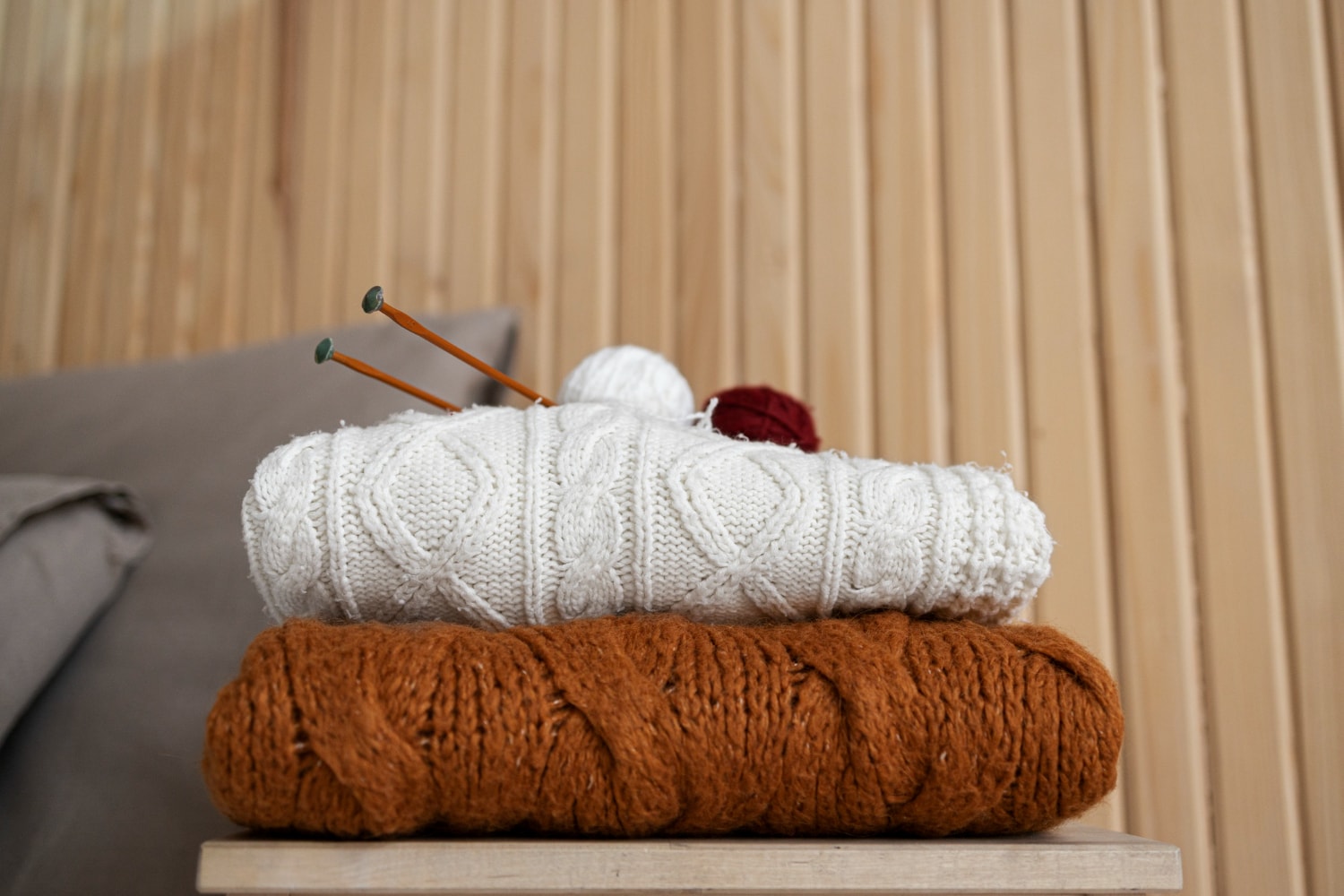
Crochet Top
Photo Credit: Freepik
Before You Toss It In The Laundry: Read These Rules First
1) Understand why crochet stretches before blaming the yarn
Crochet fabric stretches because of its structure. It isn't woven tight like a shirt. It's a network of loops that can open up, shift, and relax. Add the weight of water, and the whole piece can lengthen while it hangs. Even a short rinse can turn into a 'why is this suddenly a tunic?' moment.
Different fibres behave differently. Cotton often grows with wear, especially in humid weather. Acrylic can relax and hold onto that relaxed shape. Wool blends bounce back more, but they can felt if treated roughly. Stitch style matters too. Open lace patterns stretch faster than dense stitches.
This is good news, not bad. Once the cause feels clear, the fixes feel simple. Treat crochet like a delicate knit, not like a gym tee. Keep it supported when wet. Keep heat under control. Stop gravity from doing free renovations on your neckline.
2) Check the label, then do a quick 'sink test' at home
That tiny care label deserves more respect than it gets. If it says 'cold wash' or 'dry flat', it means the fibre and stitch pattern cannot handle rough handling. Ignore it once, and the top may never return to normal.
No label? Do a quick sink test. Fill a basin with cool water. Dip a small hidden edge for two minutes. Pat it with a towel. If colour bleeds, treat it gently and wash separately. If the yarn feels softer and looser after the dip, expect some growth and plan to reshape while drying.
Also, watch how the fabric behaves when lifted. If the wet edge droops dramatically, never hang it to dry. That single habit saves shape more than any fancy product. Think of it like carrying a full curry pot: support it from below, or disaster arrives quickly.
Also Read: 5 Crochet Crop Tops Serving Vacation Vibes In City Heatwave
3) Wash less, air more: the easiest way to prevent stretch
Crochet does not need frequent washing unless it touches sweat, sunscreen, or spills. Over-washing softens fibres and loosens stitches. That 'but it smells fine' instinct can actually protect the shape.
Try the air-first routine. After wearing, shake the top gently. Lay it flat on a bed or clean towel for 20–30 minutes. Let moisture evaporate. If it picked up city dust, use a soft clothes brush or even a lint roller with a light touch.
For mild odour, steam from a distance works better than washing. Hold a steamer a little away; never press into the fabric. No steamer? Hang it in the bathroom while a hot shower runs, but keep it away from splashes. This refreshes without stretching.
Washing becomes the 'special event', not the weekly ritual. Your crochet stays springy, and you save water too. Everyone wins, including the top that cost ₹1,800 and deserves a longer life.
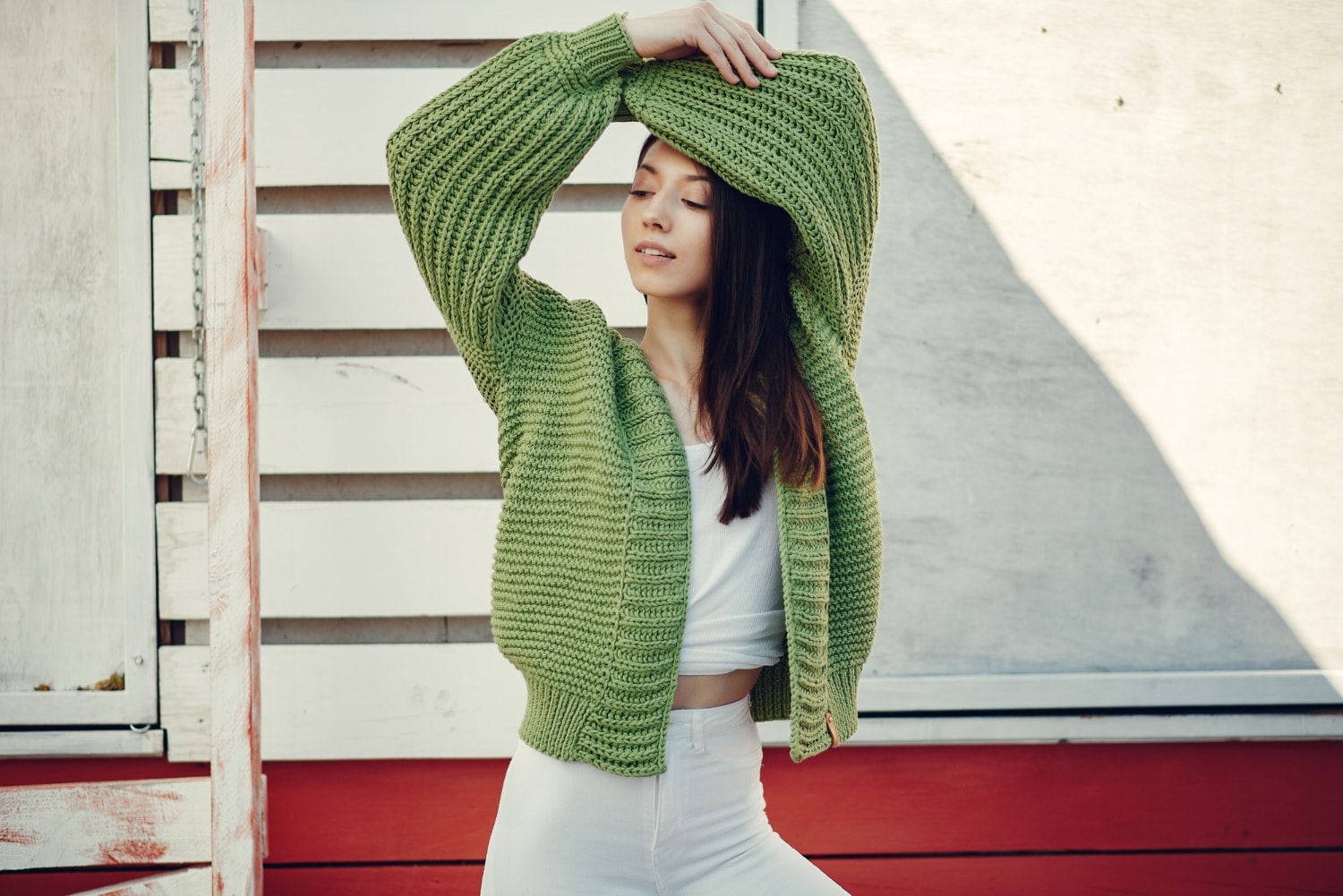
Crochet Top
Photo Credit: Freepik
4) Choose the right detergent and skip harsh 'miracle' tricks
Crochet fibres dislike harsh detergents. Strong powders can strip softness and make yarn limp over time. Bleach, brighteners, and heavy stain removers often weaken fibres. That's how stitches lose their grip, then stretch out faster.
Pick a mild liquid detergent. Use a small amount. More soap does not mean more clean. It often means more rinsing, which means more handling, which means more stretching. If the water in your area runs hard, dissolve detergent first in water instead of pouring it directly on the fabric.
Skip hot water 'to kill germs'. Heat relaxes fibres and can set stretched shapes. Also, skip rough scrubbing on stains. Instead, dab a tiny bit of mild detergent onto the spot. Press gently between fingers. Rinse carefully.
If perfume triggers headaches, choose a fragrance-free option. Crochet sits close to the skin, and comfort matters. The goal is a clean top that still feels structured, not a soft noodle with a nice smell.
5) Hand-wash like a pro: soak, squeeze, support
Hand-washing sounds dramatic, but it takes less time than scrolling through short videos. Fill a basin with cool water. Add mild detergent. Swish to mix. Place the crochet top in and press it down gently.
Let it soak for 10–15 minutes. Do not scrub. Do not twist. Do not wring like it's a mop. Instead, squeeze the fabric softly under water, like squeezing a sponge. That lifts sweat and dust without pulling stitches out of alignment.
When ready to rinse, lift the top with both hands, fully supported. Imagine lifting a wet idli cloth: it needs support, or it stretches. Drain the basin, refill with cool water, and press again. Repeat until the water runs clear.
If the top has straps, hold the body, not the straps. Straps stretch first and ruin the fit fastest. Gentle handling keeps edges neat and the neckline sitting properly on your shoulders.
Also Read: Top 5 Bralette Crop Tops To Upgrade Your Wardrobe On A Budget
6) Using a washing machine? Keep it on 'kind mode'
Sometimes the schedule wins, and the machine becomes necessary. That can still work if the top gets protection. Use a mesh laundry bag. If you don't have one, an old pillow cover tied securely works in a pinch.
Choose a delicate cycle with cold water and low spin. Avoid heavy loads. Towels and jeans bully crochet in the drum. Wash it with similar light items, like soft tees. Add mild detergent and skip fabric softener. Softener can coat fibres and make them slack.
Never use a long soak feature in the machine. Extended soaking and tumbling can loosen the structure. Also, avoid the 'quick wash' if it spins aggressively. Quick can be rough.
Once the cycle ends, remove the top immediately. Leaving it crumpled while wet sets odd shapes and creases. Treat it like a delicate snack packet: open, remove, and place carefully. This habit prevents the 'one sleeve longer than the other' tragedy.
7) Water removal decides your final shape, so do it right
The moment after washing matters more than the wash itself. A wet crochet top feels heavy, and that weight stretches stitches quickly. Wringing seems tempting, but it distorts the fabric. Twisting also strains seams and joins, especially around armholes.
Use the towel-roll method. Lay a clean, dry towel flat. Place the top on it and gently smooth it into its natural shape. Roll the towel up like a tight burrito. Press along the roll with your palms. The towel absorbs water without pulling the yarn.
If the top still feels very wet, repeat with a second dry towel. This step shortens drying time, too, which helps during humid months when clothes take forever on the balcony.
Avoid hanging the wet top 'just for a minute'. One minute becomes ten, and ten becomes a stretched hem. Water removal with support keeps the piece stable and ready for proper drying.
8) Dry flat, reshape edges, and treat blocking like a secret weapon
Crochet tops should dry flat. Always. Spread a towel or a drying rack with a flat surface. Place the top down and gently reshape it. Align side seams. Square the hem. Nudge the neckline back into place. Think of it as giving the fabric a polite reminder of its original job.
If the top has a lace pattern, reshape the motifs so the holes look even, not pulled. If the sleeves look wider than usual, bring them in slightly while damp. Crochet often dries into the shape it holds at this stage.
This is basically light blocking. For stubborn stretch, pin edges into shape using rust-free pins. Pin to a towel or foam mat. Do not over-stretch. The goal is 'back to normal', not 'runway dramatic'.
Keep it away from direct, harsh sunlight for long hours. The sun can fade colour and dry fibres too aggressively. A bright, airy room works well. Flat drying saves silhouettes better than any hack.
9) Avoid tumble drying, direct heat, and the 'radiator rescue' myth
Heat relaxes fibres and can permanently set stretch. Tumble dryers combine heat with tumbling, which pulls at clothes from every angle. Even if the dryer claims 'low heat', the movement alone can distort lace and straps.
Avoid drying directly on heaters, too. The top can become stiff in patches and loose in others. It also risks damage to synthetic fibres. Ironing is tricky as well. A hot iron can melt acrylic and flatten the texture, which ruins the crochet look.
If speed becomes urgent, use airflow instead of heat. A fan in the room helps. So does placing the top on a fresh dry towel halfway through drying. Flip it once, reshape again, and let it finish.
For a last-minute outing, choose a different outfit and let the crochet dry properly. That sounds annoying, but it saves you from a top that never fits right again. Crochet has a long memory. Treat it kindly.
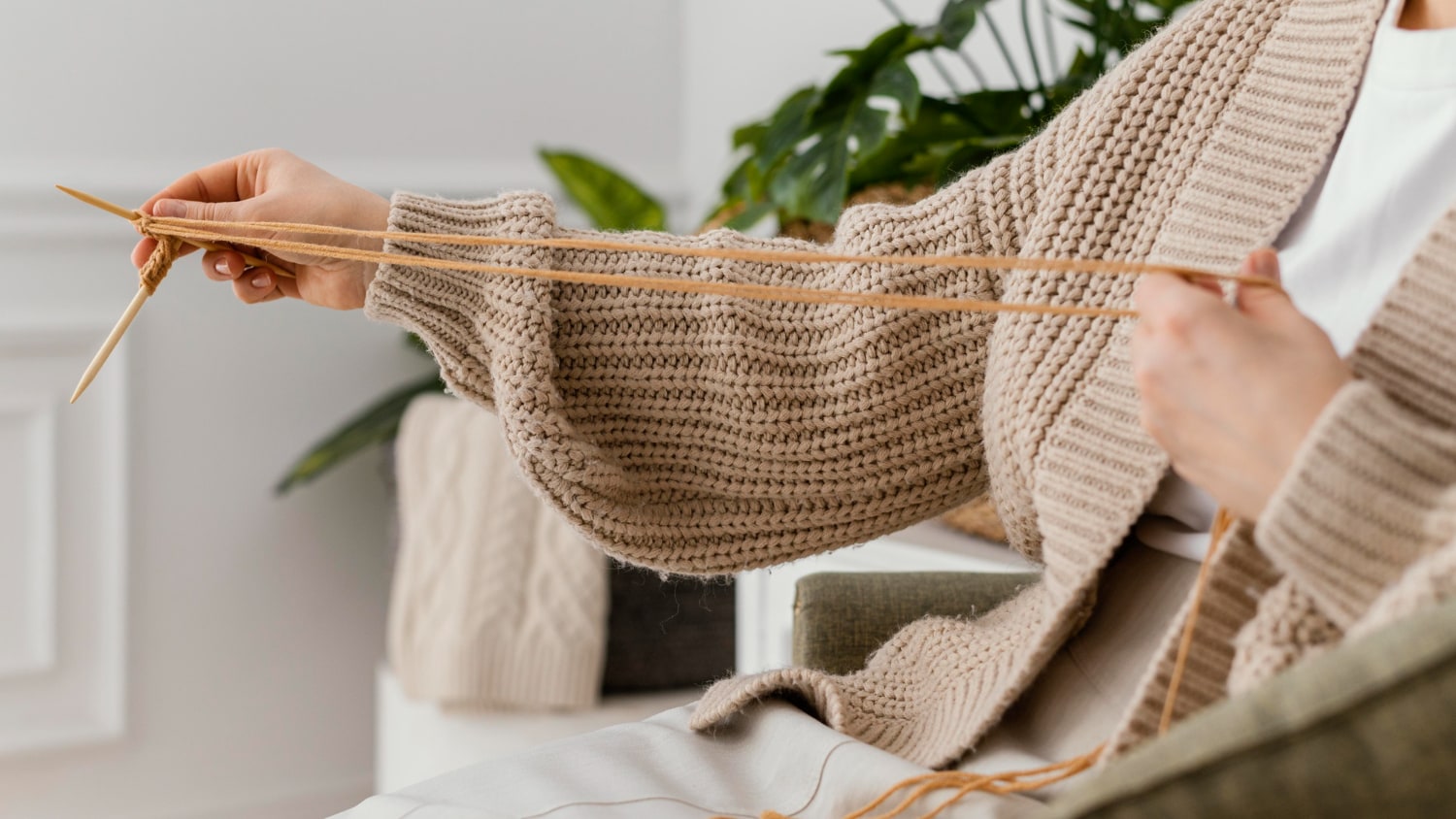
Crochet Top
Photo Credit: Freepik
10) Fix a stretched top and prevent future sag with smart storage
Already stretched? Don't panic. Damp-block it. Lightly mist with cool water, lay flat, reshape, and pin if needed. Let it dry fully. For cotton pieces that keep growing, a shorter block can help restore structure.
Straps that stretch can get support from a clever tweak. Stitch a thin elastic thread along the inside edge, or take it to a tailor for discreet reinforcement. This costs far less than replacing the top. Even ₹150–₹300 spent on reinforcement can save a favourite piece.
Storage also matters. Never hang crochet tops on hangers for long periods. Gravity pulls the shoulders and lengthens the body. Fold them neatly and store in a drawer. If drawer space feels tight, use a cloth storage box and stack gently.
Rotate wear too. Wearing the same crochet top on repeat, especially in hot weather, adds sweat and stretch. Give it rest days. Like good footwear, crochet lasts longer when it gets breaks.
Products Related To This Article
1. SHOWOFF Women Geometric Crochet Top
2. Roadster Self Design Crochet Top
3. Vero Moda VERO MODA Sleeveless Crochet Top
4. Outzidr Spaced Out Crochet Top
5. Iti Striped Cotton Crochet Top
6. MANGO Self Design Crochet Top
7. Trendyol Beige Geometric Crochet Top
A crochet top stretches out for simple reasons: water weight, heat, gravity, and rough handling. The fixes stay just as simple. Wash gently, support it when wet, remove water with a towel roll, and dry flat while reshaping. Treat heat like an enemy, not a shortcut. Store folded, not hung. Crochet rewards care. Follow these wash and dry rules, and your top stays crisp, cute, and ready for compliments. Shop now on Myntra!
(Disclaimer: This article may include references to or features of products and services made available through affiliate marketing campaigns. NDTV Convergence Limited (“NDTV”) strives to maintain editorial independence while participating in such campaigns. NDTV does not assume responsibility for the performance or claims of any featured products or services.)