How to Wear A Dhoti Without Constant Readjustments: A Style Guide
Learn how to wear a dhoti that stays put all day, feeling secure, dignified, and comfortable from morning through night.
Wear a Dhoti All Day: Simple Tricks to Keep It Secure, Comfortable, and Stylish Without Fuss.
The dhoti has survived centuries of changing fashion for a reason. It adapts. It breathes. It moves with the body rather than against it. Still, modern life has introduced new challenges. Long commutes, crowded streets, weddings that stretch late into the night, and even office events now call for comfort as much as tradition. Constant readjustment breaks confidence and steals attention.
Wearing a dhoti well does not depend on strength, age, or special tricks passed down in whispers. It depends on understanding. The fabric, the drape, the knot, and even posture play a role. When these elements work together, the dhoti becomes effortless. This guide focuses on small but powerful habits that make a big difference. So, learn all about how to wear a dhoti without constant readjustments. The aim is simple: to help the dhoti feel secure, dignified, and at ease from morning till night.
Wear a Dhoti All Day: Simple Tricks to Keep It Secure, Comfortable, and Stylish Without Fuss.; Photo Credit: Pexels
Timeless Techniques for Effortless Dhoti Draping
1. Start With the Right Fabric
The foundation of a comfortable dhoti begins at the shop counter. Fabric choice decides whether the garment stays put or turns slippery by lunchtime. Cotton remains the most reliable option for daily wear. It grips gently against itself, absorbs sweat, and softens with use. Starched cotton works well for formal events, though light starch feels better than a board-like finish.
Silk and blended fabrics look elegant but demand experience. These materials slide easily and magnify every small mistake in draping. For beginners or long hours, they cause unnecessary fuss. A medium-weight cotton dhoti, priced anywhere between ₹600 and ₹1,200, strikes the right balance.
Texture matters too. A slightly coarse weave offers natural friction. Overly smooth cloth looks glossy but slips with every step. Length and width deserve attention. Too short creates tension, while too long leads to bulky folds. A well-proportioned dhoti feels supportive rather than restrictive. Choosing wisely at the start saves endless adjustments later.
2. Understand the Importance of Proper Tying
The knot is the silent hero of a well-worn dhoti. Many problems begin here. A loose knot invites constant slipping, while an overly tight one restricts movement and breathing. Balance matters. The knot should sit firmly at the waist, slightly to one side rather than dead centre. This placement allows smoother folding and better weight distribution.
Traditional square knots work best. Fancy twists look impressive but loosen with movement. Pull the cloth evenly on both sides before securing the knot. Uneven tension causes one side to sag by mid-morning.
Waist height also influences comfort. Wearing the dhoti too low increases the risk of sliding. A natural waist position offers support and stability. This small adjustment changes everything. Once tied correctly, the dhoti should feel anchored, allowing attention to shift from clothing to conversation, rituals, or celebration.
Also Read: Kurta-Dhoti Combo For Women Under ₹2,500 For Easy Festive Dressing
3. Master the Art of Pleating
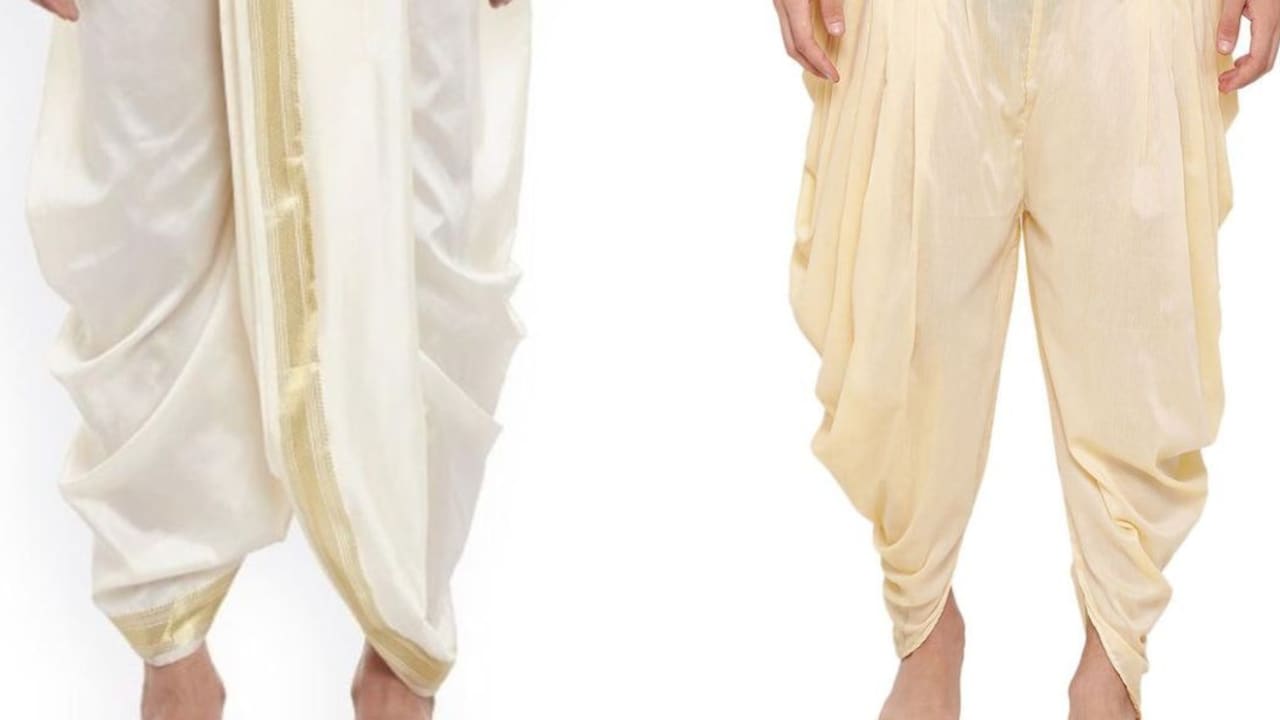
Pleats shape the dhoti's personality. Neat pleats create structure, while messy ones demand constant fixing. Start by spreading the cloth evenly across the back before bringing it forward. This step ensures balance from the start.
Pleats should remain narrow and uniform. Wide pleats look impressive but collapse easily. Narrow folds hold shape longer and move better with the legs. Tuck them firmly into the waist, pressing down gently rather than forcing them in. Excess force causes the pleats to pop out later.
Spacing matters too. Pleats bunched together create bulk. Even spacing allows air flow and comfort. With practice, fingers learn the rhythm. The dhoti begins to drape itself. Well-made pleats stay loyal through long ceremonies, walks, and even spontaneous dance steps.
4. Choose the Right Style for the Occasion
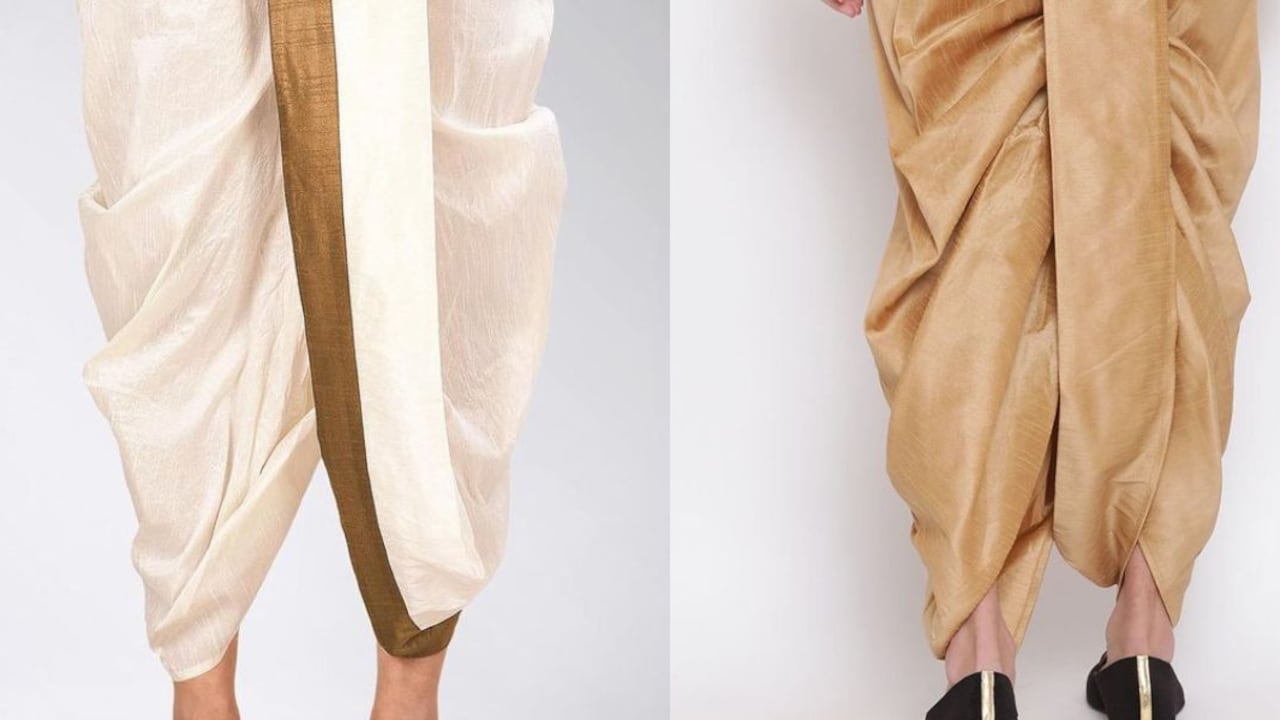
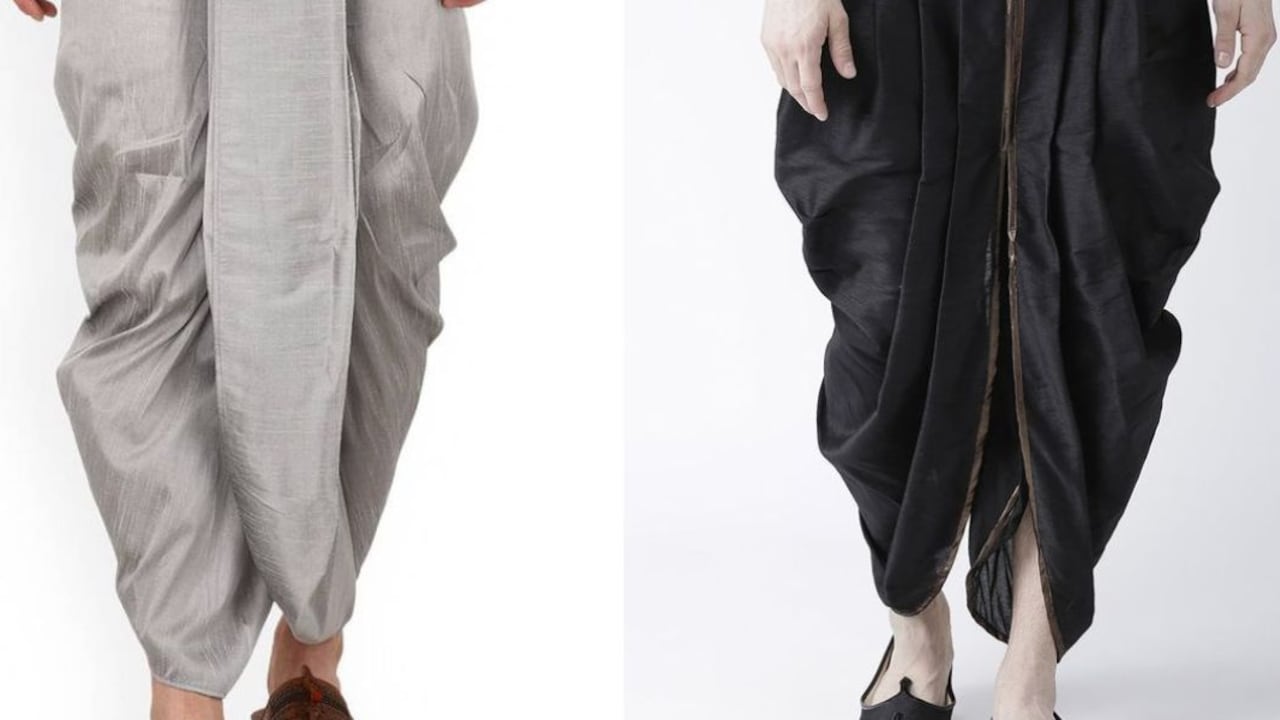
Not all dhotis behave the same way. Regional styles exist for practical reasons, not just tradition. Some styles allow free leg movement, while others focus on elegance and flow. Choosing the right one prevents unnecessary adjustments.
For active days, shorter styles that tuck between the legs offer security. They suit travel, temple visits, or long hours on the feet. For formal events, longer styles with broader pleats look regal but require careful tying.
Climate also influences choice. In humid weather, lighter drapes feel comfortable. In cooler months, layered styles add warmth and stability. Matching the style to the occasion ensures the dhoti supports the day rather than complicating it. Comfort always enhances confidence.
Wear a Dhoti All Day: Simple Tricks to Keep It Secure, Comfortable, and Stylish Without Fuss.; Photo Credit: Pexels
5. Pay Attention to Undergarments
This topic often gets ignored, yet it makes a noticeable difference. The right undergarment provides grip and support beneath the dhoti. A simple cotton brief or short dhoti-style under layer works best. Slippery synthetic fabrics create movement that affects the outer layer.
Avoid loose undergarments. They bunch up and disrupt the drape. A snug but comfortable fit allows the dhoti to sit securely. Some prefer wearing a thin waistband cloth underneath for extra grip. This traditional trick adds stability without bulk.
Comfort starts from the inside. When layers cooperate, the dhoti stays calm and composed. This unseen detail often separates effortless wearers from those constantly adjusting folds.
6. Learn to Walk, Sit, and Move Gracefully
Movement reveals the true test of any dhoti. Walking with slightly shorter strides helps maintain pleat structure. Overly long steps pull at the fabric and loosen the tuck.
Sitting requires a simple habit. Gather the front folds gently before lowering onto a chair. This action prevents strain on the pleats. On the floor, adjust the cloth once and settle comfortably. Repeated fidgeting causes more trouble than a single mindful adjustment.
Climbing stairs or stepping onto vehicles becomes easy with practice. Lift the hem slightly rather than dragging it forward. These small movements soon become instinctive. The dhoti begins to feel like a natural extension of the body rather than an obstacle.
7. Use Accessories That Offer Subtle Support
Accessories need not overpower tradition. A discreet waist belt worn beneath the dhoti offers extra security. Cloth belts or simple cotton cords work best. Avoid bulky buckles that create discomfort.
Safety pins help during long events but require careful placement. Pin only inner layers, never visible folds. This method preserves appearance while adding peace of mind. Pins cost little, often under ₹50, yet they prevent embarrassing moments.
Footwear also matters. Shoes with good grip improve posture and balance. Slippers that slip affect walking style, which in turn affects the dhoti. Thoughtful accessories support the garment quietly, without drawing attention.
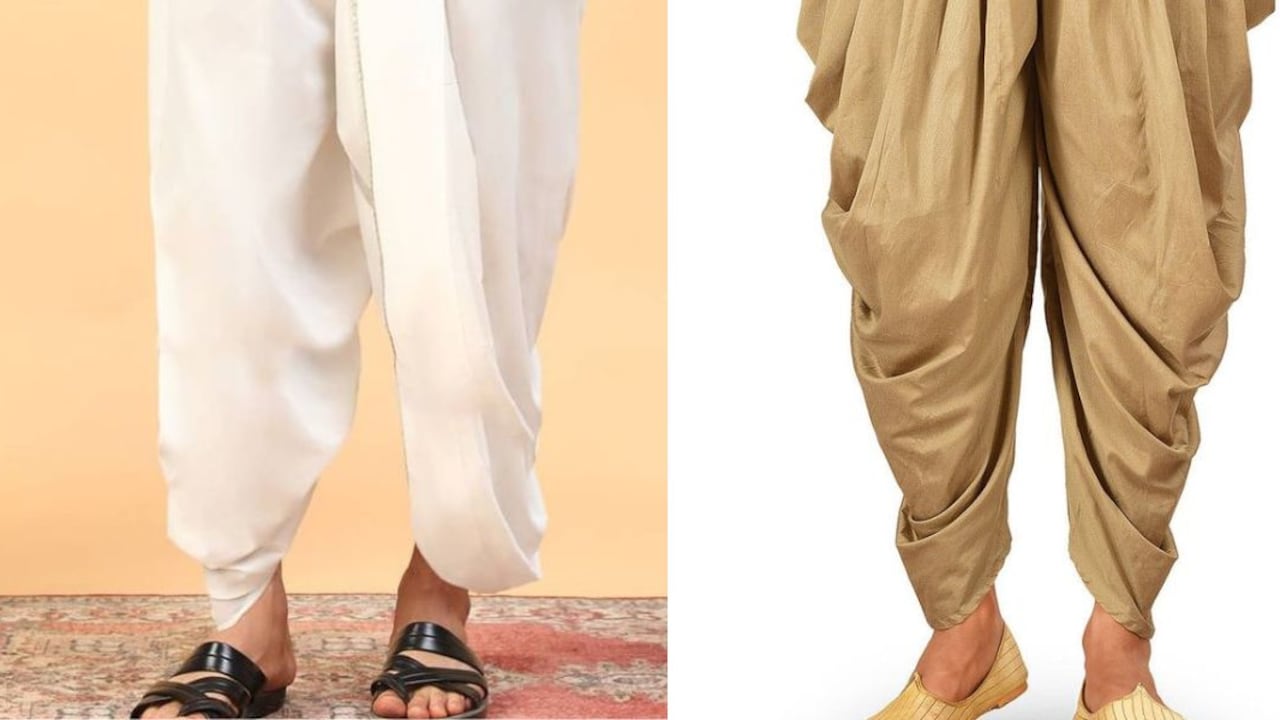
Wear a Dhoti All Day: Simple Tricks to Keep It Secure, Comfortable, and Stylish Without Fuss; Photo Credit: Pexels
8. Get Comfortable With Fabric Care
A well-maintained dhoti behaves better. Washing softens cotton and improves grip. Over-starched cloth looks crisp but cracks and shifts. Light starch offers structure without stiffness.
Ironing deserves patience. Press pleats gently rather than flattening them aggressively. Heat sets shape when applied carefully. Folding the dhoti properly after use preserves those lines. Roll or fold along pleats instead of crumpling.
Storage matters too. Hanging prevents deep creases, while flat storage suits daily wear. Fabric treated with care responds with cooperation. The dhoti becomes easier to drape with each use, reducing fuss over time.
9. Build Confidence Through Practice
Confidence transforms how a dhoti sits. Nervous tugging creates more problems than solutions. Practice at home helps build familiarity. Wear the dhoti during routine tasks. Walk, sit, and move freely. The body learns balance through repetition.
Mirror checks help refine technique, but avoid obsession. Over-checking leads to unnecessary adjustments. Trust the knot and pleats. Confidence shows in posture. Straight shoulders and relaxed movement keep the dhoti aligned.
Cultural attire carries emotion. Wearing it with pride changes how it behaves. Calm movements and assurance create harmony between the cloth and the wearer. Confidence remains the strongest accessory of all.
10. Respect Tradition While Adapting to Modern Life
Tradition thrives when it adapts. Wearing a dhoti today means balancing heritage with practicality. Offices, weddings, and festivals now blend old and new. Small adjustments keep tradition alive without discomfort.
Modern fabrics, pre-stitched options, and hybrid styles exist for convenience. They suit those new to the dhoti or pressed for time. Yet learning the classic method offers unmatched satisfaction.
Respecting tradition does not mean suffering through discomfort. It means understanding why each fold exists. When purpose guides practice, the dhoti becomes timeless rather than troublesome. Adaptation ensures the garment remains relevant, dignified, and easy to wear in every era.
Products Related To This Article
1. VASTRAMAY Men Maroon Solid Dhoti Pants
2. Ethluxis Mens Dhoti
3. EKATVA ETHNIC Men Cotton Peshawari Plain Dhotis
4. Ethluxis Men Embroidered Ethnic Dhoti
5. MULTI SHADES Men Pure Cotton Dhoti Pants
Wearing a dhoti without constant readjustments depends on awareness, not anxiety. The right fabric, thoughtful tying, neat pleats, and mindful movement work together like a quiet system. Each detail supports the next. Over time, these habits feel natural. It teaches balance, respect for craft, and confidence rooted in comfort. With practice, it stays secure through long days and joyful nights.
(Disclaimer: This article may include references to or features of products and services made available through affiliate marketing campaigns. NDTV Convergence Limited (“NDTV”) strives to maintain editorial independence while participating in such campaigns. NDTV does not assume responsibility for the performance or claims of any featured products or services.)