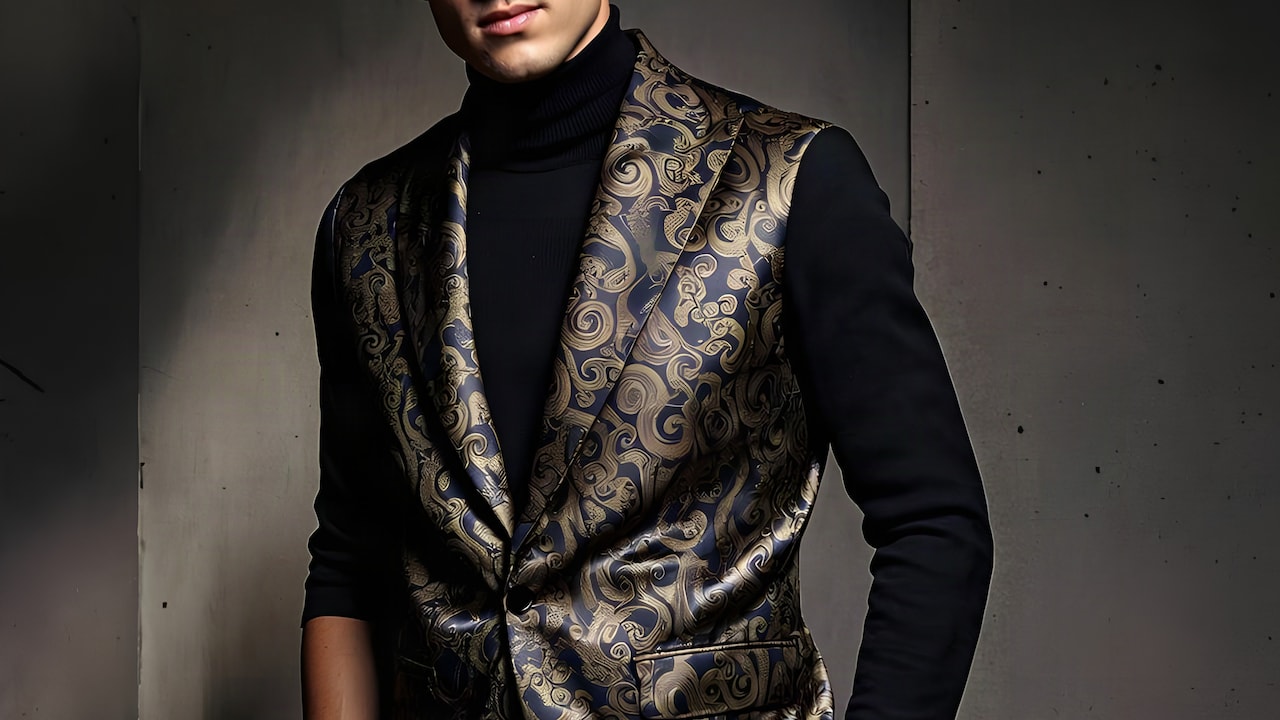
How To Wear Co-Ord Sets For Work, Brunch And Evenings Without Looking Casual
Co-ords are easy, but they can look like loungewear fast. These styling tips will help you make matching sets look sharp, polished, and ready for the real world.
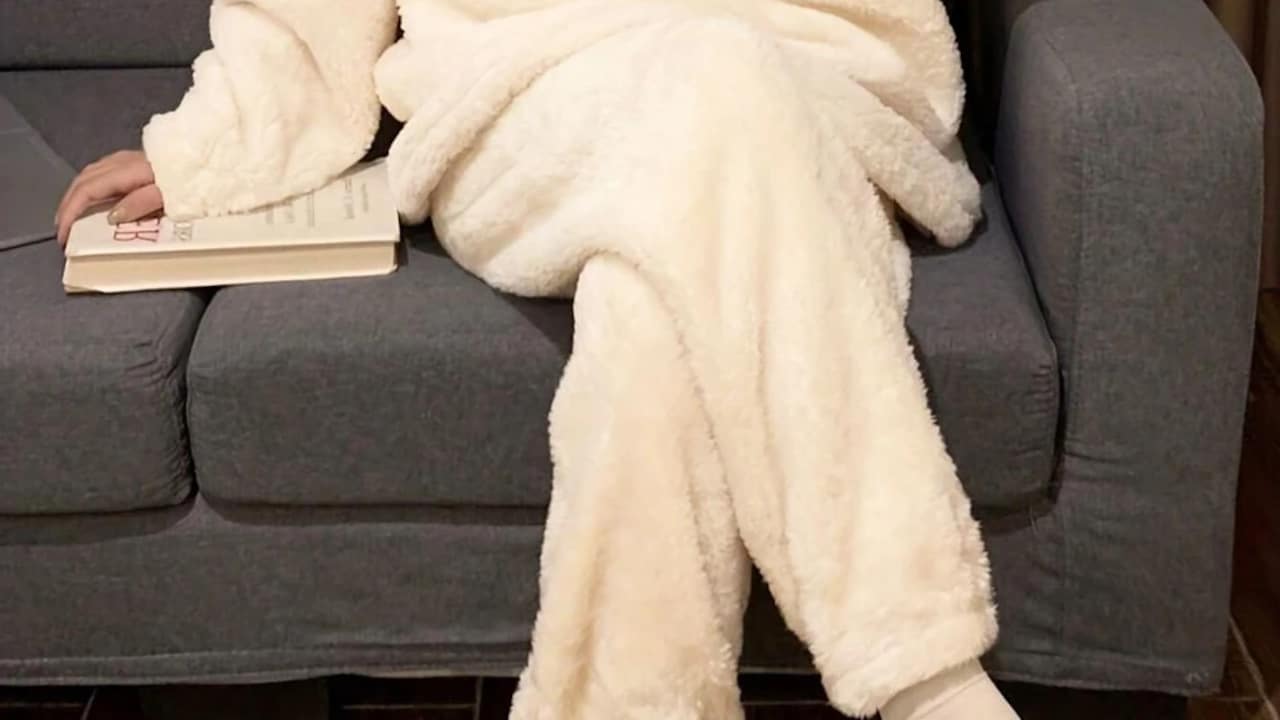
Know How To Style Co-Ords So They Look Polished And Put-Together, Not At All Like Loungewear.
Co-ords have quietly become the wardrobe equivalent of instant noodles. Fast, comforting, and suspiciously satisfying. Slip into a matching set and suddenly the day feels more manageable. The problem is, co-ords are also dangerously close to looking like loungewear, especially when the fabric is too soft, the fit too relaxed, and the styling too… “just rolled out of bed and embraced destiny”.
The good news is, co-ords are one of the easiest outfits to upgrade. They already do half the work by matching. The remaining half is all about structure, contrast, and a few clever details that make the outfit look deliberate rather than accidental.
This is not about dressing like someone else or forcing your wardrobe into stiff rules. It's about taking what is already convenient and turning it into something that looks polished, put-together, and effortlessly stylish. The kind of outfit that makes people assume you have your life sorted, even if your fridge contains only ketchup and optimism.
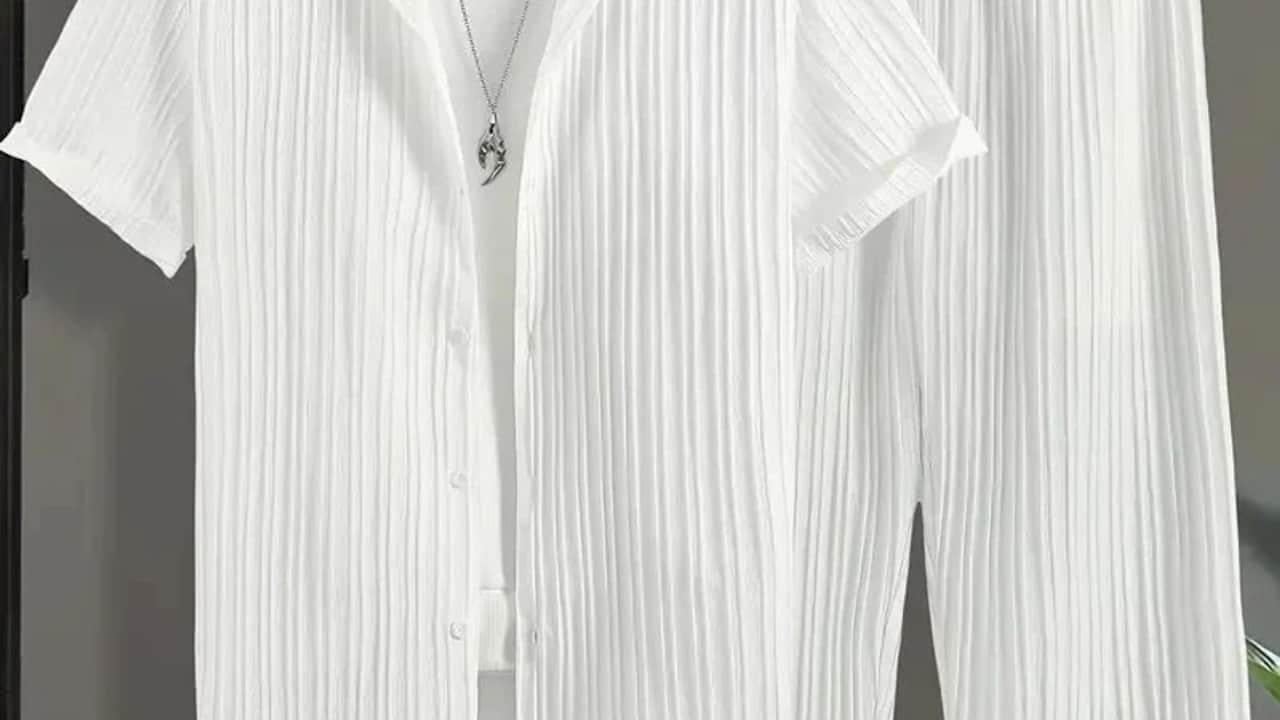
How To Style Co-Ords So They Look Polished And Put-Together, Not Like Loungewear
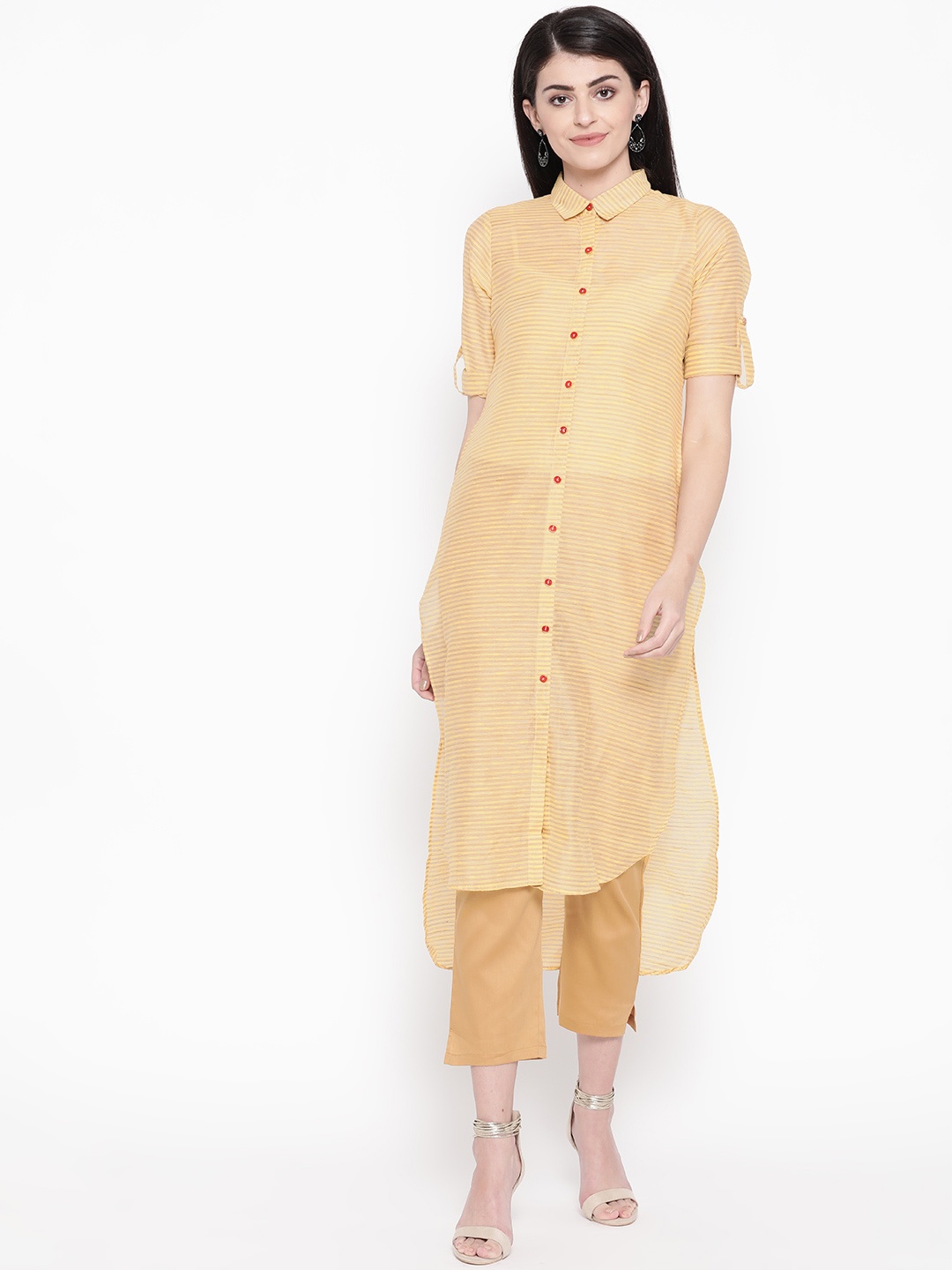
Photo Credit: Flipkart
Style Rules That Make Any Co-Ord Look Instantly Polished
Choose Fabrics That Hold Their Shape
The quickest way for a co-ord to look like loungewear is when the fabric behaves as if it belonged to a bedsheet. Soft jersey, clingy knits, and thin cotton can feel wonderful, but they often collapse into the body and lose definition. That's exactly what makes the set read as “home clothes”, even if the cut is trendy.
For a polished look, fabrics need a little backbone. Linen blends, thicker cotton poplin, crepe, tweed-style weaves, and structured knits sit better and keep their silhouette through the day. Even a slightly heavier rayon can look smarter if it drapes cleanly and does not cling.
A good test is how the fabric falls when held up. If it droops like a tired plant, it will likely look casual. If it keeps some shape and holds a crease, it will look intentional. This matters even more in humid weather, when flimsy fabrics can crumple into chaos by lunchtime.
Get The Fit Right, Especially At The Shoulders And Waist
Fit is where co-ords either look sharp or slump into the “airport lounge” category. The reason is simple: when everything matches, the eye looks for structure. If the fit is loose everywhere, the outfit can look shapeless. If the fit is tight everywhere, it can look like gym wear pretending to be fashion.
The sweet spot is balance. If the top is oversized, the bottoms should have a clean waist and a defined line. If the bottoms are wide-legged, the top should be slightly cropped or tucked to show where the waist sits. The shoulders matter more than people think. A top that fits cleanly at the shoulder instantly looks smarter, even if the rest is relaxed.
Waistbands matter too. A thick elastic waistband screams “loungewear”. A tailored waistband, side zip, or flat front instantly upgrades the set. If the co-ord has elastic, adding a belt or styling with a structured layer can shift the vibe.
Add A Third Piece That Means Business
A third piece is the oldest styling trick in the book, and for co-ords, it is practically magic. A matching set on its own can look too “done” or too “home”. Add a layer, and suddenly it becomes an outfit.
A blazer is the obvious choice, but it is not the only one. A longline shirt worn open, a cropped denim jacket, a structured waistcoat, or even a sleek trench can add polish. The key is contrast. If the co-ord is soft, the third piece should be structured. If the co-ord is structured, the third piece can be relaxed but crisp.
This also helps when the co-ord colour feels too bold or too plain. A neutral outer layer makes bright co-ords look wearable, and a statement layer adds personality to beige sets. The best part is that the outfit becomes flexible. Layer on for meetings and malls, layer off for cafés and evening drives.
Upgrade Your Footwear And Watch The Whole Outfit Change
Footwear is where co-ords reveal their true identity. Slip on rubber sliders, and the outfit becomes loungewear instantly. Wear sleek shoes, and it becomes street style.
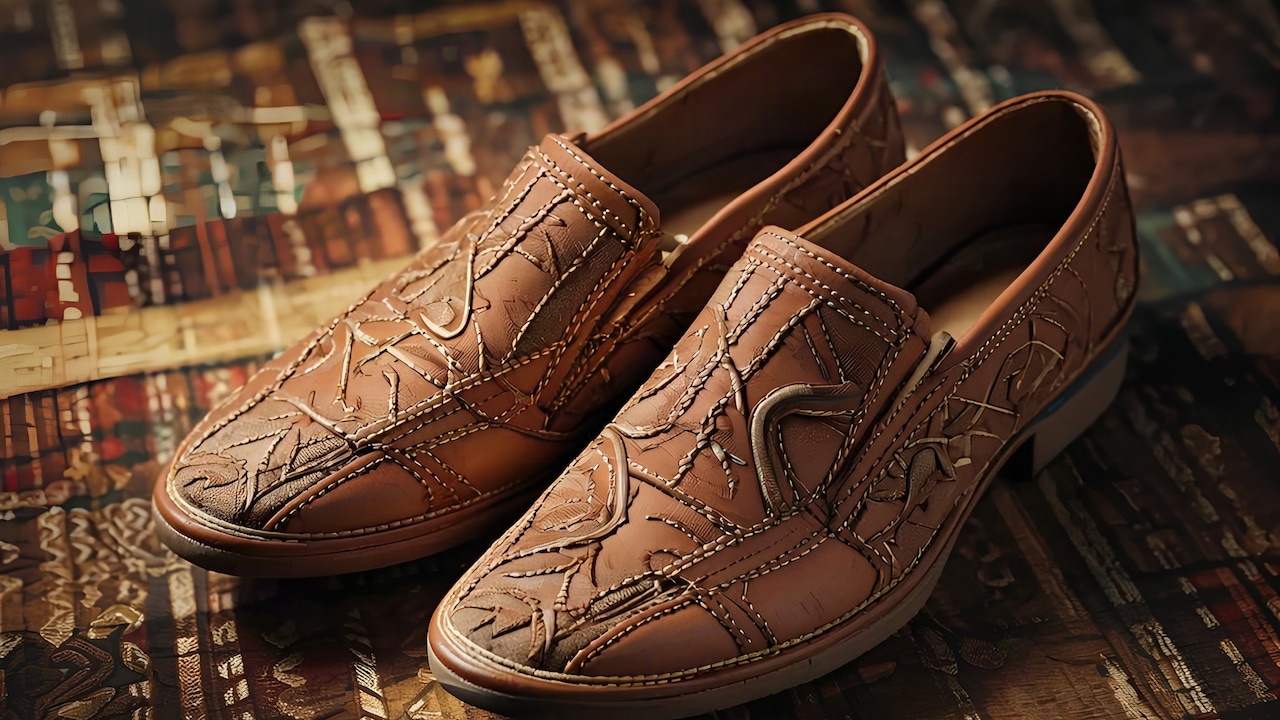
For polished co-ord styling, shoes should look intentional. Clean white sneakers work if they are crisp and not battered. Loafers, block heels, strappy sandals, and pointed flats bring in that “put-together” energy. Even kolhapuris can look elevated if the co-ord is structured and the footwear is well-made.
Avoid anything that looks too “house slipper”. The difference between a chic sandal and a lazy one is often the finish. A good strap, a defined sole, and a neat shape matter more than the brand.
A small but powerful trick is matching the footwear tone to your bag or belt. It makes the outfit look styled, not thrown on. People might not notice consciously, but the brain registers harmony.
Use Accessories Like A Styling Shortcut, Not An Afterthought
Co-ords can sometimes look flat because everything is the same. Accessories break that monotony and add personality. The trick is to keep it intentional, not cluttered.
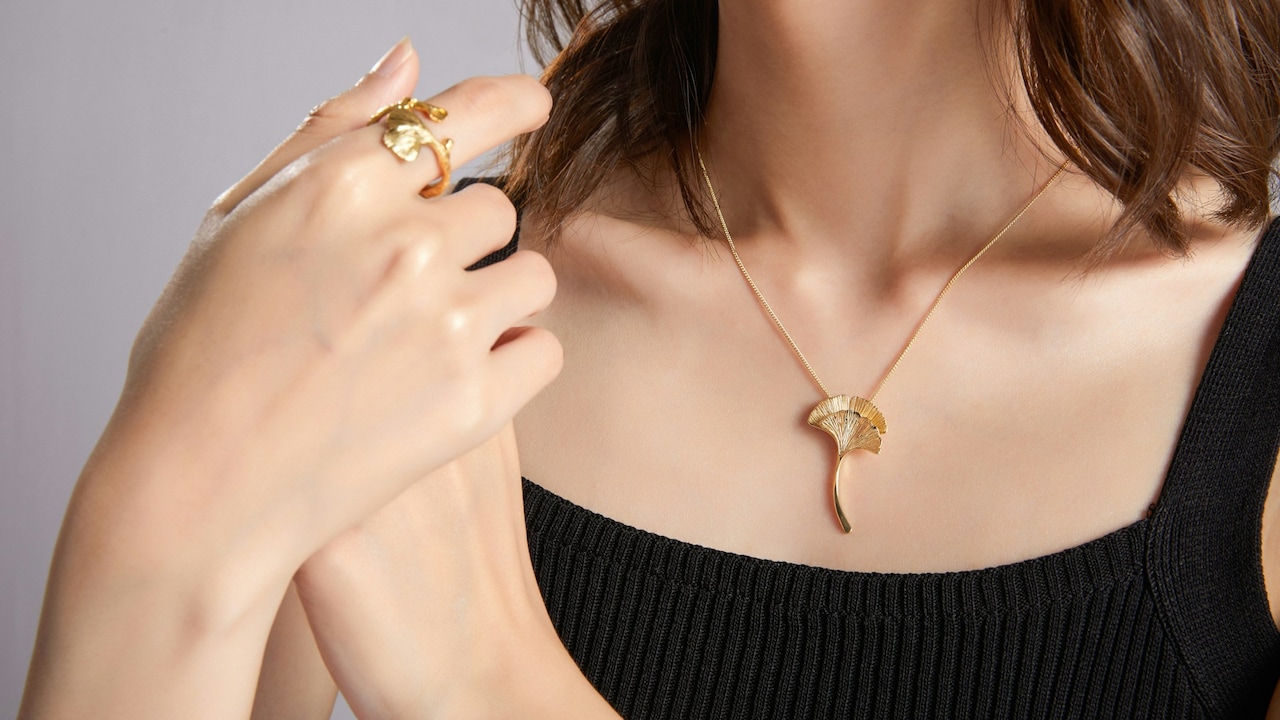
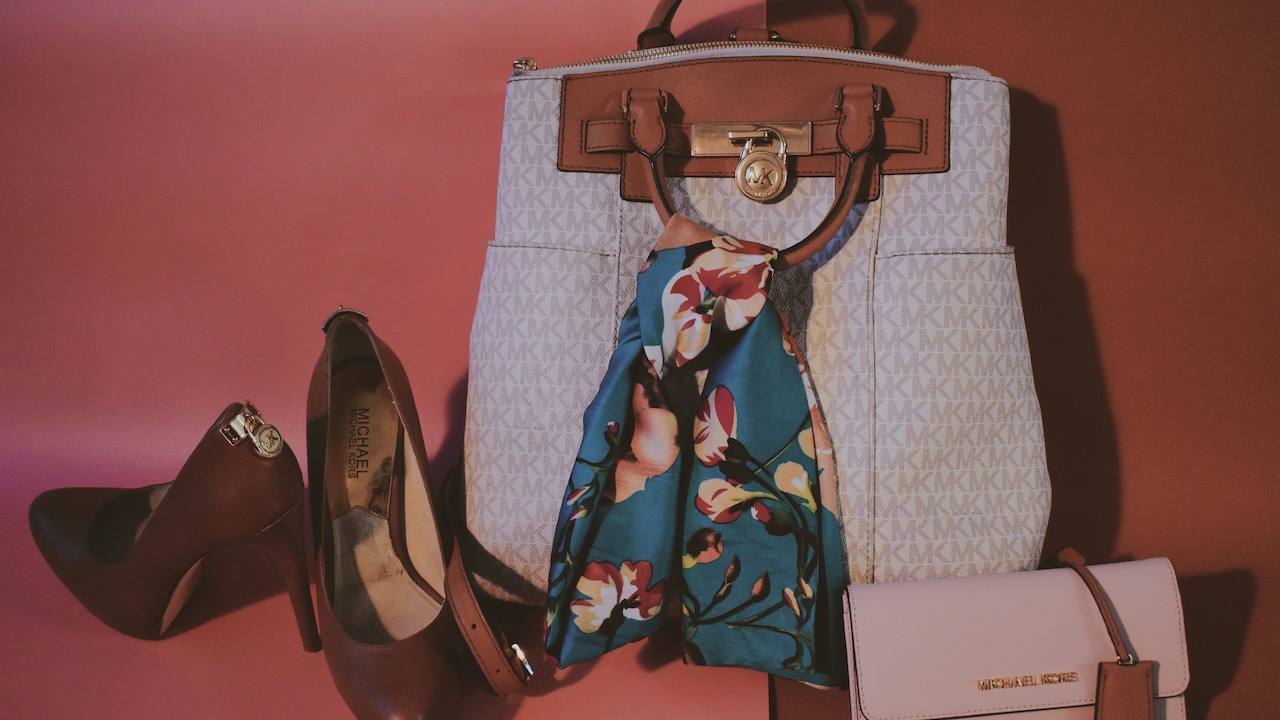
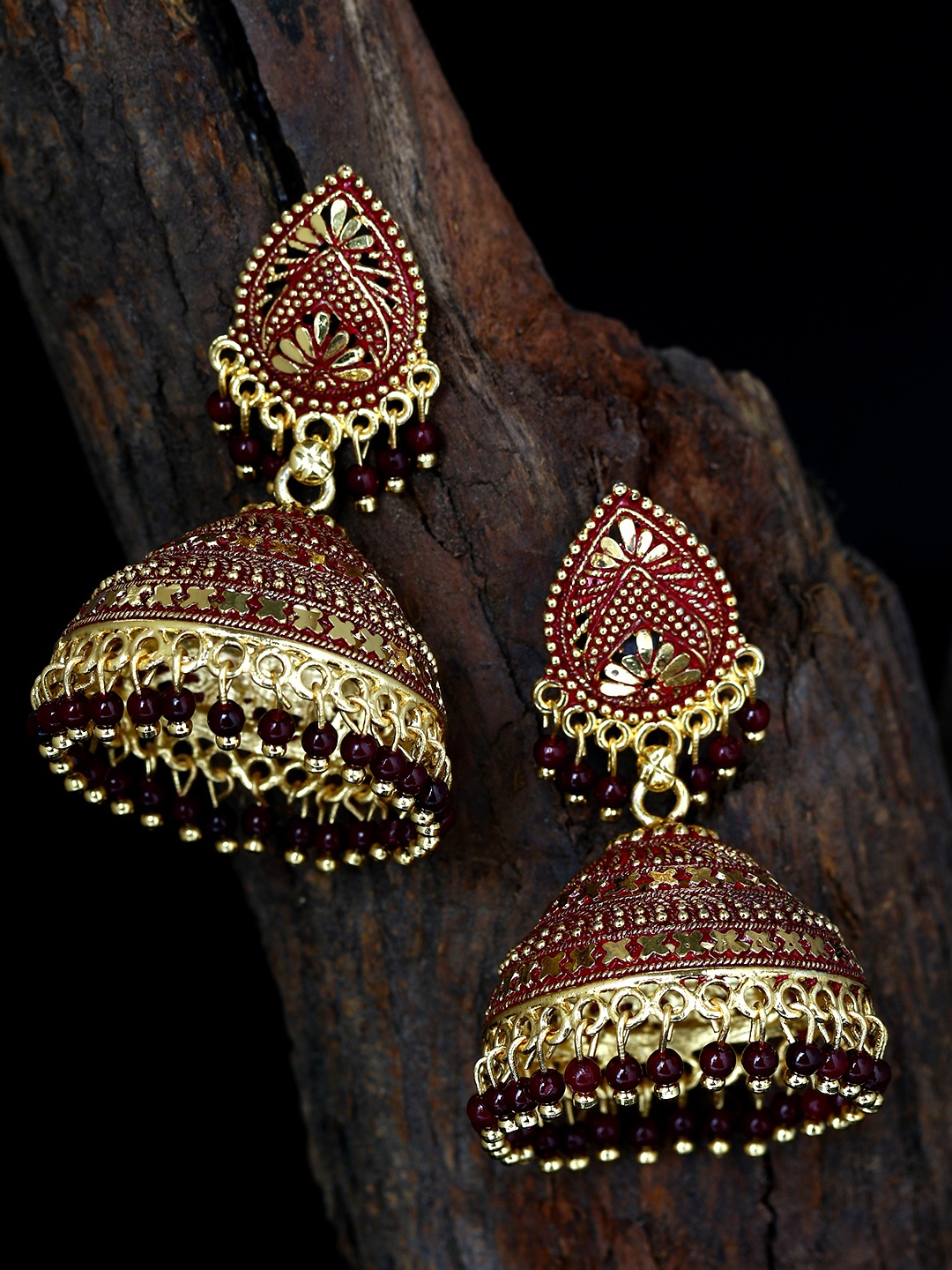
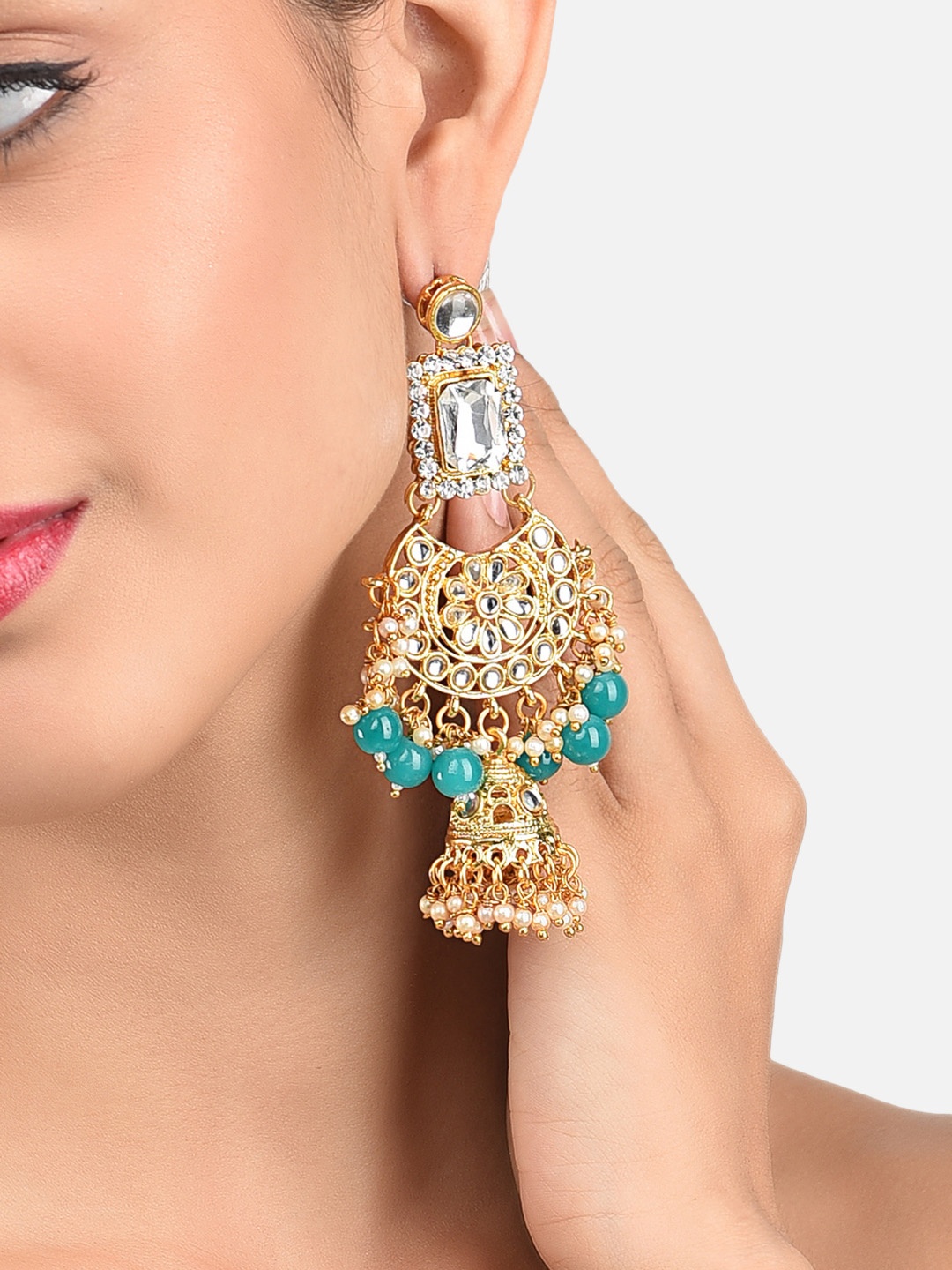
A structured handbag instantly upgrades a co-ord. A slouchy tote can drag it back into casual territory. Jewellery also matters. Delicate pieces can look pretty, but bold jewellery adds that “I dressed on purpose” vibe. Gold hoops, chunky rings, a sleek watch, or a statement pendant can transform even a simple set.
Sunglasses are underrated. A sharp pair of frames can make a plain co-ord look like a celebrity airport moment, minus the security guards. Hair accessories can work too, but avoid anything too playful if the goal is polished.
The easiest formula is one hero accessory. A strong bag, or bold earrings, or a standout watch. Too many statement pieces at once can make the outfit feel chaotic, like a festival stall.
Style Your Hair And Makeup To Match The Mood
It sounds unfair, but hair and makeup can decide whether a co-ord looks like an outfit or like something worn while cleaning the house. This is not about heavy makeup or salon hair. It's about finished.
A sleek low bun, a clean ponytail, or softly styled waves can instantly elevate the look. Even a neat claw clip style can look chic if it feels deliberate. Frizz and flyaways can make a co-ord look messy, especially with soft fabrics.
Makeup can be minimal. The polished version of minimal is not “nothing”. It's skin that looks fresh, brows that look defined, and lips that look alive. A tinted lip balm, kohl, and a bit of blush can do wonders. If the co-ord is monochrome, a bold lip can make the outfit look fashion-forward.
The goal is not perfection. The goal is a finished vibe. Like the difference between a homemade meal served in a steel plate and the same meal served on a nice dish. Same food, very different experience.
Break The Set Sometimes For A Smarter Look
Co-ords do not always need to be worn together. In fact, wearing them as separates can make them look more expensive and more versatile. A matching set worn together can sometimes look too casual or too “uniform”. Breaking it adds dimension.
Pair the co-ord top with tailored trousers or straight jeans. Style the co-ord bottoms with a crisp white shirt, a fitted turtleneck, or a structured blouse. This makes each piece work harder, which is exactly what a practical wardrobe needs.
It also helps when the co-ord colour feels too loud head-to-toe. Wearing just one piece tones it down. For example, a bright co-ord blazer and shorts can look intense together, but the blazer with denim looks sharp and wearable.
A co-ord should feel like two great pieces that happen to match, not like a set that only works as a set.
Choose Colours And Prints That Read “Outfit” Not “Pyjamas”
Colour is a sneaky culprit. Some shades automatically look more polished. Others can accidentally resemble sleepwear, even when the cut is stylish.
Deep neutrals like navy, charcoal, chocolate brown, and black almost always look smarter. Earthy tones like olive, rust, and sand feel grown-up and chic. Pastels can work, but the fabric and styling must be sharper. Pale pink or mint in a soft knit can quickly look like bedtime fashion.
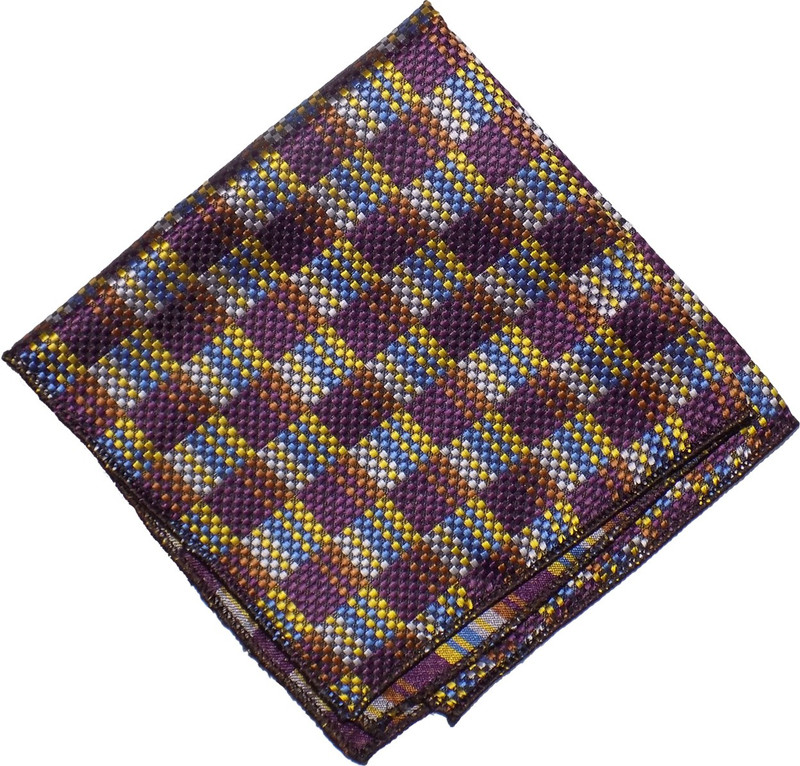
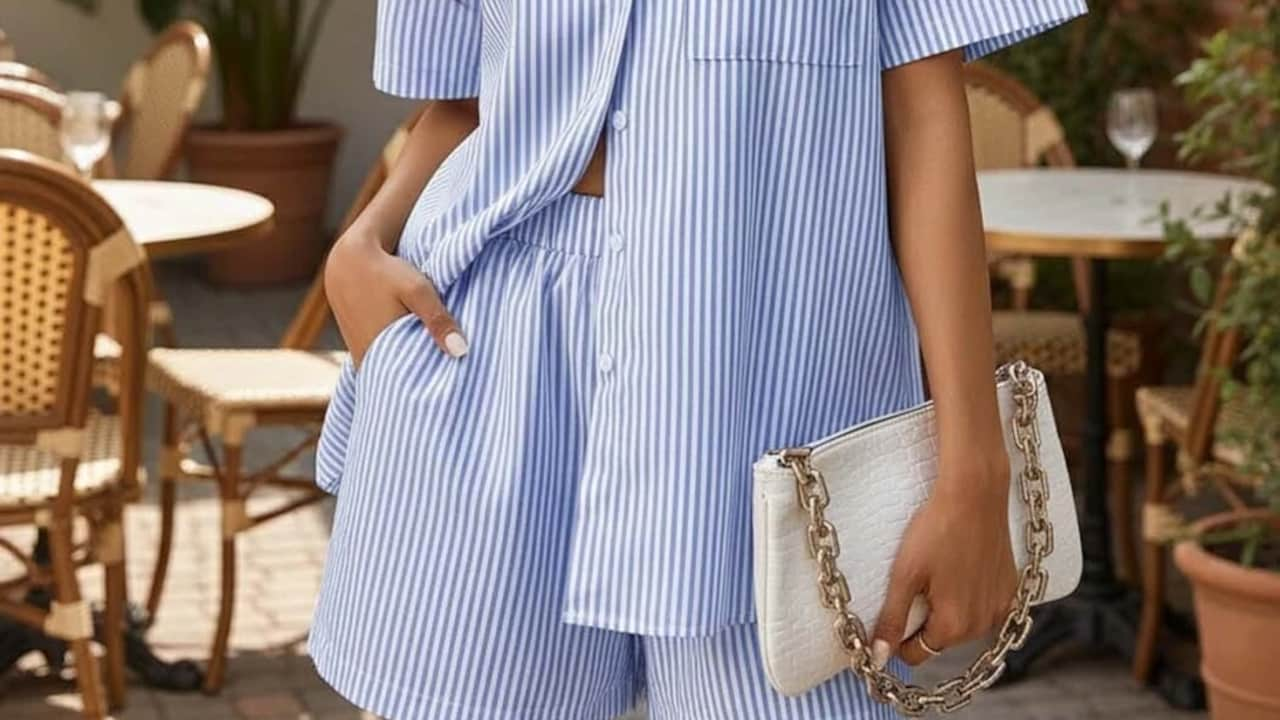
Prints matter too. Tiny florals, cartoonish motifs, and busy patterns can lean into pyjama territory. Clean stripes, geometric prints, subtle checks, and minimal motifs look more elevated.
Monochrome co-ords are the easiest to style because they already look intentional. If the set is in one colour, add contrast through accessories. A tan bag, gold jewellery, or black footwear can make the outfit feel styled rather than plain.
Focus On Proportions For A Cleaner Silhouette
Polished style is often about proportions rather than expensive pieces. Co-ords can look sloppy when the lengths feel random. A long top with wide pants can swallow the frame. A cropped top with tight shorts can look too casual. Balance makes it look designed.
If the bottoms are high-waisted, show that waist. A half-tuck, a cropped top, or a belt can define the shape. If the co-ord has a long shirt, consider wearing it open with a fitted inner layer. It creates clean vertical lines and adds structure.
Sleeves matter too. Very loose sleeves can look relaxed. If the goal is polished, rolling sleeves neatly or choosing a set with a sharper sleeve structure helps. Hemlines also matter. A slightly cropped ankle-length pair of trousers looks more tailored than one that bunches at the foot.
Even small tweaks like tucking in the top, buttoning one extra button, or adjusting the waistband can shift the entire look.
How To Style Co-Ords So They Look Polished And Not Like Loungewear
Photo Credit: Flipkart
Choose The Right Occasion Styling So It Never Looks Lazy
A co-ord can work almost anywhere, but only if it is styled for the occasion. That is where many people go wrong. They wear the same co-ord the same way for everything and wonder why it sometimes looks underdressed.
For a work-friendly look, stick to structured fabrics, minimal prints, and polished shoes. Add a blazer or a longline layer. Keep jewellery clean and classic. For brunch, the set can be softer, but add fun accessories and neat footwear. For a wedding function or festive evening, choose richer fabrics, sharper tailoring, and jewellery with presence.
Even the bag matters by occasion. A structured handbag looks smart. A tiny sling looks playful. A large tote looks casual. Match the vibe.
Co-ords are like actors. They can play different roles, but they need the right costume details. Otherwise, they show up to the wrong scene and confuse everyone.
Products Related To This Article
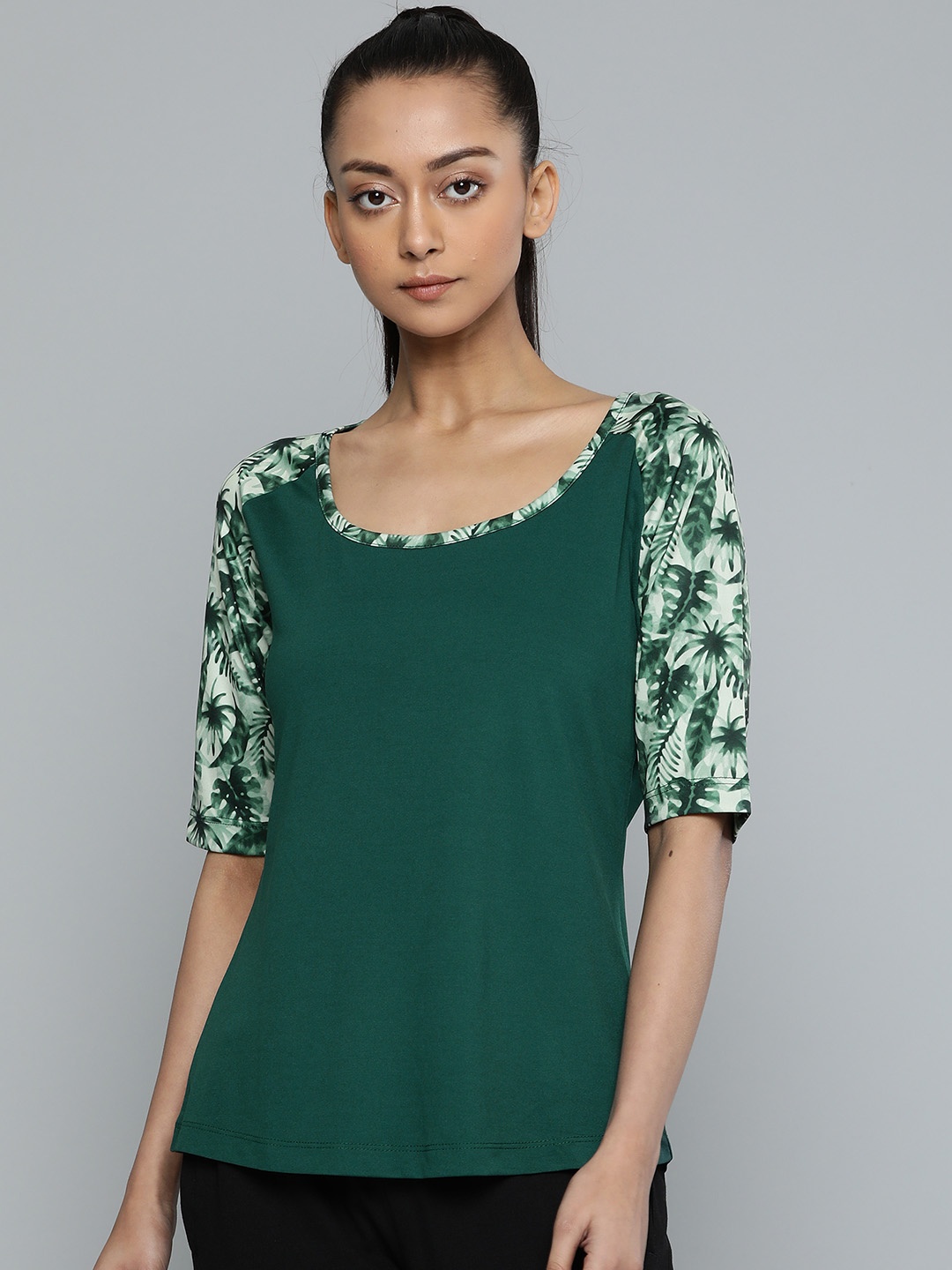
1. Athena Top Palazzos Co-Ords Set
2. Winered Tunic Pant Co-Ords Set
3. Janasya Top Pant Co-Ords Set Jacket
4. Clothycorp Shirt Pant Co-Ords Set
5. Fashfun Shirt Pant Co Ords Set
Co-ords are one of the smartest wardrobe inventions of recent times. They are easy, flattering, and endlessly wearable. The only risk is when they drift into loungewear territory, especially when styled without structure or contrast.
The fix is simple. Choose fabrics that hold their shape, prioritise fit, and add a third piece when needed. Upgrade footwear, keep accessories intentional, and make sure hair and grooming match the mood. Play with proportions, experiment with wearing pieces separately, and pick colours that look like outfits rather than pyjamas.
A co-ord should feel like effortless style, not accidental comfort. With a few clever tweaks, the same set can take you from café runs to client meetings, from lazy Sundays to last-minute plans, all while looking like you planned it. Even if the truth is you got dressed in five minutes and called it fashion.
(Disclaimer: This article may include references to or features of products and services made available through affiliate marketing campaigns. NDTV Convergence Limited (“NDTV”) strives to maintain editorial independence while participating in such campaigns. NDTV does not assume responsibility for the performance or claims of any featured products or services.)