Jhumkas Pulling Your Ears Down? 10 Comfort Checks to Know Before You Buy
Jhumkas dragging your ears down? Follow these 10 easy comfort checks to shop stylish, lightweight earrings without pain.

Heavy Jhumkas Hurting Your Ears? Essential Comfort Tips and Checks Before Buying Earrings Online.
Few accessories command attention like a good pair of jhumkas. They frame the face, dance with every laugh, and turn simple outfits into festive statements. Markets overflow with designs, from dainty temple styles to dramatic chandbalis that beg for a mirror selfie. Amid the excitement, comfort often slips to the bottom of the checklist. That is when the trouble begins. Heavy earrings tug at lobes, rub skin raw, and sometimes turn a happy occasion into a countdown to take them off.
This article walks through practical, tried-and-tested comfort checks. So, if heavy jhumkas are causing ear pain, here are 10 expert comfort checks to choose lightweight, pain-free earrings before buying.
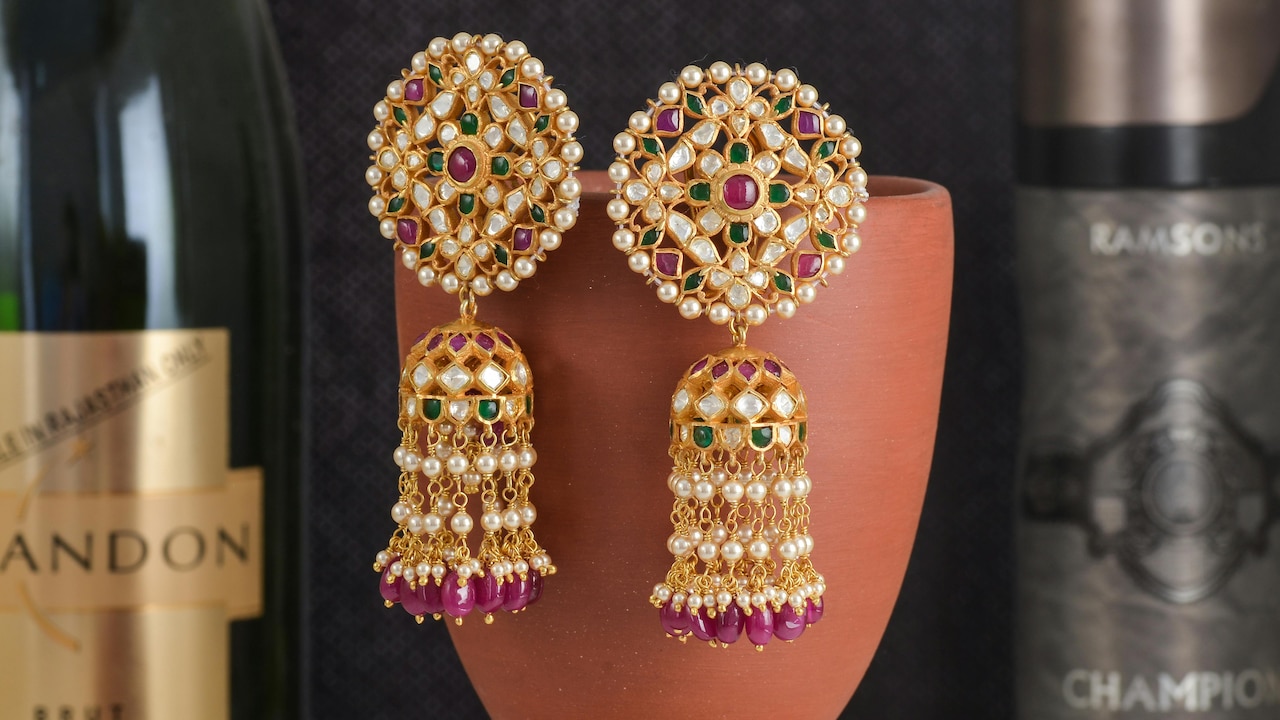
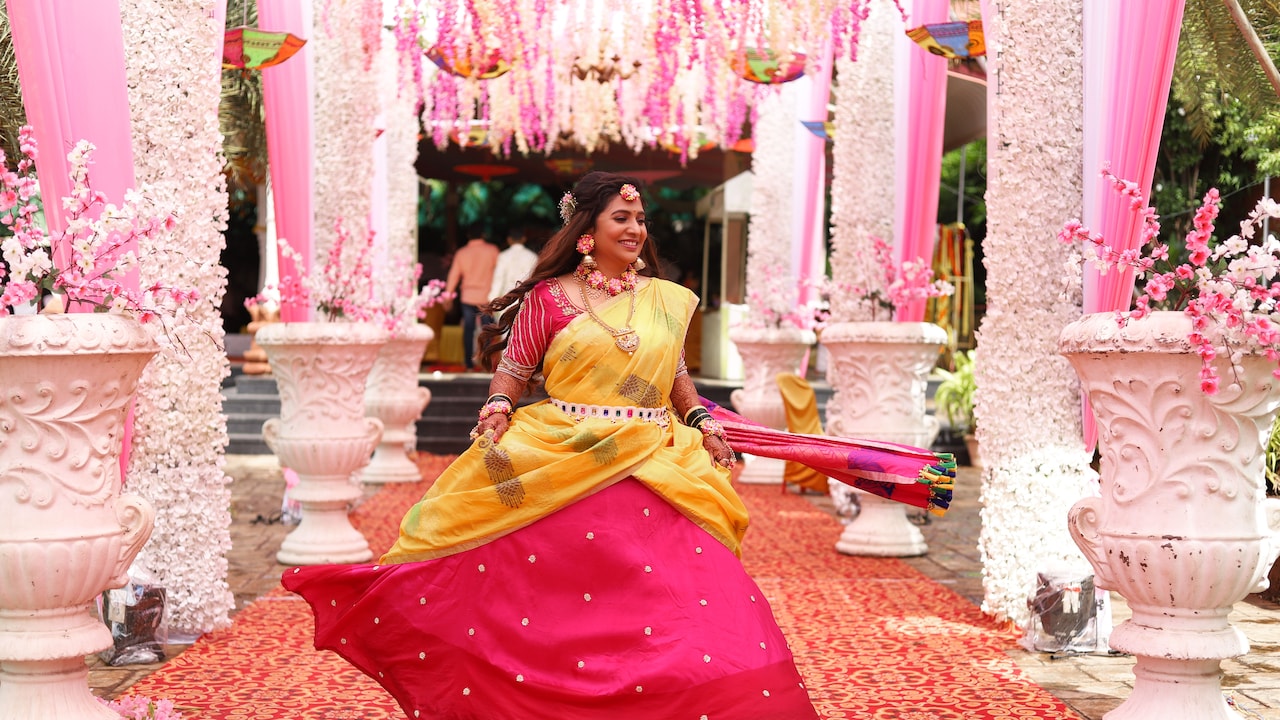
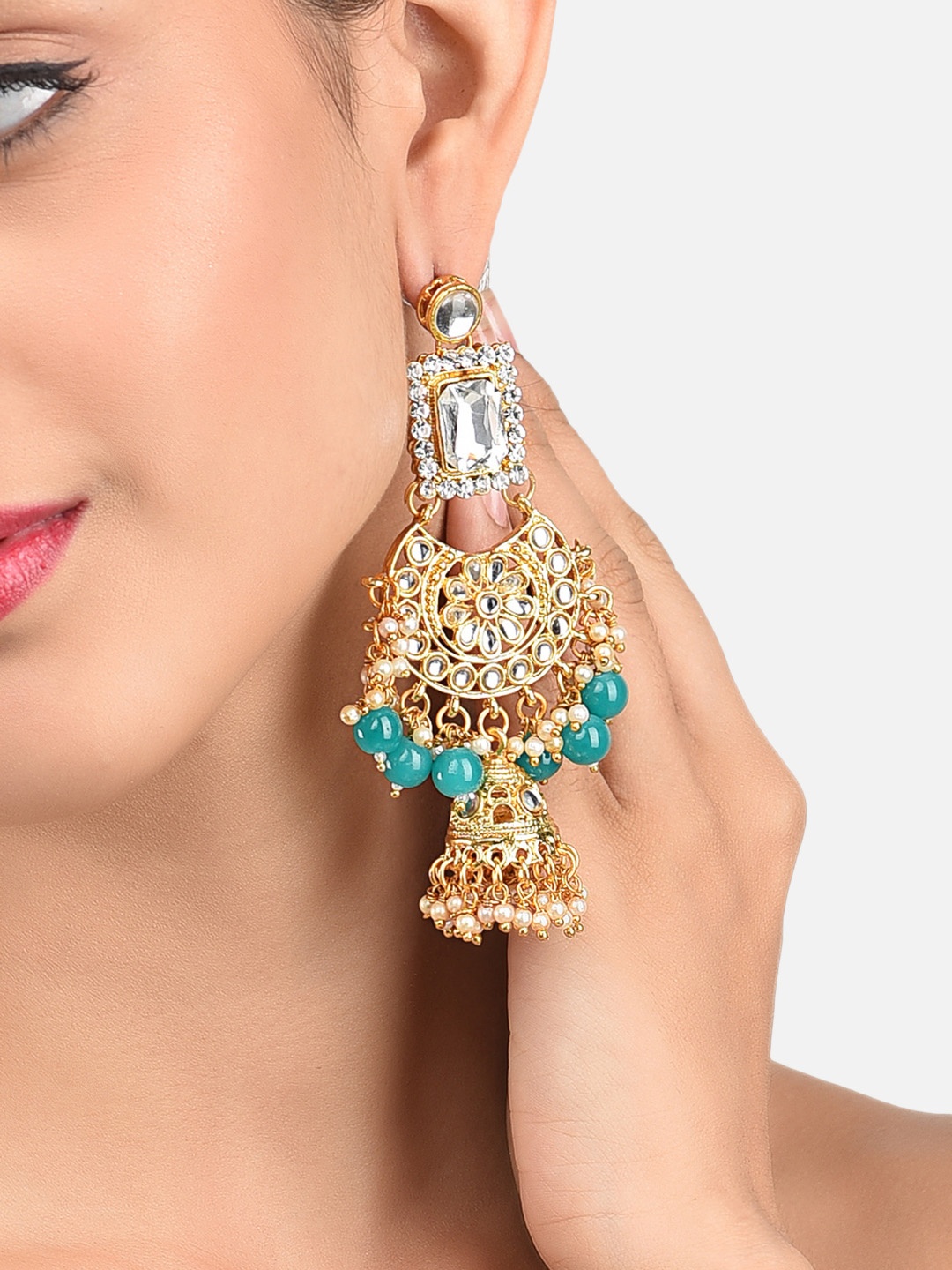
Jhumkas Pulling Your Ears Down? Comfort Checks Before You Buy; Photo Credit: Pexels
What To Check Before Letting Jhumkas Do The Talking
1. Weight Matters More Than the Mirror Admits
Jhumkas can look light as air on a velvet display, yet feel very different once worn. Weight remains the first comfort check. Many designs hide bulk in thick domes or solid beads. Even an extra few grams can strain the ears over time. A quick test helps. Hold the earring on the palm for a few seconds. If it already feels substantial, imagine it hanging from a delicate lobe for five hours.
Artisans now craft hollow jhumkas that look grand but weigh far less. These designs suit long weddings and festival days. Balance also plays a role. Earrings that distribute weight evenly feel gentler than top-heavy pieces that pull downward. When shopping in local markets, asking the seller about weight often opens useful conversations. Comfort starts with honesty here. A beautiful pair that hurts will sit forgotten in a jewellery box, while a lighter one will return to the ears again and again.
2. The Post and Backing Can Make or Break Comfort
Attention usually goes to the dome and danglers, yet the post and backing work hardest. Thin posts bend easily and dig into piercings. Thick posts feel secure but may stretch holes if poorly shaped. The ideal post feels smooth, rounded, and sturdy without bulk. Checking this detail saves discomfort later.
Backings matter just as much. Tiny push-backs struggle to support heavy jhumkas. They slide, tilt, and cause uneven pulling. Wider disc backings or screw types offer better support. Some designs come with rubber cushions that sit between metal and skin. These small additions reduce pressure and prevent soreness.
Trying on earrings in both lobes before buying helps. Each ear differs slightly. What feels fine on one side may pinch on the other. A few extra minutes spent checking posts and backings often decide whether jhumkas become favourites or frustrations.
Also Read: Unveiling The Charm Of Saree Accessories: How To Amp Up Your Saree Look Within Seconds
3. Metal Choice Affects Skin and Stamina
Metal choice goes beyond colour and shine. Skin reacts differently to various alloys. Nickel-heavy mixes can itch, redden, or burn after prolonged wear. Silver, gold-plated brass, and high-quality alloys usually treat skin kindly. For sensitive ears, this check becomes essential.
Heat also plays a role. Some metals warm quickly and feel uncomfortable during crowded events. Others stay relatively cool. Asking sellers about metal composition helps, especially in open markets where labels remain rare. A simple rub test against the inner wrist can hint at reactions.
Durability ties into comfort, too. Flimsy metals bend and twist, causing uneven weight distribution. Stronger metals hold shape and sit better. Choosing skin-friendly, sturdy metal ensures jhumkas stay pleasant from the first hour to the last dance.
4. Size Should Match the Occasion, Not Just the Outfit
Oversized jhumkas photograph beautifully but challenge endurance. Size influences how earrings move and pull. Large domes swing more, increasing strain with every head turn. Smaller or medium sizes offer elegance without constant tugging.
Occasion matters here. Short gatherings allow bolder choices. All-day events call for restraint. Many seasoned dressers keep two pairs ready. A statement set for ceremonies and a lighter backup for later. This switch saves ears without sacrificing style.
Face shape and neck length also affect comfort. Longer earrings suit taller frames but may overwhelm petite builds. Proportion keeps both appearance and comfort in harmony. Selecting size thoughtfully ensures jhumkas enhance presence instead of demanding constant adjustment.
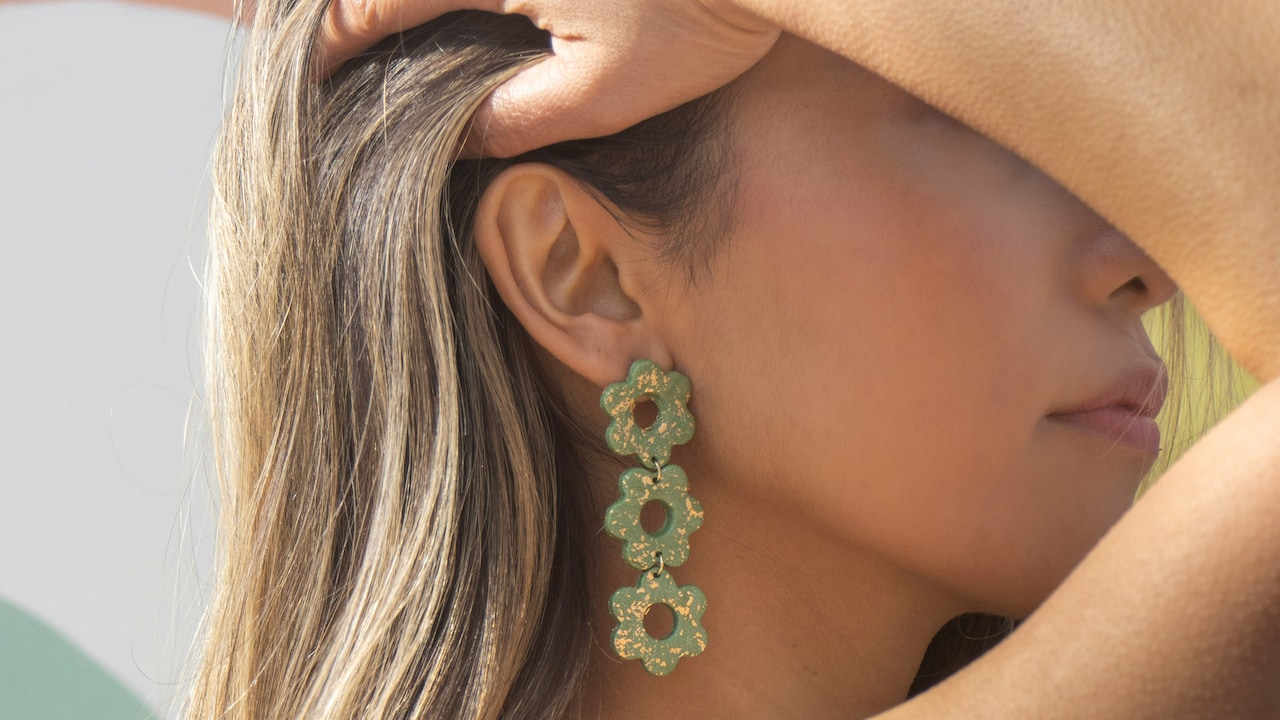
Jhumkas Pulling Your Ears Down? Comfort Checks Before You Buy; Photo Credit: Pexels
5. Movement and Sound Reveal Hidden Issues
Jhumkas love to move. That charm also exposes design flaws. Before buying, a gentle shake tells a story. Excessive clinking often signals loose joints or thin wires. Over time, these parts rub skin and irritate.
Movement should feel fluid, not jerky. Hinges need smooth action. Danglers should swing freely without snagging hair or fabric. A quick wear test while turning the head side to side helps spot problems. If earrings hit the jaw or neck sharply, discomfort will follow.
Sound matters too. A soft tinkle feels pleasant. Loud metallic clashes grow annoying fast, especially in quiet moments. Comfort includes sensory ease. Well-crafted jhumkas move gracefully, sound gentle, and feel like a natural extension of the wearer.
6. Finish and Edges Protect Delicate Skin
Polish often sells jewellery, yet the finish provides comfort. Rough edges scrape skin and catch hair. Over time, these tiny irritations add up. Running a finger along the inside rim and edges reveals sharp spots.
Handcrafted pieces sometimes show minor irregularities. Many add character, but not all suit sensitive areas. Smooth interiors matter more than decorative exteriors. Lacquered or enamelled finishes feel gentler against skin.
Pay attention to decorative stones too. Poorly set stones poke or loosen. Secure settings ensure nothing scratches or presses unexpectedly. A well-finished jhumka respects both beauty and the skin it adorns.
7. Piercing Placement Influences Comfort
Piercing placement often gets overlooked. Low or stretched piercings bear weight differently. Heavy jhumkas on low piercings increase the risk of tearing or soreness. In such cases, lighter designs or ear chains that hook higher on the ear help distribute weight.
Double piercings allow creative combinations. Wearing a small stud in one and a jhumka in the other changes the balance. Some designs include hooks that clip onto the upper ear, sharing the load. These options suit those who love drama but value comfort.
Understanding personal piercing anatomy guides better choices. What suits one person may not suit another. Respecting these differences keeps ears healthy and jewellery enjoyable.
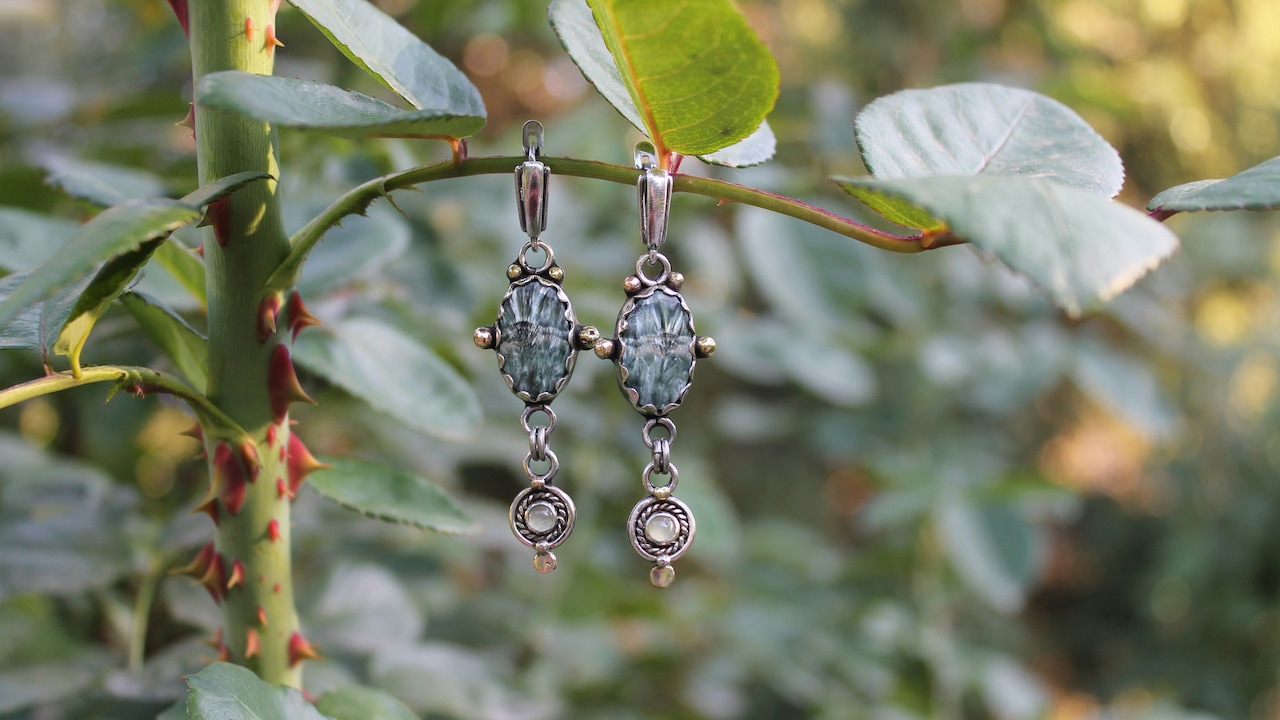
Jhumkas Pulling Your Ears Down? Comfort Checks Before You Buy; Photo Credit: Pexels
8. Hair, Fabric, and Lifestyle Play a Role
Comfort extends beyond the ears. Hair length and texture influence how jhumkas behave. Curly or thick hair tangles easily with intricate designs. Smooth surfaces reduce snagging. Those who wear dupattas or scarves should check how the fabric interacts with earrings.
Lifestyle matters too. Long ceremonies involve hugs, photos, and crowded spaces. Earrings that catch on clothing cause sudden tugs. Simpler hooks and compact designs handle movement better.
Considering the full outfit and activity plan avoids surprises. Jhumkas should complement life, not interrupt it. When jewellery moves easily with hair and fabric, comfort follows naturally.
9. Trial Time Beats Quick Decisions
Impulse buys tempt everyone, especially amid glittering stalls. Yet ears pay the price. Wearing jhumkas for at least five minutes before buying reveals a lot. Pressure points show up quickly. Slight discomfort often worsens with time.
Walking around the shop while wearing them helps. Natural movement exposes balance issues. Some sellers encourage this. Others rush the sale. Taking that extra moment protects comfort and money.
Trusting bodily signals matters. If something feels off early, it will not improve later. A good pair feels almost unnoticeable. Choosing patience over haste ensures satisfaction long after the shopping bag empties.
10. Aftercare Extends Comfort Beyond Purchase
Comfort does not end at the counter. Proper aftercare keeps jhumkas pleasant. Cleaning earrings before and after wear removes sweat and residue. Soft cloths work well. Storing pairs separately prevents scratches and bent posts.
Using ear cushions or clear stoppers adds support for heavier pieces. Many swear by them during long events. Giving ears rest between wears also helps. Alternating heavy and light days prevents strain.
Listening to ears matters most. Redness, pain, or swelling signal a break is needed. Jewellery should celebrate moments, not cause discomfort. Thoughtful aftercare ensures favourite jhumkas stay wearable and loved for years.
Products Related To This Article
1. MONKDECOR Stylish Silver Sunflower Jhumkas For Girls and Women
2. RUBANS Gold Plated Cubic Zirconia Brass Jhumki Earring
3. RUBANS 22K Gold-Plated Lotus Motif Dual-Tone Jhumka with Green Stone
4. DANGAR ENTERPRISE Set of 4 Oxidised German Silver Ethnic Earrings
5. DECOLOGY New Stylish Chandmeena Earring Jhumkas For Girls and Women
6. MONKDECOR Stylish Silver Sunflower Jhumkas For Girls and Women
7. KRISHNA Twinkling Hoop Jhumkas Beads Fabric Jhumki Earring
Jhumkas hold emotional value, cultural pride, and undeniable charm. Yet comfort remains the quiet hero that determines whether they shine through an entire celebration or end up removed halfway. Paying attention to weight, metal, size, and finish transforms shopping from guesswork into confidence. Small checks protect ears, wallets, and moods. When jhumkas sit right, move gently, and feel kind to skin, they allow the wearer to laugh freely, dance longer, and stay present in every moment. The next time a stunning pair catches the eye, a few mindful checks can ensure those earrings lift spirits, not pull ears down.
(Disclaimer: This article may include references to or features of products and services made available through affiliate marketing campaigns. NDTV Convergence Limited (“NDTV”) strives to maintain editorial independence while participating in such campaigns. NDTV does not assume responsibility for the performance or claims of any featured products or services.)