Kolhapuri Flats vs Cushion Sandals: Which Is Better for Long Days Out?
Kolhapuri flats or cushion sandals: Which one offers better comfort, durability, and support? This guide compares both to help you pick the ideal pair for daily wear.
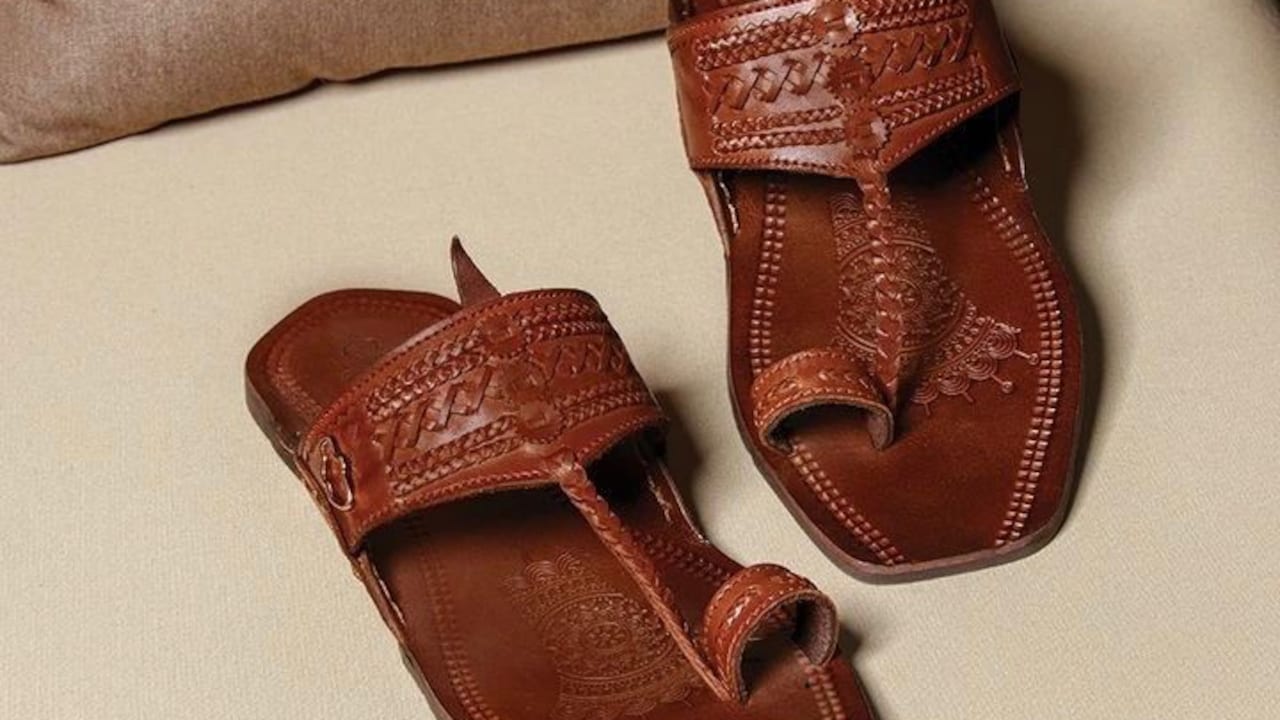
Kolhapuri Flats Or Cushion Sandals: We Explain Which One Offers Better All-Day Comfort To You.
Among everyday choices, Kolhapuri flats and cushion sandals often sit at opposite ends of the rack. One carries heritage and craftsmanship, the other leans on modern design and comfort technology. Both styles have loyal followers. Kolhapuris are admired for their timeless look and earthy charm, while cushion sandals win hearts with soft soles and all-day ease. The real question emerges during long days out, shopping marathons, weddings that stretch from morning to night, or sightseeing trips with no fixed schedule. Which pair truly delivers when hours add up? So, when it comes to kolhapuri flats vs cushion sandals, we look beyond trends, focusing on comfort, durability, style, and value, all through relatable, everyday experiences.
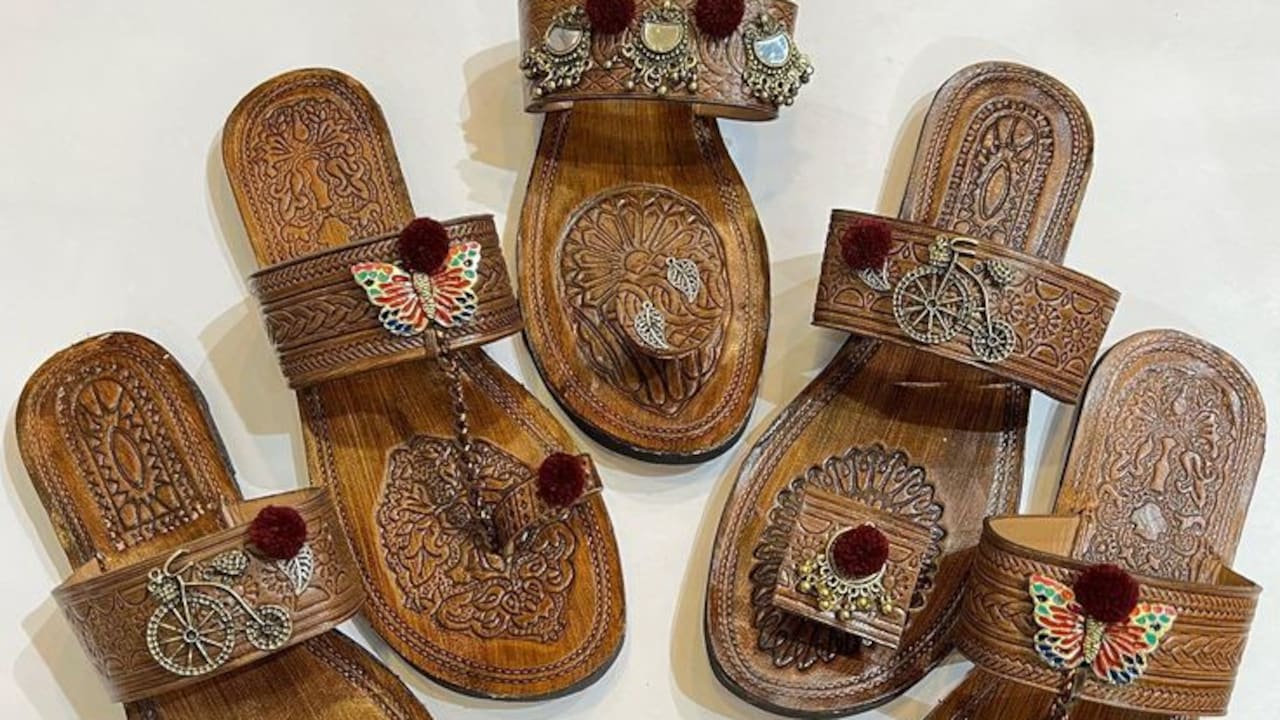
Kolhapuri Flats Or Cushion Sandals: We Explain Which One Offers Better All-Day Comfort To You.; Photo Credit: Pexels
Breaking Down Comfort, Style, And Everyday Practicality
1. Comfort Over Long Hours: Tradition vs Technology
Comfort is the first thing tested on a long day out. Kolhapuri flats are made from sturdy leather, shaped to mould gradually to the feet. Over time, they soften and adapt, offering a customised fit. However, this comfort often arrives after a break-in period. On the first few wears, the flat sole and firm leather can feel unforgiving, especially during extended walks.
Cushion sandals, on the other hand, are designed for instant comfort. Padded footbeds, foam layers, and flexible soles absorb shock with every step. Long hours of standing in queues or walking between markets feel lighter. Feet experience less strain, particularly around the heel and arch. For those unaccustomed to rigid soles, cushion sandals feel kinder from the very first wear.
That said, comfort can be subjective. Some find the grounded feel of Kolhapuris reassuring, especially once broken in. Others prefer the bounce and softness of cushion sandals. For immediate ease on a packed schedule, cushioning often wins, while Kolhapuris reward patience and familiarity.
2. Breathability and Foot Health in Warm Weather
Warm days demand footwear that allows feet to breathe. Kolhapuri flats score high here. Their open design and natural leather construction promote airflow, keeping feet relatively cool even during peak afternoon heat. Leather absorbs moisture better than synthetic materials, reducing that sticky, uncomfortable feeling after hours outside.
Cushion sandals vary widely in this aspect. Some designs use breathable fabrics and open straps, while others rely heavily on synthetic materials that trap heat. A well-designed pair with ventilated soles can perform admirably, but cheaper versions may cause sweating and discomfort. On long days, this can lead to irritation or unpleasant odour.
Foot health matters more than often realised. Excessive moisture can cause blisters or rashes. Kolhapuris, when well-fitted, minimise friction and allow natural movement. Cushion sandals protect joints but may compromise airflow if not chosen carefully. For humid conditions, Kolhapuris feel more aligned with the climate, while cushion sandals need thoughtful selection to ensure comfort remains consistent throughout the day.
Also Read: Top 5 Kolhapuris That Will Not Give You Blisters: Festive And Daily Wear Options
3. Walking Endurance: Streets, Steps, and Surfaces
Long days out rarely involve smooth pavements alone. Uneven roads, staircases, temple courtyards, and narrow lanes test footwear endurance. Kolhapuri flats, with their thin soles, keep feet close to the ground. This improves balance and awareness of surfaces but offers minimal shock absorption. After several kilometres, the lack of cushioning can lead to sore heels or tired arches.
Cushion sandals are built for endurance. Thick soles and ergonomic designs distribute pressure evenly, making them ideal for extended walking. Cobblestones, cracked pavements, and long corridors feel less demanding. The feet feel supported, and the body experiences less fatigue overall.
However, bulkier soles can sometimes reduce agility. Quick steps on uneven terrain may feel less secure. Kolhapuris, though firm, provide a natural grip and flexibility. For leisurely strolls with occasional rests, they hold up well. For continuous movement and exploration, cushion sandals usually outperform, especially when the day stretches beyond expectations.
4. Style and Cultural Appeal
Style often influences comfort choices more than admitted. Kolhapuri flats carry a distinct charm rooted in craftsmanship. They pair beautifully with ethnic wear, handloom outfits, and even casual dresses. Their understated elegance feels appropriate at family gatherings, festive occasions, or cultural outings. They add character without shouting for attention.
Cushion sandals lean towards modern aesthetics. Available in sleek neutrals, sporty designs, or minimal silhouettes, they complement contemporary wardrobes. Jeans, trousers, and casual dresses pair effortlessly. While some designs now blend traditional motifs, they rarely carry the same artisanal appeal as Kolhapuris.
On long days out that include social interactions or events, style confidence matters. Kolhapuris often earn compliments and spark conversations. Cushion sandals prioritise practicality, sometimes at the cost of visual charm. Choosing between them often reflects the day's purpose, celebration and connection versus movement and convenience.
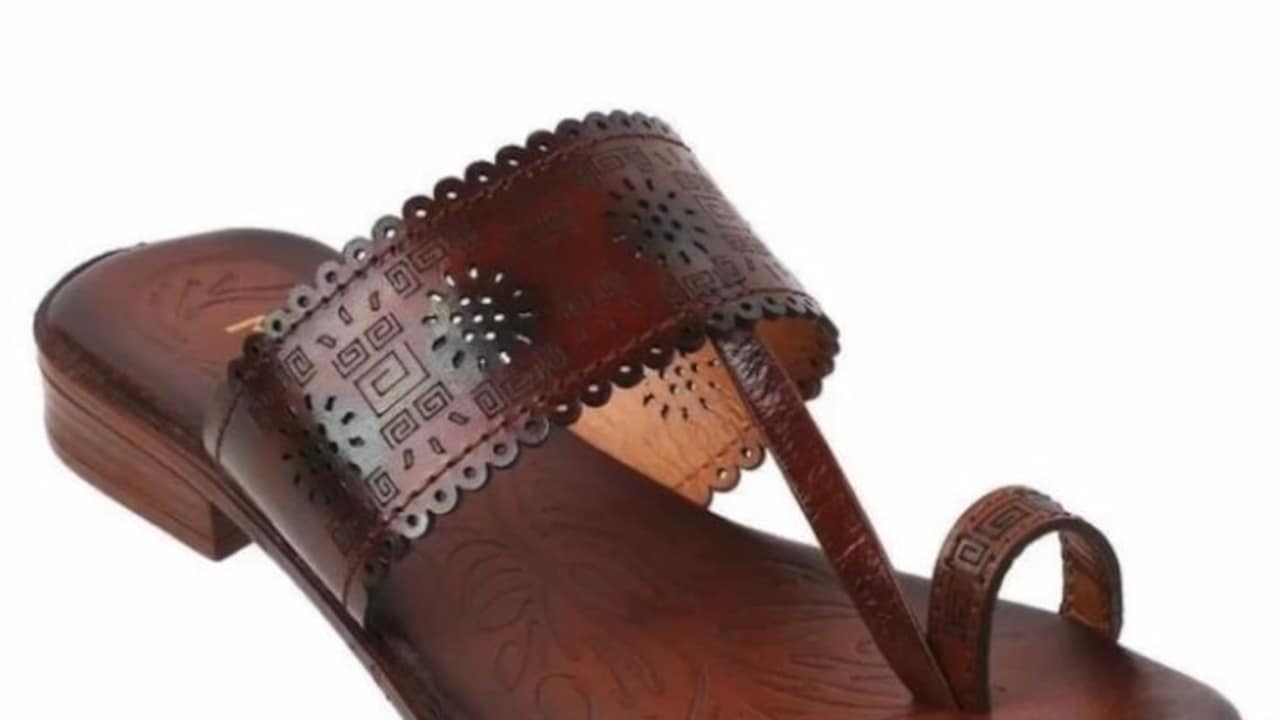
Kolhapuri Flats Or Cushion Sandals: We Explain Which One Offers Better All-Day Comfort To You.; Photo Credit: Pexels
5. Durability and Longevity
A good pair of footwear should last beyond a single season. Kolhapuri flats are known for durability. Crafted from thick leather and stitched by skilled hands, they age gracefully. With occasional polishing and care, they can last for years, sometimes even improving in comfort over time.
Cushion sandals depend heavily on material quality. Premium pairs with high-density foam and sturdy straps can last well, but budget versions often lose cushioning quickly. Once the sole flattens, comfort declines sharply. Straps may stretch or tear, reducing lifespan.
From a long-term perspective, Kolhapuris offer better value despite a higher initial cost. Cushion sandals suit those who prefer frequent style updates or need specialised comfort features. For regular long days out, investing in quality matters more than chasing trends.
6. Weight and Ease of Carrying
Footwear weight influences fatigue more than expected. Kolhapuri flats are lightweight and flexible. Feet move naturally, and carrying an extra pair in a bag feels effortless. This proves useful during travel or long functions where footwear changes may be required.
Cushion sandals, especially those with thick soles, can feel heavier. Over hours, this added weight may contribute to tired legs, even if soles remain soft. Packing them also requires more space.
Lightness often translates to freedom. Kolhapuris allow quick movements and easy transitions between activities. Cushion sandals compensate with support but demand more energy. For days involving travel, light footwear often feels like a blessing by evening.
7. Price and Accessibility
Budget plays a role in every purchase. Kolhapuri flats range widely in price. Authentic handcrafted pairs may cost ₹1,500 to ₹3,000 or more, reflecting labour and material quality. Cheaper versions exist but often lack durability.
Cushion sandals are available across all price points. From ₹500 everyday pairs to ₹3,000 premium designs, options abound. This accessibility makes them popular for quick replacements or specific needs.
Value lies in usage. Kolhapuris justify their cost through longevity and versatility. Cushion sandals offer immediate comfort at various budgets. For long days out that occur frequently, investing slightly more upfront often reduces repeated spending later.
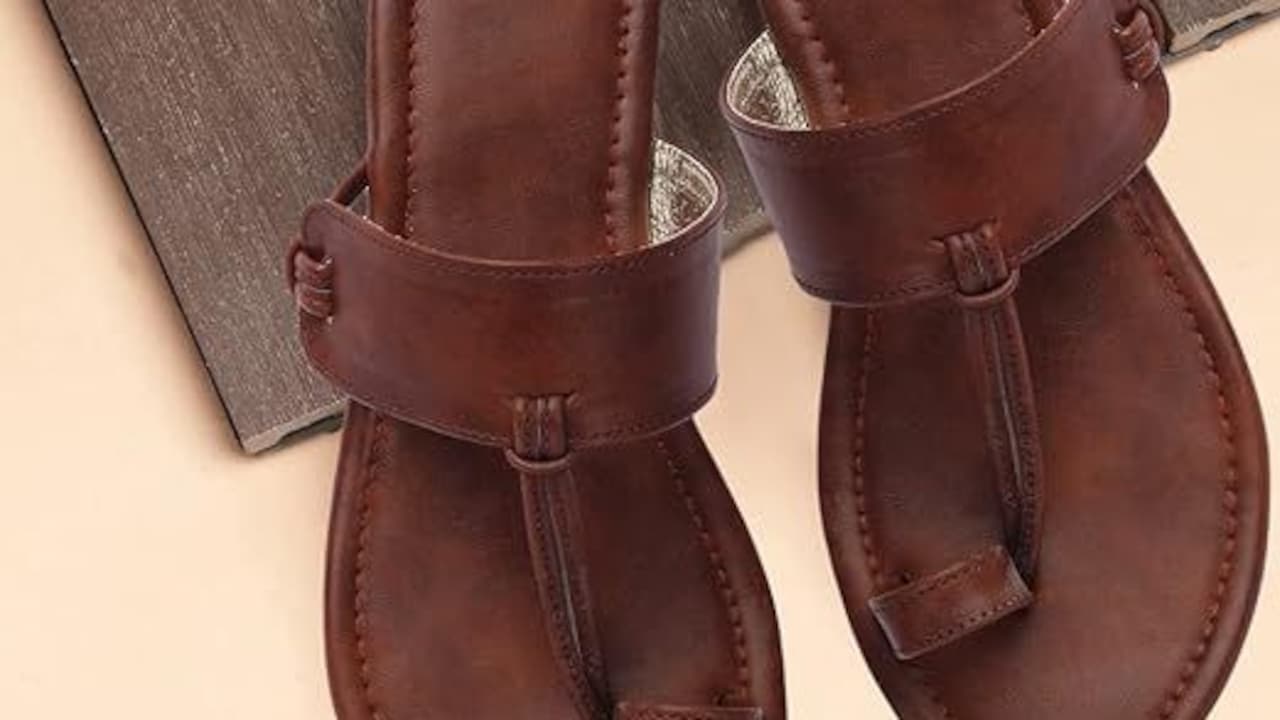
Kolhapuri Flats Or Cushion Sandals: We Explain Which One Offers Better All-Day Comfort To You.; Photo Credit: Pexels
8. Maintenance and Care
Maintenance influences daily convenience. Kolhapuri flats require basic care, occasional cleaning, polishing, and protection from excessive moisture. Neglect can stiffen leather, but simple routines keep them comfortable.
Cushion sandals demand less effort. A quick wipe usually suffices. However, once cushioning degrades, repair is rarely possible. They are replaced rather than restored.
For those who appreciate products that age with character, Kolhapuris feel rewarding. Cushion sandals suit fast-paced lifestyles where low maintenance matters more than longevity. Long days out often end with tired feet; minimal upkeep feels appealing, yet long-term care offers its own satisfaction.
9. Versatility Across Occasions
Versatility adds value to any wardrobe staple. Kolhapuri flats transition seamlessly from casual errands to festive gatherings. They adapt to different outfits and settings, reducing the need for multiple pairs.
Cushion sandals excel in casual and semi-casual scenarios. Travel, shopping, and daily wear suit them well. However, they may feel out of place at traditional events or formal gatherings.
Long days often blend multiple activities. Starting with errands and ending at a family dinner demands adaptable footwear. Kolhapuris handle these transitions gracefully. Cushion sandals prioritise comfort but may require a change for certain occasions.
10. Emotional Connection and Personal Preference
Footwear choices often carry emotion. Kolhapuri flats connect wearers to heritage, craftsmanship, and nostalgia. They evoke memories of bazaars, festivals, and family traditions. Wearing them feels grounding.
Cushion sandals connect through comfort and ease. They represent modern solutions to busy lives. Slipping into them feels practical, reassuring, and fuss-free.
Long days out test both body and mood. Some find joy in tradition, others in convenience. The better choice depends on what brings ease, not just to the feet, but to the mind as well.
Products Related To This Article
1. Anouk Floral Embellished Embroidered Open One Toe Flats
2. DOCTOR EXTRA SOFT Women Comfort Sandals
3. THE MADRAS TRUNK Women Striped One Toe Flats with Bows
4. Catwalk Women Blue Solid Open Toe Criss Cross Strap Sandal
5. Inc 5 Women Embellished Ethnic One Toe Flats
6. CHAAL CHALAN Lilia Golden Kolhapuri Flats
7. Ginger by Lifestyle Women Comfort Sandals
Choosing between Kolhapuri flats and cushion sandals is less about declaring a winner and more about understanding needs. Kolhapuris shine with breathability, durability, and timeless style. They suit those who value craftsmanship and versatility, especially when days include social or cultural moments. Cushion sandals excel in immediate comfort, walking endurance, and modern convenience, making them ideal for travel-heavy or activity-packed days.
(Disclaimer: This article may include references to or features of products and services made available through affiliate marketing campaigns. NDTV Convergence Limited (“NDTV”) strives to maintain editorial independence while participating in such campaigns. NDTV does not assume responsibility for the performance or claims of any featured products or services.)