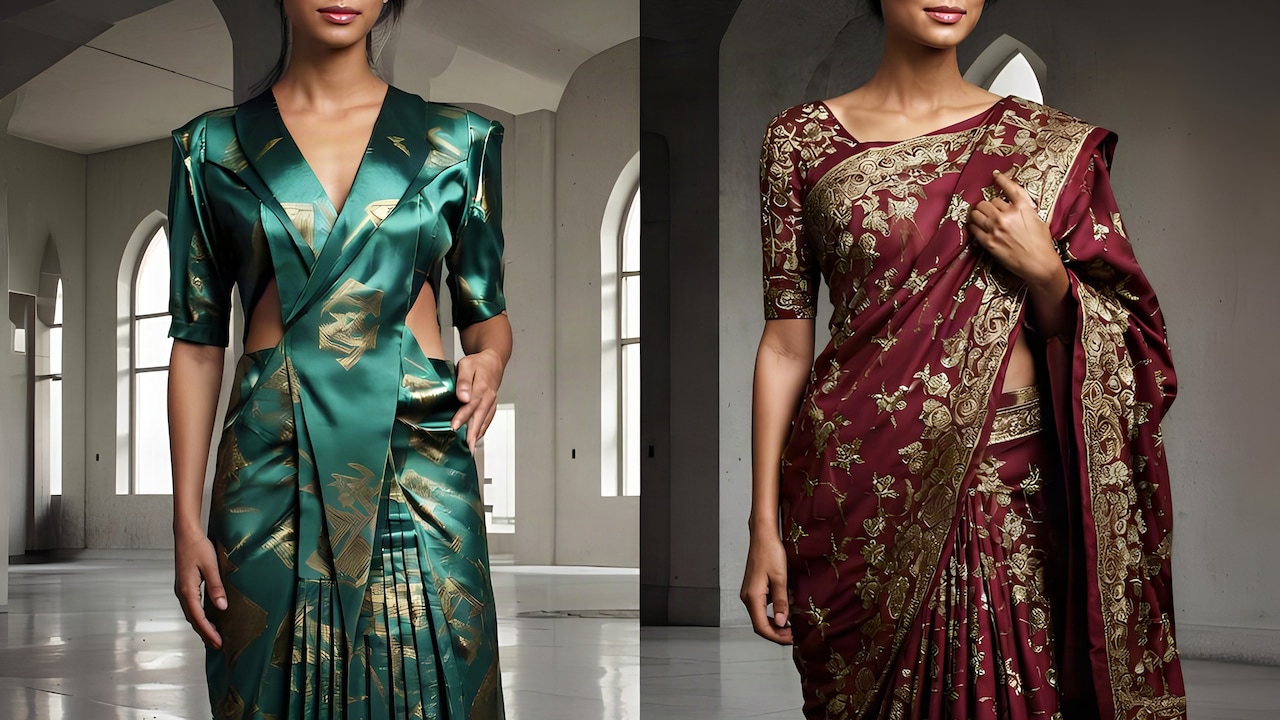
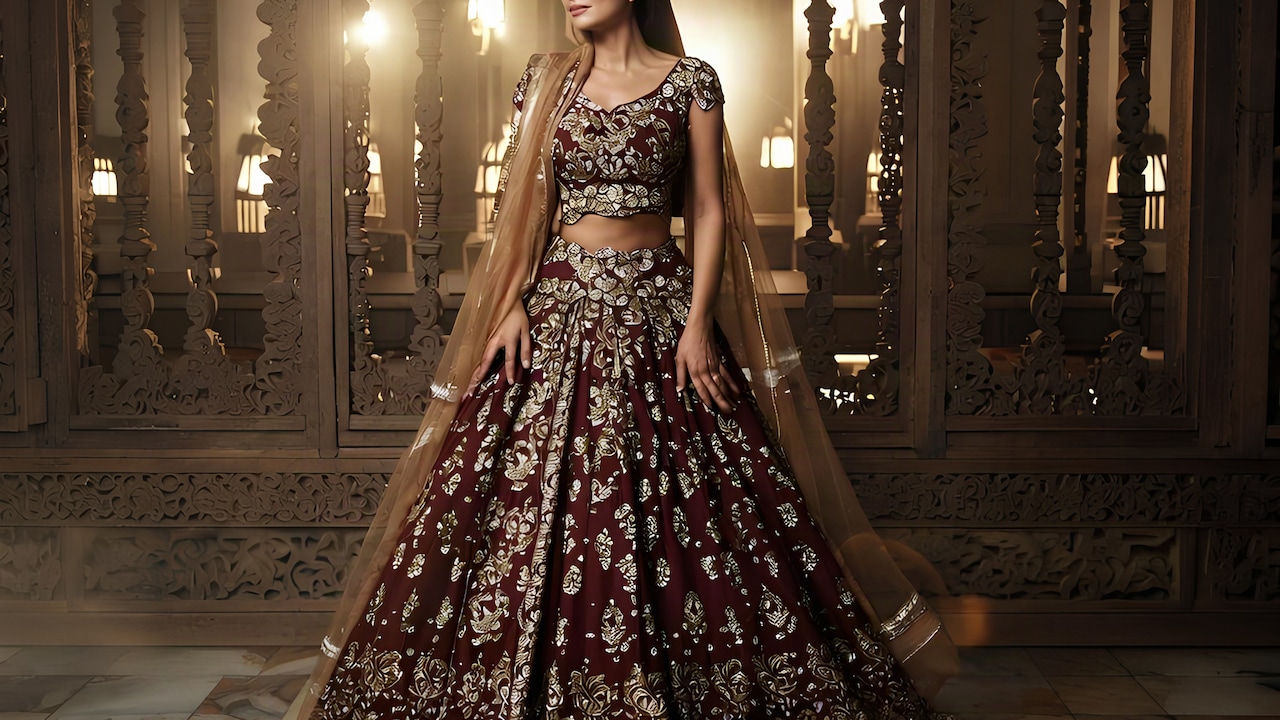
The Length Mistake: Why Your Kurta Feels Off With Certain Bottoms
The wrong kurta length can ruin even the best outfit. Discover how proportions between kurtas and bottoms affect your overall look, and how to fix it effortlessly.
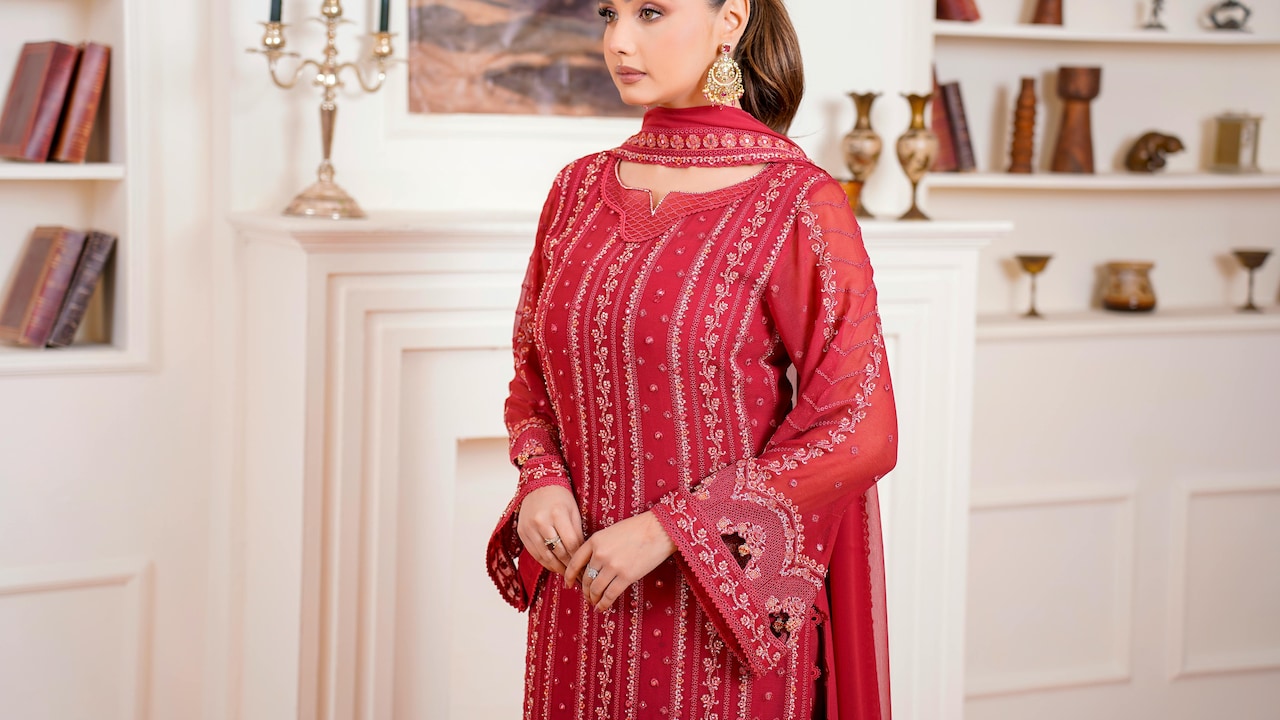
Different reasons why your kurta length matters more than you think
There is a certain quiet confidence in slipping into a well-fitted kurta. It carries tradition, comfort, and style in equal measure. Yet, something strange happens at times. The fabric feels fine, the colour looks right, and the bottoms seem like a safe choice, but the overall look just does not sit well. The mirror reflects something slightly awkward, though it is difficult to pinpoint why.
More often than not, the culprit hides in plain sight: length.
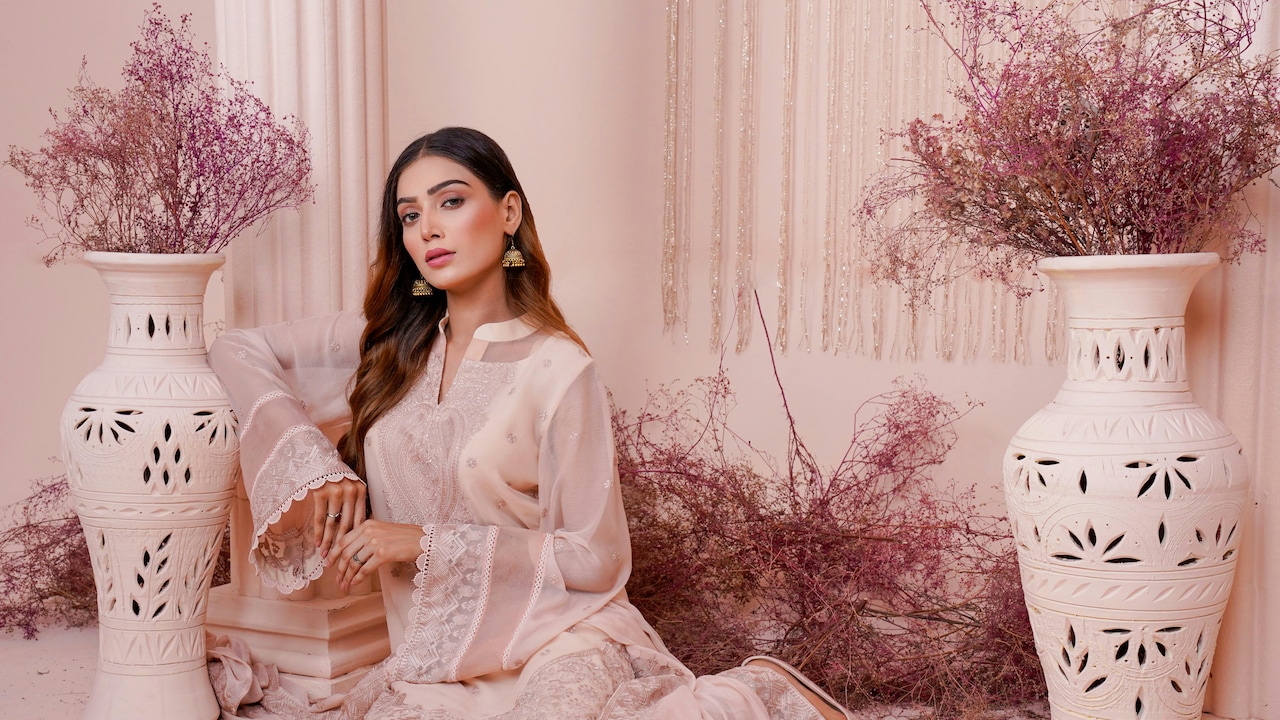
Read the importance of kurta length and why it matters; Photo Credit: Pexels
Length is not just a measurement stitched into fabric. It shapes proportions, frames the body, and decides whether an outfit flows or falls flat. A kurta that works beautifully with one type of bottom can feel mismatched with another, even if both pieces look perfect individually. The problem is subtle, but once noticed, it changes how every outfit gets styled.
This is not about strict rules or fashion policing. It is about understanding why certain combinations feel right while others feel off. Because once the length puzzle is solved, styling a kurta becomes less confusing and far more enjoyable.
Also Read: Top 5 Ethnic Suits For Travel That Dont Wrinkle Or Stretch All Day Long
Where Length Changes Everything
The Classic Kurta And Churidar Equation
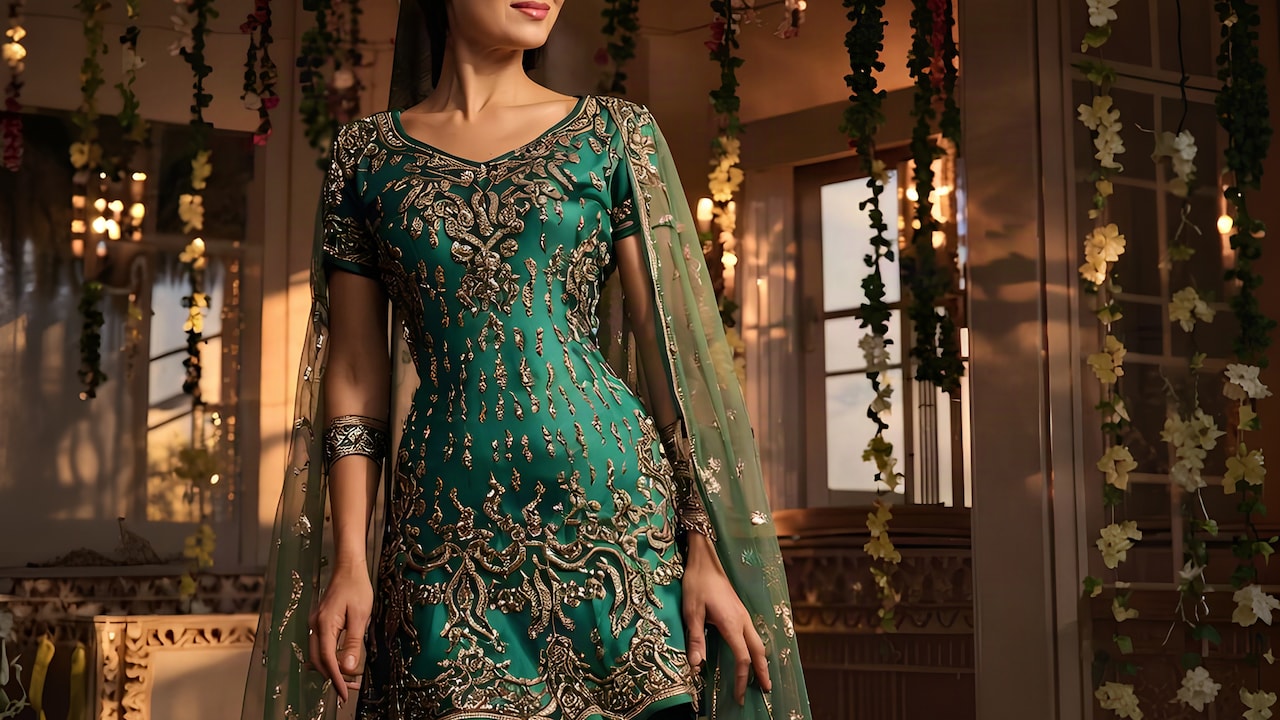
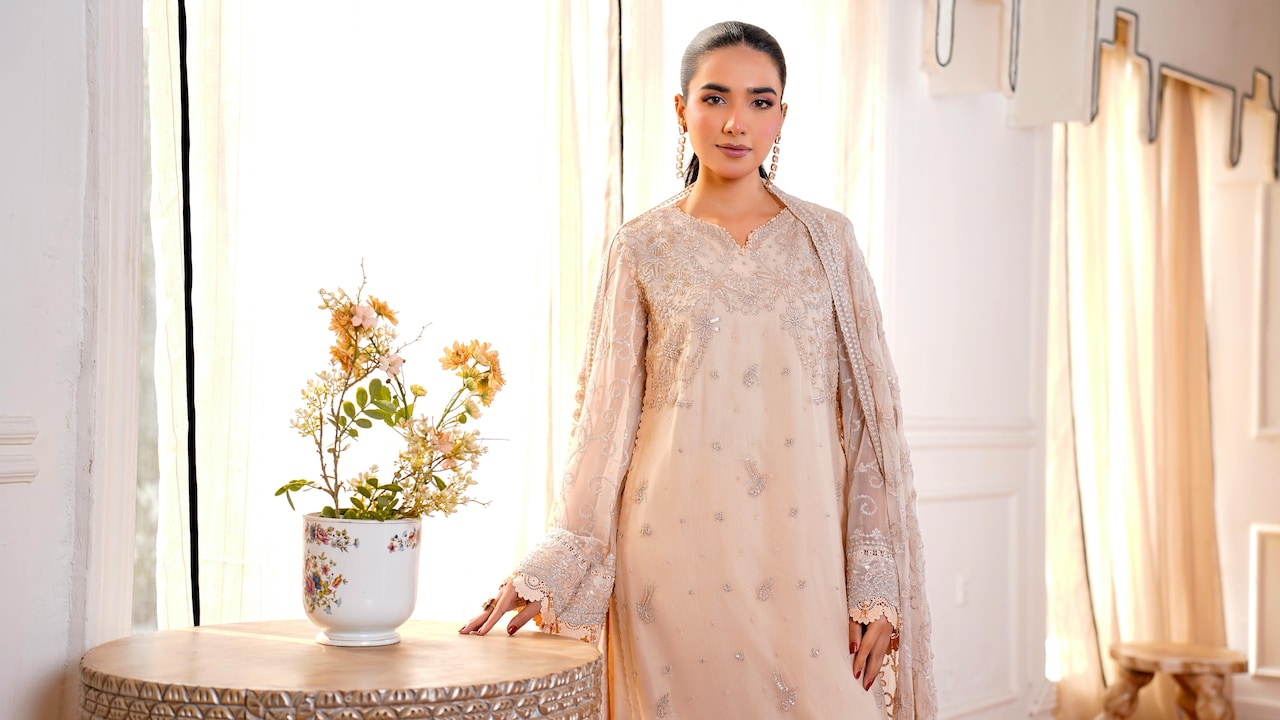
There is a reason the long kurta and churidar pairing has stood the test of time. The proportions naturally complement each other. A longer kurta, often grazing the knees or extending slightly below, balances the fitted silhouette of the churidar. The gathers at the ankle add texture, while the length above elongates the frame.
Trouble begins when the kurta shortens too much. A mid-thigh kurta with a churidar can create a visual imbalance. The fitted bottom starts to dominate, making the outfit feel top-heavy and slightly disproportionate. It almost looks as though the pieces belong to different outfits.
On the other hand, an overly long kurta paired with a very tight churidar can feel restrictive rather than graceful. Movement becomes limited, and the overall vibe shifts from effortless to overdone.
The charm of this combination lies in harmony. When the kurta length and churidar fit work together, the outfit looks fluid. It moves well, feels comfortable, and carries a timeless appeal that rarely misses the mark.
Short Kurtas With Jeans: Casual Or Confusing
Short kurtas paired with jeans have become a go-to for casual outings. The idea is simple, blend tradition with everyday ease. When done right, this pairing looks relaxed yet put-together.
However, length plays a decisive role here. A kurta that is too long begins to compete with the jeans. Instead of a balanced fusion, the outfit starts leaning awkwardly towards formalwear. It feels like a longer kurta trying to coexist with something inherently casual, and the result can feel mismatched.
Conversely, a kurta that is too short may resemble a shirt more than a kurta. While that might work in some settings, it often loses the charm that makes kurtas special in the first place.
The sweet spot lies in a length that sits around mid-thigh. It allows the jeans to show, adds structure, and keeps the outfit grounded. This balance makes it versatile enough for everything from a quick coffee run to a casual dinner that costs around ₹800 without feeling underdressed.
The Palazzo Puzzle: Flow Versus Proportion
Palazzos bring drama and ease in equal measure. Their wide silhouette creates movement, making them a popular choice for festive and semi-formal occasions. Yet, pairing them with the wrong kurta length can quickly overwhelm the look.
A short kurta with palazzos can sometimes disrupt the flow. The volume of the palazzo takes centre stage, leaving the top half looking comparatively smaller. This imbalance can make the outfit feel bottom-heavy.
On the other hand, a kurta that is too long can drown the palazzo altogether. The beauty of the wide-leg design gets hidden, and the outfit loses its defining feature.
The ideal pairing often involves a kurta that sits just above or at the knee. This length allows the palazzo to breathe while still maintaining a structured top. The result is a balanced silhouette that looks elegant without trying too hard.
Straight Pants And The Mid-Length Kurta
Straight pants have quietly become a wardrobe staple. They offer a clean, tailored look that works across occasions. When paired with a kurta, they can create a refined and modern outfit.
However, the length of the kurta determines whether the look feels sharp or slightly off. A very long kurta can make straight pants look redundant, as if they are merely filling space rather than contributing to the outfit.
A very short kurta, meanwhile, can break the continuity. It creates a stark division between the top and bottom halves, which can feel abrupt.
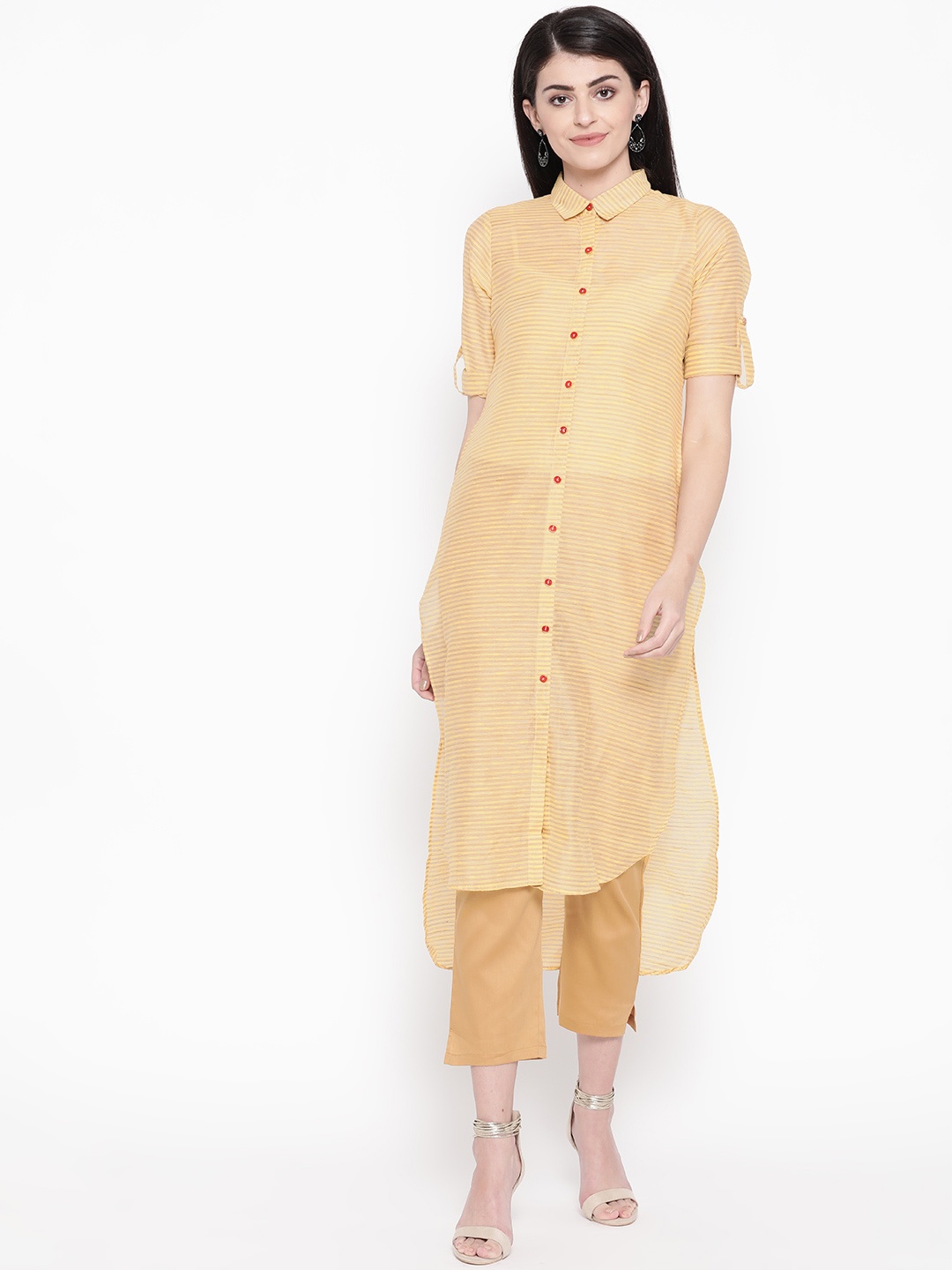
A mid-length kurta, usually around the knee, tends to work best. It aligns with the straight lines of the pants, creating a cohesive look. This pairing often feels polished enough for work meetings or small gatherings where understated style speaks louder than elaborate dressing.
Anarkali Length And Bottom Confusion
Anarkalis come with their own built-in drama. Their flared silhouette and longer length create a statement that rarely needs much support. Pairing them with the wrong bottoms, however, can dilute their impact.
An Anarkali paired with heavily gathered churidars can sometimes feel excessive. The outfit becomes too dense, with multiple elements competing for attention.
Similarly, pairing an Anarkali with palazzos can overwhelm the frame. Both pieces carry volume, and together they can feel heavy rather than graceful.
The beauty of an Anarkali often shines when paired with simpler bottoms. Slim churidars or even minimal leggings allow the kurta to take centre stage. The length remains the hero, and the outfit feels balanced rather than crowded.
Anarkalis pair well with churidars or even minimal leggings; Photo Credit: Pexels
The High-Low Hem Experiment
High-low kurtas add a contemporary twist to traditional silhouettes. The varying lengths create movement and visual interest, making them a favourite for those who enjoy experimenting.
However, the asymmetry can become tricky when paired with certain bottoms. A dramatic high-low kurta with equally voluminous palazzos can feel chaotic rather than stylish. The eye struggles to find a focal point.
With jeans or straight pants, though, the high-low design often works beautifully. The structured bottoms anchor the look, allowing the kurta's unique hemline to stand out.
The key lies in contrast. When one element carries drama, the other should provide balance. This approach keeps the outfit interesting without tipping into confusion.
Layered Kurtas And Hidden Length Issues
Layered kurtas add depth and texture. They often feature inner and outer layers with varying lengths, creating a visually rich outfit. While they look impressive, they also introduce a new set of challenges.
If the layers do not align well with the chosen bottoms, the outfit can feel cluttered. A layered kurta paired with heavily detailed bottoms can look overworked, as if too many ideas are competing at once.
Length plays a crucial role here. The outer layer should complement the bottom rather than hide it completely. When the layers fall at different points, they create a rhythm that enhances the overall look.
Choosing simpler bottoms often helps. It allows the layered kurta to shine without overwhelming the outfit. The result feels intentional rather than accidental.
Festival Wear And The Length Trap
Festive dressing often encourages bold choices. Rich fabrics, intricate embroidery, and statement silhouettes take centre stage. In the excitement, length can sometimes get overlooked.
A heavily embellished kurta that is too long can feel cumbersome, especially when paired with equally elaborate bottoms. The outfit may look stunning in theory but feel uncomfortable in practice.
Shorter kurtas with grand bottoms, on the other hand, can shift attention away from the top. The balance tilts, and the overall impact weakens.
Finding the right length ensures that the outfit remains wearable. It allows movement, enhances comfort, and keeps the focus where it belongs. After all, festive dressing should feel joyful, not restrictive, even if the outfit itself costs ₹5,000 or more.
Everyday Wear And Subtle Length Choices
Daily wear often relies on comfort and practicality. Kurtas worn for errands, work, or casual outings need to feel easy without compromising style.
Length becomes a quiet but important factor here. A kurta that is too long can feel inconvenient during a busy day. It may restrict movement or require constant adjustment.
A kurta that is too short, meanwhile, may not provide the ease or coverage expected from daily wear. It can feel incomplete, especially when paired with certain bottoms.
A balanced length, usually around mid-thigh to knee, offers the best of both worlds. It allows movement, pairs well with different bottoms, and keeps the outfit looking put-together without much effort.
Body Proportions And Personal Comfort
Ultimately, length is not just about trends or rules. It is deeply personal. What works for one person may not work for another, even with the same outfit.
Body proportions play a significant role. Taller frames may carry longer kurtas with ease, while shorter frames might prefer slightly shorter lengths to avoid feeling overwhelmed.
Comfort matters just as much. An outfit that feels right often looks right. When the length aligns with personal preference and body type, the confidence it brings becomes visible.
Experimentation helps. Trying different combinations, observing what feels balanced, and making small adjustments can transform how a kurta looks and feels. Over time, these choices become instinctive.
Products Related To This Article
1. KALINI Polka Dot Printed Fit And Flare Midi Dress
2. Rarethread Women Floral Kurta
3. Anouk Floral Printed Round Neck Cotton Straight Kurta
4. KJTRENDS Women Floral Printed Thread Work Floral Kurta
5. Sangria Embroidered Straight Kurta
A kurta is more than just a piece of clothing. It carries stories, memories, and a sense of identity. Yet, even the most beautiful kurta can feel slightly off when paired without considering length.
The solution does not lie in rigid rules or perfect formulas. It lies in awareness. Understanding how length interacts with different bottoms opens up new possibilities. It turns guesswork into intention and confusion into clarity.
The next time an outfit feels slightly off, it might be worth pausing for a moment. Not to change everything, but to notice the length. Because sometimes, the smallest detail makes the biggest difference, and transforms an outfit from ordinary to effortlessly right.
(Disclaimer: This article may include references to or features of products and services made available through affiliate marketing campaigns. NDTV Convergence Limited (“NDTV”) strives to maintain editorial independence while participating in such campaigns. NDTV does not assume responsibility for the performance or claims of any featured products or services.)