Kurtas Shrinking After Wash? Reasons, Fabric Care Tips and Weaves That Keep Their Shape
Why do kurtas lose their shape after one wash? From uneven shrinkage to fabric behaviour and smarter care habits, this guide explains what really happens in the wash and how to keep kurtas fitting right. Understand fabric types, weave, and care tips for kurtas that shrink.
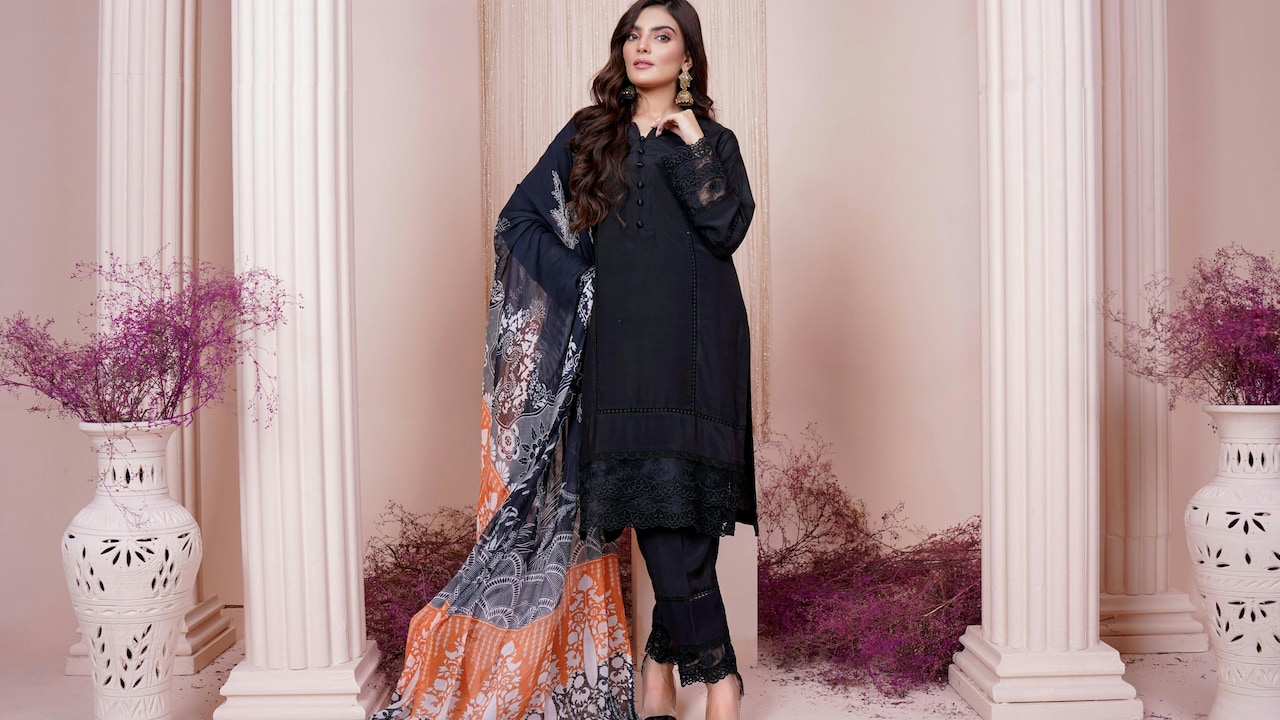
Kurtas Shrink Unevenly After Washing? Reasons, Fabric Care Tips and Weaves That Hold Shape Better.
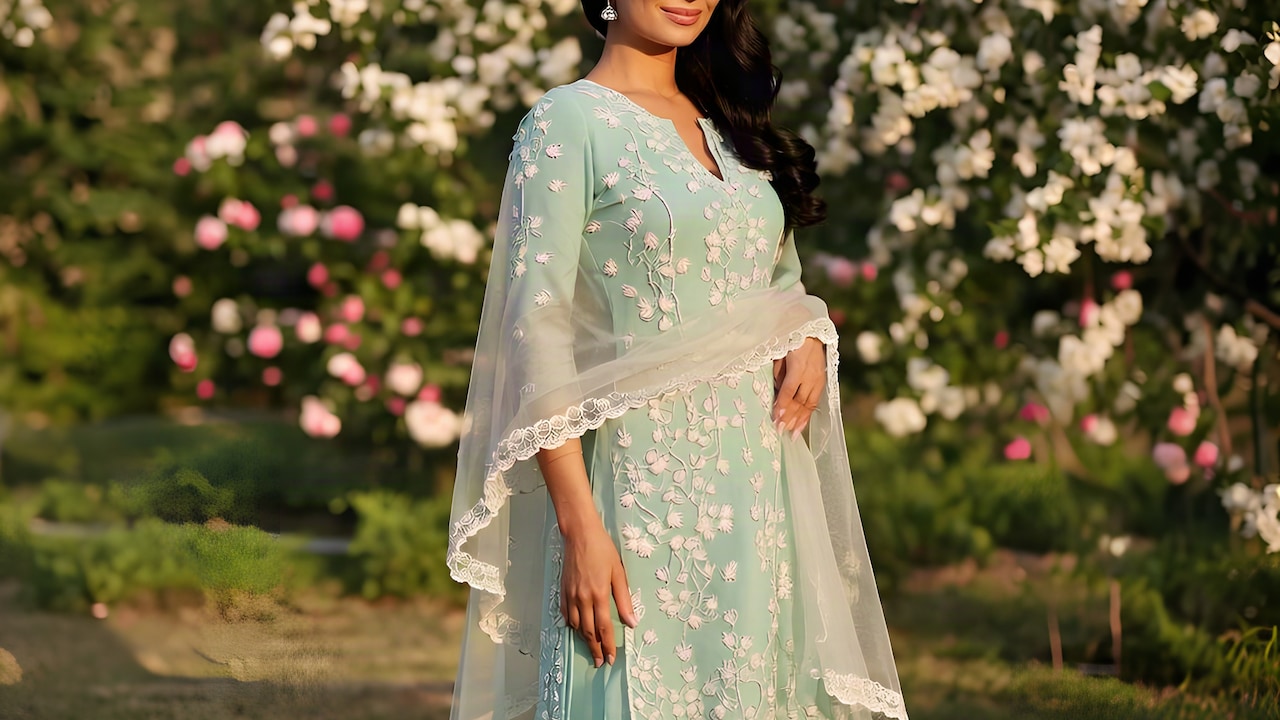
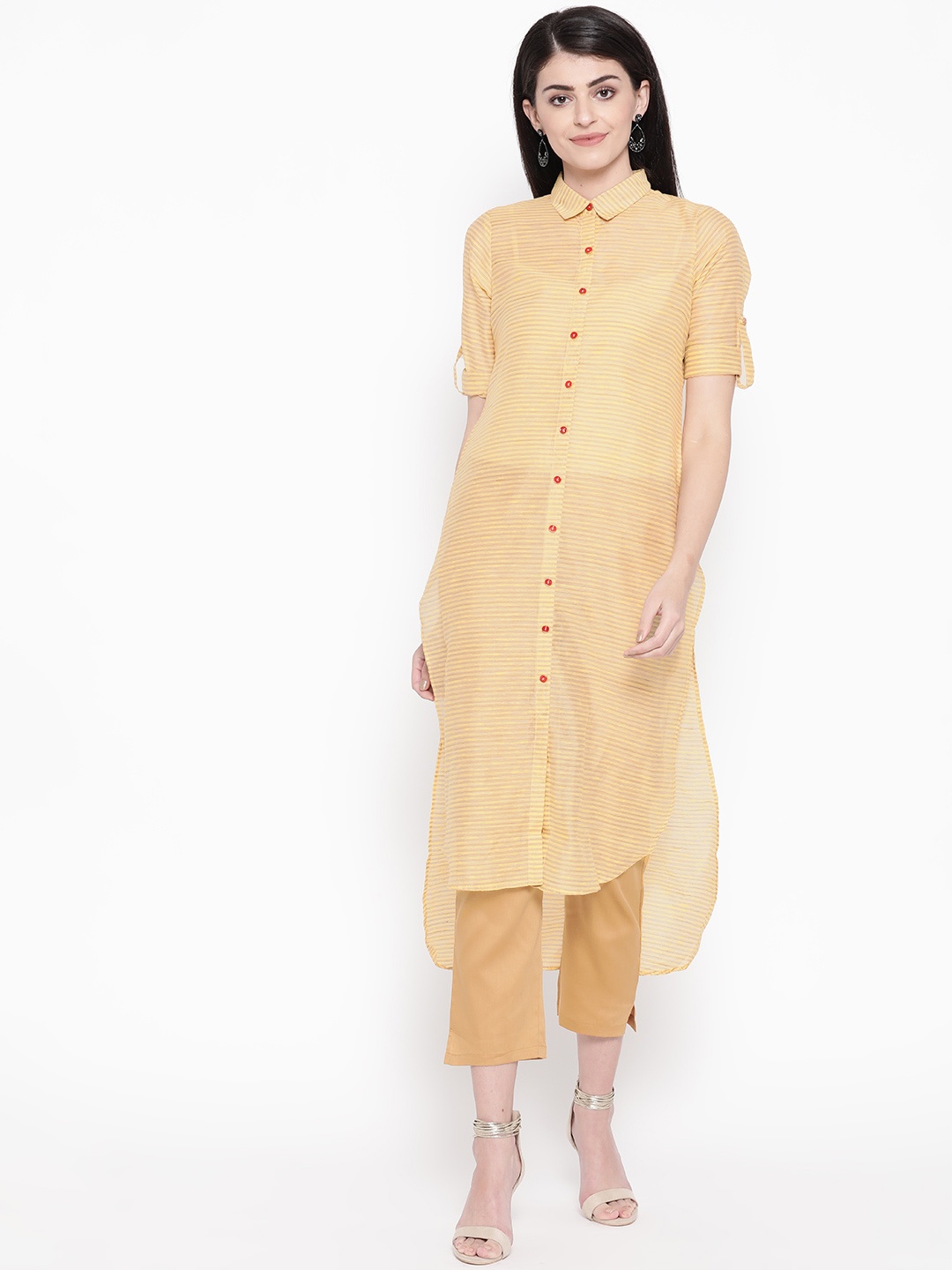
Almost every household has faced this moment. A kurta comes out of the wash looking off. Not dramatically ruined, just enough to make it uncomfortable and slightly annoying. One sleeve rides up, the side seams twist, or the length shrinks, but the width stays stubbornly the same. It feels unfair, especially when the garment was not cheap or was bought for a special occasion. Uneven shrinkage is not bad luck. It is a mix of fabric science, weaving techniques, dyeing methods, water quality, and how clothes are washed and dried at home. Kurtas, more than many western garments, use natural fibres and looser constructions. That makes them breathable and comfortable, but also more sensitive to water and heat.
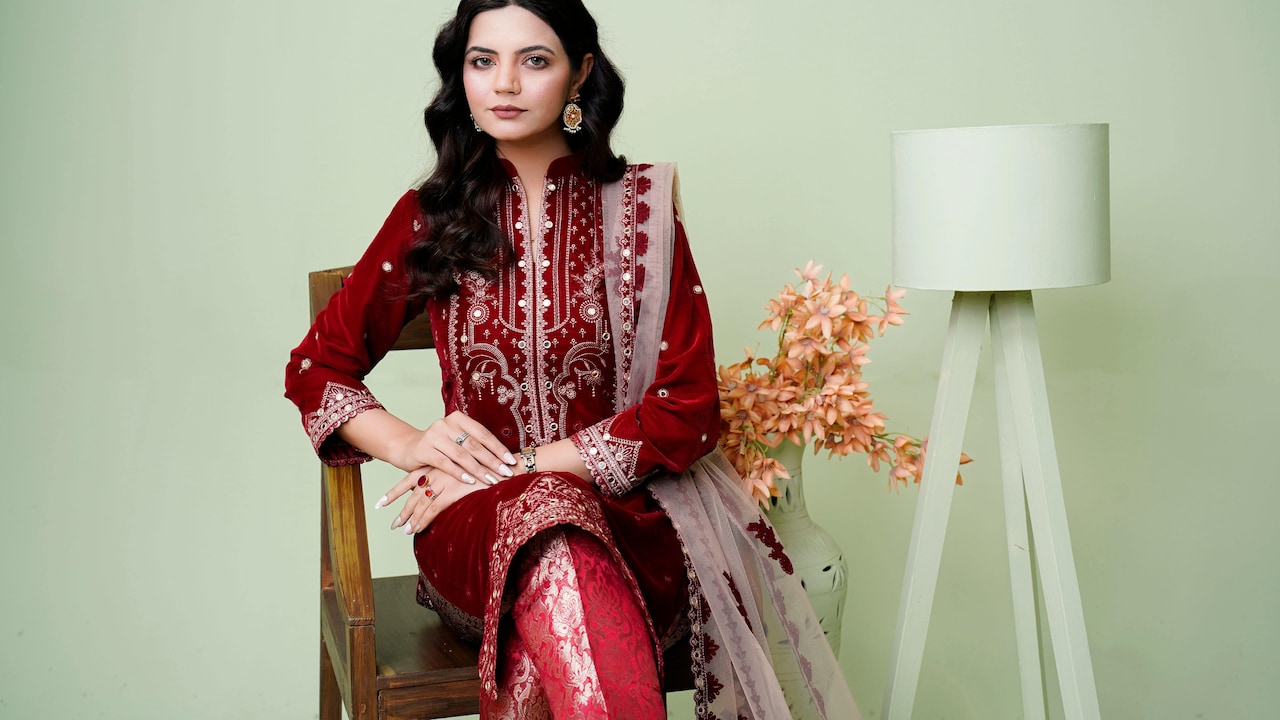
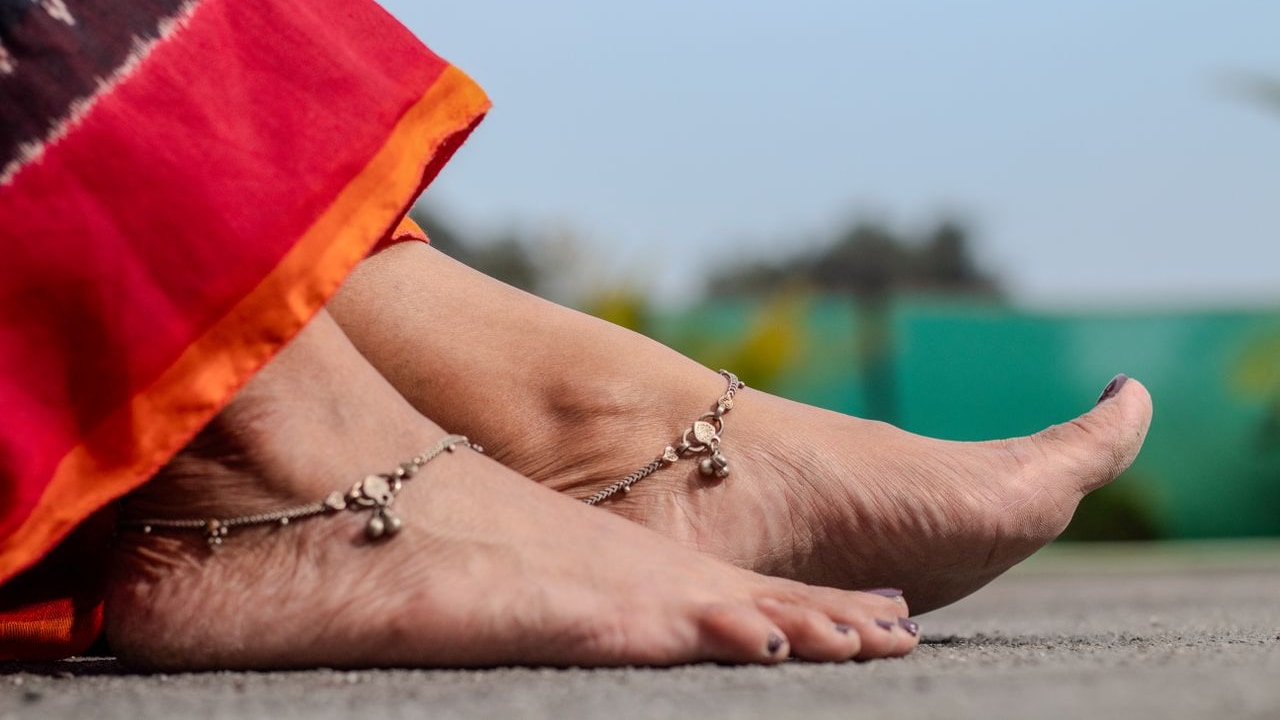
Explore helpful tips to deal with kurtas that shrink unevenly; Photo Credit: Pexels
Understanding what happens inside the fabric helps extend the life of a kurta. It also saves money, reduces wardrobe frustration, and keeps favourite pieces wearable for years. From cotton quirks to weaving wisdom, here is a deep but easy dive into why kurtas misbehave in the wash and how to keep them in line.
Also Read: Top 5 Xomantic Fashion Kurta Sets For Comfortable All-Day Festive Wear
Understanding Shrinkage, Fabric Behaviour And Fit Issues
1. The Science Behind Uneven Shrinkage
Shrinkage happens when fibres relax and contract after being stretched during weaving and stitching. Natural fibres like cotton, silk, and wool are especially prone to this behaviour. During manufacturing, yarns are pulled tight to create smooth fabric. Once water enters the picture, those fibres loosen and return closer to their natural state.
Uneven shrinkage occurs when different parts of the fabric react at different speeds. The lengthwise yarns and widthwise yarns may be under unequal tension. When washed, one direction shrinks more than the other. That leads to twisted seams, slanted hems, and sleeves that no longer match.
Stitching also plays a role. Areas with dense seams, like collars or plackets, resist movement. The surrounding fabric shrinks freely while these areas hold firm. The result is puckering or distortion around structured sections.
Add heat to the mix and the problem grows. Hot water and harsh drying force fibres to contract suddenly rather than gradually. The kurta does not get a chance to adjust evenly, leading to that familiar lopsided look.
2. Cotton Kurtas and Their Love-Hate Relationship with Water
Cotton kurtas are wardrobe staples. They are breathable, affordable, and perfect for daily wear. Yet cotton is also the biggest culprit behind uneven shrinkage. The fibre absorbs water easily, swelling as it gets wet and shrinking as it dries.
Handloom and loosely woven cottons are particularly sensitive. These fabrics are not heavily processed, which keeps them soft but leaves the fibres more reactive. When soaked, some areas absorb more water than others, especially if the weave density varies slightly across the fabric.
Detergents add another layer of trouble. Strong detergents strip natural oils from cotton, making fibres more brittle. Brittle fibres shrink more aggressively when dried. Even a difference of a few minutes in soaking time can cause a noticeable imbalance.
Then there is the drying style. Hanging a wet cotton kurta by the shoulders pulls the fabric downwards. Gravity stretches it lengthwise while it dries, leading to narrower widths and longer-looking torsos. Drying flat avoids this, but is rarely done at home.
3. The Role of Fabric Grain and Cutting
Every fabric has a grain, which refers to the direction of the yarns. Cutting a kurta slightly off-grain may not be obvious at first glance. It fits fine in the shop and looks straight on the hanger. After washing, though, the truth comes out.
When fabric is cut off-grain, the yarns do not shrink uniformly. One panel may pull more than the other, twisting the garment. Side seams spiral, and the kurta starts to feel like it is fighting the body instead of flowing with it.
Mass-produced kurtas sometimes prioritise speed over precision. Small misalignments during cutting are common. These errors stay hidden until the first wash releases the tension built into the fabric.
This is why two kurtas made from the same fabric can behave differently. One stays loyal, the other turns rogue. The difference often lies not in the cloth itself but in how it was cut and assembled.
4. Dyeing Methods and Their Impact on Shrinkage
Colour adds character to a kurta, but dyes can weaken fibres. Dark and vibrant shades often undergo multiple dye baths. Each bath exposes the fabric to water, chemicals, and heat. This process partially relaxes fibres even before the garment reaches the store.
Ironically, that means heavily dyed kurtas may shrink less overall but more unevenly. Some sections absorb dye more deeply, altering fibre strength. When washed at home, these areas react differently compared to lightly dyed parts.
Natural dyes bring their own challenges. They are gentle on the skin but can leave fibres more porous. Porous fibres absorb water unevenly, increasing the risk of distortion during drying.
Colour bleeding also matters. When dye runs, it often happens in patches. Those patches stay wetter for longer, shrinking later than the rest of the garment. The final result is a kurta that looks subtly skewed, even if the colour survived intact.
5. Washing Habits That Quietly Ruin Kurtas
Most uneven shrinkage is born at home, not in factories. Tossing kurtas into a crowded washing machine is convenient but risky. Friction, twisting, and uneven water flow stress the fabric.
Top-loading machines are especially rough. The central agitator pulls garments in different directions at once. Lightweight kurtas wrap around heavier items, stretching and shrinking unpredictably.
Temperature choices matter too. Warm water feels harmless but speeds up fibre contraction. Cold water is kinder, especially for the first few washes. Soaking kurtas for long periods is another common mistake. Prolonged soaking lets fibres swell excessively, making shrinkage worse when drying begins.
Drying under harsh sunlight finishes the job. The heat locks fibres into their shrunken state. Shade drying allows gradual moisture loss, giving fibres time to settle evenly.

Use cold water and gentle washing cycles while putting kurtas in the laundry; Photo Credit: Pexels
6. Silk, Blends, and Other Tricky Fabrics
Silk kurtas shrink differently. Pure silk fibres are less elastic than cotton, but they are sensitive to water agitation. Uneven shrinkage in silk often shows up as rippling or puckering rather than size reduction.
Blended fabrics promise the best of both worlds, yet they can be unpredictable. Cotton-silk or cotton-viscose blends contain fibres with different shrinkage rates. When washed, one fibre type contracts faster, pulling against the other. The fabric warps as a result.
Synthetic blends resist shrinkage but introduce stiffness. While shape may remain stable, comfort and drape can suffer. Over time, repeated washing weakens the natural fibres in the blend, reintroducing uneven behaviour.
Understanding the dominant fibre helps set expectations. If cotton makes up most of the fabric, treat it like cotton. If silk leads, avoid water altogether and opt for gentle cleaning methods.
7. Weaves That Hold Shape Better Over Time
Not all weaves are equal. Tightly woven fabrics tend to shrink less unevenly. Plain weaves, where yarns cross over and under evenly, distribute tension uniformly. They behave predictably in water.
Twill weaves, recognised by diagonal patterns, offer durability but can twist if not balanced correctly. High-quality twills hold shape well, while cheaper versions skew easily after washing.
Handloom weaves vary widely. Some are masterfully balanced, others intentionally irregular for texture. These irregularities look beautiful but require careful handling. They benefit from minimal washing and gentle drying.
Pre-shrunk fabrics are worth seeking out. They undergo controlled washing during production to remove excess tension. While slightly more expensive, they save money in the long run by reducing fit issues and alterations.
8. Simple Fabric Care Habits That Make a Big Difference
Small changes in care routines can dramatically improve a kurta's lifespan. Turning garments inside out reduces surface friction and protects seams. Using mild detergents preserves fibre flexibility.
Washing similar fabrics together prevents heavier items from stretching lighter kurtas. Avoiding overloading allows clothes to move freely and evenly.
Reshaping while damp is an underrated trick. Gently pulling sleeves and hems back into place before drying helps fibres set correctly. It takes a minute but saves future disappointment.
Ironing also matters. Excessive heat shrinks fibres further. Ironing slightly damp kurtas on moderate heat smooths them without forcing contraction. Steam helps relax fibres without aggressive pressure.
9. Storage, Humidity, and Long-Term Shape
Even after washing, kurtas continue to change subtly. Humidity affects natural fibres. In damp conditions, cotton absorbs moisture from the air, relaxing fibres again. When the air dries, they contract.
Storing kurtas folded tightly can lock in creases that encourage uneven tension. Hanging lightweight kurtas evenly supports their shape, but heavy ones may stretch at the shoulders.
Breathable storage spaces help. Plastic covers trap moisture, encouraging fibre movement and even mildew. Cotton covers allow air circulation and keep fabrics stable.
Occasional airing without direct sunlight refreshes fibres. It reduces odour and moisture buildup without stressing the fabric. These habits keep kurtas comfortable and consistent over time.
10. When Alterations and Acceptance Go Hand in Hand
Despite best efforts, some kurtas will shrink unevenly. At that point, small alterations can rescue them. Adjusting side seams, shortening evenly, or adding panels restores balance.
Local tailors are skilled at correcting minor distortions. Spending ₹300–₹600 on alterations often saves a garment that costs much more. It also reduces waste and supports skilled craftsmanship.
There is also room for acceptance. A slightly shorter sleeve or relaxed fit can still look charming. Styling tweaks like rolling sleeves or pairing with contrasting bottoms shift focus away from imperfections.
Clothing lives with people, not mannequins. A kurta that shows a bit of life has character. Understanding its quirks makes wearing it more enjoyable and far less frustrating.
Products Related To This Article
1. Uparna Women Green Cotton Kurtas
2. Sangria Abstract Printed Round Neck Straight Kurta
3. Sangria Floral Printed Straight Kurta
4. Anouk Rustic Bandhani Printed Cotton Straight Kurta
5. KALINI Women Chikankari Embroidery Kurta
6. Vbuyz Floral Printed Kantha Work Kurta
7. Rimeline Floral Printed Notch-Neck Straight Kurta
Uneven shrinkage in kurtas is not a mystery or a personal failing. It is the result of how natural fibres behave, how fabrics are woven, and how garments are treated at home. With a little awareness and a few thoughtful habits, most shrinkage woes can be avoided. In the end, kurtas are meant to be lived in. They carry memories, seasons, and everyday moments. Treating them with a bit of patience and understanding ensures they return the favour, wash after wash.
(Disclaimer: This article may include references to or features of products and services made available through affiliate marketing campaigns. NDTV Convergence Limited (“NDTV”) strives to maintain editorial independence while participating in such campaigns. NDTV does not assume responsibility for the performance or claims of any featured products or services.)