High-Rise Jeans For Short Torsos: What Actually Works
High-rise jeans can flatter shorter torsos, but only when chosen wisely. From rise height to fabric and styling tricks, this is what actually works to balance proportions and make denim feel comfortable and effortless.
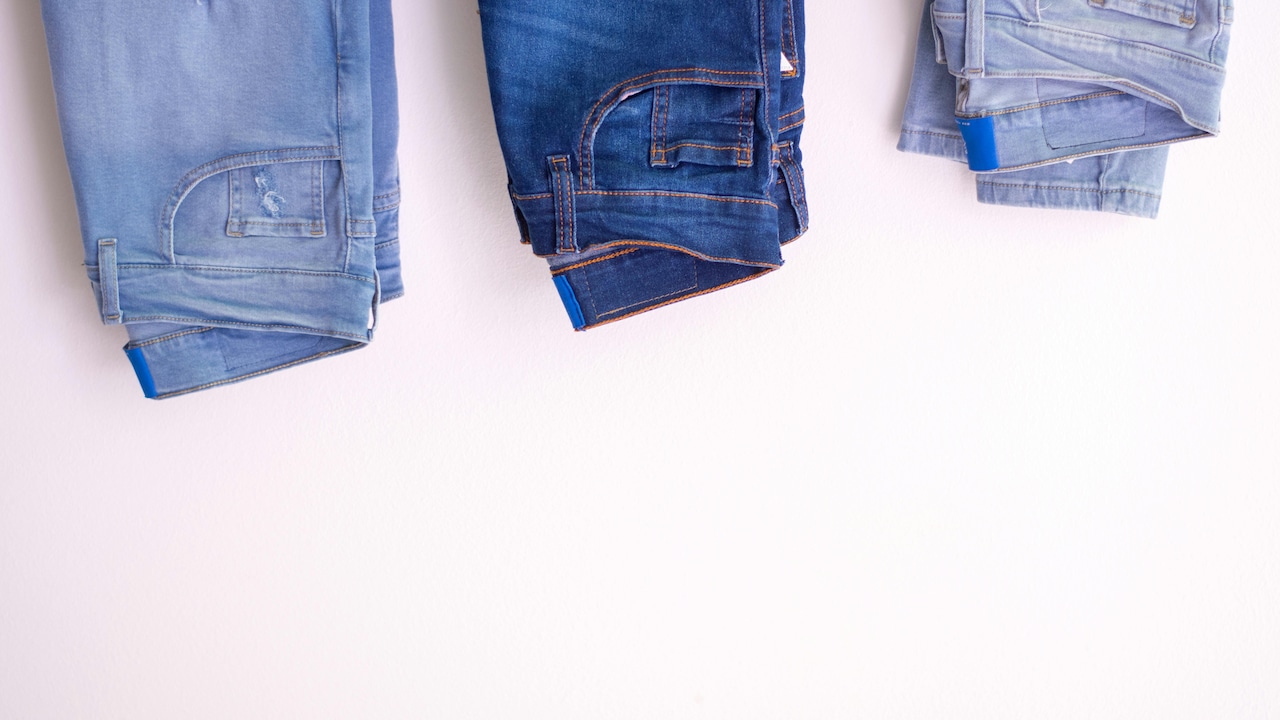
Struggling With High-Rise Jeans? The Best Fits And Styling Tricks For Short Torsos.
High-rise jeans enjoy a reputation as fashion's great equaliser. They lengthen legs, define waists, and create structure without much effort. At least, that is the promise. The reality changes dramatically when body proportions differ from standard sizing charts. A shorter torso brings its own set of quirks. Waistbands sit closer to the ribcage, tops bunch awkwardly, and suddenly a trendy purchase worth ₹2,500 feels like a styling puzzle rather than a wardrobe win.
Many discover this challenge only after trying on multiple pairs under unforgiving trial room lighting. The jeans fit perfectly at the hips, yet somehow swallow the midsection. The mirror reflects confusion rather than confidence. Fashion advice often speaks in broad strokes, assuming one universal body type. Real wardrobes, however, tell a different story.
The good news lies in understanding proportion rather than abandoning trends altogether. High-rise jeans can look incredible on shorter torsos when chosen thoughtfully. Small adjustments in rise height, fabric structure, styling balance, and visual lines change everything. This guide explores what genuinely works, not runway theory, but everyday solutions shaped by real experiences, crowded metro rides, spontaneous dinner plans, and long workdays where comfort matters as much as style.
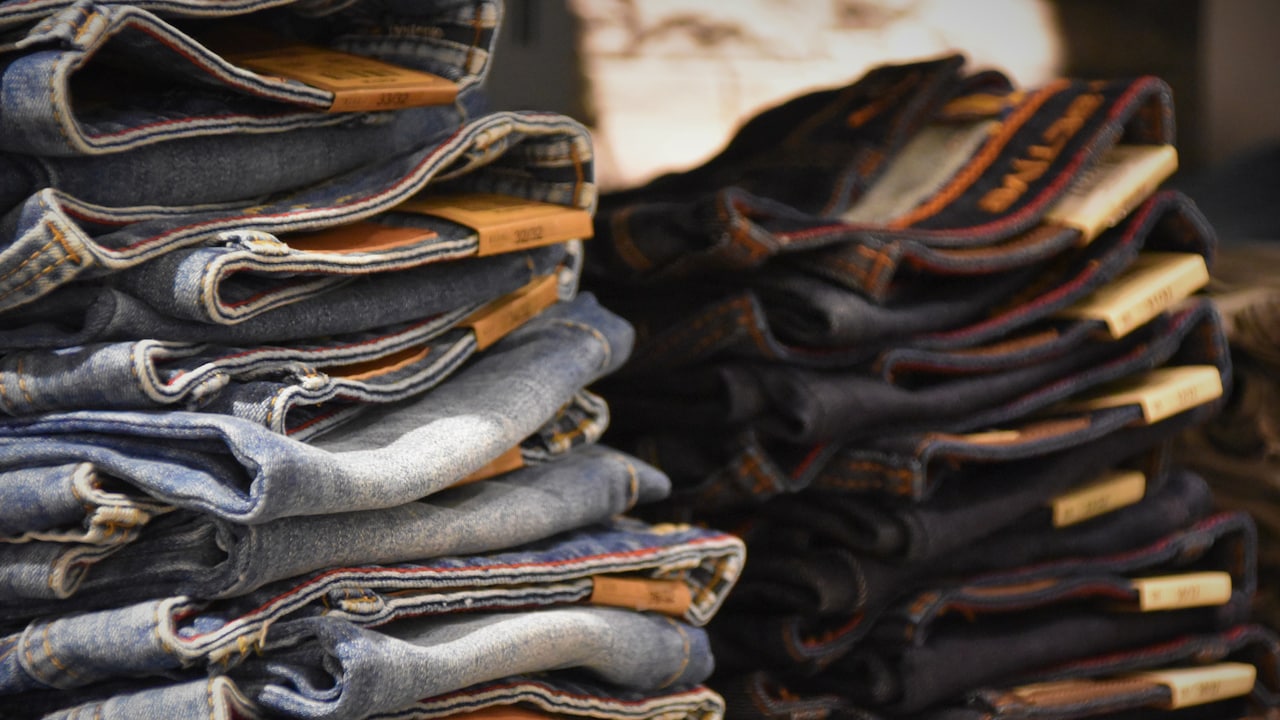
High-Rise Jeans For Short Torsos: What Actually Works
Photo Credit: Pexels
What To Know Before Choosing High-Rise Jeans
Understanding Rise Versus Proportion
The first misconception begins with the term “high-rise” itself. Many assume all high-rise jeans function the same way. In reality, rise measurements vary widely between brands. A rise labelled high may measure anywhere between 9 and 12 inches, and those extra centimetres make a dramatic difference for a shorter torso.
When the rise climbs too high, the waistband approaches the ribcage, compressing visual space between bust and hips. The body appears shortened rather than balanced. Instead of creating long legs, the outfit looks top-heavy. The solution lies in choosing a moderately high-rise rather than the tallest available option.
Jeans with a rise that sits just above the natural waist often deliver the best result. This placement defines shape without overwhelming proportions. Trying on jeans while seated offers a useful test. If the waistband digs in or folds awkwardly, the rise likely exceeds comfort limits.
Many shoppers focus only on waist size, ignoring rise measurements printed quietly on tags or product pages. Learning to check that number saves time, money, and frustration. A well-measured rise transforms high-rise jeans from restrictive to flattering, proving that proportion matters far more than trend labels.
The Power Of Mid-High Instead Of Ultra High
Ultra high-rise denim dominates shop displays, often marketed as universally flattering. Yet for shorter torsos, moderation works better than extremes. Mid-high rises strike a balance between structure and breathing room, offering shape without crowding the upper body.
A mid-high rise typically sits one or two fingers below the smallest part of the waist. This subtle shift restores visual harmony. The torso gains space, while the legs still appear elongated. The effect feels natural rather than forced.
Consider everyday movement. Sitting through traffic, climbing stairs, or leaning forward at a desk exposes whether jeans truly work. Ultra high-rise styles tend to bunch or roll when torso length runs short. Mid-high designs move more easily with the body.
This choice also simplifies styling. Tops tuck smoothly without disappearing entirely under denim. Crop tops remain optional rather than necessary. The overall outfit feels balanced, adaptable, and wearable beyond social media photos.
Fashion often rewards restraint. Choosing a slightly lower rise does not mean abandoning the high-rise trend. Instead, it adapts the trend intelligently, allowing comfort and proportion to coexist without compromise.
Fabric Structure Changes Everything
Fabric rarely receives enough attention during denim shopping, yet it plays a crucial role for shorter torsos. Stiff, heavy denim creates a rigid vertical block that exaggerates torso compression. Softer fabrics, by contrast, adapt to natural curves and prevent the waistband from dominating the silhouette.
Stretch blends with two to three per cent elastane offer noticeable advantages. They mould gently around the waist instead of standing upright like armour. This flexibility reduces bunching near the stomach and allows smoother movement throughout the day.
Lightweight denim also helps visually. Thick seams and heavy waistbands add bulk exactly where shorter torsos need lightness. A softer structure creates flow, making the midsection appear less crowded.
Price does not always determine success. A ₹1,800 pair made from breathable stretch denim may outperform a rigid designer pair costing ₹6,000. Comfort quickly reveals quality during long hours outside the house.
Fabric influences confidence in subtle ways. When jeans move naturally, posture relaxes. Outfits feel effortless rather than engineered. The right material quietly solves half the problems often blamed on body proportions.
Waistband Design Matters More Than Expected
Not all waistbands behave equally. Some feature thick, reinforced panels meant to sculpt the waist, while others remain slim and flexible. For shorter torsos, bulky waistbands often create the illusion of wearing a corset rather than jeans.
A narrower waistband preserves visual space between bust and hips. This small detail prevents the midsection from appearing stacked or compressed. Seam placement also matters. Waistbands with minimal stitching look lighter and less intrusive.
Curved waistbands designed to follow natural body lines tend to sit more comfortably than straight-cut versions. They reduce gaping at the back while avoiding pressure at the front. Many discover this difference only after hours of wear.
Trial rooms rarely reveal waistband behaviour fully. Walking, sitting, and bending provide clearer answers. If constant adjustment becomes necessary, the design likely conflicts with torso length.
Design elements that seem minor on hangers dramatically influence real-life wearability. Paying attention to waistband construction transforms denim shopping from guesswork into strategy, ensuring style enhances comfort instead of competing with it.
Choosing The Right Leg Shape For Balance
Leg shape influences torso perception more than expected. Skinny jeans paired with a very high rise often emphasise vertical compression. The silhouette narrows downward while height accumulates at the waist, making proportions feel uneven.
Straight-leg and wide-leg styles counterbalance this effect beautifully. They distribute visual weight across the outfit, creating harmony between upper and lower halves. The body appears elongated overall rather than shortened at the centre.
Bootcut styles work particularly well because they subtly widen toward the hem. This gentle flare draws attention downward, lengthening the visual line of the legs without exaggerating the waist height.
The goal lies in balance rather than distraction. When leg volume increases slightly, the waistband stops dominating attention. The outfit feels grounded and relaxed.
Many rediscover confidence after switching silhouettes rather than abandoning high-rise jeans altogether. Sometimes the solution sits not at the waist but further down the leg, proving that proportion works as a full-body conversation rather than a single measurement.
Top Pairings That Restore Proportion
Styling choices determine whether high-rise jeans flatter or frustrate. Longer tops often compete with shorter torsos by hiding natural waistlines completely. Extremely cropped tops, on the other hand, may expose too much, creating an imbalance.
The sweet spot lies in tops that end just at or slightly below the waistband. Semi-tucked shirts, shorter kurtas, and relaxed blouses create definition without overwhelming proportions. A casual front tuck works wonders by breaking vertical lines gently.
Layering also helps. Lightweight shirts worn open over fitted inner tops introduce vertical movement that elongates the torso visually. This trick feels effortless yet delivers noticeable results.
Sleeve styling contributes unexpectedly. Three-quarter sleeves draw attention upward, balancing the height of the waistband. Accessories such as longer necklaces guide the eye vertically, subtly extending perceived torso length.
Clothing becomes storytelling when proportions align. The right top transforms high-rise jeans from stubborn garments into dependable wardrobe heroes suitable for brunch outings, office meetings, or evening walks along busy streets.
Colour And Wash Play Visual Tricks
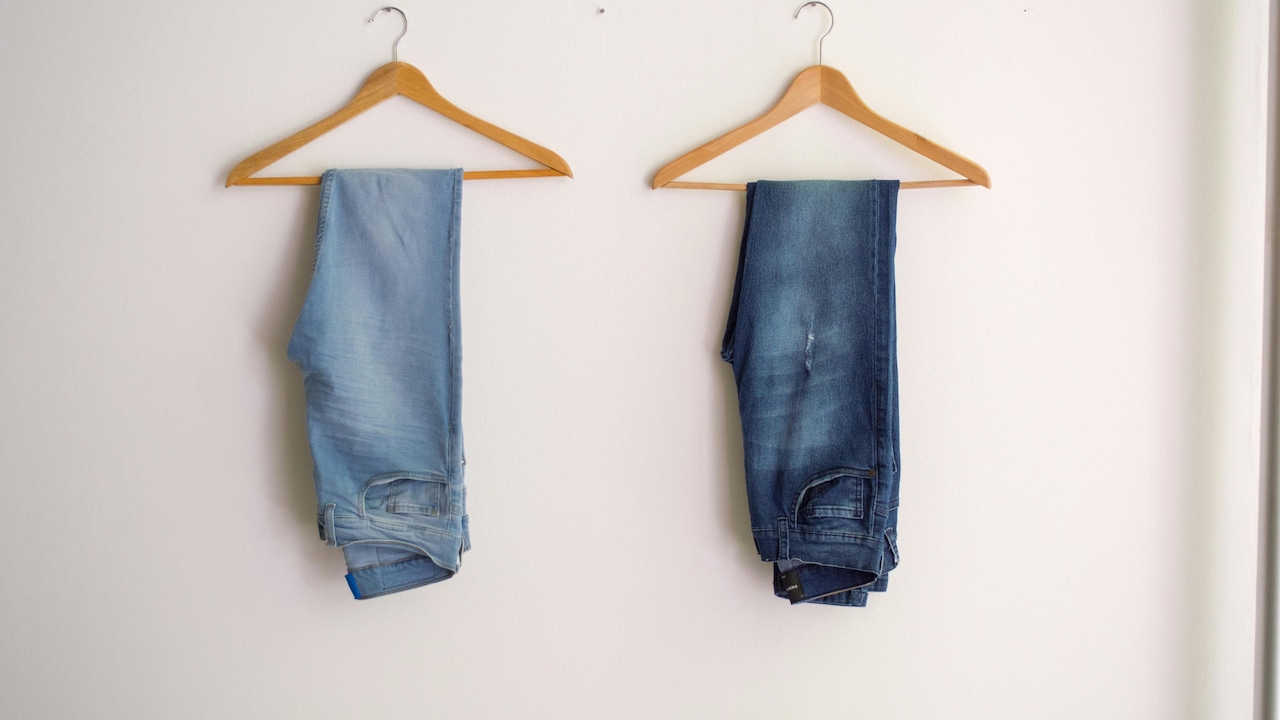
Colour influences perception more powerfully than most realise. Dark washes naturally slim and streamline the waist area, reducing visual bulk created by high rises. Light washes, especially with heavy fading near the stomach, can emphasise torso shortness.
Monochrome dressing works beautifully. Pairing jeans with tops in similar tones creates an uninterrupted vertical line. This continuity elongates the entire body rather than dividing it sharply at the waist.
High-contrast combinations, such as very dark jeans with bright cropped tops, may shorten the torso visually. Softer contrasts blend transitions more smoothly.
Vertical detailing also helps. Subtle centre seams, elongated pockets, or faint vertical fading guide the eye downward. Horizontal whiskering near the waist, however, draws attention exactly where shortening occurs.
Fashion often relies on illusion rather than alteration. Thoughtful colour choices reshape perception without changing body proportions at all. A simple switch from pale blue denim to deep indigo can make a ₹3,000 purchase suddenly feel tailor-made.
High-Rise Jeans For Short Torsos: What Actually Works
Photo Credit: Pexels
The Role Of Tailoring And Small Adjustments
Off-the-rack clothing rarely accounts for individual proportions perfectly. Tailoring remains one of fashion's most underrated solutions. Minor alterations can dramatically improve how high-rise jeans sit on shorter torsos.
Lowering the waistband slightly, adjusting darts, or slimming excess fabric around the hips can reduce bulk. Many hesitate to tailor denim, assuming the process costs too much. Yet small adjustments often range between ₹200 and ₹500, far less than replacing an otherwise excellent pair.
Even simple DIY changes help. Switching bulky belts for slimmer ones prevents waist stacking. Rolling hems strategically balance leg length and overall proportion.
Fashion becomes empowering when clothing adapts to the wearer rather than the other way around. Tailoring shifts the narrative from body limitation to garment refinement.
A well-fitted pair of jeans feels personal. The difference shows not only in mirrors but also in posture, confidence, and ease of movement throughout the day.
Confidence: The Invisible Styling Element
Technical advice matters, yet confidence ultimately determines whether an outfit succeeds. Many avoid high-rise jeans after one disappointing experience, assuming the style simply does not suit them. Often, the issue lies in fit details rather than body shape.
Understanding personal proportions removes guesswork. Shopping becomes intentional rather than frustrating. Trial rooms feel less intimidating when clear criteria guide decisions.
Confidence grows from comfort. When jeans allow easy movement during crowded commutes or long café conversations, attention shifts away from clothing adjustments toward enjoying the moment.
Style trends change constantly, but proportion awareness remains timeless. High-rise jeans work beautifully when chosen thoughtfully, styled creatively, and worn with ease.
Fashion should feel playful, not restrictive. Once the right balance appears, high-rise denim transforms into a reliable companion, equally suited for weekday errands and spontaneous evening plans that stretch late into the night.
Products Related To This Article
1. Roadster The Life Co. Women Bootcut High-Rise Light Fade Stretchable Jeans
2. Kotty Women Black Jean Straight Fit High-Rise Stretchable Jeans
3. Bene Kleed Men Blue Light wash Baggy Fit Jeans
4. Flying Machine Women Ultra Baggy High-Rise Clean Look Light Fade Jeans
5. Stylecast X Kotty Women Jean Straight Fit High-Rise Stretchable Jeans
High-rise jeans do not belong exclusively to one body type. They simply demand smarter selection when torso length runs shorter. Understanding rise measurements, fabric flexibility, waistband design, leg shape, and styling balance unlocks their true potential.
The journey often begins with frustration but ends with clarity. Small adjustments create significant visual changes. Choosing moderation over extremes, softness over stiffness, and balance over trends makes all the difference.
Fashion thrives when individuality guides choices. High-rise jeans, once considered tricky, can become wardrobe favourites that deliver comfort, confidence, and versatility. With the right approach, the perfect pair stops feeling elusive and starts feeling inevitable, ready for everyday life, unexpected plans, and everything in between.
(Disclaimer: This article may include references to or features of products and services made available through affiliate marketing campaigns. NDTV Convergence Limited (“NDTV”) strives to maintain editorial independence while participating in such campaigns. NDTV does not assume responsibility for the performance or claims of any featured products or services.)