Memory Foam Insoles Vs Heel Height: Which Offers Better Comfort And Foot Support?
Memory foam insoles provide better comfort and support than elevated heels. By reducing pressure, absorbing impact, and adapting to foot shape, they offer a practical solution for everyday footwear.

Learn How Memory Foam Insoles Outperform Heel Height For Comfort And Foot Support.
Step into any crowded street, and a familiar sight appears: people hurrying along in shoes that look great but feel less forgiving. From towering heels at weddings to slightly raised formal shoes at work, footwear often prioritises appearance over comfort. Yet, after hours of standing in queues, commuting, or navigating uneven pavements, the feet tell a different story.
Heel height has long been associated with posture, style, and even confidence. However, beneath the surface lies a reality many quietly endure, aches, pressure points, and fatigue that creep in long before the day ends. Enter memory foam insoles, a subtle yet powerful solution that has gained attention for all the right reasons.
Unlike flashy trends, these insoles work behind the scenes. They cushion each step, mould to individual foot shapes, and offer support where it truly matters. Whether it's a day spent at a bustling market or a long shift at work, the difference becomes noticeable.
The conversation around footwear is slowly shifting. Instead of asking how tall a heel should be, more people now ask how supported their feet feel. This shift signals a deeper understanding: comfort is not a luxury but a necessity.

Learn How Memory Foam Insoles Outperform Heel Height For Comfort And Foot Support
Photo Credit: Pexels
Why Memory Foam Insoles Redefine Everyday Comfort And Foot Support
Understanding The Basics Of Foot Support
Foot support is not merely about softness; it is about balance. Each step distributes weight across the heel, arch, and forefoot. When this distribution goes wrong, discomfort follows quickly. High heels, for instance, shift weight forward, placing pressure on the toes and ball of the foot.
Memory foam insoles, on the other hand, respond differently. They adapt to the natural contours of the foot, creating a customised base. This adaptive quality reduces strain and ensures even weight distribution. The result feels less like walking on a rigid surface and more like stepping on something that understands each movement.
Consider a long day spent exploring a busy bazaar. Traditional footwear may feel fine at first, but by evening, the feet feel heavy and sore. With proper support, that same journey feels far less taxing. The difference lies not in the shoe's outer design but in what sits beneath the foot.
Why Heel Height Creates Pressure Points
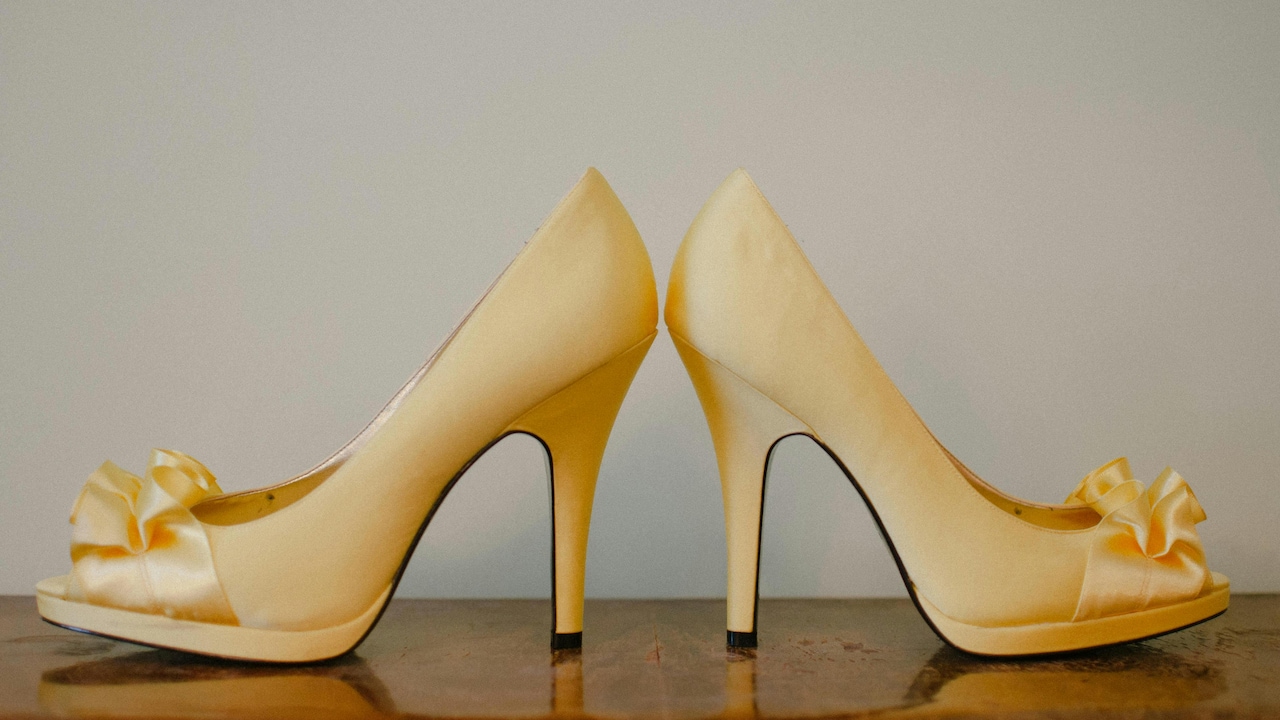
Heel height may enhance posture visually, but it often comes at a cost. Elevated heels force the foot into an unnatural angle. This position concentrates pressure on specific areas rather than spreading it evenly.
Over time, this leads to discomfort, calluses, and even long-term issues like joint strain. The body compensates for this imbalance, which can affect knees and lower back as well. What begins as a stylish choice can gradually turn into a physical burden.
Memory foam insoles counter this effect by redistributing pressure. Instead of allowing weight to gather in one spot, they spread it across the entire foot. This reduces the likelihood of pain and makes prolonged standing more manageable.
Imagine attending a wedding where standing for hours is inevitable. Shoes with height may look elegant, but by the end of the event, relief becomes the only priority. With proper cushioning, that discomfort fades into the background, allowing the focus to remain on the celebration.
The Science Behind Memory Foam Comfort
Memory foam works through a simple yet effective principle: it reacts to heat and pressure. When the foot presses down, the foam softens and moulds to its shape. Once the pressure lifts, it slowly returns to its original form.
This responsiveness creates a personalised cushioning system. Unlike standard insoles that remain unchanged, memory foam evolves with each step. It adapts not only to the shape of the foot but also to movement patterns.
The benefit extends beyond comfort. By reducing impact, memory foam minimises stress on joints. Each step feels smoother, which is especially helpful during long walks or extended periods of standing.
Think of it as the difference between sitting on a hard chair and a cushioned one after a long day. The body instinctively relaxes when supported properly. Feet respond in much the same way.
Everyday Scenarios Where Insoles Make A Difference
Daily life rarely involves perfectly smooth surfaces. Uneven roads, crowded public transport, and long hours on foot are common experiences. In such scenarios, footwear comfort becomes crucial.
Memory foam insoles provide a buffer against these challenges. They absorb shock from hard surfaces and reduce the strain caused by constant movement. This proves especially helpful during commutes or errands that involve significant walking.
Even simple activities like grocery shopping can become exhausting without proper support. With cushioned insoles, these tasks feel less demanding. The difference may seem small at first, but it becomes significant over time.
There's also a psychological aspect. Comfortable feet contribute to a better overall mood. When the body feels supported, patience increases, and fatigue decreases. It's a subtle shift that enhances everyday experiences.
How Memory Foam Enhances Long-Term Foot Health
Foot health often takes a backseat until discomfort becomes unavoidable. However, consistent support plays a key role in preventing issues before they arise.
Memory foam insoles reduce strain on the arches and heels. This helps prevent conditions such as plantar fasciitis and general foot fatigue. By maintaining proper alignment, they also support overall posture.
Heel height, in contrast, can lead to long-term complications if used excessively. The imbalance it creates may affect not only the feet but also the spine and joints.
Investing in supportive insoles is similar to choosing a comfortable mattress. The benefits may not always be visible, but they are deeply felt over time. Prevention often proves more effective than treatment.
Style Versus Comfort: Finding A Balance
The idea that comfort and style cannot coexist is slowly fading. Modern footwear designs increasingly incorporate supportive elements without compromising appearance.
Memory foam insoles play a significant role in this shift. They allow individuals to enjoy stylish shoes while maintaining comfort. Whether it's formal wear or casual footwear, the addition of proper cushioning transforms the experience.
There's no need to abandon favourite styles entirely. Instead, small adjustments can make a noticeable difference. Choosing shoes with room for insoles or built-in cushioning bridges the gap between aesthetics and practicality.
Fashion evolves, but comfort remains timeless. The smartest choices often combine both.
The Role Of Insoles In Reducing Fatigue
Fatigue often begins in the feet. When each step feels heavy, the entire body follows. This is especially noticeable during long workdays or extended outings.
Memory foam insoles reduce this fatigue by absorbing impact and supporting natural movement. They act as a cushion that softens each step, making walking less tiring.
Heel height, however, tends to amplify fatigue. The unnatural angle forces muscles to work harder, leading to quicker exhaustion. What starts as a manageable discomfort can escalate into significant strain.
With proper cushioning, energy levels remain steadier throughout the day. This allows for greater productivity and comfort, whether at work or during leisure activities.
Custom Fit: The Advantage Of Adaptive Cushioning
No two feet are exactly alike. Standard footwear often fails to accommodate these differences, leading to discomfort.
Memory foam insoles address this issue through adaptability. They mould to individual foot shapes, creating a customised fit. This reduces friction and prevents common issues like blisters.
Heel height offers no such flexibility. It imposes a fixed structure that may not suit every foot. This lack of adaptability contributes to discomfort over time.
A personalised fit enhances both comfort and confidence. When shoes feel right, movement becomes effortless. It's a small change that delivers significant benefits.

Learn How Memory Foam Insoles Outperform Heel Height For Comfort And Foot Support
Photo Credit: Pexels
Cost Versus Value: A Practical Perspective
Investing in comfort may seem like an added expense, but the long-term value often outweighs the cost. Memory foam insoles are relatively affordable, often priced between ₹300 and ₹1,500, depending on quality.
Compare this with the potential costs of foot-related issues, including medical consultations or specialised treatments. Prevention through proper support proves far more economical.
Heel height, while appealing, may lead to hidden costs in the form of discomfort and health concerns. The initial investment in stylish footwear does not always translate to long-term satisfaction.
Choosing comfort is not just about spending wisely; it's about prioritising well-being.
Shifting Mindsets Around Footwear Choices
Attitudes towards footwear are changing. Comfort is no longer seen as secondary to style. Instead, it is becoming a key consideration in everyday choices.
Memory foam insoles reflect this shift. They offer a practical solution that aligns with modern lifestyles. As awareness grows, more people recognise the importance of proper foot support.
The conversation is no longer limited to fashion trends. It now includes health, comfort, and practicality. This broader perspective encourages smarter decisions.
A simple change, such as adding supportive insoles, can transform the way shoes feel. It's a reminder that comfort does not require drastic changes—just thoughtful ones.
Products Related To This Article
1. ASIAN Men Memory Foam Insole Sneakers
2. HRX by Hrithik Roshan Men Teal Blue & White Memory Foam Mesh Running Shoes
3. KazarMax Girls Colourblocked Memory Foam Sneakers
4. Roadster Men Colorblocked Memory Foam Running Sneakers
5. JQR Men BLAST-02 Memory Foam Running Shoes
Footwear choices often reveal more than just personal style; they reflect priorities. While heel height continues to hold its place in fashion, the growing preference for comfort signals a meaningful shift.
Memory foam insoles have emerged as a quiet revolution. They offer support, reduce fatigue, and enhance overall well-being without demanding dramatic changes in style. Their ability to adapt, cushion, and protect makes them a practical choice for everyday life.
The true value of footwear lies not in how it looks but in how it feels after hours of use. Comfort, once overlooked, is now gaining the attention it deserves.
In the end, the smartest step forward may not be a higher heel but a softer, more supportive foundation beneath the foot.
(Disclaimer: This article may include references to or features of products and services made available through affiliate marketing campaigns. NDTV Convergence Limited (“NDTV”) strives to maintain editorial independence while participating in such campaigns. NDTV does not assume responsibility for the performance or claims of any featured products or services.)