Memory Foam Sandals For Summer: Do They Really Stay Comfortable All Day?
Memory foam sandals promise soft cushioning and summer comfort, but can they truly handle long, hot days on your feet? A closer look reveals whether they are practical companions or just clever marketing.
Are Memory Foam Sandals Comfortable for All-Day Wear During Hot Summer Months?
Summer transforms daily routines. Morning walks stretch longer, markets grow busier, and even short trips outdoors feel demanding under relentless sunshine. During such months, footwear stops being a simple accessory and becomes essential equipment for survival against heat, dust, and fatigue.
Memory foam sandals have gained remarkable popularity in recent years. Advertisements promise cushioned comfort, reduced foot pain, and effortless walking. Many shoppers, browsing crowded high streets or scrolling late-night shopping apps, feel tempted by claims of “walking on pillows”. Prices range widely, from ₹700 street-market finds to premium pairs touching ₹5,000 or more.
Yet comfort is subjective. A sandal that feels heavenly for a quick grocery run may become unbearable after hours of standing in queues, travelling on packed local trains, or navigating uneven pavements. Summer adds another layer of complexity: sweat, humidity, swelling feet, and rising ground temperatures.
This raises an important question. Are memory foam sandals genuinely comfortable for all-day wear during hot summer months, or are they simply another seasonal trend dressed in clever marketing? The answer lies somewhere between science, lifestyle habits, and realistic expectations.
Memory Foam Sandals For Summer: Do They Really Stay Comfortable All Day?; Photo Credit: Pexels
How Memory Foam Sandals Perform During Long Summer Days
The Science Behind Memory Foam Comfort
Memory foam originated in aerospace research, designed to absorb pressure and distribute weight evenly. When applied to footwear, this material responds to body heat and moulds gently to the shape of the foot. The sensation feels immediately pleasant, especially compared with stiff soles or thin rubber chappals.
During the first few steps, memory foam creates a customised footprint. Pressure points soften, heels feel supported, and walking seems smoother. For people who spend hours standing at work counters, teaching in classrooms, or cooking at home, this cushioning can reduce initial discomfort.
However, memory foam works through heat activation. In cooler environments, this adaptability feels controlled. In intense summer conditions, the same heat sensitivity may cause excessive softness. The foam compresses faster and takes longer to bounce back, especially during prolonged walking.
This explains why many users describe memory foam sandals as wonderfully comfortable in the morning but slightly tiring by evening. The material absorbs impact well but sometimes lacks firm structural support. Comfort, therefore, depends on duration of wear and activity level rather than cushioning alone.
Breathability And Heat Management In Summer
Summer footwear faces one unforgiving enemy: trapped heat. Even the softest sandal loses appeal if feet feel sticky within minutes. Memory foam, by nature, is dense. While it cushions effectively, airflow becomes limited unless manufacturers add breathable layers.
On humid afternoons, feet naturally sweat more. When moisture settles into foam layers, sandals may feel warmer than expected. Some designs include perforated soles or moisture-wicking fabrics to counter this issue, yet cheaper versions often skip such features.
Anyone who has waited at a bus stop during peak afternoon heat understands how quickly discomfort builds. Sweat combined with friction may cause irritation or mild rashes. Open-toe designs help slightly, allowing airflow around the foot, but the sole itself remains insulated.
Higher-quality memory foam sandals often use mesh linings or antimicrobial fabrics. These additions significantly improve comfort during long outdoor hours. Without them, even soft cushioning struggles against rising temperatures.
Choosing breathable construction becomes just as important as choosing cushioning. Summer comfort relies not only on softness but also on how well a sandal allows the foot to breathe naturally.
Also Read: Bata, Provogue To Roadster, Top 10 Trending Men's Sandals Under ₹1000 That Are Tough And Trendy
Support Versus Softness: The Hidden Trade-Off
Softness attracts buyers instantly. Pressing a thumb into memory foam creates satisfying reassurance. Yet long-term comfort depends more on support than softness alone.
Feet require stability to maintain natural alignment. Excessively soft soles may allow arches to collapse slightly over time, particularly during extended walking. This can lead to fatigue in ankles, calves, and lower back muscles by day's end.
Consider long shopping outings in sprawling malls or crowded street markets. Initially, memory foam absorbs shock beautifully. After several hours, however, insufficient arch support may cause subtle strain. The body works harder to stabilise each step.
Premium sandals attempt to solve this issue by combining memory foam with structured midsoles or contoured footbeds. These hybrid designs balance cushioning with firmness. Unfortunately, budget options often rely purely on foam thickness, which feels luxurious initially but lacks endurance.
True comfort lies in equilibrium. A sandal must cushion impact while guiding the foot naturally. Too firm feels harsh; too soft feels unstable. Memory foam performs best when paired with a supportive design rather than used alone.
Daily Commutes And Real-World Walking Conditions
Marketing images often show relaxed beach walks, yet everyday life rarely resembles holiday scenes. Real walking involves uneven pavements, sudden puddles, crowded stations, and long standing periods.
Memory foam sandals handle short walks beautifully. Trips to nearby shops or evening strolls feel lighter because cushioning absorbs repetitive impact. However, long commutes present different challenges.
Uneven surfaces demand responsive soles. Memory foam absorbs shock but does not always provide ground feedback. This can make footing feel slightly uncertain on rough terrain. During rushed crossings or slippery monsoon-prepared roads, stability matters more than softness.
Another concern involves durability under constant pressure. Daily commuters covering several kilometres may notice foam flattening after months of heavy use. Once compressed permanently, comfort decreases rapidly.
For moderate walking schedules, memory foam sandals perform admirably. For intense daily travel involving stairs, platforms, and long distances, sturdier footwear may offer better long-term reliability. Matching footwear to lifestyle proves more important than following trends.
Memory Foam Sandals For Summer: Do They Really Stay Comfortable All Day?; Photo Credit: Pexels
Foot Health And Long-Term Comfort
Comfort should never compromise foot health. Podiatrists often emphasise alignment, arch support, and pressure distribution rather than cushioning alone.
Memory foam excels at reducing heel pain and absorbing shock. People experiencing mild plantar discomfort often appreciate the gentle padding. Standing for long hours becomes less punishing, particularly on hard flooring.
However, prolonged reliance on overly soft footwear may weaken foot muscles slightly. Feet naturally adjust to surfaces; constant cushioning reduces engagement of stabilising muscles. Over time, this may increase fatigue for some individuals.
Another aspect involves foot swelling during hot weather. Heat causes natural expansion, and sandals must accommodate slight size changes. Adjustable straps become valuable here, preventing tightness without sacrificing fit.
Well-designed memory foam sandals can support foot health when worn appropriately. Alternating footwear throughout the week, choosing supportive designs, and ensuring proper fit help maintain balance between comfort and physical well-being.
Style Meets Comfort: A Changing Fashion Landscape
Once considered purely functional, comfort footwear now sits confidently within mainstream fashion. Memory foam sandals appear in sleek designs, metallic finishes, earthy tones, and minimalist silhouettes suitable for both casual and semi-formal settings.
Urban shoppers increasingly look for footwear that transitions seamlessly from daytime errands to evening outings. A pair costing around ₹2,500 may serve office commutes, café visits, and weekend gatherings without appearing overly casual.
Fashion brands recognise this shift. Slimmer straps, platform soles, and contemporary colour palettes transform comfort sandals into style statements. This evolution encourages more people to prioritise comfort without sacrificing appearance.
Yet style sometimes introduces compromises. Narrow straps or decorative materials may reduce ventilation or adjustability. Attractive designs occasionally overlook practical features needed for long summer days.
The most successful options blend aesthetics with ergonomics. When design supports movement rather than restricting it, memory foam sandals become versatile companions rather than occasional footwear reserved only for relaxed days.
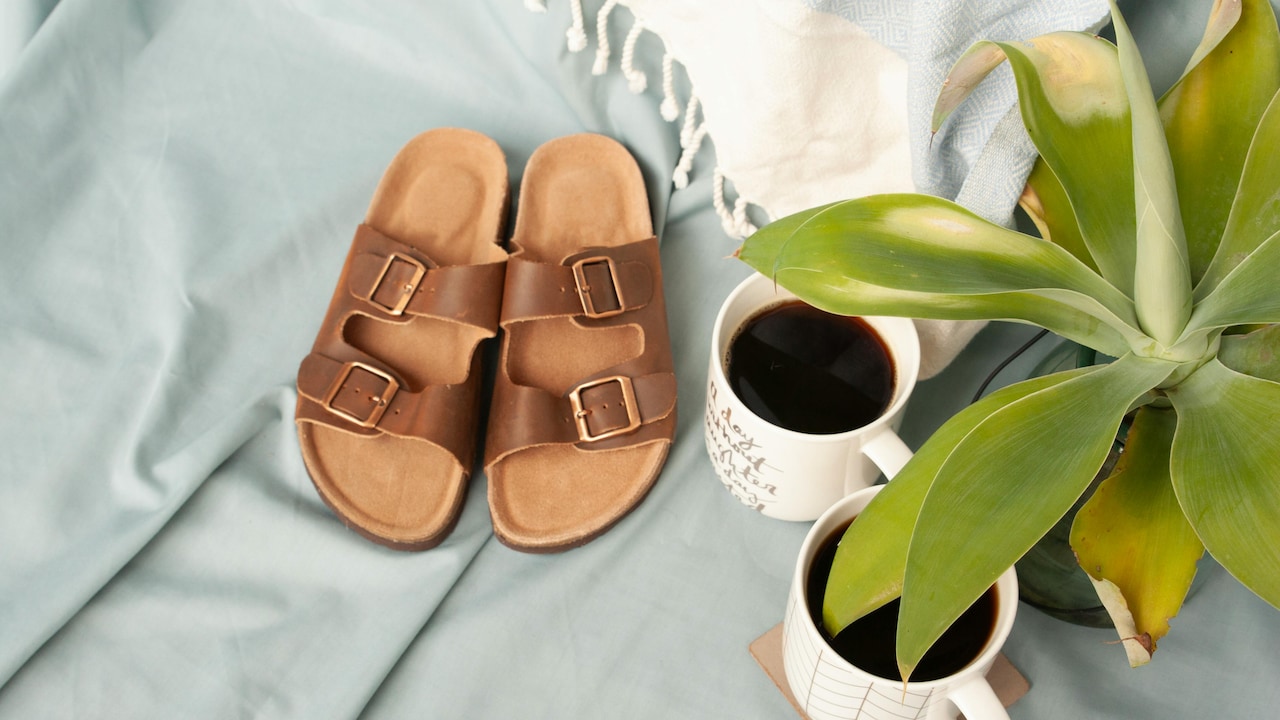
Memory Foam Sandals For Summer: Do They Really Stay Comfortable All Day?; Photo Credit: Pexels
Durability Under Summer Stress
Summer conditions test footwear relentlessly. Heat softens adhesives, dust settles into seams, and sweat accelerates wear. Memory foam sandals vary widely in durability depending on construction quality.
Lower-priced pairs often begin losing shape within a few months of heavy use. Foam compression becomes visible, and cushioning feels uneven. Straps may stretch or loosen due to constant exposure to moisture and heat.
Higher-quality sandals use layered construction, reinforced stitching, and resilient foam blends. These maintain structure longer, even during daily wear. Spending ₹3,000 instead of ₹900 sometimes proves economical when footwear lasts multiple seasons.
Maintenance also affects lifespan. Allowing sandals to air dry naturally prevents moisture damage. Storing them away from direct sunlight preserves foam elasticity.
Durability determines whether comfort remains consistent. A sandal that feels perfect initially but deteriorates quickly ultimately fails the promise of all-day wearability.
Sweat, Hygiene, And Odour Concerns
Hot weather inevitably brings perspiration. Memory foam's absorbent nature can become problematic without proper hygiene considerations.
Sweat trapped inside foam creates a warm environment where bacteria thrive. Over time, unpleasant odours may develop, particularly when sandals remain damp after use. This issue appears more frequently in closed or fabric-lined designs.
Modern footwear brands address this through antimicrobial treatments and removable insoles. These features significantly improve freshness during prolonged summer wear.
Simple habits also help maintain hygiene. Rotating footwear allows adequate drying time. Washing feet before wearing sandals reduces bacterial buildup. Occasional cleaning with mild soap extends freshness.
Comfort extends beyond cushioning. Feeling confident about hygiene plays a major role in daily wearability. A sandal that remains fresh throughout long, hot days enhances overall comfort far more than softness alone.
Who Benefits Most From Memory Foam Sandals?
Not every foot experiences comfort the same way. Memory foam sandals particularly suit individuals seeking relief from hard surfaces or prolonged standing.
Teachers, retail workers, home cooks, and travellers often appreciate shock absorption during repetitive activities. Older adults may find the cushioning gentler on joints compared with flat rubber soles.
However, athletes or individuals with high arches requiring structured support may prefer firmer footwear. Similarly, those covering long walking distances daily might benefit from hybrid designs combining foam with supportive midsoles.
Lifestyle plays a decisive role. Someone spending afternoons running errands and evenings socialising casually may find memory foam sandals ideal. Someone navigating kilometres of walking every day may require more technical footwear.
Comfort becomes personal, shaped by routine, body mechanics, and expectations rather than universal claims.
Balancing Expectations With Reality
Marketing often promises miracle comfort. Reality tends to be more nuanced. Memory foam sandals excel in specific situations yet fall short in others.
They deliver immediate softness, reduce impact stress, and feel luxurious during moderate use. However, they cannot replace structured walking shoes for demanding physical routines.
Understanding limitations prevents disappointment. Expecting cloud-like comfort during twelve-hour outdoor schedules may lead to frustration. Viewing memory foam sandals as supportive casual footwear creates more realistic satisfaction.
The smartest buyers focus on fit, breathability, and support rather than thickness of foam alone. Trying sandals late in the day, when feet are slightly swollen, often reveals whether they truly suit extended wear.
Comfort ultimately results from thoughtful selection rather than marketing promises. When chosen wisely, memory foam sandals become reliable summer companions rather than short-lived indulgences.
Products Related To This Article
1. Doctor Extra Soft Memory Foam Sandals Ortho Care Orthopedic Diabetic Comfort Men Casual
2. Kazarmax Men Clogs
3. Doctor Extra Soft Flat Memory Foam Synthetic Slip On Sandals Adjustable Buckled
4. Kazarmax Men Clogs
5. Doctor Extra Soft Memory Foam Sandals Ortho Care Orthopedic Diabetic Comfort Men Casual
Memory foam sandals offer undeniable comfort, especially during warm months when heavy shoes feel unbearable. Their cushioning softens impact, eases pressure, and adds a sense of effortless walking that appeals instantly.
Yet all-day comfort during hot summer months depends on several factors: breathability, structural support, durability, and individual lifestyle needs. While ideal for moderate walking, casual outings, and prolonged standing, they may struggle under intense commuting or extreme heat without thoughtful design features.
The best approach involves balance. Selecting breathable materials, supportive construction, and proper fit transforms memory foam sandals from a seasonal trend into dependable everyday footwear. Comfort lies not in softness alone but in harmony between cushioning and stability.
When chosen carefully, memory foam sandals can indeed carry weary feet through long summer days, bustling markets, evening gatherings, and relaxed strolls with surprising ease. Like many things in life, comfort comes from matching expectations with reality and allowing practicality to walk hand in hand with style.
(Disclaimer: This article may include references to or features of products and services made available through affiliate marketing campaigns. NDTV Convergence Limited (“NDTV”) strives to maintain editorial independence while participating in such campaigns. NDTV does not assume responsibility for the performance or claims of any featured products or services.)