Myth Buster: Are Oversized T-Shirts Always More Comfortable In Humid Weather? Best Fabrics To Pick
Oversized T-shirts feel breezy, but fabric decides real comfort in humid weather. Here’s how to pick tees that stay light, fresh, and sweat-friendly.
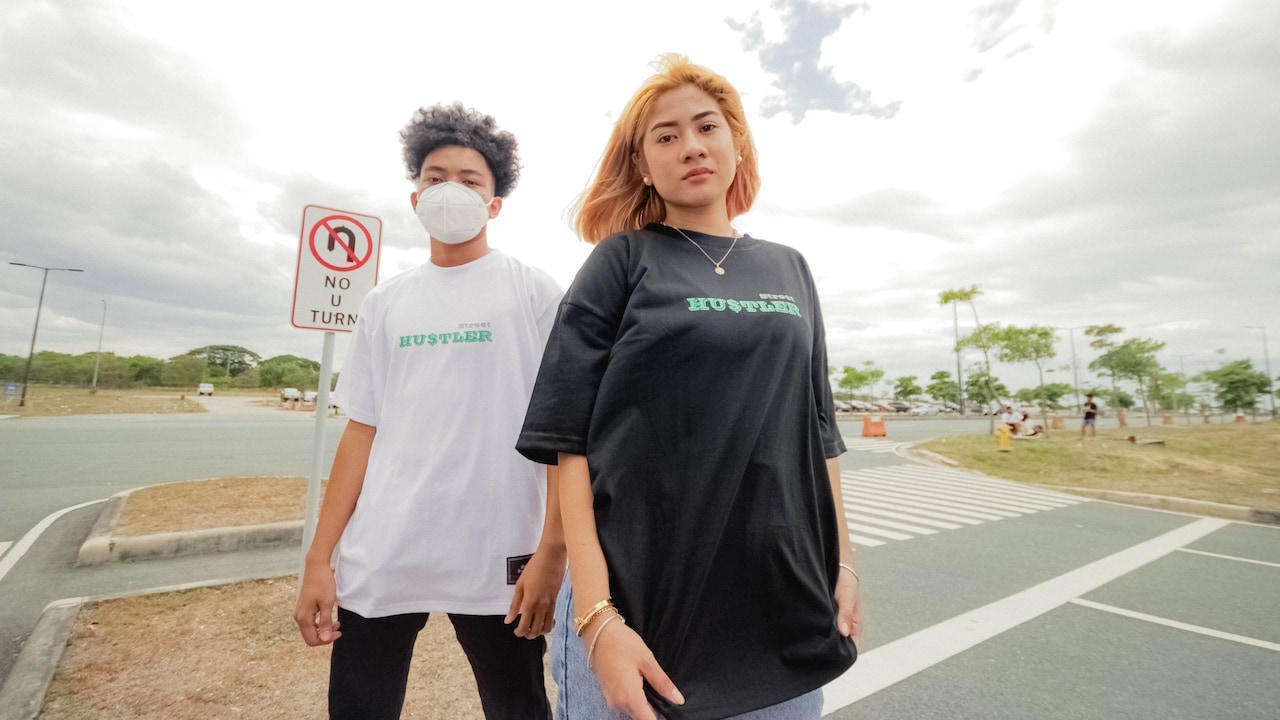
Explore what really makes oversized t-shirts a comfortable choice
A roomy T-shirt feels like freedom on a hot day. It does not cling; it gives the arms space, and it carries that easy “just stepped out for cutting chai” charm. No wonder oversized tees have become wardrobe heroes from Mumbai locals to Chennai lanes and Kolkata afternoons. Yet humid weather has its own wicked sense of humour. It makes fabric stick, sweat linger, and collars feel like tiny punishments. In such weather, bigger does not always mean better. An oversized tee in the wrong fabric can trap dampness and feel like wearing a warm towel. A regular-fit tee in the right fabric can feel far fresher.
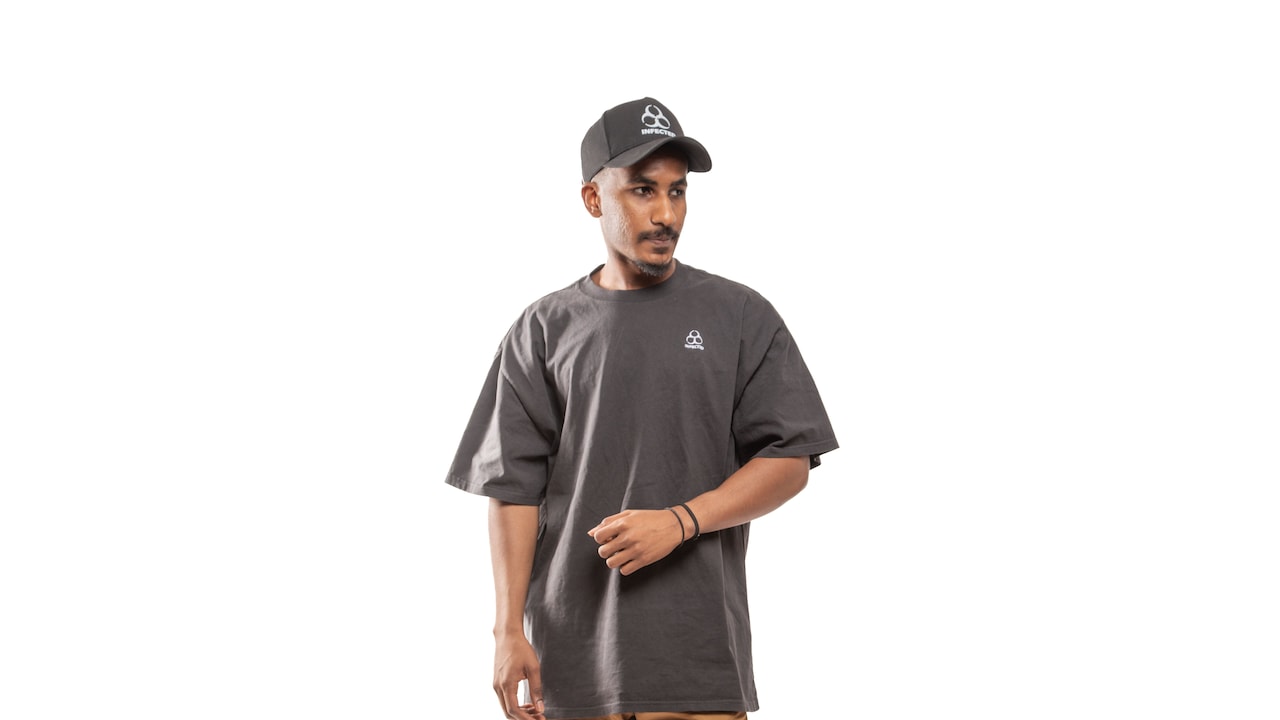
Read how comfortable do oversized tshirts feel in hot and humid weather; Photo Credit: Pexels
So, the real question is not whether oversized T-shirts work. They often do. The better question is: which oversized T-shirt deserves space in your cupboard when the air feels thick enough to chew?
Also Read: Best Oversized Graphic T-Shirts For Men And Women That Look Stylish, Not Sloppy
How To Choose The Right Oversized T-Shirt For Humidity
The Oversized Comfort Myth
The comfort myth starts with one simple idea: more fabric means more airflow. It sounds logical. A loose T-shirt creates space between the skin and the cloth, so the body should feel cooler. In dry heat, that can work beautifully. A relaxed fit lets air move around the torso and helps sweat evaporate faster.
Humidity changes the game. When the air already holds too much moisture, sweat does not evaporate easily. It sits on the skin, turns the fabric damp, and makes even a loose T-shirt feel heavy. The extra fabric of an oversized tee may then become a problem. It can bunch at the waist, fold under a backpack strap, or cling around the underarms after a crowded metro ride.
Oversized T-shirts can feel comfortable, but only when the fabric breathes well and dries quickly. Size gives room. Fabric gives relief. Ignore fabric, and the coolest-looking tee may turn into a portable steam chamber before lunch.
Why Humidity Makes Clothes Feel Stickier
Humidity turns dressing into a small science experiment. The body sweats to cool itself, but sweat needs to evaporate for that cooling to happen. When the air feels damp, evaporation slows down. That is why a 32°C day near the coast can feel more exhausting than a hotter, drier afternoon elsewhere.
A T-shirt becomes uncomfortable when it absorbs sweat but refuses to release it. The cloth grows heavier. The neckline feels damp. The back sticks to the seat of an auto-rickshaw. Even a short walk to the chemist can leave the fabric looking like proof of a wrestling match.
This is where fabric choice matters more than fashion labels. Some materials hold moisture like a sponge. Others spread it out and dry faster. Some breathe naturally, while others trap heat near the skin. The best humid-weather tee lets air move, manages sweat, and does not smell tired by evening. That is the real comfort test.
Cotton Feels Familiar, But Choose Wisely
Cotton has earned its place in everyday wardrobes. It feels soft, gentle on skin, easy to wash, and familiar in the best way. A cotton T-shirt works well for many warm days, especially when the fabric feels light and the fit allows movement. For running errands, attending classes, or lounging at home, cotton can feel wonderfully comfortable.
But cotton has one famous flaw in humid weather. It absorbs sweat and holds on to it. Once damp, it dries slowly. A thick oversized cotton tee may feel pleasant at 9 am and oddly swampy by 1 pm. Heavy cotton also becomes bulkier when wet, which can make the oversized silhouette feel sloppy rather than breezy.
The trick lies in choosing lightweight cotton. Look for soft, thin, open-knit cotton rather than dense, heavyweight versions. Slub cotton can also feel airy because of its uneven texture. Cotton works best when the day involves mild sweating, not a full battle with monsoon humidity and traffic.
Linen Blends Bring Breezy Charm
Linen has the personality of a lazy Sunday by the sea. It breathes beautifully, dries faster than cotton, and feels crisp against the skin. In humid weather, linen allows heat to escape instead of trapping it. That makes it a strong choice for T-shirts, especially in relaxed fits.
Pure linen can feel a little rough at first, and it wrinkles as though it has strong opinions. For many people, that is part of the charm. Still, a linen-cotton blend may suit daily wear better. It keeps the breezy feel of linen but adds the softness and easy handling of cotton. A linen-blend oversized tee can work well for brunches, casual Fridays, and travel days when comfort needs to look presentable.
The price can be higher than regular cotton, often starting around ₹800 and moving up depending on the brand and blend. Still, for humid cities and long summers, one good linen-blend tee may outperform three thick cotton tees that look good only until the first sweat patch appears.
Bamboo And Modal Feel Soft Yet Smart
Bamboo viscose, modal, and similar plant-based fabrics often feel silky, smooth, and cool to the touch. They drape well, which means an oversized T-shirt in these fabrics can fall nicely instead of standing away from the body like a cardboard cut-out. For people who dislike rough textures, these fabrics can feel like a small luxury.
Their biggest charm lies in softness and moisture handling. Modal, in particular, absorbs moisture well and often feels less clammy than thick cotton. Bamboo-based fabrics can also feel breathable when made in a lightweight knit. These tees suit humid days when comfort matters, but the outfit still needs a neat, polished look.
However, not all bamboo or modal tees perform equally. A dense knit can still feel warm. A very stretchy blend may cling once damp. Check the fabric weight and touch before buying. A good bamboo or modal oversized tee should feel light, fluid, and cool, not rubbery or overly shiny. Comfort comes from balance, not buzzwords.
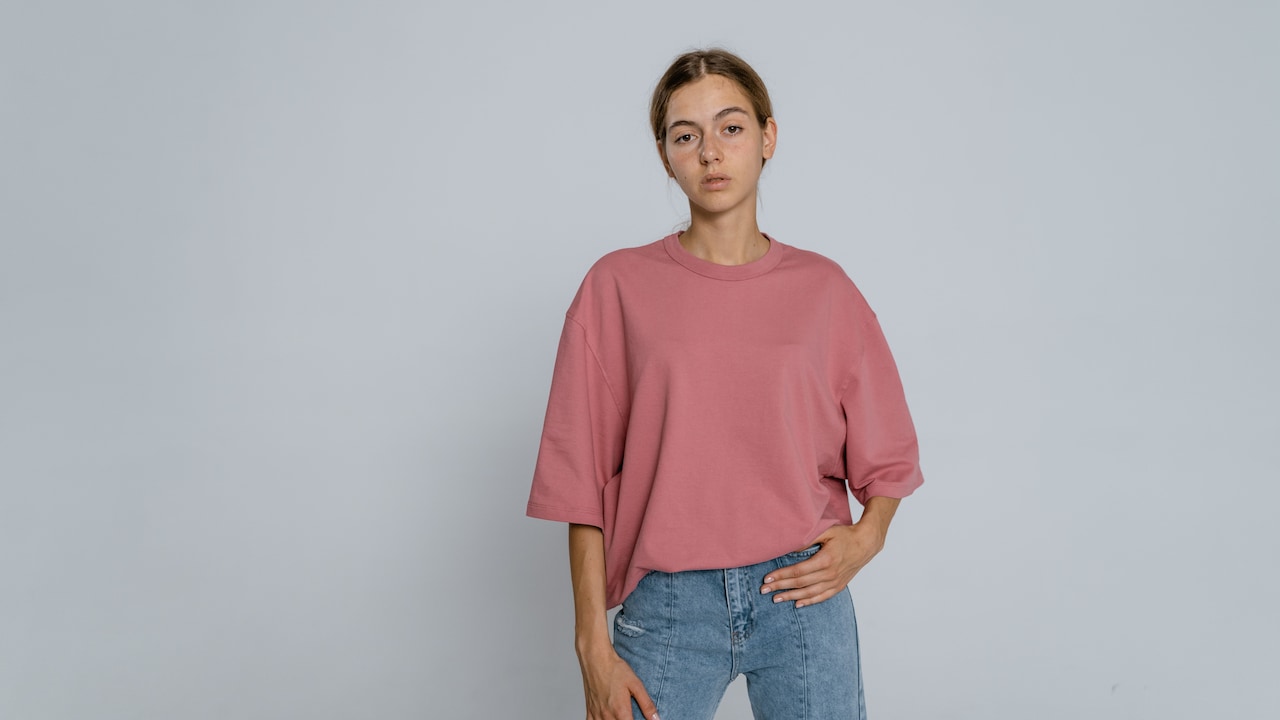
Fabrics like cotton and modal make any oversized garment feel comfortable in humidity; Photo Credit: Pexels
Polyester Needs A Careful Eye
Polyester divides opinion faster than pineapple on pizza. Some people avoid it because cheap polyester traps heat and odour. Others love it in activewear because it dries quickly and handles sweat better than cotton during workouts. Both views can be true.
In humid weather, ordinary polyester T-shirts can feel hot and plasticky. They may not absorb sweat, but they can trap it between fabric and skin. That leads to stickiness and smell, especially during long commutes or busy outdoor days. A loose fit helps, but it does not fix poor-quality fabric.
Performance polyester works differently. Sports tees often use moisture-wicking yarns that pull sweat away from the skin and dry fast. These can feel useful for gym sessions, morning walks, or travel. Still, they may not suit everyone for all-day casual wear. For oversized T-shirts, avoid thick synthetic blends that feel glossy and heavy. Choose lightweight, breathable performance knits only when quick drying matters more than a natural hand feel.
Fabric Weight Matters More Than Size
Two oversized T-shirts can look similar on a hanger and feel completely different on the body. The secret often lies in fabric weight. A heavyweight tee gives structure, photographs well, and creates that streetwear look. It also traps more heat. In humid weather, that extra thickness can become a burden.
Lightweight tees breathe better and dry faster. They may not have the same boxy shape, but they feel kinder during real-life heat. Midweight fabrics can work for evenings, air-conditioned offices, or days with less outdoor movement. Heavyweight oversized tees belong more to café weather, hill-station trips, or winter layering than peak humidity.
When shopping, hold the T-shirt up to the light. If it feels dense, stiff, or too warm in the trial room, it will not magically become cooler outside. Also check the neck, rib and sleeves. Thick collars and tight sleeve bands can spoil an otherwise airy tee. Comfort lives in the small details, not just the size label.
The Right Fit Still Needs Shape
Oversized should not mean shapeless. A good oversized T-shirt gives room at the chest, shoulders, and waist without swallowing the body. The shoulder seam may drop slightly, but the neckline should sit comfortably. The sleeves should allow movement without turning into flapping curtains. The length should work with jeans, shorts, joggers, or a tucked front.
In humid weather, fit affects airflow. A tee that is too huge may fold and trap sweat at the waist or back. A tee that is too tight will cling after ten minutes outdoors. The sweet spot sits somewhere between relaxed and controlled. Think roomy enough for air, structured enough to avoid damp bunching.
For daily wear, a slightly oversized cut often works better than a dramatically oversized one. It looks casual but is still practical. It also layers better under an overshirt or light jacket when stepping into strong air conditioning. Comfort comes from movement, not from drowning in fabric.
Colours And Prints Can Change Comfort
Colour may not change the fabric, but it can change how hot a T-shirt feels under direct sun. Dark shades absorb more heat, while lighter shades usually feel cooler outdoors. White, cream, pale blue, soft grey, mint, and faded pastels often suit humid afternoons better than black or deep navy. Of course, black remains a wardrobe legend, but it has never promised mercy at 2 pm in May.
Prints also matter. Large rubberised graphics can block breathability. That giant chest print may look fun, but it can create a sweaty patch underneath. Thick prints on the back feel even worse when carrying a backpack or sitting against a chair.
Choose small prints, soft screen prints, embroidery, or washed graphics for sticky weather. Minimal designs age better and feel easier on the skin. A breathable plain tee can also pair with almost anything, from cargos to cotton trousers. In humid weather, style should not demand suffering as an entry fee.
Best Fabrics To Pick For Daily Wear
For everyday humid weather, lightweight cotton, cotton-linen blends, linen blends, modal, bamboo viscose, and quality moisture-wicking blends make the strongest choices. Each fabric suits a different kind of day. Lightweight cotton works for casual comfort. Linen blends shine when the air feels heavy. Modal and bamboo feel soft for long indoor-outdoor schedules. Performance blends help when sweat is guaranteed.
A good T-shirt should pass three simple tests. It should feel light in the hand, breathe when held close to the face, and recover well after a gentle stretch. The fabric should not feel scratchy, plastic-like, or overly thick. When buying online, check GSM is listed. Lower GSM usually feels lighter, though fabric quality still matters. For humid weather, many people find tees around 140–180 GSM easier than chunky 220 GSM styles.
Budget also matters. A solid daily tee can cost around ₹399 to ₹999. Linen and premium blends may cost more. Buy fewer, better tees rather than a stack that gives up after three washes.
Products Related To This Article
1. NOBERO Men's Cotton Oversized Fit T-Shirt
2. JUNEBERRY® 100% Pure Cotton, Pack of 2
3. Jockey UM24 Men's Super Combed Cotton Rich Striped Oversized T-Shirt
4. Bewakoof Women's 100% Cotton Graphic Print Boyfriend Fit Round Neck Plus Size T-Shirt
5. LEOTUDE Casual Half Sleeve Cottonblend Printed Round Neck Drop Shoulder Oversized Tshirt for Man
6. Veirdo® 100% Pure Cotton Oversized Loose Fit Half Sleeve Solid Core Round Neck Multicolor T-Shirt Combo for Men & Boys
7. London Hills Women's Cotton Oversized Fit Printed Round Neck Oversized T-Shirt
Oversized T-shirts are not automatically more comfortable in humid weather. They can feel fantastic, but only when fabric, weight, weave, and fit work together. A loose tee in thick cotton may feel hotter than a regular-fit tee in a breathable linen blend. A soft modal oversized tee may feel cooler than a stiff streetwear piece with a heavy print. The label says “oversized”, but the fabric decides the mood.
For sticky days, choose light, breathable materials. Pick relaxed shapes, not tents. Avoid thick prints, tight necklines, and heavy knits unless the plan includes strong air conditioning and very little walking. Let the T-shirt move with the body, not fight the weather.
The best humid-weather tee feels easy from morning tea to evening snacks. It does not cling, sulk, or smell defeated. It simply does its job, quietly and comfortably, while the weather outside continues its dramatic performance.
(Disclaimer: This article may include references to or features of products and services made available through affiliate marketing campaigns. NDTV Convergence Limited (“NDTV”) strives to maintain editorial independence while participating in such campaigns. NDTV does not assume responsibility for the performance or claims of any featured products or services.)