Necklaces That Flip Around Constantly: Chain Weight And Length Explained
Tired of necklaces flipping all day? The secret lies in chain weight and length. Learn how small design details can keep your jewellery sitting perfectly in place, without constant adjusting.
10 easy ways to fix a necklace that keeps flipping
A necklace often feels like the finishing touch that brings an outfit together. Yet, a small nuisance can ruin the entire experience: the constant flipping of a chain. It is the sort of annoyance that begins subtly and soon turns into a habit of checking, adjusting, and sighing through the day. The culprit, more often than not, lies in the delicate balance between chain weight and length.

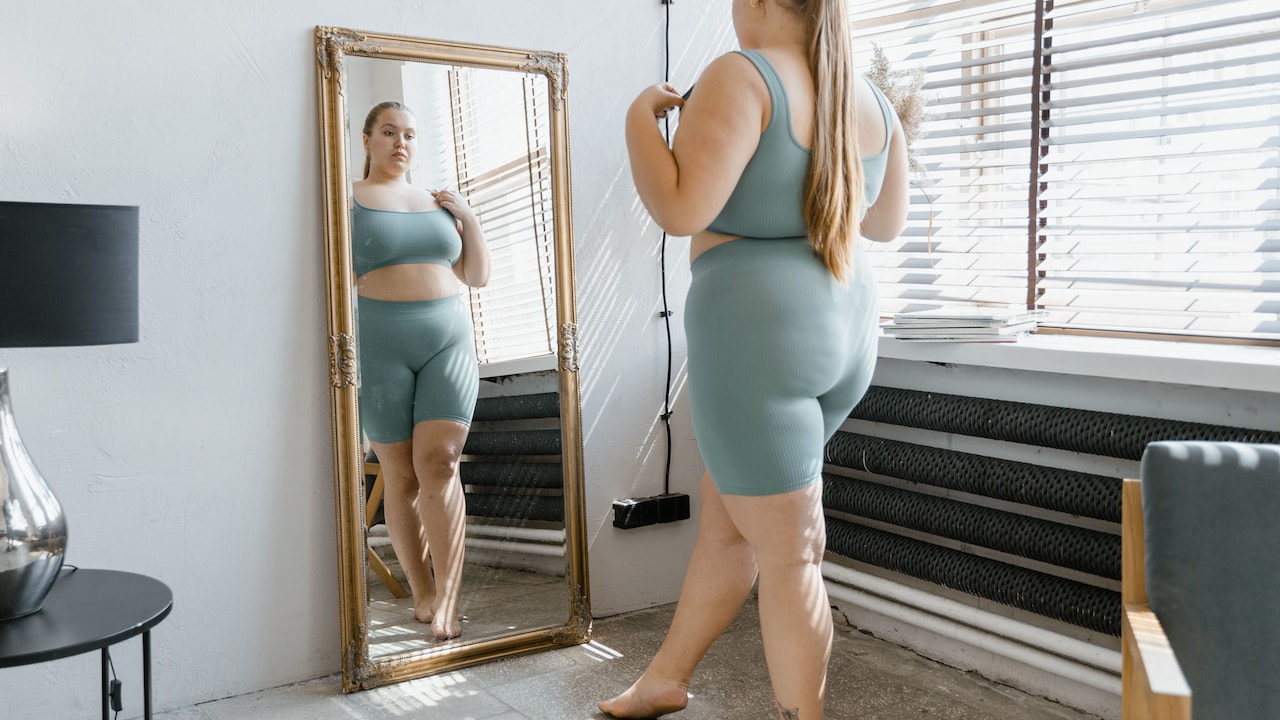
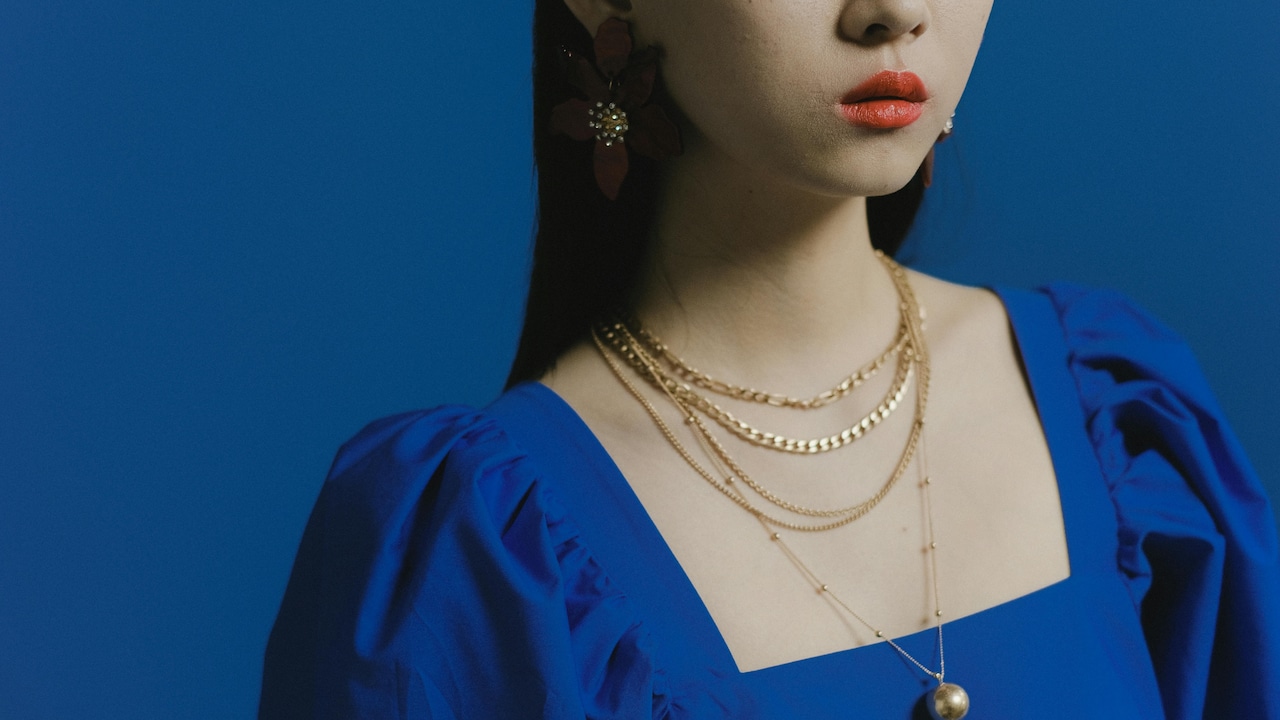
How to fix a necklace that keeps flipping around; Photo Credit: Pexels
Jewellery is not just about shine and sparkle. It involves physics, proportion, and a bit of clever design. A chain that looks perfect in a display case might behave quite differently once worn through a busy day filled with commuting, walking, and perhaps a quick stop for chai.
Understanding why necklaces flip can save both money and patience. Instead of trial and error, a few thoughtful choices can lead to pieces that sit gracefully and stay in place. This article explores that balance, breaking down the subtle details that make a noticeable difference.
Also Read: Trendy Necklaces For Everyday And Occasion Wear
Breaking Down The Factors That Affect Necklace Stability
Understanding Why Necklaces Flip Around
A necklace flips when its centre of gravity does not align with how it rests on the body. This sounds technical, but it simply means the weight distribution feels uneven. When a pendant is too light or the chain is too thin, the necklace lacks stability. Even a small shift in posture or movement can cause it to rotate.
Daily life adds to this unpredictability. From leaning forward to check a phone to rushing for a train, constant motion creates small forces that tug at the chain. Over time, these movements encourage the necklace to twist.
Fabric also plays a role. Smooth materials like satin or silk offer less friction, making it easier for chains to slide. On the other hand, cotton or textured fabrics may hold a necklace more securely.
Humidity, too, can subtly affect how jewellery behaves. On warmer days, slight moisture on the skin reduces grip, making chains more prone to slipping and flipping.
Understanding this behaviour helps in selecting pieces that not only look good but also cooperate throughout the day.
The Role Of Chain Weight In Stability
Weight often gets overlooked when choosing a necklace, yet it plays a central role in keeping it steady. A heavier chain naturally anchors itself, resisting unnecessary movement. This does not mean bulky jewellery is always better, but a certain amount of weight adds balance.
Lightweight chains, especially those designed for minimal aesthetics, tend to lack that anchor. They respond quickly to motion, flipping easily with even a slight turn of the head.
Consider the difference between a delicate chain worth ₹800 and a slightly heavier one priced around ₹1,500. The latter often feels more secure, not just because of material quality but due to better weight distribution.
However, excessive weight brings its own discomfort. A chain that feels too heavy can strain the neck over long hours. The ideal choice lies somewhere in between, enough weight to stabilise but not enough to feel burdensome.
A balanced chain creates a sense of ease, allowing the wearer to forget about it entirely, which is perhaps the ultimate goal.
How Chain Length Affects Movement
Length determines how a necklace interacts with the body. A shorter chain sits closer to the neck, reducing the space it has to move. This often results in greater stability, especially for lightweight designs.
Longer chains, while elegant and dramatic, have more room to swing. This increased movement raises the chances of flipping. Each step or shift in posture creates momentum, encouraging the chain to rotate.
Necklines also influence this behaviour. A long chain worn over a loose kurta or a flowing dress tends to move more freely compared to one tucked into a structured neckline.
For everyday wear, mid-length chains often strike the right balance. They provide enough drop for style without inviting excessive movement.
Choosing length is not just about aesthetics. It is about understanding how the chain will behave throughout a full day, from morning errands to evening gatherings.
The Hidden Influence Of Pendant Weight
The pendant acts as the focal point, but it also affects how the necklace sits. A well-weighted pendant can stabilise the chain, keeping it centred. However, when the pendant is too light, it fails to counterbalance the chain's movement.
Conversely, an overly heavy pendant can pull the chain forward, causing discomfort and even tilting the clasp towards the front.
The sweet spot lies in harmony. The pendant should feel like a natural extension of the chain, neither dominating nor disappearing.
A simple example can be seen in everyday choices. A lightweight charm on a long chain often flips frequently, while a slightly heavier pendant holds its place more confidently.
Designers often consider this balance carefully, but it helps to assess it personally while trying on jewellery. A quick walk or slight movement can reveal whether the pendant contributes to stability or chaos.
Clasp Placement And Its Surprising Impact
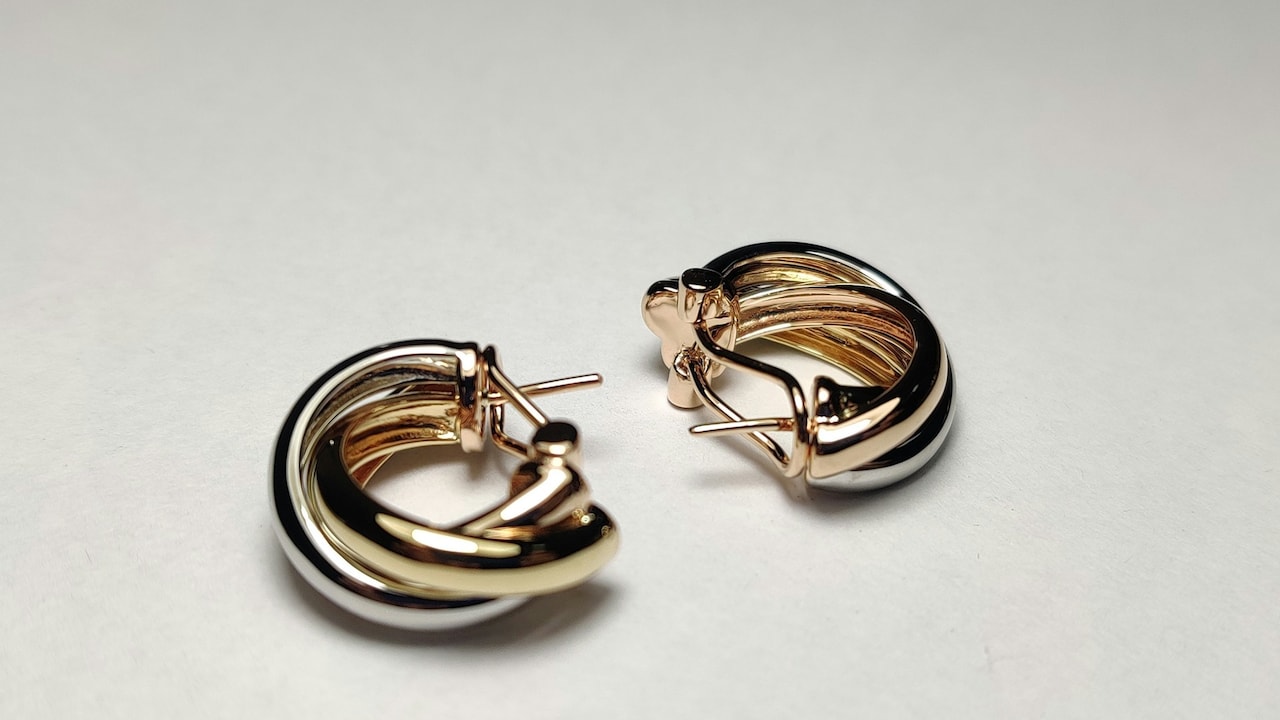
The clasp, though small, plays a surprisingly important role. When the clasp is too heavy or uneven, it tends to shift forward, pulling the chain along with it.
Many people notice the clasp creeping to the front by midday. This shift disrupts the balance and often leads to flipping.
A well-designed clasp distributes weight evenly or remains light enough to stay unnoticed. Some modern designs even include counterweights to keep the clasp in place.
Checking clasp behaviour takes only a moment. A gentle shake or a few steps can indicate whether it stays put or begins to wander.
Ignoring this detail often leads to frustration later. Paying attention to such a small element can significantly improve the wearing experience.
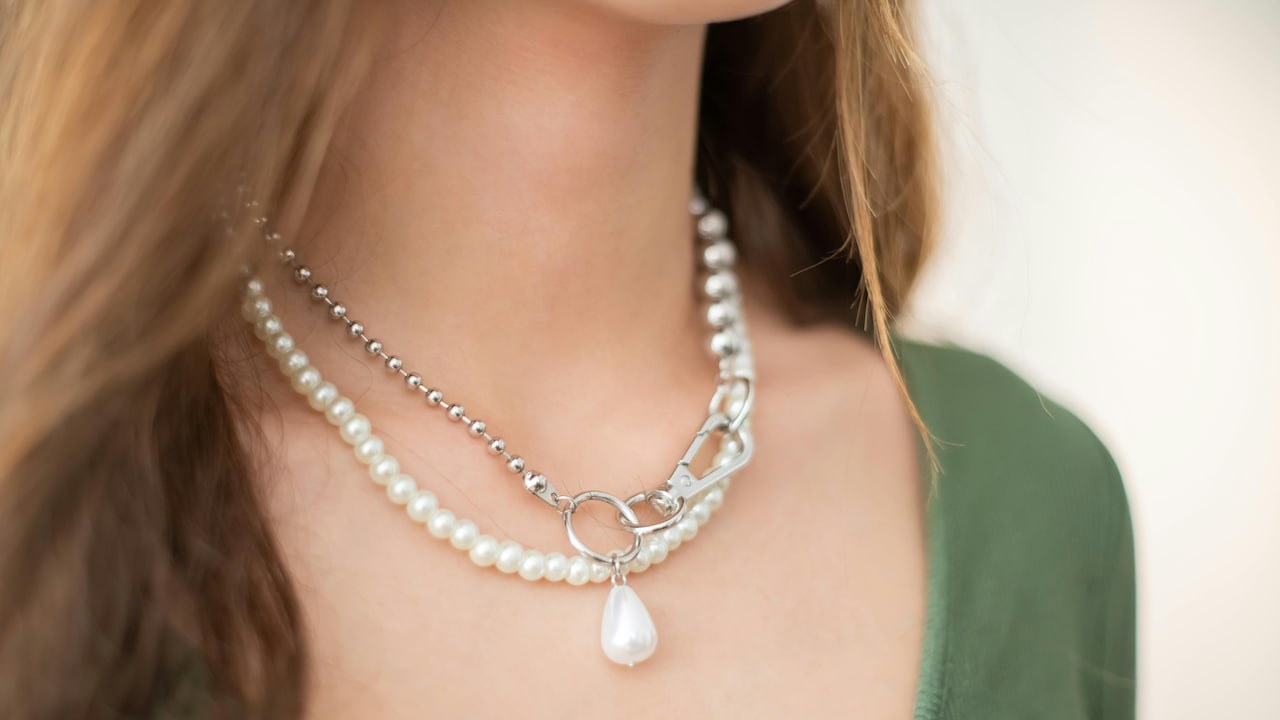
Ensure that the clasp placement distributes weight evenly; Photo Credit: Pexels
Fabric, Skin, And Everyday Movement
Jewellery does not exist in isolation. It interacts constantly with clothing and skin. Smooth fabrics allow chains to glide easily, increasing the chances of flipping. Rougher textures provide resistance, helping the necklace stay in place.
Skin also plays its part. Dry skin offers more grip, while slight perspiration can make chains slide more freely. Weather conditions, especially during warmer months, can amplify this effect.
Movement throughout the day adds another layer. Activities like bending, turning, or even adjusting a bag strap create small shifts that influence how a necklace behaves.
Understanding these interactions helps in choosing jewellery suited to different occasions. A lightweight chain may work perfectly for a calm indoor setting but struggle during a busy day outdoors.
Choosing The Right Chain Type
Not all chains behave the same. Certain styles, like box chains or rope chains, offer more structure and stability. Others, such as snake chains, feel smoother and may flip more easily.
Flat chains tend to stay aligned due to their design, while round chains have more freedom to rotate. Each type brings its own personality and behaviour.
The choice often depends on both style and practicality. A visually delicate chain may look appealing but might require frequent adjustment.
Exploring different chain types can lead to surprising discoveries. Sometimes, a slight change in design makes a significant difference in comfort and stability.
Jewellery shopping becomes far more rewarding when these subtle factors come into play.
Everyday Habits That Make A Difference
Small habits influence how a necklace behaves more than expected. Constantly touching or adjusting the chain can actually encourage it to flip.
Wearing a necklace over bulky clothing or pairing it with heavy scarves can also disrupt its balance. Even the way a chain is stored affects its behaviour. Tangled or twisted chains tend to flip more easily.
Taking a moment to straighten a chain before wearing it can make a noticeable difference. It sets the piece in a balanced position from the start.
These habits may seem minor, but they contribute to a smoother experience. A little awareness goes a long way in reducing daily frustration.
When To Invest In Better Quality Chains
Quality often determines how well a necklace performs. Higher-quality chains usually feature better weight distribution, smoother links, and well-designed clasps.
While a budget option around ₹500 may look appealing, it might lack the balance needed for comfortable wear. Investing slightly more, perhaps ₹1,500 or ₹2,000, often results in a noticeable improvement.
This does not mean expensive always equals perfect. It simply highlights the importance of thoughtful design and craftsmanship.
A well-made chain feels reliable. It sits naturally and requires minimal adjustment, making it a worthwhile addition to any collection.
Finding The Perfect Balance For Personal Style
Every individual has a unique style, and the perfect necklace should complement that without becoming a source of irritation. Balancing weight and length allows for both comfort and expression.
Some may prefer bold, statement pieces that naturally stay in place, while others lean towards minimal designs that require a bit more consideration.
Experimentation helps in discovering what works best. Trying different combinations of chain types, lengths, and pendant weights can reveal surprising favourites.
Personal comfort should always guide the final choice. A necklace that feels effortless enhances confidence and completes an outfit without distraction.
Products Related To This Article
1. caretino jewels Gold-Plated Necklace
2. SOHI Blue Silver-Plated Stone-Studded Necklace
3. RKB Sales Invisible Necklace
4. VIEN Gold-Plated Beads Ball Pendant Necklace
5. Vembley Gold-Plated Necklace
A necklace that flips constantly may seem like a small inconvenience, but it reflects a deeper interplay of design, weight, and movement. Understanding these elements transforms jewellery from a source of annoyance into a seamless part of daily life.
The right balance of chain weight and length ensures stability without compromising style. Thoughtful choices, combined with a bit of awareness, can make all the difference.
In the end, jewellery should feel like a quiet companion, present, beautiful, and never demanding attention for the wrong reasons.
(Disclaimer: This article may include references to or features of products and services made available through affiliate marketing campaigns. NDTV Convergence Limited (“NDTV”) strives to maintain editorial independence while participating in such campaigns. NDTV does not assume responsibility for the performance or claims of any featured products or services.)