Shopping Clothes Online vs Reality: Why Outfits Look Different After Delivery
Online clothes often look great on screen but disappoint in real life. This article explains why outfits fail expectations and shares smart tips to shop fashion online without regret.
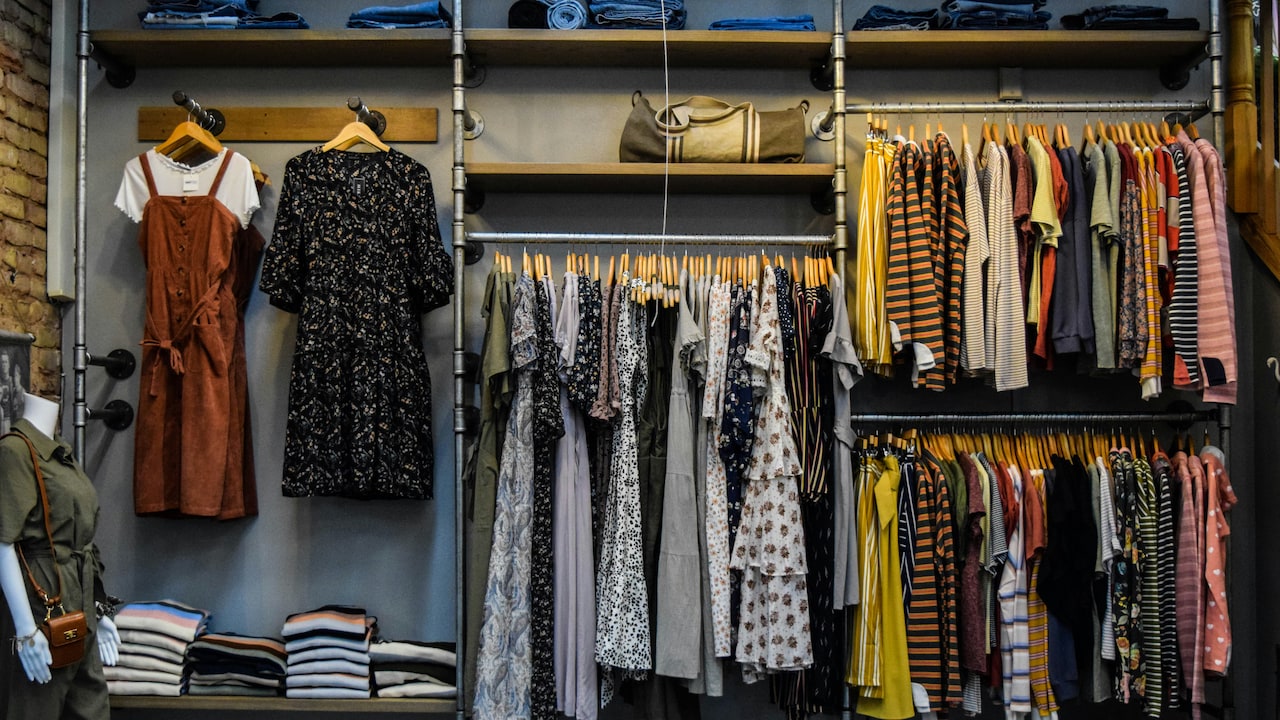
Shopping Clothes Online vs Reality: Know Why Outfits Disappoint And Smart Fashion Buying Tips.
Online fashion shopping feels like a modern miracle. A scroll, a click, and a wardrobe update arrive at the doorstep. Sale banners flash. Influencers pose. Reviews promise perfection. Yet many shoppers know the sinking feeling when expectations crumble after opening a package. The dress looks shorter. The shirt fits tighter. The fabric scratches instead of flowing. This gap between screen and skin drives frustration.
The issue does not sit with one brand or one buyer. It grows from lighting tricks, size confusion, rushed decisions, and the rush of discounts. Fashion online sells dreams. Reality demands details. This article unpacks the most common reasons outfits disappoint and offers smart buying tips. Think of it as a friendly guide to shop smarter, save money, and enjoy clothes that truly work.

Why Online Clothes Disappoint In Real Life And How To Shop Smarter
Photo Credit: Pexels
Why Online Fashion Looks Perfect on Screen but Fails In Real Life
1. Studio Lighting Creates a False First Impression
Bright studio lights flatter every outfit. Soft shadows smooth fabric. Colours pop. Textures glow. On a phone screen, that teal kurta looks rich and deep. At home, the shade appears faded or greener. This mismatch frustrates buyers.
Brands shoot clothes under controlled lighting. Real life offers a harsher truth. Daylight exposes weave, sheen, and thickness. Artificial light at home changes colours again. Screens also differ. A budget phone shows colours differently from a high-end display.
Smart tip: Check product images taken in natural light. Many platforms add customer photos. These images reveal true colours and fit. Zoom into fabric shots. Look for close-ups without filters. If uncertainty lingers, choose neutral shades. Beige, black, navy, and white rarely shock. Bright hues need extra caution.
2. Models Do Not Represent Everyday Body Shapes
Online fashion relies on tall, slim models. Clothes drape perfectly on them. The same outfit behaves differently on diverse bodies. A dress that flows on a model may cling to the hips. A cropped top may sit higher.
Size charts help, but do not solve everything. Body proportions vary. Shoulder width, torso length, and bust shape change the fit. Many shoppers blame themselves. The real issue lies with the unrealistic presentation.
Smart tip: Read size details carefully. Check garment measurements, not just S, M, or L. Compare with a well-fitting piece at home. Customer reviews often mention height and weight. Use that information. Brands that show multiple body types deserve preference. Confidence grows when expectations stay realistic.
3. Fabric Descriptions Hide Uncomfortable Truths
“Soft blend.” “Premium quality.” “Luxury feel.” These phrases sound inviting but say little. Fabric defines comfort, durability, and fall. Synthetic blends often trap heat. Thin cotton creases easily. Stiff polyester lacks breathability.
Many buyers skip fabric details during a sale rush. Regret follows after the first wear. A ₹1,999 dress feels scratchy. A ₹799 top loses shape after one wash.
Smart tip: Learn basic fabric behaviour. Cotton breathes. Linen wrinkles. Rayon drapes well. Polyester resists creases but traps heat. Check GSM or fabric weight if available. Reviews reveal fabric honesty. Words like “itchy,” “thin,” or “heavy” signal caution. Comfort matters more than price tags.
4. Size Charts Confuse More Than They Help
One brand's medium fits like another's small. International sizing adds chaos. Inches and centimetres mix. Waist and hip measurements differ across styles. Many shoppers guess their size and hope for luck.
Returns feel tedious. Some platforms charge fees. Many keep ill-fitting clothes to avoid hassle. Wardrobes fill with barely worn mistakes.
Smart tip: Measure the body once and save those numbers. Use a measuring tape. Note bust, waist, hips, shoulder, and length. Compare with garment measurements. Avoid guessing. If between sizes, check reviews. Stretch fabrics allow flexibility. Structured pieces demand precision. Patience here saves money later.
5. Editing and Filters Distort Reality
Photo editing smooths wrinkles, sharpens seams, and enhances colours. Filters add warmth or cool tones. These tricks sell aspiration, not accuracy. Reality cannot match a retouched image.
Some platforms now label edited images. Many still do not. The result leaves buyers confused and disappointed.
Smart tip: Look for videos. Catwalk clips show movement and fall. Customer-uploaded videos offer honesty. Pause and observe how the fabric reacts. Creases, stiffness, and transparency show clearly. Avoid listings with only one heavily edited image. Transparency signals trust.
6. Trend Pressure Pushes Impulse Buying
Trends move fast. Social media fuels urgency. “Only a few left” triggers panic. Shoppers buy styles that look great online but feel awkward in real life. That neon co-ord may suit a photoshoot, not daily wear.
Impulse buys often end up unused. Money slips away quietly. Style satisfaction drops.
Smart tip: Pause before checkout. Ask simple questions. Where will this outfit go? Does it match existing clothes? Comfort beats trend. Timeless pieces last longer. Trends work best in small doses. Accessories offer safer experimentation than full outfits.
7. Return Policies Influence Buying Regret
Strict return rules increase risk. Some platforms allow returns only for defects. Others deduct courier fees. Shoppers hesitate to send items back. Disappointment turns into resignation.
Clear policies empower buyers. Confusing ones trap them.
Smart tip: Read return terms before purchase. Check time limits and conditions. Prefer platforms with easy returns, even if prices run slightly higher. Peace of mind holds value. A ₹200 saving does not justify a useless outfit.
8. Reviews Hold the Real Power
Star ratings matter less than words. A five-star rating with no comment means little. A three-star review with details offers gold. Reviews reveal fit issues, colour differences, and fabric truth.
Many shoppers skim reviews. Valuable clues hide there.
Smart tip: Sort reviews by recent. Look for patterns. If many mention tight sleeves or sheer fabric, trust them. Ignore vague praise. Detailed criticism helps more than blind appreciation. Honest feedback saves time and money.
9. Pricing Tricks Create False Value
A ₹4,999 tag slashed to ₹1,499 feels irresistible. Yet original prices often exaggerate value. Quality does not always match the discount drama. Buyers equate lower price with compromise, then feel disappointed.
Price psychology plays games. Smart shoppers see through it.
Smart tip: Compare similar items across platforms. Check fabric, stitching, and brand reputation. A fair ₹2,499 dress may outperform a flashy discount piece. Value lies in wearability, not markdown size. Cost per wear matters more than sale banners.

Why Online Clothes Disappoint In Real Life And How To Shop Smarter
Photo Credit: Unsplash
10. Smart Shopping Builds Style Confidence
Online fashion does not need to disappoint. Awareness changes outcomes. Shoppers who slow down, read details, and trust instincts enjoy better results. Fashion should feel fun, not frustrating.
Confidence grows with experience. Mistakes teach lessons. Over time, patterns emerge. Certain brands fit better. Certain fabrics feel right. Personal style sharpens.
Smart tip: Keep a wishlist instead of instant checkout. Revisit items after a day. If excitement fades, skip the purchase. Build a wardrobe gradually. Thoughtful choices beat overflowing carts. Satisfaction follows intention.
Products Related To This Article
1. Qena Women Maxi Maroon Full Length Dress
2. TIGERSNAKE Women Regular Fit Striped Collarless Collar Casual Shirt
3. BLUERTONE Women A-line Multicolor Maxi/Full Length Dress
4. Sitaram Designer Women Silk Blend Kurta Pant Dupatta Set
5. brother fashion Woven Bollywood Cotton Linen Saree
Online shopping promises convenience and variety. Disappointment enters when expectations outrun reality. Lighting tricks, vague descriptions, and trend pressure widen the gap. Smart strategies narrow it. Careful reading, patient measuring, and honest reviews protect wallets and wardrobes.
Fashion should empower. Clothes should feel good, fit well, and suit real lives. With mindful choices, online shopping transforms from a gamble into a reliable ally. The next parcel can bring joy instead of regret. The screen and reality can finally meet halfway.
(Disclaimer: This article may include references to or features of products and services made available through affiliate marketing campaigns. NDTV Convergence Limited (“NDTV”) strives to maintain editorial independence while participating in such campaigns. NDTV does not assume responsibility for the performance or claims of any featured products or services.)