Oxidised Vs Kundan: Which Suits A Festive Look
Choosing between oxidised jewellery and Kundan jewellery for a festive look? Find out which style suits different outfits, occasions, and festive vibes best.
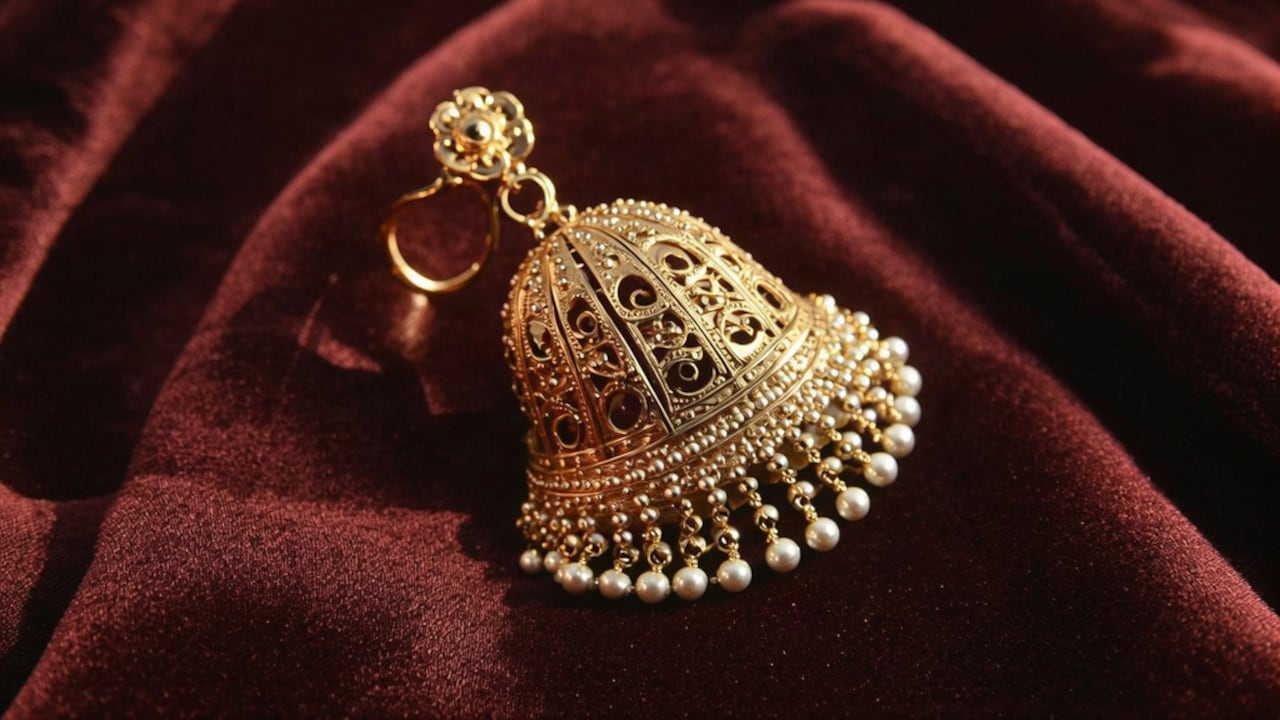
Oxidised Vs Kundan: Which Suits A Festive Look
Festive dressing is never really complete without the right jewellery. Whether it's a grand wedding function or a cosy puja at home, the accessories you choose often define the entire look more than the outfit itself. Oxidised and Kundan jewellery are two of the most popular choices during the festive season, and both have their own distinct charms. If you've been scrolling through Myntra trying to figure out which one actually suits your festive outfits better, this guide should help you make that decision much more easily. Both styles have passionate followers, and for good reason. Oxidised jewellery brings a raw, bohemian energy that feels earthy and effortless, while Kundan pieces carry centuries of royal craftsmanship and feel undeniably grand. The real question isn't which is better - it's which works for your look, outfit, and the occasion.
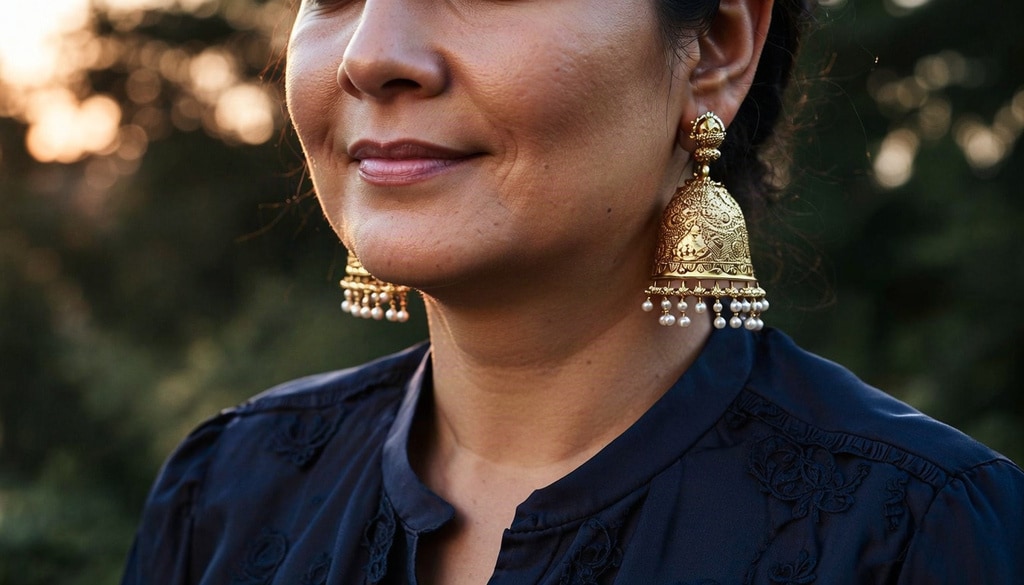
Jhumka; Photo Credit: iStock
Understanding The Two Styles Before You Choose
1. What Is Oxidised Jewellery?
Oxidised jewellery is silver-toned metal that has been deliberately treated to give it a dark, antique finish. The particular greyish-black hue lends it a vintage, handcrafted feel that works particularly well with ethnic and boho-inspired outfits. It's the kind of jewellery that looks worn-in and casual, not too polished – and that's exactly what appeals to many people.
2. What Is Kundan Jewellery?
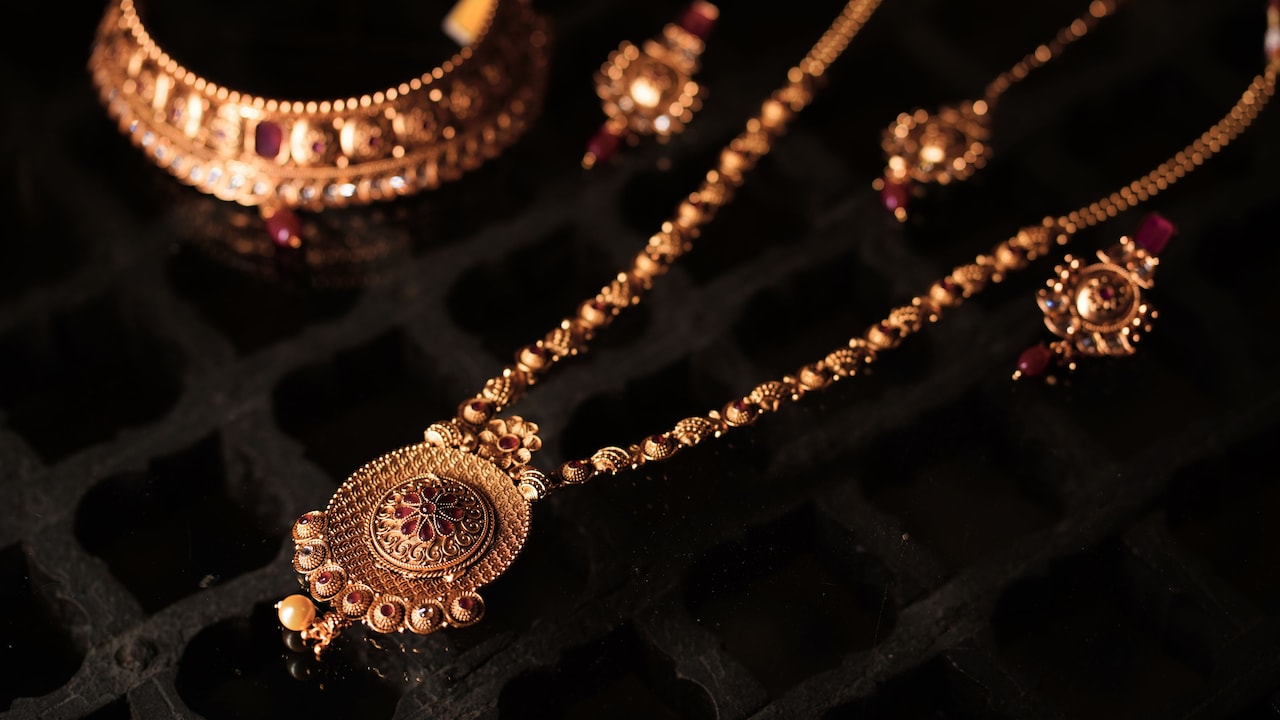
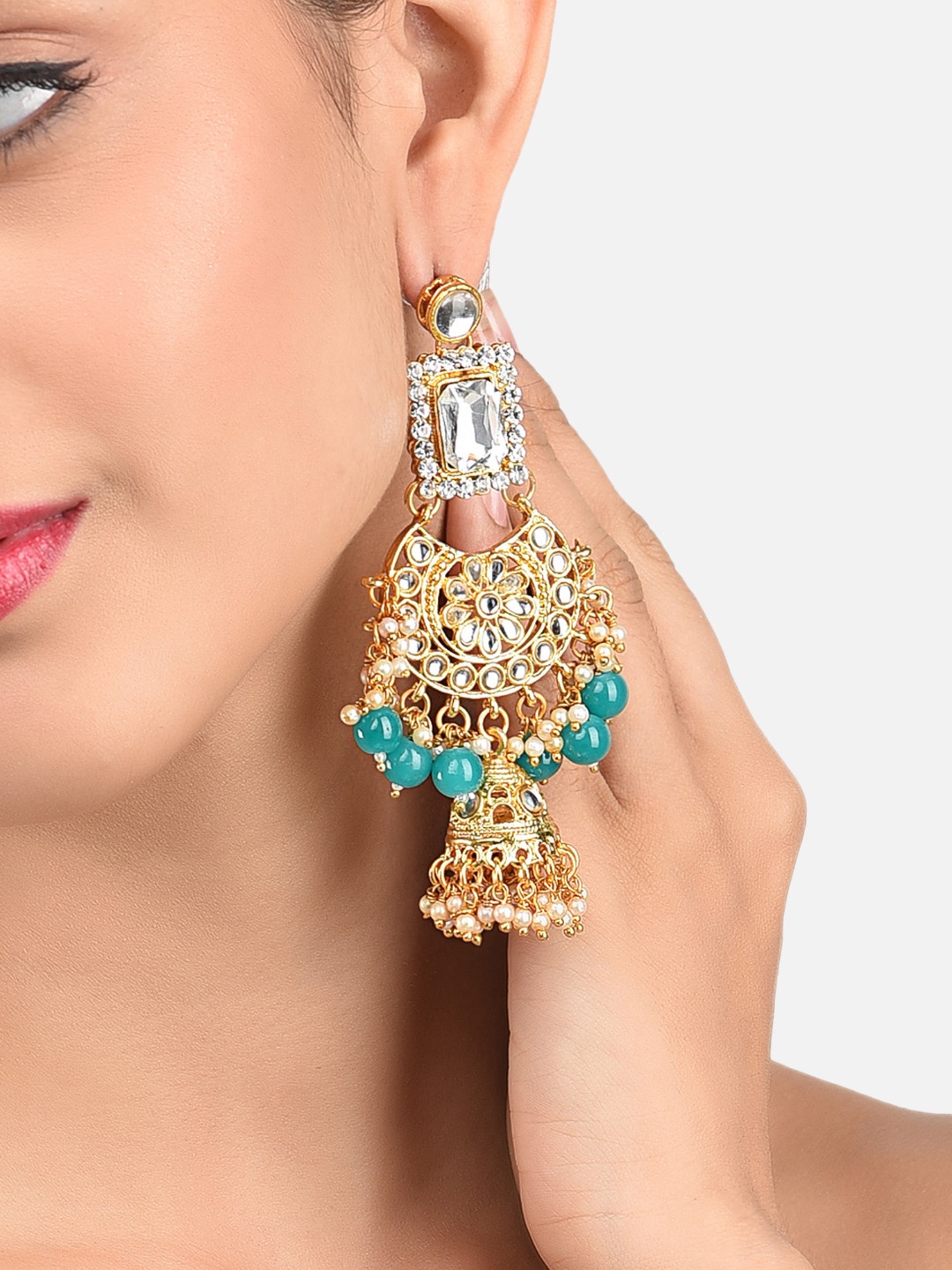
Kundan jewellery is one of the most ancient styles of Indian gemstone jewellery, originating in the royal courts of Rajasthan and Mughal India. It is about wrapping uncut stones with very fine gold foil such that the details are very intricate. The result is ornate, luminous jewellery that is undeniably grand and festive. Kundan sets are usually worn on occasions when you want to look your best.
Which Jewellery Suits Which Festive Outfit?
1. Oxidised Jewellery With Ethnic Casuals And Boho Looks
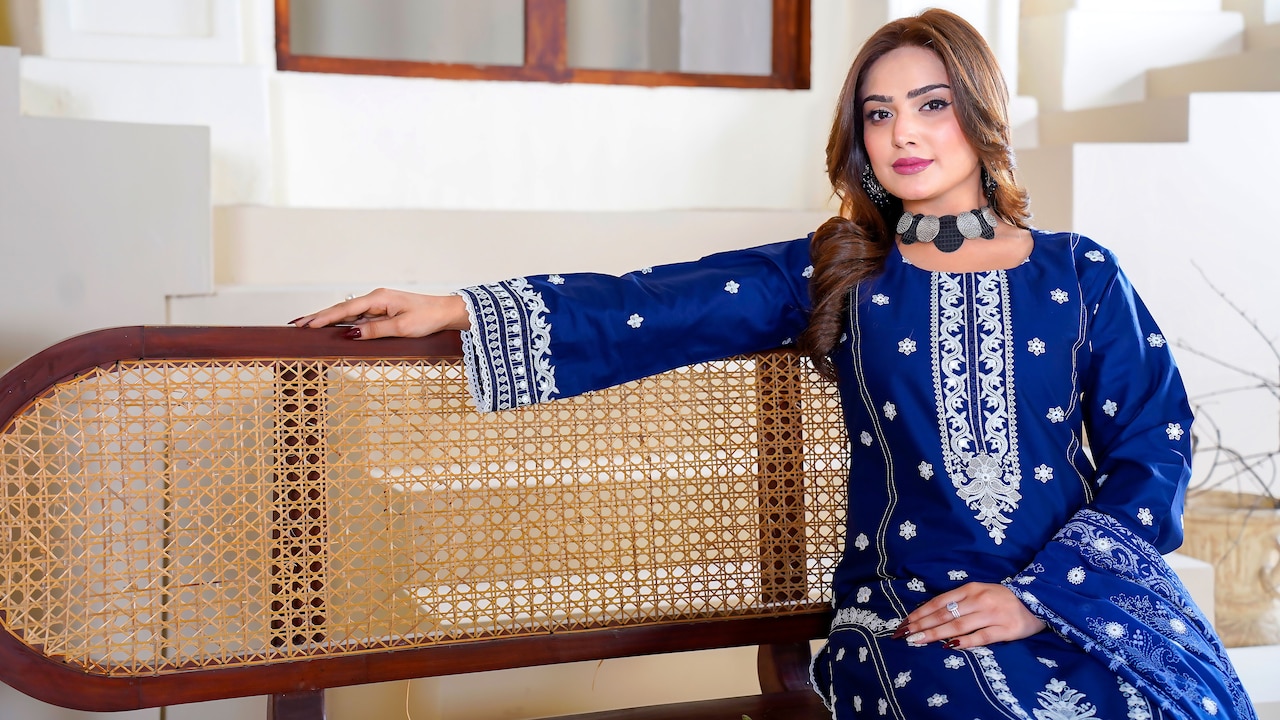
Oxidised jewellery pairs beautifully with a cotton kurta and mirror work dupatta or a printed ethnic co-ord for a relaxed festive gathering. Dark tones of oxidised silver go particularly well with earthy tones such as mustard, rust, teal and forest green. You can dress up a simple outfit without looking overdressed with long jhumkas, layered necklaces and chunky oxidised bangles.
It also goes well with handloom sarees, tribal prints and embroidered fabrics, where the jewellery adds character instead of trying to compete with the design work of the outfit.
2. Kundan Jewellery With Lehengas, Bridal Sarees, And Anarkalis
Kundan jewellery looks best with heavily embellished outfits – lehengas, silk sarees, Anarkali suits or bridal ensembles. The richness of Kundan stones works with deep jewel colours like ruby red, royal blue, emerald green, and bridal pink. A full Kundan necklace with matching earrings and a maang tikka can truly make a look regal.
If it's a time for maximum glamour and a very put-together festive look, then Kundan jewellery rarely disappoints.
Also Read: Amazon Great Indian Festival: 5 Premium Jewellery Finds Under ₹4,000 Worth Adding to Your Collection
Choosing Based On The Festive Occasion
1. Oxidised For Navratri, Garba, And Casual Pujas
Oxidised jewellery is perfect for festive occasions like Navratri and Garba nights. It is usually lighter and less delicate than Kundan, so you can move freely without worrying about the stones falling out or the set getting damaged. The casual-yet-ethnic vibe of oxidised jewellery also fits the colourful and vibrant spirit of Garba.
Oxidised sets are elegant without being too much, making them perfect for morning pujas, Dussehra gatherings, or low-key festive dinners.
2. Kundan For Diwali Parties, Weddings, And Formal Celebrations
Formal festive occasions – be it a Diwali house party where everyone is dressed up, a wedding reception or a sangeet night – are where Kundan jewellery really earns its place. Kundan is statement-making; you don't need to layer too many accessories. One good Kundan set does all the talking.
Kundan jewellery is generally more ornate and precious-looking, making it best suited for occasions when you want to achieve a very deliberate and composed festive look.
Styling Tips To Get The Most Out Of Each Style
1. How To Style Oxidised Jewellery Without Overdoing It
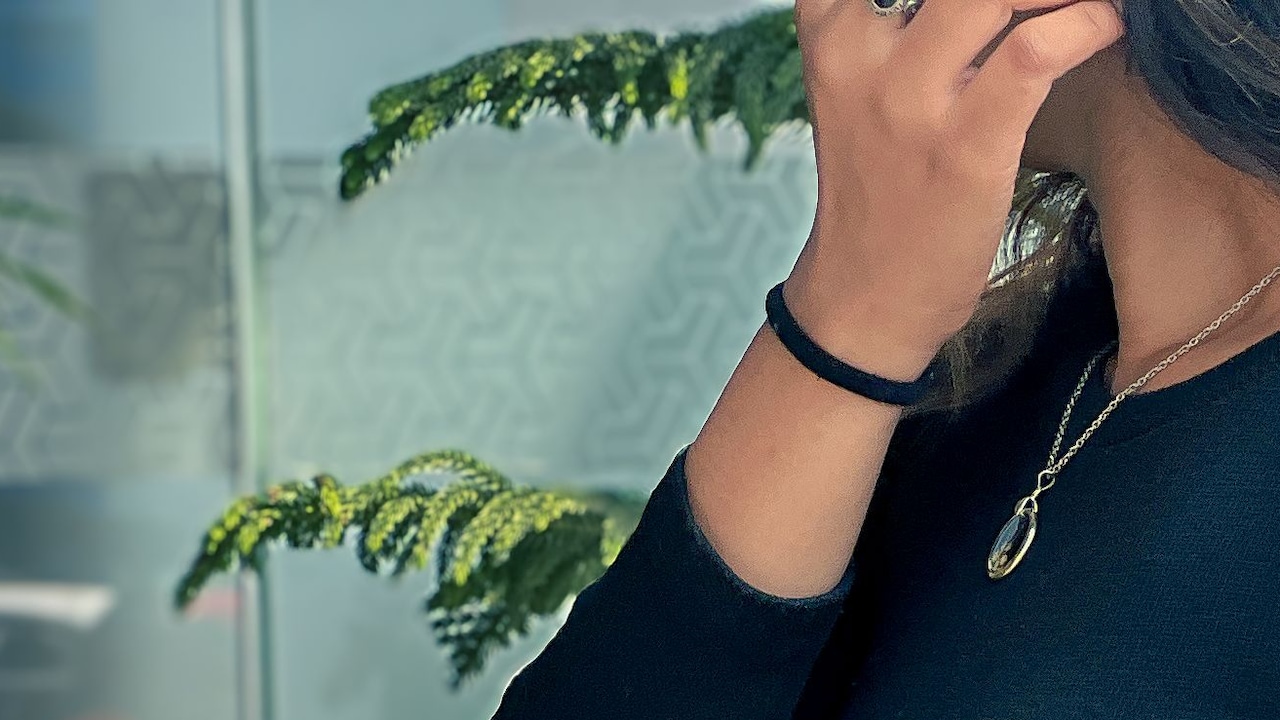
Oxidised jewellery works really well for layering – but balance is key. If you are going for a statement oxidised necklace, then choose smaller earrings. If you are wearing dramatic long jhumkas, then a light oxidised choker or a single pendant is a better option rather than stacking another heavy necklace. The idea is to have one piece lead and the rest support.
Oxidised jewellery looks best when paired with hair that's pulled back or loosely tied so the earrings and neckline pieces can be seen.
2. How To Wear Kundan Without Looking Overdressed
Kundan jewellery can easily become 'too much' if you don't balance it with the rest of your styling. The trick is to let the jewellery do the talking and keep the make-up quite clean - a bold lip or a defined eye, but not both at the same time. If your Kundan set is huge or layered, a simpler dupatta works better than one with heavy embroidery.
Kundan looks particularly striking when your hair is tied up in a bun or neat braid. This lets the neckpiece breathe and be fully appreciated.
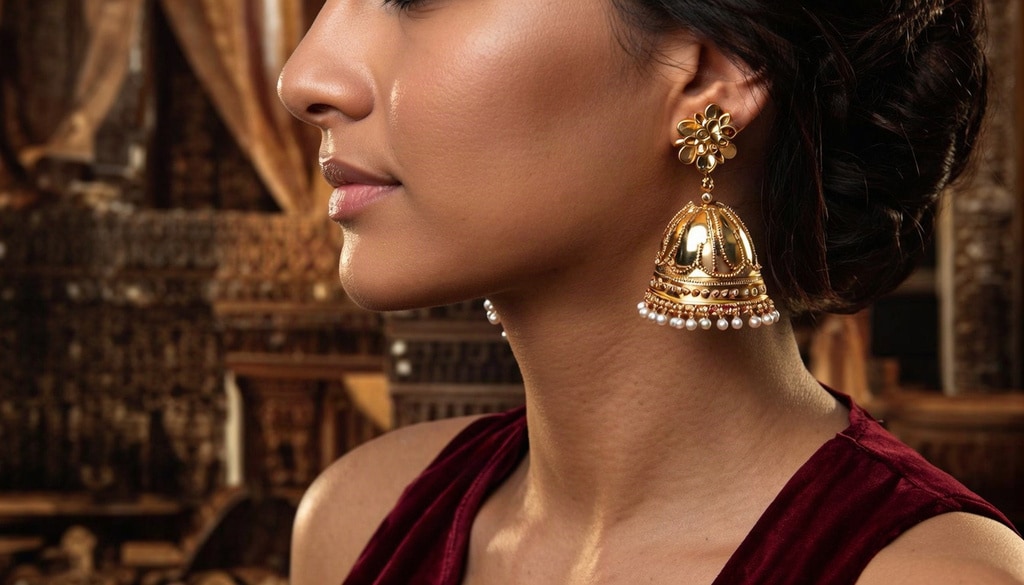
Jhumka; Photo Credit: iStock
Some Products You May Like
1. Rubans Rhodium-Plated Pink Stone-Studded Oxidised Jhumka
2. Yellow Chimes Women's Silver-Plated Oxidised Long Necklace Set
3. NAMAN ARTS Brass Oxidised Jewellery Set
4. Voylla Rava Ball Oxidised Gold Dangle Earrings
5. Fida Gold-Plated White Contemporary Jhumkas
6. ATIBELLE Gold-Plated Kundan Studded Finger Ring
7. Zaveri Pearls Gold-Plated Kundan-Stone Studded & Beaded Jewellery Set
8. DASTOOR Gold-Plated Kundan-Studded & Beaded Maang Tikka
Both Oxidised and Kundan jewellery bring their own festive charm. While Oxidised offers a boho, edgy, and traditional vibe perfect for kurtas and sarees, Kundan adds royal, elegant sparkle ideal for Diwali parties and weddings. Your choice depends on outfit and occasion, but both elevate your festive look beautifully. Shop now on Amazon
Frequently Asked Questions (FAQs)
1. Can oxidised jewellery be worn at weddings?
Yes, oxidised jewellery looks gorgeous at pre-wedding functions like mehendi and haldi ceremonies, as well as at ethnic-casual weddings. For formal wedding occasions, Kundan or gold jewellery is generally more appropriate.
2. Is Kundan jewellery too heavy for everyday festive wear?
Kundan jewellery is not for daily wear, and it is usually worn on special occasions. But for more everyday festive dressing, lighter Kundan pieces like single-stone earrings or a delicate Kundan maang tikka can do the trick.
3. Which jewellery style works better with a silk saree?
Both can work as per the saree. A simple or minimally bordered silk saree goes well with bold Kundan jewellery, while a heavily embroidered or printed silk saree is well balanced with oxidised pieces.
4. What skin tones do oxidised and Kundan jewellery suit?
Oxidised jewellery particularly suits warmer and deeper skin tones. Kundan, with its golden base and bright coloured stones, looks good on a variety of complexions, depending on the stone colours chosen.
5. Can both styles be mixed?
Usually, oxidised and Kundan jewellery should not be worn together, as the two aesthetics may clash. Generally, opt for one style per outfit for a more polished, intentional festive look.
(Disclaimer: This article may include references to or features of products and services made available through affiliate marketing campaigns. NDTV Convergence Limited (“NDTV”) strives to maintain editorial independence while participating in such campaigns. NDTV does not assume responsibility for the performance or claims of any featured products or services.)