Peplum Tops Making Your Waist Look Wider? Here Is What You Are Getting Wrong
Peplum tops don’t widen your waist, styling mistakes do. From fabric to fit, here’s what’s going wrong and how to fix it for a more flattering silhouette.

Top ways to make peplum tops look flattering and not just wide
Peplum tops have always had a curious reputation. Some swear by them for creating a flattering silhouette, while others avoid them entirely, convinced they widen the waistline. It is a love-hate relationship that seems to repeat every few fashion cycles.

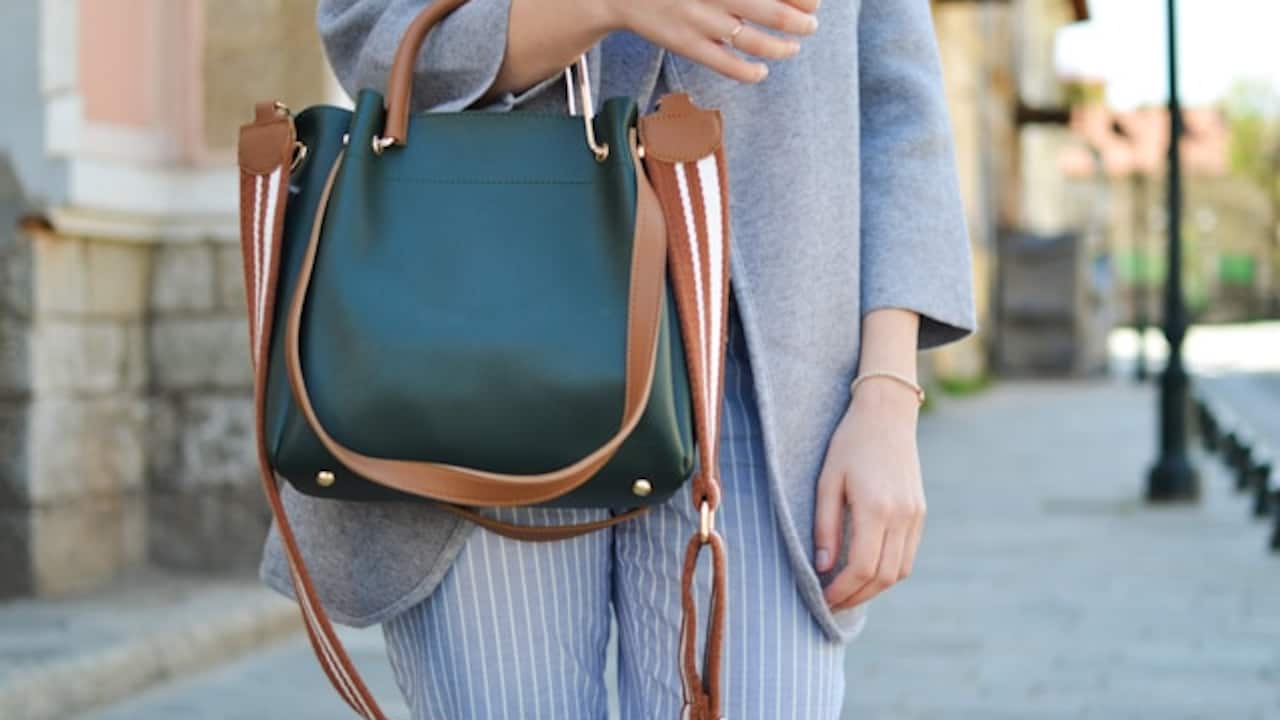
Common peplum top mistakes to avoid for a flattering look; Photo Credit: Unsplash
The irony lies in the fact that peplum was originally designed to highlight the waist, not hide it. When styled correctly, it creates structure, enhances curves, and brings balance to the outfit. Yet, a few missteps can flip the effect entirely. Suddenly, the same top that looked chic on a mannequin feels bulky and unflattering in real life.
The difference often comes down to details. Fabric stiffness, the flare's placement, pairing choices, and even footwear play a role. Much like adding too much tadka to a simple dal can overpower the dish, overdoing certain elements in a peplum outfit can disrupt the visual balance.
Understanding these nuances can completely transform how peplum tops work. Instead of writing them off, it helps to decode what really goes wrong and how to get it right.
Also Read: Peplum Tops That Flatter Every Body Type
Common Styling Mistakes That Make Peplum Tops Look Unflattering
Choosing The Wrong Fabric Can Ruin The Shape
Fabric forms the backbone of any garment, and with peplum tops, it becomes even more crucial. Stiff fabrics often hold their shape too aggressively, causing the flare to stick out rather than flow naturally. This creates an illusion of added volume right at the waistline, which most people interpret as looking wider.
On the other hand, fabrics that are too flimsy fail to hold structure, making the peplum collapse awkwardly. The result feels messy rather than flattering. The sweet spot lies somewhere in between. Materials like soft cotton blends, crepe, or light georgette offer just enough structure while still allowing movement.
Consider festive wear as an example. A heavily brocaded peplum might look stunning on a hanger but can feel bulky when worn for hours at a wedding function. Meanwhile, a lighter fabric version moves with the body, maintaining elegance without exaggerating the waist.
Fabric also affects comfort. When a garment feels restrictive or heavy, posture changes subconsciously, and that alone can alter how the silhouette appears. Choosing the right material ensures that the peplum enhances rather than overwhelms.
Ignoring The Placement Of The Flare
Not all peplum tops are created equal. The exact point where the flare begins plays a huge role in shaping the body's proportions. When the flare starts too high, near the ribcage, it can make the torso appear shorter and wider. Conversely, a flare that begins too low can disrupt the natural waistline altogether.
The ideal placement aligns with the narrowest part of the waist. This draws attention to the smallest area and allows the flare to flow outward gracefully. It creates a natural hourglass illusion without forcing it.
Picture trying on two similar tops in a store at a mall. One feels slightly off, while the other instantly looks better without any obvious difference. More often than not, the flare placement is the reason.
Understanding body proportions helps in making better choices. For those with a shorter torso, a slightly higher peplum can work, but balance remains key. The goal is to highlight, not distort. Paying attention to this detail can completely change how the top looks.
Pairing With The Wrong Bottom Wear
Even the most perfectly designed peplum top can fall flat when paired with the wrong bottom. Volume on top demands balance below. Wearing it with wide-legged trousers or heavily flared skirts can create a bulky overall silhouette.
Slim-fit bottoms work best because they counterbalance the flare. Think tailored trousers, straight-cut jeans, or even well-fitted churidars. These choices anchor the outfit and keep the focus on the waist.
Consider a casual brunch outfit. A peplum top paired with loose palazzos might feel comfortable but lacks structure. Switching to slim-fit ankle-length pants instantly sharpens the look.
This does not mean avoiding all flowy bottoms. The key lies in proportion. If the top has a dramatic flare, the bottom should remain understated. Fashion often works like a conversation; too many loud elements compete for attention, while a balanced mix creates harmony.
Overlooking The Importance Of Fit
Fit can make or break any outfit, and peplum tops are no exception. A top that is too tight pulls awkwardly at the waist, exaggerating bulges. Meanwhile, an overly loose fit hides the waist altogether, defeating the purpose of the peplum.
A well-fitted peplum gently hugs the upper body before flaring out. It should feel comfortable without clinging. Tailoring can often solve this issue. Spending ₹300–₹500 on minor alterations can transform a decent top into a flattering one.
Ready-made sizes do not always account for individual body shapes. Slight adjustments at the bust or waist can make a significant difference.
Comfort plays a role here as well. When a top fits well, it allows ease of movement and boosts confidence. That confidence reflects in posture, which in turn enhances the overall appearance. Fit is not just about measurements; it is about how the garment works with the body.
Choosing The Wrong Length Of The Top
Length is another subtle factor that often goes unnoticed. A peplum top that ends at an awkward point on the hips can make the lower body appear heavier. If the flare cuts across the widest part of the hips, it draws attention there.
Ideally, the length should either sit just above the hips or extend slightly below, depending on body shape. This creates a smoother visual line.
Think of it like wearing a kurti with leggings. The length of the kurti changes how the entire outfit looks. The same principle applies here.
Trying different lengths in front of a mirror helps identify what works best. Small adjustments can create a more balanced silhouette. Length may seem like a minor detail, but it plays a major role in how flattering the outfit feels.
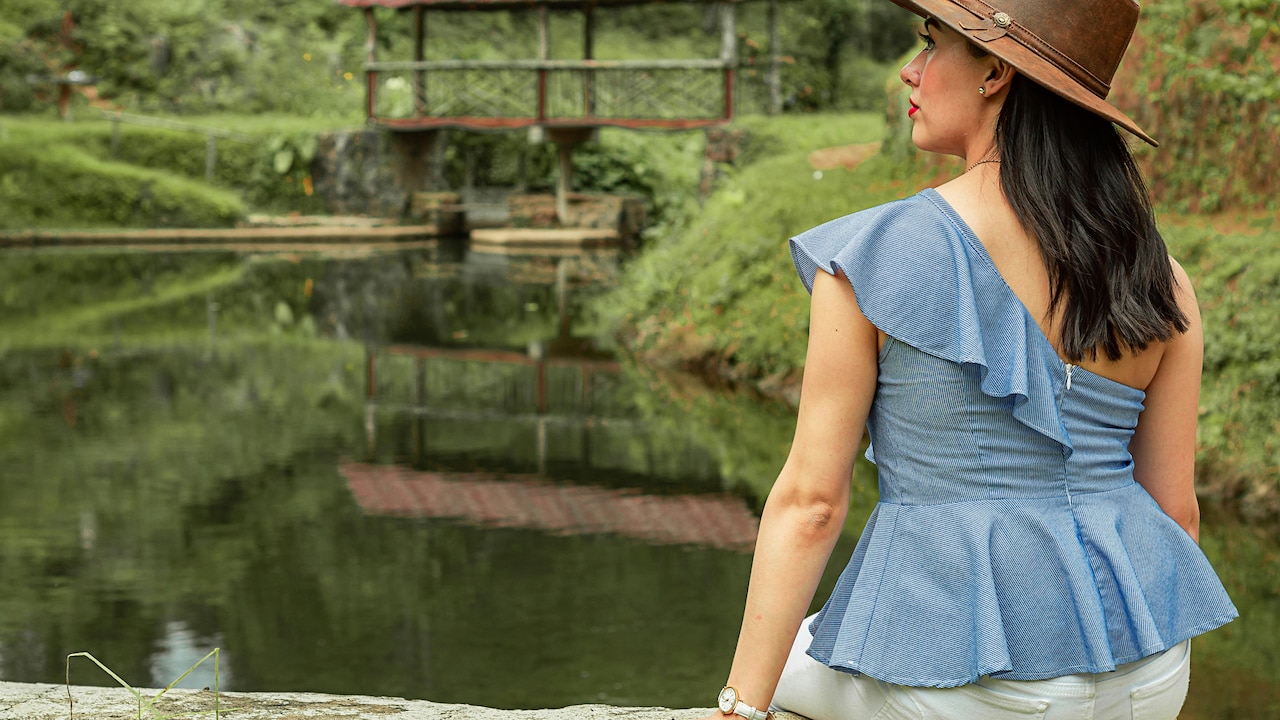
Ensure that the length sit either just above the hips or extend slightly below to create a smoother visual line; Photo Credit: Pexels
Ignoring Neckline And Sleeve Balance
The neckline and sleeves contribute significantly to the overall look. A high neckline combined with a voluminous peplum can make the upper body look heavy. Similarly, overly puffy sleeves add unnecessary bulk.
Balancing these elements creates a more proportionate appearance. V-necks, scoop necks, or even subtle boat necks can elongate the upper body and offset the flare.
Sleeve choices matter too. Sleek, fitted sleeves or even sleeveless designs often work better with peplum tops. They keep the focus on the waist rather than crowding the silhouette.
It is similar to styling festive outfits. Too many embellishments in one place can feel overwhelming. Distributing details evenly ensures a polished look.
When neckline, sleeves, and peplum work together, the result feels cohesive rather than cluttered.
Wearing The Wrong Innerwear
Innerwear rarely gets discussed openly, yet it plays a crucial role in how clothes sit on the body. Ill-fitting undergarments can create lines or bulges that disrupt the smooth flow of a peplum top.
A well-fitted bra provides proper support and helps the top fall correctly. Seamless options work best as they remain invisible under the fabric.
Consider how a well-draped saree depends on the right petticoat. The same logic applies here. The foundation affects the final look.
Taking time to choose the right innerwear may seem like an extra step, but it makes a noticeable difference. It ensures that the peplum's structure remains intact and flattering.
Overdoing Accessories Around The Waist
Accessories can elevate an outfit, but overdoing them can have the opposite effect. Adding belts, heavy embroidery, or layered details around the waist can clutter the area. This draws unnecessary attention and makes it appear wider.
Keeping the waist area clean allows the peplum to shine. If accessories are needed, focusing on statement earrings or a bold handbag works better.
Think of it like decorating a room. Too many items in one corner make it feel cramped. Spacing things out creates a more pleasing look.
Minimalism often works best with peplum tops. Let the design do the talking rather than competing with it.
Ignoring Footwear Choices
Footwear might seem unrelated, but it affects overall proportions. Flat footwear can sometimes make the outfit appear heavier, especially when paired with a voluminous top.
Heels or wedges add height and elongate the silhouette. This balances the flare and creates a more streamlined appearance.
Even a small lift can make a difference. A pair of modest heels worn to a dinner outing can elevate the entire look.
Comfort remains important, though. Choosing footwear that feels easy to wear ensures confidence, which reflects in posture and overall style.
Not Paying Attention To Posture And Confidence
Clothing works best when paired with good posture. Slouching can make even the most flattering outfit look awkward. Standing tall allows the peplum to fall naturally and enhances the waistline.
Confidence plays an equally important role. Doubting an outfit often shows in body language. Embracing the style with ease transforms how it looks.
Think of how someone carries themselves at a festive gathering. The same outfit can look entirely different depending on confidence.
Fashion is not just about clothes; it is about how they are worn. A peplum top, when styled thoughtfully and worn confidently, can become a standout piece.
Products Related To This Article
1. Femibazaar Checked Halter Neck Cotton Peplum Top
2. BEING NAUGHTY Women Self Design Puff Sleeves Peplum Crop Top
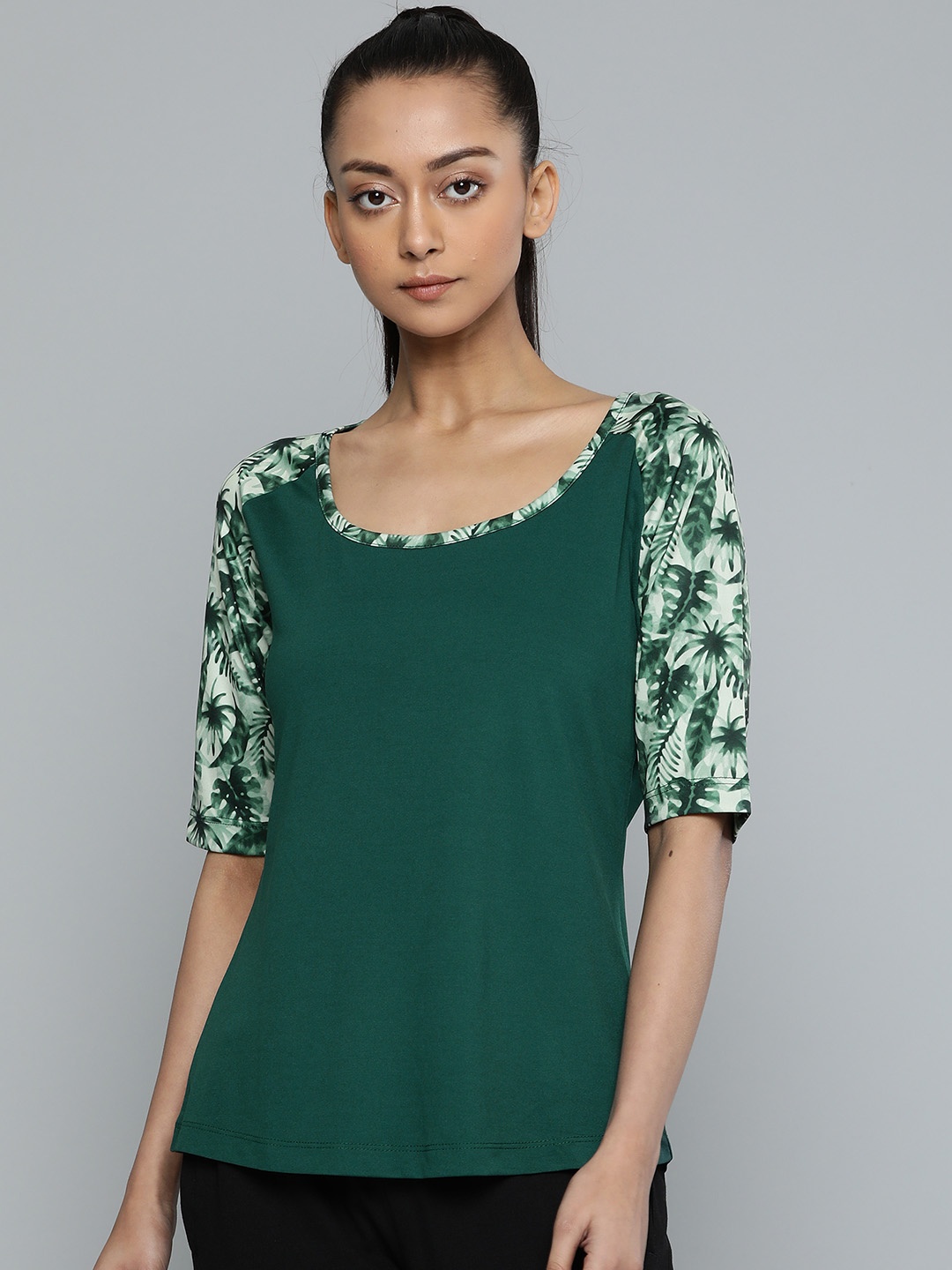
3. Womenster Tropical Print Crepe Peplum Top
4. Tokyo Talkies Burgundy Lace Inserts Peplum Top
5. Haute and Humble Floral Print Cotton Peplum Top
Peplum tops do not inherently make the waist look wider. The issue lies in the details that often go unnoticed. From fabric and fit to pairing and posture, every element contributes to the final look.
Understanding these nuances shifts the perspective entirely. Instead of avoiding peplum tops, it becomes easier to style them in a way that flatters the body. Small adjustments can lead to significant improvements.
Fashion thrives on experimentation. Trying different combinations, observing what works, and making subtle changes can transform any outfit. The peplum, with its structured elegance, holds immense potential when styled right.
Rather than blaming the garment, it helps to revisit the approach. Sometimes, all it takes is a fresh perspective to turn a fashion doubt into a wardrobe favourite.
(Disclaimer: This article may include references to or features of products and services made available through affiliate marketing campaigns. NDTV Convergence Limited (“NDTV”) strives to maintain editorial independence while participating in such campaigns. NDTV does not assume responsibility for the performance or claims of any featured products or services.)