Pick Sunglasses Based on Face Shape and Lens Width: Know How
Learn how to pick sunglasses that balance your features, improve comfort, and add effortless style to sunny days.
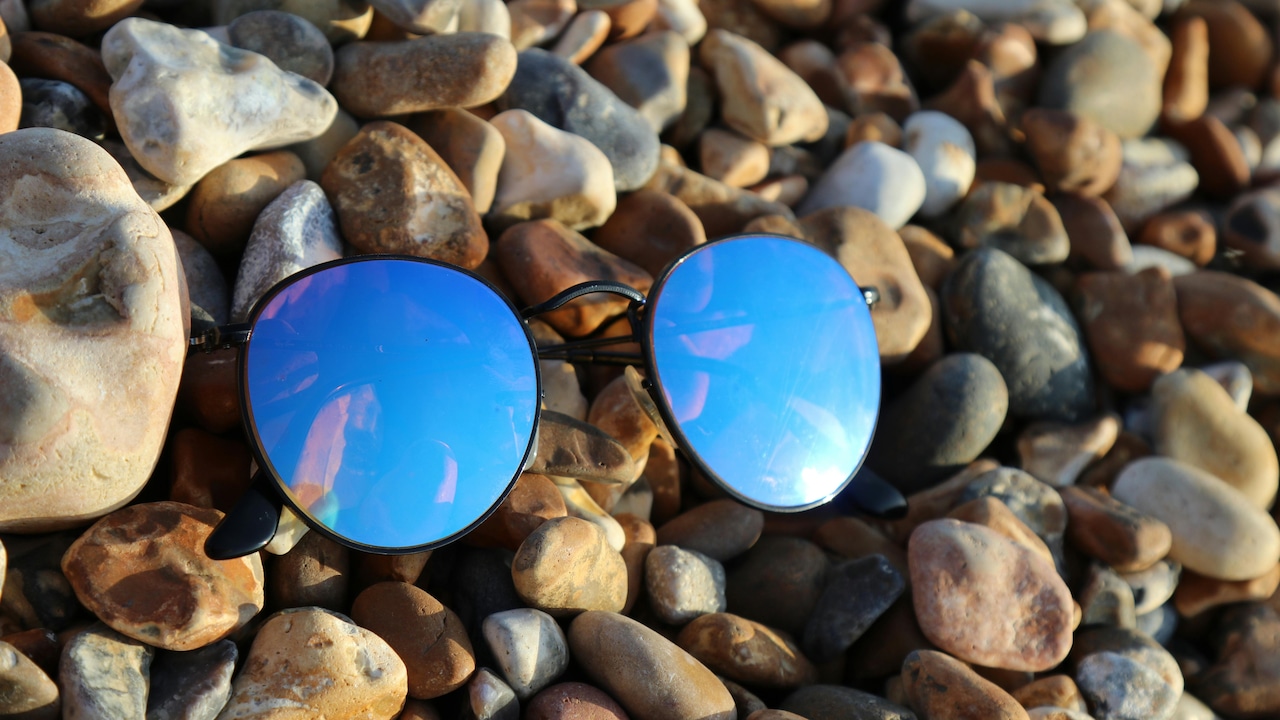
Choosing sunglasses is not just about trends. The right pair depends on face shape and lens width.
A sunny afternoon often calls for sunglasses. Whether strolling along a bustling market street, heading out on a weekend road trip, or waiting at a cricket ground for the toss, sunglasses instantly become part of the look. Yet choosing the right pair can feel surprisingly tricky. A frame that looks stylish in a shop mirror may appear awkward outdoors or slide down the nose after a few minutes.
Most people focus only on colour or brand. However, face shape and lens width play a much bigger role in determining whether sunglasses truly suit someone. The right frame complements facial structure, while the wrong one exaggerates angles or proportions. Lens width, meanwhile, affects comfort, coverage, and visual balance.
Think of sunglasses as a small but powerful accessory. Much like a well-fitted kurta or a neatly tailored blazer, the right pair creates harmony. When frames match the natural lines of the face, everything looks more polished without trying too hard.
Understanding this balance does not require complicated fashion knowledge. A few practical guidelines can help anyone choose frames that flatter features and protect the eyes at the same time. From round faces to heart-shaped ones, and from narrow lenses to oversized styles, each choice tells a story about comfort, personality, and confidence.
The following sections explore how to select sunglasses by considering face shape and lens width. Each tip highlights small details that make a big difference when standing in front of a display filled with tempting options.
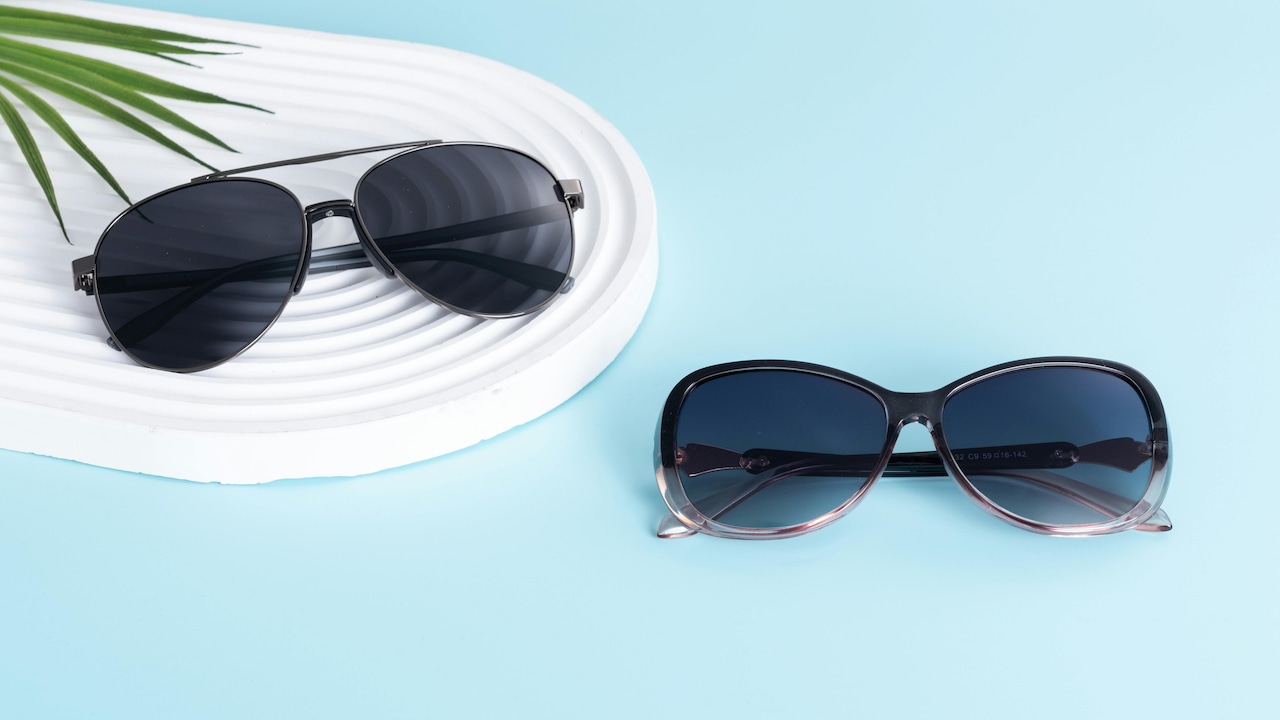
Pick Sunglasses Based on Face Shape and Lens Width: Know How
Photo Credit: Pexels
A Practical Guide To Finding Sunglasses That Truly Suit You
Understand Your Face Shape Before Shopping
Every successful sunglasses choice begins with understanding face shape. Many shoppers skip this step and pick frames that look appealing on the shelf. However, facial structure quietly influences how a frame sits and appears.
A simple mirror test often reveals the answer. Tie the hair back, face the mirror, and observe the outline of the face. Some people notice soft curves along the jawline, while others see sharper angles or a narrow chin. These clues help identify whether the face leans towards round, oval, square, or heart-shaped.
Once the shape becomes clear, frame selection becomes easier. Frames should contrast natural features rather than repeat them. For example, someone with a round face benefits from angular frames that create structure. On the other hand, a person with sharper features may look better with softer curves.
Many optical stores display rows of frames that look identical at first glance. Yet small changes in frame angles or lens width dramatically change the final look. A shopper who understands face shape enters the store with a clear direction rather than random guesses.
Even online shopping has become simpler. Most eyewear websites list frame dimensions and shapes. Knowing facial structure allows buyers to filter options confidently instead of scrolling endlessly through trendy designs that may never suit them.
Choose Frames That Balance A Round Face
Round faces carry soft curves with similar width and length. Cheeks appear fuller, and the jawline blends gently into the chin. Sunglasses for this face shape should introduce contrast rather than repeat the circular pattern.
Angular frames perform this job beautifully. Rectangular, square, or geometric sunglasses add definition and make the face appear slightly longer. The effect feels subtle yet powerful, almost like contouring with accessories instead of makeup.
Lens width also matters here. Wider lenses create the illusion of length and reduce the round appearance. Many fashion enthusiasts prefer oversized rectangular frames because they instantly add structure to soft features.
Picture someone stepping out for a summer brunch wearing a breezy cotton shirt and a pair of structured sunglasses. The contrast between soft facial curves and sharp frames creates visual balance. It feels stylish without looking forced.
Round frames, though fashionable, rarely complement this face shape. They repeat the circular lines already present in the face and can make features appear fuller.
A careful shopper may notice how celebrities with round faces often choose square aviators or rectangular shades. The principle remains simple: introduce angles to soften the roundness while keeping the look modern and confident.
Complement Oval Faces With Versatile Frames
Oval faces enjoy the most flexibility when it comes to sunglasses. The proportions already feel balanced, with slightly wider cheekbones and a gently tapering jawline. Because of this natural symmetry, many frame styles work well.
However, balance still matters. Frames that feel excessively large or extremely narrow may disturb the natural proportions. Medium to wide lenses generally create the most flattering effect.
Square frames often add a stylish contrast to the soft curves of an oval face. Meanwhile, aviators bring a relaxed charm that suits everyday wear. Even round frames can look striking on this face shape because the natural structure supports them.
Imagine browsing through a weekend flea market wearing classic aviators. The lenses cover the eyes comfortably, while the frame complements the gentle facial curves. The result feels effortless rather than carefully calculated.
Lens width should remain proportional to the face. Frames that extend slightly beyond the cheekbones usually look balanced. If lenses stretch too far, the sunglasses may overwhelm facial features.
Oval faces allow experimentation, but moderation remains the secret. When frame size and lens width align with natural proportions, almost any style can become a personal signature.
Add Softness To Square Faces With Curved Frames
Square faces feature strong jawlines, broad foreheads, and sharp angles. These bold features carry a confident presence, yet sunglasses should soften the intensity rather than amplify it.
Curved frames achieve this balance beautifully. Round or oval sunglasses introduce gentle lines that contrast the sharp structure of the face. The effect creates harmony and reduces the rigid appearance of strong angles.
Lens width plays an equally important role. Slightly larger lenses help soften the jawline by drawing attention upward. Oversized round frames often work especially well for this reason.
Imagine someone stepping out on a bright afternoon wearing a crisp linen shirt and soft round sunglasses. The curved frames balance the strong jawline and create a relaxed yet stylish appearance.
Sharp rectangular frames usually clash with square faces. They mirror the natural angles of the face and make features appear even stronger.
Many eyewear experts suggest focusing on thin metal frames or softly curved acetate designs. These styles reduce visual heaviness and create a smoother silhouette.
The goal lies in balance. When curved frames meet strong features, the final look feels confident, comfortable, and quietly fashionable.
Balance Heart-Shaped Faces With Wider Lenses
Heart-shaped faces feature a wider forehead and cheekbones that taper into a narrow chin. Sunglasses should balance the upper part of the face while drawing attention away from the pointed chin.
Frames with wider lenses help achieve this balance. Aviators, bottom-heavy frames, and slightly oversized sunglasses work particularly well because they distribute visual weight evenly.
Imagine someone enjoying a late afternoon drive with classic aviators reflecting the sunlight. The wider lenses soften the forehead area while creating harmony with the narrow chin.
Lens width becomes crucial here. Frames that feel too narrow may exaggerate the forehead's width. Wider lenses provide coverage and bring balance to facial proportions.
Light-coloured frames or rimless styles also complement heart-shaped faces beautifully. They avoid adding unnecessary weight to the upper portion of the face.
Fashion often celebrates dramatic designs, but subtle balance creates lasting style. Sunglasses that gently widen the lower half of the face create a pleasing visual rhythm without drawing attention to structural contrasts.
Understand Lens Width And Why It Matters
Lens width refers to the horizontal measurement of each lens, usually expressed in millimetres. Though the number may look technical, it directly affects comfort, coverage, and appearance.
Smaller lens widths, often between 40 and 48 mm, suit narrow faces. Medium widths around 49 to 54 mm, fit most people comfortably. Larger lenses above 55 mm create the bold, oversized look many shoppers love.
Beyond style, lens width influences eye protection. Wider lenses block sunlight from more angles, which proves useful during bright afternoons or long drives. Smaller lenses may look fashionable, but sometimes allow glare to sneak through the sides.
Consider a person commuting through busy streets during peak summer. Larger lenses provide broader shade, reducing strain and improving comfort.
Lens width also determines how sunglasses sit on the face. Frames that feel too narrow pinch the temples, while overly wide frames slide down the nose.
Most eyewear stores print the lens width inside the temple arm. Checking this number ensures that the next purchase fits as comfortably as the previous favourite pair.
Match Frame Size With Overall Facial Proportion
Frame size should always match overall facial proportion. Even the most stylish sunglasses lose their charm when the size feels mismatched.
Small frames on a broad face often look awkward, almost like borrowed accessories. Oversized frames on a petite face may overpower delicate features.
The easiest way to judge proportion involves the cheekbone rule. Frames should align roughly with the width of the cheekbones. If the lenses stretch far beyond this point, the sunglasses appear exaggerated.
Lens height also contributes to balance. Taller lenses provide dramatic style and extra sun protection, while shorter lenses create a sleek, minimalist look.
Picture someone standing outside a roadside café wearing perfectly proportioned sunglasses. The frames sit comfortably, align with the cheekbones, and feel like a natural extension of personal style.
Shoppers often try multiple frames before finding the right proportion. That moment when a pair feels “just right” usually signals perfect alignment between frame size and facial structure.
Consider Nose Bridge Fit For Comfort
Many people focus on frame shape but forget the importance of the nose bridge. Yet the bridge determines whether sunglasses stay comfortably in place or constantly slide down.
Faces with lower nose bridges often benefit from adjustable nose pads. These pads allow small adjustments that improve grip and balance.
Meanwhile, people with higher bridges usually find standard plastic frames comfortable. The frame rests naturally without pressing too hard against the nose.
Lens width interacts with bridge size as well. Wider lenses paired with a narrow bridge may feel unstable. Balanced measurements ensure that sunglasses sit evenly across the face.
Imagine walking through a crowded shopping street while constantly pushing sunglasses back into position. The irritation quickly ruins the experience.
A properly fitted bridge eliminates this annoyance. Sunglasses remain stable, allowing the wearer to focus on the day rather than the accessory.
Comfort may sound practical rather than stylish, yet a relaxed fit always looks better than frames that appear forced or uncomfortable.
Pay Attention To Temple Length And Grip
Temple arms, the long pieces extending over the ears, influence both comfort and stability. If the temples feel too short, the sunglasses pinch the head. If too long, they slip forward during movement.
Most temple lengths range between 135 and 150 mm. The correct size allows the arms to rest gently behind the ears without pressure.
Lens width and temple length should work together. Wider lenses often require slightly longer temples to maintain balance.
Consider someone riding a scooter along a sunny coastal road. Sunglasses with well-fitted temples remain steady despite wind and movement. Poorly fitted ones slide down every few seconds.
Rubberised temple tips or slightly curved arms improve grip without sacrificing style. Many sports sunglasses use this design for extra stability.
A good pair of sunglasses should feel secure yet almost invisible during wear. When temples fit correctly, the frames stay in place without constant adjustments.

Pick Sunglasses Based on Face Shape and Lens Width: Know How
Photo Credit: Pexels
Select Lens Colours That Suit Your Lifestyle
Lens colour influences both style and visual comfort. While many shoppers focus on frame shape, the tint also affects how sunlight appears.
Grey lenses remain the most versatile option. They reduce brightness without altering colours dramatically, making them suitable for everyday use.
Brown lenses enhance contrast and depth. They work particularly well during outdoor activities or long drives.
Green lenses balance brightness and colour clarity. Many people prefer them for extended outdoor wear because they reduce eye fatigue.
Picture someone enjoying a cricket match on a sunny afternoon. The right lens colour reduces glare while keeping the view sharp and comfortable.
Fashion trends sometimes highlight bright mirrored lenses or unusual colours. These styles add personality but should still provide proper UV protection.
Lens width, frame shape, and colour together create the complete sunglasses experience. When these elements align, the result feels stylish and practical at the same time.
Products Related To This Article
1. KRILLEN SHADES Women Round Sunglasses with UV Protected Lens
2. HRX by Hrithik Roshan Unisex Aviator Sunglasses
3. RICH CLUB Women Purple Lens & Gold-Toned Butterfly Sunglasses with
4. HASHTAG EYEWEAR Unisex Rimless Other Sunglass with Polarised & UV Protect Lens
5. Espee Men Grey Lens & Black Square Sunglasses
6. Project Shades Unisex Brown Lens & Black with UV Protected Lens Oversized Sunglasses
7. GYNK Unisex Black Lens & Black Oval Sunglasses
Sunglasses may appear simple, yet choosing the right pair involves thoughtful balance. Face shape, lens width, frame size, and fit all influence how sunglasses look and feel.
A pair that complements facial structure can instantly elevate personal style. Meanwhile, proper lens width and comfortable measurements ensure protection from bright sunlight.
The next time a display of stylish frames catches the eye, pause for a moment before making a choice. Observe the face shape, check the lens width, and consider how the frame balances natural features.
A well-chosen pair does more than shield the eyes. It frames the face, reflects personality, and adds quiet confidence to everyday moments under the sun.
(Disclaimer: This article may include references to or features of products and services made available through affiliate marketing campaigns. NDTV Convergence Limited (“NDTV”) strives to maintain editorial independence while participating in such campaigns. NDTV does not assume responsibility for the performance or claims of any featured products or services.)